

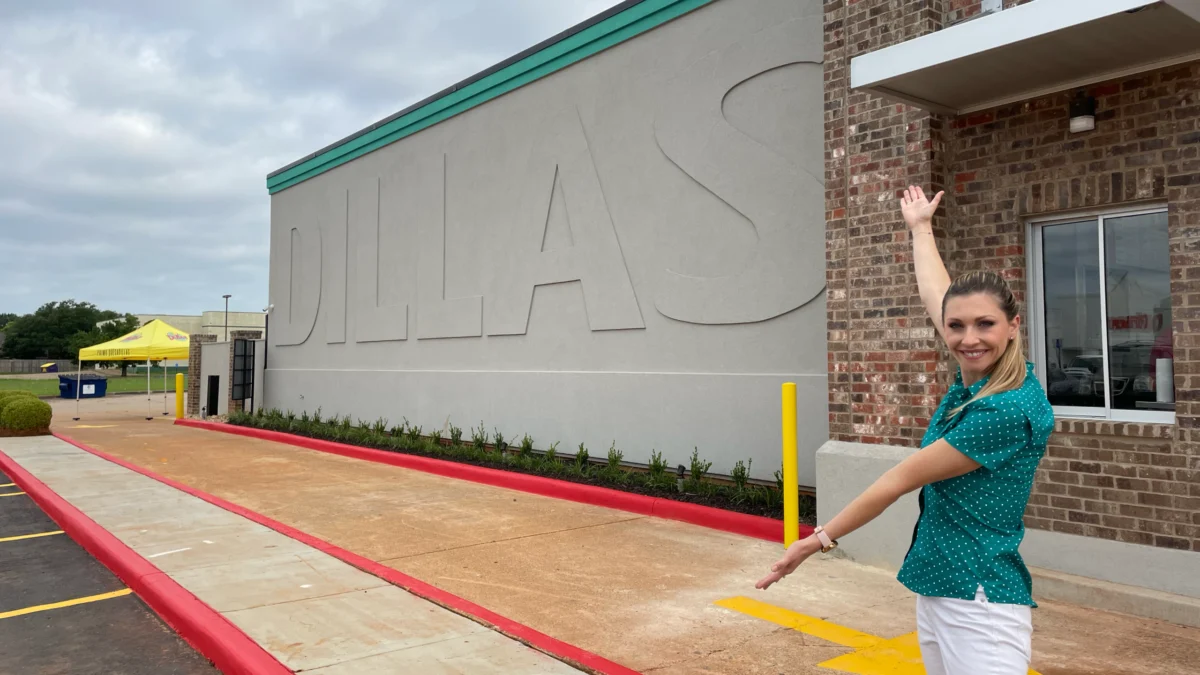
Dillas Quesadillas, a fast-casual concept conceived with the ambition of dominating the quesadilla market, has spent over a decade meticulously building its operational foundation. While the brand’s polished aesthetic and sophisticated systems suggested immediate scalability from its inception in 2013, its founders, Kyle and Maggie Gordon, acknowledge that achieving its full growth potential has been a more gradual journey than initially envisioned. The company’s recent strategic pivot towards franchising, bolstered by key leadership appointments and a refined operational and menu strategy, signals a readiness to accelerate expansion and capture a larger market share.
The Genesis of a Category Leader
The vision for Dillas Quesadillas was clear from day one: to establish a dominant presence in the quesadilla segment, a niche the Gordons believed was underserved by dedicated, high-quality concepts. Kyle Gordon, drawing upon his extensive management experience at the highly successful fast-casual chain Raising Cane’s, applied proven principles of operational efficiency, robust systems, and strong branding to Dillas. This foundational approach was designed not for immediate, explosive growth, but for sustainable, long-term expansion.
"Everything has scale in mind for us," Maggie Gordon explained in a recent interview on the podcast "Take-Away with Sam Oches." "So whenever we build any system, it’s not, ‘Is this what we need today?’ It’s, ‘Is this what we need at 20 locations, 50 locations, 100 locations?’ Because we’re not in the mindset of redoing things." This forward-thinking design philosophy meant that even the earliest Dillas locations presented an image of a well-established national brand, leading many local patrons to believe they were experiencing an outpost of a larger, pre-existing chain. "They assumed we were another national brand that just hadn’t hit town yet," she recalled.
This initial sophistication was a deliberate strategy to build brand equity and operational integrity from the ground up. The Gordons understood that true scalability in the restaurant industry requires more than just a compelling product; it demands flawless execution, consistent quality, and efficient processes that can be replicated across numerous units. Their early investment in these areas laid the groundwork for future expansion, even if the pace of that expansion did not immediately align with their initial projections.
A Measured Trajectory and a Strategic Shift
In the 13 years since its founding, Dillas has grown to 11 locations. While this represents consistent progress, it falls short of the "dozens, if not hundreds" of locations the Gordons had envisioned for the brand. This measured growth, however, was not a sign of stagnation but rather a period of deliberate refinement. The company has used these years to meticulously test and optimize its menu, operational procedures, supply chain, and training programs.
This period of internal development has now culminated in a significant strategic shift: a renewed and amplified focus on franchising. Earlier this year, Dillas formally embraced franchising as its primary growth vehicle. This move is strategically timed with the appointment of Michael Mabry as Chief Operating Officer (COO). Mabry, a seasoned industry veteran with a track record of scaling restaurant brands, brings invaluable expertise to guide Dillas through its next phase of aggressive expansion. His leadership is expected to be instrumental in developing franchise support systems, ensuring operational consistency across new markets, and attracting qualified franchise partners.
The Gordons view this current juncture as a pivotal moment, where the extensive preparation is finally yielding the conditions for accelerated growth. "We’re kind of at the point where we feel like it’s ready to go," Maggie Gordon stated. "We’ve been working on it a long time. And we’re ready to see this thing hockey stick a little bit more." This sentiment underscores a confidence born from years of rigorous testing and optimization, positioning Dillas to capitalize on its established operational framework and a refined market offering.
Menu and Operational Refinements: The Backbone of Scalability
The journey to "hockey stick" growth has been underpinned by a continuous process of menu and operational refinement. Dillas has not merely replicated its initial concept; it has evolved it based on customer feedback, market trends, and operational learnings. This iterative approach ensures that the core offering remains compelling while also adapting to the demands of a broader customer base and the logistical challenges of multi-unit operations.
Key areas of refinement have likely included:
- Menu Optimization: While quesadillas are the core, Dillas has likely explored variations in fillings, cheese blends, tortilla types, and accompanying sauces and sides to broaden appeal and cater to diverse preferences. This could involve introducing seasonal specials, limited-time offers, or catering to specific dietary needs, all while maintaining the efficiency of preparation. The focus remains on the "quesadilla category," but within that, there’s ample room for innovation and customer engagement. For instance, a successful fast-casual chain like Chipotle Mexican Grill, while not directly comparable in product, has demonstrated how a focused menu can still achieve massive scale through quality ingredients and customizable options. Dillas’s approach to its quesadilla base likely mirrors this philosophy of allowing for personalization within a structured framework.
- Supply Chain Efficiency: As the company prepares for significant expansion, securing reliable and cost-effective supply chains for all ingredients is paramount. This involves building strong relationships with suppliers, optimizing inventory management, and ensuring consistent quality across all locations. The experience gained from managing supply for 11 stores will be crucial in negotiating with larger distributors and managing logistics for a rapidly growing franchise network.
- Technology Integration: Modern fast-casual success is heavily reliant on technology. Dillas has likely invested in point-of-sale (POS) systems that facilitate efficient ordering and payment, online ordering platforms and mobile apps for convenience, and potentially back-of-house technology for inventory tracking and labor management. The scalability of these systems is crucial, ensuring they can support a large number of transactions and diverse operational needs.
- Staff Training and Culture: A consistent brand experience hinges on well-trained staff. Dillas’s approach to training likely emphasizes not only operational procedures but also customer service standards and brand values. Developing a robust franchise training program will be critical to ensure new franchisees and their teams embody the Dillas ethos and deliver the expected quality and experience.
The Importance of Operational Excellence in Fast Casual
The fast-casual dining sector has experienced significant growth over the past two decades, driven by consumer demand for higher quality ingredients and a more sophisticated dining experience than traditional fast food, but at a more accessible price point and speed than casual dining. According to industry reports, the U.S. fast-casual market is projected to continue its upward trajectory, with a compound annual growth rate (CAGR) of over 10% expected in the coming years. This growth is fueled by a combination of factors, including convenience, perceived healthfulness, and a desire for diverse culinary options.
Within this competitive landscape, operational excellence is not just an advantage; it’s a prerequisite for survival and growth. Chains that successfully scale often possess:
- Streamlined Operations: Efficient kitchen workflows, simplified menu preparation, and optimized labor models are essential for managing high volumes and maintaining speed of service.
- Consistent Quality: Customers expect the same high-quality product and experience regardless of the location they visit. This requires rigorous quality control and standardized processes.
- Effective Supply Chain Management: Reliable sourcing of ingredients, efficient inventory control, and strong supplier relationships are critical to controlling costs and ensuring product availability.
- Strong Brand Identity: A clear and compelling brand message resonates with consumers and differentiates the business in a crowded market.
Dillas’s decade-long focus on building these pillars of operational excellence positions it favorably to capitalize on the current market dynamics and the opportunities presented by franchising. The company’s early investment in systems and branding, often seen as a hallmark of major chains, has now matured into a robust operational framework ready for replication.
Franchising as the Engine for Accelerated Growth
The decision to embrace franchising is a strategic one for Dillas. Franchising allows a company to expand its footprint more rapidly and with less direct capital investment compared to company-owned store growth. Franchisees typically invest their own capital, bringing local market knowledge and operational commitment to new locations.
For Dillas, this means:
- Faster Market Penetration: Franchising enables Dillas to enter new geographic markets more quickly than it could through organic growth alone.
- Leveraging Franchisee Capital and Expertise: Franchisees provide the financial resources and entrepreneurial drive to open and operate new units, freeing up Dillas’s corporate resources to focus on brand development, support, and innovation.
- Diversified Revenue Streams: Franchise fees and ongoing royalties provide a consistent revenue stream that can be reinvested into further brand development and support for franchisees.
The success of this franchising strategy will depend on several factors: the strength of the Dillas brand, the attractiveness of its unit economics, the quality of its franchisee support system, and its ability to maintain brand consistency across all locations. The appointment of Michael Mabry as COO is a strong indicator that Dillas is committed to building a robust and effective franchise support infrastructure. His experience in scaling restaurant concepts will be invaluable in developing training programs, site selection guidance, marketing support, and operational best practices for franchisees.
Looking Ahead: The Future of Dillas Quesadillas
With its operational foundations firmly established and a clear strategic direction towards franchising, Dillas Quesadillas appears poised for a new era of growth. The company’s decade-long commitment to building a scalable, high-quality brand is now set to translate into a more visible and widespread presence. The "hockey stick" growth that Maggie Gordon envisions will likely be fueled by a combination of strategic franchise recruitment, ongoing menu innovation, and a continued dedication to operational excellence.
The story of Dillas is a testament to the power of patience and strategic investment in building a sustainable business. While the initial timeline for achieving its full potential may have been longer than anticipated, the company’s unwavering focus on its vision and its meticulous preparation have created a strong platform for future success. As Dillas Quesadillas embarks on this accelerated growth phase, the industry will be watching to see how effectively it can replicate its refined operational model and capture the significant market opportunity it has strategically cultivated. The coming years will be critical in determining whether Dillas can indeed become the dominant force in the quesadilla category that its founders envisioned from its very beginning.
