

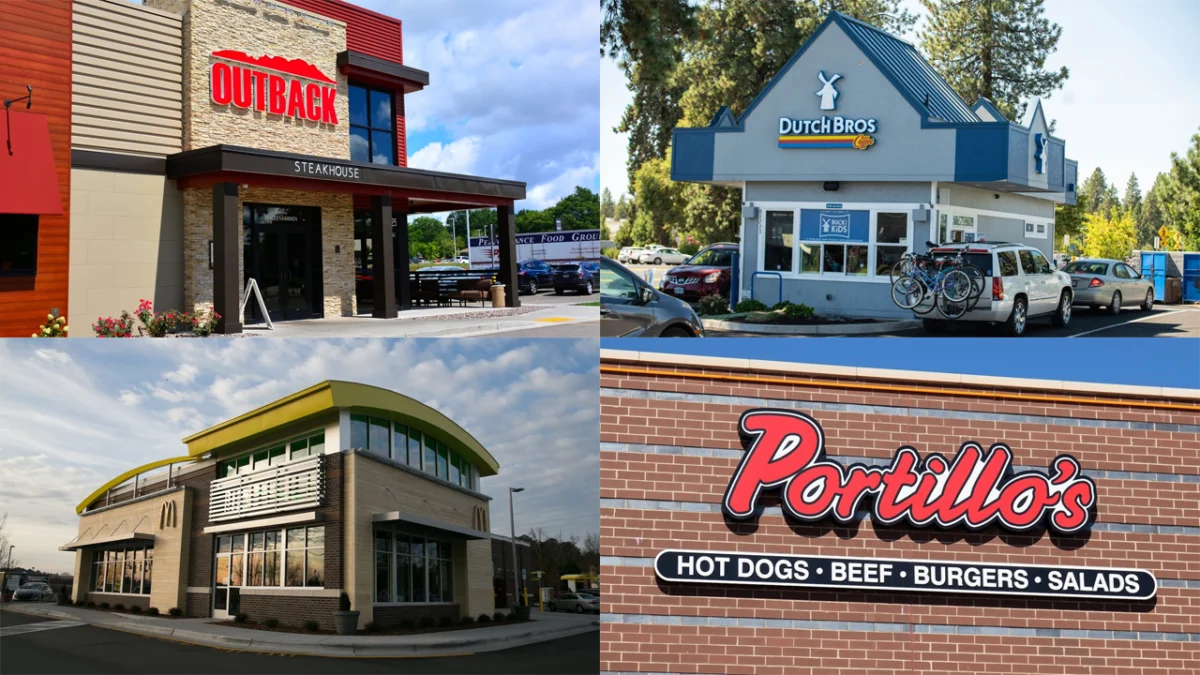
The American restaurant landscape is undergoing significant recalibration, with several prominent brands announcing strategic shifts and facing financial headwinds. This week, Nation’s Restaurant News reported on a series of developments impacting both established casual dining chains and fast-food giants, highlighting the ongoing pressures and evolving consumer preferences that are reshaping the industry.
Portillo’s Embarks on Strategic Closures to Revitalize Performance
Chicago-based Portillo’s, a beloved institution known for its Italian beef sandwiches and hot dogs, is set to close between five and nine of its restaurants located outside its core Chicago market. This move, described as a "mid- to high-single digit" reduction in its footprint, is primarily slated for the fourth quarter and is a central component of the company’s broader turnaround strategy. While the specific locations slated for closure have not been disclosed, the decision underscores a strategic re-evaluation of underperforming assets and a commitment to optimizing operational efficiency.
The announcement comes as Portillo’s, which went public in 2021, navigates a competitive market and seeks to bolster its financial performance. Industry analysts suggest that such strategic closures are not uncommon for publicly traded restaurant companies aiming to streamline operations, reduce overhead, and redirect resources toward more promising markets or growth initiatives. The company’s stated goal is to focus on its most successful locations and markets, potentially paving the way for future expansion in areas with higher demonstrated demand.
Background context for this decision likely includes a careful analysis of sales data, profitability metrics, and market saturation in various regions. Portillo’s, like many restaurant brands, has experienced fluctuations in consumer behavior and economic conditions since the onset of the COVID-19 pandemic. Factors such as rising labor costs, inflation impacting ingredient prices, and shifting dining habits have all contributed to a more challenging operating environment. By identifying and closing underperforming units, Portillo’s aims to improve its overall profitability and position itself for sustainable growth. The timing of these closures, largely concentrated in the fourth quarter, suggests a proactive approach to address financial performance before the end of the fiscal year.
Major Outback Steakhouse Franchisee Files for Bankruptcy
In another significant development, Out West Restaurant Group, a substantial franchisee of Outback Steakhouse, has filed for Chapter 11 bankruptcy protection. This filing impacts a considerable network of 61 Outback Steakhouse locations spread across five Western states. The franchisor, Bloomin’ Brands, Inc., is reportedly in discussions to acquire these struggling units, indicating a potential consolidation and restructuring of the brand’s presence in these regions.
According to bankruptcy filings, Out West Restaurant Group began experiencing financial difficulties as early as 2018. However, these challenges escalated significantly in the wake of the COVID-19 pandemic, a period that proved particularly disruptive for the full-service dining sector. The pandemic’s impact, coupled with pre-existing financial strains, ultimately led to the company’s inability to continue its operations independently.
Chapter 11 bankruptcy allows a company to reorganize its debts and operations while continuing to function, providing a framework for addressing financial distress and emerging as a more viable entity. The fact that Bloomin’ Brands is positioned to acquire these assets suggests a strategic move to retain brand presence and potentially inject new capital and management expertise into these locations. This scenario is not unusual in the franchise world, where franchisors often step in to ensure the continuity of their brand in key markets when a franchisee faces insolvency.
The implications of this bankruptcy extend beyond Out West Restaurant Group. It highlights the vulnerability of large franchisees to economic shocks and the ongoing challenges faced by the casual dining segment. Factors such as increased competition from fast-casual and quick-service alternatives, evolving consumer preferences for convenience and value, and the persistent pressure of operating costs continue to shape the profitability of full-service restaurants. The successful integration of these 61 Outback Steakhouse locations under Bloomin’ Brands’ direct control could lead to more standardized operations, improved marketing efforts, and potentially a stronger performance for the brand in the affected Western states.
McDonald’s US Same-Store Sales Decline Amid Traffic Weakness
Adding to the week’s significant industry news, McDonald’s reported a slight decline in U.S. same-store sales, a key metric for restaurant performance. The fast-food giant’s U.S. comparable sales dropped by 0.2% in the last quarter. Company officials attributed this dip to challenges related to value perception and marketing initiatives, which have consequently led to a decrease in customer traffic.
This marginal decline, while seemingly small, is noteworthy for a company of McDonald’s scale and market dominance. It signals that even the largest players in the quick-service sector are not immune to shifts in consumer spending and competitive pressures. The report from McDonald’s on Wednesday underscored that its value menu and marketing campaigns, intended to attract and retain customers, have not been as effective as anticipated in driving foot traffic and, by extension, sales.
The U.S. market is McDonald’s largest and most crucial, representing a significant portion of its global revenue. A dip in same-store sales, particularly due to weak traffic, suggests that the brand may be losing ground to competitors or struggling to resonate with a segment of its customer base. This could be influenced by a variety of factors, including the rising cost of living, which may prompt consumers to seek even greater value, or a perceived lack of innovation in product offerings.
McDonald’s has historically relied on its strong value proposition and effective marketing to maintain its leading position. However, the competitive landscape in the quick-service industry is more intense than ever, with numerous brands vying for consumer attention and dollars. Emerging fast-casual concepts and established competitors are constantly innovating with new menu items, digital ordering platforms, and loyalty programs. The company’s acknowledgement of "value and marketing challenges" indicates an awareness of these pressures and a potential need to reassess its strategic approach to pricing, promotions, and overall brand messaging in the U.S. market.
Broader Industry Trends and Implications
The confluence of these news items – strategic closures at Portillo’s, bankruptcy at a major Outback Steakhouse franchisee, and a sales dip at McDonald’s – paints a complex picture of the current restaurant industry. Several overarching themes emerge:
- Market Optimization and Efficiency: Portillo’s decision to close underperforming locations is a clear indication of the industry’s focus on operational efficiency and capital allocation. Companies are increasingly scrutinizing their store portfolios to ensure that investments are directed towards units with the highest potential for success. This often involves shedding underperforming assets to improve overall financial health.
- Financial Resilience in a Challenging Environment: The bankruptcy of Out West Restaurant Group highlights the financial fragilities that can exist within even large franchise networks, especially when faced with significant economic disruption. The pandemic exposed vulnerabilities across the sector, and the recovery has been uneven. The potential acquisition by Bloomin’ Brands suggests a strategy of consolidation and control to mitigate further damage and preserve brand equity.
- Value Proposition and Consumer Behavior: McDonald’s struggles with traffic and sales underscore the enduring importance of a compelling value proposition, particularly in the current economic climate. Consumers are increasingly discerning with their spending, and brands must effectively communicate their value, whether through price, quality, convenience, or experience, to attract and retain them.
- Adaptation and Innovation: The restaurant industry is in a constant state of flux, driven by evolving consumer tastes, technological advancements, and economic pressures. Brands that can adapt quickly, innovate their offerings, and effectively connect with their target audience are best positioned for long-term success. This includes optimizing digital ordering and delivery, developing appealing menu items, and creating engaging brand experiences.
These developments serve as a reminder that the restaurant business is dynamic and requires continuous strategic evaluation. While some brands are undergoing consolidation and restructuring, others are seeking to refine their operations and strengthen their market position. The coming quarters will undoubtedly reveal how these companies and the broader industry navigate the ongoing challenges and opportunities.
The news from Nation’s Restaurant News this week provides a snapshot of the intense competitive environment and the strategic decisions being made by major players. As the industry continues to evolve, these trends will likely shape the dining landscape for consumers and the operational strategies of restaurant companies for the foreseeable future.
