

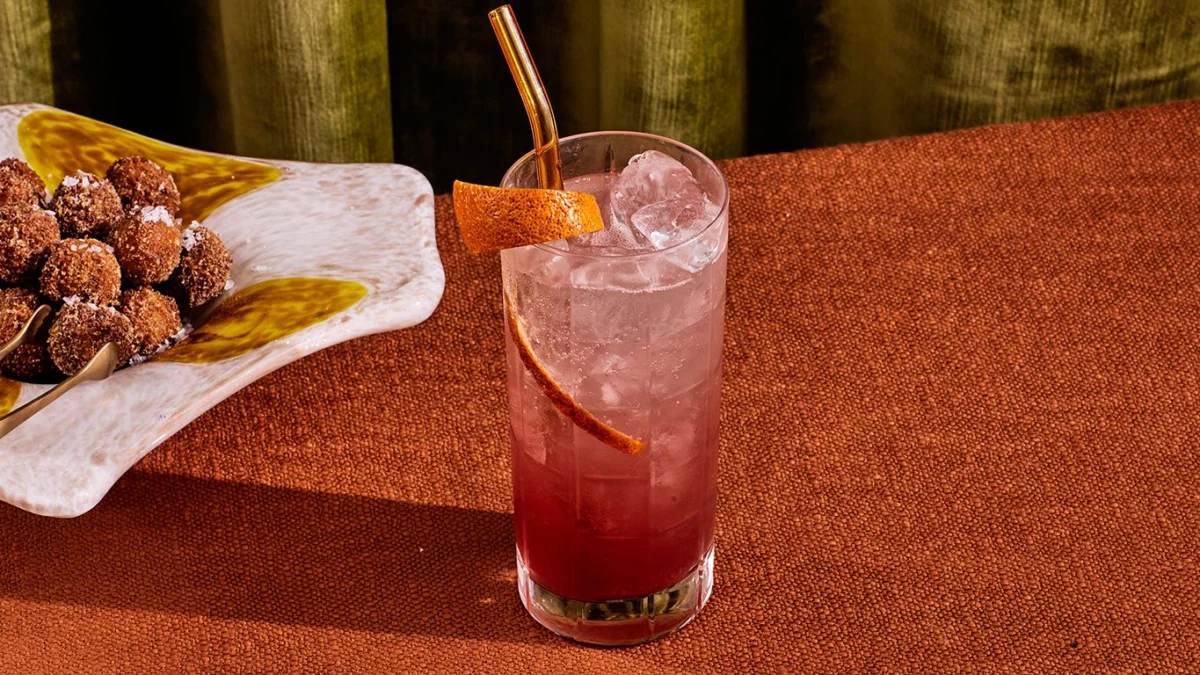
As the quintessential American holiday of Thanksgiving approaches, families and friends across the nation prepare for a day marked by gratitude, culinary abundance, and social gathering. Central to this elaborate tapestry of tradition is the careful consideration of beverages, which serve not merely as accompaniments to the meal but as integral components of the celebratory atmosphere. Whether intended to amplify the festive spirit or to offer a calming respite amidst the holiday bustle, a thoughtfully selected range of Thanksgiving cocktails and non-alcoholic alternatives caters to every preference and occasion throughout the day. The modern approach to holiday entertaining prioritizes both flavor and convenience, incorporating seasonal ingredients like cranberry, apple, and maple into both classic and innovative concoctions. This strategic planning extends to providing big-batch solutions—such as freezer-ready martinis, robust bourbon punches, and customizable cranberry mules—designed to alleviate the host’s duties and ensure uninterrupted engagement with guests. Recognizing the extensive nature of Thanksgiving festivities, the beverage selection also encompasses lighter aperitifs and a diverse array of non-alcoholic options, allowing guests to pace themselves or to abstain from alcohol entirely without compromising on the festive experience. As the dinner transitions into dessert, warming libations like hot buttered rum, spiced mulled wine, or comforting spiced apple cider offer a perfect conclusion, complementing the sweet treats and fostering continued camaraderie. These beverage considerations are often planned in conjunction with a spread of Thanksgiving appetizers, setting the stage for the day’s gastronomic journey.
The Evolving Role of Beverages in Thanksgiving Traditions
Thanksgiving, observed annually on the fourth Thursday of November, originated as a harvest festival celebrated by the Pilgrims and Native Americans in 1621. Over centuries, it has transformed into a national holiday steeped in traditions centered around gratitude, family reunions, and a lavish meal. Initially, beverages served at such gatherings would have been practical and often homemade, reflecting the agricultural produce of the time: hard cider, simple wines, or rudimentary distilled spirits. The act of sharing a drink has always been a fundamental element of human social interaction, symbolizing hospitality, goodwill, and celebration. In contemporary Thanksgiving, this role has expanded significantly. Beverages are no longer just thirst-quenchers; they are carefully crafted elements that enhance the dining experience, reflect the seasonal theme, and cater to a diverse guest list.
The demands placed upon hosts during Thanksgiving are considerable, ranging from intricate meal preparation to orchestrating the flow of the day. The strategic inclusion of pre-prepared or self-serve beverage options directly addresses this challenge. For instance, the concept of a freezer-ready martini, a sophisticated cocktail traditionally requiring precise chilling and mixing, transforms it into a convenient pour-and-serve option. Similarly, a large batch of bourbon punch can be prepared hours in advance, allowing flavors to meld and reducing last-minute effort. The cranberry mule, a seasonal twist on the classic Moscow Mule, offers an interactive element where guests can add their own spirits, empowering them to customize their drink while freeing the host from constant bartending duties. This shift towards efficiency without sacrificing quality or festive appeal underscores a broader trend in modern entertaining: maximizing enjoyment for both host and guest.
A Historical Trajectory of Holiday Drink Trends
The evolution of holiday beverage consumption mirrors broader shifts in American culture and culinary practices. In the early colonial period and the nascent years of the United States, alcoholic beverages were often a staple, consumed even at breakfast, and typically included locally produced cider, beer, and rudimentary rum or brandy. Water quality was often suspect, making fermented drinks a safer alternative. As the nation grew, so did its palate.
The mid-19th century saw the rise of the temperance movement, which significantly impacted alcohol consumption and led to Prohibition in the early 20th century. During this era (1920-1933), illicit alcohol production and consumption persisted, often giving rise to innovative, if sometimes less refined, mixed drinks designed to mask the quality of the spirits.
Following the repeal of Prohibition, classic cocktails experienced a resurgence, becoming symbols of sophistication and celebration. Drinks like the Old Fashioned, Manhattan, and Martini gained widespread popularity. By the mid-20th century, the advent of pre-mixed cocktails and convenience products began to appear, catering to a growing demand for ease in entertaining.
The late 20th and early 21st centuries ushered in the craft cocktail movement. This era emphasized fresh, high-quality ingredients, artisanal spirits, and a renewed appreciation for the art of mixology. Bartenders became "mixologists," and consumers sought out unique, complex flavor profiles. This movement heavily influenced holiday beverage trends, encouraging the use of seasonal fruits, spices, and herbaceous elements.

Today, the trend continues to evolve, embracing inclusivity and wellness. The proliferation of sophisticated non-alcoholic options, often termed "mocktails," reflects a societal shift towards healthier lifestyles and a desire to ensure all guests feel catered to, regardless of their alcohol preferences. The focus remains on fresh, seasonal ingredients, but also on efficiency and presentation, ensuring that the host can enjoy the celebration as much as the guests.
Supporting Data: Consumer Behavior and Market Impact
The beverage industry experiences a significant surge during the holiday season, with Thanksgiving marking the unofficial start of this peak period. Data from various market research firms consistently indicates a notable increase in sales for spirits, wine, and beer in the weeks leading up to Thanksgiving. For instance, according to a report by the National Retail Federation, holiday spending on food and beverages typically sees a substantial uptick, with alcoholic beverages being a key component. Specific categories like bourbon, rum (especially for spiced and dark varieties), and seasonal wines (e.g., Beaujolais Nouveau, specific Zinfandels, or sparkling wines) show heightened demand.
The craft beer segment also sees a rise in seasonal brews, often featuring pumpkin, cranberry, or spice notes, appealing to the festive palate. Non-alcoholic beverage sales, particularly those positioned as premium alternatives, have witnessed exponential growth. A report by IWSR Drinks Market Analysis predicted that the volume of no-alcohol and low-alcohol products would increase by 31% across key global markets by 2024. This growth is driven by consumer trends focusing on health, wellness, and mindful drinking, making it imperative for hosts to offer compelling non-alcoholic choices beyond simple sodas or juices.
Consumer preference data also highlights the appeal of seasonal flavors. Surveys indicate that cranberry, apple, pumpkin, cinnamon, and maple are highly sought-after in food and beverage products during the autumn and winter months. This drives product innovation in the beverage sector, from spiced ciders and cranberry-infused spirits to maple-flavored liqueurs. The rise of e-commerce and delivery services for alcohol has further streamlined the process for hosts, allowing them to stock up on a diverse range of beverages with unprecedented ease. The convenience factor for hosts is also supported by data; surveys by various lifestyle publications indicate that approximately 60-70% of hosts report feeling stressed about holiday preparations, with managing guest preferences and serving drinks often cited as a significant contributor. Pre-batching and self-serve options directly mitigate this stress point.
Expert Perspectives and Industry Responses
Industry professionals consistently emphasize the importance of a well-rounded beverage strategy for holiday entertaining.
Mixologists and Beverage Directors often highlight the blend of tradition and innovation. "Thanksgiving is a fantastic opportunity to play with seasonal ingredients," notes Sarah Jenkins, a renowned mixologist based in New York. "Cranberry, apple, and maple are naturally festive, and incorporating them into both classic cocktails and creative mocktails ensures everyone has something special to enjoy. The key is to think ahead—batching drinks like a sophisticated bourbon punch or a spiced cider Sangria can be a game-changer for hosts, allowing them to truly be present." She further suggests that interactive elements, such as a self-serve garnish bar with citrus peels, cinnamon sticks, and fresh herbs, elevate the guest experience.
Hospitality Consultants advocate for strategic planning to enhance guest satisfaction and reduce host burden. "From a hospitality standpoint, a diverse and accessible beverage program is crucial for a successful holiday gathering," explains David Chen, a leading hospitality expert. "Offering a range from a robust hot buttered rum for after-dinner warmth to elegant non-alcoholic spritzes shows thoughtfulness and inclusivity. It’s about anticipating needs and creating an environment where every guest feels valued and comfortable, whether they choose an alcoholic drink or not." Chen also advises on proper glassware and ice management, often overlooked details that contribute significantly to the perceived quality of the drinks.
Public Health Organizations and Wellness Advocates underscore the importance of responsible consumption and the normalization of non-alcoholic alternatives. "The holidays can often be a time of increased alcohol intake," states Dr. Emily Carter, a spokesperson for a national wellness initiative. "Providing attractive and flavorful non-alcoholic options is not just a courtesy; it’s a vital public health consideration. It allows individuals to make mindful choices, manage their intake, and ensures that designated drivers or those with health considerations can still participate fully in the festive cheer without feeling excluded." These organizations often publish guidelines for responsible hosting, which include offering ample food and non-alcoholic drinks.

Food Retailers and Beverage Manufacturers have responded to these trends by diversifying their product lines. Supermarkets now feature dedicated sections for artisanal mixers, gourmet garnishes, and a wider selection of non-alcoholic spirits and wines. Beverage companies invest in seasonal marketing campaigns, promoting recipes that align with holiday themes and convenience. "We’ve seen a clear demand for products that simplify holiday entertaining," says Mark Thompson, a marketing director for a major spirits distributor. "Our ready-to-serve cocktails and premium mixers fly off the shelves around Thanksgiving. Consumers want quality, but they also want ease."
Broader Impact and Implications
The contemporary approach to Thanksgiving beverages carries significant social, economic, and cultural implications.
Social Implications:
The emphasis on diverse beverage options fosters greater inclusivity at holiday gatherings. By offering appealing mocktails and lighter aperitifs alongside traditional alcoholic drinks, hosts ensure that pregnant guests, designated drivers, individuals in recovery, or those simply choosing to limit alcohol consumption feel equally catered to and integrated into the celebration. This inclusive approach reduces social pressure and promotes a more comfortable, relaxed environment for all attendees, ultimately strengthening social bonds and enhancing the spirit of togetherness. Furthermore, convenient, big-batch drinks allow hosts to spend less time behind the bar and more time interacting with their guests, deepening personal connections.
Economic Implications:
The holiday beverage market represents a substantial economic driver. Increased sales of spirits, wines, beers, and non-alcoholic alternatives provide a significant boost to retailers, distributors, and producers. This demand extends to ancillary products, including specialty glassware, cocktail shakers, ice makers, and gourmet garnishes, benefiting a broader segment of the retail economy. The trend towards premiumization, both in alcoholic and non-alcoholic categories, means consumers are often willing to spend more on high-quality ingredients and craft products, further stimulating economic activity within the hospitality and beverage sectors. Local businesses, such as craft breweries and distilleries, also experience heightened demand for their seasonal offerings.
Health and Wellness Implications:
The rise of sophisticated non-alcoholic options aligns with broader public health trends promoting mindful drinking and healthier lifestyles. By normalizing the choice to abstain or reduce alcohol intake, holiday gatherings can contribute to a reduction in alcohol-related risks. The inclusion of lighter aperitifs also allows guests to manage their consumption throughout what can be a lengthy celebration, mitigating the potential for overindulgence. Wellness advocates view this as a positive step towards creating more health-conscious social environments, where enjoyment is not solely predicated on alcohol consumption.
Cultural Implications:
The evolving beverage traditions reflect a dynamic cultural landscape. The shift from purely utilitarian drinks to curated experiences underscores a growing appreciation for culinary artistry and thoughtful hospitality. It demonstrates how traditional holidays adapt to contemporary values, incorporating elements of wellness, convenience, and personalization. Thanksgiving, while rooted in historical events, continuously reinterprets its celebratory customs to remain relevant and resonant with modern society. The very act of offering a range of choices signifies a cultural maturation, acknowledging and respecting individual preferences and lifestyles within a communal setting.
In conclusion, the careful selection and presentation of Thanksgiving beverages are far more than a minor detail; they are a critical element in crafting a successful, inclusive, and enjoyable holiday experience. From convenient big-batch cocktails to thoughtfully curated non-alcoholic options and warming post-dinner libations, these choices reflect a nuanced understanding of modern entertaining, emphasizing both festive spirit and thoughtful hospitality. As the nation gathers to give thanks, the clinking of glasses—whether filled with a spirited concoction or a delightful mocktail—serves as a harmonious accompaniment to the cherished traditions of the day.
