

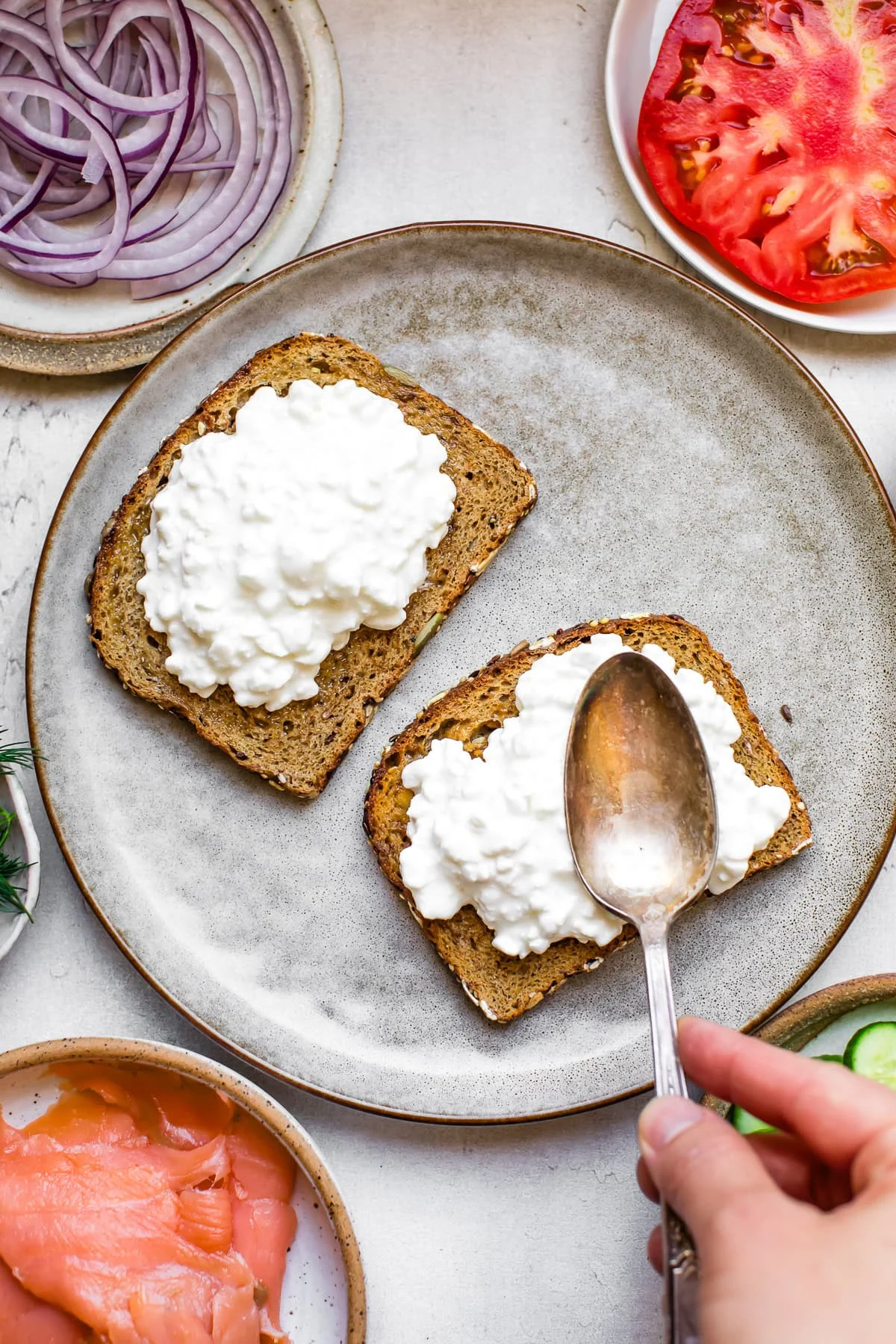
The culinary landscape continues to evolve, with a discernible shift towards dishes that prioritize both flavor and robust nutritional profiles. A prime example of this trend is the increasingly popular Smoked Salmon Toast with Cottage Cheese, a dish that skillfully reinterprets the classic lox and bagel into a high-protein, high-fiber offering. This innovative breakfast, lunch, or light dinner option, featuring smoked salmon, thinly sliced red onion, briny capers, and a generous sprinkle of everything bagel seasoning atop a bed of creamy cottage cheese and hearty whole-grain toast, delivers over 30 grams of protein and 7 grams of fiber per serving. Its rapid preparation time and satisfying nature position it as an ideal choice for health-conscious individuals seeking balanced and efficient meal solutions.
A Contemporary Twist on a Timeless Classic
The traditional lox and bagel, deeply rooted in culinary history, particularly within Jewish delis and as a staple of New York City breakfast culture, has long been cherished for its harmonious blend of savory, salty, and creamy textures. Typically comprising a dense bagel, rich cream cheese, and delicate slices of cured salmon, this combination, while iconic, often presents a high-calorie and carbohydrate-heavy profile. The Smoked Salmon Toast with Cottage Cheese emerges as a thoughtful reinterpretation, designed to capture the essence of its predecessor while significantly enhancing its nutritional value.
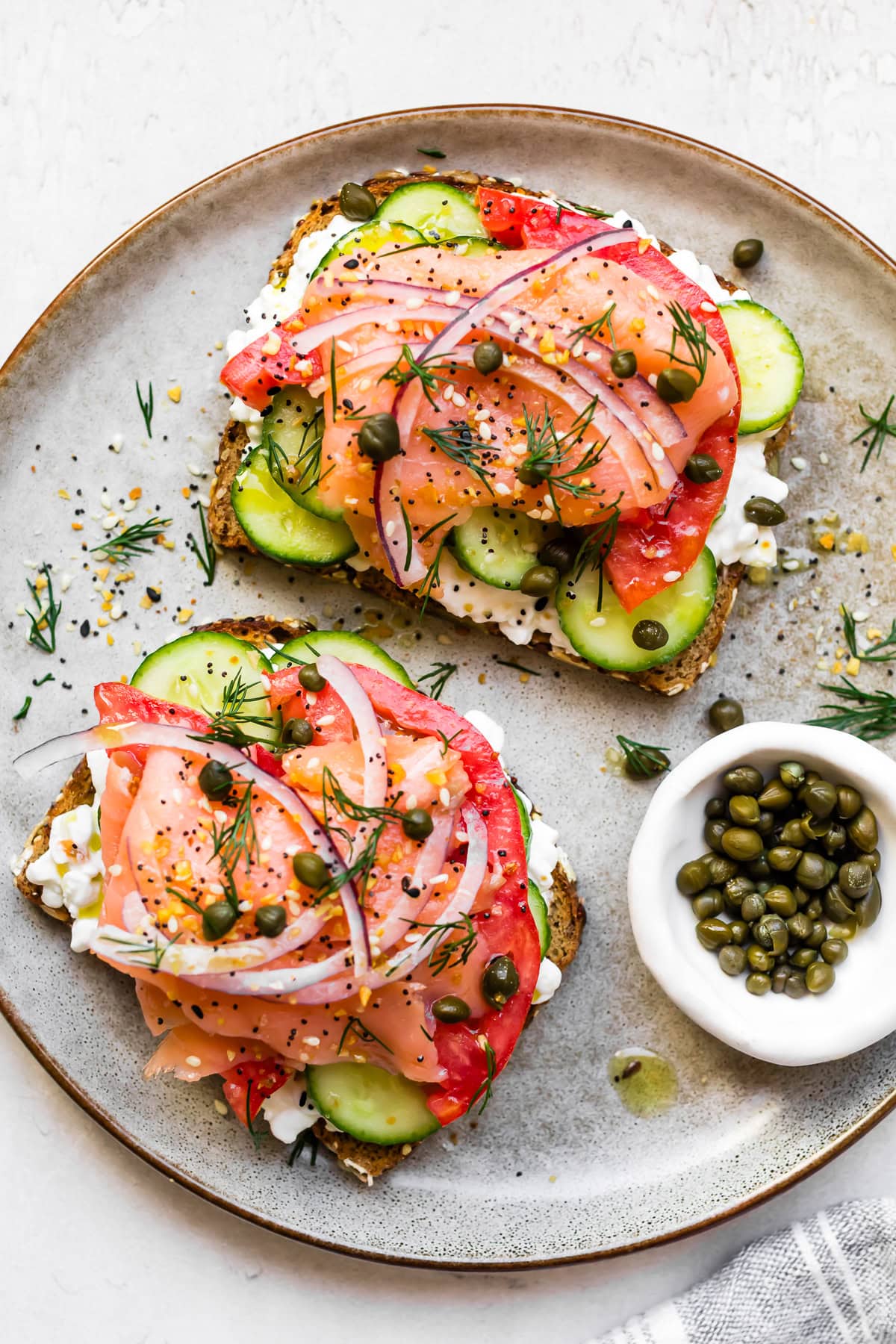
At the heart of this modern adaptation is the strategic substitution of key components. Instead of a traditional bagel, a slice of high-fiber, whole-grain bread serves as the foundation, providing complex carbohydrates and a substantial increase in dietary fiber, crucial for digestive health and sustained energy release. The rich, often high-fat cream cheese is replaced with cottage cheese, a dairy product celebrated for its exceptional protein content and creamy texture, which mimics the mouthfeel of cream cheese without the excess saturated fat. This simple yet impactful swap elevates the dish from a mere indulgence to a formidable nutritional ally.
Deconstructing the Nutritional Benefits
Each component of the Smoked Salmon Toast with Cottage Cheese contributes significantly to its impressive nutritional breakdown, aligning with contemporary dietary recommendations for a balanced intake of macronutrients and micronutrients.
-
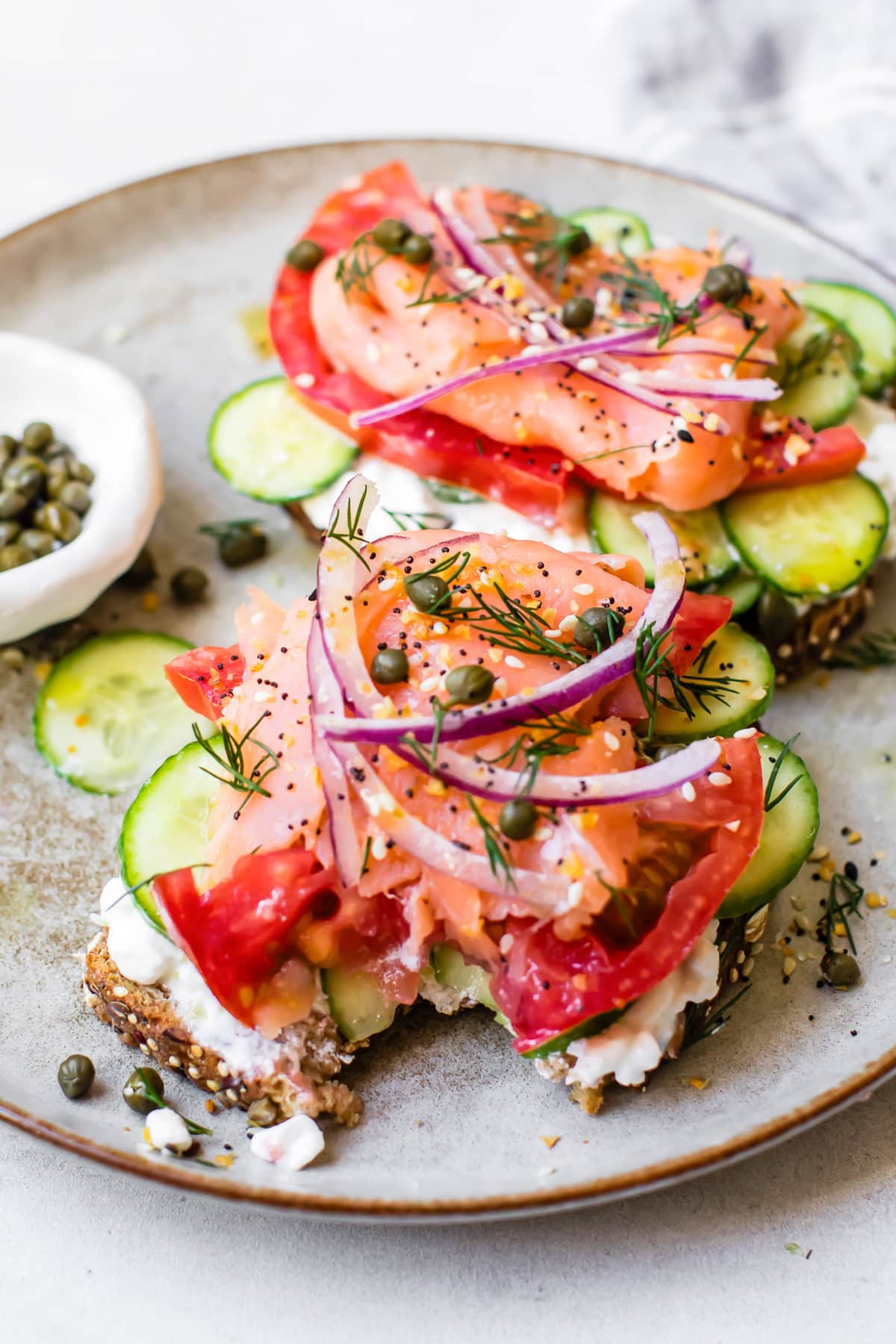
Smoked Salmon: As a cornerstone of the dish, smoked salmon is not merely a flavor enhancer but a nutritional powerhouse. It is an excellent source of high-quality protein, essential for muscle repair, growth, and overall bodily functions. Beyond protein, salmon is renowned for its abundant omega-3 fatty acids, specifically EPA and DHA. These polyunsaturated fats are critical for cardiovascular health, supporting brain function, reducing inflammation, and potentially lowering the risk of chronic diseases. Additionally, smoked salmon provides vital vitamins such as B12, essential for nerve function and red blood cell formation, and Vitamin D, which plays a crucial role in bone health and immune system regulation. The smoking process, typically cold smoking for lox, preserves the fish while imparting a distinctive, delicate flavor.
-
Cottage Cheese: The selection of cottage cheese as the creamy base is a deliberate move to boost protein content. Cottage cheese is a fresh cheese curd product known for its mild flavor and varied textures, from small-curd to large-curd. A single serving can contribute a substantial amount of protein, often exceeding 25 grams depending on the type and portion size, making it an ideal ingredient for satiety and muscle maintenance. Furthermore, cottage cheese is a good source of calcium, vital for bone health, and phosphorus, which works in conjunction with calcium. Some varieties also contain beneficial probiotics, supporting gut health. Its versatility has led to a resurgence in popularity, with consumers integrating it into both sweet and savory applications, far beyond its traditional role as a side dish.
-
Whole-Grain Bread: The choice of whole-grain bread over a refined flour bagel is fundamental to the dish’s enhanced fiber content. Whole grains retain the bran, germ, and endosperm of the grain, providing a richer array of nutrients compared to refined grains. The dietary fiber in whole-grain bread contributes to digestive regularity, helps regulate blood sugar levels, and can contribute to a feeling of fullness, aiding in weight management. It also provides complex carbohydrates, which offer a sustained release of energy, preventing the sharp blood sugar spikes often associated with refined carbohydrates.
-
Red Onion and Capers: These traditional toppings are not just for flavor; they add micronutrients and texture. Red onions provide antioxidants, particularly anthocyanins, and are a source of Vitamin C and B vitamins. Their sharp, pungent flavor provides a welcome contrast to the richness of the salmon and creaminess of the cottage cheese. Capers, the pickled flower buds of the caper bush, contribute a distinctive briny, tangy flavor and are rich in antioxidants like quercetin.
-
Everything Bagel Seasoning: This ubiquitous blend, typically composed of sesame seeds, poppy seeds, dried garlic, dried onion, and coarse salt, adds a complex textural and aromatic dimension. While its primary role is flavor, the seeds contribute small amounts of fiber, healthy fats, and minerals. Its widespread appeal has seen it transition from a bagel topping to a versatile seasoning for a multitude of dishes.

The Evolution of Dietary Trends and Culinary Adaptation
The emergence of the High-Protein Smoked Salmon Toast with Cottage Cheese is emblematic of broader shifts in dietary philosophy and consumer preferences. Over the past decade, there has been a growing emphasis on protein intake, driven by research highlighting its role in satiety, weight management, and muscle synthesis, particularly relevant for aging populations and active individuals. Simultaneously, the importance of fiber for gut health and chronic disease prevention has gained significant traction.
This culinary adaptation reflects a desire to enjoy classic comfort foods in a way that aligns with modern nutritional science. Consumers are increasingly seeking "better-for-you" versions of beloved dishes, aiming to reduce intake of refined carbohydrates, unhealthy fats, and excessive sodium, without sacrificing taste or satisfaction. The simplicity of assembly—toasting bread, spreading cottage cheese, layering salmon and toppings—also caters to the demand for quick and convenient meals, essential for busy lifestyles.
The timeline of this culinary evolution can be traced from the traditional lox and bagel, a post-war American breakfast icon, through the rise of "healthy eating" movements in the late 20th century, to the current era of "functional foods" and macronutrient-focused diets. The "toast trend," popularizing avocado toast and other open-faced sandwiches, paved the way for more sophisticated and nutritionally dense toast creations. Cottage cheese, once relegated to diet plates, has experienced a significant revival, partly fueled by social media trends showcasing its versatility in both sweet and savory preparations, solidifying its status as a contemporary protein hero.

Expert Perspectives and Broader Implications
Nutritionists and dietary experts frequently advocate for meals rich in lean protein and dietary fiber to promote satiety and support overall health. Dr. Elena Petrova, a registered dietitian, observes, "The combination of smoked salmon and cottage cheese provides an excellent source of complete protein, which is vital for sustained energy and muscle maintenance. Coupled with whole-grain bread, this dish offers a balanced macronutrient profile that can help regulate blood sugar and keep hunger at bay for longer periods than a traditional bagel."
The implications of such accessible, nutrient-dense meals extend beyond individual dietary choices. They reflect a market demand for transparently healthy options that do not compromise on flavor or ease of preparation. Food manufacturers and restaurants are increasingly responding to this demand by offering dishes that cater to specific nutritional goals, whether it’s high protein, high fiber, or reduced sugar. The Smoked Salmon Toast with Cottage Cheese exemplifies a successful strategy of re-imagining established favorites to meet these evolving consumer needs.
Furthermore, the dish’s adaptability makes it suitable for a variety of meal occasions. While commonly associated with breakfast or brunch, its balanced composition makes it an excellent candidate for a quick and satisfying lunch or even a light, protein-packed dinner, particularly when paired with a side salad or fresh fruit.
Practical Considerations and Customization
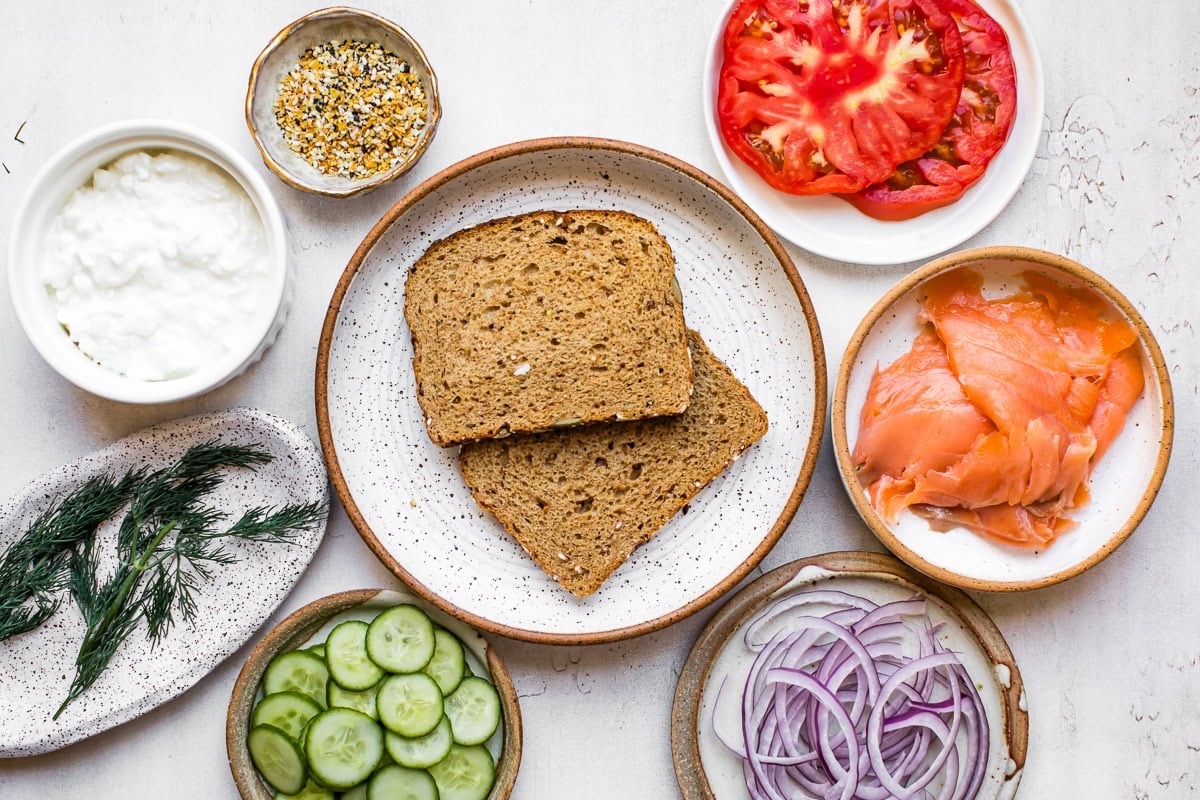
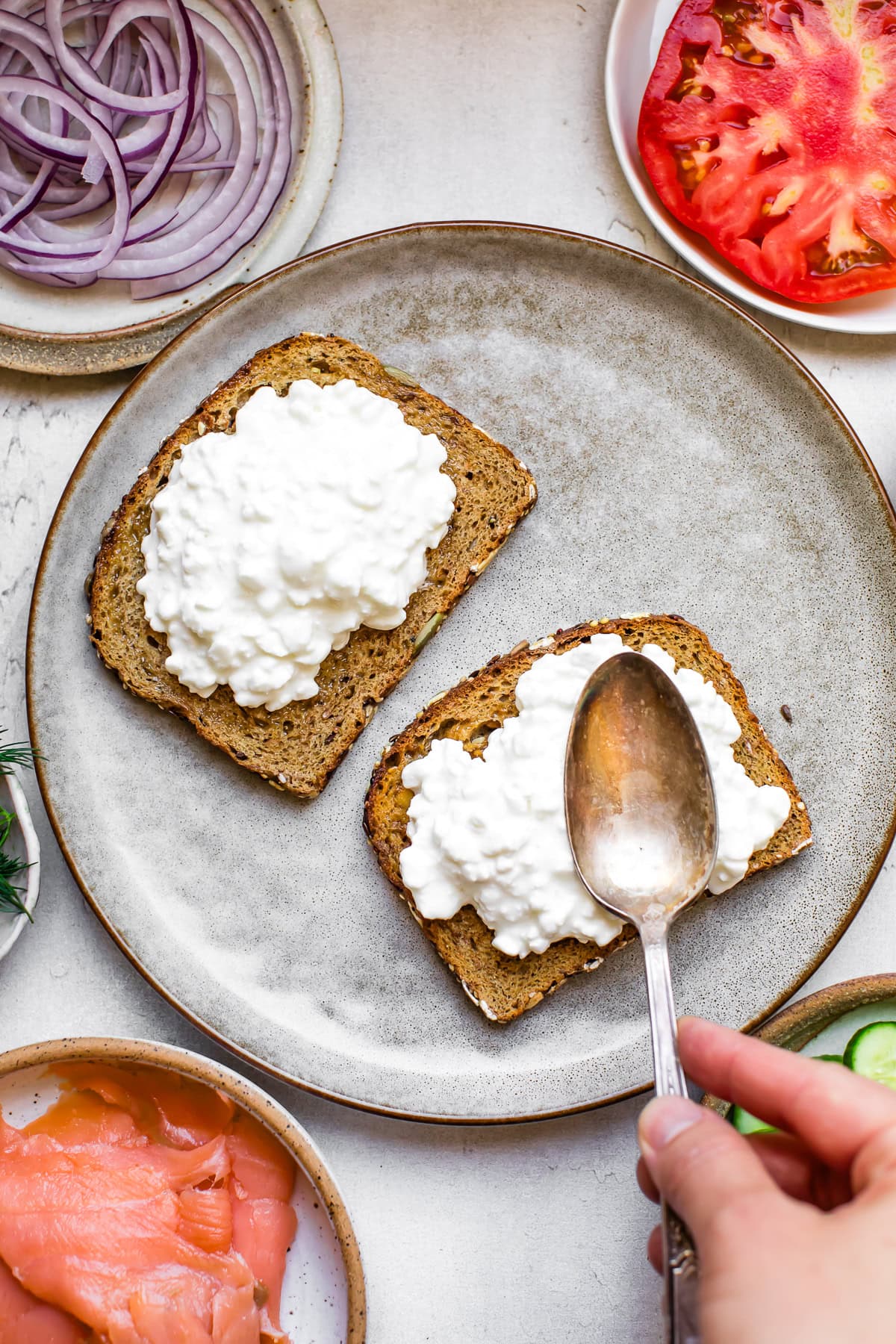
Preparation of this High-Protein Smoked Salmon Toast is remarkably straightforward, requiring minimal cooking skills or specialized equipment. The process typically involves toasting the whole-grain bread to desired crispness, spreading an even layer of cottage cheese, arranging slices of smoked salmon, and garnishing with red onion, capers, and everything bagel seasoning. This simplicity underscores its appeal for everyday consumption.
Customization options abound, allowing individuals to tailor the dish to their preferences or available ingredients. Variations might include:
- Alternative Breads: Sourdough, rye, or other multi-grain options can be used.
- Added Vegetables: Thinly sliced cucumber, fresh dill, avocado, or cherry tomatoes can enhance flavor and nutritional content.
- Herb Additions: Fresh dill, chives, or parsley can elevate the aromatic profile.
- Spice Variations: A pinch of black pepper or a dash of hot sauce can introduce a different dimension of flavor.
- Protein Boost: For an even higher protein count, an additional serving of cottage cheese or a larger portion of salmon can be incorporated.
Storage and Freshness
For optimal quality and food safety, it is recommended to consume smoked salmon within 3 to 4 days of opening the package when stored properly in the refrigerator. To maintain the freshness and texture of the assembled toast, it is advisable to store all components separately and assemble the dish just prior to consumption. This approach prevents the bread from becoming soggy and ensures the crispness of the toppings and the fresh taste of the salmon.
In conclusion, the High-Protein Smoked Salmon Toast with Cottage Cheese represents more than just a recipe; it signifies a thoughtful culinary evolution driven by a global focus on health, convenience, and balanced nutrition. By re-imagining a classic with strategic ingredient swaps, this dish delivers an impressive nutritional punch without sacrificing the beloved flavors and textures of its traditional counterpart. It stands as a testament to how traditional foods can be successfully adapted to meet the demands of modern lifestyles and dietary preferences, proving that healthy eating can indeed be both delicious and incredibly satisfying.
