

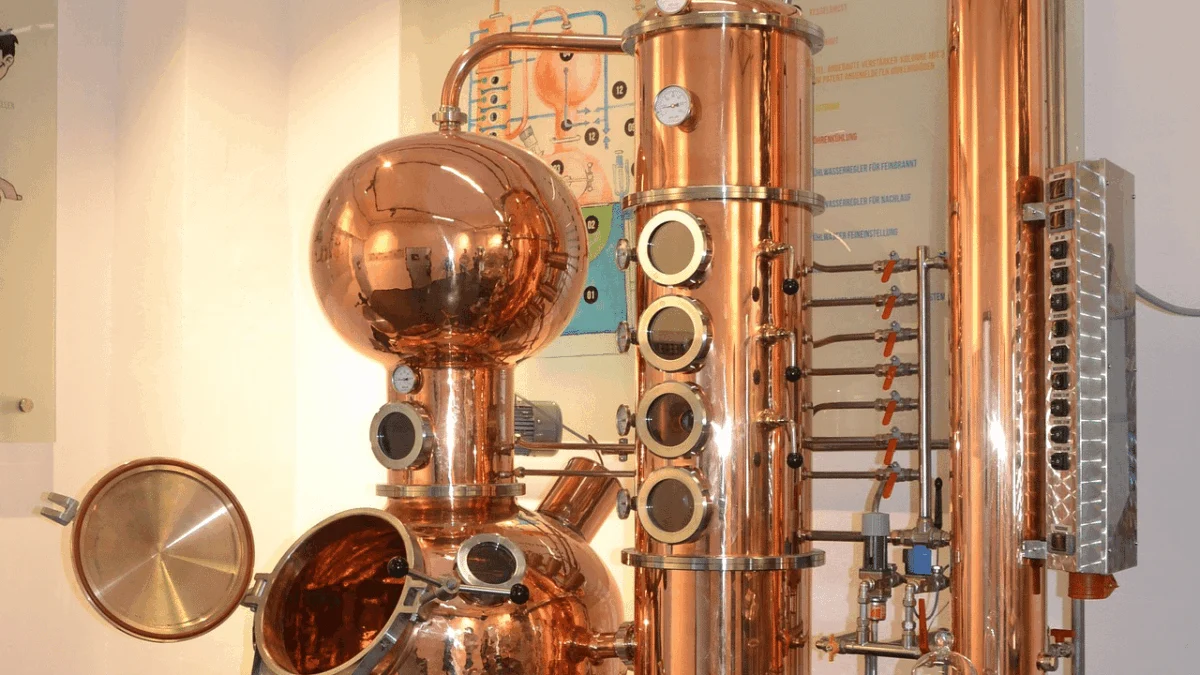
The production of gin is an intricate fusion of botanical science and sensory artistry, where the final flavor profile is determined by a series of technical decisions made long after the ingredients are harvested. While the selection of botanicals—ranging from the essential juniper berry to exotic spices and citrus peels—provides the foundation, the distiller’s methodology serves as the transformative force. Through varying ratios, infusion techniques, and the precision of the "cut," two distillers using identical raw materials can produce spirits that exist on opposite ends of the flavor spectrum. This complexity underscores why gin remains one of the most diverse categories in the global spirits market, valued at approximately $15.3 billion in 2023 and projected to grow steadily as craft distilleries continue to innovate.
The Foundation of Neutral Grain Spirit
For the vast majority of commercial and craft gin production, the process begins with Neutral Grain Spirit (NGS). This is a high-proof alcohol, typically distilled to at least 95% or 96% Alcohol by Volume (ABV), derived from grains such as wheat, barley, or corn. The objective of using NGS is to provide a "blank canvas" that is devoid of the heavy esters or congeners found in whiskey or rum. By starting with a clean, flavorless base, the distiller ensures that the volatile aromatic compounds of the botanicals are the sole focus of the liquid.
However, the choice of the base spirit is not without consequence. Some distillers opt for spirits derived from grapes, apples, or even honey, which can impart a subtle mouthfeel or sweetness that interacts differently with the botanicals. Despite these variations, the industry standard remains grain-based NGS due to its stability and ability to showcase the sharp, resinous notes of juniper.
The Mathematics of Flavor: Botanical Ratios and Benchmarks
The first critical decision in gin development is the botanical load, or the weight of ingredients relative to the volume of spirit. Industry benchmarks typically suggest a ratio of 20 to 35 grams of botanicals per liter of spirit. This range allows for a balanced extraction where no single note—other than juniper—overwhelms the palate.
Because international regulations, including those from the European Union and the Alcohol and Tobacco Tax and Trade Bureau (TTB) in the United States, mandate that gin must possess a "predominant flavor of juniper," most recipes dedicate at least 60% of their total botanical weight to juniper berries. From this baseline, the distiller builds a hierarchy of flavors:
- Core Botanicals: Ingredients like coriander seed often act as the secondary bridge, usually used at a ratio of 50% relative to the juniper weight. Coriander adds citrus and spicy notes that complement the piney qualities of juniper.
- Fixatives: Roots such as angelica, orris, and licorice are used in smaller quantities (often 5% to 10% of the juniper weight). These act as "fixatives," binding the more volatile citrus and floral aromas to the spirit and providing a lingering finish.
- Signature Notes: High-potency botanicals like cassia bark, cinnamon, or dried citrus peels are often used in minute amounts—sometimes as little as 1% of the juniper weight—as their essential oils are highly assertive.
The Chronology of Infusion: Maceration versus Vapor
Once the recipe is established, the distiller must choose how to introduce these flavors to the ethanol. There are two primary schools of thought: maceration and vapor infusion.
Maceration: The "Big Soak"
Maceration involves soaking the botanicals directly in the spirit within the pot still. This is often compared to making tea. Brands such as Beefeater are famous for their 24-hour maceration period, allowing the ethanol to break down the organic matter and extract heavy oils and pigments. Following the soak, the spirit is distilled. This method generally results in a "bolder," more robust gin with a heavier mouthfeel, as the direct contact allows for the extraction of deeper, earthier compounds.
Vapor Infusion: The Ethereal Approach
Vapor infusion, popularized by brands like Bombay Sapphire, involves placing the botanicals in a basket suspended above the boiling spirit. As the ethanol evaporates and rises through the still, the hot vapors pass through the botanical basket, gently volatilizing the essential oils without "stewing" the ingredients. This method typically produces a lighter, more floral, and delicate spirit. Modern distillers often experiment with the placement of the basket; a basket placed lower in the still encounters hotter vapors, leading to a different extraction profile than one placed higher in the neck.
The Art of the Cut: Managing the Distillation Timeline
Distillation is a function of time and temperature, and the most critical phase for a master distiller is managing "the cuts." As the still runs, the chemical composition of the distillate changes. Distillers divide the run into three main sections: the heads, the heart, and the tails.
- The Heads (Foreshots): The first liquid to emerge from the still contains highly volatile compounds and low-boiling-point alcohols like methanol. These often smell of nail polish remover or overly sharp citrus. In gin production, the very beginning of the heads is discarded for safety and flavor purity.
- The Heart: This is the "sweet spot" where the desirable flavors of juniper, coriander, and citrus are in perfect balance. The distiller aims to capture as much of the heart as possible.
- The Tails (Feints): As the distillation nears its end, the alcohol concentration drops, and heavier, bitter compounds begin to emerge. These often carry "cooked" or "cereal" notes. While some distillers include a small portion of the "early tails" to add complexity and "bass notes" to the gin, most of the tails are diverted away to prevent the gin from tasting soapy or burnt.
The analogy of cooking garlic is often used to explain this: the raw, sharp bite of the first few seconds (heads) transitions into a savory, aromatic golden phase (heart), before eventually becoming bitter and acrid if left too long (tails). The distiller’s skill lies in knowing exactly when to switch the collection vessel to ensure consistency across batches.
Multi-Shot versus Single-Shot Distillation
In the final stages of production, distillers must decide on the concentration of their distillate. This leads to two distinct methodologies: single-shot and multi-shot distillation.
Single-Shot Distillation: In this traditional method, the distiller uses the exact amount of botanicals needed for the volume of spirit in the still. Once the heart is collected, it is diluted with pure water to reach the bottling strength (usually between 40% and 47% ABV). This is often viewed as the "purist" approach, though it is less space-efficient for high-volume production.
Multi-Shot Distillation: This method involves using a significantly higher concentration of botanicals—sometimes two to four times the standard amount—to create a "gin concentrate." After distillation, this intense spirit is "stretched" by adding more Neutral Grain Spirit and then water. While some critics argue this can dilute the nuance of the botanicals, many of the world’s largest and most respected gin brands utilize multi-shot distillation for its efficiency and consistency, with no discernible drop in quality when executed correctly.
Regulatory Context and Industry Implications
The global gin industry is governed by strict definitions that impact these production choices. For instance, to be labeled as "London Dry Gin," all botanicals must be natural, and they must be distilled together in the presence of the spirit. No flavors or colors can be added after distillation, and only a minute amount of sugar is permitted.
In contrast, "Distilled Gin" allows for the addition of flavors or essences after the distillation process. This has paved the way for the "Contemporary" or "New Western" gin movement, where juniper is dialed back in favor of regional botanicals like lavender, lemongrass, or sea kelp.
Industry analysts note that the rise of craft distilling has forced a re-evaluation of these techniques. According to data from the American Distilling Institute, the number of craft distilleries in the U.S. has grown by over 50% in the last decade, with gin being a preferred entry point due to its lack of aging requirements. This influx of producers has led to a "technique arms race," where distillers are now utilizing vacuum distillation (distilling at lower temperatures to preserve delicate floral notes) and ultrasonic maceration to differentiate their products.
Conclusion: The Distiller’s Canvas
Ultimately, the flavor of a gin is a testament to the distiller’s ability to manipulate physics and chemistry. From the precise calculation of botanical grams per liter to the intuitive timing of the tails cut, every step is a fork in the road that leads to a different sensory experience.
While the consumer may only perceive the refreshing zing of a Gin and Tonic, the liquid in their glass is the result of a highly controlled environment where heat, vapor, and botanical oils are balanced with mathematical precision. As the market continues to evolve, the mastery of these foundational techniques—maceration, vapor infusion, and the art of the cut—will remain the hallmark of quality in the world of spirits.
