

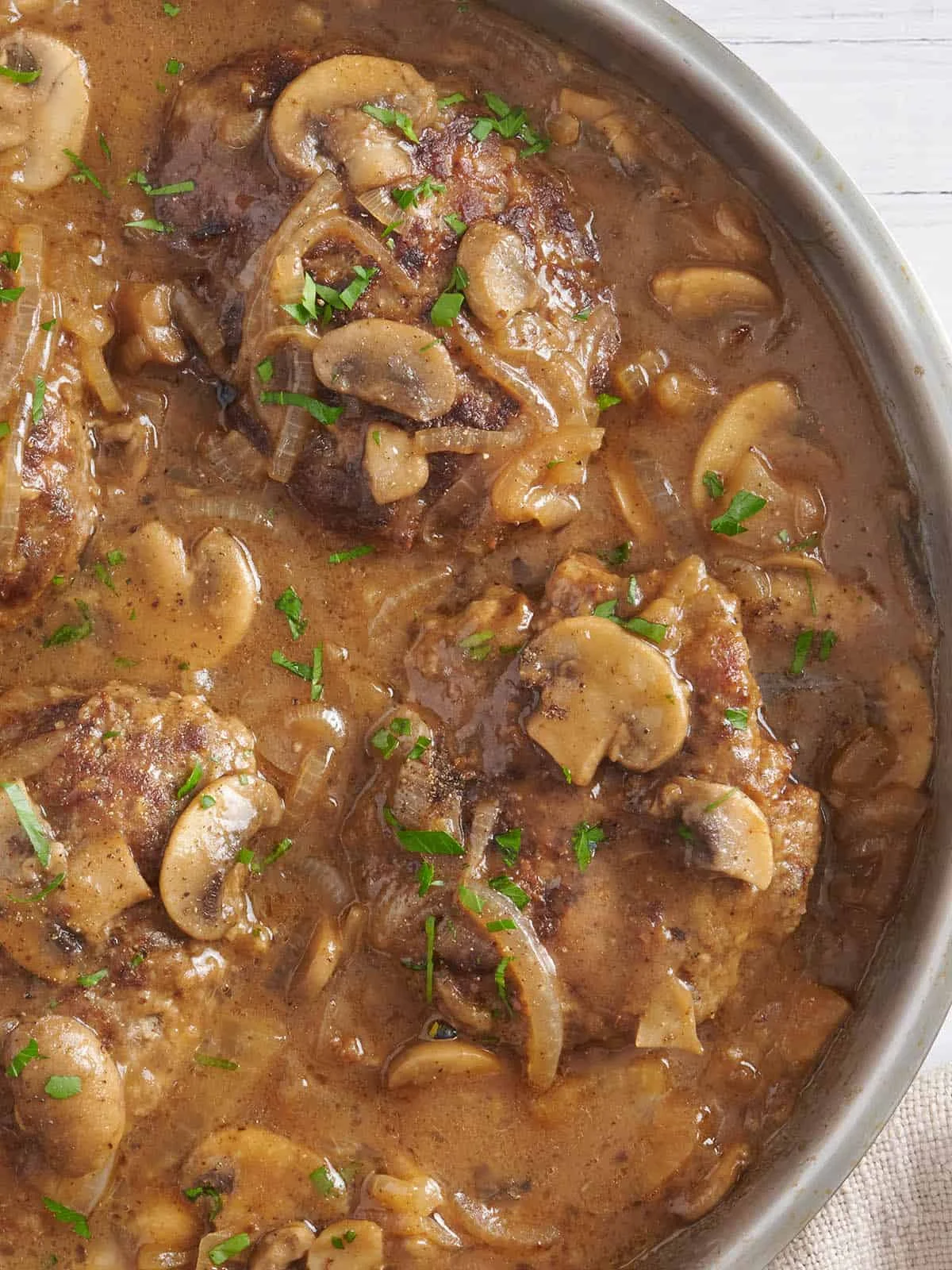
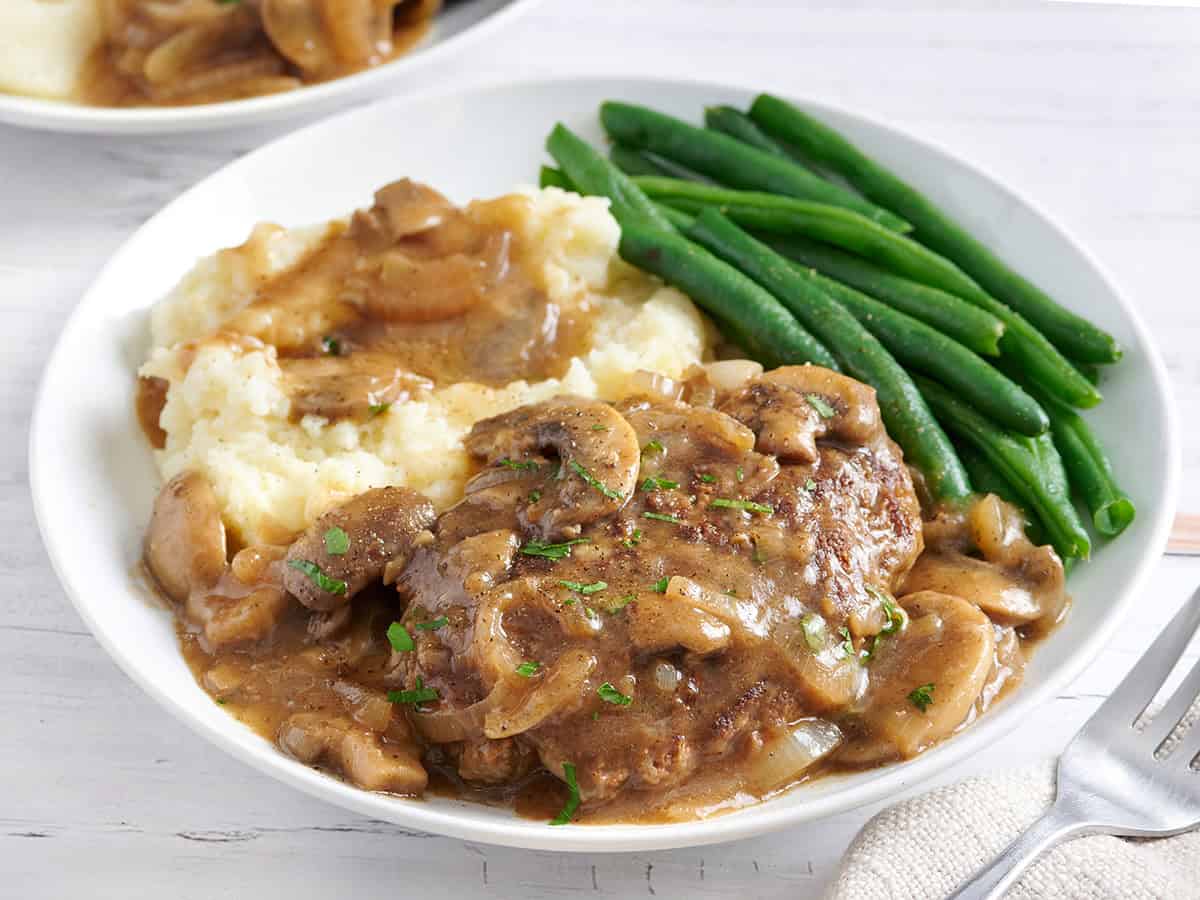
The modern culinary landscape is witnessing a significant shift as consumers increasingly pivot away from processed convenience foods in favor of high-quality, cost-effective, homemade alternatives, with the Salisbury steak emerging as a primary example of this trend. Long associated with the utilitarian frozen "TV dinners" of the mid-20th century, the dish is undergoing a professional re-evaluation. Culinary analysts and home economists are identifying the homemade Salisbury steak—characterized by seasoned beef patties and a sophisticated mushroom and onion gravy—as a vital tool for families seeking to balance nutritional density with strict budgetary constraints. Recent data from the Nashville Test Kitchen indicates that a standardized four-serving preparation of this classic meal can be produced for approximately $9.77, representing a per-serving cost of just $2.44, a figure significantly lower than current fast-casual dining averages.
Historical Context: From Civil War Medicine to the American Dinner Table
The Salisbury steak is not merely a product of mid-century convenience but has deep roots in 19th-century medical history. The dish is named after Dr. James Henry Salisbury, an American physician who served during the Civil War. Dr. Salisbury was a pioneer in the field of dietetics and germ theory, famously advocating for a meat-centric diet to improve the health of soldiers. He believed that the human digestive system was best suited for lean beef and that many ailments, including digestive distress, could be mitigated by consuming finely minced beef patties.
By the late 1880s, the "Salisbury Diet" had gained traction. Unlike modern burgers, which are often served on buns with various condiments, the original Salisbury steak was intended to be eaten with a fork and knife, mimicking the experience of a high-end steak but using more affordable ground cuts. During the 1950s and 1960s, the rise of the frozen food industry transformed the dish into a staple of the American household. However, this industrialization often resulted in a loss of texture and flavor, leading to a reputation for mediocrity that modern culinary professionals are now working to dismantle through the promotion of from-scratch preparation methods.
Technical Methodology: The Chronology of Preparation
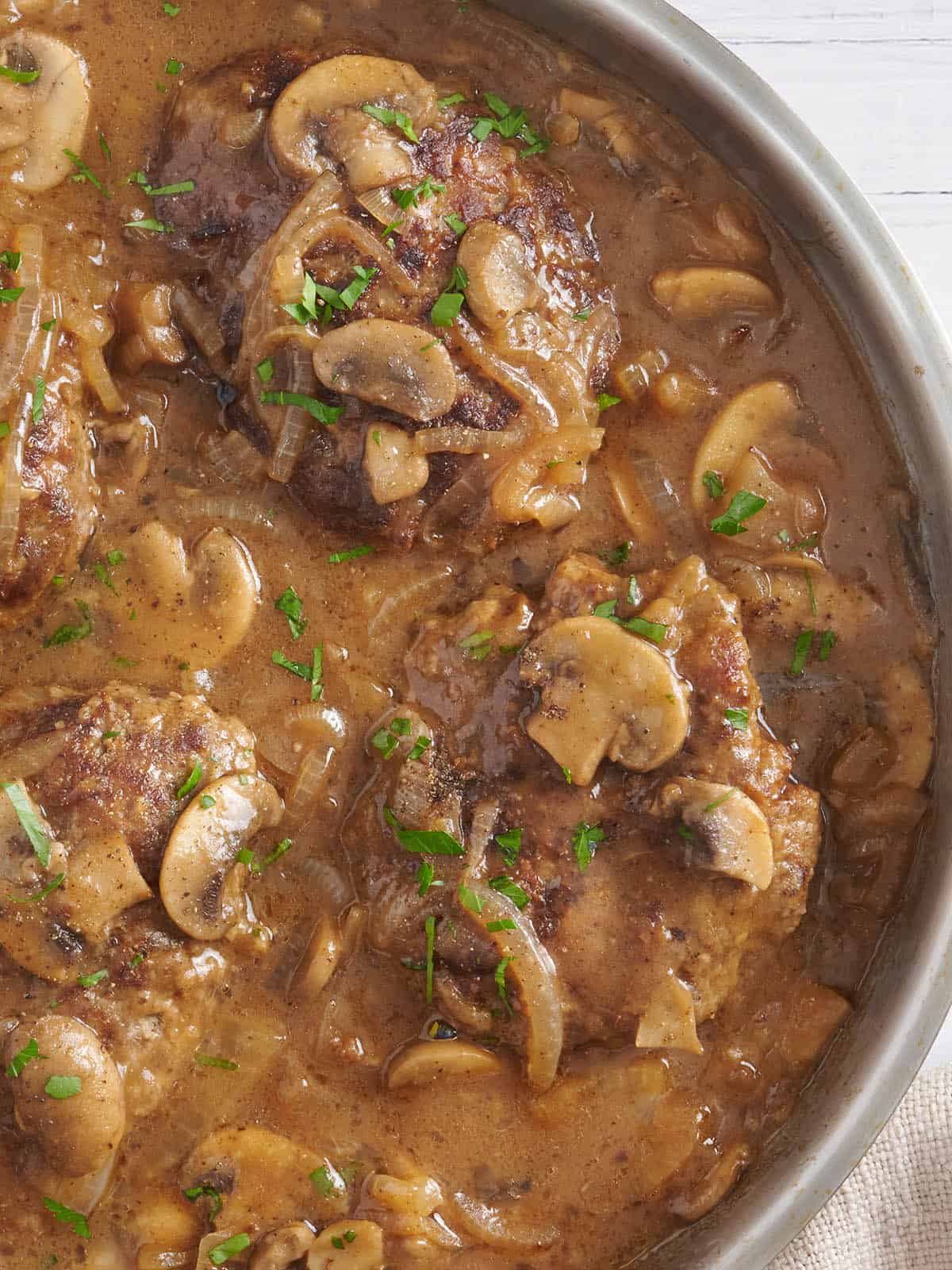
The reconstruction of the Salisbury steak requires a precise two-stage methodology: the engineering of the beef patty and the synthesis of a flour-thickened roux for the gravy. According to technical specifications from culinary researchers, the process begins with the preparation of the aromatics. A single yellow onion is bifurcated; one portion is finely minced to be integrated into the meat as a moisture-retaining agent, while the remainder is sliced for the gravy base.
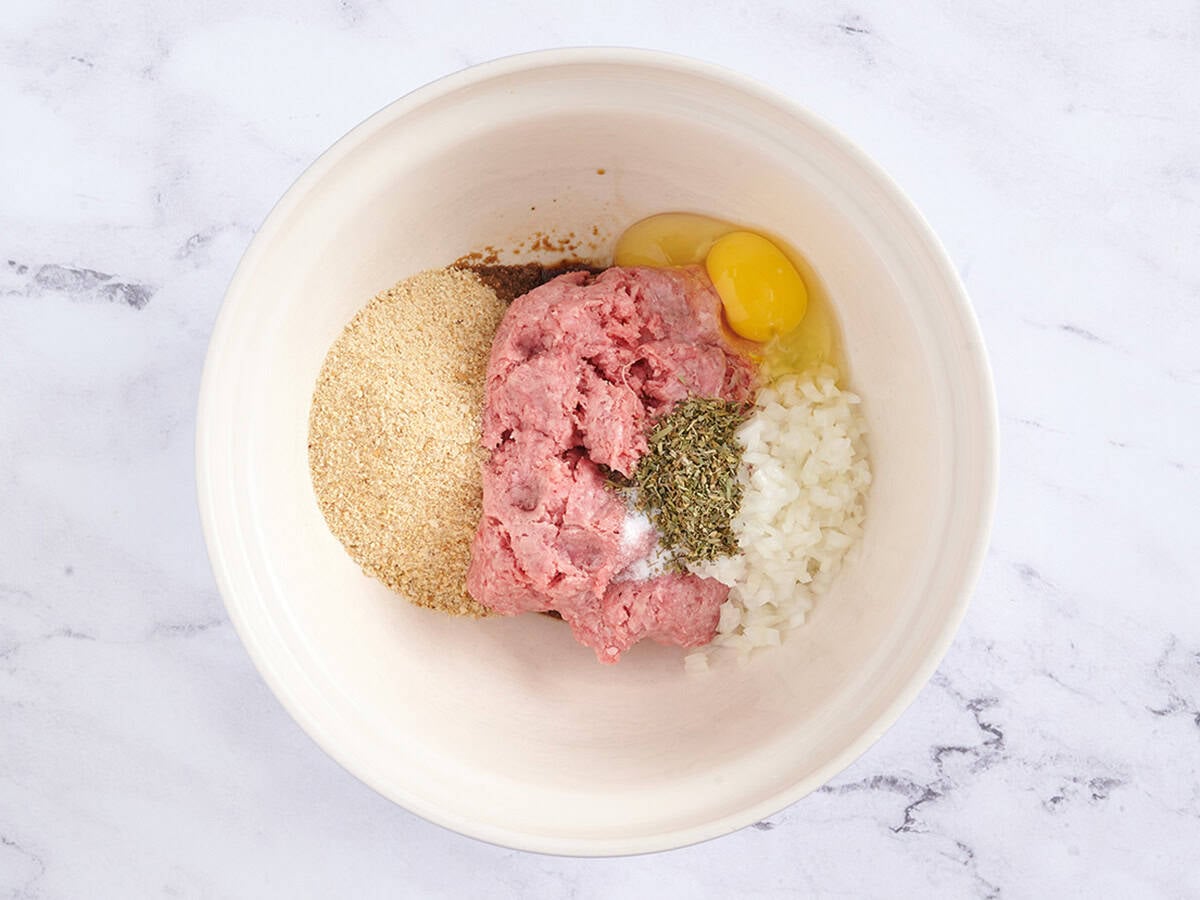
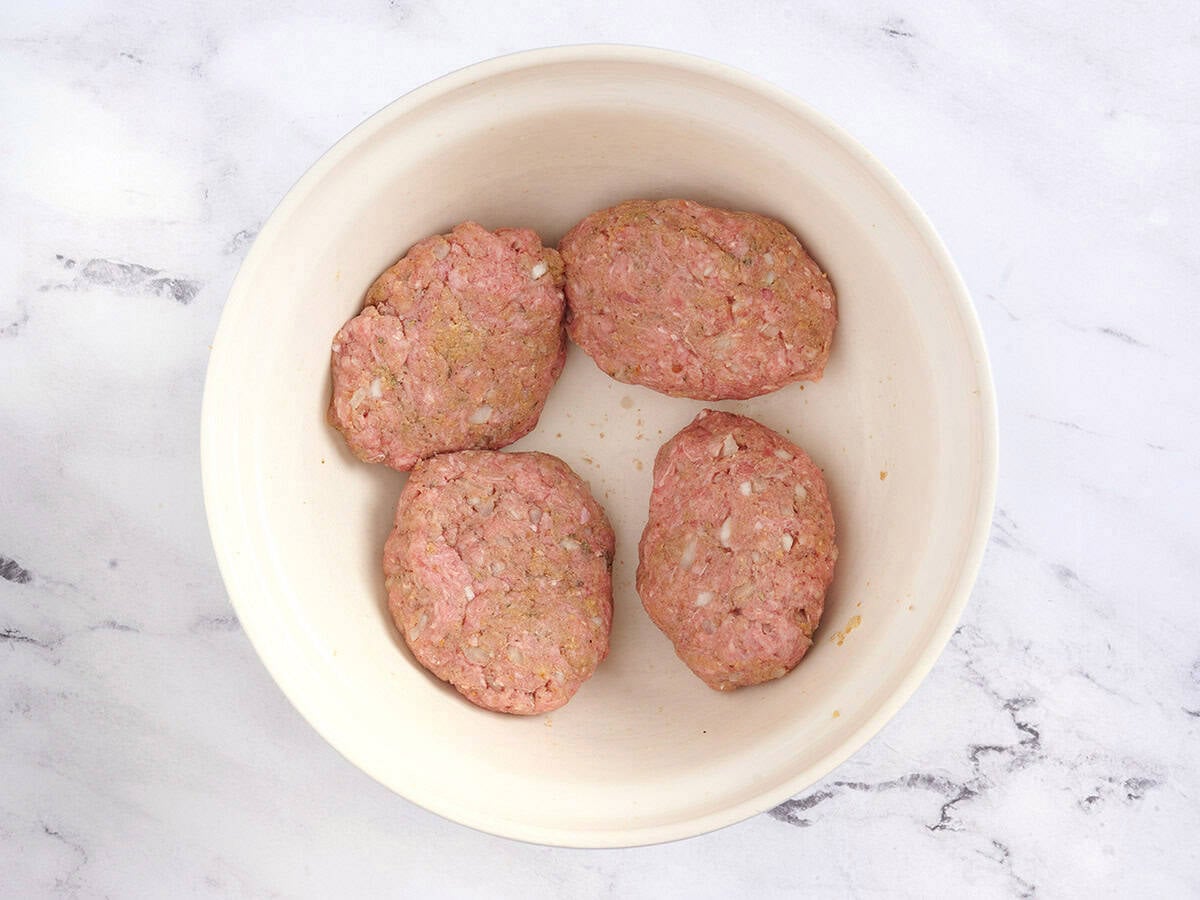
The construction of the patties involves a specific ratio of binders to protein. For every one pound of ground beef, experts recommend the inclusion of one large egg and one-half cup of breadcrumbs. This combination serves as a structural matrix, preventing the protein fibers from tightening excessively during the cooking process, which would otherwise result in a dense, tough texture. The addition of Worcestershire sauce and Italian seasoning provides the necessary umami and herbal notes required to elevate the ground beef to a "steak-like" profile.
The cooking chronology is as follows:
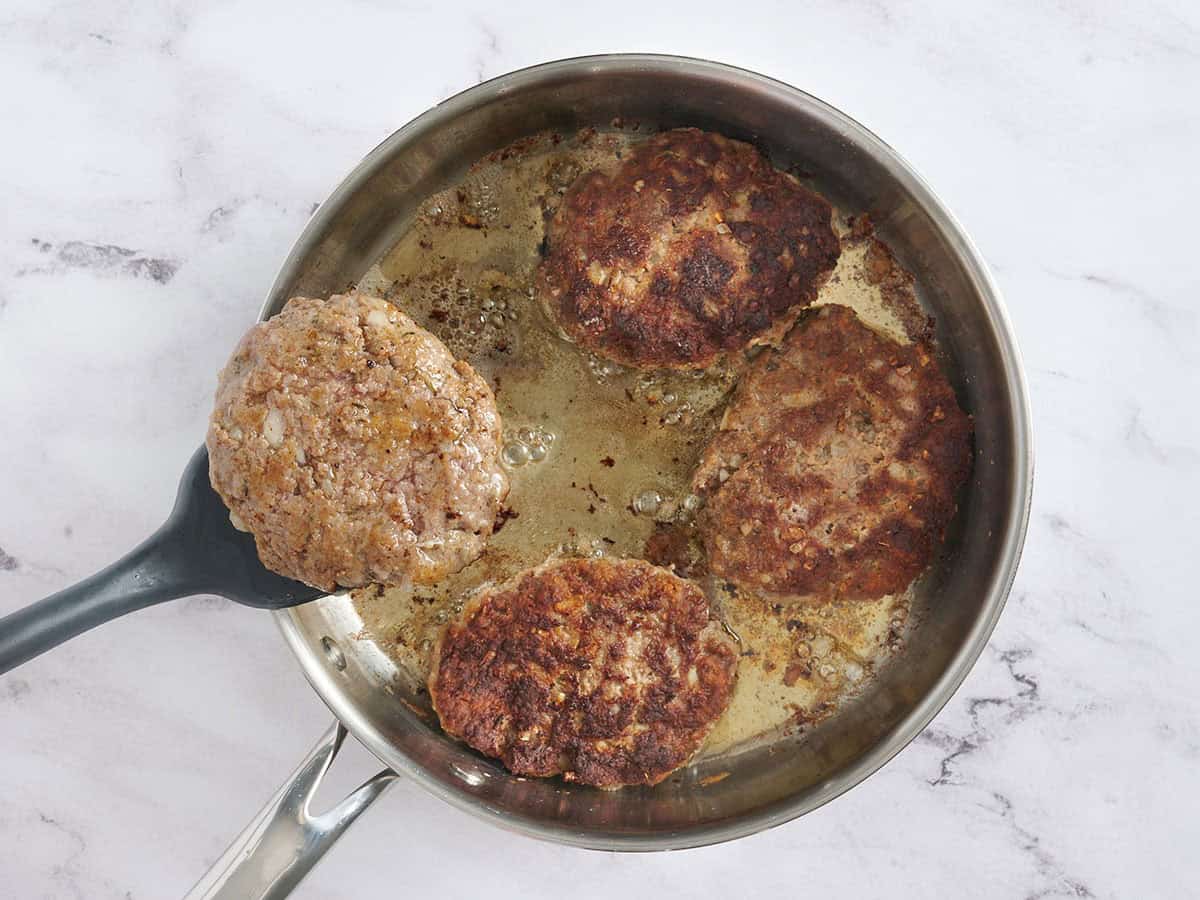
- Searing Phase: The patties are subjected to a high-heat sear in a skillet for approximately five minutes per side. This facilitates the Maillard reaction, a chemical process between amino acids and reducing sugars that gives browned food its distinctive flavor.
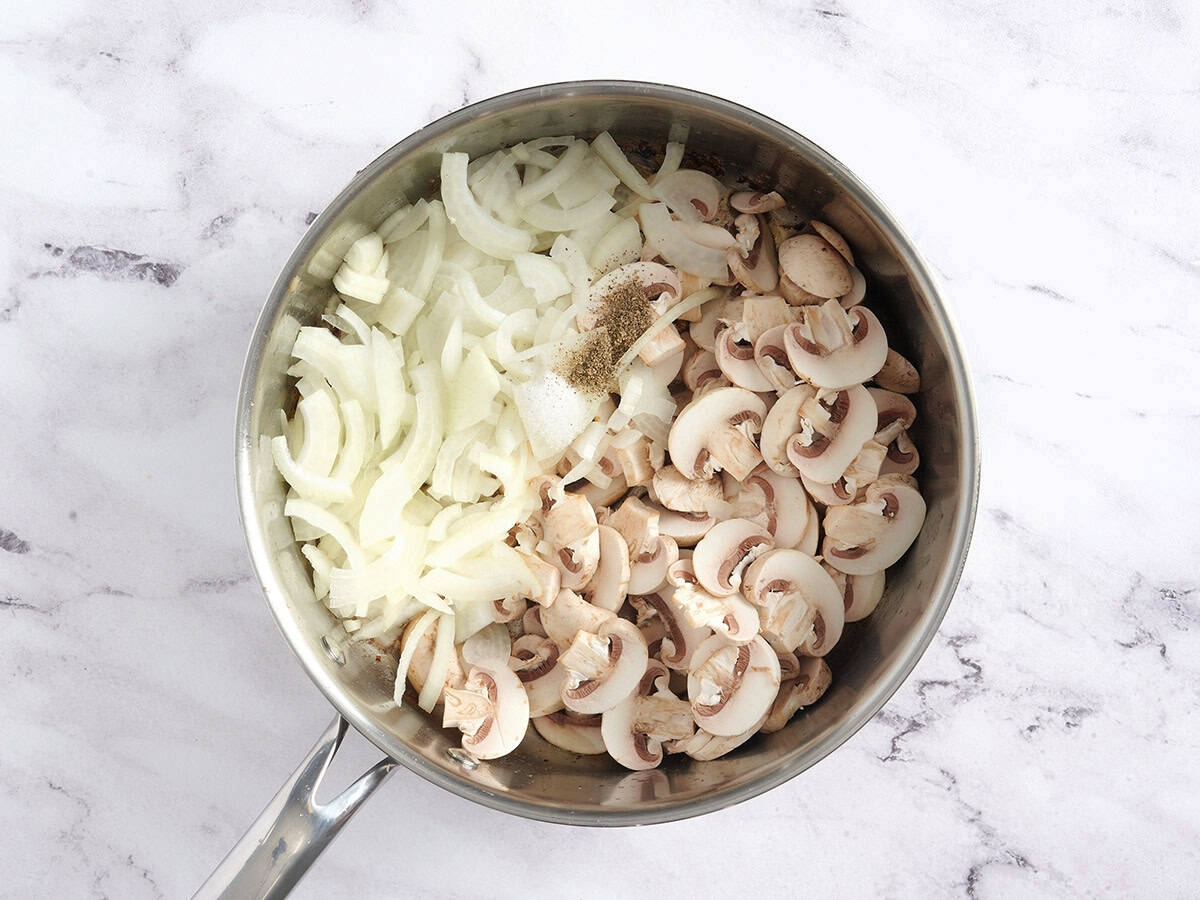
- Vegetable Reduction: Following the removal of the meat, sliced mushrooms and onions are sautéed in the residual beef fat. This step is critical for deglazing the pan and capturing the "fond"—the caramelized bits of protein stuck to the bottom of the skillet.
- Roux Development: Two tablespoons of butter and flour are integrated into the vegetables to create a roux. This must be cooked for at least two minutes to eliminate the taste of raw starch.
- Emulsification: Beef broth is introduced slowly, alongside additional Worcestershire sauce, to create a glossy, thickened gravy.
- Final Integration: The patties are returned to the skillet to simmer for five minutes, ensuring the internal temperature reaches the USDA-recommended 160°F.
Economic Analysis and Resource Management
The primary appeal of the homemade Salisbury steak in the current inflationary environment is its extraordinary cost-to-value ratio. At a total recipe cost of under $10 for four people, the dish out-competes almost all other protein-centric entrees.
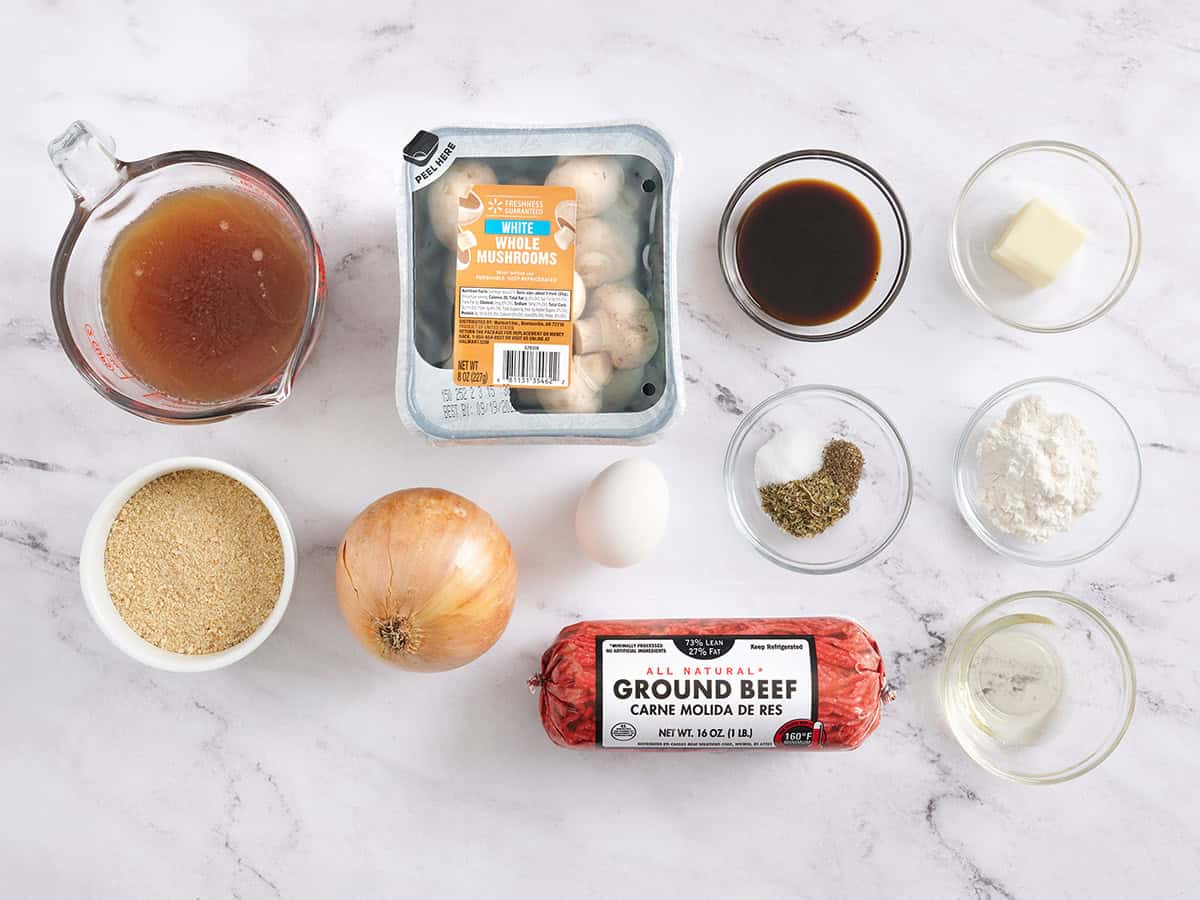
Supporting data reveals that the choice of ingredients plays a pivotal role in maintaining these margins. For instance, the use of "Baby Bella" mushrooms offers a deeper, more earthy flavor profile, yet white button mushrooms remain a viable, lower-cost alternative without compromising the structural integrity of the gravy. Furthermore, the utilization of concentrated broth bases, such as "Better Than Bouillon," allows for a robust flavor profile that mimics long-simmered stocks at a fraction of the price and time.
From a resource management perspective, the Salisbury steak is a highly efficient meal. It utilizes pantry staples—eggs, breadcrumbs, onions, and flour—that most households already maintain. This reduces the need for specialized shopping trips and minimizes food waste. Home economists also point out that the recipe is highly scalable; the gravy can be doubled to accommodate larger portions of starches, such as mashed potatoes or rice, further stretching the meal’s caloric value.
Nutritional Profile and Dietary Implications
A quantitative analysis of the nutritional data for a single serving of Salisbury steak with gravy reveals a hearty profile suitable for an evening meal. Each serving contains:
- Calories: 492 kcal
- Protein: 26g
- Total Fat: 34g
- Carbohydrates: 19g
- Sodium: 1123mg
The high protein content (52% of the recommended daily value) makes it an effective option for satiety. However, analysts note the sodium levels are relatively high, largely due to the beef broth and Worcestershire sauce. For consumers with specific dietary requirements, culinary experts suggest using low-sodium broth or adjusting the added salt during the sautéing of the mushrooms. The inclusion of a green vegetable side, such as sautéed green beans or roasted broccoli, is recommended to add fiber and micronutrients to the plate, balancing the richness of the beef and gravy.
Consumer Reactions and Market Sentiment
The resurgence of from-scratch comfort food has met with significant approval from the domestic cooking community. Consumer testimonials highlight the versatility of the components. One frequent preparer, identified as Amanda, noted that the mushroom gravy has applications beyond the Salisbury steak itself, serving as a "versatile" base for other protein dishes. This sentiment reflects a broader trend toward "modular cooking," where consumers learn foundational techniques—like making a roux or searing meat—that can be applied across various recipes.
Market sentiment also suggests that the "nostalgia factor" plays a role in the dish’s popularity. As modern life becomes increasingly digital and fast-paced, there is a documented psychological shift toward "slow" comfort foods that evoke a sense of domestic stability. The transition of Salisbury steak from a plastic tray to a cast-iron skillet represents a reclamation of quality and a rejection of the ultra-processed food systems that dominated the late 20th century.
Broader Impact and Future Implications
The implications of the Salisbury steak’s return to the culinary mainstream extend into the realms of food security and health education. By demonstrating that a "steak-like" experience can be achieved with ground beef, food educators are empowering lower-income households to prepare satisfying, restaurant-quality meals at home. This reduces reliance on high-sodium, preservative-laden frozen meals and fast food.
Furthermore, the storage and reheating capabilities of the dish make it an ideal candidate for the growing "meal prep" movement. The beef patties, when stored in the gravy, remain moist and flavorful for up to four days in refrigeration. They also exhibit high stability during the freezing process. While flour-thickened sauces may experience slight separation upon thawing, a simple agitation during the reheating process restores the emulsion, making it a viable option for long-term food planning.
In conclusion, the Salisbury steak stands as a testament to the enduring value of classic American cookery when updated with modern techniques and economic mindfulness. It represents a convergence of history, science, and fiscal responsibility. As the Nashville Test Kitchen and similar institutions continue to refine these "Budget Byte" recipes, the focus remains clear: providing the public with the tools to maintain a high standard of living through the art of the home-cooked meal. The dish’s journey from Dr. Salisbury’s medicinal patties to the modern family skillet proves that with the right methodology, even the most humble ingredients can produce a dinner of significant cultural and nutritional value.
