

The culinary landscape of the National Capital Region (NCR), spanning Ottawa and Gatineau, is undergoing a significant transformation as the demand for medically rigorous gluten-free dining options reaches an all-time high. For the estimated 1 in 114 Canadians living with celiac disease—an autoimmune disorder where the ingestion of gluten leads to damage in the small intestine—the distinction between "gluten-friendly" menus and strictly "celiac-safe" environments is a matter of critical health. Recent audits of the region’s food and beverage sector reveal a sophisticated network of dedicated facilities and knowledgeable establishments that are setting new benchmarks for allergen management. While Ottawa’s selection remains more compact than that of major metropolitan hubs like Montreal or Toronto, the quality and safety protocols currently in place reflect a growing institutional awareness of cross-contamination risks.

The Critical Distinction in Allergen Management
The primary challenge for celiac diners in a non-dedicated kitchen is cross-contact. Even a crumb of wheat bread or the use of a shared fryer can trigger a systemic immune response in sensitive individuals. Medical experts emphasize that asymptomatic ingestion is not a marker of safety; internal damage occurs regardless of whether immediate physical symptoms are present. Consequently, the regional dining scene is increasingly divided into two categories: 100% dedicated gluten-free facilities and restaurants with validated cross-contamination protocols.

In Canada, the movement toward clearer allergen labeling has gained momentum, though it still trails the rigorous standards seen in the United Kingdom and parts of the European Union. However, local advocacy groups and independent researchers are filling this gap by identifying establishments that utilize separate preparation areas, dedicated utensils, and specialized staff training to ensure safety.

Dedicated Gluten-Free Facilities: The Gold Standard of Safety
For those requiring absolute certainty, dedicated facilities offer an environment where gluten is entirely prohibited from the premises. In the Westboro area, Strawberry Blonde Bakery has established itself as a cornerstone of the allergen-free community. Operating under a strict vegan, nut-free, kosher, and gluten-free mandate, the bakery serves a diverse clientele with varying dietary restrictions. Their model of seasonal rotations and nationwide shipping indicates a robust business framework that leverages the growing market for "safe" treats.

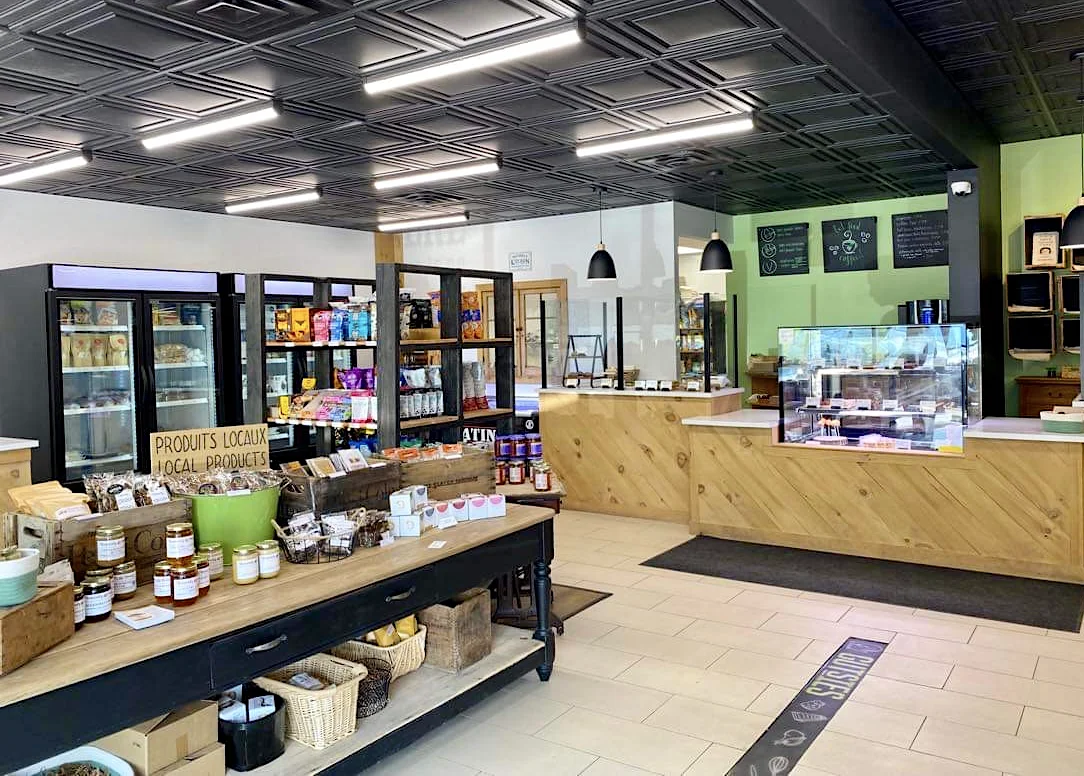
Similarly, Gutsies in Orléans functions as both a specialized grocer and a bakery. By importing high-quality gluten-free goods from larger markets like Montreal and Toronto, Gutsies addresses a supply chain gap in the NCR. The establishment is noted for its rigorous sourcing of additives-free meals, catering not only to celiac patients but also to those with complex conditions like Mast Cell Activation Syndrome (MCAS). Their inventory includes specialized items such as frozen pizza doughs and artisanal pastries from renowned Montreal-based bakeries like La Marquise Sans Gluten, providing local access to products that were previously difficult to obtain.

In the mobile and market-based sector, 2 Sprinkles (formerly 5 Cupcakes) and Spring Chips have adapted to the needs of the celiac community. Spring Chips, which operates at the Byward Market and major sporting events, utilizes a dedicated setup for its "potato tornado" spirals. However, the business maintains a strict distinction: their larger truck setups involving shared fryers are not considered safe for celiac diners, highlighting the necessity of consumer vigilance even with familiar brands.

International Cuisines and Cross-Contamination Protocols
The diversification of the gluten-free scene is most evident in the realm of international cuisine. Establishments like Farang Thai, co-owned by a celiac individual, demonstrate how traditional recipes can be adapted without sacrificing authenticity. Their use of naturally gluten-free ingredients, such as pandan leaves and rice-based starches, aligns with traditional Southeast Asian culinary practices while meeting modern safety standards.

The Latin American sector in Ottawa has also seen a surge in celiac-safe options. Arepas and pupusas, traditionally made from corn masa or rice flour, are naturally devoid of gluten. Arepas Place Ottawa and Gooneys Sandwichworks have capitalized on this, providing hearty, safe alternatives to wheat-based sandwiches. Furthermore, The Tortilla Maker of Canada in Orléans provides fresh, family-recipe tamales and tortillas, serving as a vital resource for those seeking authentic Mexican flavors without the risk of wheat flour fillers.

In the Mediterranean segment, The Greek Souvlaki Shack on Bank Street has gained recognition for producing house-made gluten-free pita and maintaining a dedicated fryer for calamari and fries. This level of specialization is rare in non-dedicated environments and requires a significant commitment from ownership to prevent flour dust and shared oil contamination.

The Evolution of the National Capital Region’s Food Scene: A Chronology
The growth of the gluten-free sector in Ottawa has followed a clear timeline of expansion and specialization:

- 2018-2019: The rise of mobile vendors like Arepas Place and the opening of Wolf Down, which brought Berlin-style döner kebabs to Bank Street with a focus on gluten-free rice bowls and salads.
- 2021-2022: A period of adaptation during the pandemic saw many establishments, such as Chamos Grill, transition from take-out windows to full-service restaurants, implementing "gluten-free stickers" and separate bagging protocols to build consumer trust.
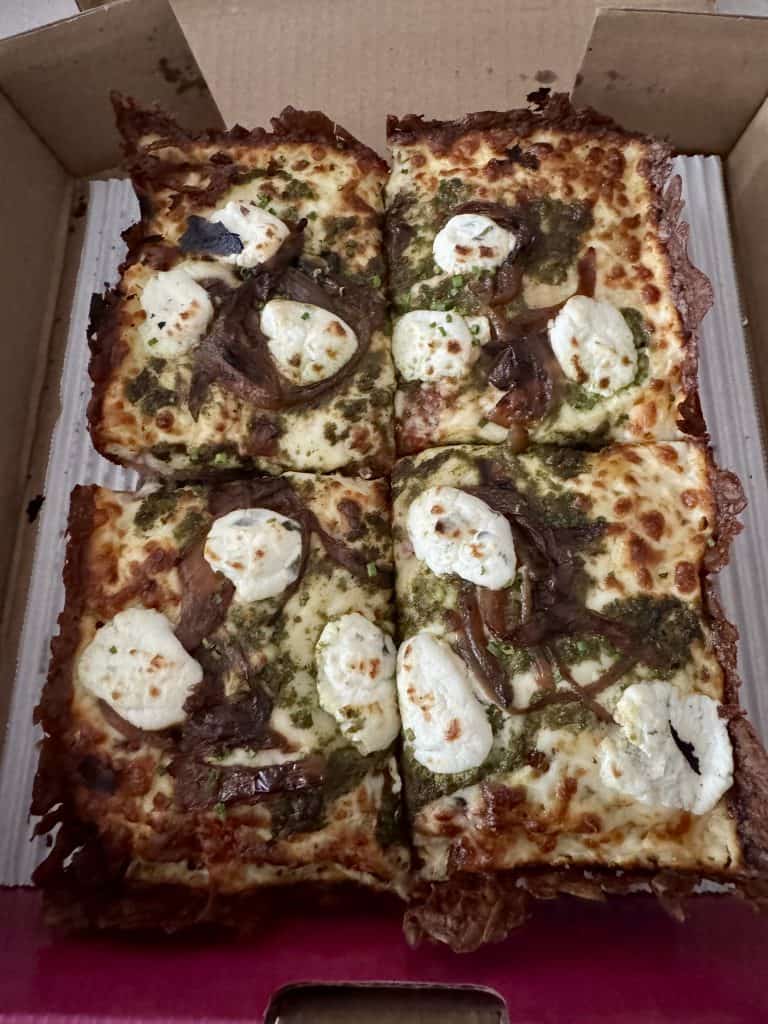
- 2023-2024: The opening of Sona Indian Kitchen and the expansion of Pizza Stay Gold. These establishments introduced sophisticated handling practices, such as Detroit-style gluten-free pizzas prepared in dedicated pans to prevent contact with oven surfaces.
- 2025 Outlook: Upcoming openings, including a new Siam Bistro location in Lansdowne, suggest continued investment in the "Glebe" and central corridors, targeting a demographic that prioritizes health-conscious and inclusive dining.
Institutional Support and Economic Impact
The Ottawa Celiac Association plays a pivotal role in vetting local establishments. Their recommendations often hinge on whether a restaurant understands the nuances of "shared fryer" status—a common pitfall where naturally gluten-free items like potatoes are contaminated by breaded products.

Data from the Gluten-Free Food Program (GFFP) indicates that restaurants that undergo certification see a marked increase in loyalty from the celiac and gluten-sensitive community. La Dolce Vita on Preston Street serves as a prime example; by obtaining GFFP certification, they have successfully marketed a massive menu of pastas, gnocchi, and pizzas to a demographic that historically avoided Italian dining due to high contamination risks.

The economic implications are significant. The global gluten-free products market was valued at approximately USD 6.7 billion in 2022 and is projected to grow substantially. In Ottawa, this is reflected in the "veto power" held by celiac diners; groups and families often choose dining locations based solely on where the person with the most restrictive diet can eat safely. Establishments like Little Mac’s, which offers an almost entirely gluten-free "comfort food" menu including fried chicken and waffles, have tapped into this lucrative market by removing the barrier to entry for entire families.
Broader Implications for Public Health and Urban Planning
The availability of safe dining options is not merely a culinary luxury but a public health necessity. For individuals with chronic conditions, such as those suffering from spinal CSF leaks or other disabling illnesses, the ability to source prepared, safe meals is a vital component of their quality of life. The research conducted by experts like Jodi Ettenberg underscores the intersection of disability and dietary needs, highlighting how a city’s "food-safe" infrastructure can dictate the mobility and social participation of its residents.

As Ottawa continues to grow, urban planning and food regulation must account for the needs of the immunocompromised and those with severe allergies. The success of dedicated "food hubs" like the Lansdowne Farmers’ Market in hosting vendors like Farang Thai and 2 Sprinkles suggests that centralized, well-regulated markets are effective at providing safe options.

In conclusion, while the National Capital Region may not yet match the sheer volume of gluten-free establishments found in larger global cities, its trajectory is one of increasing precision and quality. The shift from "gluten-friendly" as a marketing buzzword to "celiac-safe" as a rigorous culinary standard represents a maturing of the local food industry—one that prioritizes medical safety as highly as gastronomic excellence. For the celiac community, the NCR is becoming a region where the "living tree" of safe dining options continues to branch out, offering a diverse and secure culinary future.
