

The National Capital Region of Canada, encompassing both Ottawa, Ontario, and Gatineau, Quebec, has undergone a significant transformation in its culinary landscape over the last several years, specifically regarding the accessibility and safety of gluten-free dining. For the estimated 1% of the Canadian population diagnosed with celiac disease—an autoimmune condition where the ingestion of gluten leads to damage in the small intestine—the distinction between "gluten-friendly" and "celiac-safe" is a matter of medical necessity rather than dietary preference. Recent shifts in the regional food industry have seen an increase in dedicated facilities and a heightened awareness of cross-contamination protocols, though the region still faces logistical and regulatory challenges compared to international standards.

The State of Gluten-Free Dining in the National Capital Region
Ottawa’s gluten-free sector is currently characterized by a bifurcated market: dedicated 100% gluten-free facilities and "knowledgeable" mixed-use establishments. While major metropolitan hubs like Montreal and Toronto have historically led the market, Ottawa has carved out a niche through specialized bakeries and a robust presence in local farmers’ markets. The economic impact of this niche is substantial; the global gluten-free retail market is projected to reach USD 14 billion by 2032, and local entrepreneurs in Ottawa are increasingly tapping into this demand.

A critical challenge for celiac diners remains the risk of cross-contact. Many restaurants offer gluten-free ingredients but utilize shared fryers or preparation surfaces, rendering the final product unsafe for those with autoimmune sensitivities. In response, a growing number of establishments in the National Capital Region have implemented rigorous safety standards, including dedicated fryers and separate preparation areas, to cater specifically to the celiac community.

Dedicated 100% Gluten-Free Facilities
Dedicated facilities represent the "gold standard" for celiac safety, as they eliminate the risk of flour dust or shared equipment. Ottawa currently hosts several key players in this sector.

Strawberry Blonde Bakery
Located in Westboro and expanding into secondary locations, Strawberry Blonde Bakery has established itself as a leader in inclusive baking. The facility is not only 100% gluten-free but also vegan, nut-free, and kosher. This "quadruple threat" approach addresses multiple dietary restrictions simultaneously, reflecting a broader trend in the food industry toward universal accessibility. Their business model includes nationwide shipping and local delivery, highlighting the scalability of specialized food services.

Gutsies
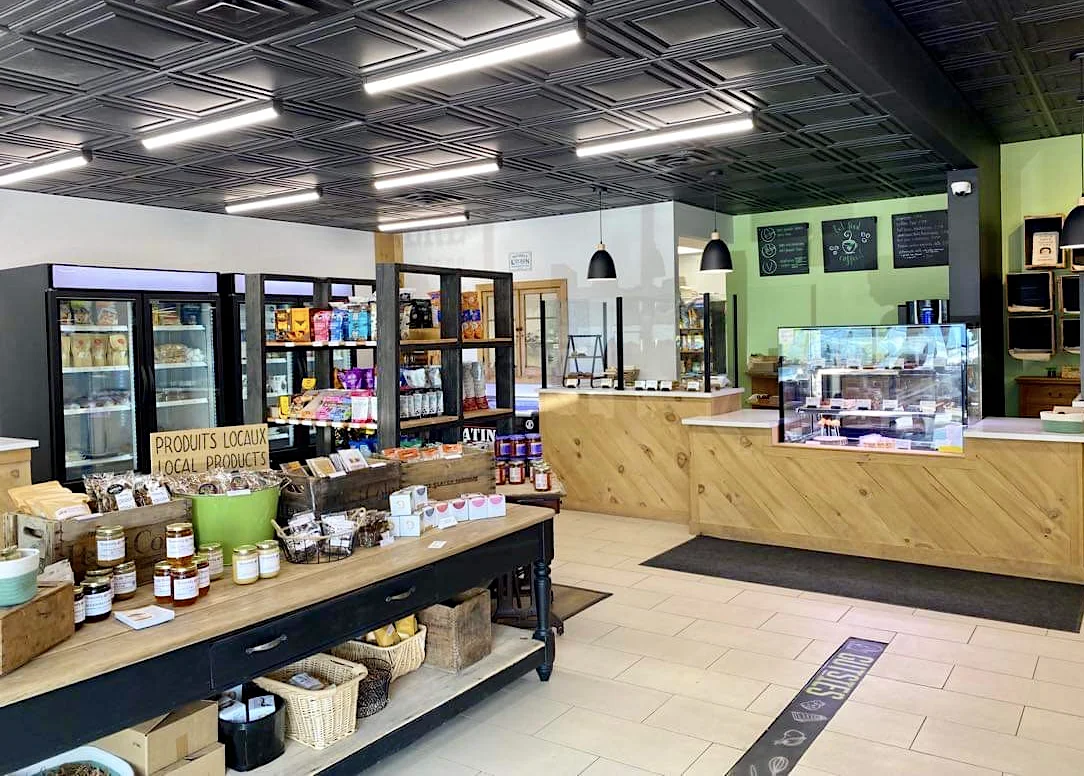
Based in Orleans, Gutsies serves as both a bakery and a high-end retail hub. The establishment addresses a significant gap in the Ottawa market by importing specialized gluten-free goods from larger hubs like Montreal and Toronto. By offering products such as pain au chocolat from La Marquise Sans Gluten (Montreal) alongside their own additive-free soups and frozen pizza doughs, Gutsies has become a critical link in the regional gluten-free supply chain.

2 Sprinkles (Formerly 5 Cupcakes)
The rebranding of 5 Cupcakes to 2 Sprinkles illustrates the evolution of the local market. Operating primarily through online orders and farmers’ markets, such as the Lansdowne Farmers’ Market, this family-owned business focuses on artisanal baked goods. Their logistical model—utilizing weekly market pickups and local delivery—allows them to maintain low overhead while serving a highly targeted demographic.

The Evolution of International Flavors and Mobile Vendors
The National Capital Region has seen a surge in ethnic cuisines that are naturally gluten-free or easily adaptable, providing celiac diners with a diversity of options that were previously unavailable.

Latin American and Mexican Influence
The opening of The Tortilla Maker of Canada in Orleans in 2023 marked a milestone for the region’s Mexican culinary scene. Founded by Miguel Angel Jiménez Reyes, the facility focuses on 100% masa harina products, ensuring safety from wheat contamination. Similarly, Chicha Canada has introduced the region to traditional South American rice-based beverages, while Arepas Place Ottawa transitioned from a market stall to a brick-and-mortar location in 2025, driven by the high demand for naturally gluten-free Venezuelan corn cakes.

Asian Culinary Safety
The Asian food sector in Ottawa has also adapted. Farang Thai, co-owned by a celiac individual, operates with a 100% gluten-free menu, a rarity in a cuisine that often relies on wheat-based soy sauces. Meanwhile, establishments like Social Thai and Siam Bistro have invested in staff training to manage cross-contact, allowing them to safely serve the celiac community.

Chronology of Market Growth: 2021–2025
The timeline of the National Capital Region’s gluten-free expansion reveals a resilient industry that thrived despite the challenges of the COVID-19 pandemic.

- 2019–2020: Establishments like Wolf Down and Little Mac’s opened, introducing high-safety standards for dner and southern-style comfort food, respectively.
- 2021–2022: The rise of mobile vendors and specialized food trucks, such as Smokin’ RR’s in Stittsville, provided safe options in suburban areas where dedicated facilities were sparse.
- 2023: A significant year for dedicated retail, with the opening of The Tortilla Maker and the expansion of Gutsies’ inventory to include inter-provincial imports.
- 2024–2025: The "Market to Brick-and-Mortar" trend solidified, with Arepas Place and various bakery pop-ups establishing permanent footprints in the city center.
Supporting Data and Regulatory Context
In Canada, food labeling laws are stringent regarding packaged goods, but the restaurant industry remains largely self-regulated concerning allergen claims. According to Health Canada, wheat is one of the priority allergens that must be declared on pre-packaged foods. However, the National Capital Region lacks the standardized "Allergen Menu" requirements seen in the United Kingdom, where the 2014 EU Food Information for Consumers Regulation (which the UK retained post-Brexit) mandates that food businesses provide information about 14 specific allergens.

Industry analysts suggest that if Canada were to adopt similar regulatory frameworks, the confidence of the celiac consumer base would increase, likely leading to a further 15-20% growth in the gluten-free dining sector. Currently, the burden of safety verification lies with the consumer, who must inquire about "shared fryer" status and "separate water" for boiling gluten-free pasta or noodles.

Regional Logistics: The Ottawa-Gatineau Divide
The National Capital Region presents unique logistical hurdles for gluten-free businesses and consumers. While Gatineau, Quebec, offers exceptional celiac-safe options like Ottavio and Sushi Haru Haru, inter-provincial delivery remains a barrier. Most Ontario-based delivery services do not cross the river, and vice versa. This has led to a reliance on "food angels" or community networks within the celiac population to transport safe goods across the border.

Furthermore, the difference in provincial health regulations and liquor laws can affect how these businesses operate. Quebec’s "apportez votre vin" (bring your own wine) culture often allows gluten-free diners to pair their safe meals with verified gluten-free beverages, a practice less common in Ontario.

Broader Impact and Implications for Accessibility
The availability of celiac-safe dining is not merely a culinary luxury but a critical component of urban accessibility. For individuals with intersecting health challenges—such as the spinal CSF leak condition affecting some prominent local food advocates—the ability to access safe, delivered meals is vital. When a city’s food infrastructure fails to provide celiac-safe options, it effectively excludes a segment of the disabled population from participating in the local economy.

The growth of the gluten-free market in Ottawa and Gatineau serves as a case study for how niche dietary needs can drive innovation in the broader food industry. As more restaurants adopt dedicated fryers and transparent labeling, the "safety ceiling" for all diners is raised.

Conclusion
The National Capital Region is currently in a state of transition. While it may not yet rival the sheer volume of gluten-free options in Montreal or global leaders like London, the density of knowledgeable and dedicated establishments is on an upward trajectory. The success of businesses like Strawberry Blonde Bakery and Gutsies proves that there is a sustainable, profitable market for high-safety dietary services. For the celiac resident or visitor, the region now offers a sophisticated, albeit geographically dispersed, network of dining options that prioritize medical safety without compromising on culinary quality. Future growth will likely depend on more formal regulatory adoption and continued entrepreneurial ventures into the suburban reaches of the region.
