

The landscape of global consumerism has undergone a significant transformation, shifting from mass-market dependency toward a highly fragmented market defined by specialized needs, artisanal quality, and accessibility-focused design. This shift is particularly evident in the lifestyle and travel sectors, where consumers increasingly prioritize products that offer functional solutions to specific health challenges or align with niche aesthetic values. As the global gift-giving market continues to expand—projected to reach a valuation of several hundred billion dollars by the end of the decade—the demand for "expert-curated" selections has replaced traditional advertising as a primary driver of consumer trust. This phenomenon is driven by a desire for authenticity and the growing influence of individuals who possess deep subject-matter expertise in fields ranging from international gastronomy to chronic health management.

Adaptive Design and the Rise of Hands-Free Technology
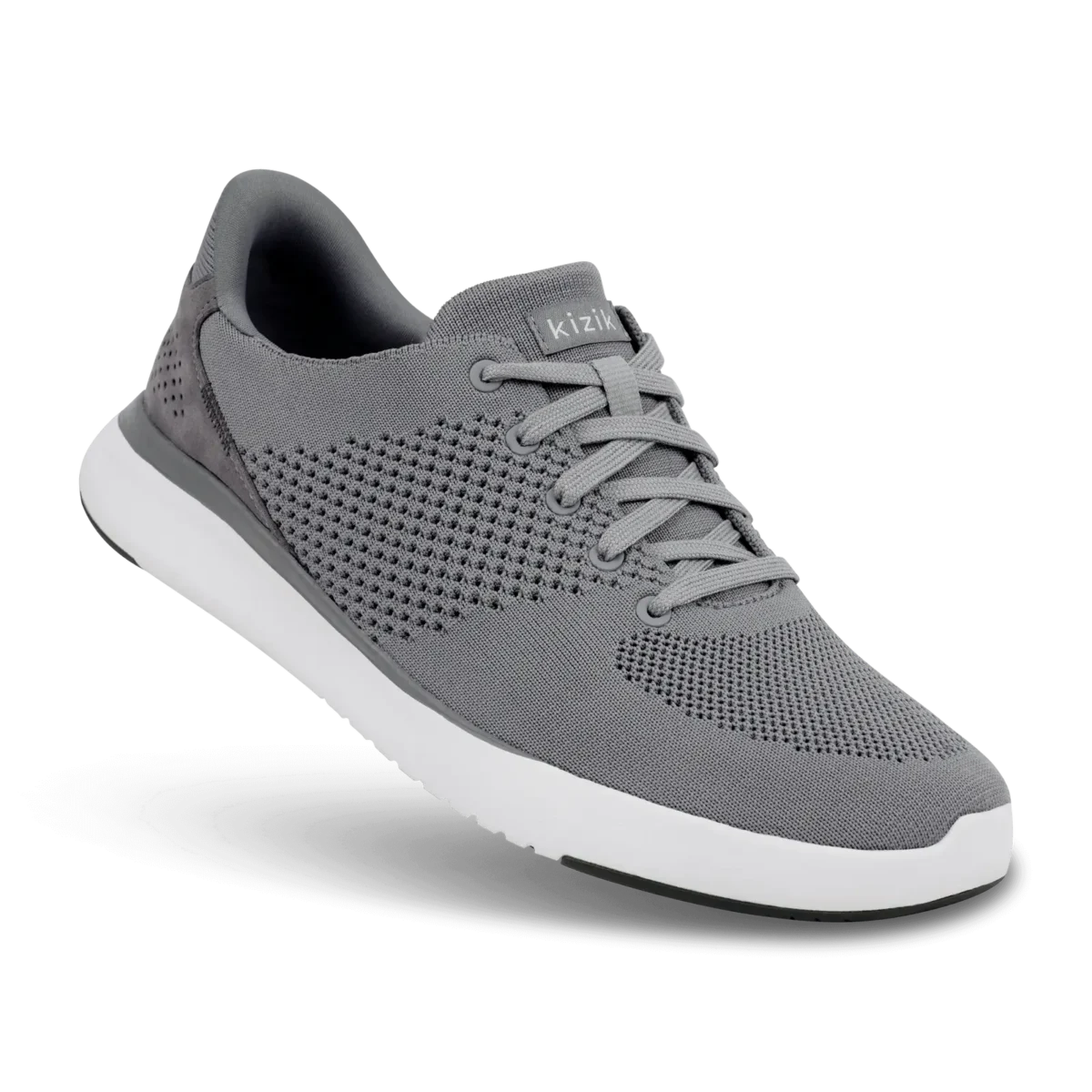
In the footwear industry, a notable trend has emerged toward "adaptive fashion," which seeks to bridge the gap between medical necessity and mainstream style. One of the primary innovators in this space is Kizik, a company that utilizes patented aerospace-grade titanium strips to create shoes that can be put on and removed without the use of hands. Originally viewed as a niche product for the elderly or those with temporary injuries, hands-free technology has seen a broader adoption across various demographics, including pregnant women and individuals with chronic conditions such as spinal cerebrospinal fluid (CSF) leaks, where bending or crouching can exacerbate symptoms.

Industry analysis indicates that the adaptive clothing and footwear market is expected to grow at a compound annual growth rate (CAGR) of approximately 4% through 2030. The success of models like the Kizik Lima and the expansion into winter and Chelsea boots reflect a broader corporate strategy to normalize accessibility. By integrating hands-free functionality into contemporary designs, manufacturers are addressing a significant market gap that previously forced consumers to choose between physical comfort and aesthetic appeal.

The Resurgence of Analog Tools in a Digital Economy
Despite the ubiquity of digital devices, the global stationery and high-end writing implement market remains robust, valued at approximately $192 billion as of 2023. A prime example of this "analog resurgence" is the revival of the Blackwing 602 pencil. First introduced in the 1930s by the Eberhard Faber Pencil Company, the Blackwing became the tool of choice for cultural icons such as John Steinbeck and Chuck Jones. Following its discontinuation in 1998, a secondary market emerged where individual pencils were sold for as much as $40 to collectors.
In 2010, the brand was revitalized by California Cedar Products Company, which reintroduced the pencil to a new generation of writers and artists. The enduring popularity of the Blackwing 602, characterized by its unique rectangular replaceable eraser and Japanese graphite, highlights a consumer preference for "tactile heritage"—products that offer a physical connection to historical craftsmanship. Similarly, the popularity of Joytop notebooks, known for their specific paper texture and binding durability, underscores a shift toward "sensory-driven" consumption, where the physical experience of writing is as valued as the output itself.

Dietary Navigation and the Globalization of Food Safety
The intersection of travel and health has necessitated the development of sophisticated tools for managing dietary restrictions in foreign environments. The global gluten-free products market was valued at $6.7 billion in 2022 and is expected to expand significantly as diagnostic capabilities for celiac disease improve worldwide. This growth has fueled the demand for specialized translation services, such as the gluten-free restaurant cards produced by Legal Nomads.

Unlike generic translation apps, these specialized tools are developed through a rigorous multi-step process involving native speakers and medical professionals familiar with cross-contact risks. With over 12,000 cards sold across 15 languages, including recent expansions into Bahasa Indonesia and Croatian, the project illustrates the vital role of "knowledge-based products" in enabling safe international mobility for vulnerable populations. The transition from physical cards to high-resolution digital formats (PNG and PDF) reflects the evolving habits of modern travelers who require immediate, offline access to life-critical information.

Innovation in Culinary Implements and Accessibility
The culinary tool industry is increasingly focusing on ergonomics to accommodate users with limited upper-body strength or chronic pain. While traditional high-end cutlery, such as Global knives, is prized for its weight and balance, these features can be prohibitive for users with neurological or spinal conditions. Nakano Knives has addressed this by marketing lightweight alternatives, such as their "Classic Chef Knife," which weighs approximately 185 grams (6.5 oz).

This focus on weight reduction without sacrificing blade integrity is part of a larger trend in "inclusive kitchenware." As home cooking remains a central lifestyle pillar post-pandemic, consumers are seeking professional-grade equipment that is sustainable for long-term use. The use of discount codes and direct-to-consumer marketing strategies has allowed brands like Nakano to build loyal communities by offering high-quality Japanese steel to a broader audience that may have previously found professional cutlery inaccessible.

The Integration of Photobiomodulation in Home Wellness
The "biohacking" and home-wellness sectors have seen a surge in interest regarding red light therapy, or photobiomodulation (PBM). Once restricted to clinical settings, portable devices like the FlexBeam—developed by Recharge Health in Norway and manufactured in Thailand—are now available for consumer use. PBM therapy utilizes specific wavelengths of red and near-infrared light to stimulate cellular energy production and reduce inflammation.

Clinical studies have suggested that longer wavelengths (around 800-900 nm) may be better tolerated by individuals with Mast Cell Activation Syndrome (MCAS), as they are less likely to trigger histamine release compared to shorter wavelengths. The adoption of these devices for chronic pain management, particularly for spinal injuries and nerve pain, represents a shift in consumer behavior toward proactive, technology-driven self-care. This market is driven by a growing skepticism of pharmacological interventions for chronic pain and a desire for non-invasive, drug-free alternatives.

Ethical Aquaculture and Sustainable Luxury
The jewelry industry is facing increasing pressure to adopt transparent and environmentally friendly sourcing practices. Kamoka Pearls, operating out of the Ahe Atoll in Tahiti, has emerged as a leader in sustainable aquaculture. A landmark study by National Geographic highlighted that Kamoka’s farming methods—which avoid the use of harsh chemicals and utilize solar and wind energy—have actually contributed to an increase in local fish populations by providing a protected habitat.

Their "Mana Bracelet," crafted from kangaroo leather and sustainably harvested pearls, targets the "active luxury" segment. By utilizing kangaroo leather—the strongest leather in the world—the brand offers a product that is both durable for outdoor activities and ethically produced. This alignment of environmental stewardship with luxury retail is a key factor in the brand’s success among "conscious consumers" who demand that their purchases reflect their personal values regarding biodiversity and carbon footprints.

The Psychology of Nostalgia and Custom Cartography
The market for personalized home decor has seen the rise of "emotional cartography," where maps are used not for navigation, but for storytelling. Companies like Sadie and June, based in Ottawa, specialize in hand-embroidered maps that connect geographically distant locations with a physical thread. This business model taps into the "global nomad" identity, where individuals often feel a sense of belonging to multiple places simultaneously.

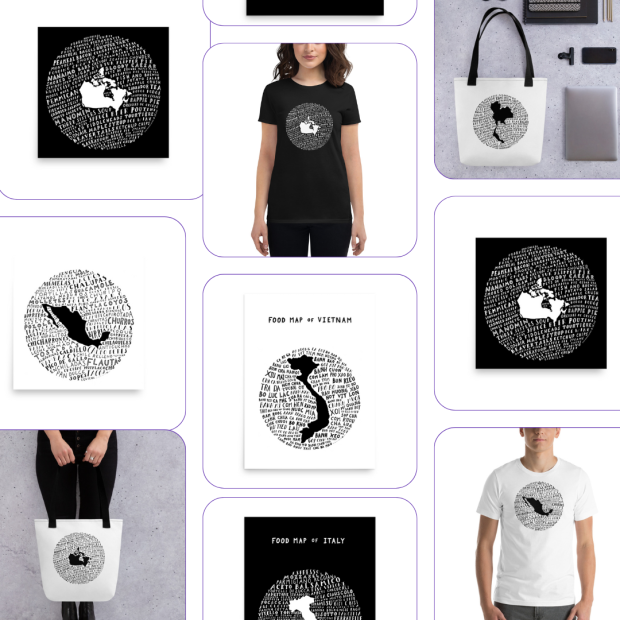
The success of these artisanal ventures—often growing from "side hustles" to full-time enterprises—demonstrates the power of the "craft economy." Consumers are increasingly willing to pay a premium for hand-made, customizable items that commemorate personal milestones, such as a thread connecting a birthplace in New Jersey to a home in Canada. This trend is mirrored in the popularity of hand-drawn food maps, which serve as visual memoirs of cultural exploration.

Whimsical Utility and the "Dopamine Decor" Trend
Finally, a growing segment of the lifestyle market is dedicated to "whimsical utility"—products that perform a standard household function but incorporate playful or humorous design elements. Brands like OTOTO Design, known for the Nessie tea infuser and the Spaghetti Monster strainer, capitalize on the "dopamine decor" trend, where home environments are curated to boost mood through color and character.

Even in more traditional sectors like plant care and puzzles, this trend is evident. Plantstraws, a Swedish startup, combines brass aesthetics with a cotton-wicking system to automate plant hydration, appealing to the "urban gardener" demographic that values both form and function. Similarly, the "Birdstrips" and "Effin Birds" franchises have built significant commercial empires by combining ornithological art with relatable, often irreverent, social commentary. These products resonate because they acknowledge the complexities and frustrations of modern life while providing a small, aesthetic reprieve.

Conclusion and Future Outlook
The diversification of the holiday gift and lifestyle market indicates a permanent shift in consumer priorities. No longer satisfied with generic mass-produced goods, modern consumers are seeking products that offer specific solutions to health challenges, celebrate artisanal heritage, and adhere to ethical manufacturing standards. As technology continues to enable small-scale creators to reach a global audience, the influence of niche, expert-led brands is likely to surpass that of traditional retail giants. The future of the global lifestyle sector lies in this delicate balance between high-tech innovation and the enduring value of the human touch.
