

The annual shift in consumer behavior during the fourth quarter has increasingly favored products that combine utility with personal narrative, particularly within the sectors of adaptive fashion, sustainable craftsmanship, and therapeutic technology. As the global gift market continues to evolve, there is a marked transition away from mass-produced commodities toward items that address specific lifestyle needs, such as chronic illness management, dietary restrictions, and environmental stewardship. This report examines a curated selection of lifestyle products that have gained prominence for their innovation, historical significance, and commitment to ethical production.

The Rise of Adaptive Fashion and Hands-Free Technology
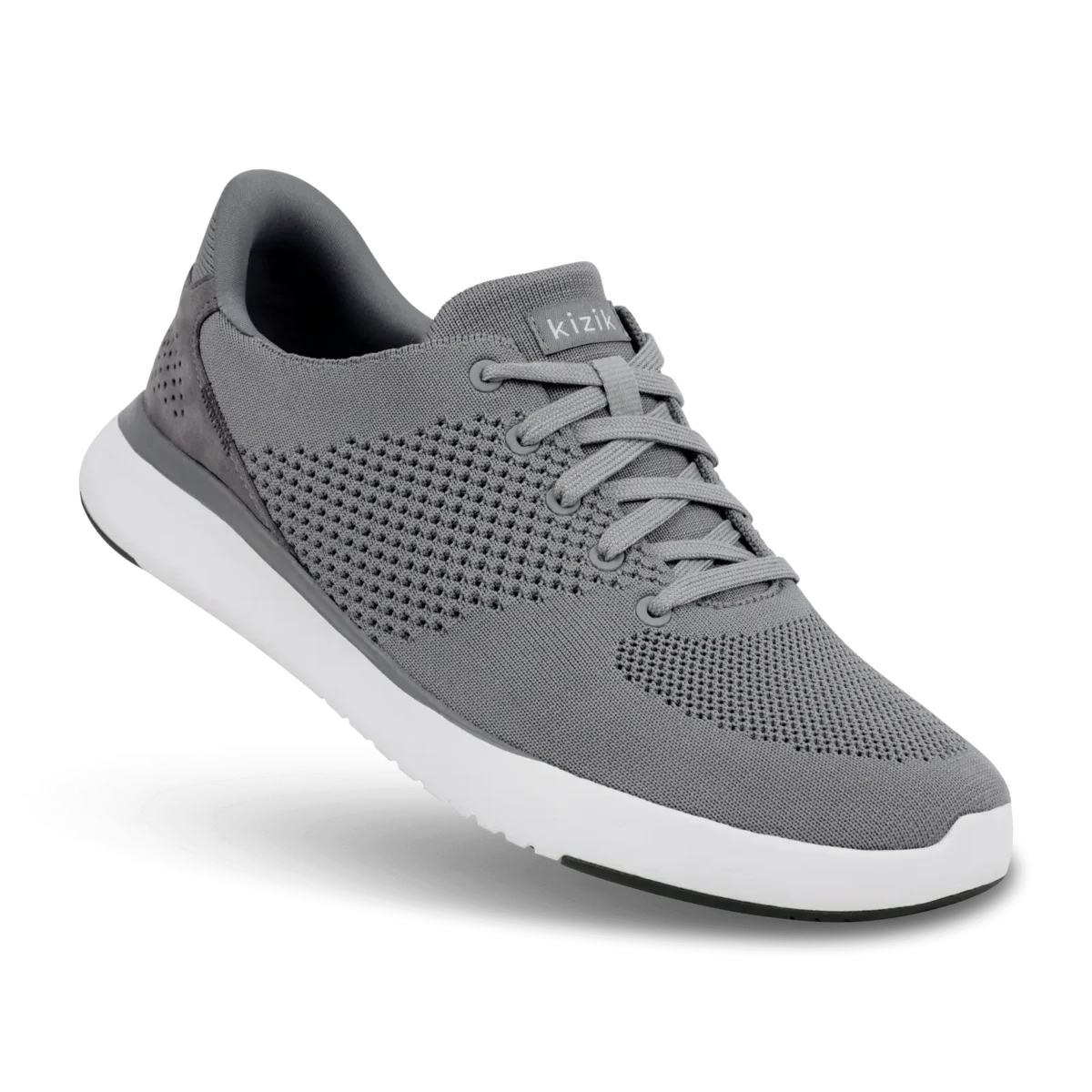
In the realm of footwear, the demand for accessibility has spurred significant technological advancements. One of the primary innovators in this space is Kizik, a company that has redefined the "hands-free" shoe category. Utilizing patented titanium arc technology, these shoes allow users to step into them without the need for bending, crouching, or using their hands—a feature that has become essential for individuals with spinal injuries, mobility issues, or those in the later stages of pregnancy.

Market analysis suggests that the adaptive clothing market is projected to reach significant valuations by 2030, driven by an aging global population and a growing awareness of inclusive design. Kizik’s expansion into winter footwear and Chelsea boots indicates a strategic move to provide year-round solutions for those requiring ease of use without sacrificing aesthetic appeal. While the company’s newer models often feature a higher heel drop, which may impact those with specific spinal conditions, the "Lima" model remains a staple for those prioritizing ergonomic stability.

Historical Resurgence in the Stationery Sector
The resurgence of legacy brands is perhaps most evident in the writing implement industry, specifically with the Blackwing 602 pencil. Originally introduced in the 1930s by the Eberhard Faber Pencil Company, the Blackwing became the preferred tool for cultural icons such as John Steinbeck and Looney Tunes animator Chuck Jones. The pencil’s reputation as the "Rolls Royce" of writing implements stems from its unique combination of Japanese graphite and California incense-cedar, providing a smooth "soft" feel with the longevity of a "firm" lead.
Following its discontinuation in 1998, a secondary market emerged where individual pencils were sold for as much as $40 to dedicated collectors. In 2010, California Cedar Products Company revived the brand, maintaining the signature rectangular replaceable eraser and the distinct flat ferrule. This revival reflects a broader "analog" trend among writers and musicians who seek tactile experiences in an increasingly digitized professional landscape.

Gastronomy and the Personalization of Travel Art
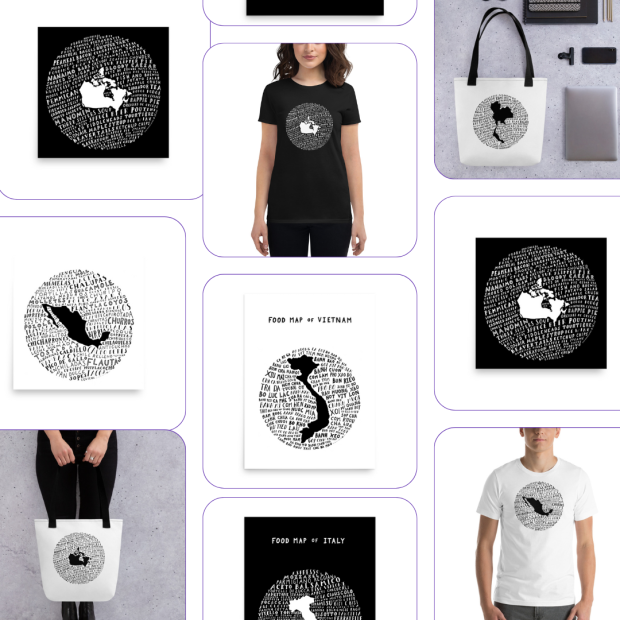
The intersection of culinary exploration and cartography has birthed a niche market for hand-drawn food maps. These illustrations, such as those produced by Legal Nomads, serve a dual purpose: they function as high-quality interior decor while documenting the specific gastronomic identities of countries like Vietnam, Portugal, and Mexico.

This trend coincides with the growth of "foodie tourism," where travelers prioritize local flavors over traditional landmarks. By documenting specific regional dishes through art, these maps provide a permanent record of cultural heritage. Furthermore, the expansion of this project into digital "Gluten-Free Translation Cards" highlights a critical shift in the travel industry toward safety and inclusivity. With over 12,000 cards sold across 15 languages, the project addresses the needs of the celiac community by providing medically accurate, localized information regarding cross-contact and hidden ingredients, vetted by native speakers and medical professionals.

Ergonomics and Innovation in the Culinary Space
In the kitchenware industry, the focus has shifted toward lightweight, high-performance tools that accommodate users with limited physical strength. Nakano Knives, a Japanese brand, has gained traction for its "Classic Chef Knife," which weighs approximately 185 grams (6.5 oz). This emphasis on weight reduction is a response to the needs of home cooks managing chronic pain or neurological conditions that make heavy, traditional cutlery difficult to maneuver.

The broader kitchen gadget market has also seen a rise in "whimsical utility," led by companies like OTOTO Design. Products such as the "Nessie" tea infuser and the "Spaghetti Monster" strainer exemplify a design philosophy that integrates playfulness with functionality. This segment of the market appeals to consumers looking to alleviate the monotony of domestic chores through visually engaging tools.

Biophilic Design and Sustainable Horticulture
The concept of biophilic design—the integration of natural elements into built environments—has led to the development of sophisticated plant-care systems. Swedish designer Elin Fyhr’s "Plantstraws" represent an elegant solution to the common problem of indoor plant maintenance. Utilizing a capillary action system via cotton ropes encased in brass or copper tubes, these devices allow for consistent moisture delivery, effectively syncing the care requirements of rainforest-native plants with those of more resilient succulents.

Complementing this functional approach is the artisanal trend of "knitted greenery." Kelsea Knits, a family-supported enterprise, produces handcrafted cacti and succulents using sustainable yarn and upcycled packaging. These products cater to the "struggling plant parent" demographic, providing the aesthetic benefits of greenery without the risk of biological failure. The success of such small-scale businesses underscores a consumer preference for sustainable, low-maintenance home decor.

Advancements in Portable Photobiomodulation
The wellness sector has seen a surge in interest regarding red light therapy, or photobiomodulation (PBM). Devices like the FlexBeam, engineered in Norway, represent the next generation of targeted pain management. Unlike stationary panels, portable LED devices allow users to treat specific areas such as the spine or joints while maintaining mobility.

Scientific research into PBM suggests that specific wavelengths of red and near-infrared light can stimulate mitochondrial function, reduce inflammation, and accelerate tissue repair. For individuals with mast cell disorders or sensitive neurological systems, the ability to select specific wavelengths (such as Setting 3 on the FlexBeam) is crucial for avoiding adverse reactions while still achieving therapeutic benefits. As the global red light therapy market is expected to grow at a CAGR of over 5% through 2028, portable, user-controlled devices are positioned to lead the sector.

Ethical Luxury and Sustainable Pearl Farming
The jewelry industry is undergoing a transformation driven by radical transparency and environmental accountability. Kamoka Pearls, operating out of the Ahe Atoll in French Polynesia, has established itself as a leader in sustainable aquaculture. Their farming methods, which utilize solar and wind power, were featured in a National Geographic study that credited the farm with increasing local fish populations by providing a protected habitat.

Their "Mana Bracelet," constructed with kangaroo leather—recognized as the strongest and most sustainable leather available—and Tahitian pearls, targets the "active luxury" market. By combining durability with high-end materials, brands like Kamoka are appealing to a demographic that values both aesthetic elegance and the ecological footprint of their purchases.

Nostalgia and the Art of Connection
Finally, the trend of personalized cartography continues with enterprises like Sadie and June. Their hand-embroidered heart maps, which connect two geographical locations with a physical thread, tap into the deep-seated human emotions of nostalgia and homesickness. Based in Ottawa, this cross-border business has expanded to cover over 900 locations, illustrating the enduring power of "place" in the human narrative.

Broader Implications and Market Outlook
The products highlighted in this guide represent more than mere seasonal gifts; they are indicative of a significant shift in the global economy. Consumers are increasingly prioritizing:

- Accessibility: Tools that allow individuals with physical limitations to maintain independence and joy.
- Sustainability: Products that contribute to the health of the planet through ethical farming or upcycled materials.
- Storytelling: Items that connect the user to a specific history, culture, or personal milestone.
As we move into the mid-2020s, the success of these niche brands suggests that the future of retail lies in specialization and empathy. Companies that can solve specific problems—whether it is a pencil that doesn’t smudge, a shoe that requires no hands, or a pearl that saves a lagoon—are those that will maintain relevance in an increasingly crowded marketplace. This curated selection serves as a blueprint for the modern consumer: one who is informed, compassionate, and seeking quality over quantity.
