

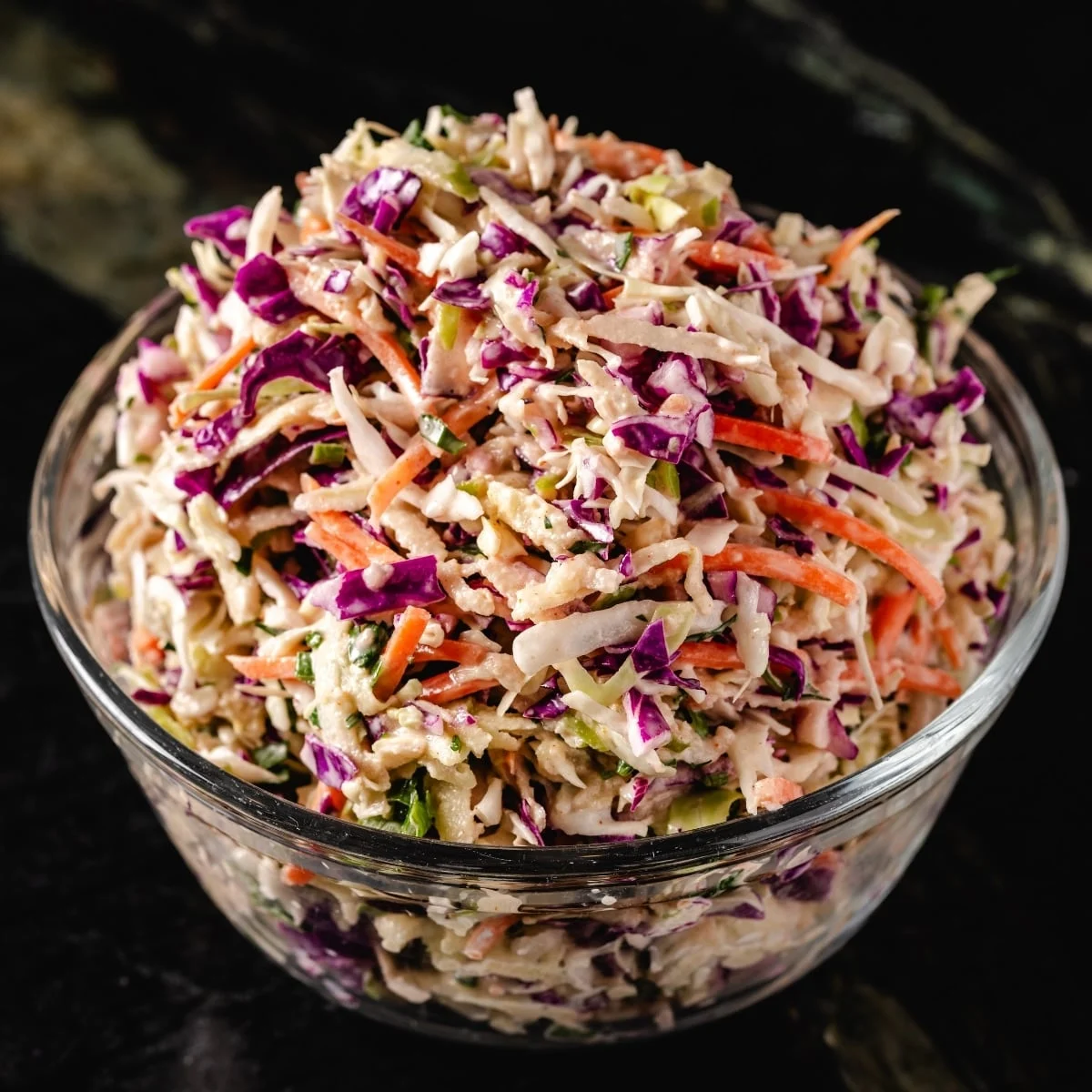
The culinary landscape of American barbecue is undergoing a significant transformation as pitmasters and home cooks alike seek to balance traditional, heavy smoked meats with lighter, more complex side dishes. Among these innovations, the Homemade Apple Slaw has emerged as a prominent alternative to the standard cabbage-based coleslaw. By integrating the tartness of Granny Smith apples with a specialized sweet rub seasoning, this dish addresses a common critique of traditional sides: the tendency toward a monolithic flavor profile. This evolution in side dish preparation reflects a broader trend toward acidity-driven palate cleansers in high-fat culinary environments.
The Evolution of the American Side Dish
Coleslaw, derived from the Dutch term koolsla meaning "cabbage salad," has been a staple of Western cuisine since the 18th century. Traditionally consisting of shredded cabbage and a vinaigrette or mayonnaise-based dressing, the dish served as a cost-effective, durable side for outdoor gatherings. However, as the American barbecue tradition matured, particularly in regions like the Carolinas and Memphis, the need for a side dish that could effectively "cut through" the richness of slow-smoked pork and beef became paramount.
The introduction of fruit into this savory template represents a sophisticated shift in flavor balancing. The Homemade Apple Slaw specifically utilizes the Granny Smith variety (Malus domestica), known for its high acidity and firm texture. This choice is deliberate; the malic acid present in the apples provides a sharp contrast to the rendered fats of barbecued meats, while the fruit’s structural integrity ensures the slaw maintains a "crunch" even after being tossed in a creamy dressing.

Technical Composition and Ingredients
The Homemade Apple Slaw is constructed through a precise assembly of raw produce and a stabilized emulsion dressing. The primary components are categorized into the vegetable base and the flavor-enhancing dressing.
The Structural Base
The foundation of the slaw consists of shredded green cabbage and carrots. Cabbage provides the necessary bulk and a mild peppery note, while carrots introduce natural sugars and beta-carotene. The inclusion of fresh herbs, typically parsley or cilantro, adds a volatile aromatic component that lightens the overall scent profile of the dish. The centerpiece, the Granny Smith apple, is julienned or shredded to match the consistency of the cabbage, ensuring a uniform mouthfeel.
The Emulsion and Seasoning
The dressing is a mayonnaise-based emulsion, which provides a creamy mouthfeel, balanced by apple cider vinegar for additional tang. A key differentiator in this specific recipe is the use of a signature "Sweet Rub." Barbecue rubs generally consist of a ratio of brown sugar, salt, paprika, and various spices such as garlic powder and onion powder. By incorporating this rub into the dressing, the slaw bridges the gap between the side dish and the main protein, creating a cohesive flavor bridge across the entire plate.
Procedural Chronology: Preparation and Execution
The preparation of Homemade Apple Slaw requires no thermal processing, focusing instead on mechanical preparation and ingredient integration. The following chronology outlines the standard procedure for achieving optimal results:

- Component Preparation: The cabbage is finely shredded, and carrots are grated. The Granny Smith apples are processed last to minimize enzymatic browning, a chemical reaction where polyphenol oxidase enzymes in the fruit react with oxygen.
- Dressing Synthesis: In a separate vessel, the mayonnaise, apple cider vinegar, and Sweet Rub are whisked together. This ensures the dry spices are evenly distributed throughout the lipid-heavy base before being introduced to the moisture-rich vegetables.
- Integration: The dressing is poured over the vegetable and fruit mixture. It is recommended to toss the ingredients thoroughly to ensure every strand of cabbage and apple is coated, which acts as a protective barrier against oxidation.
- Maceration and Chilling: While the slaw can be served immediately, a brief period of refrigeration allows the salt and sugar in the rub to draw out a small amount of moisture from the vegetables, slightly softening the cabbage while allowing the flavors to meld.
Nutritional Data and Dietary Analysis
A standard serving of Homemade Apple Slaw (approximately one-sixth of a standard recipe) contains roughly 205 calories. The nutritional profile is characterized by a balance of fats and carbohydrates, with a notable concentration of micronutrients derived from the fresh produce.
- Caloric Content: 205 kcal
- Total Fat: 14g (Saturated Fat: 2g)
- Carbohydrates: 19g (Dietary Fiber: 4g, Sugars: 13g)
- Protein: 2g
- Micronutrients: The dish is particularly high in Vitamin A (2199 IU) due to the carrot content and Vitamin C (26 mg) from the fresh cabbage and apples. It also provides essential minerals including Calcium (61 mg) and Iron (2 mg).
From a dietary perspective, the slaw provides a significant amount of dietary fiber, which aids in digestion—a beneficial factor when consuming the dense proteins typical of a barbecue. The sodium content is relatively moderate at 166 mg, though this can vary depending on the specific formulation of the barbecue rub used.
The Role of the "Backyard BBQ Hero"
The rise of the "backyard BBQ hero" is a socio-cultural phenomenon fueled by the accessibility of professional-grade smoking equipment and the proliferation of digital culinary resources. Figures like Susie Bulloch, the founder of the "Hey Grill Hey" platform, have played a pivotal role in this movement. By providing standardized recipes that incorporate proprietary seasonings like the Sweet Rub, these influencers have professionalized home cooking.
The Homemade Apple Slaw is a product of this environment—a recipe designed to be "recognizable but unique." It appeals to the traditionalist by maintaining the core identity of coleslaw while satisfying the modern palate’s demand for complexity. This dish is often marketed as a "legend-making" side, implying that the success of a barbecue event is as much dependent on the quality of the accompaniments as it is on the smoked brisket or ribs.

Storage Protocols and Food Safety
Given the inclusion of mayonnaise and raw fruit, the storage of Homemade Apple Slaw requires adherence to strict food safety guidelines. Mayonnaise-based salads are susceptible to bacterial growth if left in the "Danger Zone" (between 40°F and 140°F) for extended periods.
- Refrigeration: The slaw should be stored in an airtight container or a zip-top bag to prevent moisture loss and the absorption of other odors in the refrigerator.
- Shelf Life: While the slaw is safe to consume for 3 to 4 days, its organoleptic qualities—specifically its crispness—begin to degrade after 24 to 48 hours. The salt in the dressing eventually breaks down the cell walls of the cabbage and apples, leading to a watery consistency.
- Freezing: Freezing is not recommended. The emulsion of the mayonnaise will break upon thawing, and the cellular structure of the vegetables will collapse, resulting in an unappealing texture.
Broader Implications for the BBQ Industry
The popularity of dishes like Homemade Apple Slaw signals a shift in the barbecue industry toward a more holistic dining experience. Restaurants and competitive barbecue teams are increasingly focusing on "fusion" elements, where fruit, global spices, and varied textures are used to elevate traditional fare.
Furthermore, the emphasis on fresh, raw ingredients in side dishes reflects a growing consumer interest in health-conscious options, even within the context of indulgent meals. By increasing the vegetable-to-meat ratio on the plate and incorporating nutrient-dense fruits like apples, the BBQ industry is adapting to a market that values both flavor and nutritional transparency.
Conclusion: The Future of the Palate Cleanser
The Homemade Apple Slaw is more than a simple side dish; it is a calculated culinary tool designed to enhance the consumption of smoked meats. Through the strategic use of Granny Smith apples for acidity and a specialized rub for flavor continuity, it represents the modern standard for barbecue accompaniments. As backyard cooking continues to evolve, the integration of science-based flavor balancing and professional-grade ingredients will likely remain a cornerstone of the American culinary tradition. For the home cook, mastering such a dish is a step toward achieving the balance of richness and refreshment that defines world-class barbecue.
