

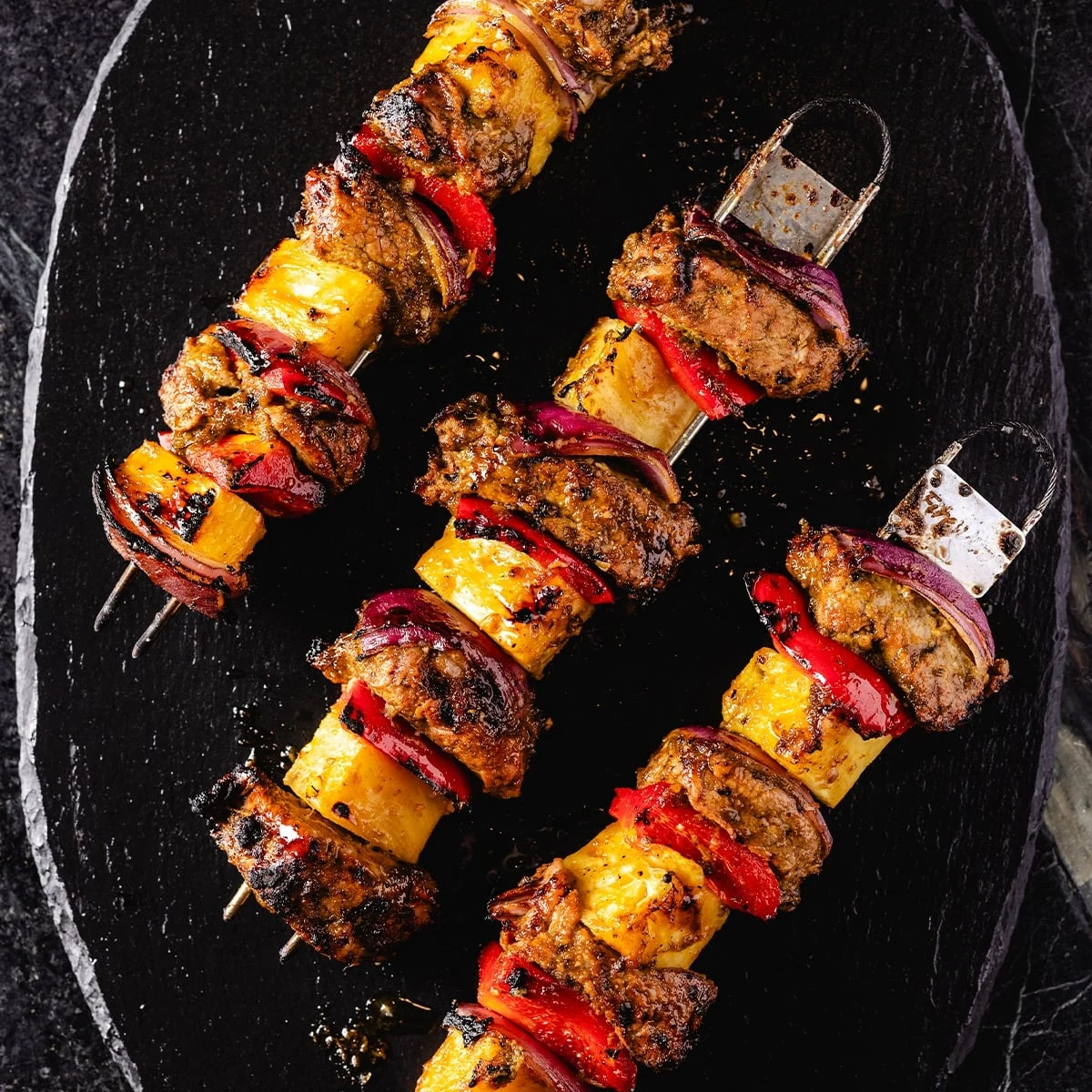
The culinary landscape of outdoor grilling continues to evolve as global flavors, particularly those from the Caribbean, integrate into mainstream American barbecue traditions. The Jerk Pork and Pineapple Kabob represents a sophisticated fusion of Jamaican heat and tropical sweetness, utilizing high-heat charcoal grilling techniques to achieve a complex flavor profile characterized by caramelization and spice. This dish leverages the lean profile of pork tenderloin, the enzymatic properties of fresh pineapple, and a multi-stage flavor application process involving both a deep-tissue marinade and a surface-level glaze. As consumer interest in diverse, bold flavor profiles grows, such recipes serve as a benchmark for the "new American" backyard culinary experience.
Historical and Cultural Context of Jerk Cuisine
The foundational element of this dish is the "jerk" preparation method, a style of cooking native to Jamaica. Historically, jerk cooking is attributed to the Maroons, African slaves who escaped into the Jamaican wilderness during the British invasion of the island in 1655. To survive, they hunted wild hogs and developed a method of preserving and cooking the meat using a blend of indigenous spices and slow-smoking techniques in pits lined with pimento wood.
The modern iteration of jerk seasoning typically centers on two primary ingredients: allspice (pimento) and Scotch bonnet peppers. The former provides a warm, earthy base reminiscent of cloves and cinnamon, while the latter delivers a distinctive, fruity heat that registers between 100,000 and 350,000 on the Scoville scale. In the context of the Jerk Pork and Pineapple Kabob, these traditional elements are adapted for the modern grill, substituting the traditional smoke pit with direct charcoal heat and supplementing the heat with a pineapple-based acidity to balance the palate.

Technical Specifications: The Marinade and Glaze Formulas
The success of the Jerk Pork and Pineapple Kabob relies on a dual-phase flavoring strategy. According to culinary experts, the interplay between a long-duration marinade and a late-stage glaze is essential for achieving both internal tenderness and external texture.
The Jerk Marinade Composition
The marinade serves as the primary delivery vehicle for flavor and a tenderizing agent for the pork tenderloin. The formula includes:
- Base Aromatics: Freshly chopped green onions, minced garlic, and grated ginger.
- Heat Profile: De-seeded and minced Scotch bonnet peppers.
- Acid and Enzyme: Fresh lime juice and olive oil.
- Seasoning Complex: Soy sauce for umami, brown sugar for balance, and a concentrated jerk seasoning blend (incorporating allspice, thyme, and cayenne).
From a chemical perspective, the lime juice acts as a denaturant, beginning the process of breaking down the protein structures in the pork, while the soy sauce provides the necessary sodium to draw moisture and spices into the meat fibers.

The Pineapple Ginger Glaze
To provide a counterpoint to the marinade’s intensity, a finishing glaze is applied during the final stages of grilling. This mixture consists of pineapple preserves, soy sauce, lime juice, and additional ginger. The high sugar content of the preserves is critical for the Maillard reaction—the chemical reaction between amino acids and reducing sugars that gives browned food its distinctive flavor. This glaze ensures a glossy, caramelized exterior that seals in the juices of the pork.
Chronology of Preparation and Execution
The preparation of Jerk Pork and Pineapple Kabobs follows a strict timeline to ensure food safety and optimal flavor infusion.
- Protein Preparation (T-minus 24 Hours): The process begins with the preparation of the pork tenderloin, which is trimmed of excess silver skin and cut into uniform 1.5-inch cubes. Uniformity is vital for ensuring that all pieces reach the target internal temperature simultaneously.
- The Marination Phase (8 to 24 Hours): The pork is submerged in the jerk marinade. While a minimum of two to four hours is acceptable for rapid preparation, a duration of 8 to 24 hours is recommended by industry professionals. This extended period allows the thick marinade to penetrate the dense muscle fibers of the tenderloin.
- Vegetable and Fruit Integration (T-minus 1 Hour): Fresh pineapple, red onion, and red bell peppers are prepared. These components are selected for their structural integrity under high heat and their ability to complement the pork’s flavor profile.
- Assembly and Skewering: The marinated pork and fresh produce are threaded onto skewers. The use of dual-prong metal skewers is often recommended for larger chunks to prevent "spinning" when the kabobs are rotated on the grill.
- Thermal Processing: The grill is prepared for direct high-heat cooking (approximately 400-450°F). The kabobs are grilled for 8 to 10 minutes, with rotations every 2 to 3 minutes to ensure even charring.
- The Glazing Finish: In the final 2 minutes of cooking, the pineapple ginger glaze is generously applied. This timing prevents the sugars in the glaze from burning while allowing enough heat exposure for caramelization.
Supporting Data: Nutritional Analysis
A standard serving of Jerk Pork and Pineapple Kabobs (calculated for four servings) provides a robust nutritional profile suitable for a high-protein diet.

- Total Calories: 687 kcal
- Protein: 55g (representing approximately 110% of the recommended daily value for an average adult)
- Carbohydrates: 75g (largely derived from the natural sugars in the pineapple and the glaze)
- Fat Content: 21g (with only 5g of saturated fat)
- Micronutrients: The dish is particularly high in Vitamin C (163mg) and Vitamin A (5750 IU), primarily due to the inclusion of fresh bell peppers and pineapple. It also contains significant levels of Potassium (1749mg) and Iron (7mg).
The high protein-to-fat ratio makes pork tenderloin an ideal choice for health-conscious consumers looking for an alternative to traditional fatty barbecue cuts like brisket or pork shoulder.
Expert Analysis: Material Selection and Heat Management
Susie Bulloch, a recognized authority in the barbecue industry and founder of Hey Grill Hey, emphasizes the importance of equipment choice in the execution of this recipe. According to Bulloch, the choice between metal and wooden skewers involves more than just aesthetics.
"When using wooden skewers, such as bamboo, they must be submerged in water for at least 30 minutes prior to use," Bulloch states. This hydration process prevents the wood from combusting under the intense heat of a charcoal grill. However, for heavier preparations like jerk pork, Bulloch advocates for metal skewers. "Dual-prong metal skewers help keep everything in place for more even grilling. When you have larger chunks of meat and fruit, you don’t want them sliding around when you go to flip the kabob."

Furthermore, the choice of charcoal over gas provides the "clean" heat and subtle smoky undertones that define Caribbean cooking. The high heat is necessary to sear the pineapple, which triggers the release of sugars and creates a charred, smoky-sweet flavor that cannot be replicated through boiling or baking.
Broader Impact and Market Trends
The popularity of recipes like Jerk Pork and Pineapple Kabobs reflects a broader trend in the $15 billion global barbecue grill market. Market research indicates a significant shift toward "outdoor living," where the backyard is treated as a secondary kitchen. This has led to an increased demand for diverse recipes that move beyond standard burgers and hot dogs.
The "Global Flavors" trend is also a major driver in the spice and marinade industry. Consumers are increasingly seeking authentic ethnic experiences at home, leading to a surge in the availability of scotch bonnet peppers and specialized jerk seasonings in conventional grocery stores. The Jerk Pork and Pineapple Kabob fits perfectly into this niche, offering a dish that is accessible enough for a weeknight meal but complex enough for specialized outdoor entertaining.

Moreover, the inclusion of pineapple in meat dishes is supported by food science. Pineapple contains bromelain, a protein-digesting enzyme. When used in marinades or grilled alongside meat, it acts as a natural tenderizer. This functional benefit, combined with the aesthetic appeal of vibrant red peppers and golden pineapple, makes the dish a staple of modern food photography and social media culinary trends.
Conclusion
The Jerk Pork and Pineapple Kabob is more than a simple skewered meal; it is a calculated intersection of history, chemistry, and culinary technique. By adhering to traditional Jamaican flavor profiles while utilizing modern grilling equipment, cooks can achieve a restaurant-quality result that balances intense heat with refreshing sweetness. As the barbecue season continues to expand into a year-round activity for many enthusiasts, the reliance on high-quality proteins like pork tenderloin and the strategic use of fruit-based glazes will likely remain a dominant theme in outdoor cooking. For those seeking to elevate their status as a "Backyard BBQ Hero," mastering the timing and temperature required for these kabobs is an essential step in that journey.
