

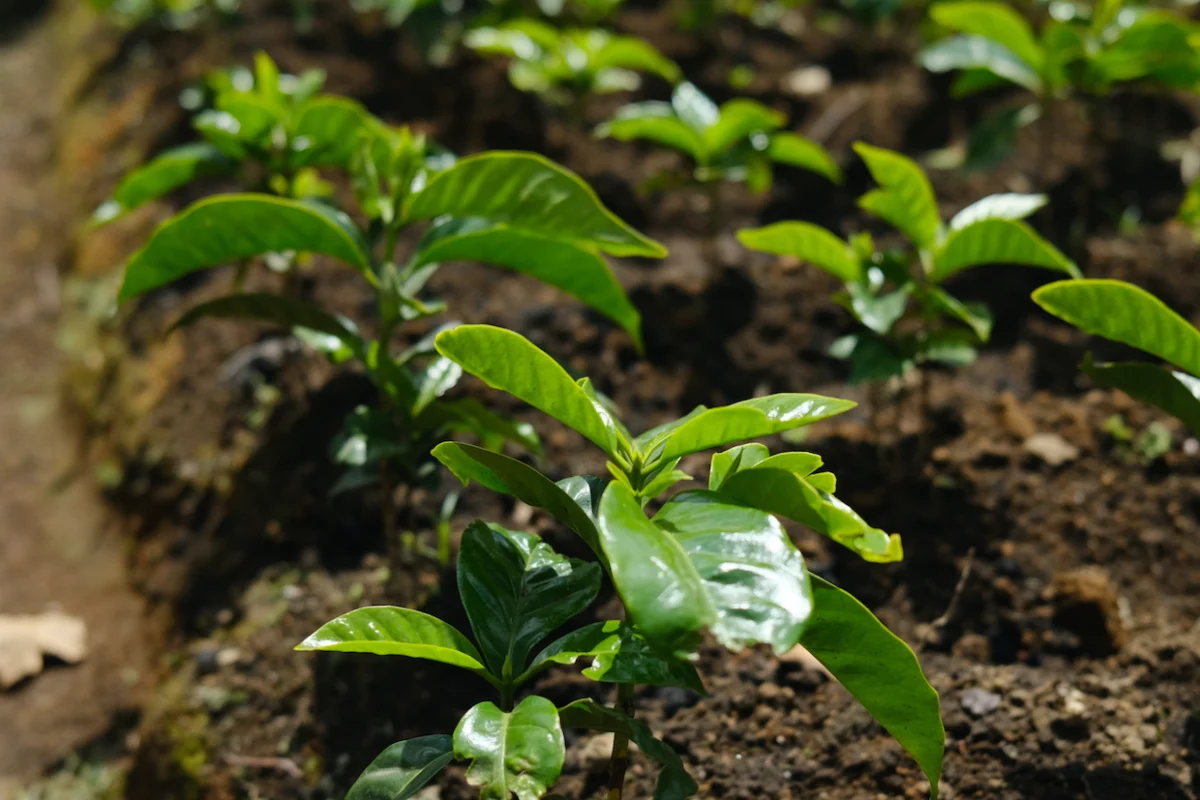
A pioneering study conducted across seven Brazilian coffee farms has yielded compelling evidence suggesting that regenerative agriculture, beyond its well-documented environmental advantages, can be an economically viable and productive approach to coffee cultivation. The research, spearheaded by the Brazil chapter of the Global Coffee Platform (GCP), delved into the economic, agronomic, and environmental performance of these arabica coffee estates located in the fertile regions of Minas Gerais. While acknowledging the limitations of a small, non-representative sample, the findings present a nuanced picture of regenerative practices holding their own against established benchmarks.
The study, which examined farms in South of Minas and Cerrado Mineiro, encompassed a diverse set of operations. Four farms were characterized by a high degree of mechanization, while the remaining three relied predominantly on manual labor. Regardless of their operational scale or labor intensity, all participating farms were actively implementing one or more regenerative farming techniques. These included the consistent application of organic soil amendments, a deliberate shift away from synthetic fertilizers in favor of more natural alternatives, and the crucial practice of maintaining soil cover through methods such as cover cropping.
Pedro Ronca, GCP Brazil Program Director, articulated the core finding of the study: "What we found across all seven farms is that different combinations of regenerative practices can deliver competitive production systems, provided they are adapted to the conditions of each farm, implemented consistently and supported by technical guidance." This statement underscores a critical takeaway: regenerative agriculture is not a one-size-fits-all solution but rather a flexible framework that requires tailored application and ongoing expertise.
Quantifying Competitiveness: Costs and Productivity in Focus
A significant aspect of the study involved a detailed analysis of operational costs, benchmarked against prevailing market rates. The seven regenerative farms reported effective operating costs ranging from R$488.41 (approximately US$94.87) to R$745.61 (approximately US$144.83) per 60-kilogram bag of coffee. Critically, all these figures fell below the state benchmark of R$768.80 for March 2025, as published by Brazil’s National Supply Company (CONAB). This comparison suggests that, at least in these specific instances, regenerative methods are not inherently more expensive than conventional approaches.
In terms of productivity, the regenerative plots within the study achieved an average yield of 45 60-kilogram bags per hectare. This performance notably outpaced CONAB’s 2025 national average of 30.4 bags per hectare, which encompasses both arabica and robusta coffee varieties. It is important to note, as the study authors themselves emphasize, that this research does not establish a direct causal link between regenerative practices and the observed higher yields or lower costs. However, the correlation is strong enough to warrant further investigation and suggests that the implemented regenerative techniques are not hindering, and may in fact be contributing to, enhanced output and efficiency.
Unearthing Deeper Insights: The Subsoil’s Crucial Role
Beyond the quantifiable economic and yield data, the study illuminated a critical agronomic insight: the imperative to look beyond the surface layer of the soil. While the top 20 centimeters of soil across the farms generally exhibited favorable conditions, deeper soil testing, specifically between 20 and 80 centimeters, revealed underlying issues. These included imbalances in calcium and magnesium, elevated aluminum saturation, and other conditions that could potentially impede root development and restrict plants’ access to vital water and nutrients. Notably, these limitations were identified in both the regenerative and reference (control) plots, indicating a broader soil health challenge within the region that transcends farming methodologies.
The researchers identified the improvement of soil fertility at greater depths as one of the most promising avenues for bolstering the coffee sector’s resilience to drought, enhancing production stability, and ultimately increasing overall productivity. This finding shifts the focus from solely surface-level soil management to a more holistic understanding of soil ecosystems, emphasizing the long-term benefits of nurturing the entire soil profile.
Environmental Stewardship: Carbon Sequestration Outpacing Emissions
A significant positive outcome highlighted by the study relates to the environmental footprint of regenerative coffee farming. Through analyses conducted by Solidaridad, utilizing the Cool Farm Tool, it was determined that for all seven coffee production systems modeled, estimated carbon removals exceeded modeled greenhouse gas emissions. This finding provides a quantifiable indicator of the climate-positive potential of regenerative agriculture in coffee production.
The study pinpointed synthetic nitrogen fertilizers as the primary contributor to modeled greenhouse gas emissions, accounting for a substantial 46% of the total. The management of agricultural residues, such as coffee husks, leaves, and pruning materials, was identified as the second largest source, responsible for 37% of emissions. This suggests that strategic reductions in synthetic fertilizer use and more effective utilization of on-farm organic matter could further enhance the carbon sequestration benefits of regenerative practices.
A Foundation for Future Growth: Support and Expansion
The research initiative was made possible through the support of JDE Peet’s, with additional collaborative efforts from organizations such as Solidaridad, Cooxupé, Emater-MG, and a consortium of independent technical experts. The study is positioned as the inaugural phase of a comprehensive reference-farm and monitoring system. GCP Brazil has indicated its intention to potentially expand this initiative to encompass other coffee-producing regions and diverse production models, thereby building a more robust and geographically representative dataset.
These findings contribute valuable real-world observations to a growing body of research on regenerative coffee, much of which has previously been based on modeling. This study offers empirical data that can inform investment decisions and on-the-ground implementation strategies. For instance, the nonprofit TechnoServe previously presented an economic case for regenerative agriculture investments in coffee, while also stressing the significant variability in costs and benefits depending on farm size, geographical location, and initial farm conditions. The GCP Brazil study adds crucial field-tested data to this ongoing conversation.
Annette Pensel, GCP Executive Director, emphasized the collective importance of such pre-competitive research: "Generating this kind of evidence collectively and pre-competitively is what will allow the whole sector to invest with confidence. Data from real farms in real conditions is what turns intent into targeted investment to support producers through the transition." This statement underscores the strategic value of collaborative research in de-risking investments and accelerating the adoption of sustainable practices within the coffee industry. The study’s success lies not only in its findings but also in its potential to foster greater confidence and informed action among stakeholders committed to a more sustainable coffee future.
The implications of this study extend beyond the immediate economic and environmental benefits. By demonstrating the viability of regenerative agriculture, it provides a pathway for coffee producers to adapt to the increasing pressures of climate change, market volatility, and evolving consumer demands for sustainably produced goods. The focus on deeper soil health also points towards long-term farm resilience, a critical factor for the continued prosperity of coffee-growing communities and the global coffee supply chain. As the GCP Brazil initiative progresses, it is poised to become an invaluable resource for producers, researchers, and the broader industry, guiding the transition towards a more regenerative and robust coffee sector.
