

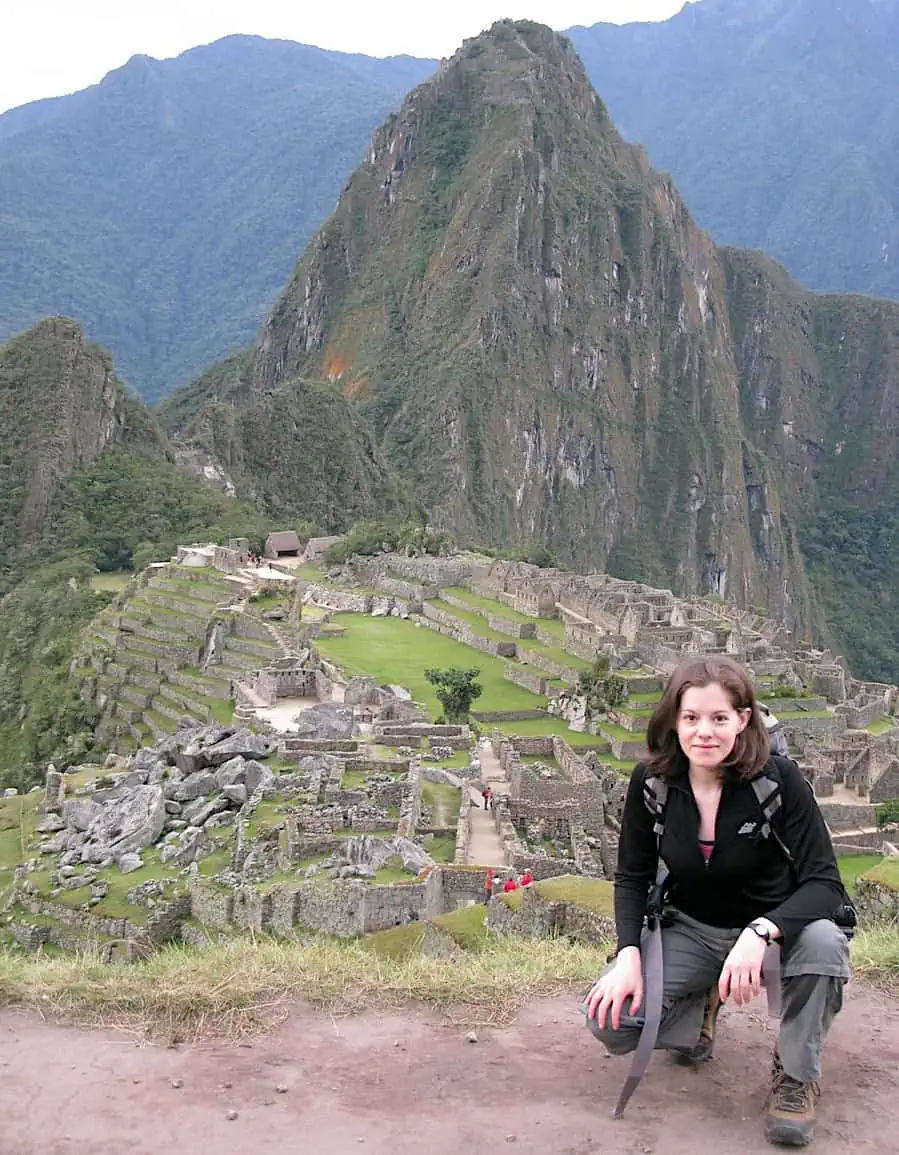
The narrative of Jodi Ettenberg, a former attorney turned travel writer and founder of Legal Nomads, serves as a poignant case study on the intersection of physical trauma, chronic illness advocacy, and the unexpected recovery of digital history. Ettenberg, who has become a prominent voice for patients suffering from spontaneous spinal cerebrospinal fluid (CSF) leaks, recently announced the recovery of a decade’s worth of lost photographic data. This recovery, facilitated by a serendipitous encounter with a filmmaker in Brooklyn, marks a significant milestone in a journey defined by "living grief"—a psychological state resulting from the ongoing loss of function and identity due to chronic disability.
The Medical Context: Spinal CSF Leaks and Long-term Disability
To understand the weight of Ettenberg’s recent digital recovery, one must first examine the medical catalyst that altered her life’s trajectory. In August 2017, following a routine lumbar puncture, Ettenberg sustained a spinal CSF leak. A spinal CSF leak occurs when the dura mater—the tough membrane that holds fluid around the brain and spinal cord—develops a hole or tear. This results in a loss of fluid volume and pressure, leading to a condition known as intracranial hypotension.
According to data from the Spinal CSF Leak Foundation, the most hallmark symptom of this condition is a positional headache, which worsens when upright and improves when lying flat. For Ettenberg, this condition proved debilitating, effectively ending a career built on global travel and culinary exploration. Her medical history, however, suggests a predisposition to such trauma. A significant fall from a park structure in the 1980s, which resulted in a fractured rib and long-term back pain, combined with genetic factors, likely contributed to her body’s inability to heal the dural tears.
Ettenberg’s experience highlights a broader issue within the medical community regarding invisible illnesses. Patients with spinal CSF leaks often face years of misdiagnosis, frequently being told their symptoms are related to migraines or psychological stress. Ettenberg has utilized her platform to bridge this gap, co-authoring medical papers and engaging in patient advocacy to increase awareness of the condition’s diagnostic criteria and treatment challenges.
A Chronology of Loss: The Brooklyn Burglaries
The recovery of Ettenberg’s digital archive is the conclusion of a timeline marked by two separate criminal incidents in Brooklyn, New York. Each incident occurred at a pivotal moment in her life, compounding her physical losses with the loss of her professional and personal records.
The 2010 Burglary
In 2010, while Ettenberg was establishing her career as a travel blogger, her residence in Brooklyn was burgled. The perpetrator stole her laptop, camera equipment, and, most critically, her primary and backup external hard drives. This incident resulted in the total loss of all original photography from her initial world travels, which began in 2008. These files included not only her professional portfolio but also irreplaceable records of her law school graduation and family gatherings. At the time, cloud storage was not yet a standard industry practice, leaving her with no means of retrieval.

The 2017 Burglary and Medical Trauma
In August 2017, a second burglary occurred at the same time Ettenberg was undergoing the medical procedure that would lead to her chronic disability. This coincidence added a layer of psychological trauma to her physical decline. While a portion of her 2017 belongings was eventually recovered years later—found by a homeowner inside a chimney—the 2010 data remained missing for nearly 15 years.
The Psychological Framework of Living Grief
Ettenberg’s writings frequently explore the concept of "living grief," a term that diverges from traditional bereavement. While bereavement typically follows a final event—the death of a loved one—living grief involves the continuous mourning of a life or self that still exists in a diminished capacity.
Dr. Pauline Boss, a pioneer in the study of "ambiguous loss," describes this state as a lack of closure that can freeze the grieving process. In Ettenberg’s case, the loss of her ability to climb mountains—a birthday tradition she maintained to reclaim her body after her childhood fall—served as a recurring reminder of her limitations. The psychological impact of chronic illness is often exacerbated by societal expectations of "recovery." When a patient does not "get better" in a linear fashion, they often face "othering" or blame, where their inability to heal is framed as a personal or moral failure rather than a biological reality.

For Ettenberg, August became a month of "negotiating with grief," representing both her birthday and the anniversary of her medical trauma. The void left by her "birthday mountains" became a symbol of the broader functional losses she endured.
The Serendipitous Recovery: The Role of Ariel
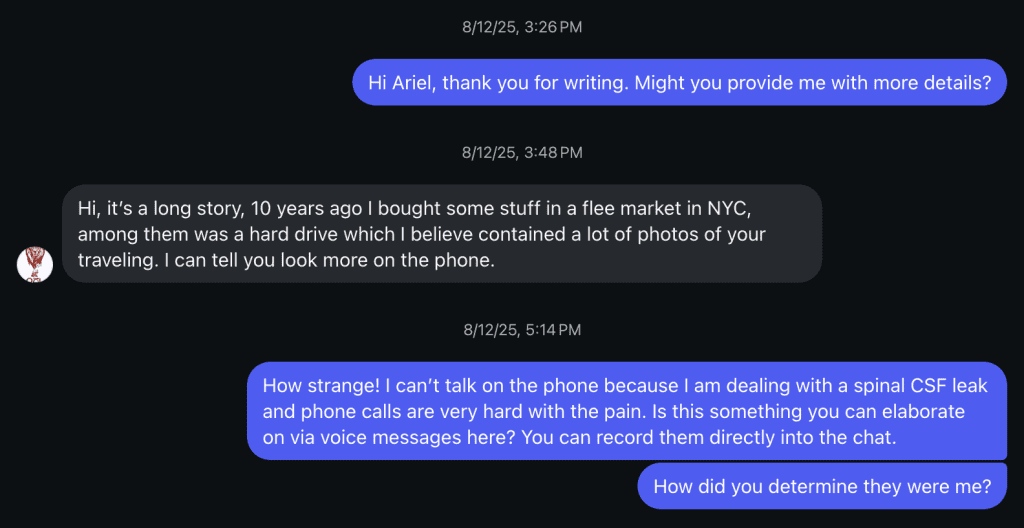
The recovery of the 2010 digital archive began with a message from a New York-based filmmaker identified as Ariel. His involvement underscores a rare instance of digital ethics and human altruism.

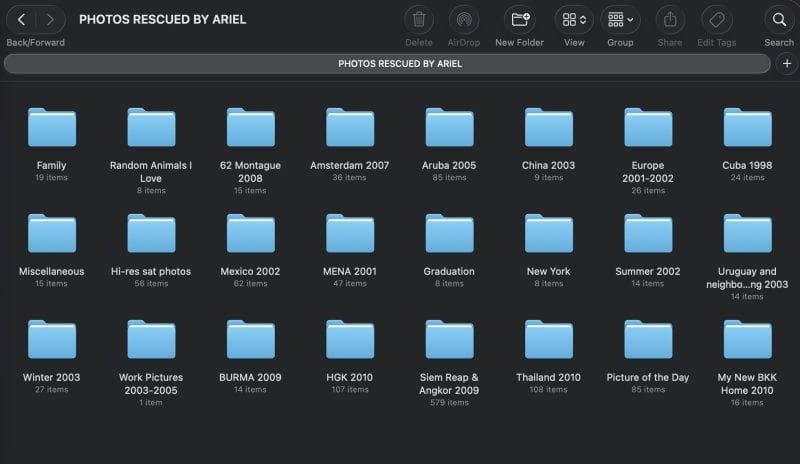
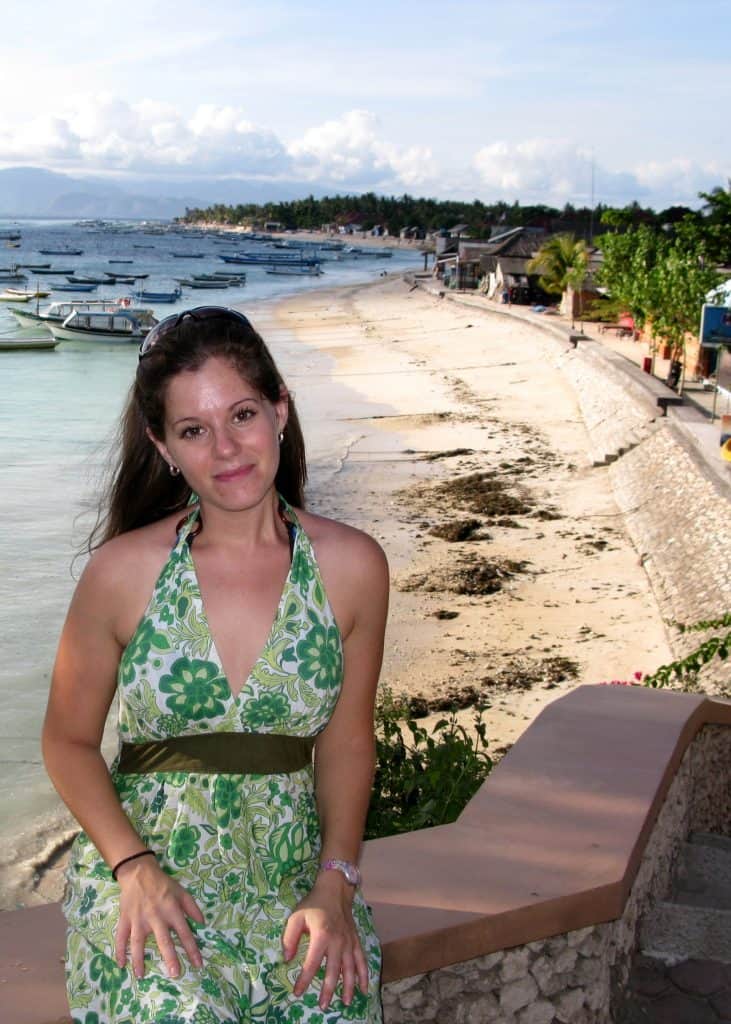
Ariel had purchased several used external hard drives at a Brooklyn flea market over a decade ago. Upon discovering that the drives contained personal photographs and graduation records, he opted not to reformat them immediately. Instead, he backed up the data to his own system, intending to find the owner. Due to various life events, including relocations and family bereavements, the folders remained dormant on his server for over ten years.
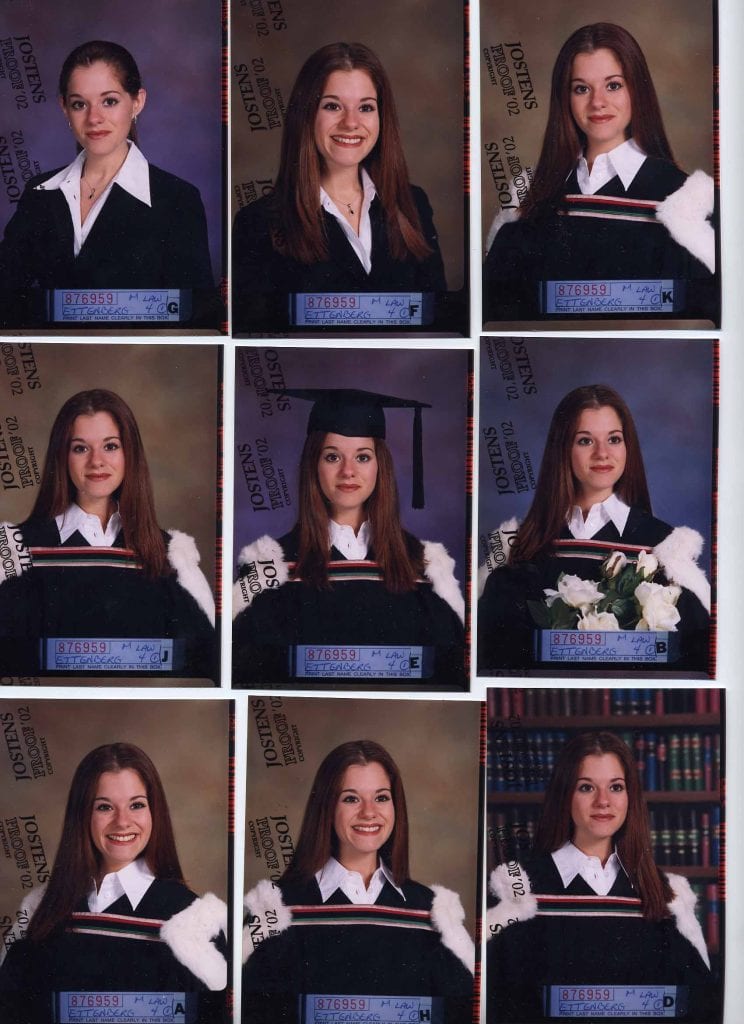
In August 2023, Ariel rediscovered the files and utilized the names found on graduation proofs to locate Ettenberg online. Because Ettenberg had maintained a public profile through her advocacy work, Ariel was able to verify her identity. On Ettenberg’s 47th birthday, he provided a secure link to the downloaded files, effectively returning a decade of "lost" memories.
The recovered data included:
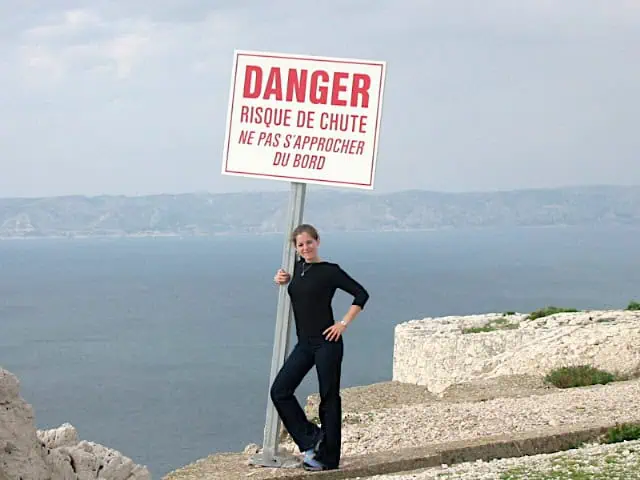
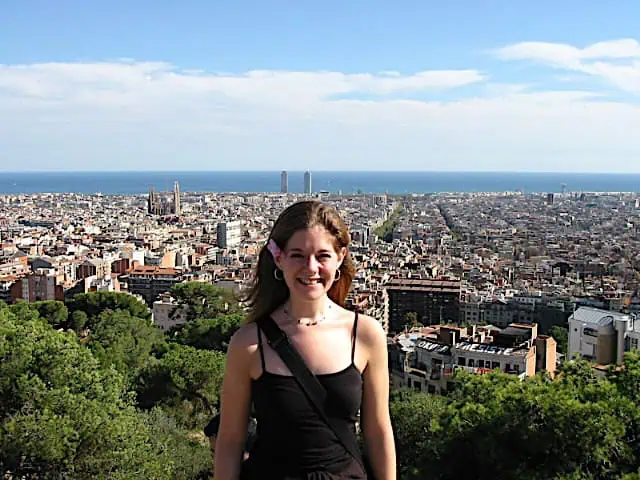
- Early Travel Records: Photography from Ettenberg’s first solo residency in France (2001-2002).
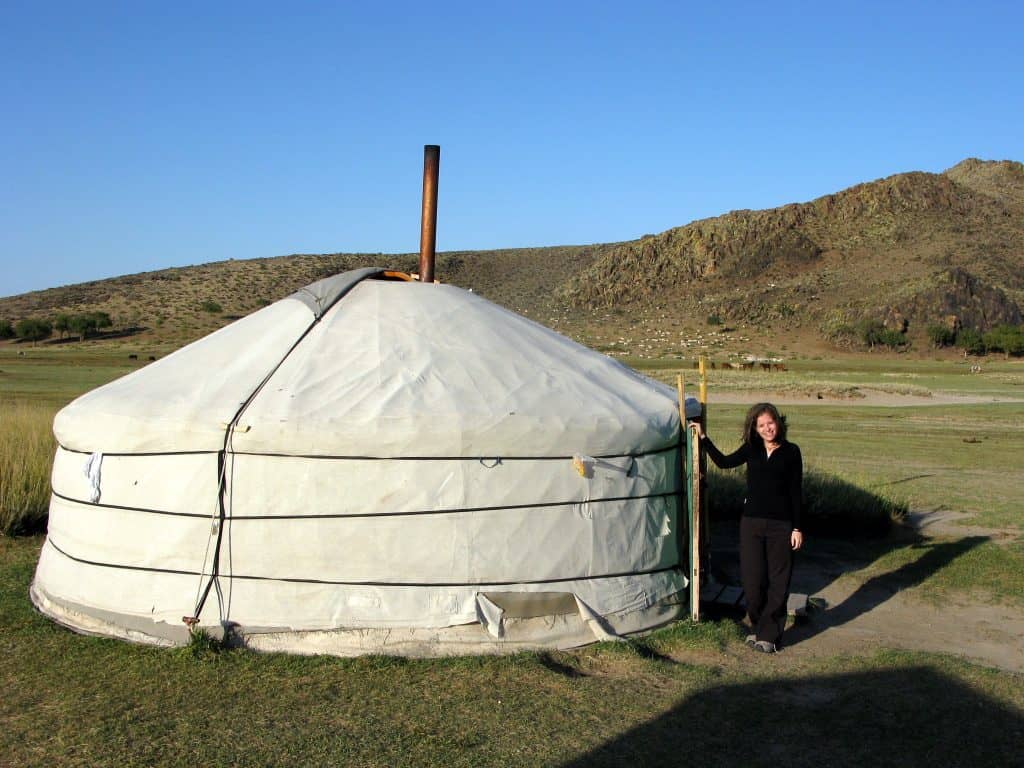
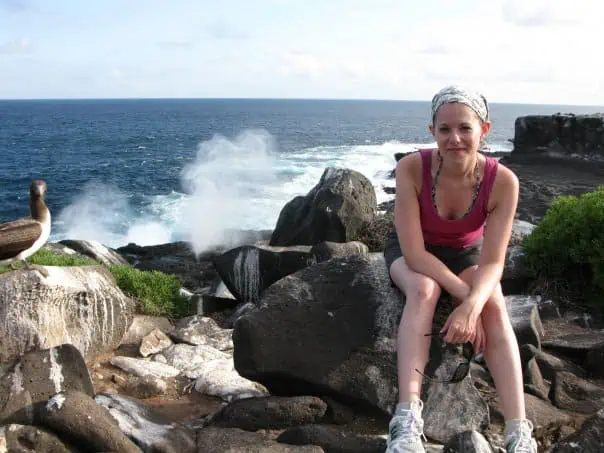
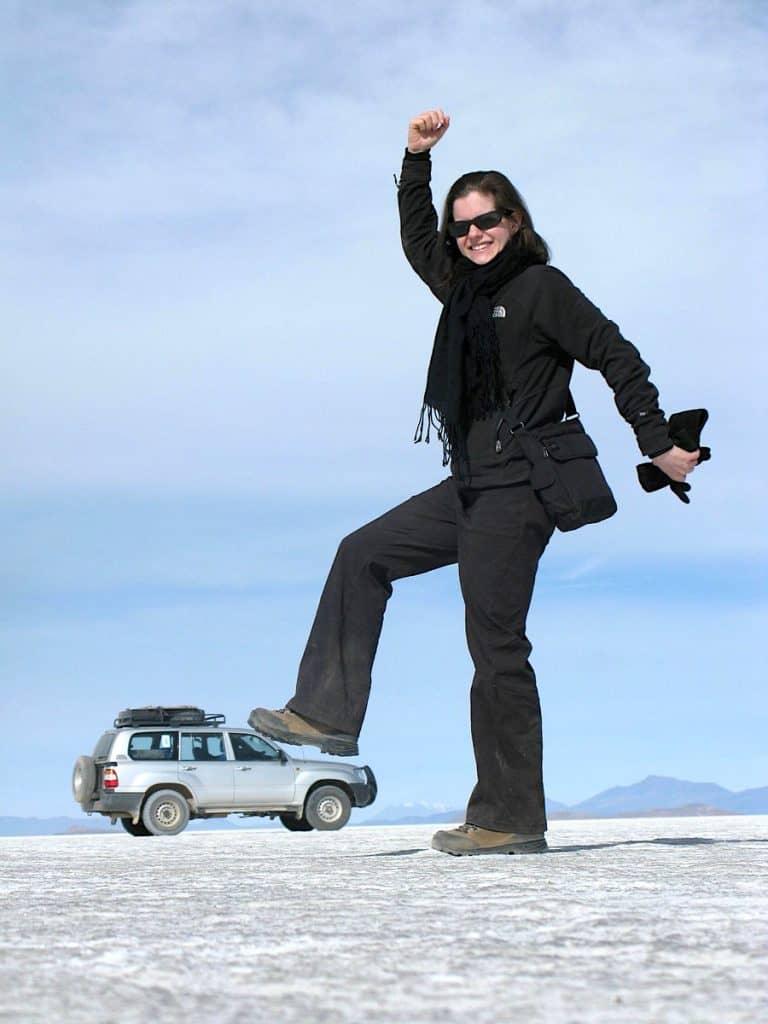
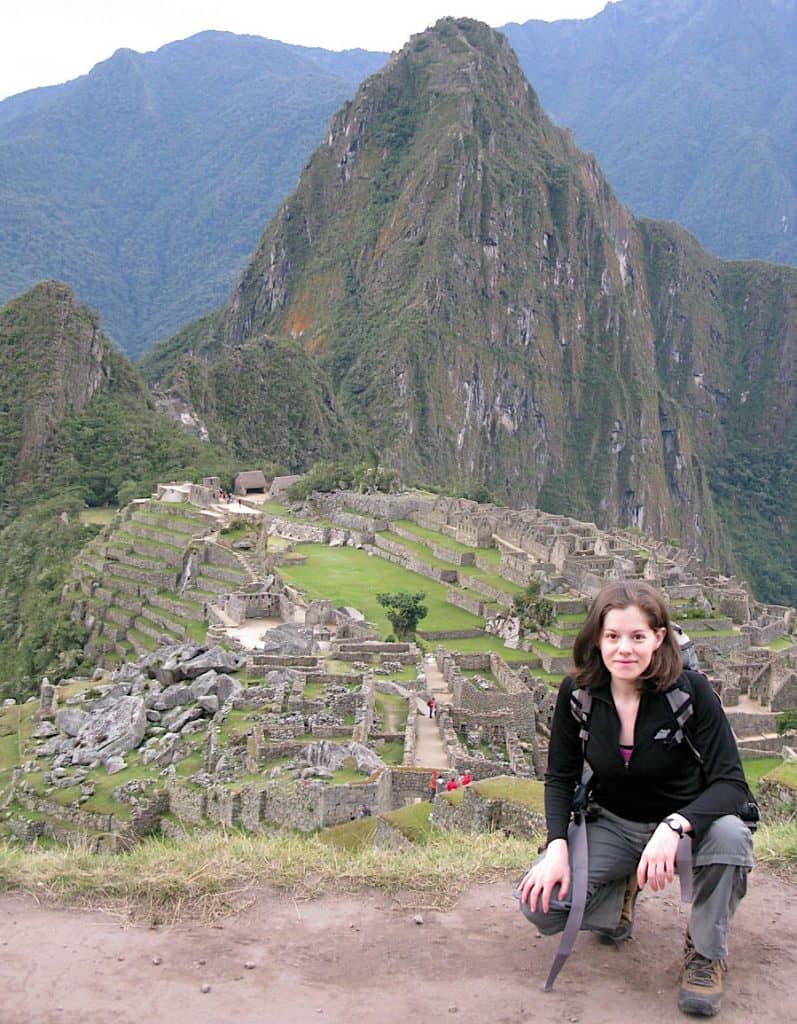
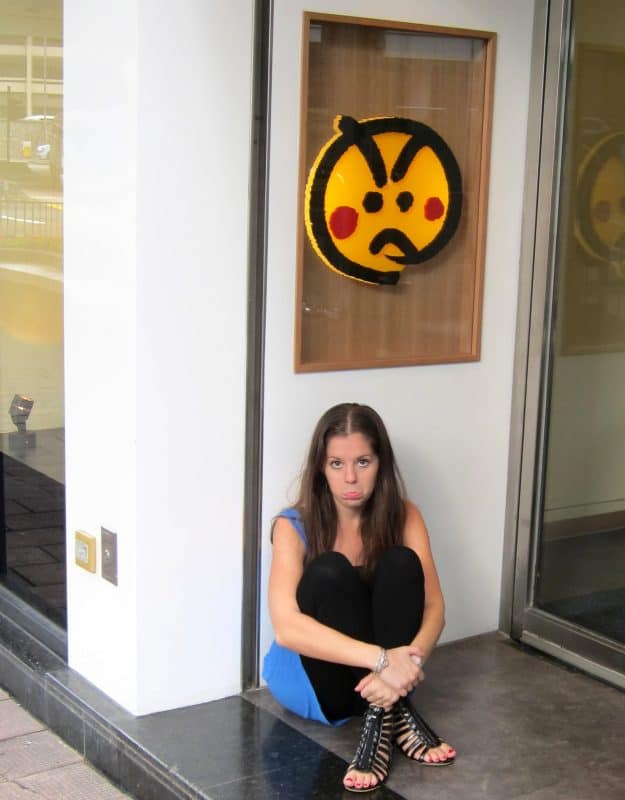
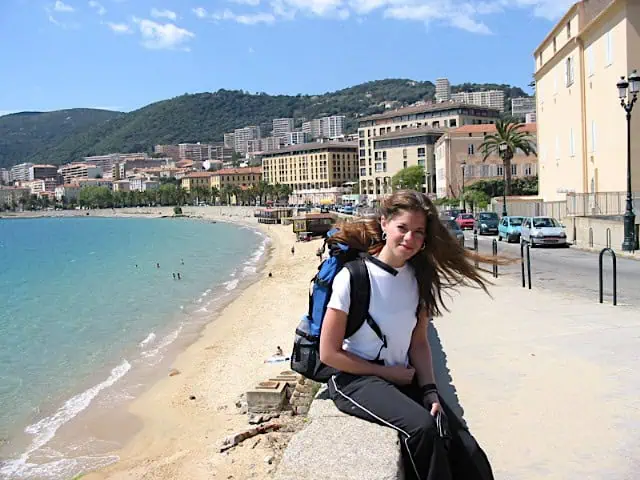
- Professional Origins: Images from the 2008-2010 travels that launched Legal Nomads, including expeditions in Mongolia, the Galapagos Islands, and Southeast Asia.
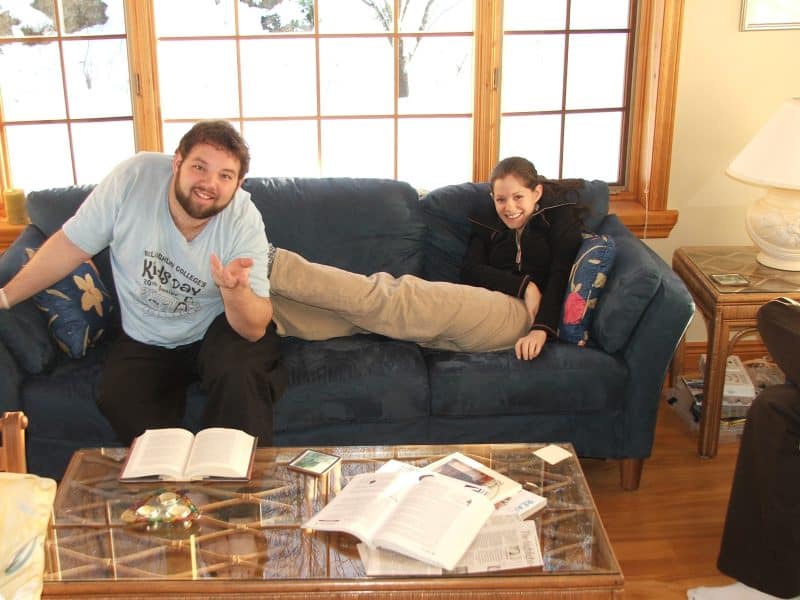
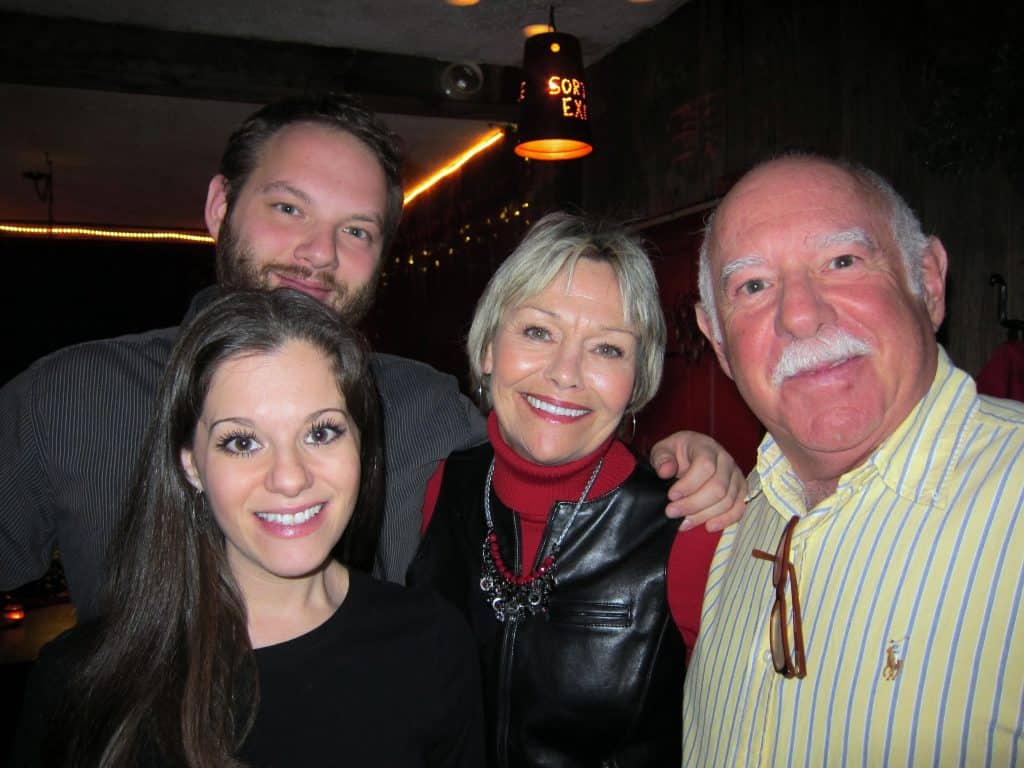
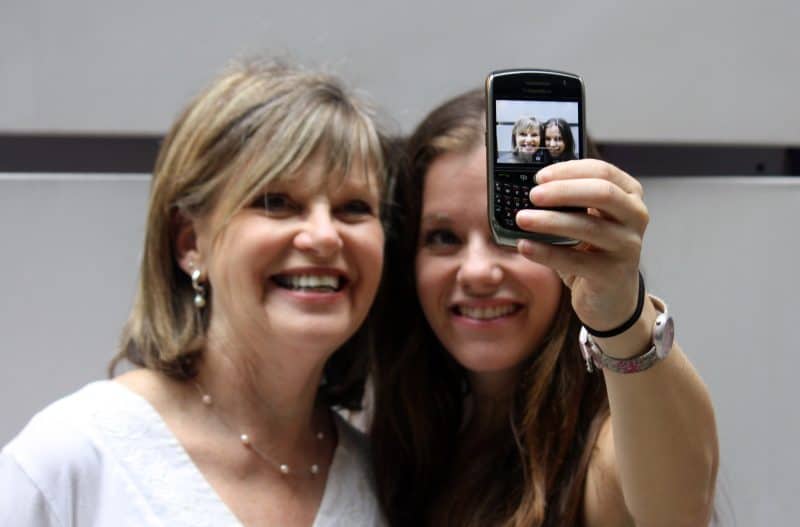
- Family History: Candids of family members, including her stepmother, who passed away in early 2024.
Technical Implications and Data Security Lessons
The recovery of Ettenberg’s files offers a significant lesson in data redundancy. The 2010 loss occurred in an era where physical hard drives were the primary means of storage. Modern data management standards, such as the "3-2-1 rule," suggest having three copies of data, on two different media types, with one copy kept off-site (usually in the cloud).
Ettenberg’s subsequent adoption of cloud storage meant that her 2017 burglary did not result in a similar loss of data, even though her hardware was stolen. The recovery of the 2010 files, however, was not the result of a technical fail-safe, but rather a "human fail-safe"—the persistence and integrity of a stranger.

Broader Impact and Patient Advocacy
The story of Jodi Ettenberg resonates beyond the travel and tech communities, touching on the fundamental human experience of resilience in the face of permanent change. Her ability to transition from a "mountain climber" to a "bed-bound advocate" illustrates a profound shift in identity.
The recovery of her photos has allowed Ettenberg to re-engage with her past without the "physical pain" that previously accompanied her memories. For many chronic illness patients, looking at photos of their "able-bodied" past can be a trigger for depressive episodes. Ettenberg’s recent experience suggests that with time and the processing of grief, these artifacts can eventually become sources of wonder rather than sources of pain.
As Ettenberg enters her late 40s, her focus remains on the "bright spots" of her current existence. While she acknowledges the reality that she may spend the remainder of this decade with significant physical limitations, her work continues to provide a roadmap for others navigating the complexities of long-term disability.
Conclusion
The intersection of Jodi Ettenberg’s medical journey and the recovery of her digital legacy serves as a testament to the unpredictable nature of both tragedy and serendipity. While her spinal CSF leak remains a permanent fixture of her life, the return of her 2010 archive provides a rare form of closure in a life otherwise defined by ambiguous loss. Her story highlights the necessity of societal support for the disabled, the importance of patient-led advocacy, and the enduring power of human decency in an increasingly digital world. Through her writing, Ettenberg continues to challenge the narrative of "fighting to get better," instead advocating for the difficult, essential work of "learning to live with what remains."
