

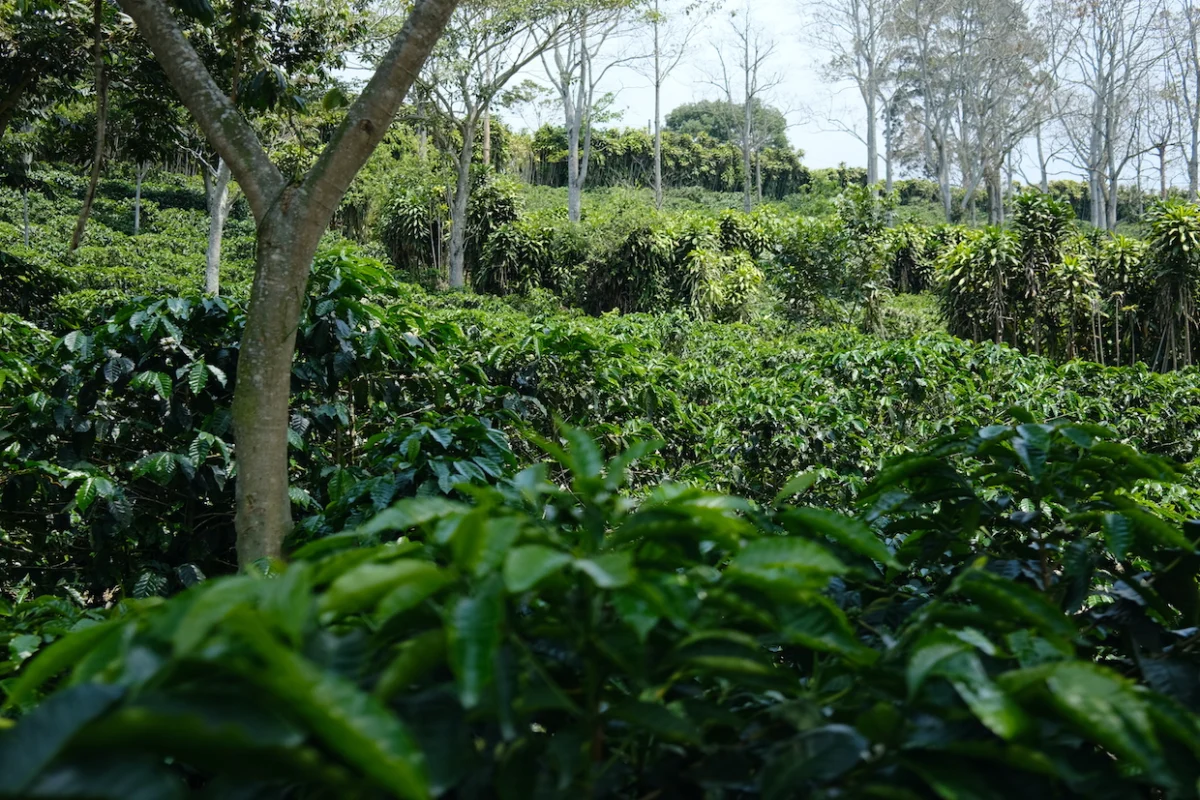
Costa Rica’s coffee sector is facing a significant challenge as the El Niño phenomenon continues to influence weather patterns, leading to revised, lower harvest estimates. The nation’s coffee institute, ICAFE, has reported reductions of 10% to 15% in regional harvest projections. This adjustment stems from erratic rainfall and elevated temperatures that have adversely affected coffee plant development. Miguel Barquero, ICAFE’s agronomic deputy manager, elaborated that the irregular precipitation has disrupted critical fertilization processes and has had a detrimental impact on both the quality and the weight of green coffee destined for export markets. These findings, which have also been corroborated by international news outlets such as The Tico Times, signal a downward revision from earlier, more optimistic forecasts. This comes after a period where a USDA report had predicted modest production growth for the country, highlighting the dynamic and often unpredictable nature of agricultural output.
The implications of these reduced harvest estimates for Costa Rica are far-reaching. As a nation renowned for its high-quality Arabica beans, any significant dip in production can influence global supply chains and potentially impact price points. The specific impact on coffee quality, beyond just weight, could affect the premium market segment that Costa Rican coffee often occupies. Growers may face increased costs associated with mitigating the effects of adverse weather, such as investing in irrigation systems or specialized fertilization, further squeezing profit margins. This situation underscores the growing vulnerability of agricultural economies to climate change and the imperative for robust adaptation strategies.
In parallel with these production concerns, the global coffee industry is witnessing a surge in initiatives focused on transparency, sustainability, and market responsiveness. The Rainforest Alliance, a prominent certification nonprofit, has introduced a new EUDR Producer Report designed to empower certified coffee and cocoa producers. This innovative tool allows producers to easily download and share existing documentation with potential buyers, streamlining compliance with the European Union Deforestation Regulation (EUDR). The report package includes crucial information such as farm geolocation data, deforestation risk assessments, and detailed legality information. A key advantage of this system is its ability to facilitate the sharing of records independently of the organization’s primary traceability platform, offering producers greater control and flexibility in their market interactions.
The introduction of the EUDR Producer Report comes at a critical juncture for the coffee industry. As regulations like the EUDR become more stringent, requiring verifiable proof of deforestation-free supply chains, producers and buyers alike are seeking efficient and reliable methods for data management and sharing. The Rainforest Alliance’s initiative directly addresses this need, aiming to transform regulatory compliance from a burden into a market opportunity for producers who can readily demonstrate their adherence to sustainable practices. This proactive approach could significantly enhance market access for certified producers and foster greater trust throughout the supply chain.
Further bolstering the focus on producer support and data-driven insights, Fair Trade USA has secured a substantial grant of $600,000 from the Patrick J. McGovern Foundation. This funding is earmarked for the development of an advanced AI-powered platform that will integrate climate, market, and farm-specific data. This project represents a significant step forward in leveraging technology to support agricultural communities. It builds upon a successful dashboard that Fair Trade USA introduced earlier this year in collaboration with Colombian coffee farmers, demonstrating a commitment to scalable and impactful solutions.
The potential of an AI-powered platform in the agricultural sector is immense. By synthesizing diverse datasets, it can provide farmers with predictive analytics on weather patterns, market trends, and optimal farming practices. This can lead to more informed decision-making, improved yields, and enhanced resilience against climate-related risks. For organizations like Fair Trade USA, such a platform can also provide valuable insights into the impact of their programs and identify areas for further intervention, ultimately strengthening the livelihoods of certified farmers. The integration of climate data is particularly crucial in an era of increasing climate volatility, enabling farmers to adapt their strategies proactively.
Beyond the immediate concerns of production and sustainability, the coffee industry also experiences vibrant cultural and commercial developments. In Roanoke, Virginia, a beloved local landmark is poised for a revival. The Historical Society of Western Virginia has launched a $430,000 fundraising campaign to restore the iconic H&C Coffee sign, which has been dark for approximately four years. The campaign, which had already raised $129,113 at its announcement, aims to relight the historic sign and restore a piece of the city’s visual heritage. This initiative highlights the deep connection communities often have with their local businesses and the role such landmarks play in shaping collective identity. The restoration of the H&C Coffee sign is not just about relighting a piece of infrastructure; it’s about preserving a piece of history and fostering community pride.
The landscape of coffee consumption and product innovation also continues to evolve. A recent report by the management consulting firm Kearney reveals that a significant majority of U.S. consumers, specifically 71%, are open to switching their primary coffee machine type within the next two years. This finding is notable given the generally high levels of satisfaction consumers report with their current coffee machines. The report, which surveyed over 2,500 coffee drinkers across six countries, suggests a market ripe for innovation and compelling new offerings. This indicates that even satisfied consumers are receptive to advancements in technology, design, or functionality that could enhance their coffee-making experience. The implications for manufacturers are clear: continuous product development and effective marketing strategies are essential to capture this segment of the market.
Corporate performance and strategic adjustments are also a constant feature of the coffee industry’s news cycle. Black Rifle Coffee Company has reported its third-quarter financial results, which show a revenue increase of 7.3% to $108 million. However, the company also experienced a net loss of $8.7 million, a notable shift from a net loss of $1.2 million in the same quarter the previous year. In a strategic move, the company has announced plans to close 12 of its company-operated coffee shops and has entered into an agreement to sell its roasting facility in Manchester, Tennessee, to a manufacturing partner. These decisions suggest a period of recalibration for Black Rifle Coffee Company, potentially focusing on optimizing its retail footprint and streamlining its operational structure. The sale of the roasting facility could indicate a move towards outsourcing production or a strategic shift in its manufacturing capabilities.
In contrast, the drive-through beverage chain Dutch Bros is demonstrating robust growth. The company reported a 29.8% increase in third-quarter revenue, reaching $549.8 million, with net income rising to $37.2 million from $27.3 million in the prior year. Dutch Bros also expanded its physical presence, opening 48 new shops during the quarter, bringing its total to 1,273 locations. Looking ahead, the company has set an ambitious goal of approximately 250 new openings in 2027. This aggressive expansion strategy indicates strong consumer demand for Dutch Bros’ unique service model and product offerings, positioning the company for continued growth in the competitive beverage market.
The decaffeination sector is also showing positive momentum. Swiss Water, a leading decaffeination company based in British Columbia, Canada, has reported a significant increase in its third-quarter performance. Processing volumes saw a 16% rise, while revenue grew by 5% to C$65.9 million. Net income also saw a substantial jump, reaching C$937,000, a marked improvement from C$216,000 in the same period last year. These figures suggest a growing demand for decaffeinated coffee options and highlight Swiss Water’s successful operational and market strategies. The company’s proprietary water process, known for its chemical-free approach, continues to be a key differentiator.
Innovation in coffee evaluation and market analysis is also taking center stage. The Podium Coffee Club, a U.S.-based subscription service, has launched the Podium Index. This innovative ranking system evaluates American roasters based on their performance in five major coffee competitions, including the U.S. Roaster Championship, two Golden Bean competitions, the Good Food Awards, and the Global Coffee Awards. The index is weighted by competition and recency of results, offering a dynamic and comprehensive assessment of roaster excellence. This initiative provides valuable data for consumers seeking high-quality coffee and offers roasters a benchmark for their competitive performance.
On the retail front, Beach City Coffee has expanded its reach by introducing its canned cold brew product, "Cold Brew for the Coast," to all 14 Bristol Farms stores in Southern California. This marks the canned product’s first significant retail placement, signaling a strategic step for the Redondo Beach-based company into a broader consumer market. The availability in Bristol Farms, a chain known for its premium offerings, suggests a strong belief in the quality and market appeal of Beach City Coffee’s cold brew.
In other industry news, Black Rifle Coffee Company’s recent Q3 results, while showing revenue growth, also highlighted a net loss and strategic decisions regarding store closures and asset sales. This underscores the ongoing need for companies in the coffee sector to adapt to market conditions and consumer preferences. Dutch Bros, on the other hand, continues its impressive growth trajectory with aggressive expansion plans, indicating a strong demand for its drive-through model. Swiss Water’s performance points to a healthy market for decaffeinated coffee, driven by consumer demand for healthier options.
The launch of the Podium Index by Podium Coffee Club signifies a growing trend towards data-driven evaluation and recognition within the specialty coffee community. By aggregating competition results, the index offers a transparent and standardized way to identify top-performing roasters. Beach City Coffee’s expansion into Bristol Farms highlights the increasing presence of canned cold brew in mainstream retail, reflecting evolving consumer habits and preferences for convenient, ready-to-drink coffee options.
These diverse developments—from climate-induced harvest concerns in Costa Rica to innovative sustainability reporting, technological advancements in farmer support, local landmark preservation, evolving consumer preferences for coffee machines, corporate financial performance, aggressive retail expansion, and advancements in coffee evaluation and distribution—collectively paint a dynamic and multifaceted picture of the global coffee industry. The sector continues to navigate challenges while embracing opportunities for growth, sustainability, and enhanced consumer experience. The ongoing commitment to innovation, transparency, and adaptation will be crucial for stakeholders across the entire coffee value chain as they look to the future.
