

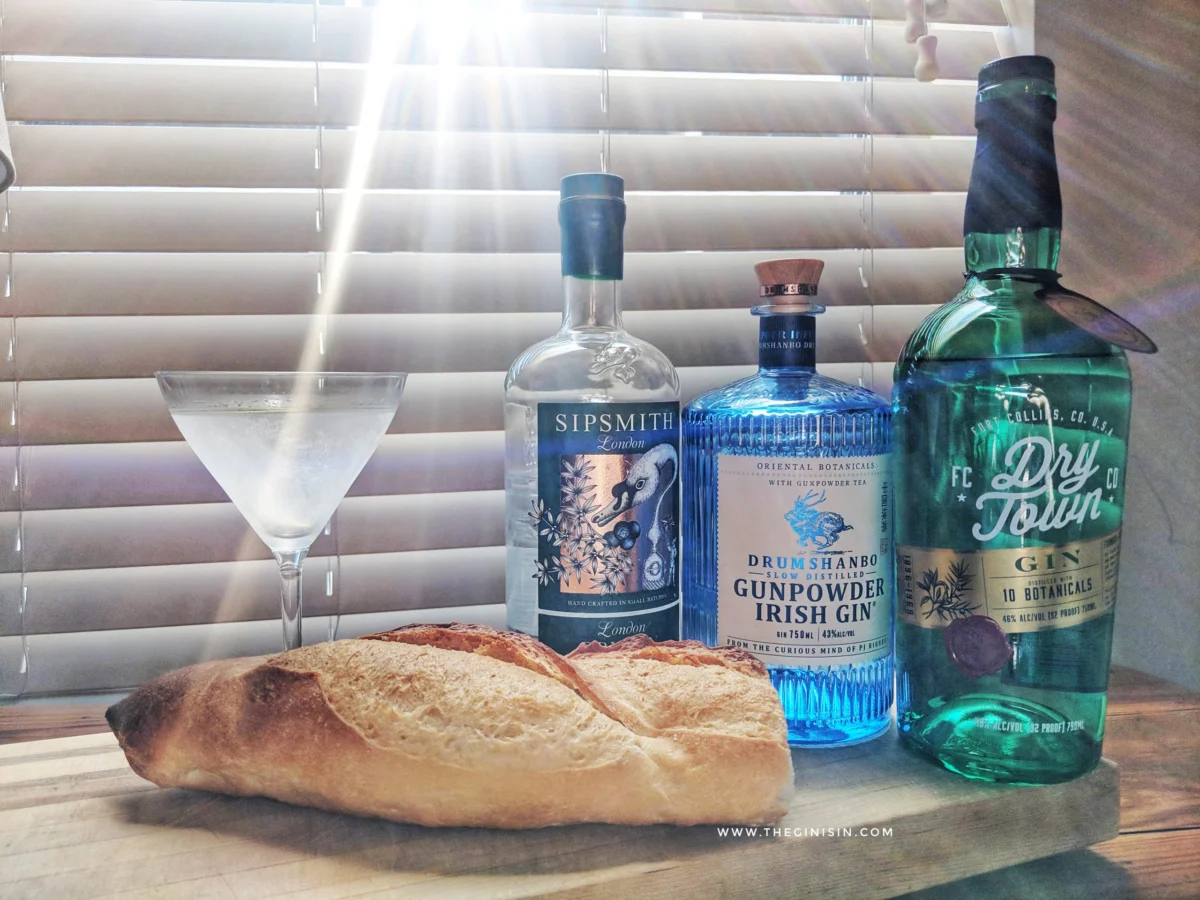
The fundamental question of whether gin is safe for individuals with celiac disease or gluten sensitivity often arises from the fact that many premium gins are distilled from gluten-containing grains such as wheat, barley, or rye. Despite the presence of these grains in the initial mash, the scientific consensus, supported by major health organizations and regulatory bodies, is that pure, distilled gin is gluten-free. This conclusion is based on the chemical mechanics of the distillation process, which effectively separates alcohol and volatile aromatic compounds from heavy protein molecules like gluten. Understanding this process requires an exploration of molecular biology, the physics of evaporation, and the rigorous standards maintained by the distilled spirits industry.
The Molecular Mechanics of Distillation
To understand why gin is gluten-free, one must first examine the nature of gluten itself. Gluten is a group of storage proteins—primarily gliadin and glutenin—found in grains like wheat, barley, and rye. These proteins are large, complex molecules with high molecular weights. In contrast, the distillation process is designed to capture ethanol and volatile flavor compounds, which are significantly smaller and lighter.
The production of gin begins with a neutral base spirit, often created by fermenting a mash of grain. During fermentation, yeast consumes sugars to produce ethanol and carbon dioxide. At this stage, the liquid (known as the "wash") does contain gluten. However, the subsequent distillation process acts as a molecular filter. In a still, the wash is heated to a temperature that causes ethanol and other volatile compounds to vaporize. Because gluten proteins are not volatile, they cannot transform into a gaseous state at the temperatures used in spirit production.
As the ethanol vapor rises through the still, it leaves behind the heavy proteins, sugars, and minerals in the boiling vessel. The vapor then travels through a condenser, where it is cooled back into a liquid form. This resulting distillate is chemically distinct from the original mash, consisting of high-purity alcohol and water, entirely devoid of the gluten peptides that trigger autoimmune responses in celiac patients. Even when botanicals are added to create the specific flavor profile of gin, these are typically herbs, spices, and fruits that do not introduce gluten into the final product.
Regulatory Standards and Health Organization Consensus
The safety of distilled spirits for those on a gluten-free diet is not merely a theoretical assertion by distillers; it is a fact recognized by global health authorities. The Celiac Disease Foundation explicitly states that distilled products do not contain harmful gluten peptides, even if the base ingredients include gluten-containing grains. Research cited by the foundation indicates that the gluten peptide is simply too large to carry over in the distillation process.
In the United States, the Alcohol and Tobacco Tax and Trade Bureau (TTB) regulates the labeling of distilled spirits. Historically, there was significant debate regarding whether spirits derived from grain could be labeled "gluten-free." However, in 2020, the TTB updated its policy to align with Food and Drug Administration (FDA) standards. The current ruling allows distillers to use the term "gluten-free" on labels for distilled spirits, even those made from wheat, rye, or barley, provided that the distillation process has removed all gluten and that the producer follows Good Manufacturing Practices to prevent cross-contamination.
This regulatory shift was a landmark moment for the industry and for consumers. It provided a legal framework that validated the scientific reality of distillation, allowing for greater transparency on product packaging and helping to alleviate consumer confusion.
Chronology of Gluten-Free Labeling and Scientific Validation
The journey toward universal acceptance of gin as a gluten-free product has evolved over several decades, coinciding with the rise of celiac disease awareness.
- Early 20th Century: Distillation techniques are refined, but the medical understanding of celiac disease remains limited.
- 1950s: The link between gluten and celiac disease is firmly established by Dr. Willem-Karel Dicke.
- 1990s-2000s: The gluten-free diet gains mainstream visibility. Consumers begin questioning the safety of grain-based spirits, leading to a surge in demand for potato-based or grape-based spirits.
- 2013: The FDA issues a final rule defining "gluten-free" for food labeling, requiring products to contain less than 20 parts per million (ppm) of gluten. However, this did not initially apply to distilled spirits under TTB jurisdiction.
- 2017-2019: Independent laboratory testing using R5 ELISA (Enzyme-Linked Immunosorbent Assay) methods consistently fails to find detectable gluten in distilled spirits made from grain, reinforcing the safety of these products.
- 2020: The TTB issues Ruling 2020-2, officially authorizing the "gluten-free" label for distilled spirits produced from gluten-containing grains, provided they are produced under conditions that ensure the absence of protein carryover.
Potential Risks and Secondary Contamination
While the distillation process itself guarantees a gluten-free result, there are specific scenarios where a consumer might still experience a reaction. It is essential to distinguish between the base spirit and post-distillation modifications.
Post-Distillation Additives
Some lower-quality gins or specialty "gin liqueurs" may have flavorings, colorings, or sweeteners added after the distillation process. If these additives contain barley malt or other gluten-contributing ingredients, the final product may no longer be safe. However, traditional London Dry Gin, which by law cannot have added flavors or sugars after distillation, remains inherently safe.
Cross-Contamination
In facilities that produce both distilled spirits and non-distilled products (such as flavored malt beverages or beer), there is a theoretical risk of cross-contamination. Most modern distilleries, however, maintain rigorous cleaning protocols to ensure the purity of their spirit runs. For highly sensitive individuals, seeking out brands that explicitly state they are "gluten-free" provides an extra layer of assurance that the producer has monitored for cross-contact.
Individual Sensitivities and Stomach Irritants
A common point of confusion arises when individuals feel ill after consuming gin and attribute the discomfort to gluten. It is important to note that alcohol itself is a known gastrointestinal irritant. Ethanol can increase stomach acid production and affect the lining of the digestive tract, leading to symptoms such as bloating, nausea, or abdominal pain. These symptoms can mimic a gluten reaction but are actually a physiological response to the alcohol content or the botanicals (such as juniper or citrus peels) used in the gin.
Broader Implications for the Spirits Industry
The confirmation that grain-based gin is gluten-free has had a significant impact on the global spirits market. Previously, many consumers with celiac disease felt restricted to spirits derived from non-grain sources, such as rum (sugar cane), tequila (agave), or certain vodkas (corn or potato). The scientific validation of distillation has reopened the world of gin to millions of consumers.
Furthermore, this has allowed distillers to continue using heritage grains like Red Winter Wheat or malted barley, which contribute specific aromatic molecules to the gin’s profile. While the gluten protein is removed, the volatile esters and phenols derived from the grain remain, providing the "bready" or "biscuity" notes that many gin enthusiasts prize. This ensures that the artisanal quality of the spirit is preserved without compromising the health of the consumer.
Expert Analysis and Conclusion
The consensus among chemists, medical professionals, and regulatory agencies is clear: the distillation process is a definitive barrier against gluten. By heating a fermented mash to the point of vaporization, distillers effectively leave the problematic proteins behind, resulting in a pure spirit that meets the "gluten-free" standard of less than 20 ppm—and in most cases, 0 ppm.
For the consumer, the primary focus should be on the integrity of the brand and the absence of post-distillation additives. While the misinformation regarding "grain-based" spirits persists in some circles, the physical laws of chemistry do not change. Gluten cannot evaporate. Therefore, gin, regardless of its grain origin, remains a safe choice for those living with celiac disease. As the industry continues to move toward clearer labeling and more transparent production methods, the stigma surrounding grain-based spirits is expected to diminish, replaced by a fact-based understanding of the distillation craft.
