

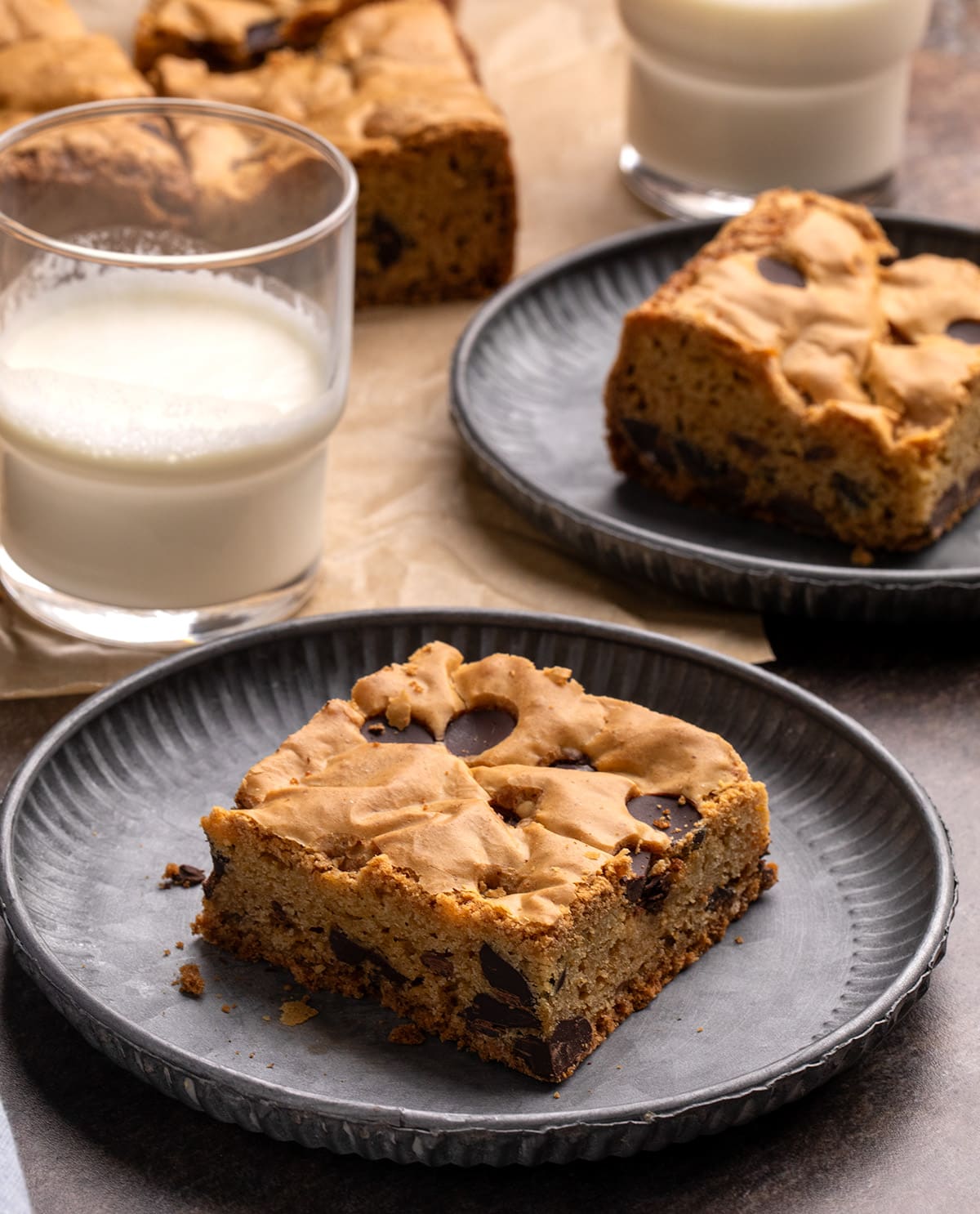
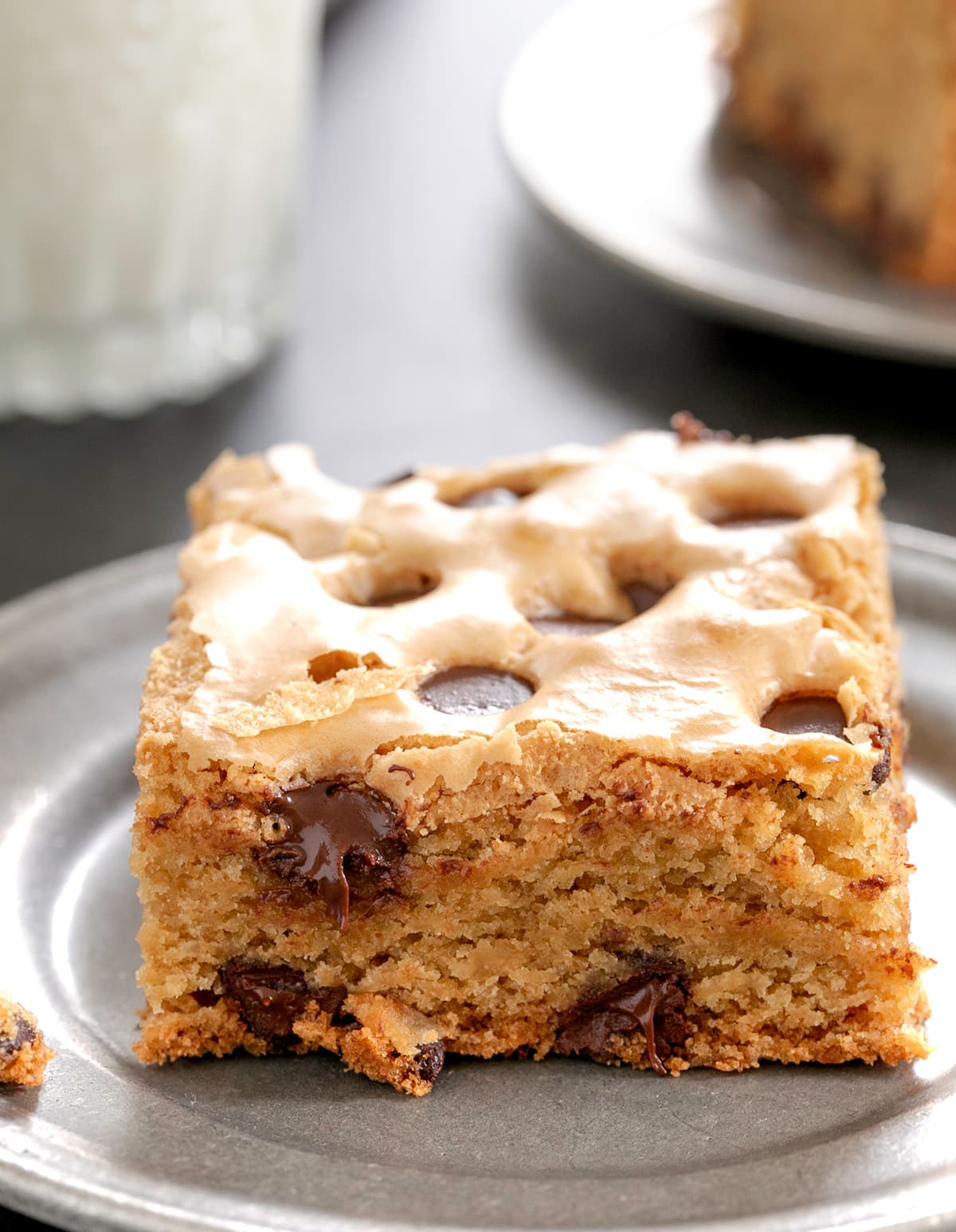
In the realm of gluten-free baking, achieving the perfect balance of texture and flavor can often feel like a culinary tightrope walk. However, a groundbreaking recipe for thick and chewy gluten-free cookie bars is now setting a new standard, promising the beloved chewiness of classic chocolate chip cookies in a convenient, pan-baked format, complete with the coveted crackly top reminiscent of rich brownies. This innovation caters to a growing demand for gluten-free treats that don’t compromise on the sensory experience of traditional baked goods.

The Science Behind the Chew: A Culinary Breakthrough
The secret to these exceptional gluten-free cookie bars lies in a meticulous approach to ingredient ratios and preparation methods, drawing inspiration from successful gluten-free brownie and blondie recipes. Unlike simply baking standard chocolate chip cookie dough in a pan, which often results in a dense and tough outcome, this recipe employs melted butter. This technique, commonly used in brownies and blondies, is crucial for achieving a superior chewy texture. However, the recipe smartly incorporates a higher proportion of flour compared to traditional brownie formulations, preventing the bars from becoming overly fudgy.
The strategic use of a combination of white and light brown sugars further enhances the authentic flavor profile, ensuring that each bite delivers the nostalgic taste expected from a classic chocolate chip cookie. This dual-sugar approach contributes to both sweetness and moisture, essential components for achieving the desired chewiness and overall flavor complexity.
Ingredients: The Foundation of Flavor and Texture
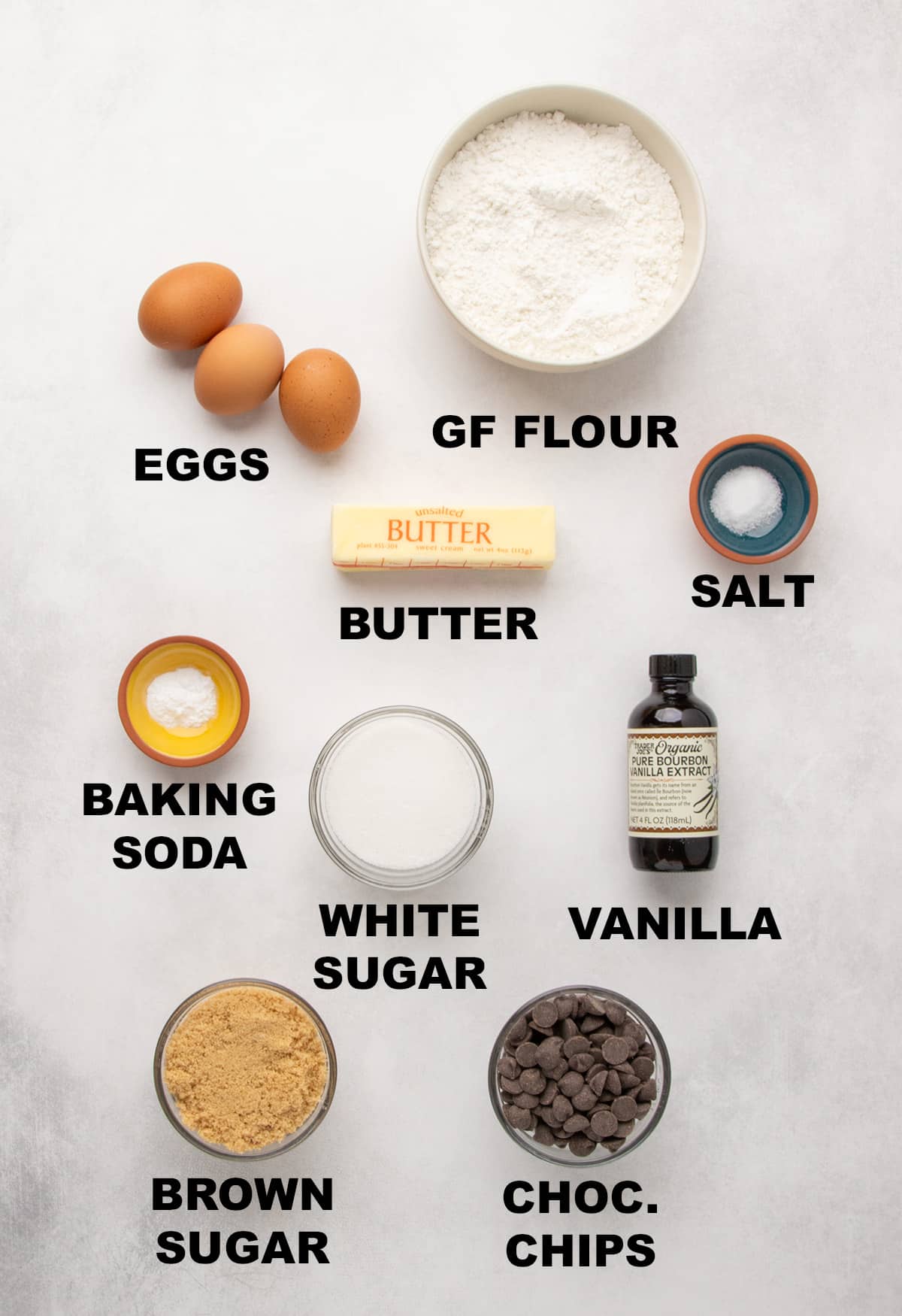
Crafting these delectable gluten-free cookie bars requires a specific set of ingredients, carefully selected to deliver optimal results. While the precise measurements are detailed in the accompanying recipe card, a general overview highlights the key components:
- Gluten-Free Flour Blend: A high-quality, all-purpose gluten-free flour blend is paramount. Recommendations often include blends specifically formulated for 1:1 substitution or custom blends designed for optimal baking performance. The inclusion of xanthan gum is typically essential for providing structure and binding in gluten-free baking.
- Butter: Melted butter is the cornerstone of the chewy texture. For dairy-free alternatives, a range of high-quality vegan butter substitutes, such as Melt, Miyoko’s, or block-style vegan butter, are suggested.
- Sugars: A combination of granulated white sugar and light brown sugar is used to achieve the classic cookie flavor and contribute to the desired texture and crackly top.
- Eggs: Eggs play a vital role in binding the ingredients and contributing to the rise and texture of the bars. For egg-free variations, suggested substitutions include "chia eggs" or other egg replacers, though it’s noted that this may affect the characteristic crackly top.
- Leavening Agents: Baking soda is typically used to provide lift and promote browning.
- Flavor Enhancers: Vanilla extract and salt are included to deepen and balance the flavors.
- Chocolate Chips: Generous amounts of chocolate chips are essential for that classic chocolate chip cookie experience.
The Craft of Creation: A Step-by-Step Culinary Journey
The process of creating these gluten-free cookie bars is designed to be straightforward yet yields impressive results, mirroring the steps involved in creating classic cookies and brownies.
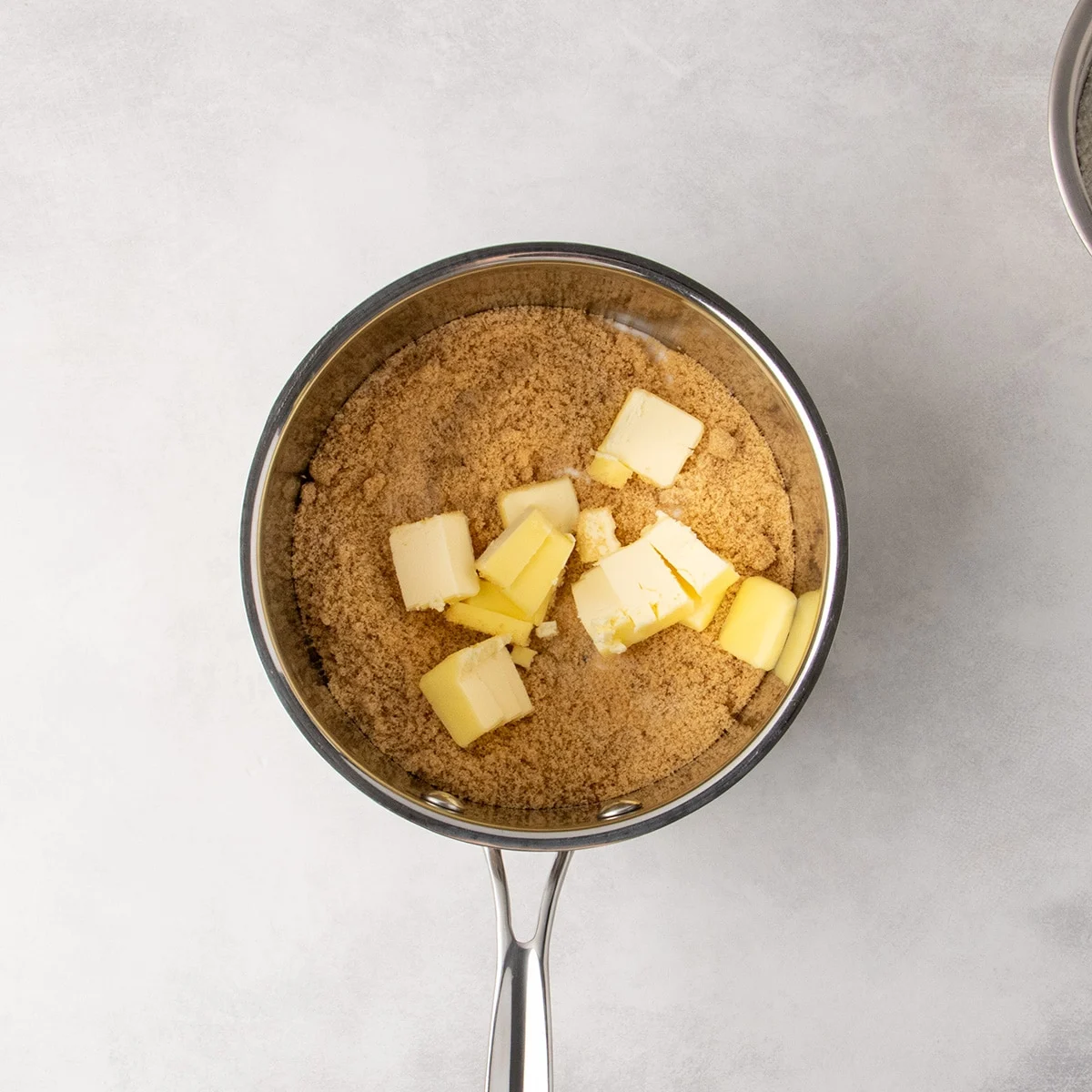
- Melting the Sweet Foundation: The process begins by gently melting the butter and sugars together over medium-low heat. The key is to achieve a gentle simmer, allowing the sugars to dissolve into the butter. This step is critical for developing the characteristic shiny, crackly top. Crucially, the mixture must be cooled to a temperature that won’t cook the eggs before proceeding.
- Incorporating the Eggs: In a separate bowl, eggs are beaten until foamy. This aeration helps the egg proteins to fully integrate with the cooled sugar and butter mixture, contributing to the bar’s structure and the development of the crackly surface during baking.
- Whisking the Dry Ingredients: In another bowl, the gluten-free flour blend, xanthan gum (if not already in the blend), cornstarch, baking soda, and salt are whisked together. This ensures that the dry ingredients are evenly distributed, preventing any clumps or pockets of unmixed flour, which can affect the final texture and taste.
- Combining Wet and Dry: The dry ingredients are then added all at once to the wet ingredients. The mixture transforms from a thin liquid to a thick, sticky batter as the flour absorbs the moisture.
- The Chocolate Infusion: The majority of the chocolate chips are folded into the batter, with a small portion reserved to be sprinkled on top for visual appeal and an extra burst of chocolate.
- Pan Preparation and Batter Distribution: The thick batter is scraped into a prepared baking pan, typically lined with non-stick aluminum foil or greased regular foil. Spreading the batter evenly is essential for uniform baking. A moistened offset spatula or butter knife can be helpful for this task.
- The Final Touches and Baking: The reserved chocolate chips are scattered over the surface of the batter. Gently banging the pan a few times helps the chips adhere to the surface. The bars are then baked at a moderate temperature (around 325°F or 160°C) for approximately 40 minutes. The low and slow baking method ensures that the bars cook through evenly and develop a golden-brown hue without burning. The doneness is assessed by the absence of jiggle when the pan is gently moved.
- The Crucial Cooling Period: Patience is key after baking. The cookie bars are too delicate to be removed from the pan immediately. They must cool to warm room temperature and then be chilled until firm. This chilling process is vital for clean and easy slicing.
Expert Insights for Baking Success
To further elevate the cookie bar experience, several expert tips are offered:
- Achieving Thinner Bars: For those who prefer thinner, crispier bars, using a slightly larger pan, such as a jelly roll pan (approximately 10×15 inches), can achieve this. The increased surface area allows the dough to spread thinner, reducing baking time to around 30 minutes.
- Mastering Sugar Melting: Overcooking the sugars can lead to hardening. It is imperative to stop the melting process as soon as a very gentle simmer is achieved.
- Pan Lining Strategies: Due to the sticky nature of the batter, lining the pan with non-stick foil or greased regular foil is highly recommended. Parchment paper can sometimes shift and make spreading the batter more challenging.
Adaptability and Dietary Considerations
The recipe demonstrates remarkable adaptability, catering to various dietary needs without significant compromise:
- Dairy-Free Options: As mentioned, dairy-free butter substitutes are readily available and can be used effectively. Ensuring that the chocolate chips and gluten-free flour blend are also dairy-free is crucial for a completely dairy-free treat.
- Egg-Free Adaptations: While the recipe acknowledges the impact on the crackly top, egg-free alternatives like chia eggs, coupled with a small amount of olive oil for the egg yolk replacement, are suggested.
- Corn-Free Adjustments: For those avoiding corn, cornstarch can be substituted with arrowroot or potato starch by weight. Alternatively, a corn-free gluten-free flour blend can be used, potentially with a slight adjustment in quantity.
Storage and Longevity
These gluten-free cookie bars boast impressive shelf stability. They can be stored in an airtight container at room temperature for at least five days, or refrigerated for up to a week. For extended storage, they can be frozen for up to three months in freezer-safe bags, with simple defrosting at room temperature or a quick microwave session.
This innovative gluten-free cookie bar recipe represents a significant advancement in gluten-free baking, offering a delicious, texturally satisfying, and visually appealing treat that rivals its gluten-containing counterparts. Its thoughtful construction and adaptable nature ensure that a wide audience can enjoy the simple pleasure of a perfectly baked chocolate chip cookie, now in a convenient bar form.
