

The landscape of gluten-free snacking has undergone a remarkable transformation, moving beyond the confines of specialty stores and exclusive online retailers to become a readily available option in mainstream grocery aisles. This shift signifies a maturing market, where consumers seeking gluten-free alternatives no longer have to compromise on taste, price, or convenience. Once characterized by expensive, often disappointing specialty products, the availability of appealing and "normal-tasting" gluten-free snacks now empowers families to easily pack lunches, stock pantries, and satisfy cravings without the added stress or cost.
This evolution is not merely about increased product variety; it reflects a broader trend in the food industry driven by growing consumer awareness of dietary needs, advancements in food science, and a greater understanding of celiac disease and gluten sensitivity. For millions of individuals managing gluten intolerance, the accessibility of these familiar and delicious snack options represents a significant improvement in their daily lives, fostering a sense of normalcy and inclusivity.
The Evolution of Gluten-Free Snacking
For decades, individuals adhering to a gluten-free diet faced a challenging reality when it came to convenient, ready-to-eat snacks. The market was sparsely populated, with options often limited to expensive, dry, and unappetizing crackers, cookies, and cereals. These products were typically found in dedicated health food stores or the specialized sections of larger supermarkets, making them less accessible and more costly. The taste profiles often deviated significantly from their gluten-containing counterparts, leading to a perception that gluten-free meant a sacrifice in flavor and texture.
The turning point began to emerge as dedicated gluten-free brands invested heavily in research and development, creating innovative formulations that mimicked the taste and mouthfeel of traditional snacks. This period saw the rise of specialized gluten-free manufacturers who became pioneers in the field. However, the true paradigm shift occurred when major food corporations recognized the growing demand and began introducing gluten-free versions of their popular products, or developed entirely new gluten-free lines that could compete directly with conventional offerings.
This integration into mainstream aisles has been a critical factor in democratizing access to gluten-free snacks. It means that a family can now pick up gluten-free crackers, cookies, or chips alongside their regular grocery items, without needing a special trip or navigating unfamiliar product categories. This accessibility also tends to drive down prices, making gluten-free options more economically viable for a wider range of consumers.
Curated Selections: Navigating the Modern Gluten-Free Snack Aisle
The current market offers a plethora of gluten-free snack options, ranging from naturally gluten-free staples to expertly formulated alternatives. The selection process for these products prioritizes those that seamlessly integrate into a regular dietary pattern, offering a sense of normalcy and satisfaction that was previously elusive.
Gluten-Free Crackers: A Staple Reimagined
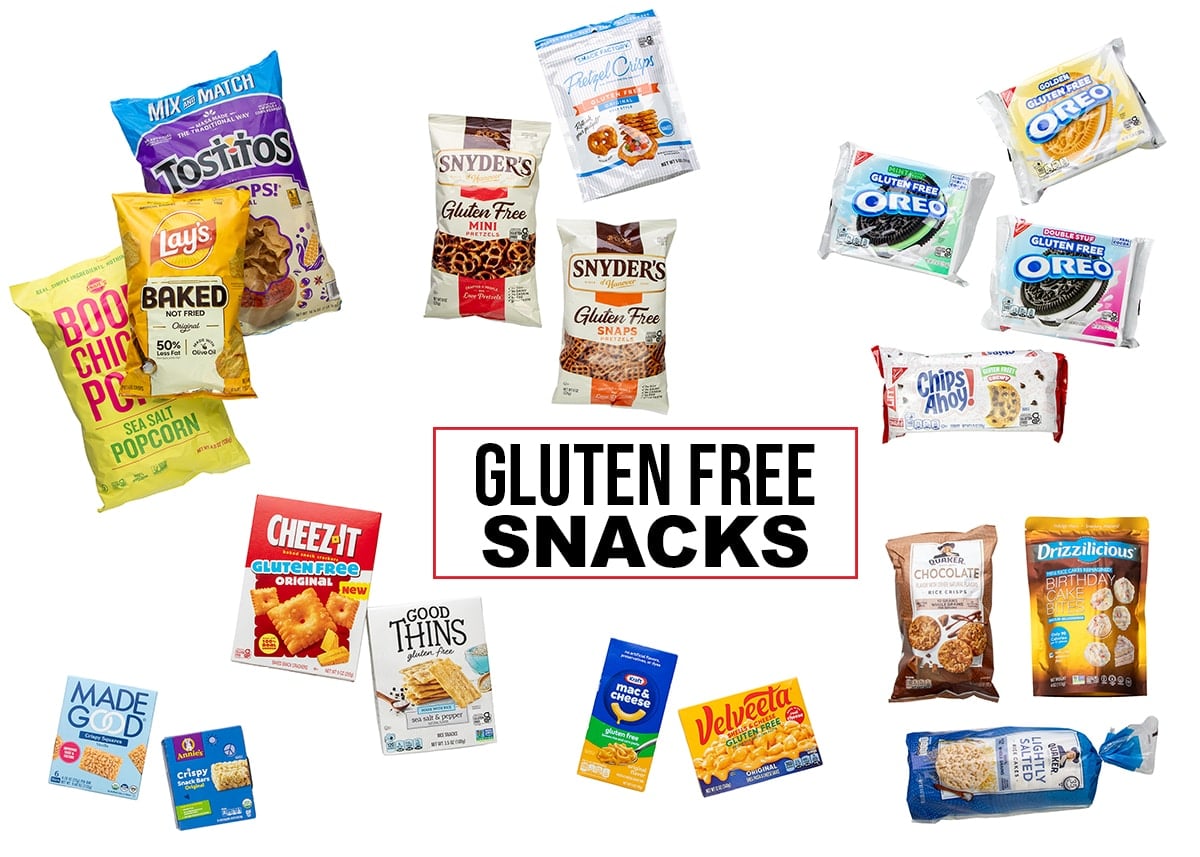
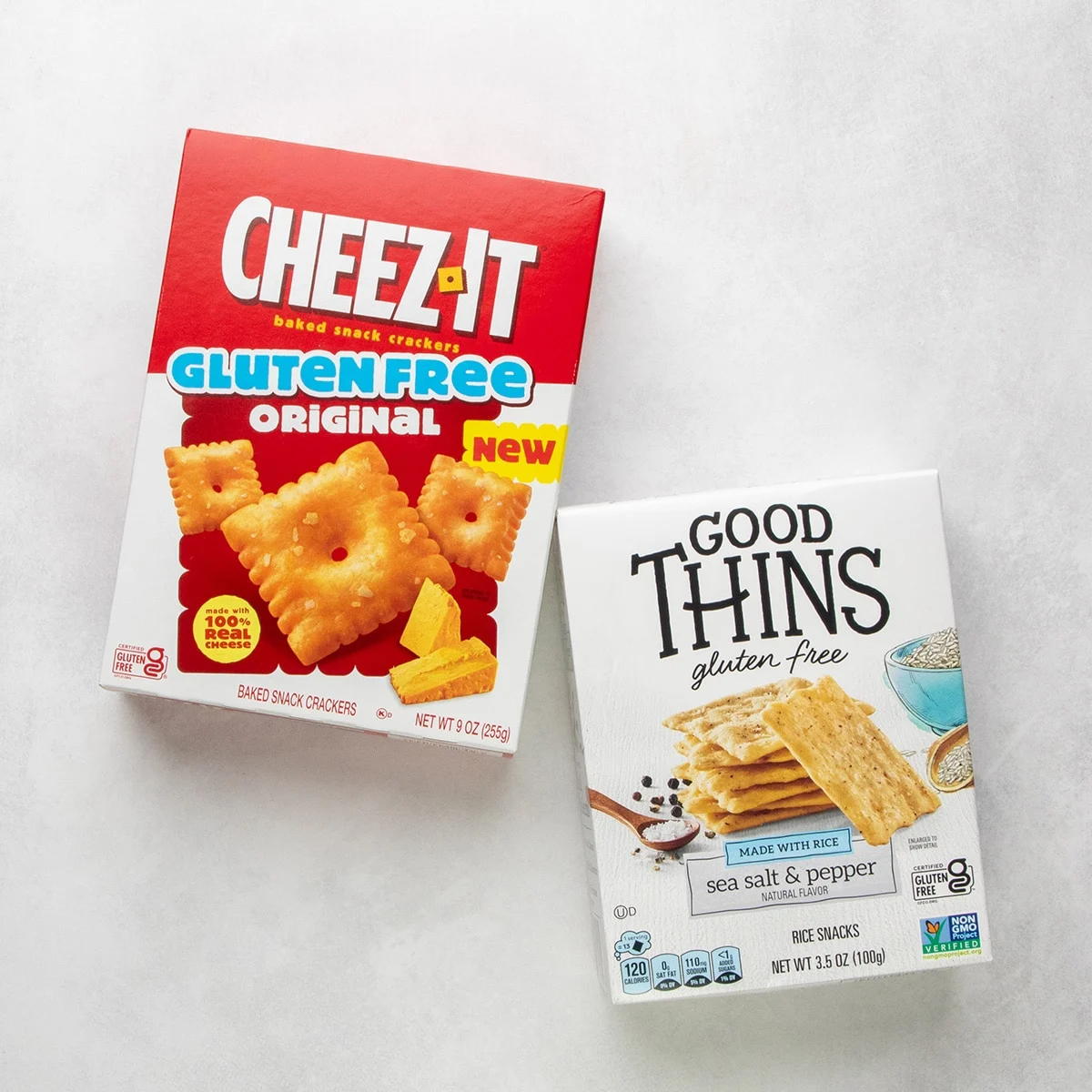
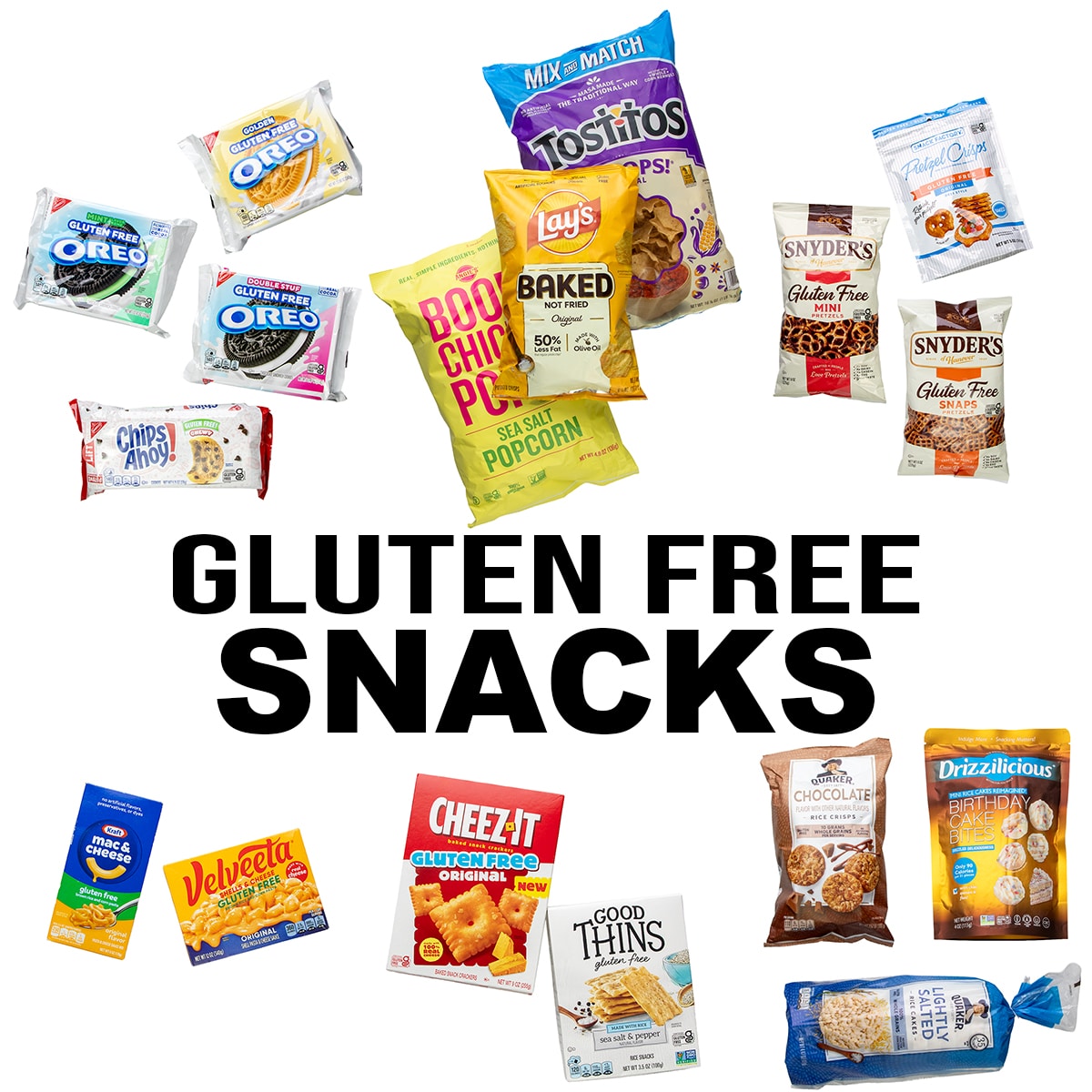
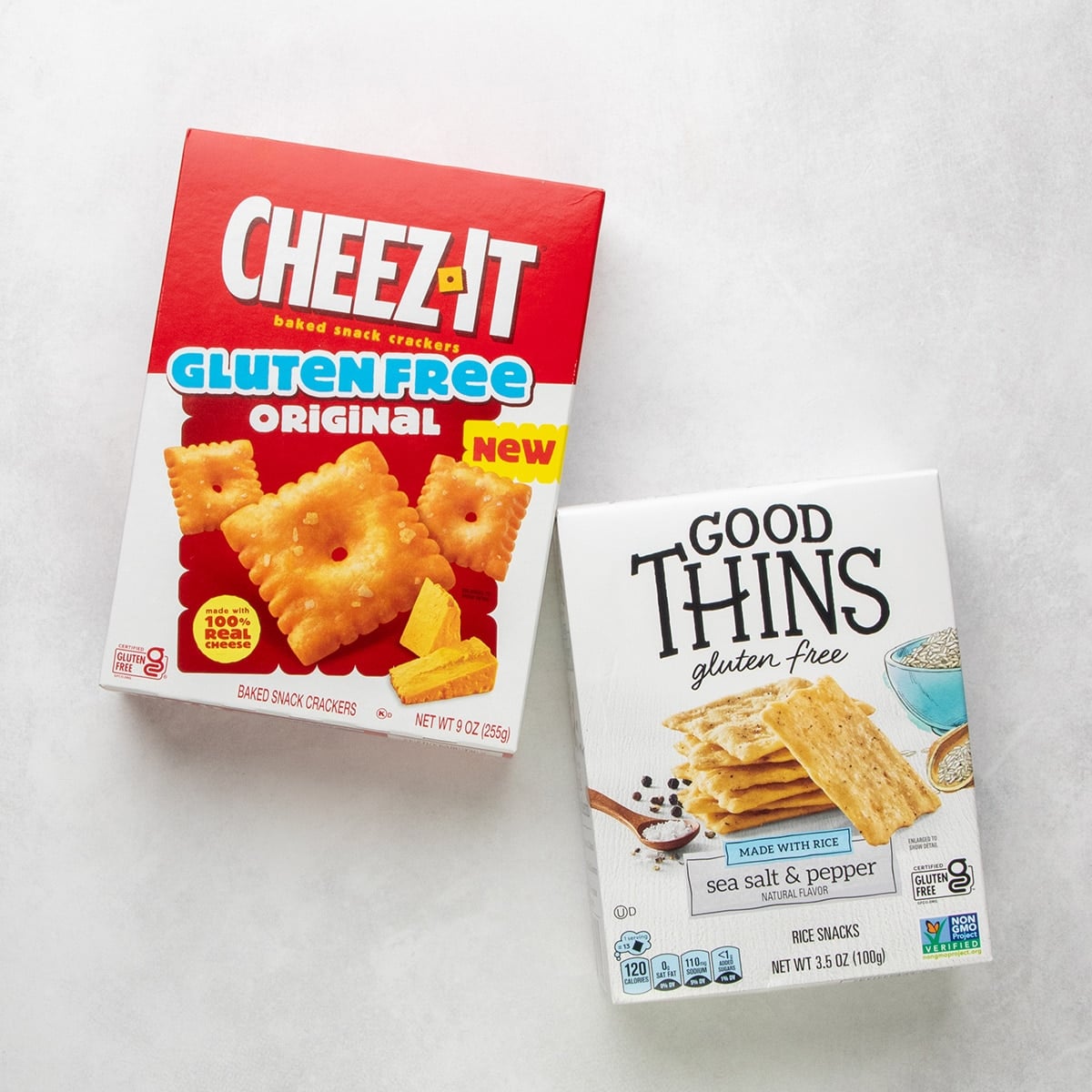
The humble cracker, once a source of frustration for gluten-free consumers, has seen significant innovation. Brands are now offering a diverse array of gluten-free crackers that replicate the crispness and flavor profiles of their traditional counterparts. These range from rice-based crackers with savory seasonings to innovative blends that mimic the texture of wheat-based varieties. Consumers can now find options that pair well with dips, cheeses, or can be enjoyed on their own, providing a versatile snacking solution. The availability of brands like Cheez-It, which offers a dedicated gluten-free line, alongside brands like Good Thins, which have introduced gluten-free rice snacks, demonstrates this mainstream integration.
Chips and Popcorn: Naturally Inclusive Options
The realm of chips and popcorn has long been a haven for naturally gluten-free products, presenting a relatively straightforward category for consumers. The vast majority of corn chips, potato chips, and popcorn are inherently gluten-free, with the primary concern often revolving around flavorings and cross-contamination during processing. Major manufacturers like Frito-Lay have been proactive in providing clear allergen labeling, including detailed "contains" statements, which significantly aids consumers in making informed choices. This transparency allows individuals to confidently select from a wide variety of flavors and brands, knowing that their preferred options are likely safe. The continued expansion of unique and exciting chip flavors, all while maintaining gluten-free integrity, further solidifies this category’s appeal.
Pretzels: A Satisfyingly Crunchy Alternative
The gluten-free pretzel market has expanded dramatically, offering consumers a satisfyingly crunchy alternative to traditional wheat-based pretzels. This category now boasts a remarkable variety, with numerous brands dedicated to replicating the iconic twisted shape and salty crunch. Snyder’s of Hanover has been a notable player, continuously introducing new shapes and varieties, such as their gluten-free "snaps" that are suitable for various culinary uses, including gluten-free snack mixes. The Snack Factory’s pretzel crisps also represent a popular choice, offering a lighter, more delicate crunch that appeals to a broad range of palates. The sheer number of gluten-free pretzel options available underscores the industry’s commitment to catering to this specific dietary need.
Boxed Macaroni and Cheese: Comfort Food Made Accessible
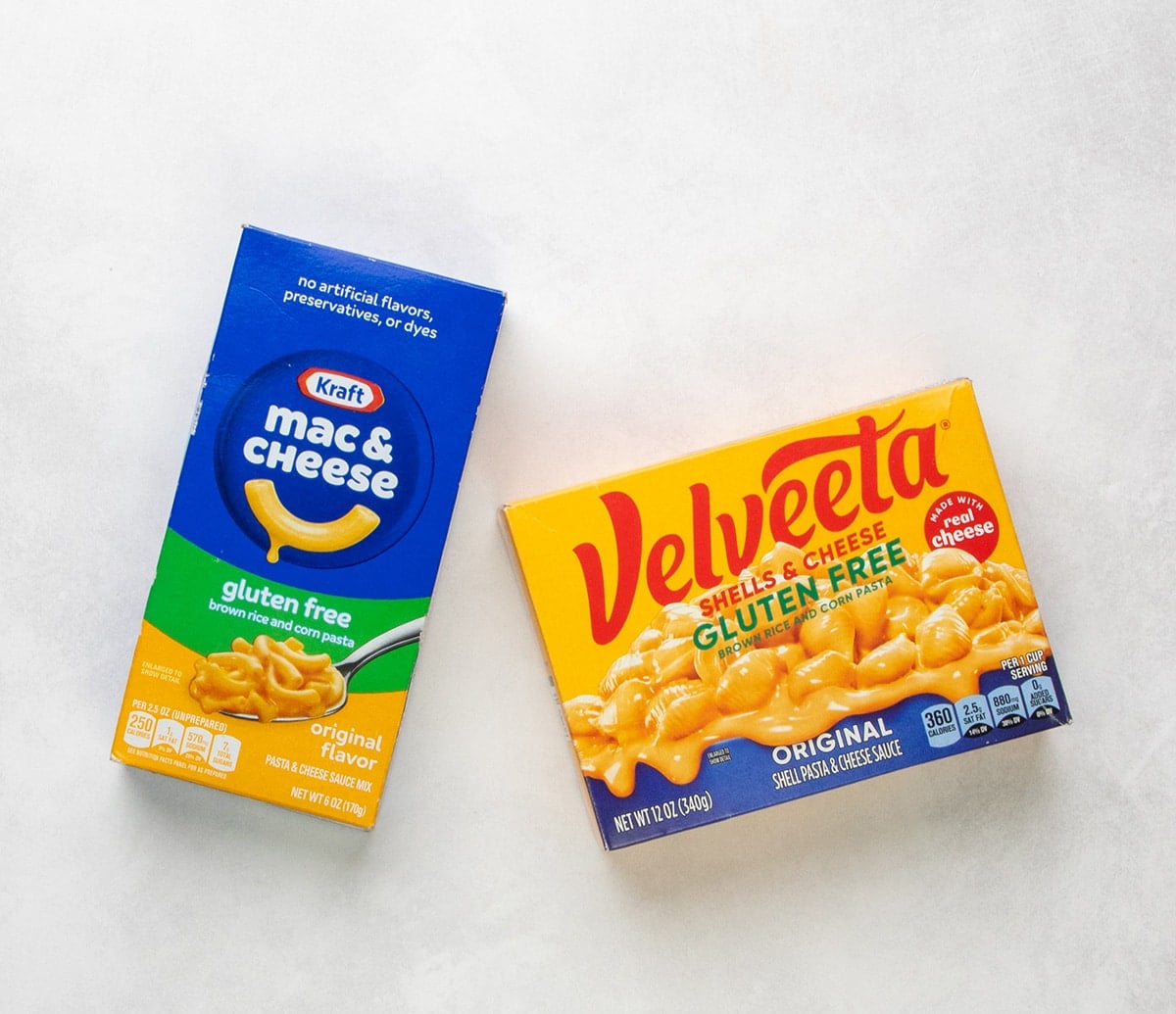
For many, macaroni and cheese is a quintessential comfort food, and the advent of gluten-free boxed versions has brought this beloved dish back into the accessible snack or quick meal category for those avoiding gluten. While homemade gluten-free mac and cheese can be a delightful meal, the convenience of a boxed option cannot be overstated, particularly for busy families or individuals seeking a quick and satisfying snack. Major brands have responded to this demand by launching gluten-free iterations of their classic offerings. Kraft and Velveeta, for instance, now provide gluten-free macaroni and cheese and shells and cheese options, respectively. These products aim to replicate the creamy texture and cheesy flavor that consumers associate with the original versions, ensuring that this childhood favorite remains a viable choice for gluten-free households.
Rice Cakes and Crispy Rice Bars: Versatile and Convenient
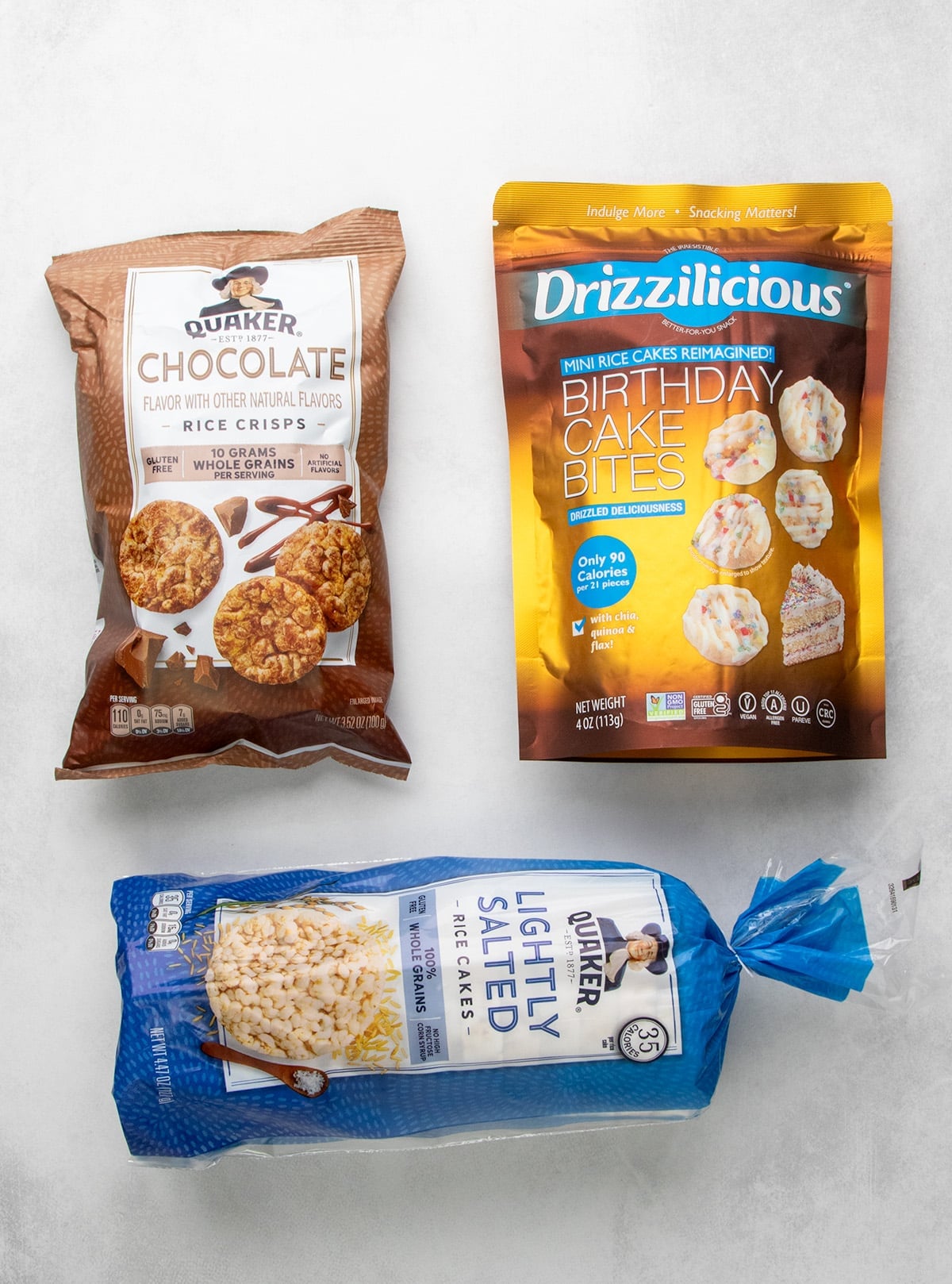
Rice cakes, often inherently gluten-free, have evolved beyond their basic form to offer a wide array of flavors and textures. Brands like Quaker have expanded their offerings to include flavored rice cakes, such as chocolate and lightly salted varieties, making them a more appealing snack option. Furthermore, the popularity of mini rice cakes, sometimes referred to as "rice crisps," has surged, with brands like Drizzilicious introducing innovative, flavored options such as birthday cake bites. While these may carry a higher price point, their frequent appearance on sale makes them an attractive choice.
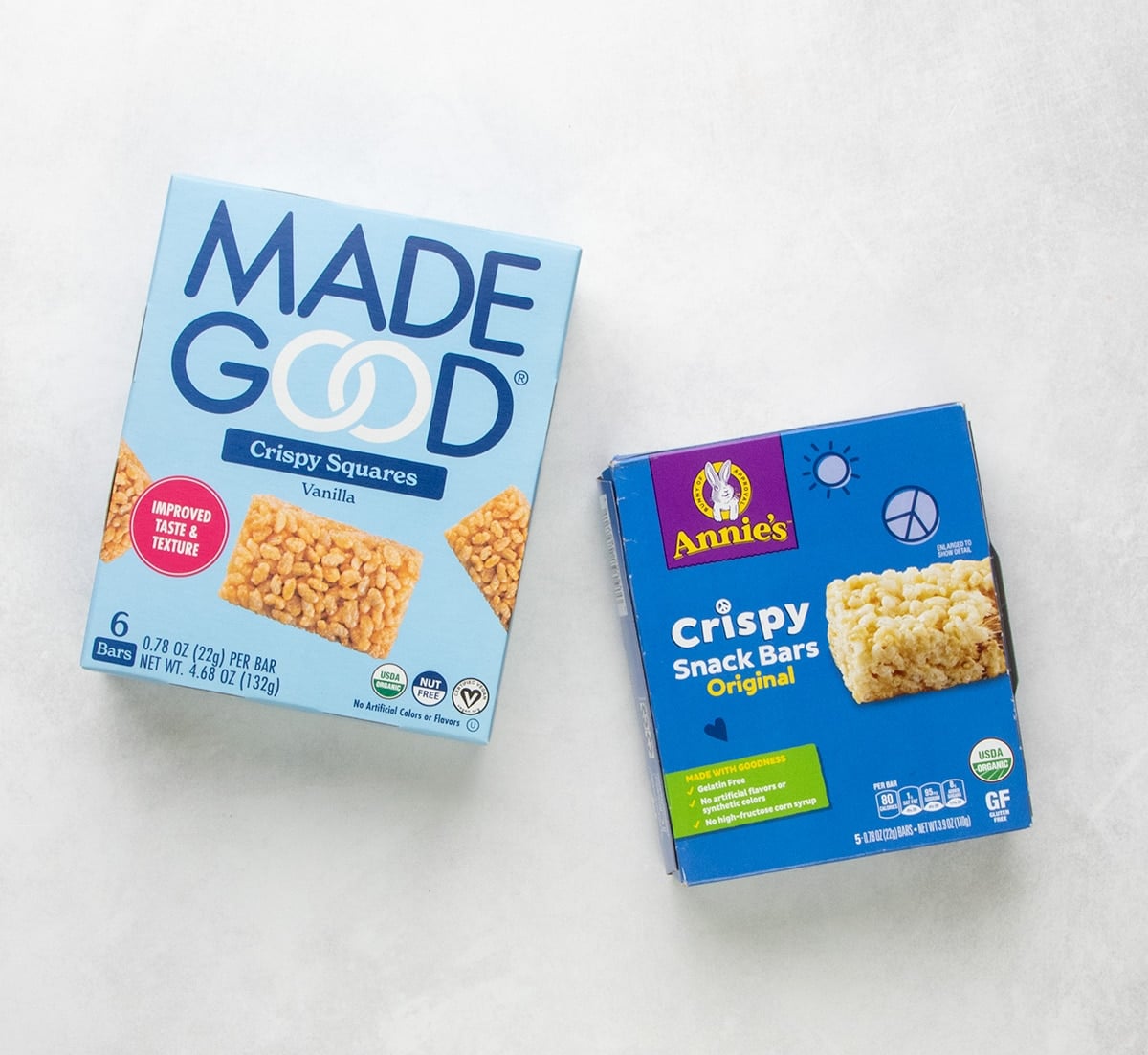
In a similar vein, gluten-free crispy rice bars offer a portable and less messy alternative to homemade rice krispie treats. Recognizing the limitations of homemade versions for on-the-go consumption, brands like Annie’s and Made Good have developed packaged crispy rice bars that maintain their structure and appeal. Although they may not offer the same depth of satisfaction as a hearty protein bar, these bars effectively satisfy sweet cravings and provide a convenient snack option for lunches or travel. The absence of barley-derived malt in the ingredients of these packaged treats is a crucial distinction for consumers who must avoid it.
Gluten-Free Nabisco Cookies: A Welcome Mainstream Addition
Perhaps one of the most significant developments in the gluten-free snack market has been the introduction of gluten-free versions of iconic Nabisco cookies, most notably Oreos and Chips Ahoy!. This move by a major conventional food producer signaled a substantial shift in market perception and accessibility. For years, consumers seeking a gluten-free Oreo alternative had to rely on less well-known brands or homemade recipes. The introduction of genuine gluten-free Mint Oreos, Golden Oreos, and Double Stuf Oreos provided consumers with the authentic taste and experience they craved. The positive reception, with reports of taste tests indicating the gluten-free versions are "really close" to their original counterparts, highlights the success of these formulations. Furthermore, the recent launch of gluten-free chewy Chips Ahoy! cookies has been met with similar enthusiasm, solidifying the availability of beloved packaged cookie experiences for the gluten-free community.
Data and Industry Trends
The growth in the gluten-free market is substantial. According to Grand View Research, the global gluten-free products market size was valued at USD 5.6 billion in 2022 and is projected to grow at a compound annual growth rate (CAGR) of 9.8% from 2023 to 2030. This expansion is fueled by several factors, including:
- Increasing prevalence of celiac disease and gluten sensitivity: Diagnoses of celiac disease and non-celiac gluten sensitivity have risen, leading to a greater demand for gluten-free alternatives.
- Growing health consciousness: Consumers are increasingly aware of the potential health benefits associated with reducing gluten intake, even for those without a diagnosed intolerance.
- Product innovation and accessibility: As seen in the shift towards mainstream availability, manufacturers are investing in developing a wider range of appealing and affordable gluten-free products.
- Influence of social media and online communities: Platforms dedicated to gluten-free living share product recommendations and recipes, further driving consumer engagement and demand.
The integration of gluten-free options into mainstream product lines is a strategic move by large food corporations. This not only captures a growing market segment but also normalizes gluten-free eating, reducing the perceived stigma or inconvenience often associated with dietary restrictions. Major retailers have also responded by dedicating more shelf space to gluten-free products, making them as easy to find as conventional alternatives.
Broader Implications and Consumer Impact
The widespread availability of appealing gluten-free snacks has profound implications for individuals managing gluten intolerance. It alleviates the psychological burden of feeling excluded from common social eating occasions and simplifies the daily logistics of meal and snack preparation. For parents of children with celiac disease, this means their children can participate more fully in school lunches, birthday parties, and playdates without the constant worry of finding safe and desirable options.
The competitive pricing that often accompanies mainstream availability also makes adhering to a gluten-free diet more financially sustainable. Previously, the premium price of specialty gluten-free products could be a significant barrier for many families. The current market offers a better balance between quality, taste, and affordability.
As the gluten-free market continues to mature, consumers can anticipate further innovation and an even wider selection of products. The trend towards "free-from" foods is likely to continue, with manufacturers exploring other dietary needs and allergies. However, for those specifically navigating a gluten-free lifestyle, the current era represents a significant victory, offering not just sustenance, but enjoyment and normalcy in their daily snacking habits. It underscores the power of consumer demand and industry adaptation in creating a more inclusive food landscape.
