

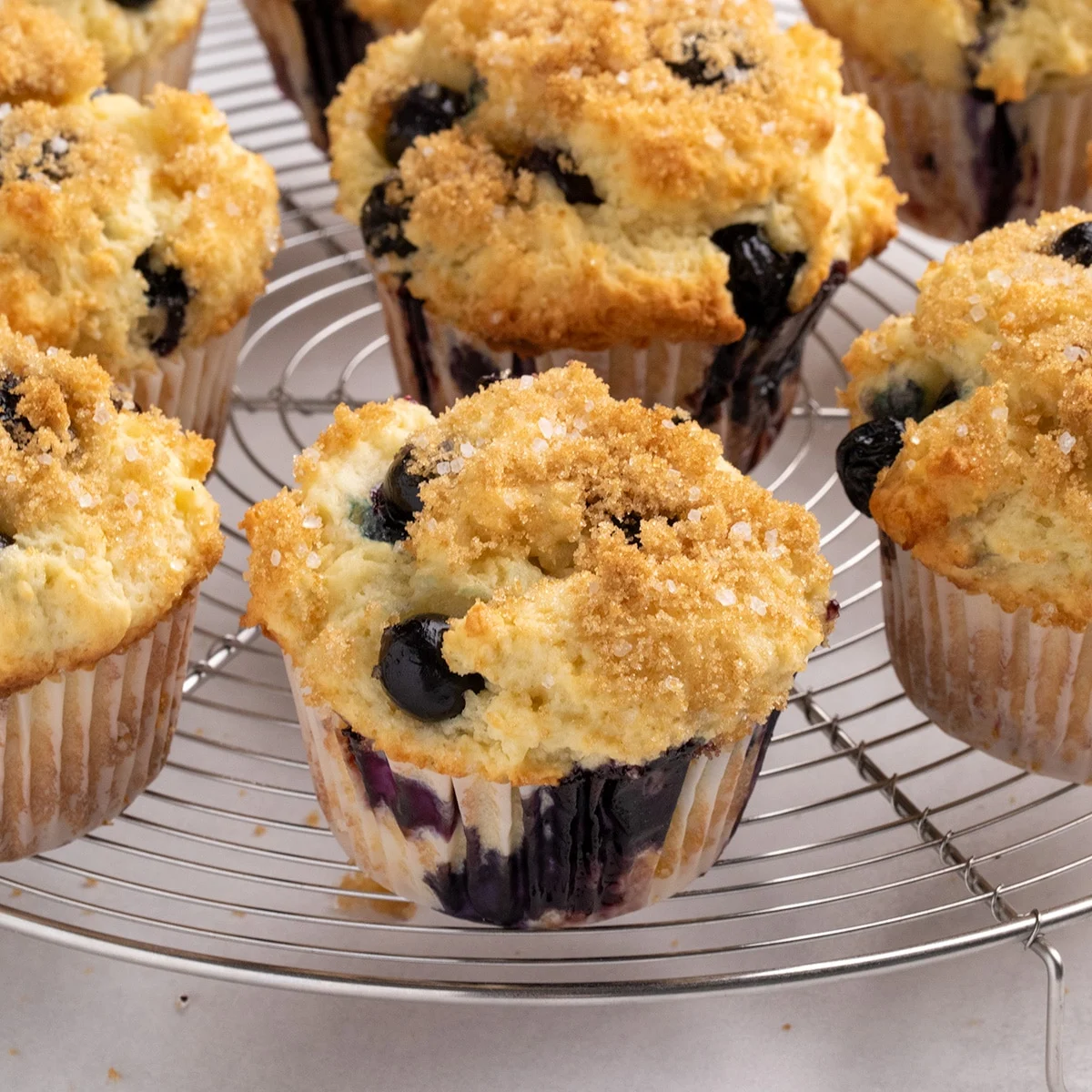
The pursuit of the perfect gluten-free blueberry muffin has long been a culinary Everest for many home bakers. Unlike their gluten-containing counterparts, gluten-free baked goods often present unique challenges, from crumbly textures to the dreaded sinking berry. However, recent advancements in baking science and ingredient formulation, as exemplified by the meticulously crafted recipe from Gluten Free on a Shoestring, are redefining what’s possible in the realm of gluten-free confections. This article delves into the science, techniques, and ingredient innovations that contribute to achieving a truly exceptional gluten-free blueberry muffin, one that boasts high, bakery-style domes, a tender crumb, and plump, perfectly suspended blueberries.
The Science Behind the Dome: Achieving Bakery-Style Height
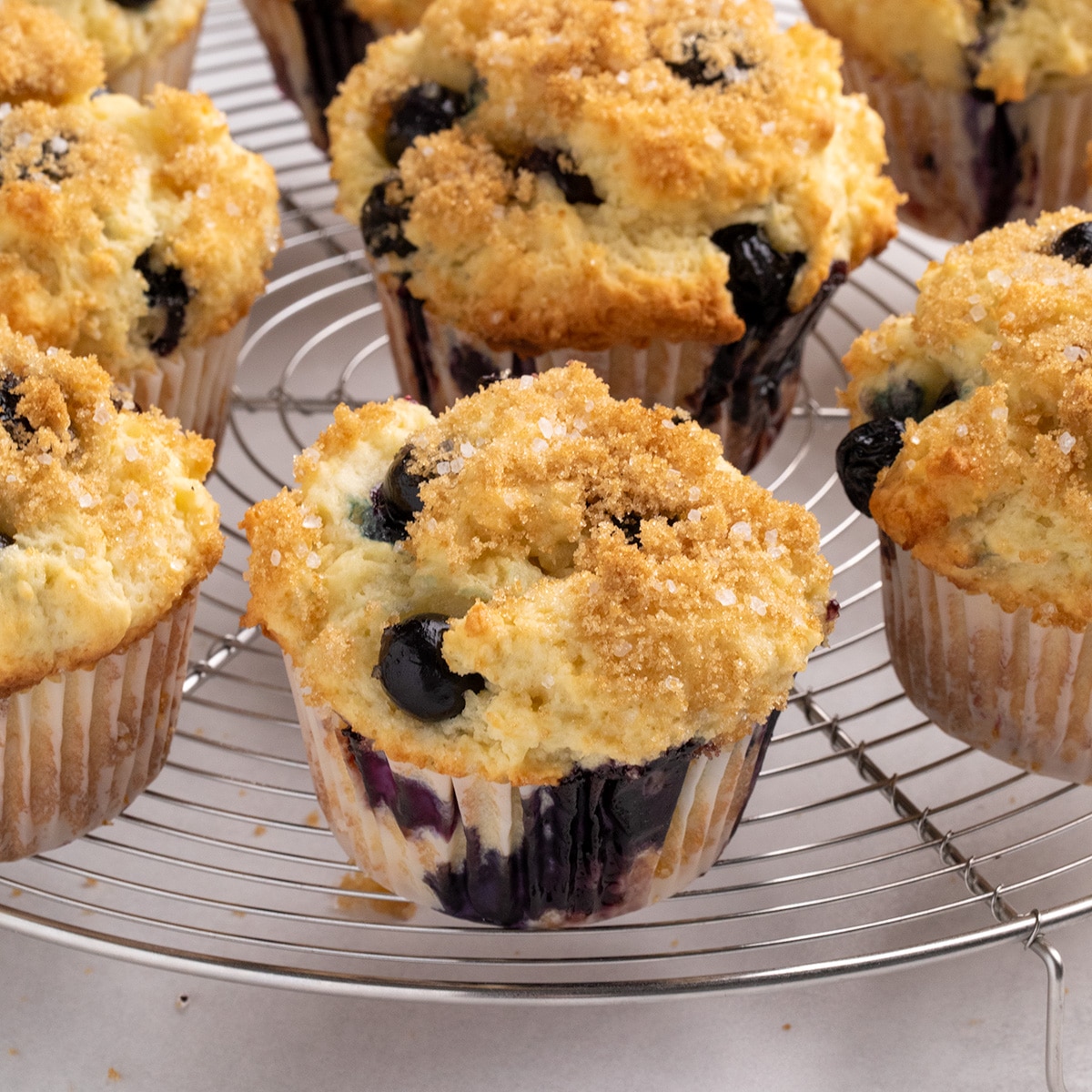
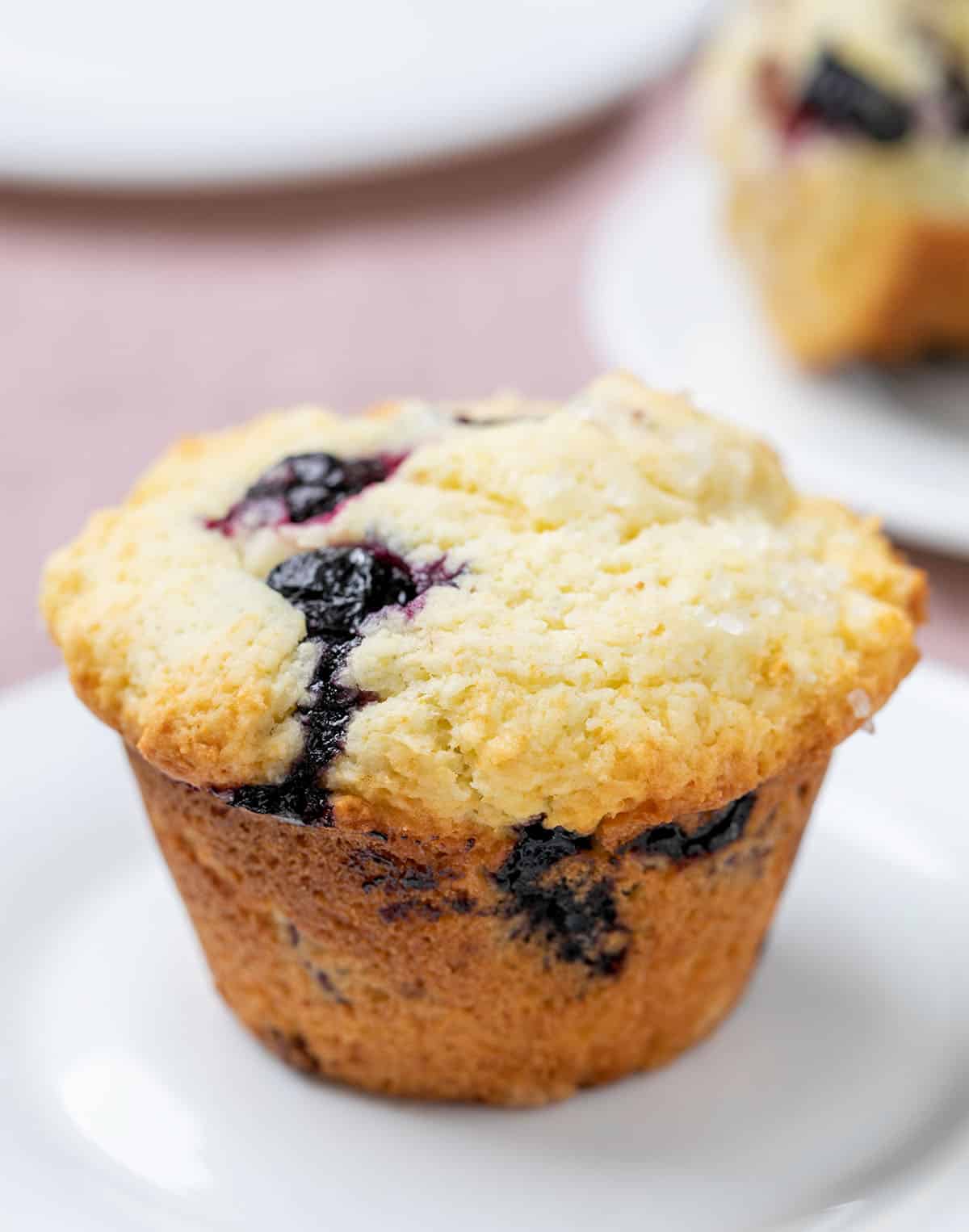
The iconic domed top of a muffin is a visual promise of a light and airy interior. For gluten-free baking, achieving this height without resorting to specialized equipment or lengthy preparation is a significant triumph. The key lies in understanding the intricate interplay of leavening agents, batter structure, and baking temperature.
The Role of Xanthan Gum and Flour Blends
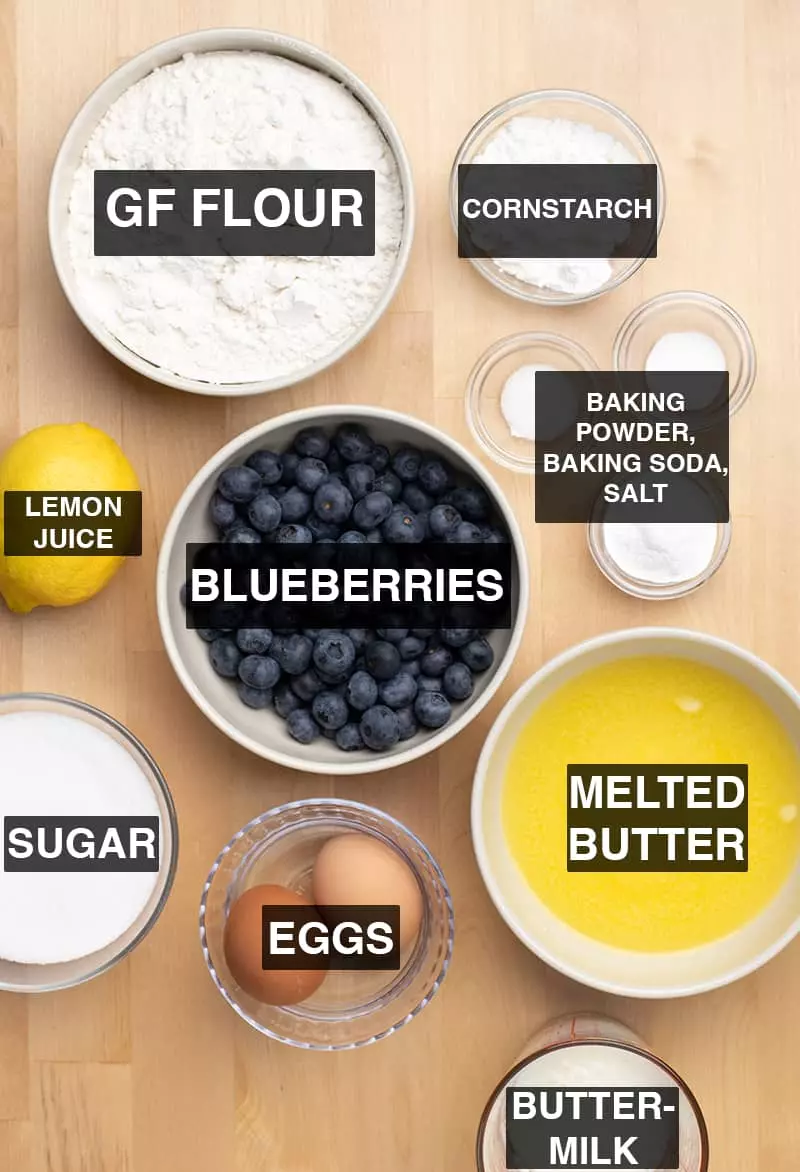
Gluten, the protein network in wheat flour, provides elasticity and structure to baked goods, allowing them to trap gases produced by leavening agents and rise. In gluten-free baking, this crucial element is absent. Xanthan gum, a polysaccharide produced by bacterial fermentation, acts as a vital binder and thickener, mimicking some of gluten’s functional properties. The recipe’s emphasis on a specific ratio of xanthan gum – even suggesting adding a little extra to standard blends – is a direct response to the need for enhanced structural integrity. This extra xanthan gum provides the thick batter with the necessary scaffolding to support the weight of the blueberries and withstand the forces of rising during baking, preventing collapse.
The choice of gluten-free flour blend is equally critical. Blends like Better Batter, Nicole’s Best, and Bob’s Red Mill 1-to-1 are formulated with a specific balance of starches and flours (e.g., rice flour, tapioca starch, potato starch). The inherent composition of these blends influences the final texture and how well they interact with other ingredients. The article notes that blends with insufficient xanthan gum may require additional reinforcement, highlighting the importance of understanding the components of a chosen blend.
The Power of Acidity and Leavening
The inclusion of lemon juice in the batter is not merely for flavor; it plays a crucial role in activating baking soda. Baking soda is a chemical leavener that requires an acid to produce carbon dioxide gas, which causes the batter to expand. When combined with the acidic lemon juice and buttermilk, the baking soda undergoes a rapid reaction, generating a significant lift. This initial burst of leavening, when combined with the structural support of the xanthan gum, is instrumental in creating those coveted high domes. The buttermilk, with its inherent acidity and fat content, further contributes to both leavening and a tender, moist crumb.

The Art of Berry Suspension: Preventing Sinking Blueberries
One of the most common frustrations in muffin making, particularly in gluten-free versions, is the tendency for berries to sink to the bottom. This not only disrupts the visual appeal but also leads to a dense, gummy layer at the base of the muffin. The solution employed in this recipe is elegantly simple yet highly effective: coating the blueberries in a portion of the dry ingredients.
The "Toss and Coat" Technique
By tossing fresh or frozen blueberries with a tablespoon of the dry flour mixture before folding them into the batter, the berries become lightly coated. This coating provides a slight barrier and adds a bit of "grip" to the berries, helping them to remain suspended within the thicker gluten-free batter. This technique, coupled with the already thick consistency of the batter, ensures that the berries are distributed throughout the muffin rather than accumulating at the base. The article specifically advises against thawing frozen blueberries, as their increased moisture content can lead to bleeding and a heavier berry, exacerbating the sinking problem. Using them directly from the freezer helps maintain their integrity.
The Baking Strategy: A Two-Temperature Approach
The baking process itself is meticulously designed to encourage optimal rise and browning. The recipe employs a clever two-temperature baking strategy: starting hot and then reducing the heat.
The Initial Blast of Heat
Beginning the bake at a high temperature of 400°F (200°C) for the first 10 minutes provides an immediate surge of heat. This intense heat causes the leavening agents to react vigorously, producing a rapid expansion of the batter and initiating the formation of the muffin dome. The high temperature also helps to quickly set the exterior of the muffin, creating a crust that helps to maintain the domed shape as it bakes. This is akin to the initial high heat used in some bread baking to achieve an oven spring.
The Gradual Completion
After the initial 10 minutes, the oven temperature is reduced to 350°F (175°C). This lower temperature allows the interior of the muffins to cook through thoroughly without the exterior burning. It ensures that the muffins are evenly baked, from the golden-brown domed top to the tender, moist interior, preventing the outside from becoming overcooked while the inside remains raw. This controlled baking environment is crucial for gluten-free goods, which can sometimes bake unevenly due to their different ingredient compositions.
Ingredient Innovations and Substitutions: Catering to Dietary Needs
The article also demonstrates a commitment to inclusivity by offering detailed substitutions for common dietary restrictions, showcasing a deep understanding of how different ingredients affect baking outcomes.
Dairy-Free Adaptations
For those avoiding dairy, the recipe provides practical alternatives. Substituting buttermilk with a mixture of plain dairy-free yogurt and unsweetened non-dairy milk (like coconut or soy milk) offers the necessary acidity and texture. The recommendation to use block-style vegan butter (such as Miyoko’s or Melt) over tub-style spreads is a critical detail. Tub margarines often contain more water and emulsifiers, which can lead to an undesirable oily and spongy texture in baked goods. Block-style vegan butters more closely mimic the fat composition of dairy butter, contributing to a better crumb.
Egg-Free Solutions
Egg replacers like chia eggs, commercial egg replacers, or liquid egg substitutes are suggested for an egg-free version. While acknowledging that this might result in slightly less lift, it ensures that individuals with egg allergies can still enjoy these muffins. This highlights an understanding that eggs contribute to binding, leavening, and richness, and that substitutes aim to replicate these functions as closely as possible.
Corn-Free Options
For those sensitive to corn, arrowroot starch or potato starch are recommended as direct replacements for cornstarch. These starches serve a similar purpose in tenderizing the crumb and providing structure, ensuring the muffins remain moist and delicate.

Berry Variations
While blueberries are the star, the article wisely advises caution when substituting other fruits. Strawberries, for instance, have a different moisture content and baking behavior, necessitating a specifically formulated recipe. Raspberries are offered as a more direct substitute, suggesting an understanding of their structural compatibility within the muffin batter.
Conclusion: A Benchmark in Gluten-Free Baking
The development of this gluten-free blueberry muffin recipe represents more than just a collection of ingredients; it is a testament to the evolving landscape of gluten-free baking. By dissecting the science behind leavening, batter structure, and baking techniques, and by offering thoughtful substitutions, this recipe sets a new standard. It proves that gluten-free muffins can indeed achieve the lofty domes, tender crumb, and delightful berry distribution that were once considered elusive. This meticulous approach ensures that home bakers, regardless of their dietary needs, can experience the joy of a truly exceptional homemade blueberry muffin, one that rivals, and in many cases surpasses, traditional versions. The success of this recipe underscores the importance of understanding the fundamental principles of baking and applying them creatively to overcome the challenges inherent in gluten-free formulations.
