

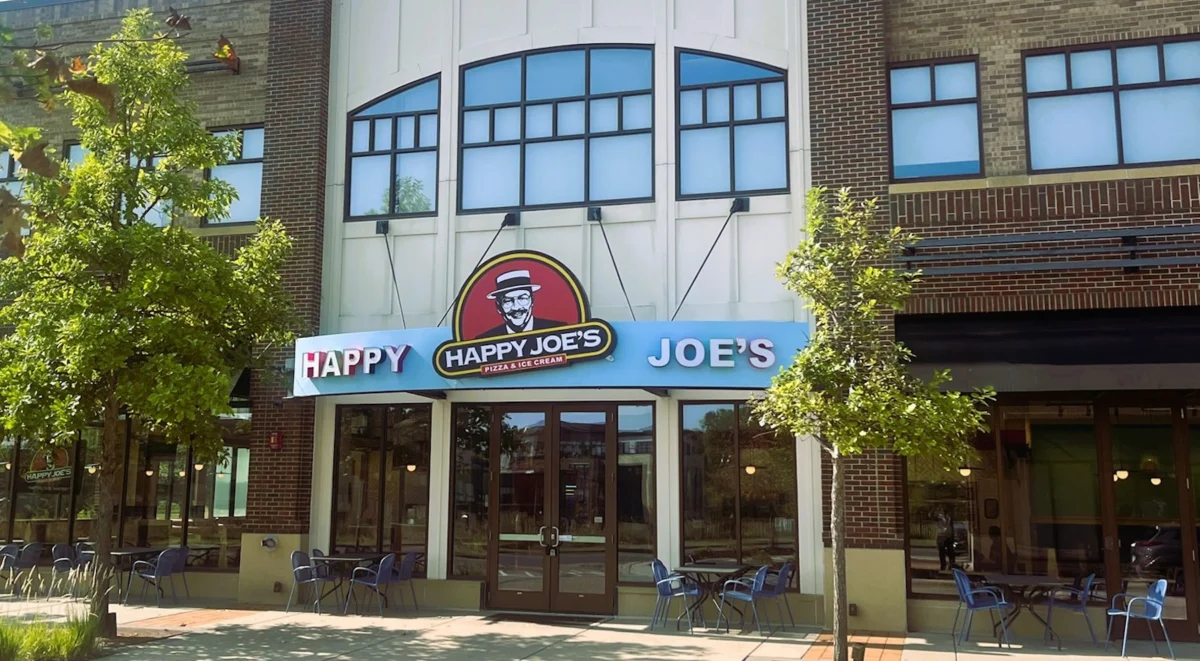
A significant shift has occurred in the landscape of the beloved Midwestern family-friendly brand, Happy Joe’s Pizza & Ice Cream. The 47-unit chain, a staple for many across Iowa, Illinois, and beyond, has been acquired by a consortium of investors hailing from the Quad City region, the very area where Happy Joe’s originated. This acquisition marks a pivotal moment for the pizza and ice cream establishment, signaling a renewed commitment to its legacy and a strategic push towards future expansion and operational enhancement. The new ownership group, led by executive Carlos Araujo, who has been appointed president, aims to inject fresh energy and a focused strategy into a brand that has navigated recent financial turbulence.
The deal, finalized recently, encompasses three company-owned locations in Bettendorf and Davenport, Iowa, alongside the existing network of 35 domestic franchised units and nine international locations in Egypt. This strategic acquisition by local investors underscores a deep-seated belief in the enduring appeal and potential of Happy Joe’s, a brand known for its iconic taco pizza and a vibrant atmosphere conducive to family gatherings and celebrations.
A Legacy Reimagined: Navigating Past Challenges
Happy Joe’s, founded in 1972 by Joe Whitty and Lawrence "Happy Joe" Joehnk, has built a reputation for its distinctive menu offerings and a strong connection to the communities it serves. The brand’s signature item, the taco pizza, has become a culinary icon, drawing customers back for decades. Beyond its culinary appeal, Happy Joe’s has also cultivated a reputation as a go-to destination for children’s birthday parties, fostering generations of fond memories.
However, the brand’s recent history has not been without its challenges. Under the previous ownership of Dynamic Restaurant Holdings Inc., Happy Joe’s experienced financial headwinds. In 2022, the company filed for Chapter 11 bankruptcy, citing the lingering economic impact of the COVID-19 pandemic as a primary contributor. This filing highlighted the broader difficulties faced by many businesses in the food service industry during and after the pandemic, which disrupted supply chains, altered consumer behavior, and imposed significant operational constraints. At the time of the bankruptcy filing, the chain operated six corporate locations, a decrease from nine at the close of 2021, indicating a period of consolidation prior to the recent acquisition.
The financial strain was further exacerbated by existing debt stemming from Dynamic Restaurant Holdings’ 2017 acquisition of the brand in partnership with private-investment group AAVIN Equity Advisors. This complex financial history has presented a significant hurdle for the brand’s growth trajectory in recent years.
The New Dawn: A Vision for Growth and Revitalization
The acquisition by the Quad City investor group represents a deliberate effort to steer Happy Joe’s toward a more robust and sustainable future. Carlos Araujo, the newly appointed president, has articulated a clear vision focused on returning to the brand’s core strengths while embracing innovation.
"Our primary focus is on delivering exceptional food and a welcoming dining experience at every Happy Joe’s visit," stated Araujo in an announcement detailing the new ownership’s plans. "We are committed to celebrating the beloved classics that have made Happy Joe’s a favorite, with our iconic taco pizza remaining a top seller and a cornerstone of our menu." This emphasis on core offerings suggests a strategy of reinforcing brand identity and customer loyalty by prioritizing what has historically resonated with patrons.
Beyond menu revitalization, the new ownership intends to invest significantly in the company-owned units. The goal is to create more inviting and modern environments that enhance the overall customer experience. A particular focus will be placed on nurturing the popular "birthday party experience," a hallmark of Happy Joe’s, aiming to elevate it further and attract new generations of families.
Crucially, the new leadership recognizes the vital role of franchisees in the Happy Joe’s ecosystem. "Franchise owners are the heart of this brand," Araujo emphasized. "They know their markets and their guests better than anyone. Our job is to be a franchisor that is engaged, available, and in their corner, so that every Happy Joe’s has what it needs to thrive." This commitment to franchisee support includes plans for enhanced operator training and a more collaborative approach to market development. Such support is critical for franchisee success and, by extension, the overall health and expansion of the brand.
Strategic Implications and Future Outlook
The acquisition of Happy Joe’s by a group of local investors carries several potential implications for the brand and the wider restaurant industry. Firstly, it signals a potential return to a more community-focused operational model, where owners have a vested interest in the long-term success of the brand within its historical geographic footprint. This local ownership can foster stronger relationships with franchisees and a deeper understanding of regional market dynamics.
Secondly, the stated commitment to invest in company-owned stores and franchisee support suggests a strategy aimed at revitalizing the brand’s presence and enhancing its competitive edge. In a market increasingly driven by customer experience and consistent quality, these investments are crucial for attracting and retaining customers. The focus on the birthday party experience also taps into a niche market that, when executed well, can provide a steady stream of revenue and build lasting brand affinity.
The mention of ongoing debt obligations and vendor communications regarding outstanding bills prior to the sale date, as reported by Nation’s Restaurant News, suggests that the new ownership may be working through a complex financial restructuring. The ability of the new owners to successfully navigate these financial complexities will be a critical determinant of their long-term success. The fact that AAVIN Equity Advisors indicated that "significant secured debt exceeds the value of remaining assets" highlights the scale of the financial challenges inherited.
The fate of Dynamic Restaurant Holdings’ other concept, Tony Sacco’s Coal-Oven Pizza, remains unclear in relation to this acquisition. While Tony Sacco’s currently lists two locations, it is not yet confirmed whether this brand was part of the Happy Joe’s deal, adding another layer of complexity to the overall corporate restructuring.
Industry Context and Broader Trends
The acquisition of Happy Joe’s occurs within a broader context of evolving consumer preferences and a dynamic restaurant industry. Consumers are increasingly seeking authentic experiences, value for money, and brands that demonstrate a commitment to quality and community. Family-friendly dining concepts, while facing competition from a multitude of food service options, retain a strong appeal for families seeking convenient and enjoyable dining experiences.
The success of Happy Joe’s under its new ownership will likely depend on its ability to adapt to these evolving trends while staying true to its established identity. The emphasis on iconic menu items like the taco pizza, combined with a renewed focus on the customer experience and robust franchisee support, provides a solid foundation. The strategic decision to invest in revitalizing existing locations and enhancing core offerings, such as the birthday party packages, aims to capture a significant segment of the family dining market.
Furthermore, the brand’s international presence in Egypt offers an avenue for potential growth and diversification. Successfully managing and expanding these international operations could provide valuable insights and revenue streams that support domestic growth initiatives.
The narrative of Happy Joe’s acquisition is one of resilience and a forward-looking vision. As the new ownership group, led by Carlos Araujo, embarks on this new chapter, the industry will be watching closely to see how they revitalize this cherished Midwestern brand, reaffirming its place in the hearts and on the plates of its loyal customer base, and potentially charting a course for renewed success in the competitive restaurant landscape. The coming months will be crucial in determining the efficacy of their strategic initiatives and their ability to reignite the brand’s growth trajectory.
