

The 2023 holiday season has seen a significant shift in consumer preferences, moving away from mass-produced goods toward products that emphasize accessibility, artisanal quality, and personal narrative. This trend is particularly evident in the latest curated recommendations from Legal Nomads, a publication that has historically focused on global travel but has recently pivoted to highlight functional items for individuals managing chronic health conditions, such as spinal cerebrospinal fluid (CSF) leaks and mast cell disorders. The 2023 selection underscores a growing market for "adaptive luxury"—items that provide high aesthetic value while addressing specific physical limitations.

The Rise of Adaptive Fashion and Hands-Free Technology
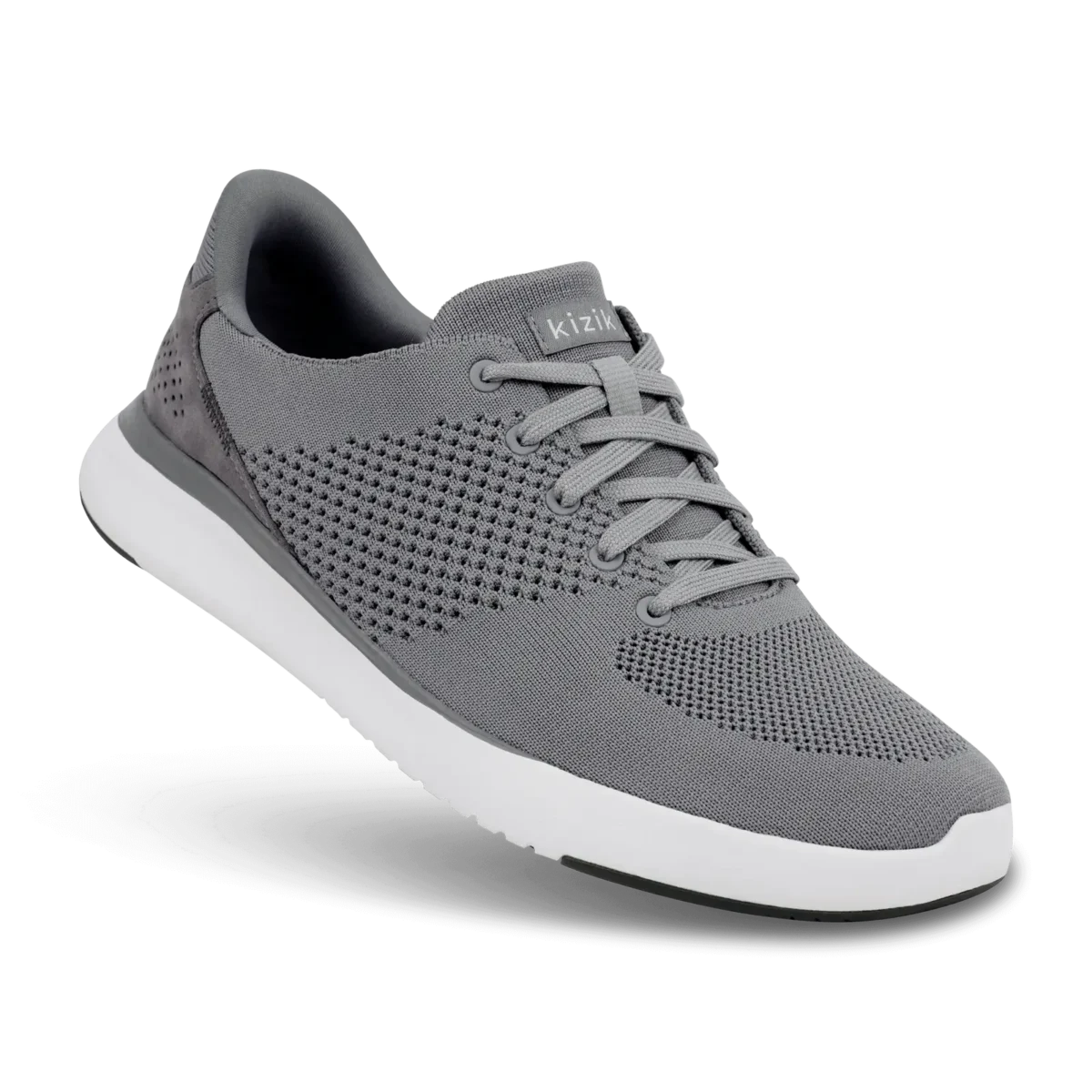
A cornerstone of the 2023 gift recommendations is the advancement in adaptive footwear, specifically the technology pioneered by Kizik. As the global adaptive clothing market is projected to reach nearly $400 billion by 2026, companies like Kizik are at the forefront of merging style with ease of use. Their patented hands-free technology allows users to step into shoes without the need for crouching or manual adjustment, a feature that has gained traction not only among the disabled community but also among seniors and pregnant women.

The 2023 product line has expanded to include winter boots and Chelsea-style ankle boots, marking a move toward year-round utility. Industry analysts suggest that the success of such models as the Lima and the now-discontinued Cairo highlights a consumer demand for "universal design"—products that are essential for some but convenient for all. For individuals managing spinal CSF leaks, where bending and lifting are often restricted, these technological advancements represent a significant improvement in daily independence.

Heritage Brands and the Resurgence of Analog Tools
In the realm of stationery and creative tools, the resurgence of the Blackwing 602 pencil reflects a broader cultural return to analog practices. Originally introduced in the 1930s by the Eberhard Faber Pencil Company, the Blackwing became a staple for cultural icons such as John Steinbeck and Looney Tunes creator Chuck Jones. After its discontinuation in 1998, a cult following drove prices for original stock to as high as $40 per pencil on secondary markets.

The brand’s revival in 2010 by California-based Palomino has successfully tapped into the "slow movement" of writing and drawing. The 2023 appeal of the Blackwing 602 lies in its specific material composition: California incense-cedar paired with high-quality Japanese graphite. This combination offers a unique tactile experience that digital tools cannot replicate. For writers and musicians, the rectangular, replaceable eraser remains a signature functional detail that distinguishes the brand in a saturated market.
Culinary Accessibility and Global Gastronomy Art
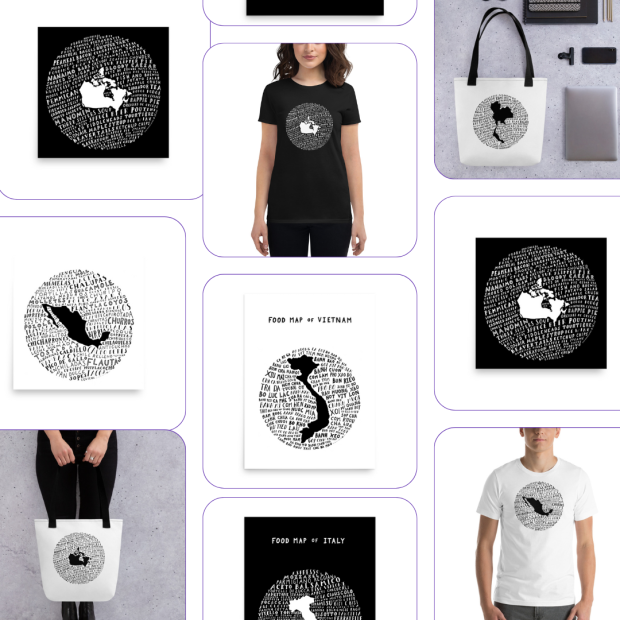
The intersection of travel and food continues to be a dominant theme in gifting, even as physical travel becomes more restricted for some. The Legal Nomads food map series serves as a bridge for "gastro-tourists" who wish to celebrate the culinary identities of nations such as Vietnam, Portugal, Thailand, Japan, Italy, and Mexico. These hand-drawn maps move beyond traditional cartography to act as cultural infographics, detailing regional specialties and indigenous ingredients.

Parallel to the artistic celebration of food is the practical need for accessibility in the kitchen. The 2023 guide highlights the Nakano lightweight chef’s knife as a vital tool for those with limited physical strength. Weighing approximately 185 grams, the knife addresses a specific gap in the cutlery market where high-performance knives are often prohibitively heavy. This focus on "lightweight durability" allows individuals with neurological or spinal conditions to maintain their culinary hobbies without the risk of exacerbating nerve pain.

The Evolution of Travel Safety: Gluten-Free Documentation
For the estimated 1% of the global population living with celiac disease, international travel presents significant health risks. The Legal Nomads Gluten-Free Translation Card project has expanded in 2023 to cover 15 languages, with new additions including Bahasa Indonesia, Croatian, Lithuanian, and Swedish.

These cards differ from standard translation apps by incorporating deep linguistic nuances and local culinary knowledge. Each card undergoes a two-step verification process involving native speakers and individuals familiar with celiac protocols to ensure that cross-contamination risks are clearly communicated to restaurant staff. With over 12,000 cards sold, the project demonstrates the critical role of niche, expert-vetted digital products in the modern travel ecosystem.

Gamification of the Travel Experience
The 2023 holiday season also marks the release of "Trip Chaser," a card game designed by veteran travel writers Dalene and Pete Heck. The game simulates the complexities of international travel, requiring players to buy, barter, and gamble their way to various global destinations. The scoring system reflects real-world travel logistics; destinations that are geographically or logistically challenging to reach from North America carry higher point values. The rapid sell-out of the game in the Canadian market indicates a strong appetite for "tabletop travel" among enthusiasts who value beautifully designed, travel-centric entertainment.

Sustainable Artisan Crafts and Environmental Stewardship
Sustainability remains a primary driver in the 2023 gift market, as seen in the offerings from Kamoka Pearls and Sadie and June. Kamoka Pearls, based in the Ahe Atoll of Tahiti, has been recognized by National Geographic for its environmentally friendly farming practices. Utilizing wind and solar power, the farm’s methods have reportedly contributed to an increase in local fish populations. Their "Mana Bracelet," crafted with kangaroo leather—noted as the strongest leather in the world—targets the "active luxury" segment, providing a durable alternative to traditionally fragile pearl jewelry.

In North America, the duo behind Sadie and June has found success with hand-embroidered heart maps. Operating out of Ottawa and New Jersey, the company specializes in vintage map prints that feature hearts stitched over specific locations, often connected by threads to symbolize long-distance relationships or personal history. This move toward personalized, hand-finished goods reflects a rejection of mass-market decor in favor of items that carry emotional weight and support small-scale entrepreneurship.

Scientific Advancements in Personal Wellness: Red Light Therapy
The inclusion of the FlexBeam red light therapy device in the 2023 guide signals the mainstreaming of photobiomodulation (PBM) for pain management. PBM involves the use of specific wavelengths of red and near-infrared light to stimulate cellular repair and reduce inflammation.

For patients with mast cell disorders or spinal injuries, the portability and specific wavelength settings of the FlexBeam offer a non-invasive method to manage nerve pain. Unlike traditional laser therapy, LED-based red light devices do not produce significant heat, reducing the risk of tissue damage or skin irritation. The device, designed in Norway and manufactured in Thailand, represents the growing "biohacking" trend, where consumers seek clinical-grade health technology for home use.

The "Whimsy Economy": Functional Art in Home and Kitchen
A notable sub-trend in the 2023 guide is the "Whimsy Economy"—functional household items that incorporate playful, often surrealist designs. This is exemplified by OTOTO Design’s kitchen gadgets, such as the Nessie tea infuser and the "Spaghetti Monster" strainer. Similarly, the "Plantstraws" system from Sweden’s Elin Fyhr combines brass aesthetics with a cotton-wicking moisture delivery system to simplify plant care.

The "Fowl Language" puzzle and "Effin Birds" collection by Aaron Reynolds further illustrate the popularity of subversive humor in artisan products. By pairing vintage-style ornithological illustrations with modern profanity, Reynolds has created a brand that resonates with a demographic seeking catharsis through humor. These products, ranging from candles to calendars, have seen high engagement on social media platforms, proving that "relatable outrage" is a viable marketing strategy for niche gifts.

Chronology of the Curated Gift Market (2020–2023)
The trajectory of holiday gift guides has changed dramatically over the last four years:

- 2020: Focus on "Stay-at-Home" comfort, loungewear, and digital connection tools during global lockdowns.
- 2021: Shift toward "Revenge Travel" gear, luggage, and outdoor equipment as borders began to reopen.
- 2022: Increased emphasis on artisan supporting and small-batch production as supply chain issues plagued major retailers.
- 2023: A pivot toward "Meaningful Utility," focusing on accessibility, chronic health management, and high-quality items that serve long-term functional purposes.
Broader Economic Impact and Market Implications
The selection of these specific products highlights several key shifts in the global retail landscape. First, there is a clear move toward the "Direct-to-Consumer" (DTC) model, where artisans and small companies leverage social media platforms like Instagram to bypass traditional retail gatekeepers. Second, the "Accessibility Premium" is becoming a standard; consumers are willing to pay more for products that are thoughtfully designed for a wide range of physical abilities.

Furthermore, the success of companies like Kamoka Pearls and Sadie and June suggests that "narrative-driven commerce" is essential. Modern consumers are not just purchasing a product; they are investing in the story of the creator, the sustainability of the materials, and the ethical footprint of the production process. As we move into 2024, the retail sector is likely to see further integration of health technology, adaptive design, and artisanal craftsmanship as core pillars of the holiday gifting experience.
