

The National Capital Region, encompassing both Ottawa and Gatineau, has emerged as a significant landscape for gluten-free culinary development, driven by increasing consumer demand and heightened awareness of autoimmune conditions. While historically overshadowed by larger metropolitan hubs like Montreal and Toronto, the region now hosts a diverse array of dedicated facilities and celiac-aware establishments. This growth reflects a broader national trend in Canada, where the gluten-free market continues to expand in response to the estimated 1 in 114 Canadians living with celiac disease.

The Critical Distinction Between Gluten-Friendly and Celiac-Safe
In the professional culinary sector, a distinction is increasingly made between "gluten-friendly" options and "celiac-safe" environments. For individuals with celiac disease, an autoimmune condition where the ingestion of gluten leads to damage in the small intestine, even trace amounts of gluten—often transferred through shared fryers, cutting boards, or utensils—can cause significant long-term health complications.

Market analysts note that while many mainstream restaurants offer gluten-free substitutions, few implement the rigorous cross-contact protocols necessary for medical safety. In the United Kingdom, stringent food labeling regulations require allergens to be clearly marked on all menus, a standard that Canadian advocates are increasingly pushing for through organizations such as Celiac Canada. In the absence of federal mandates for restaurant kitchens, the responsibility of verification often falls upon the consumer and independent researchers.

Chronology of the Ottawa Gluten-Free Market
The evolution of the National Capital Region’s gluten-free scene has been marked by several key business milestones over the last decade:

- 2012–2015: The establishment of foundational bakeries like Strawberry Blonde Bakery in Westboro, which pioneered the intersection of vegan, nut-free, and gluten-free offerings.
- 2018–2019: The arrival of niche international concepts, including Wolf Down in 2019, which brought Berlin-style döner to Bank Street with a focus on celiac-safe rice bowls.
- 2021–2023: A period of significant expansion despite global economic challenges. This era saw the rebranding of 5 Cupcakes to 2 Sprinkles and the opening of specialized shops like Gutsies in Orléans and The Tortilla Maker of Canada.
- 2024–2025: The continued growth of the "market-to-brick-and-mortar" pipeline, evidenced by Arepas Place moving from a seasonal stall at Lansdowne to a permanent location.
Dedicated Gluten-Free Facilities in the National Capital Region
Dedicated facilities represent the highest tier of safety for celiac diners, as they eliminate the risk of flour dust or shared equipment.

Bakery and Confectionery Leaders
Strawberry Blonde Bakery remains a cornerstone of the Westboro community. Operating as a 100% gluten-free, vegan, nut-free, and kosher facility, it provides essential services ranging from daily treats to custom event cakes. Their seasonal rotation and nationwide shipping capabilities signify the scaling potential of specialized diet bakeries in Ontario.

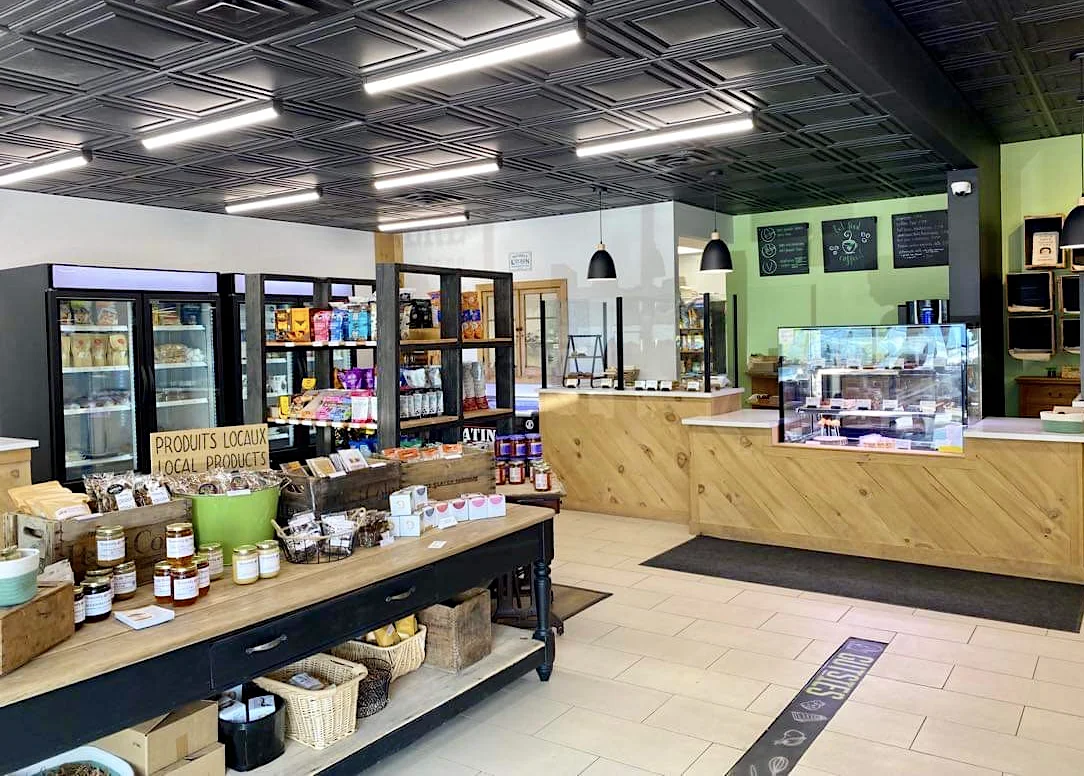
In Orléans, Gutsies serves a dual role as both a bakery and a high-end grocery boutique. Founded by Natasha Maya following her daughter’s celiac diagnosis, the shop bridges a logistical gap by importing hard-to-find gluten-free goods from Montreal and Toronto. Gutsies has been noted for its "clean label" approach, particularly in its prepared meals and frozen pizza doughs, which cater to those with multiple sensitivities beyond gluten.

Specialized Stalls and Mobile Vendors
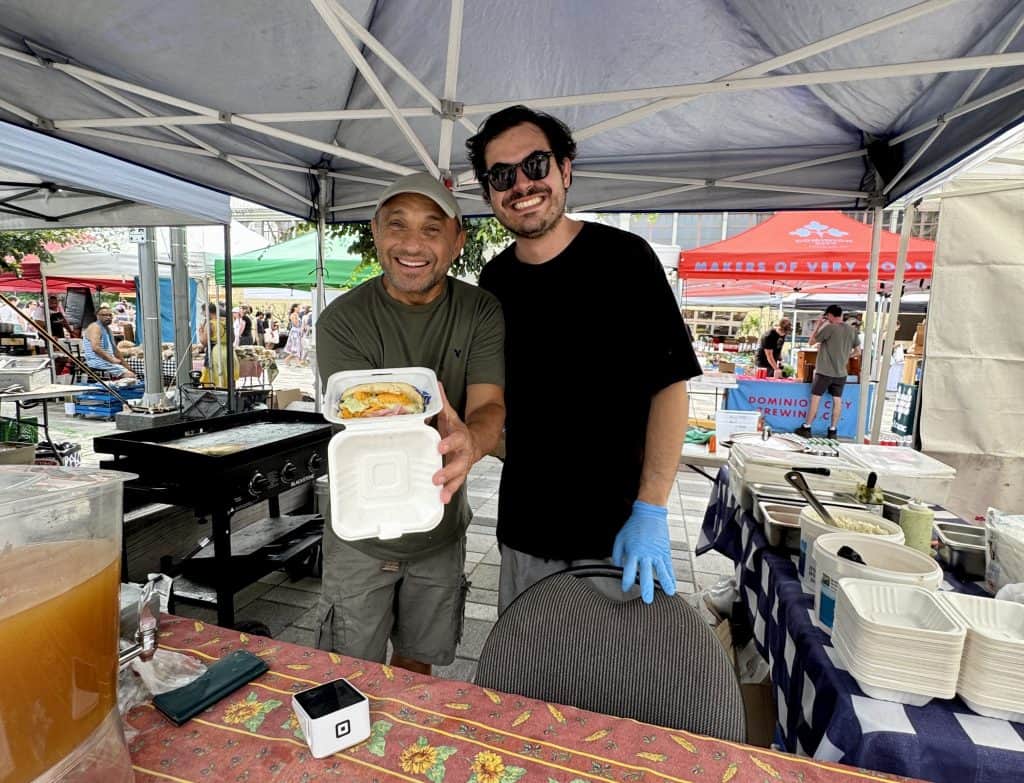
The region’s farmers’ markets, particularly the Lansdowne and Main Street markets, serve as incubators for gluten-free entrepreneurs. 2 Sprinkles (formerly 5 Cupcakes) has maintained a strong presence with its baked donuts and artisanal breads. Similarly, Farang Thai offers a 100% gluten-free menu, a rarity in Thai cuisine which frequently utilizes soy sauce containing wheat.

Cultural diversity is further represented by Chicha Canada, which specializes in a traditional Venezuelan rice-based beverage. This naturally gluten-free and dairy-free drink highlights the intersection of global food traditions and modern dietary requirements.

Celiac-Safe Dining Across Diverse Cuisines
For establishments that are not 100% gluten-free, safety hinges on staff training and dedicated kitchen zones.

Mediterranean and Italian Excellence
The Greek Souvlaki Shack on Bank Street has gained a reputation for its house-made gluten-free pita and dedicated fryers, allowing celiacs to safely consume items like fried calamari and gyros. This level of dedication is mirrored by La Dolce Vita on Preston Street, which holds a certification from the Gluten-Free Food Program (GFFP). Their extensive menu includes celiac-safe lasagnas, gnocchi, and pizzas, providing a comprehensive Italian dining experience that is often inaccessible to those on a restricted diet.

Asian and Latin American Offerings
Thai cuisine in Ottawa is well-supported by establishments like Social Thai and Siam Bistro, both of which demonstrate a sophisticated understanding of cross-contamination. In the Vietnamese sector, Authentic Vietnamese Pho House and La Maison Pho in Aylmer remain popular for their naturally gluten-free rice noodle soups, provided that patrons specify the need for separate cooking water.

The Latin American segment has seen the most rapid growth. The Tortilla Maker of Canada and La Fiesta Latina offer 100% corn-based (masa harina) products, which are inherently gluten-free. Arepas Place and Chamos Grill provide Venezuelan staples such as arepas and empanadas, often utilizing dedicated preparation areas to ensure safety.
The "Poutine Capital" and Gluten-Free Innovation
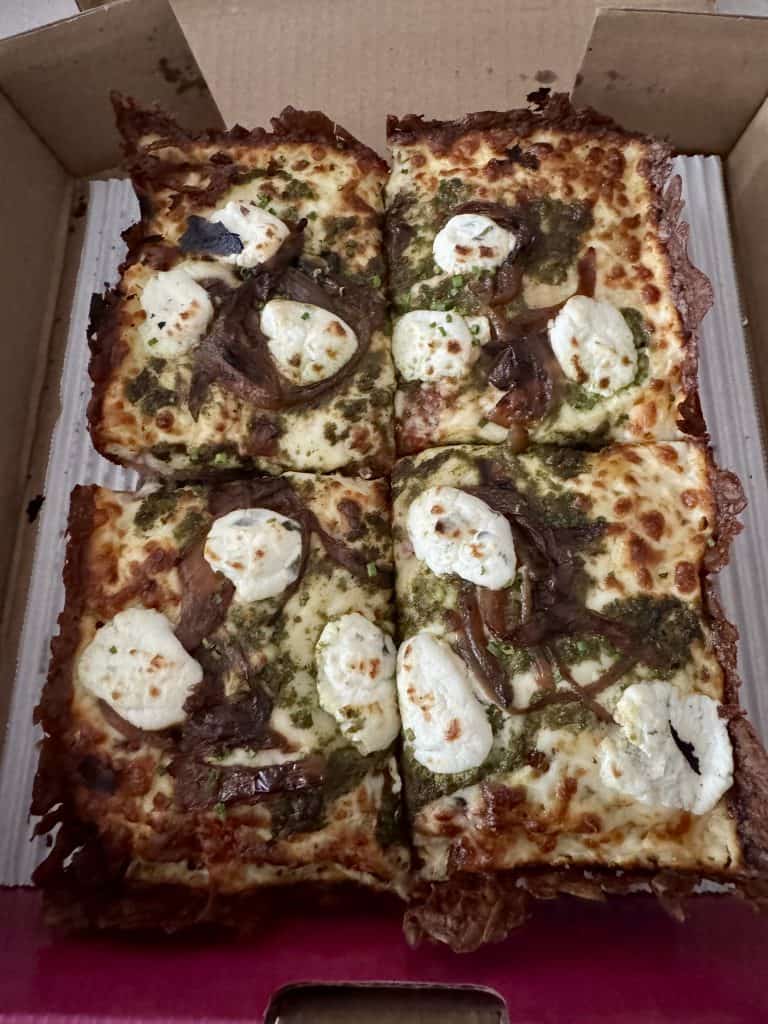
As poutine is a cultural staple of the region, the demand for gluten-free gravy and dedicated fryers is high. Smokin’ RR’s in Stittsville has emerged as a leader in this category, offering a menu that is nearly entirely gluten-free, including award-winning poutines and brisket. Within the city, The Great Canadian Poutinerie provides various gluten-free options, though purists often look toward specialized trucks like Patate Lou Lou in Gatineau for traditional celiac-safe gravy.

Economic and Social Implications of Inclusive Dining
The rise of these establishments carries significant economic implications. The "gluten-free premium"—the higher cost associated with specialized ingredients and rigorous cleaning protocols—remains a challenge for both consumers and business owners. However, the loyalty of the celiac community often provides a stable customer base that offsets these costs.

Furthermore, the National Capital Region’s gluten-free scene highlights a growing awareness of "intersectional" dietary needs. Many local spots, such as Little Jo Berry’s and Moo Shu Ice Cream, focus on dairy-free and vegan options alongside gluten-free offerings. This inclusive approach caters to the high percentage of celiacs who also suffer from lactose intolerance or other food sensitivities.

Regulatory Environment and Advocacy
The Ottawa Celiac Association plays a vital role in vetting local establishments and providing resources for the community. Advocacy efforts continue to focus on:

- Standardization of "Gluten-Free" Claims: Pushing for stricter adherence to the 20ppm (parts per million) threshold in commercial kitchens.
- Hospitality Training: Encouraging the adoption of the GFFP certification among high-volume restaurants.
- Food Security: Addressing the higher cost of gluten-free staples through tax credits and community support.
Future Outlook for the National Capital Region
As we look toward 2026 and beyond, the National Capital Region is positioned to become a premier destination for gluten-free tourism in Canada. The integration of international cuisines with strict health protocols suggests a maturing market that values medical safety as much as culinary innovation.

While logistical challenges remain—particularly for residents with limited mobility or those living in areas with fewer delivery options—the "living tree" of gluten-free resources continues to grow. The success of businesses like Wolf Down and Strawberry Blonde Bakery serves as a blueprint for future entrepreneurs looking to enter the specialized diet market.
In conclusion, the National Capital Region offers a robust and expanding array of options for the gluten-free diner. From dedicated bakeries to celiac-aware international eateries, the region demonstrates that medical necessity and gourmet experience are not mutually exclusive. As consumer awareness grows and regulatory frameworks evolve, Ottawa and Gatineau are likely to set a high standard for inclusive dining across North America.
