

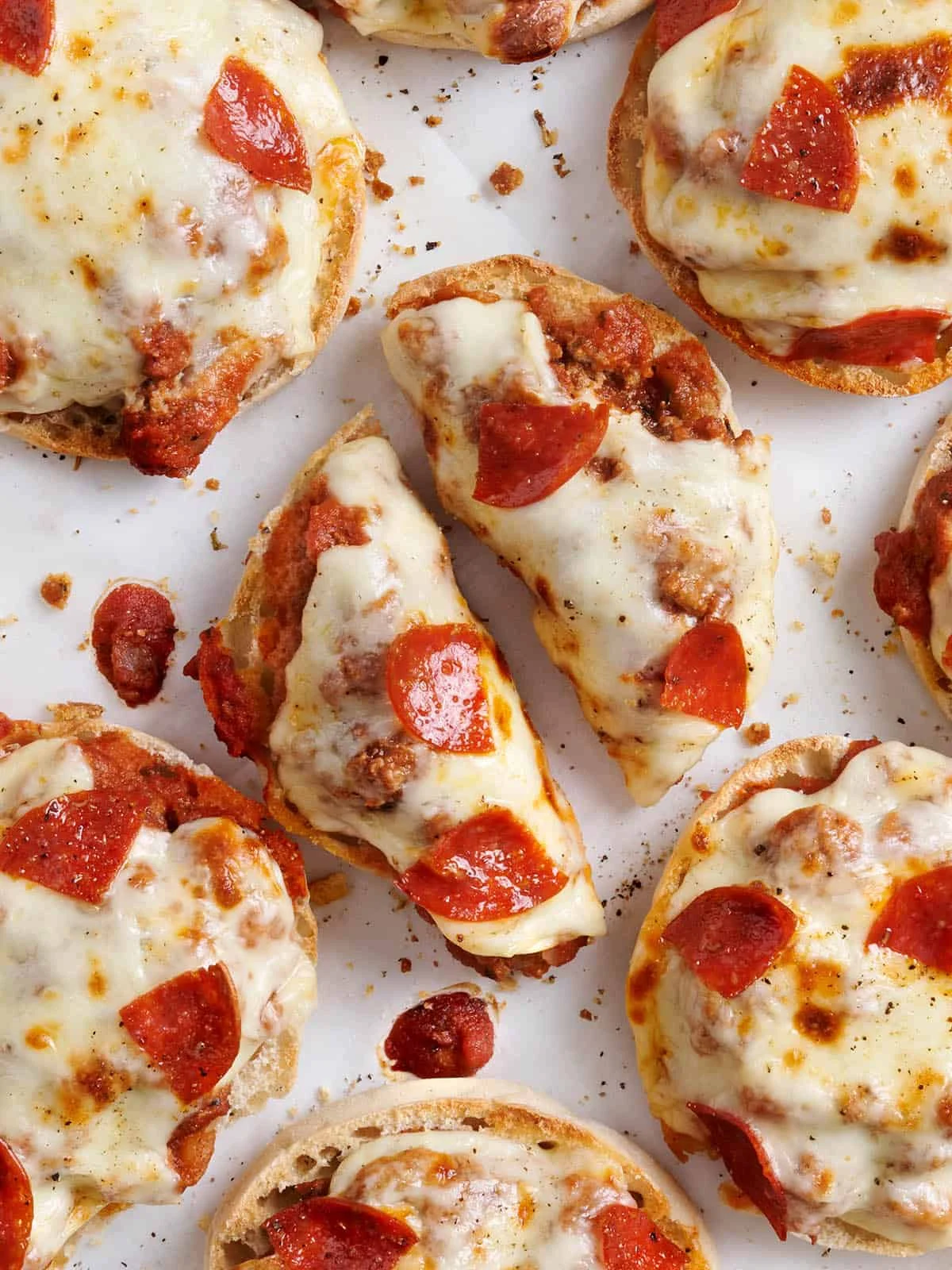
The pizza burger, a culinary hybrid that rose to prominence in the mid-20th century American school cafeteria system, is experiencing a significant resurgence as households seek to balance nutritional requirements with increasingly restrictive grocery budgets. Recent data from the Nashville Test Kitchen, a culinary research facility dedicated to accessible home cooking, indicates that this open-faced sandwich can be produced for approximately $1.71 per serving, representing a fraction of the cost of contemporary fast-food alternatives. By utilizing a strategic combination of shelf-stable staples, frozen vegetable blends, and versatile protein sources, the modern iteration of the pizza burger addresses two of the most pressing challenges facing the average consumer: "time poverty" and food inflation. The current recipe, developed by culinary expert Jess Rice, emphasizes a 30-minute preparation window and a total recipe cost of $10.27 for six servings, providing a blueprint for efficient domestic meal management.
Historical Context and the Nostalgia Factor in American Cuisine
To understand the current popularity of the pizza burger, one must examine its origins within the National School Lunch Program (NSLP). Established under the National School Lunch Act of 1946, the program was designed to provide nutritionally balanced, low-cost or free lunches to children. By the 1970s and 1980s, the pizza burger had emerged as a staple of this system. Its design was a pragmatic response to the need for high-volume food production; using ground meat seasoned with Italian spices and topped with mozzarella allowed cafeterias to offer the flavor profile of a pizza without the labor-intensive process of preparing traditional yeast dough.
The contemporary return to this dish is driven largely by "nostalgia marketing" and a psychological preference for comfort foods during periods of economic volatility. Culinary historians note that during times of high inflation, consumers often revert to "recessional recipes"—dishes that evoke a sense of childhood security while requiring minimal financial investment. The pizza burger, served open-faced on an English muffin or bun, represents a tangible link to a collective American educational experience, bridging the generational gap between parents and children who are now encountering the dish in their own school settings.
Economic Analysis of Ingredient Sourcing and Cost Mitigation
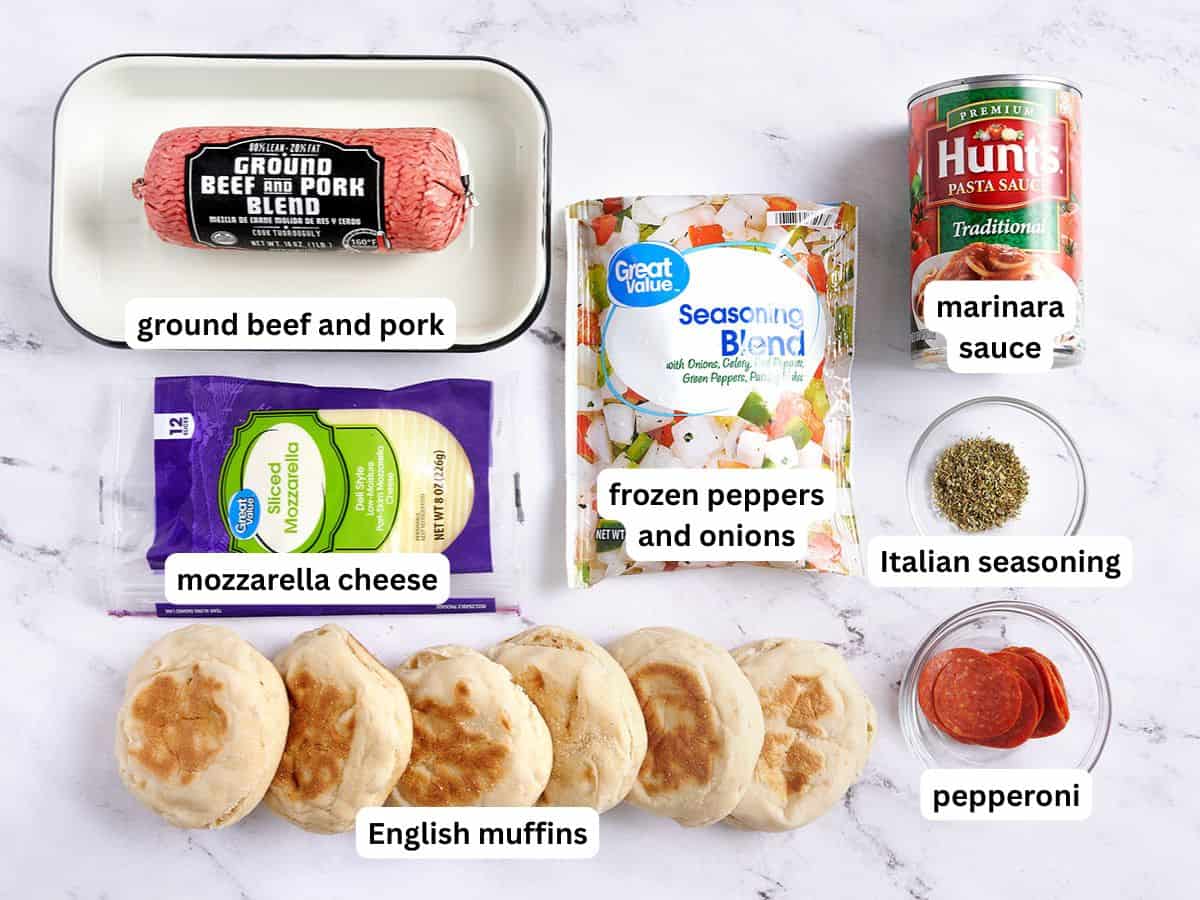
The Nashville Test Kitchen’s analysis of the pizza burger highlights several key strategies for reducing household food expenditures. Central to this approach is the use of blended proteins. In the current market, ground beef prices have remained volatile due to fluctuations in cattle cycles and feed costs. By utilizing a "tube" or "chub" of ground beef and pork blend, cooks can significantly lower the price per pound. At many retail outlets, pure ground pork is currently priced at approximately $2.67 per pound, nearly 40% less than lean ground beef. This blend not only reduces the cost but also improves the moisture content and flavor profile of the meat mixture.
Furthermore, the recipe incorporates "short-cut" vegetables, specifically frozen diced peppers and onions. According to data from the Department of Agriculture, fresh produce waste accounts for a significant portion of lost household income. By utilizing frozen "Seasoning Blends," consumers pay only for the edible weight of the vegetable, eliminating the waste associated with stems, seeds, and skins. This method also removes the labor costs associated with preparation, which is a critical factor for the 60% of American households where all adults are in the workforce.
Technical Methodology: From Preparation to Assembly
The production of a high-quality pizza burger requires a specific chronological sequence to ensure textural integrity, particularly regarding the base vessel. The Nashville Test Kitchen outlines a standardized procedure that prioritizes efficiency and food safety.
Phase 1: Thermal Pre-treatment and Base Preparation
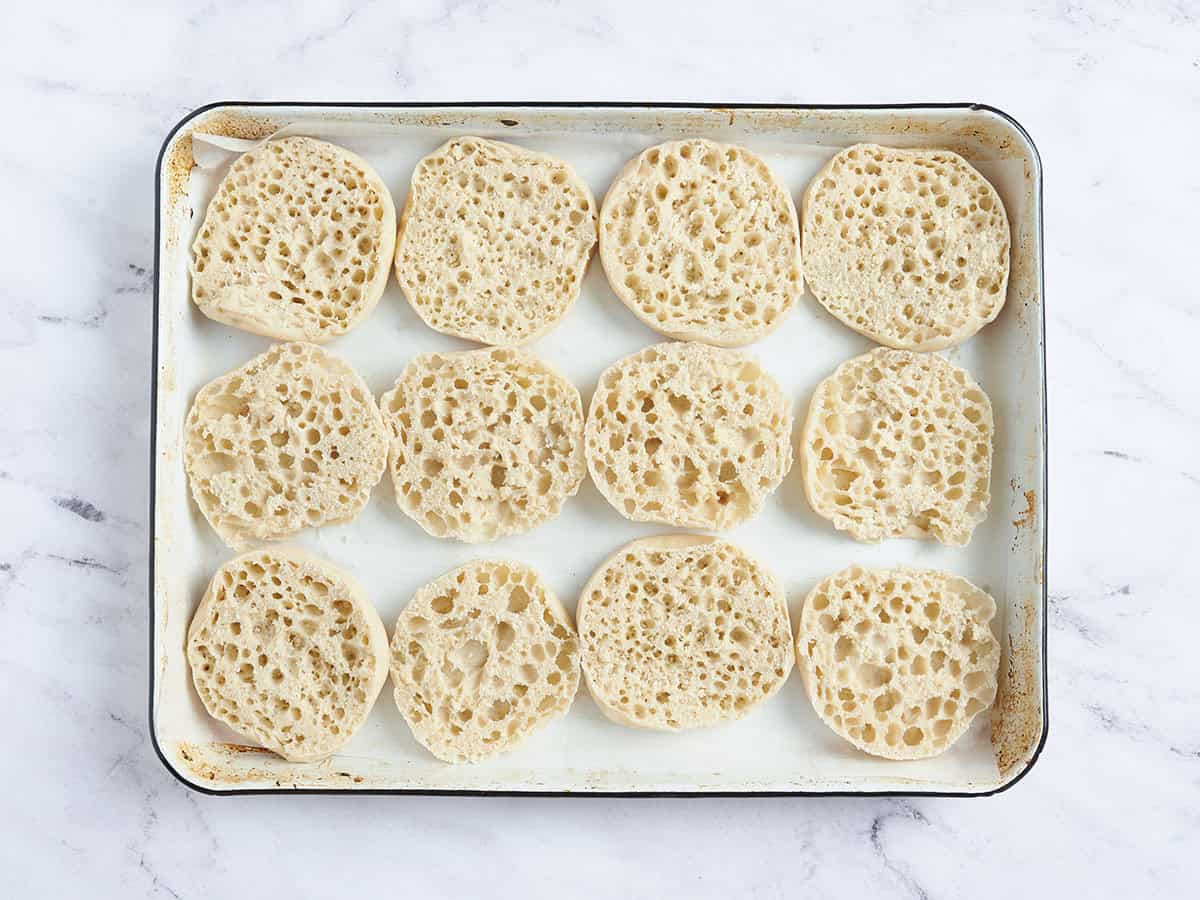
The process begins with the preheating of the oven to 350°F (177°C). The selection of the English muffin as the base is a deliberate choice for its structural density and "nooks and crannies," which are capable of holding sauce without immediate saturation. The muffins must be split and toasted for approximately five minutes until the edges exhibit slight caramelization. This step creates a moisture barrier, preventing the meat sauce from making the bread soggy during the final baking stage.
Phase 2: Protein and Aromatics Development
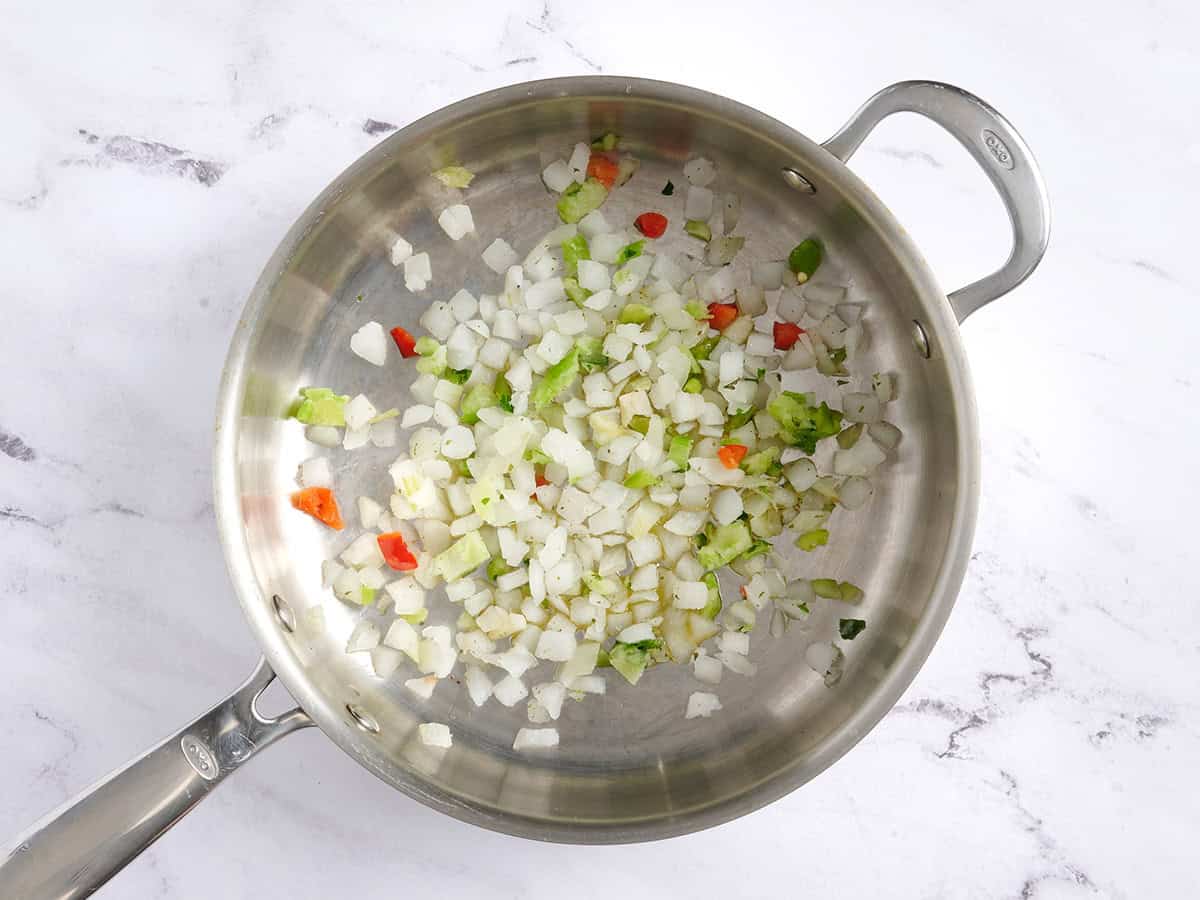
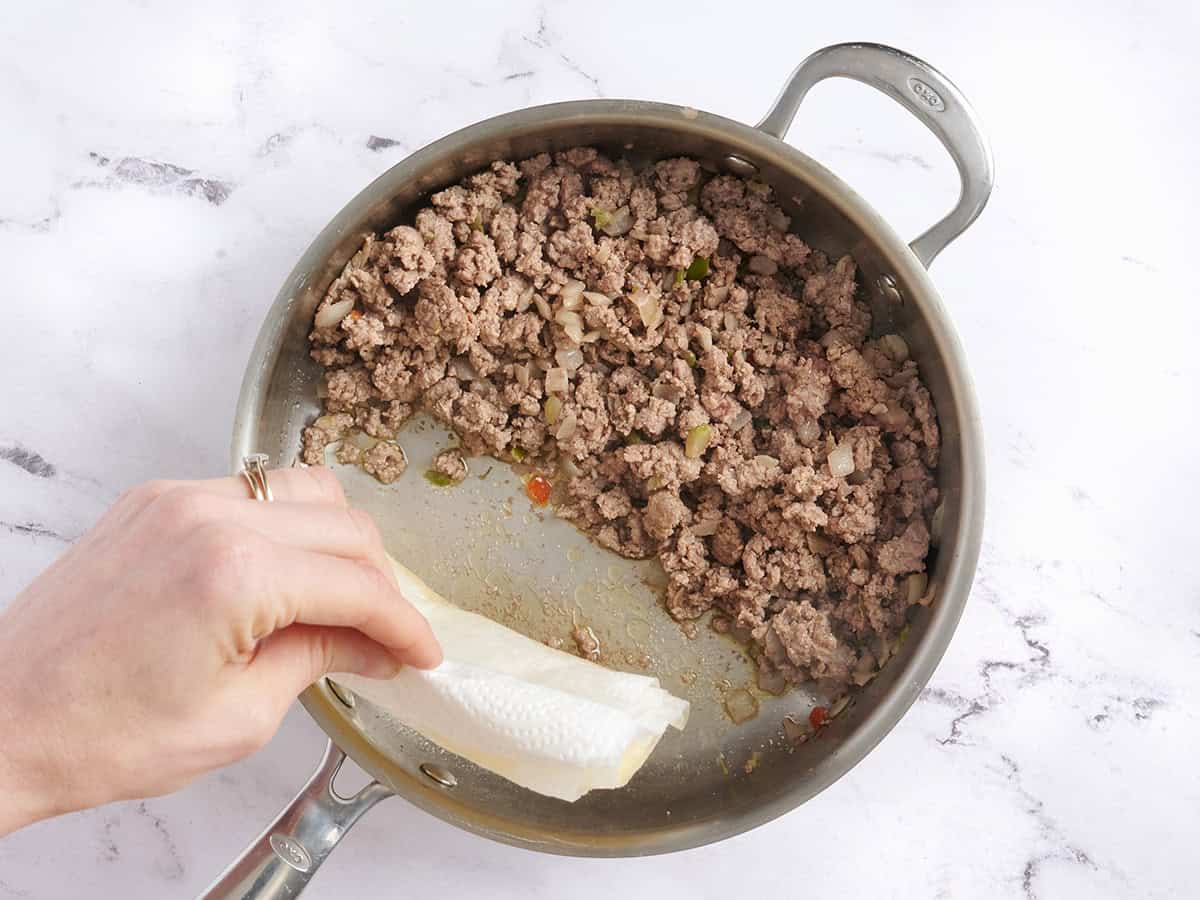
Simultaneously, aromatics—specifically 5 ounces of frozen peppers and onions—are sautéed in olive oil. The objective is to evaporate any residual ice crystals and soften the cellular structure of the vegetables before the introduction of the meat. One pound of the ground beef and pork blend is then added and browned thoroughly. To maintain a professional nutritional standard, the excess lipids must be drained or blotted. This reduction in fat content is essential for both the caloric profile and the final consistency of the sauce.
Phase 3: Sauce Reduction and Simmering
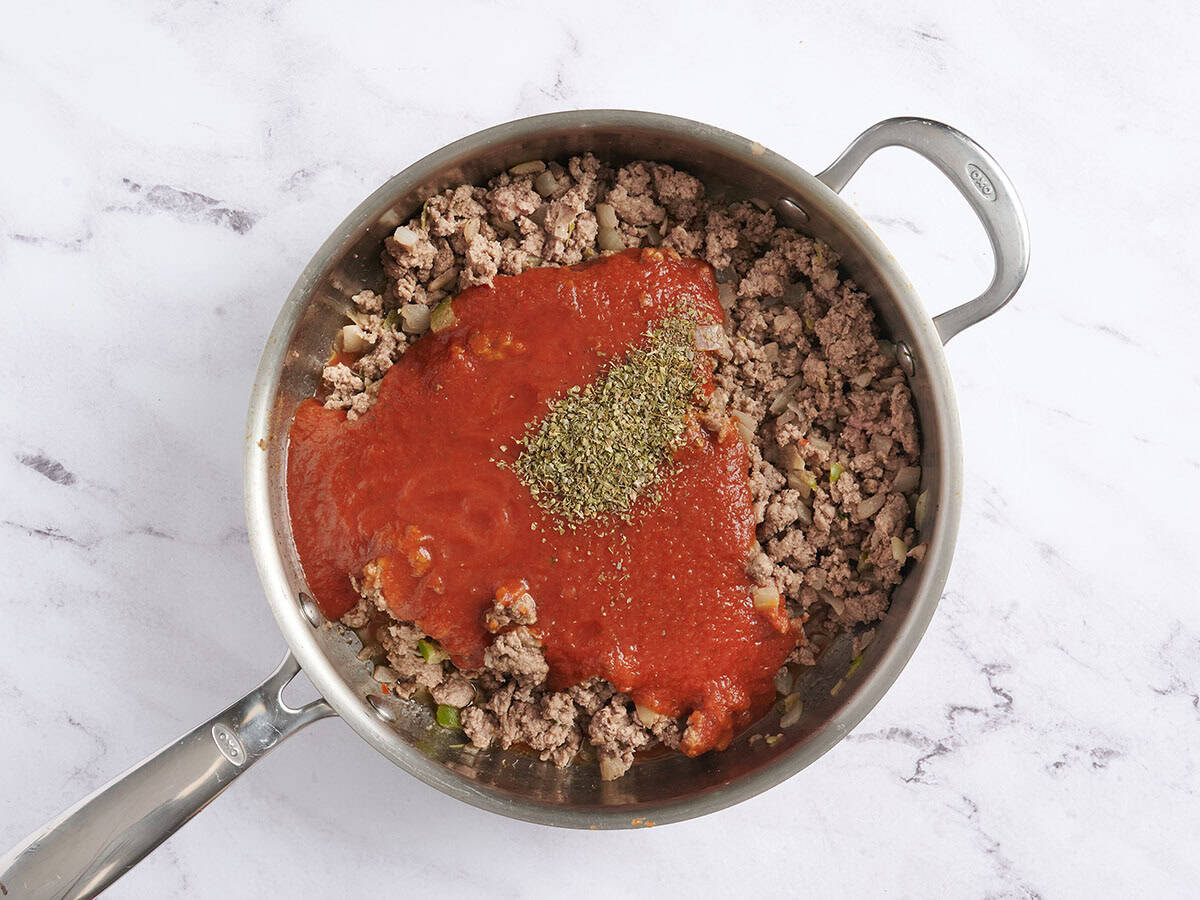
The addition of a 24-ounce container of marinara sauce and half a tablespoon of Italian seasoning marks the transition to the simmering phase. This stage lasts approximately six minutes. The technical goal is reduction; the sauce must reach a viscosity that allows it to "mound" on the muffin halves. A loose or watery sauce is the primary cause of failure in open-faced sandwiches, leading to structural collapse.
Phase 4: Final Assembly and Broiling
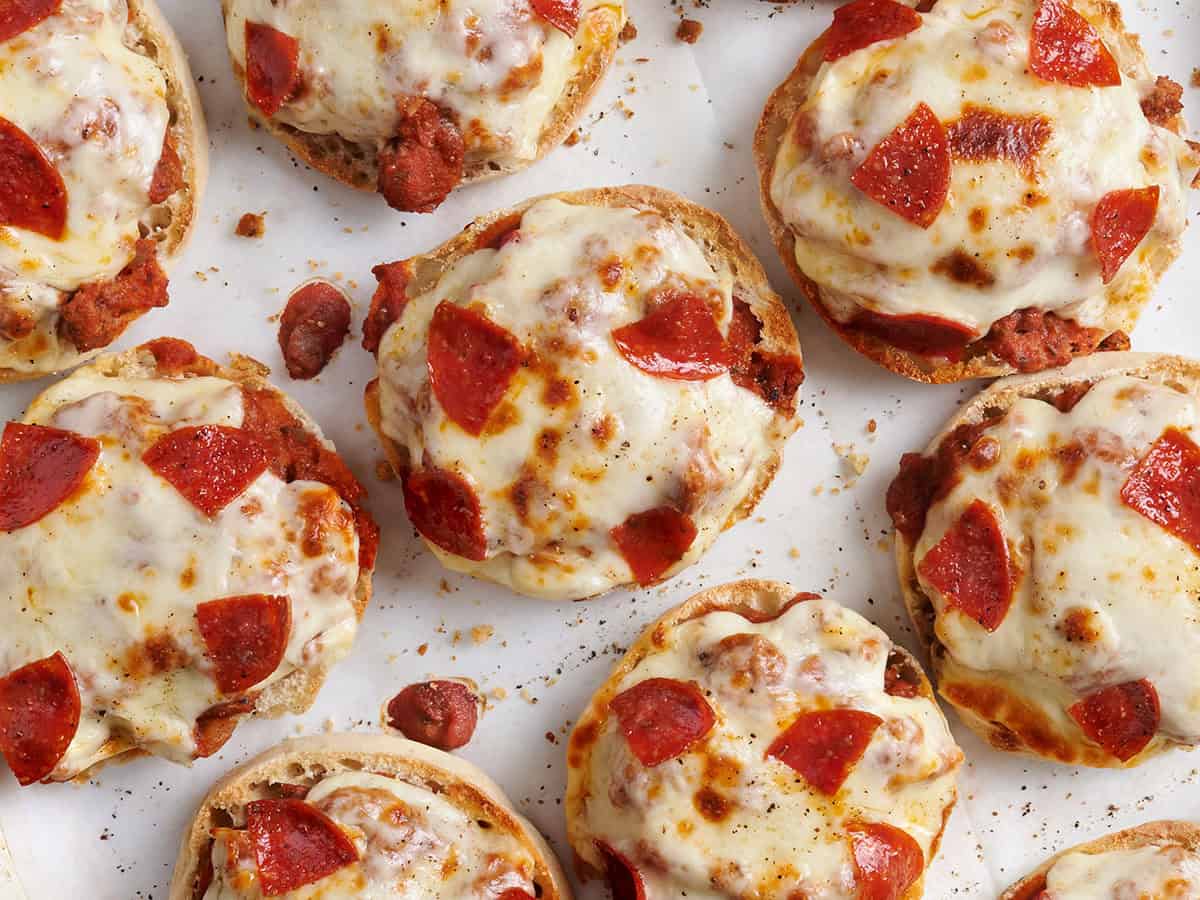
The meat mixture is divided evenly across twelve muffin halves. Each is topped with a slice of mozzarella cheese, often halved and crossed to ensure maximum coverage of the circular surface. Optional pepperoni or other toppings are added at this stage. The final bake takes 8 to 10 minutes, or until the cheese reaches a bubbly state with localized browning, indicative of the Maillard reaction which enhances the savory flavor profile.
Nutritional Profile and Dietary Implications
A standard serving of two pizza burgers provides a substantial nutritional load suitable for an evening meal. According to the automated calculations provided by the Nashville Test Kitchen, one serving contains:
- Calories: 569 kcal
- Protein: 33g (66% of Daily Value)
- Fat: 32g (49% of Daily Value)
- Carbohydrates: 38g (13% of Daily Value)
- Sodium: 1285mg (56% of Daily Value)
- Fiber: 5g (21% of Daily Value)
The high protein content makes the dish particularly satiating, which is a key metric in budget-friendly meal planning as it reduces the likelihood of post-dinner snacking. However, analysts note the sodium content is relatively high, a common characteristic of recipes utilizing processed marinara and cheese. To mitigate this, health-conscious consumers are encouraged to seek out "low-sodium" sauce variants or incorporate more fresh vegetables into the meat mixture.
Adaptability and Supply Chain Resilience
The pizza burger is notable for its high degree of "ingredient substitution resilience." In an era of occasional supply chain disruptions, the ability to swap core components without compromising the final product is a significant advantage.
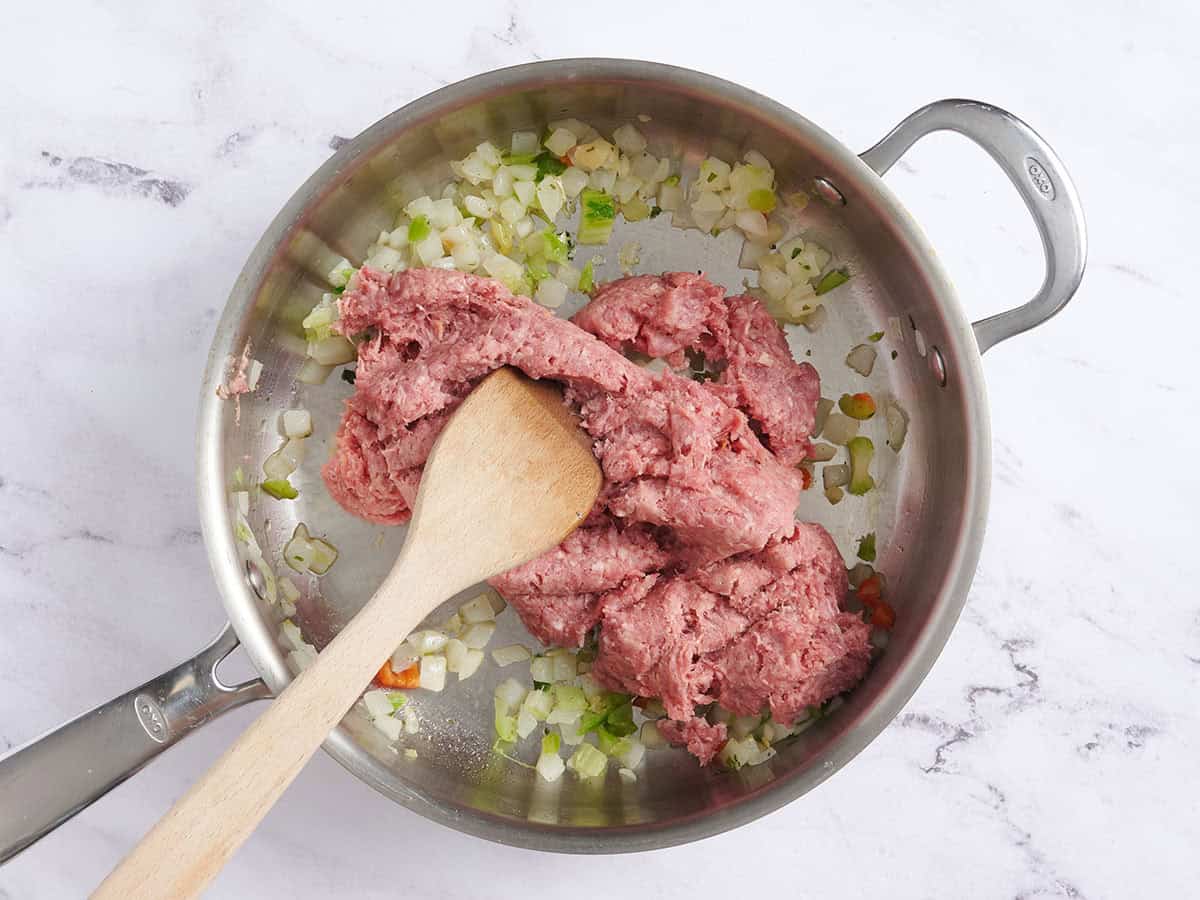
- Protein Substitutions: The recipe is compatible with ground turkey, chicken, or Italian sausage. For the growing demographic of plant-based consumers, the meat can be replaced with textured vegetable protein (TVP) or soy-based crumbles without altering the cooking time significantly.
- Bread Alternatives: While English muffins are preferred for their texture, the recipe can be adapted for French bread, sourdough slices, or traditional hamburger buns, provided the toasting time is adjusted to account for the different sugar and moisture contents of the breads.
- Topping Diversification: To increase the micronutrient density of the meal, the Nashville Test Kitchen suggests the addition of finely chopped spinach, mushrooms, or black olives, which can be stirred directly into the sauce to "hide" vegetables for younger, more selective eaters.
Storage, Preservation, and Food Waste Reduction
The pizza burger represents a highly efficient "batch cooking" candidate. The meat mixture itself is freezer-stable for up to three months. In terms of domestic logistics, this allows a household to prepare the sauce on a weekend and assemble the burgers on demand throughout the week, ensuring a fresh-cooked quality with minimal nightly labor.
For advanced meal prep, the burgers can be fully assembled and flash-frozen on a baking sheet before being transferred to airtight containers. This "ready-to-bake" approach mirrors the convenience of commercial frozen pizzas but at a significantly lower price point and with higher-quality, transparent ingredients. Reheating via an air fryer is recommended by culinary experts to maintain the crispness of the English muffin base.
Broader Impact and Market Implications
The re-emergence of the pizza burger is emblematic of a larger shift in the American food landscape. As the cost of dining out continues to outpace wage growth, the "home-cooked convenience" sector is expanding. Recipes that utilize "budget-friendly shortcuts"—such as pre-cut frozen vegetables and multi-purpose marinara—are bridging the gap between the traditional 90-minute home meal and the 10-minute fast-food transaction.
Market analysts suggest that the success of these recipes on platforms like Budget Bytes indicates a consumer base that is increasingly data-driven. The inclusion of specific cost-per-serving metrics ($1.71) and total recipe costs ($10.27) appeals to the "prosumer" cook who manages the household kitchen with the efficiency of a small business. Furthermore, the simplicity of the dish allows for the involvement of children in the cooking process, serving an educational function that promotes basic culinary literacy.
In conclusion, the pizza burger is more than a nostalgic relic of the American school system; it is a sophisticated solution to modern economic and temporal constraints. By applying professional kitchen techniques—such as moisture control through toasting and cost-saving through protein blending—home cooks can provide high-protein, satisfying meals that respect both their time and their financial boundaries. As food prices continue to be a primary concern for the average citizen, the ability to transform $10 worth of basic ingredients into six hearty servings remains an essential skill in the contemporary domestic repertoire.
