

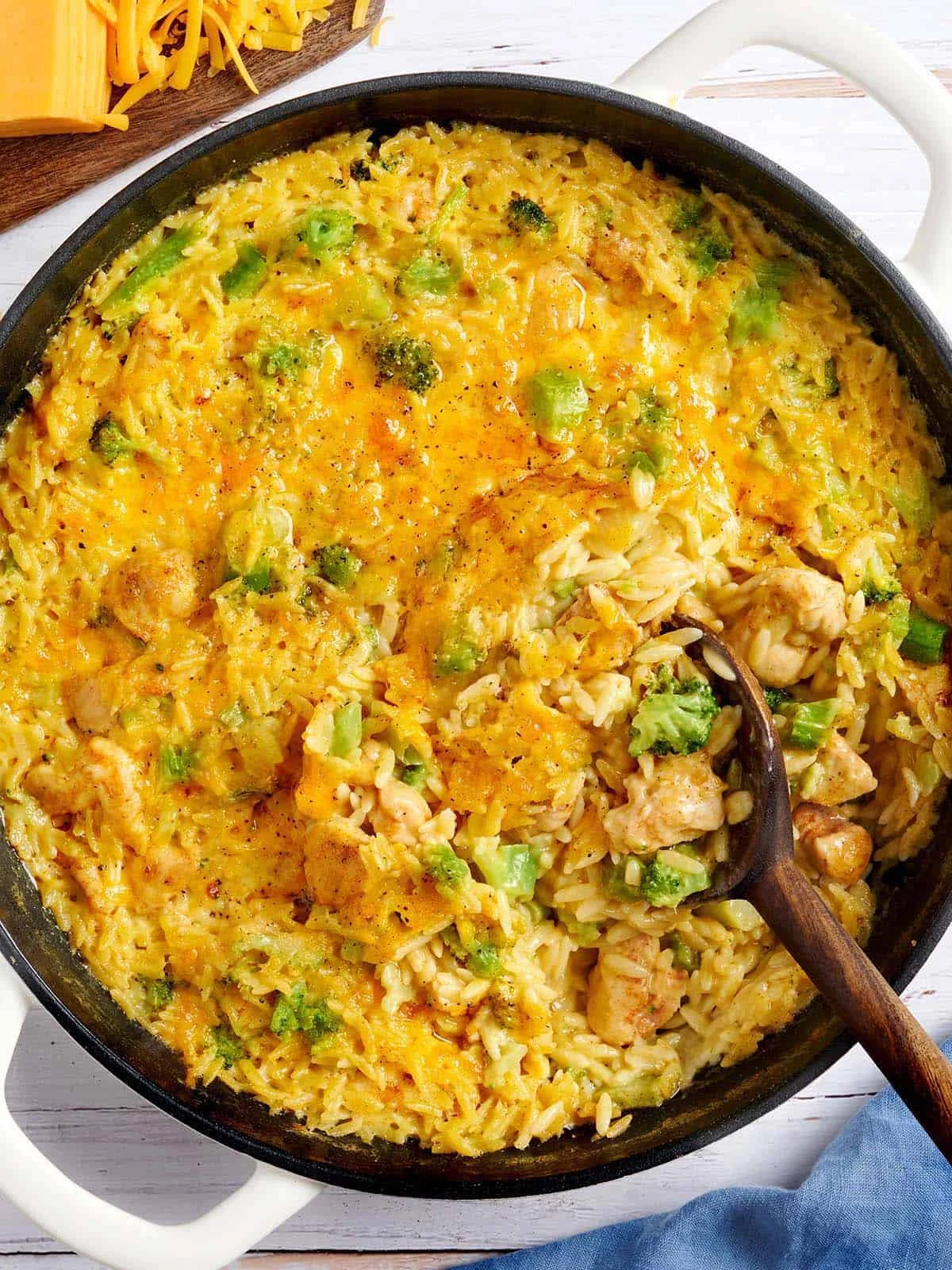
The culinary landscape of 2024 is increasingly defined by the intersection of convenience and fiscal responsibility, as households grapple with fluctuating grocery indices and the persistent demand for time-efficient meal solutions. The One-Pot Chicken and Broccoli Casserole emerges as a prototypical solution for the modern domestic environment, streamlining traditional "comfort food" preparation into a thirty-minute window. Developed and rigorously vetted within the Nashville Test Kitchen by culinary professional Jess Rice, this dish represents a strategic departure from the mid-century reliance on canned condensed soups, opting instead for a dairy-based reduction and the starch-rich properties of orzo pasta to achieve a creamy consistency.
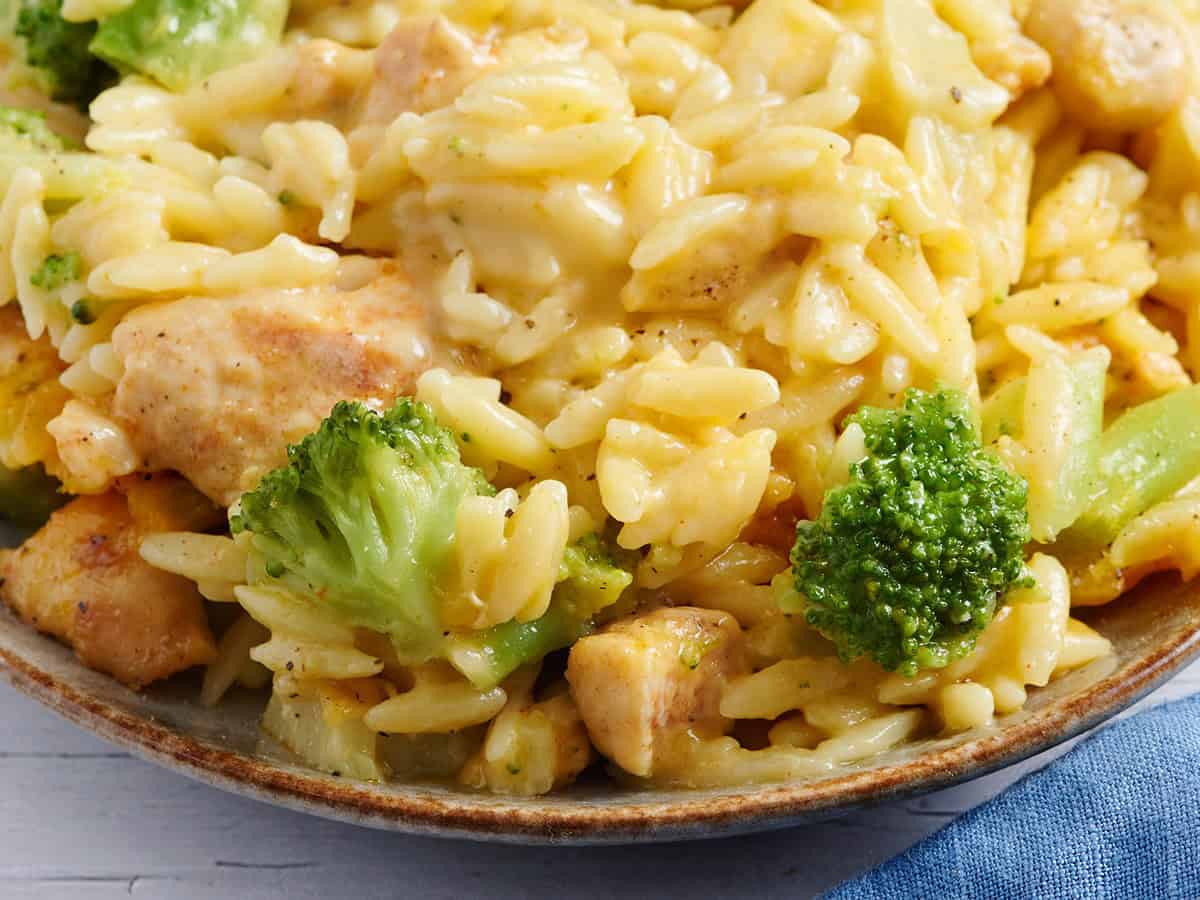
Economic and Nutritional Overview
In an era where food inflation remains a central concern for the average consumer, the fiscal metrics of the One-Pot Chicken and Broccoli Casserole are particularly noteworthy. The recipe is engineered to cost approximately $8.75 in total, which breaks down to an estimated $2.18 per serving. This price point places the meal significantly below the cost of fast-casual dining alternatives, while providing a robust nutritional profile.
From a dietary perspective, the casserole delivers 610 calories per serving, balanced with 43 grams of protein—representing approximately 86% of the recommended daily value for an average adult. The inclusion of three cups of broccoli florets introduces essential fiber and micronutrients, while the use of orzo, a small rice-shaped pasta, provides 52 grams of carbohydrates for sustained energy. However, the dish also contains 1829 mg of sodium, roughly 80% of the daily recommended limit, a factor largely attributed to the use of chicken broth and cheddar cheese, suggesting that consumers monitoring salt intake may need to utilize low-sodium broth alternatives.
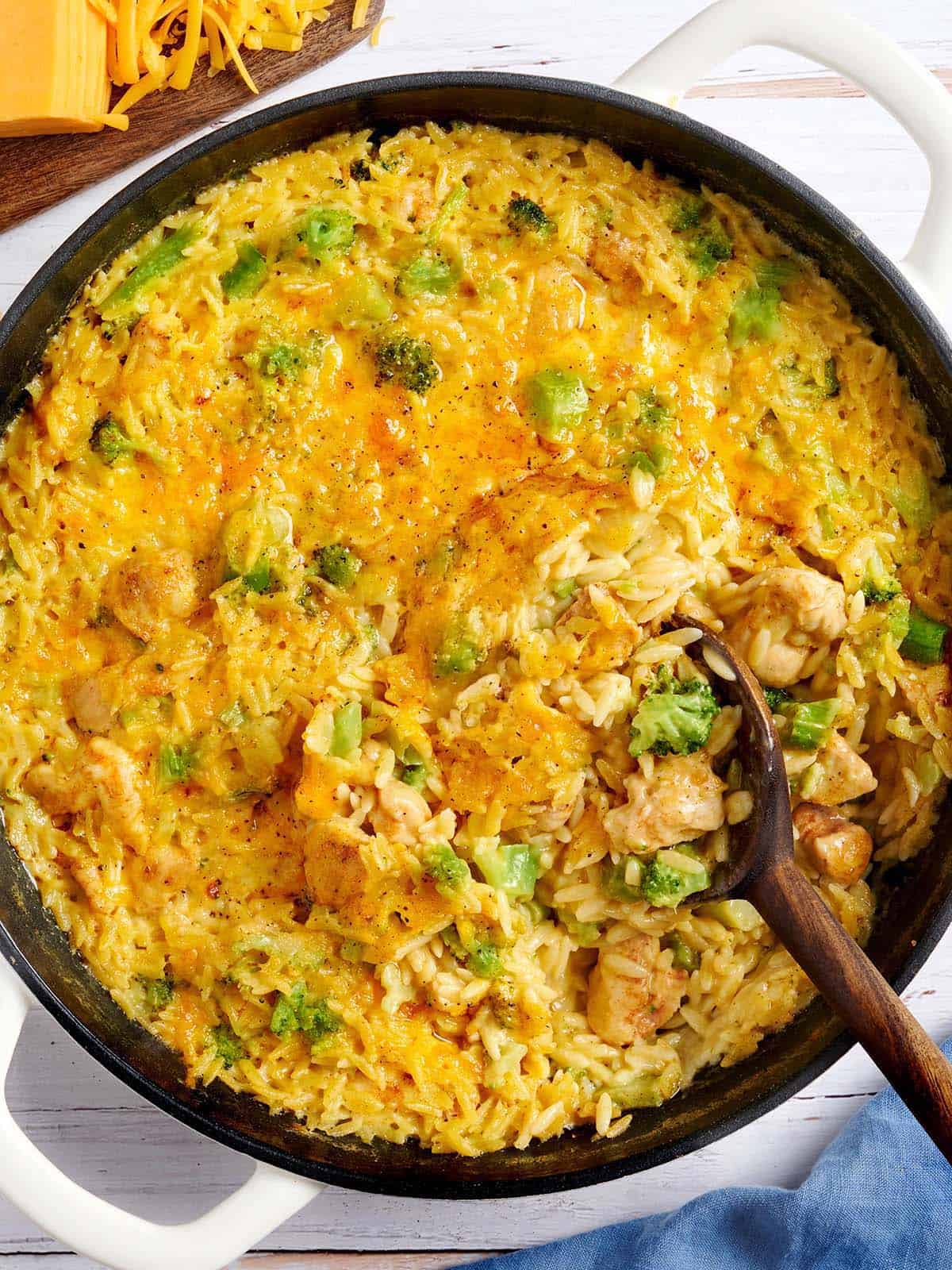
Historical Context and Culinary Innovation
The American casserole, historically known as the "hotdish" in the Midwest, has undergone several iterations since its rise to prominence in the 1950s. While early versions prioritized shelf-stable ingredients like cream of mushroom soup, contemporary culinary trends have shifted toward "one-pot" methodologies that emphasize fresh or frozen whole foods and sophisticated flavor profiles.
The One-Pot Chicken and Broccoli Casserole utilizes orzo pasta as a textural substitute for the more traditional rice. Orzo, a member of the pastina family, offers a quicker cooking time and a higher starch-to-surface-area ratio, which facilitates the thickening of the sauce without the necessity of a flour-based roux. This innovation not only reduces the number of dishes required for preparation but also ensures that the flavors of the seasoned chicken and broth are absorbed directly into the pasta during the simmering process.
The Chronology of Preparation
The development and execution of the recipe follow a precise chronological sequence designed to maximize flavor through the Maillard reaction and proper starch gelatinization.
Phase I: Protein Preparation and Seasoning
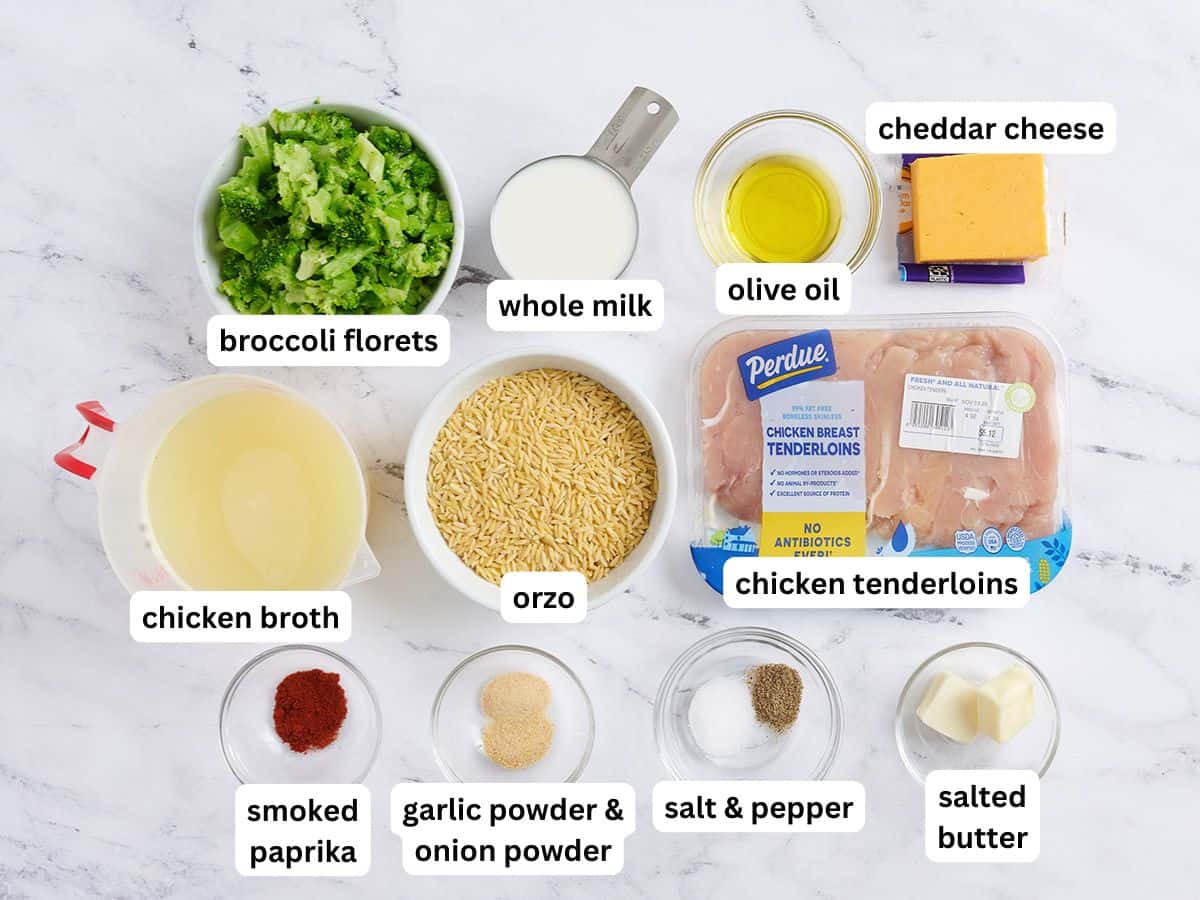
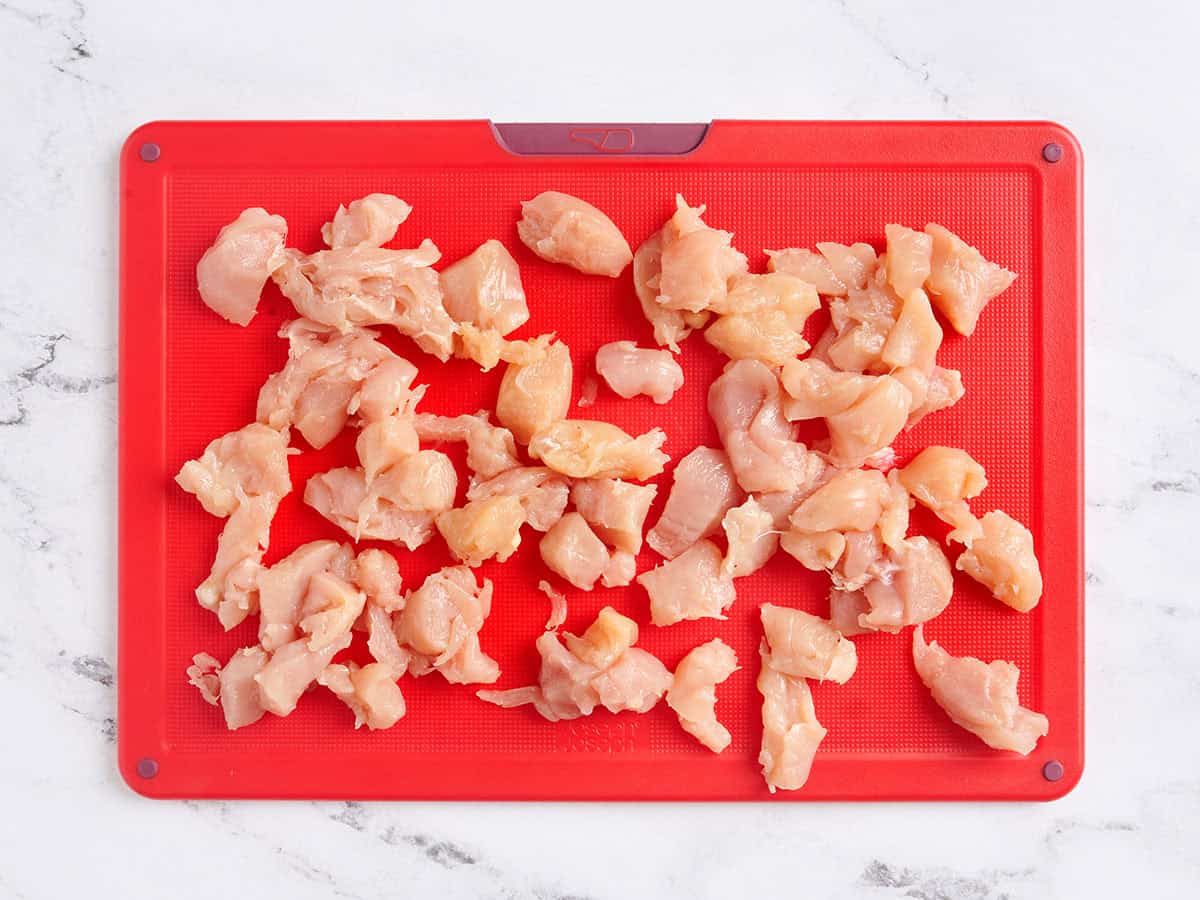
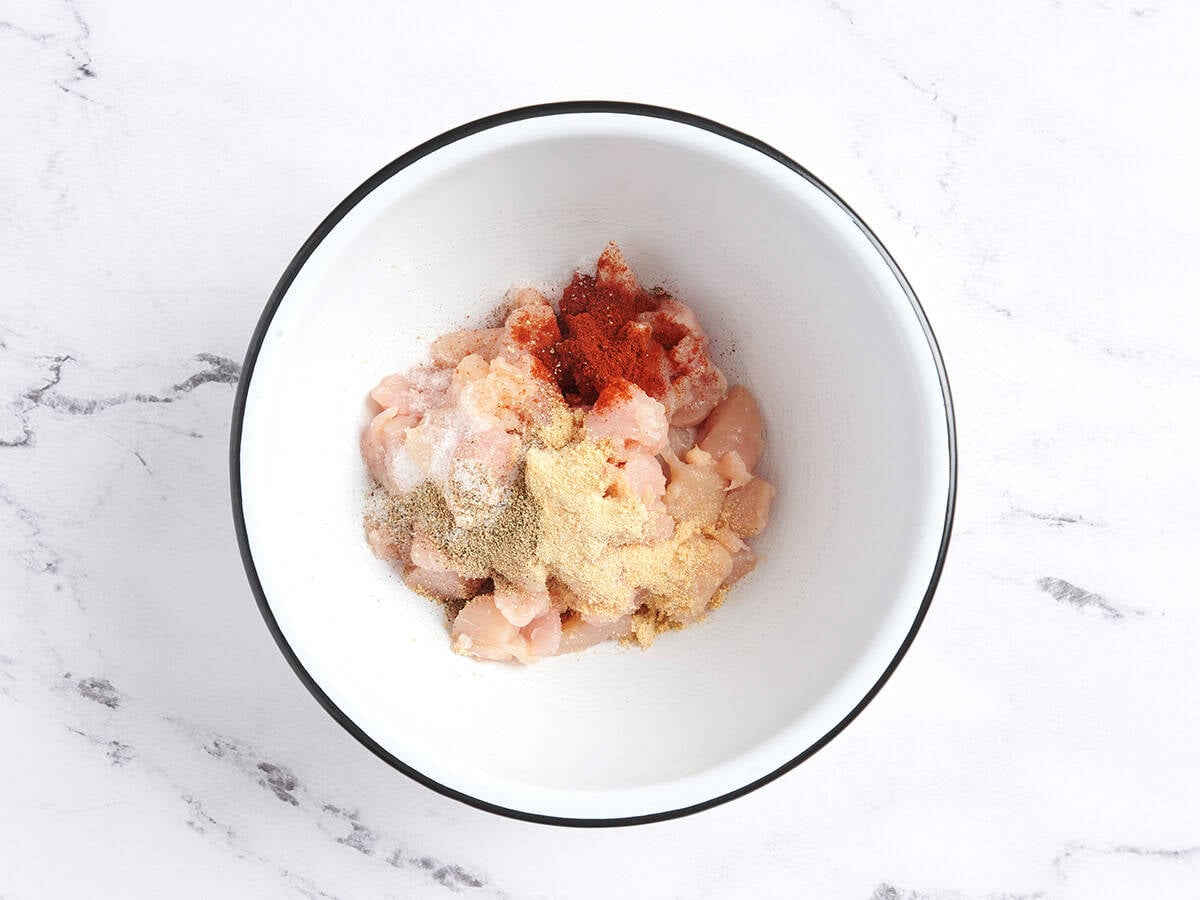
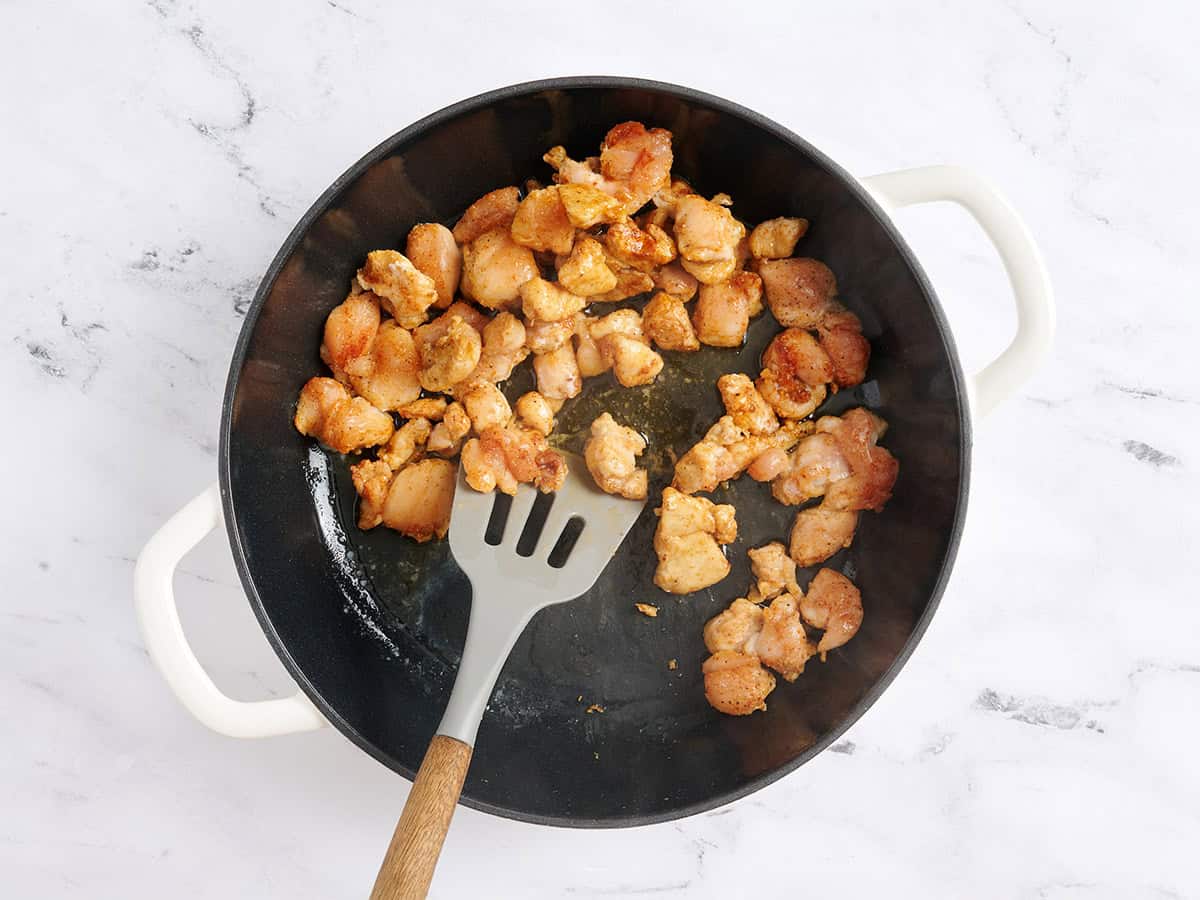
The process begins with the preparation of one pound of chicken, typically breast tenderloins, though boneless thighs are noted as a viable alternative. The meat is diced into one-inch uniform pieces to ensure consistent thermal distribution. The seasoning phase is critical; a blend of garlic powder, onion powder, smoked paprika, salt, and black pepper is applied. This specific combination provides a "warm, smoky" foundation that compensates for the lack of long-term braising.
Phase II: Searing and Deglazing
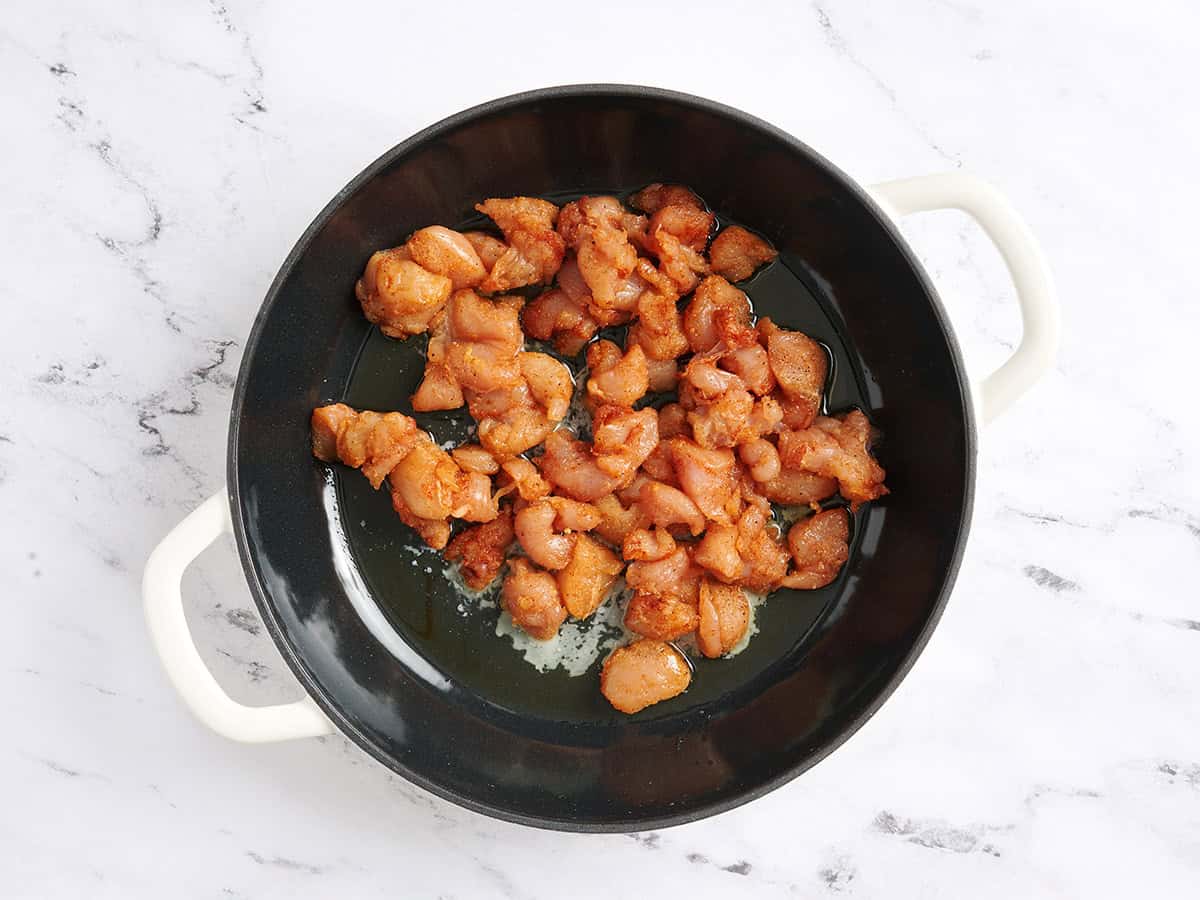
The chicken is introduced to a large, broiler-safe skillet containing a mixture of salted butter and olive oil over medium heat. The dual-fat approach allows for the flavor of butter with the higher smoke point of oil. After approximately twelve to fifteen minutes of cooking, once the chicken reaches an internal temperature of 165°F, the pan is deglazed.
Phase III: The Toasting of Orzo
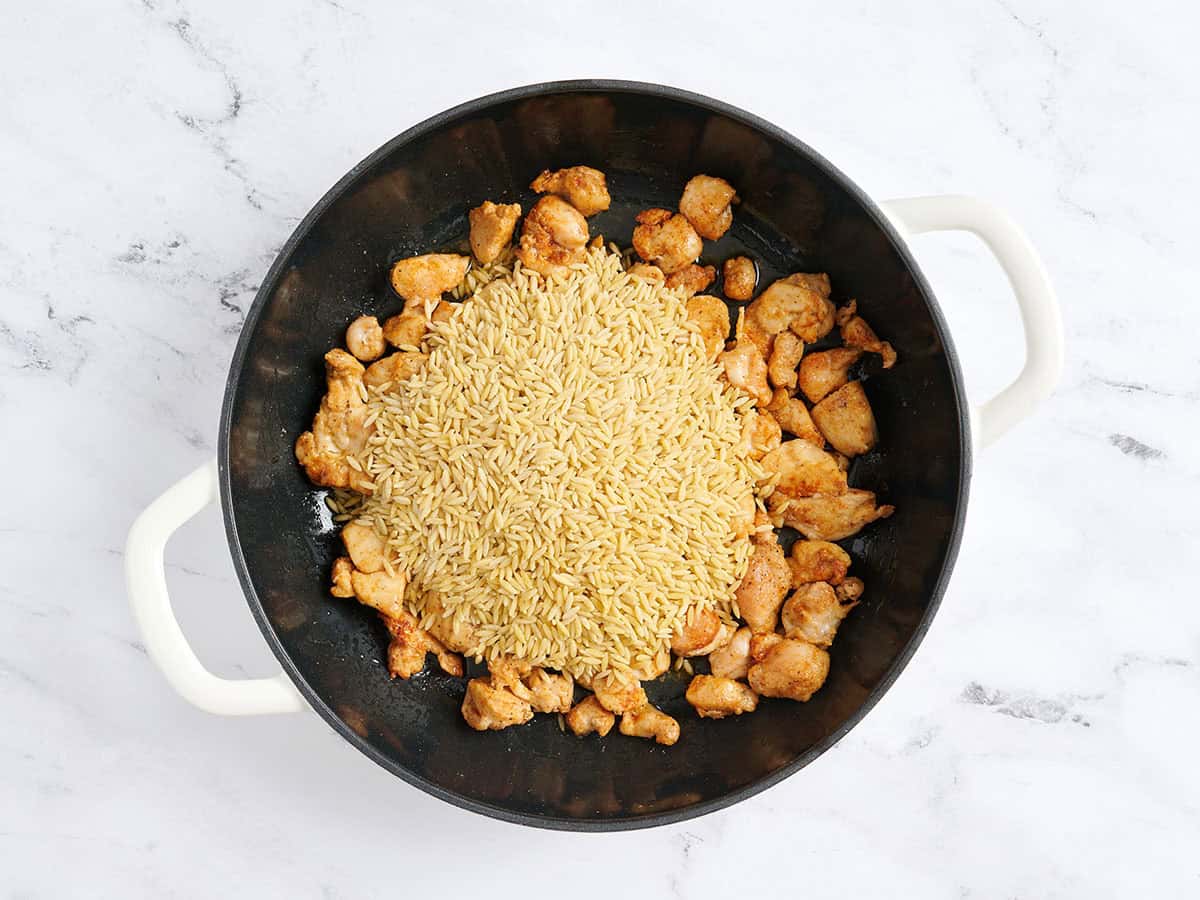
In a step often overlooked in amateur cooking, the dry orzo is added to the pan and toasted for two minutes. This process induces a nutty aroma and creates a protective barrier on the pasta, preventing it from becoming overly mushy during the simmering phase.
Phase IV: Liquid Incorporation and Simmering
Chicken broth—often prepared from concentrates like "Better Than Bouillon" to reduce unit costs—and room-temperature whole milk are added to the skillet. The use of room-temperature dairy is a technical safeguard; cold milk introduced to a hot, acidic environment (from the chicken seasonings) is prone to curdling. The broccoli is added at this stage, allowing it to steam as the orzo absorbs the liquid over an eight-minute simmer.
Phase V: The Double-Cheddar Application and Finishing
The final stage involves a two-part cheese application. Half of the shredded cheddar is stirred into the mixture to emulsify with the remaining liquid, creating a cohesive sauce. The remainder is sprinkled on top. The skillet is then transferred to the broiler for three to five minutes, resulting in a caramelized, bubbling crust that is a hallmark of traditional casserole preparations.
Ingredient Logistics: Frozen vs. Fresh
A significant factor in the recipe’s affordability and accessibility is the strategic use of frozen broccoli. Market data indicates that frozen vegetables are often blanched at the peak of ripeness, preserving nutritional content while offering a lower price-per-ounce than fresh produce. Furthermore, the pre-softened texture of frozen broccoli allows it to integrate seamlessly into a thirty-minute cooking window, whereas fresh broccoli may require additional steaming time to reach the desired tenderness.
The Nashville Test Kitchen’s report highlights that using frozen broccoli is not merely a budget shortcut but a functional choice. The moisture released from the frozen florets contributes to the steam required to cook the orzo, further justifying its inclusion in a one-pot system.
Societal Impact and Accessibility
The mention of rotisserie chicken as a substitute for raw poultry brings to light an important aspect of modern food security and accessibility. The developers note that cold rotisserie chickens are often priced lower than hot ones and may be eligible for the Supplemental Nutrition Assistance Program (SNAP), making this high-protein meal accessible to a broader demographic of low-income households.
Furthermore, the versatility of the recipe—allowing for the substitution of white beans or chickpeas for a vegetarian version—reflects a growing consumer trend toward "flexitarian" dieting. By providing a framework that accommodates various protein sources, the recipe serves as a modular tool for household meal planning rather than a rigid set of instructions.
Storage, Reheating, and Long-term Utility
Practicality extends beyond the initial preparation to the management of leftovers. The orzo and cheese sauce undergo a physical change upon cooling, as the starches continue to set and the fats solidify. For optimal reheating, the Nashville Test Kitchen recommends the addition of a small amount of broth to restore the emulsion’s creamy texture.
While the freezing of pasta-based dishes often results in a degraded texture (syneresis), the One-Pot Chicken and Broccoli Casserole is noted to be freezer-stable for up to two months. This makes it an ideal candidate for "batch cooking" or "meal prepping," strategies that have gained significant traction among working professionals seeking to minimize daily labor.
Broader Implications for the Culinary Industry
The popularity of recipes like the One-Pot Chicken and Broccoli Casserole signals a shift in consumer expectations. There is a diminishing appetite for complex, multi-stage recipes that require extensive cleanup. Instead, the "One-Pot" movement represents a move toward "Integrated Cooking," where every ingredient contributes to the final texture of the sauce and the cooking medium itself.
Professional chefs and recipe developers are increasingly tasked with creating "complete meals"—dishes that contain a protein, a starch, and a vegetable in a single vessel. This trend is likely to continue as domestic life becomes increasingly compressed by professional and social obligations. The success of the Nashville Test Kitchen in producing reliable, affordable, and nutrient-dense recipes provides a blueprint for the future of home-cooking education, emphasizing that quality dining is not contingent upon expensive equipment or exhaustive time commitments, but rather upon strategic ingredient selection and sound culinary technique.
