

The current seasonal abundance of eggplant is a result of specific climatic conditions required for the crop’s development. Eggplants are heat-loving perennials usually grown as annuals in temperate climates, requiring soil temperatures of at least 70°F (21°C) for optimal growth. Agricultural data suggests that when these conditions are met, the resulting harvest provides a vegetable that is not only cost-effective but also structurally robust enough to withstand a variety of cooking techniques, including roasting, mashing, breading, and layering.
The Economic and Agricultural Significance of the Late Summer Harvest
Market analysis indicates that eggplant prices typically stabilize at their lowest annual points during the August and September windows. This price drop is attributed to the synchronized ripening of several varieties, including the common Globe (American) eggplant, the slender Italian variety, and the elongated Japanese and Chinese cultivars. For households operating on strict budgets, the "per-pound" value of eggplant during this season offers a significant advantage over greenhouse-grown produce available in the winter months.
Furthermore, the eggplant serves as a strategic "extender" in professional and home kitchens. Its porous flesh acts as a conduit for flavors, while its dense texture allows it to serve as a high-fiber substitute for more expensive proteins. In several of the following culinary applications, a minimal amount of animal protein—such as ground beef or eggs—is combined with large volumes of eggplant to produce nutrient-dense meals that lower the overall cost per serving.
A Chronology of the Eggplant Season: From Planting to Plate
The journey of the eggplant to the late summer table begins in the early spring, typically indoors or in controlled environments, as the seeds require significant warmth to germinate.
- Early Spring (March–April): Seeding begins in nurseries.
- Late Spring (May–June): Seedlings are transplanted to fields once the danger of frost has passed and soil temperatures have stabilized.
- Midsummer (July): The first small fruits appear; early-harvest varieties may hit boutique markets.
- Late Summer (August–September): Peak harvest occurs. This is the period of maximum availability and lowest consumer cost.
- Early Autumn (October): The harvest concludes with the first frost, leading to a rise in prices as supply shifts to imported or greenhouse-grown stock.
Technical Culinary Applications: 12 Strategic Recipes
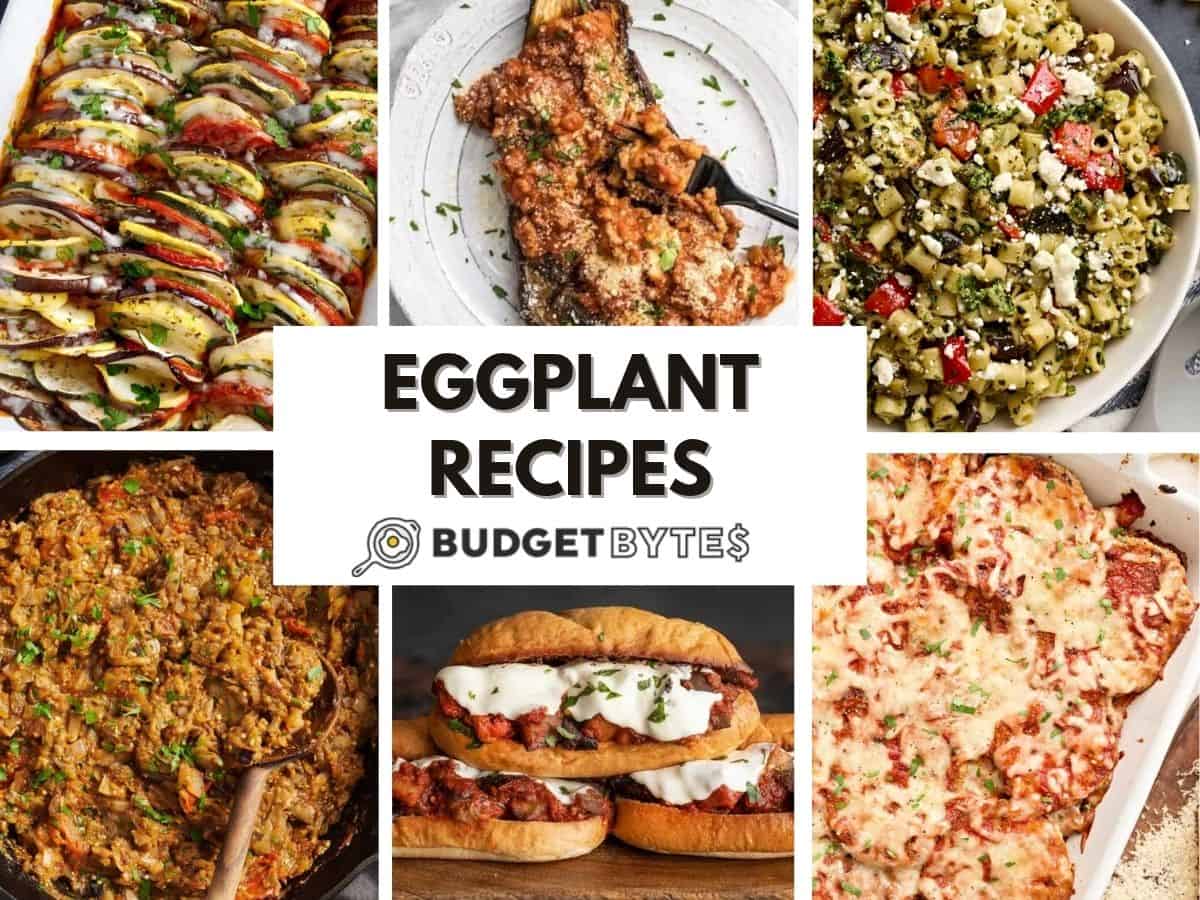
To maximize the utility of the current harvest, culinary experts have identified 12 distinct methods for preparing eggplant, ranging from traditional European stews to modern fusion stir-fries. Each method leverages the vegetable’s unique cellular structure to achieve specific textures.
The Mediterranean Influence: Ratatouille and Its Variations
Ratatouille, a rustic vegetable medley originating from Provence in southern France, remains one of the most efficient ways to process a summer bumper crop. Traditionally, the dish involves stewing eggplant with zucchini, tomatoes, and peppers.
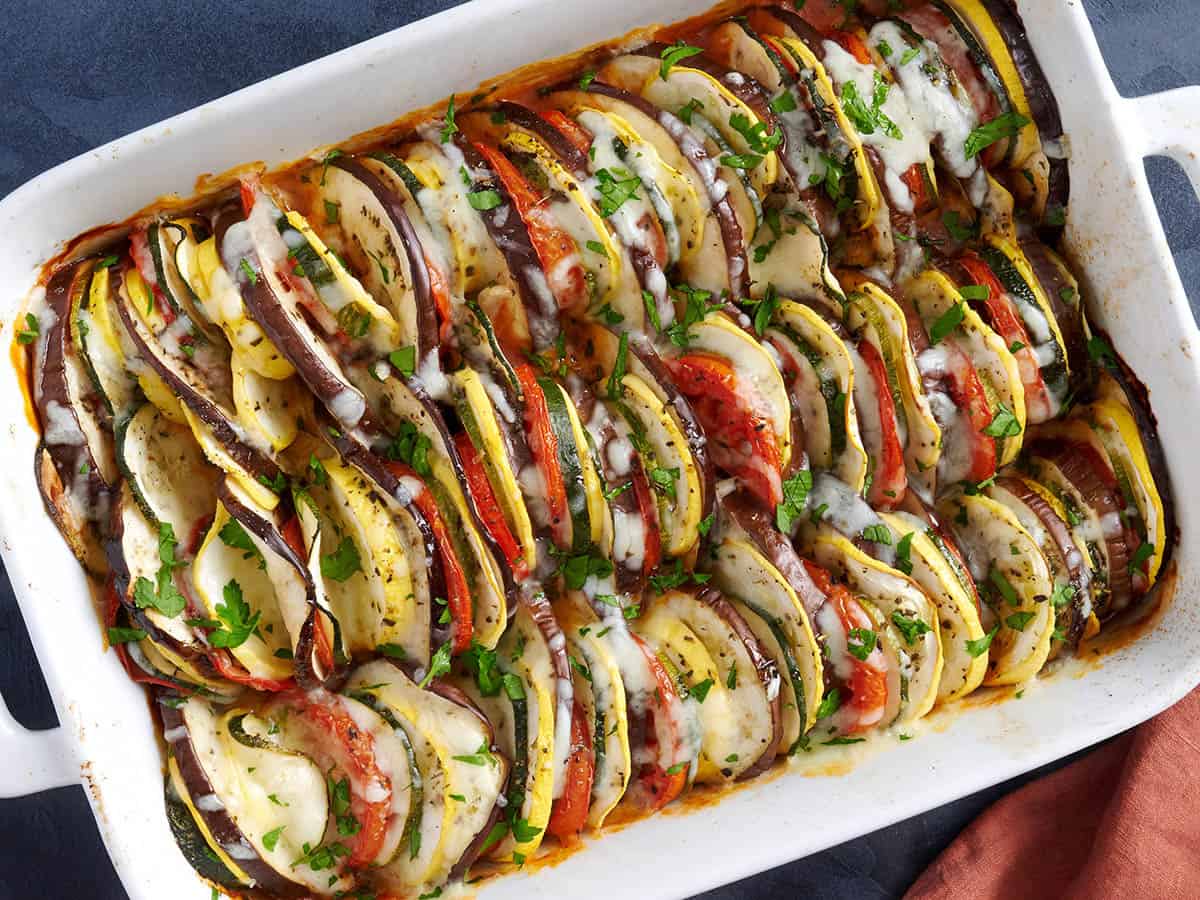
1. Homemade Oven-Roasted Ratatouille: A modern interpretation of the classic involves layering thin slices of eggplant, zucchini, yellow squash, and tomatoes over a base of marinara sauce. This "tian" style preparation, baked until the vegetables are tender and topped with cheese, provides a structured alternative to the traditional chunky stew. At an estimated cost of $0.88 per serving, it represents a high-value side dish.
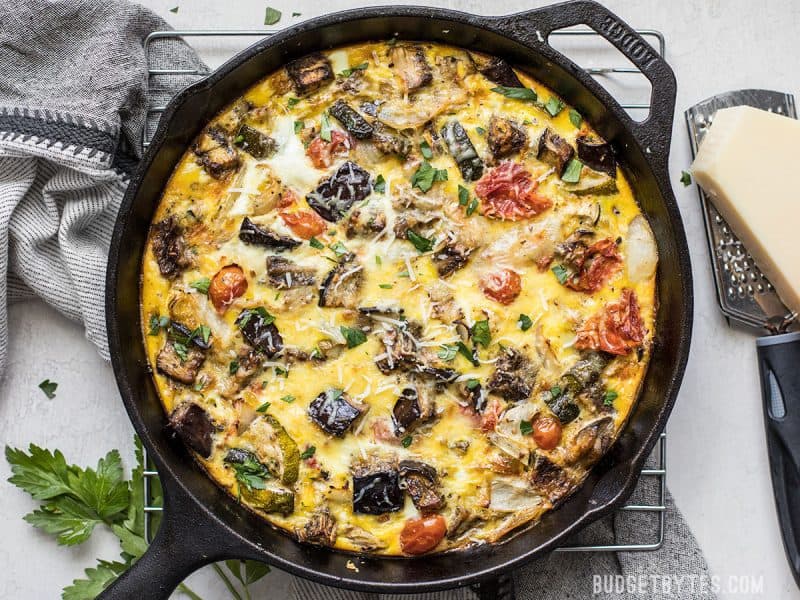
2. Ratatouille Frittata: This application utilizes the egg as a low-cost protein binder for the eggplant and its seasonal counterparts. By incorporating sautéed eggplant into a frittata, cooks can stretch six eggs into eight servings, providing a nutrient-dense option for any meal of the day.
Hearty Mains and Protein Substitutions
Eggplant’s ability to mimic the "mouthfeel" of meat makes it a staple in budget-conscious main courses.
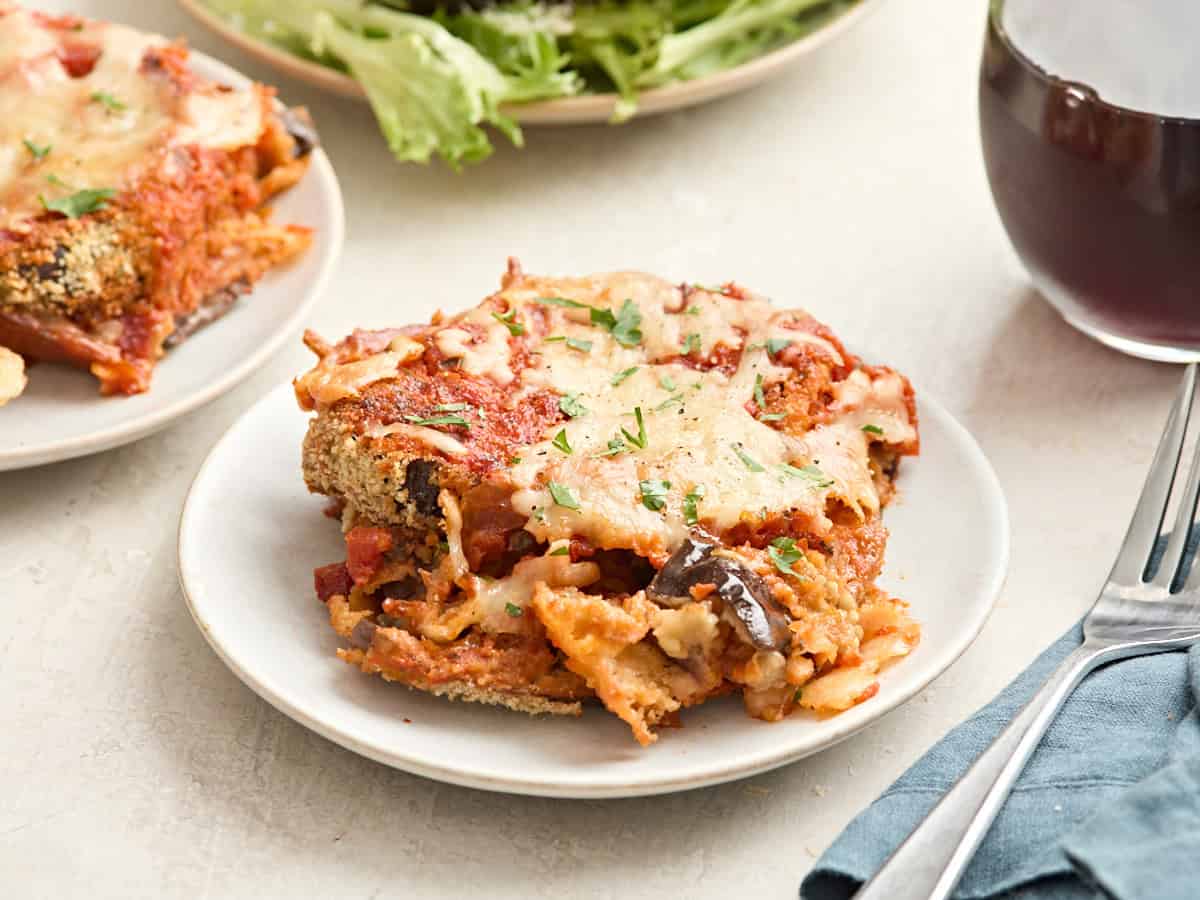
3. Baked Eggplant Parmesan: A departure from the labor-intensive and oil-heavy fried version, baking breaded eggplant slices reduces fat content and preparation time. When layered with mozzarella and marinara, the eggplant provides a structural integrity similar to veal or chicken cutlets.
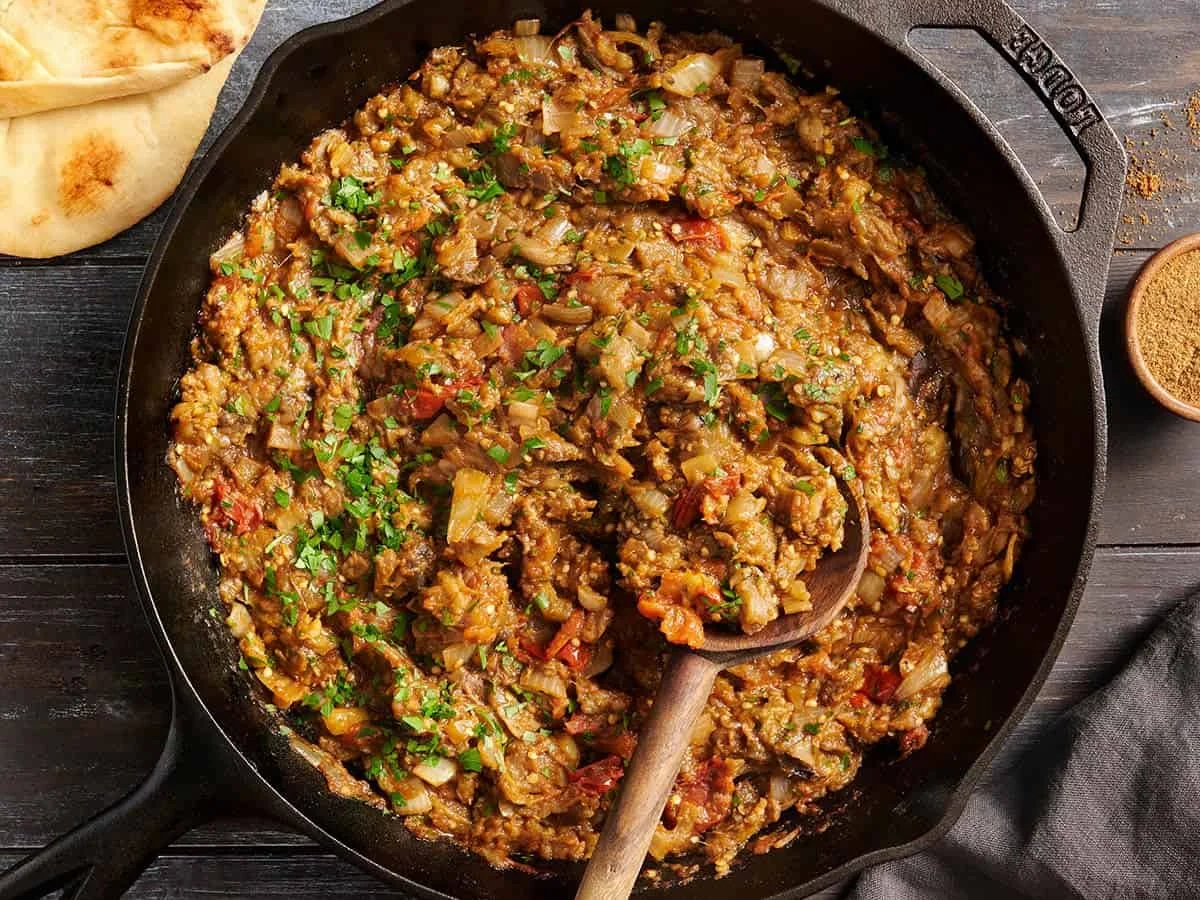
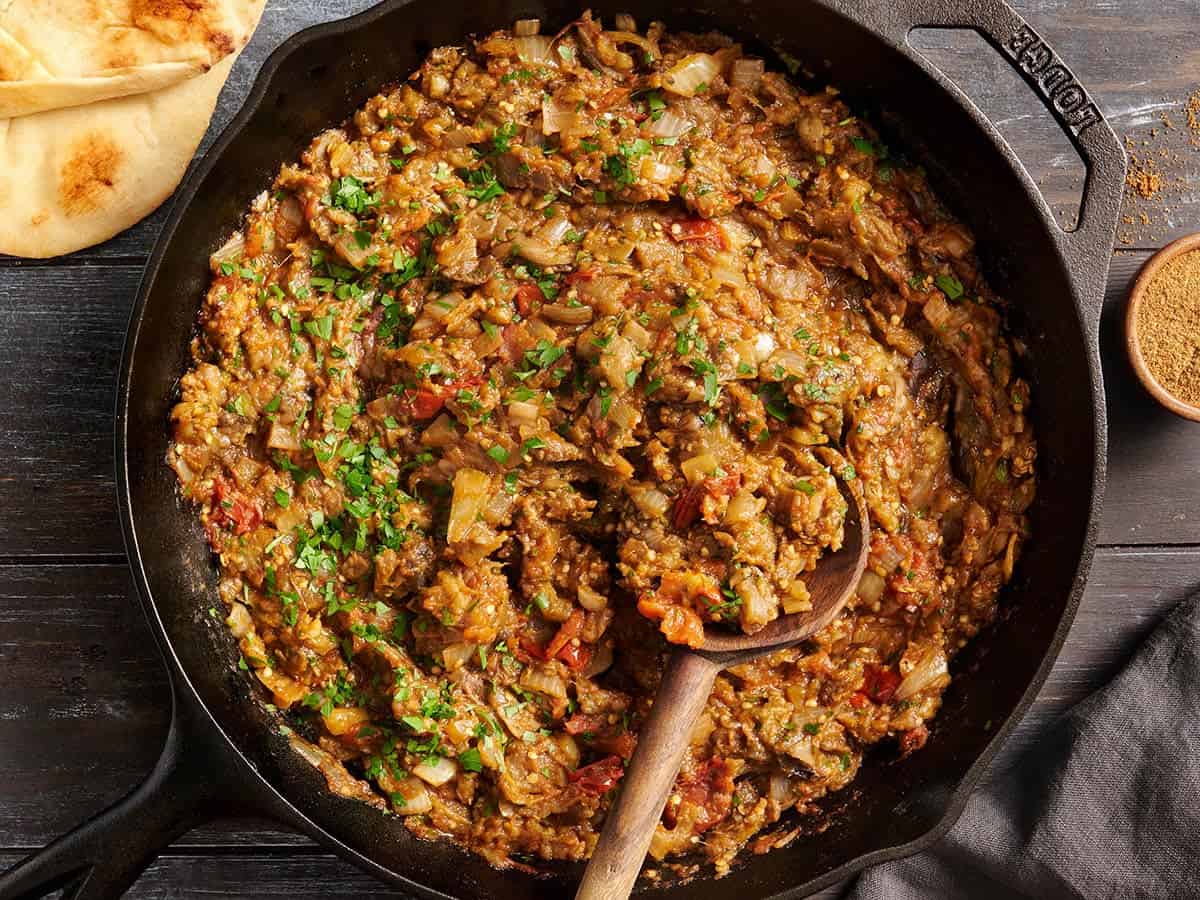
4. Eggplant Curry (Baingan Bharta Style): Inspired by South Asian culinary traditions, this recipe involves roasting the eggplant until the skin is charred and the interior is smoky and soft. The flesh is then mashed with ginger, garlic, and red curry paste. This preparation is particularly noted for its flavor development over time, making it an ideal candidate for meal prep.
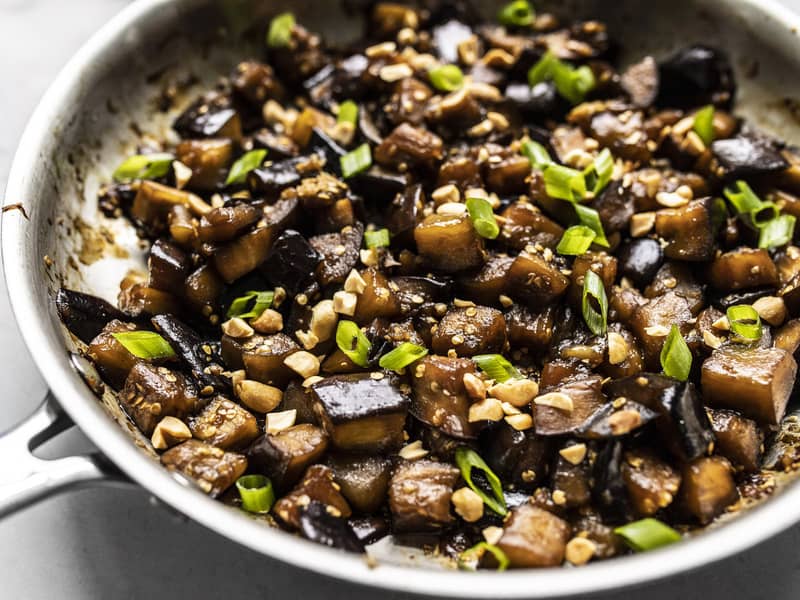
5. Soy Glazed Eggplant Stir-Fry: Utilizing the high-heat capabilities of the wok or skillet, this 20-minute dish pairs eggplant with a sweet and savory garlic-soy glaze. The use of fresh ginger and peanuts adds textural contrast and aromatic depth to the soft eggplant.
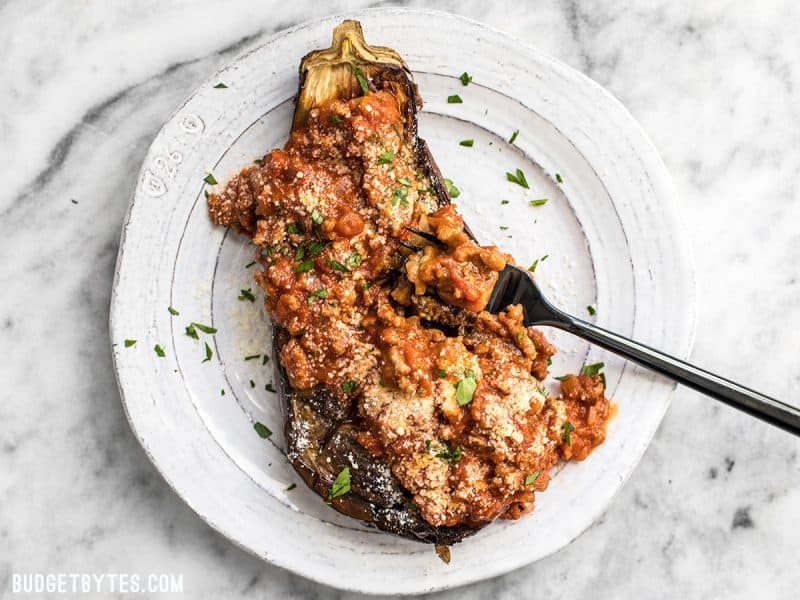
6. Roasted Eggplant with Meat Sauce: In a demonstration of economic efficiency, this recipe uses two whole eggplants to extend just a half-pound of ground beef. By roasting the eggplant halves cut-side down, the vegetable steams in its own moisture, creating a creamy base for the meat sauce.
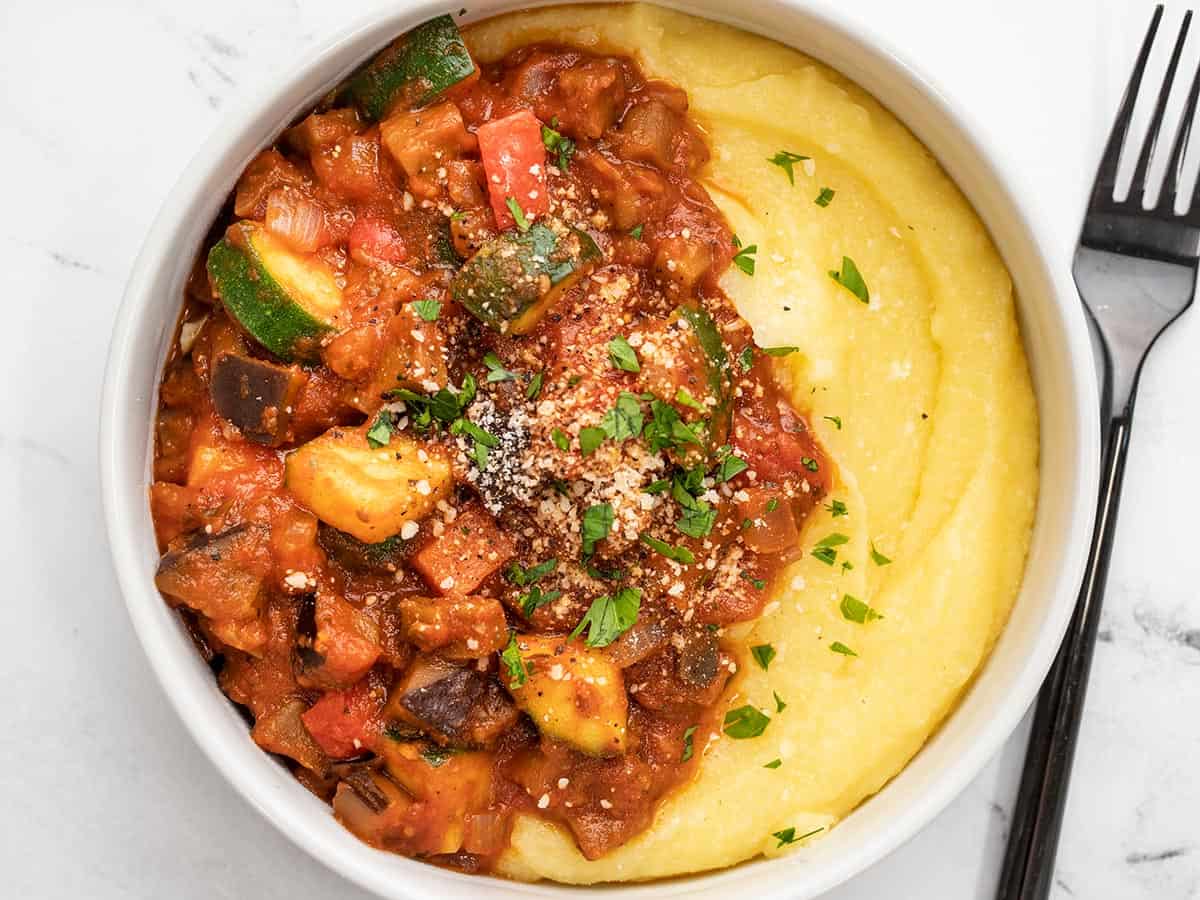
7. Summer Vegetables in Red Sauce over Polenta: This dish focuses on the chronological addition of vegetables—eggplant, peppers, and zucchini—to ensure each reaches the desired tenderness without becoming mushy. Serving the mixture over Parmesan polenta provides a high-calorie, low-cost foundation.
Innovations in Pasta and Salads
The integration of eggplant into pasta dishes allows for a diverse range of temperatures and textures.
8. Pasta with Savory Eggplant Sauce: This preparation utilizes anchovy paste as a "secret" umami booster. When eggplant is diced into half-inch cubes and simmered in tomato sauce, it breaks down into a silky consistency that coats the pasta, providing a rich flavor profile without the need for expensive cream or meats.
9. Ditalini Pesto Pasta Salad: For outdoor gatherings and cookouts, roasted eggplant cubes provide a hearty element to cold pasta salads. When combined with ditalini pasta, feta cheese, and pesto, the eggplant absorbs the herbaceous oils, maintaining its flavor even after refrigeration.
Appetizers and Portable Lunches
Eggplant’s versatility extends to dips and handheld meals, which are essential for social dining and professional lunches.
10. Traditional Baba Ganoush: This Middle Eastern staple requires roasting the eggplant until the skin wrinkles and the flesh collapses. When blended with tahini, lemon juice, and garlic, it creates a nutrient-dense dip that serves as a high-fiber alternative to traditional chickpea-based hummus.
11. Eggplant Mozzarella Sandwiches: By sautéing eggplant in a savory sauce and pairing it with melted mozzarella on garlic-butter toasted rolls, chefs can create a vegetarian sandwich that rivals the classic meatball sub in terms of satisfaction and flavor density.
12. Oven-Roasted Greek Stuffed Pitas: This "sheet-pan" approach involves roasting chicken, eggplant, and red onions in a lemon-garlic marinade. The resulting mixture is stuffed into pita pockets, providing a portable, balanced meal that incorporates several food groups into a single serving.
Nutritional Profile and Health Implications
From a clinical nutrition perspective, the eggplant is a significant source of dietary fiber, copper, manganese, and B-vitamins. However, its most notable attribute is the presence of anthocyanins, specifically nasunin, found in the purple skin. Nasunin is a potent antioxidant and free radical scavenger that has been shown to protect cell membranes, particularly in brain cells.
The vegetable’s low glycemic index makes it an ideal dietary component for individuals managing blood sugar levels. Furthermore, because eggplant is roughly 92% water, it contributes to hydration while providing a sense of fullness, aiding in weight management efforts.
Broader Impact and Culinary Sustainability
The promotion of eggplant during the late summer harvest aligns with broader movements toward sustainable and plant-forward eating. By focusing on "bumper crops"—produce that is in such high supply that it risks going to waste—consumers can help stabilize local agricultural economies.
Expert analysis suggests that as global food prices remain volatile, the ability to transform inexpensive, seasonal vegetables into diverse, gourmet-quality meals is a critical skill for modern food security. The transition from meat-centric diets to those that utilize eggplant as a primary "meaty" component reduces the carbon footprint associated with meal production, as the environmental cost of growing eggplant is significantly lower than that of raising livestock.
In conclusion, the late summer window offers a unique opportunity to explore the culinary depth of the eggplant. Whether through the smoky lenses of a South Asian curry or the structured layers of a French ratatouille, this vegetable provides a robust, affordable, and healthy solution for the seasonal kitchen. As the harvest peaks, these 12 recipes serve as a technical guide to ensuring that not a single eggplant goes to waste during its most prolific time of year.
