

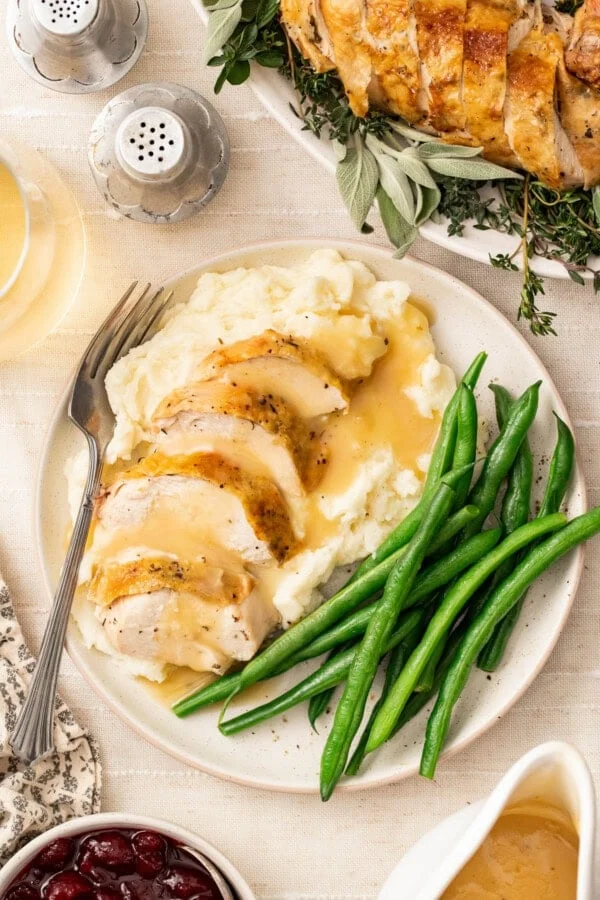
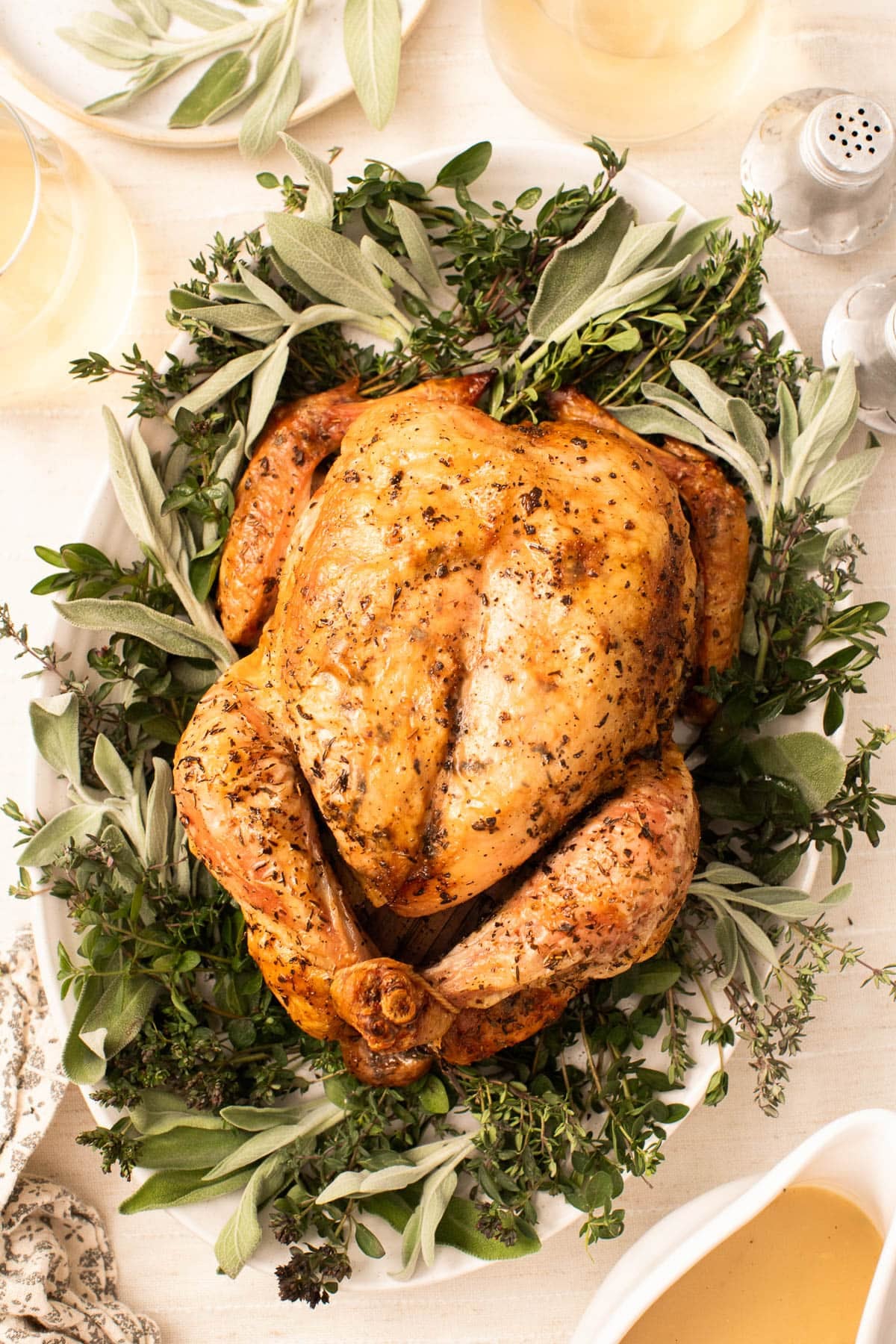
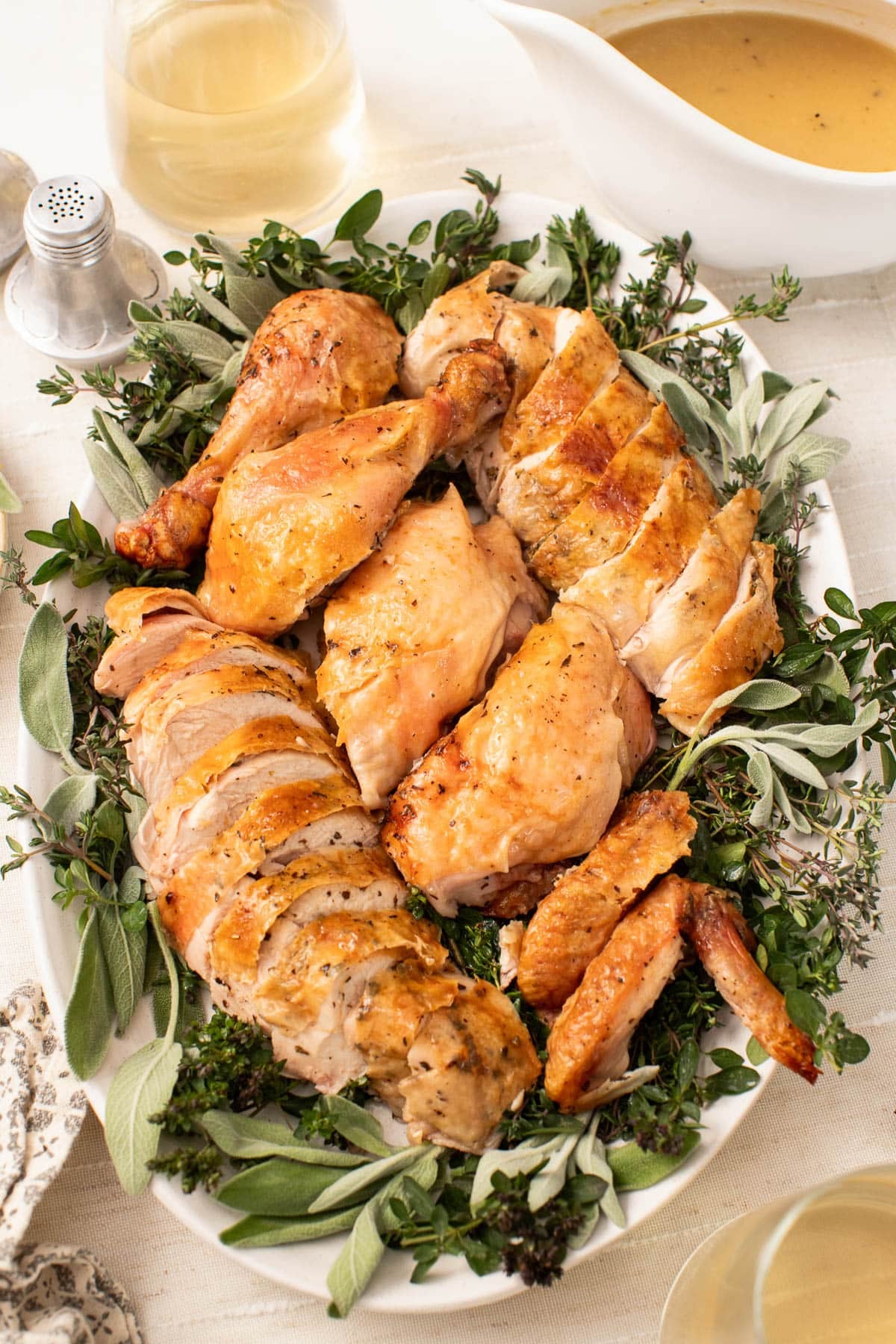
This Thanksgiving Roasted Chicken with Homemade Gravy presents a compelling alternative for holiday hosts seeking a flavorful, efficient, and perfectly portioned centerpiece for their festive tables. Renowned for its juicy meat, crispy golden skin, and rich, homemade gravy, the dish addresses the evolving dynamics of modern holiday gatherings, offering the cherished flavors of a traditional Thanksgiving meal without the extensive preparation associated with a large turkey. The recipe, which emphasizes a simple dry brine, promises a moist interior and a desirable crisp exterior, culminating in a culinary experience that satisfies the desire for classic holiday tastes in a more streamlined format.
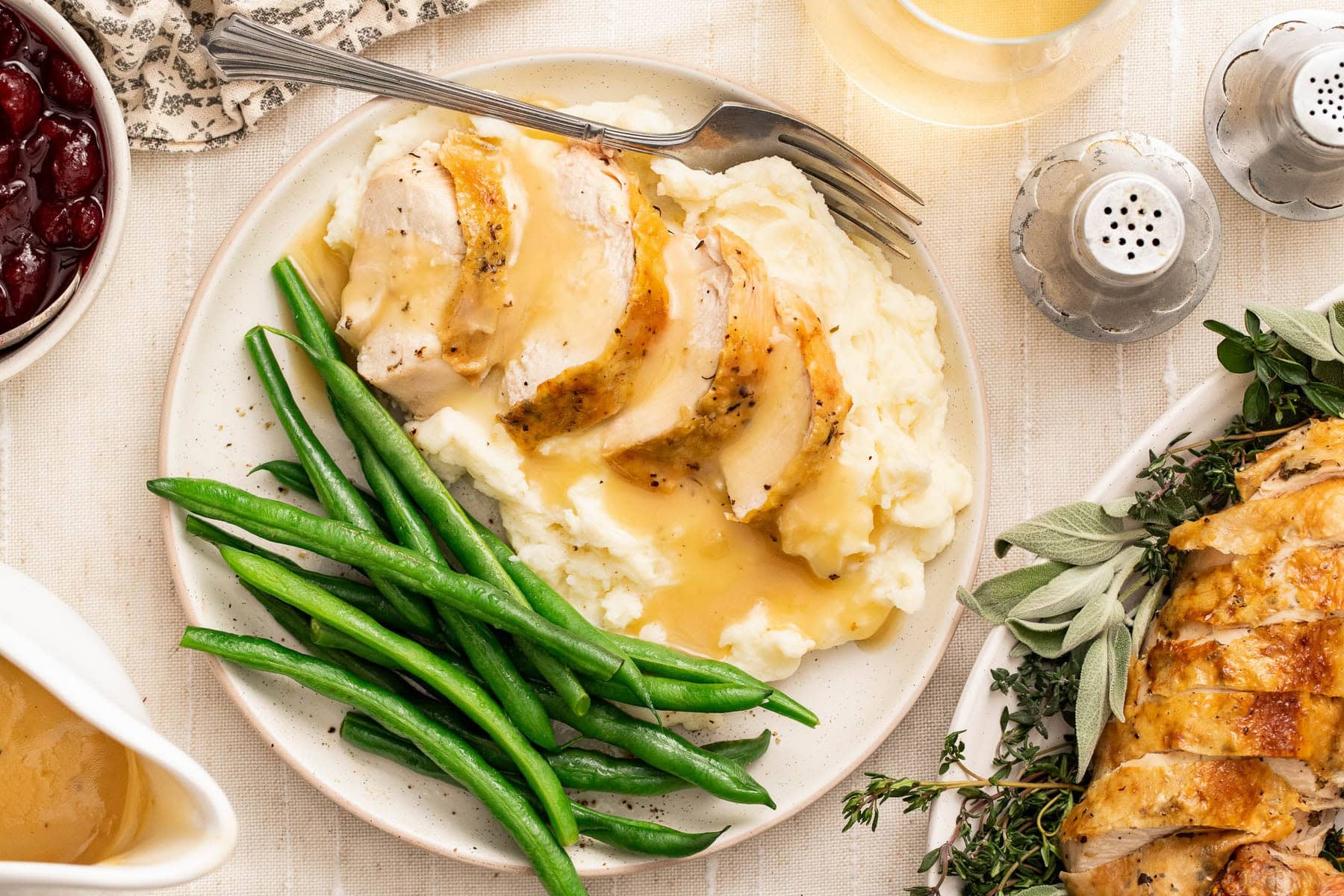
Evolving Holiday Traditions: The Shift from Turkey Dominance
For generations, the roasted turkey has been the undisputed star of the American Thanksgiving table, a symbol of abundance and tradition. However, contemporary lifestyles and demographic shifts are increasingly influencing holiday dining preferences. Data from recent culinary surveys and food industry analyses suggest a growing trend towards smaller, more intimate gatherings, particularly in urban areas or among younger families. The traditional large family reunion, while still cherished, is now often complemented by or replaced with more modest celebrations. This shift has naturally led many hosts to reconsider the practicality of preparing a massive turkey, which can often result in significant leftovers for smaller groups or prove challenging for less experienced cooks. Culinary experts observe that while the sentiment of Thanksgiving remains rooted in gratitude and togetherness, the practical execution of the meal is becoming more adaptable. The focus is shifting towards dishes that offer equivalent celebratory appeal but with reduced logistical complexity and preparation time.
The Allure of Chicken: Flavor, Efficiency, and Culinary Craft
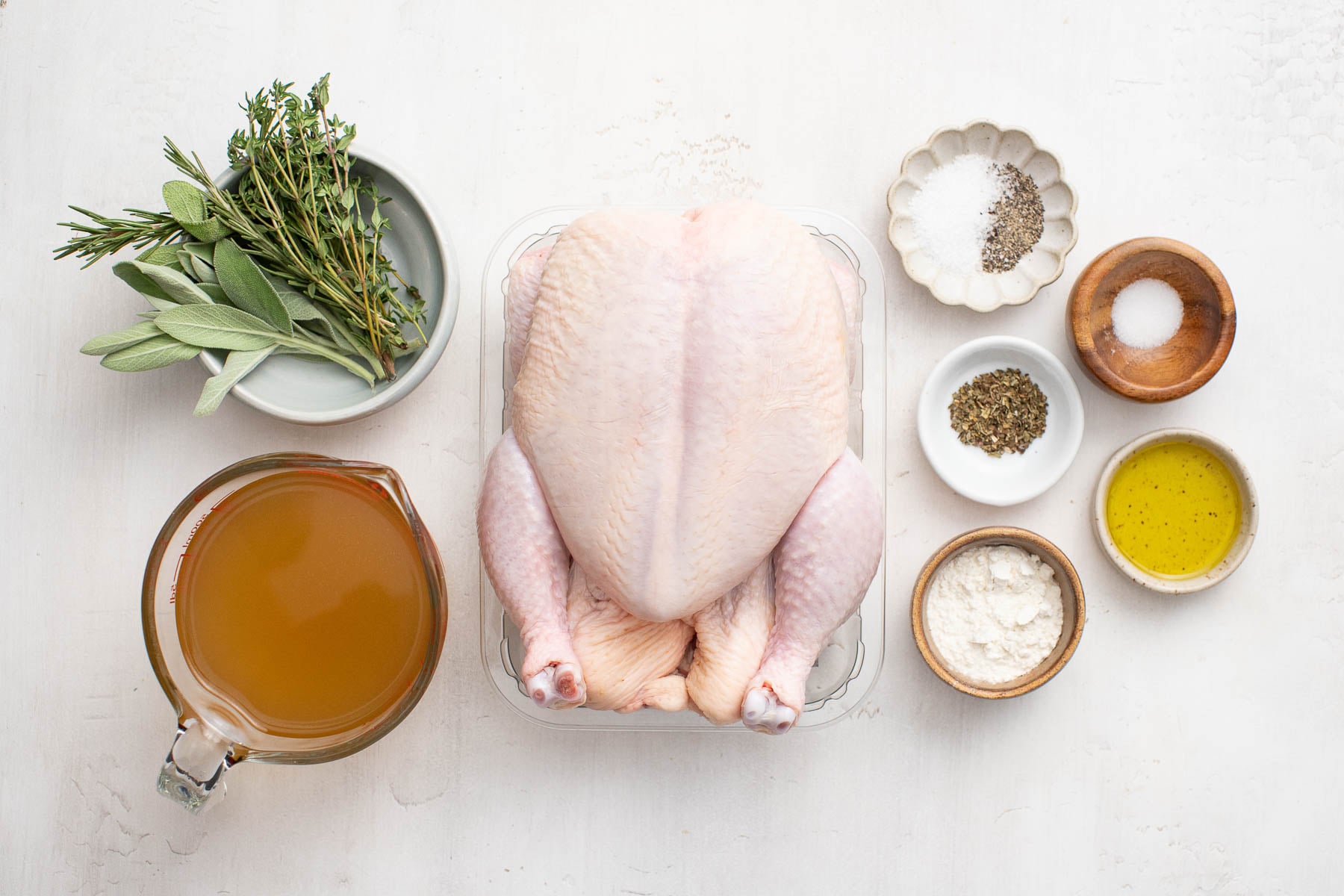
The emergence of roasted chicken as a viable and increasingly popular Thanksgiving centerpiece is not merely a matter of convenience; it is a testament to its inherent culinary advantages. A typical whole chicken, usually weighing between three to five pounds, is significantly smaller and quicker to cook than an average 12-20 pound turkey. This reduction in cooking time, often by several hours, liberates the host from prolonged kitchen duties, allowing more time for other preparations or interaction with guests. Furthermore, chicken, when prepared correctly, offers a universally appealing flavor profile that can be easily enhanced with traditional holiday herbs such as rosemary, thyme, and sage, mirroring the aromatic essence typically associated with Thanksgiving turkey. Its meat tends to be consistently tender and flavorful, especially the dark meat, and it presents fewer challenges in achieving even cooking compared to the varying density of a large turkey. The economic aspect also plays a role; chicken is generally more affordable per pound than turkey, potentially offering a budget-friendly option without compromising on festive quality. This combination of culinary appeal, operational efficiency, and cost-effectiveness positions roasted chicken as a compelling alternative for those seeking a modern yet traditional holiday meal.

Mastering the Roast: The Science of Succulence and Crispy Skin
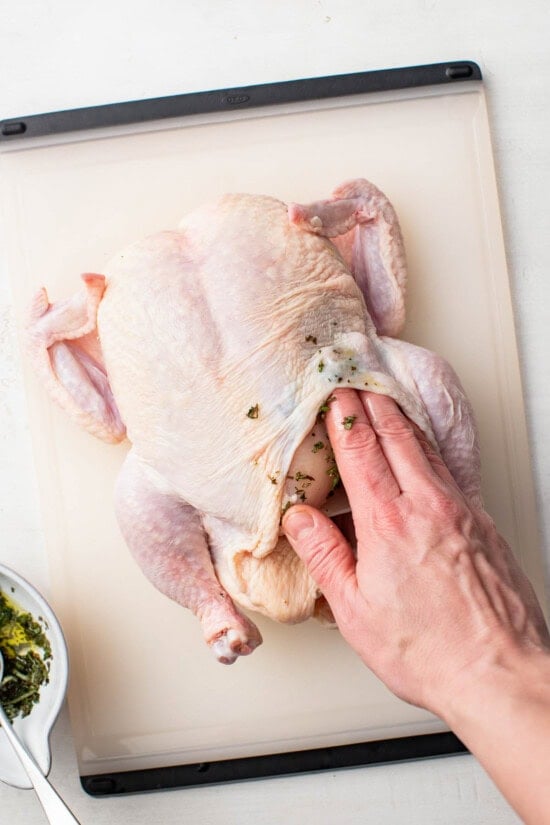
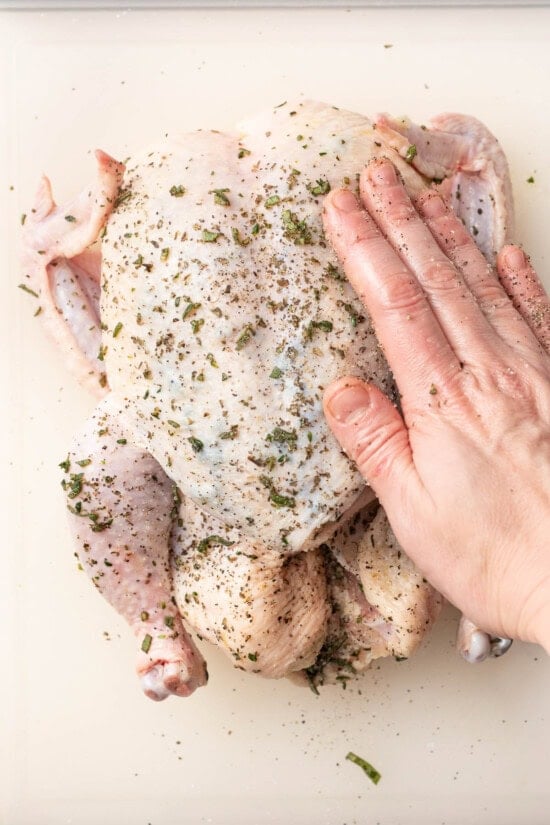
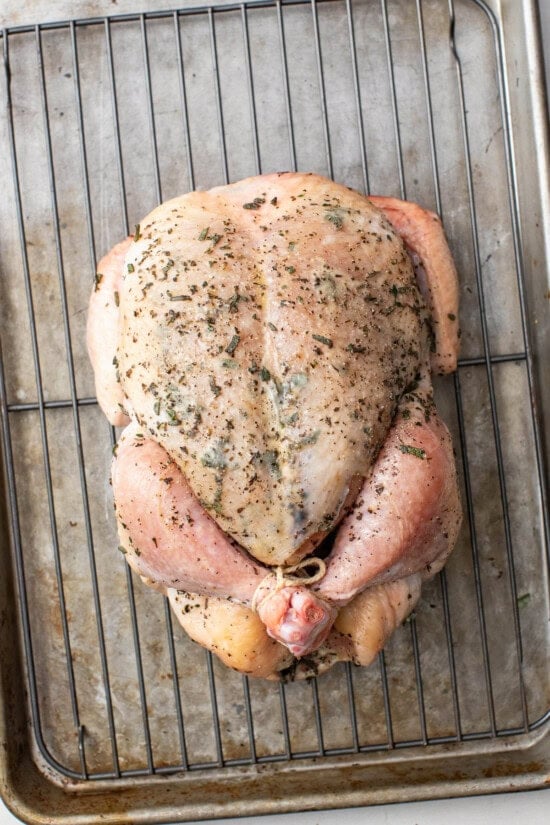
The success of this Thanksgiving Roasted Chicken recipe hinges on a technique that has gained considerable traction in professional and home kitchens alike: the dry brine. Unlike a wet brine, which involves submerging the poultry in a seasoned liquid, a dry brine involves rubbing the chicken generously with salt and other seasonings, then allowing it to rest, uncovered, in the refrigerator for several hours or overnight. This process achieves multiple critical objectives. Firstly, the salt draws moisture out of the chicken, which then reabsorbs, carrying the seasoning deep into the meat. This self-basting action results in an exceptionally juicy and flavorful interior. Secondly, the dry brining process, particularly when combined with an uncovered rest, dehydrates the skin. This crucial step is the secret to achieving that coveted, perfectly crispy, golden-brown skin that is often the hallmark of a well-roasted bird. The absence of excess surface moisture allows the skin to crisp up beautifully in the oven, rather than steam. Culinary specialists, like Gina, who champion practical yet effective cooking methods, consistently advocate for dry brining as a superior technique for poultry, noting its significant impact on both flavor and texture. This preparatory step, though requiring foresight, simplifies the actual roasting process and guarantees a superior outcome that often surpasses traditionally brined or un-brined poultry.

The Essential Accompaniment: Crafting Perfect Homemade Gravy
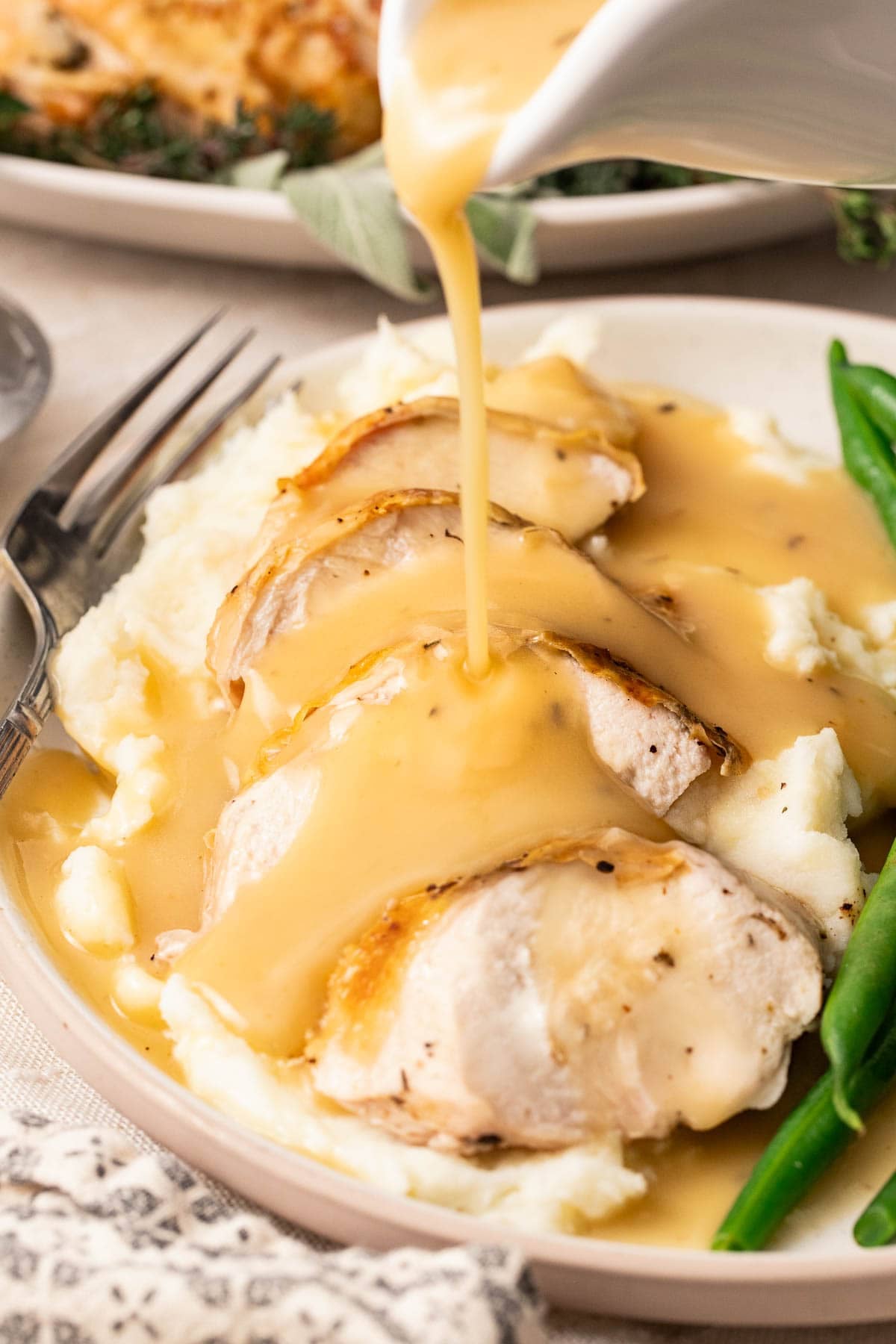
No Thanksgiving meal, whether featuring turkey or chicken, is complete without a rich, savory gravy, and this recipe places significant emphasis on crafting a homemade version that perfectly complements the roasted chicken. The foundation of an exceptional gravy lies in the pan drippings accumulated during the roasting process. These drippings, rich with rendered chicken fat, caramelized bits from the chicken skin, and infused with the aromatics used to season the bird, are a treasure trove of flavor. The preparation typically involves deglazing the roasting pan with a liquid, such as chicken broth or even a splash of white wine, scraping up all the flavorful fond from the bottom. A roux, made from a combination of the pan drippings (or butter) and flour, is then cooked to create a thickening base. Gradually adding the deglazed pan liquids and additional broth, while whisking continuously, ensures a smooth, lump-free gravy. Seasoning with salt, pepper, and potentially a touch of fresh herbs or a dash of poultry seasoning, elevates the flavor profile. The result is a velvety, deeply savory gravy that binds all the elements of the Thanksgiving plate together, coating the succulent chicken, mashed potatoes, and stuffing with its comforting richness. The homemade approach ensures control over ingredients and eliminates the artificiality often found in pre-made gravies, reinforcing the authentic holiday experience.
Practical Considerations for the Modern Host
-
Time Management and Preparation Timeline: One of the most significant advantages of opting for a roasted chicken is the streamlined timeline it offers. While a large turkey can demand half a day or more in the oven, a whole chicken typically roasts in 50 to 75 minutes, depending on its size. The dry brining process can be initiated hours in advance or even the night before, requiring only a few minutes of active preparation before refrigeration. This front-loading of effort means that on Thanksgiving Day, the active cooking time is considerably reduced. The bird can be removed from the refrigerator to temper for about 30 minutes before roasting, and then a final resting period of 15-20 minutes post-roast allows the juices to redistribute, ensuring maximum succulence. This efficient schedule allows hosts to focus on side dishes, entertain guests, or simply enjoy a less stressful holiday morning.
-
Ingredient Accessibility and Cost Efficiency: Chicken is a staple in most grocery stores year-round, making it readily available even during peak holiday seasons. Unlike turkeys, which can sometimes be difficult to find in specific sizes or require advance ordering, whole chickens are consistently stocked. From an economic perspective, chicken typically represents a more budget-friendly option compared to turkey, especially for smaller families. The cost per pound for a whole chicken is often lower, and the overall expenditure for a smaller bird will be considerably less than for a large turkey, making it an attractive choice for those mindful of holiday spending.
-
Portion Control and Leftover Management: For smaller gatherings of two to four people, a whole roasted chicken offers ideal portion control, minimizing excessive leftovers and potential food waste. While Thanksgiving leftovers are often cherished, the sheer volume of turkey from a large bird can be daunting for a small household. A chicken provides a more manageable quantity of meat, suitable for one or two subsequent meals without overwhelming the refrigerator. This practical aspect contributes to a more sustainable approach to holiday dining, reducing the likelihood of food spoilage.

Expert Perspectives on Culinary Adaptation
Culinary experts and home entertaining specialists increasingly acknowledge the evolving landscape of holiday meals. "The notion that Thanksgiving must feature a colossal turkey is slowly giving way to more pragmatic and personalized approaches," notes one prominent food blogger. "Many families, particularly those with fewer members, find that a perfectly roasted chicken delivers all the festive flavor without the overwhelming scale. The dry brine technique, in particular, is a game-changer for chicken, ensuring it’s never dry and always has that irresistible crispy skin." This sentiment is echoed by many who observe that the emotional connection to Thanksgiving lies more in the shared experience and the comfort of familiar flavors than in the specific type of poultry. The flexibility offered by dishes like roasted chicken allows hosts to honor tradition while adapting to modern needs and preferences, prioritizing quality and enjoyment over rigid adherence to convention.

Beyond the Main Course: Versatility and Accompaniments
The versatility of Thanksgiving Roasted Chicken extends beyond its primary role as a main course. Its classic flavor profile makes it an ideal companion for virtually all traditional Thanksgiving side dishes. Whether paired with creamy mashed potatoes, savory herb stuffing, sweet potato casserole, green bean almondine, or tangy cranberry sauce, the roasted chicken integrates seamlessly into the festive spread. The homemade gravy, derived from the chicken’s own drippings, acts as a unifying element, enhancing the flavors of every component on the plate. Furthermore, any modest leftovers can be creatively repurposed into delicious post-holiday meals, such as chicken sandwiches, hearty chicken soup, or chicken salad, providing flavorful options without the feeling of repetitive turkey fatigue. This adaptability underscores its suitability for a comprehensive holiday feast.
Nutritional Profile and Health-Conscious Choices
In an era where health and wellness are increasingly paramount, the nutritional profile of the main course is often a consideration. A serving of roasted chicken, particularly the breast meat with skin, offers a substantial source of lean protein. While the skin contributes to the fat content and calories, it is often consumed in moderation, and the choice allows for a balance of indulgence and health-consciousness. For instance, a typical serving of 4 ounces of chicken breast with skin and gravy might contain approximately 291 kcal, 31.5g protein, 15g fat (4g saturated fat), and 81.5mg cholesterol, alongside a modest 5g carbohydrates. This provides a satisfying and nutrient-rich centerpiece that can fit into various dietary approaches, especially when paired with a plethora of vegetable-based side dishes. The ability to control ingredients in homemade gravy also allows for adjustments to sodium levels or fat content, catering to specific dietary needs or preferences more effectively than pre-packaged alternatives.
Conclusion
The Thanksgiving Roasted Chicken with Homemade Gravy represents a significant and welcome evolution in holiday dining. It offers a compelling blend of traditional flavors, culinary excellence, and modern practicality. By embracing techniques like dry brining and focusing on efficiency, this dish provides a sumptuous, celebratory centerpiece that is perfectly suited for smaller gatherings and contemporary lifestyles. Its juicy meat, crispy skin, and rich, homemade gravy deliver the quintessential Thanksgiving experience without the inherent challenges of a large turkey. As families continue to redefine their holiday traditions, this roasted chicken stands out as a flavorful, stress-reducing, and economically sensible choice, ensuring that the spirit of gratitude and delicious food remains at the heart of every celebration.
