

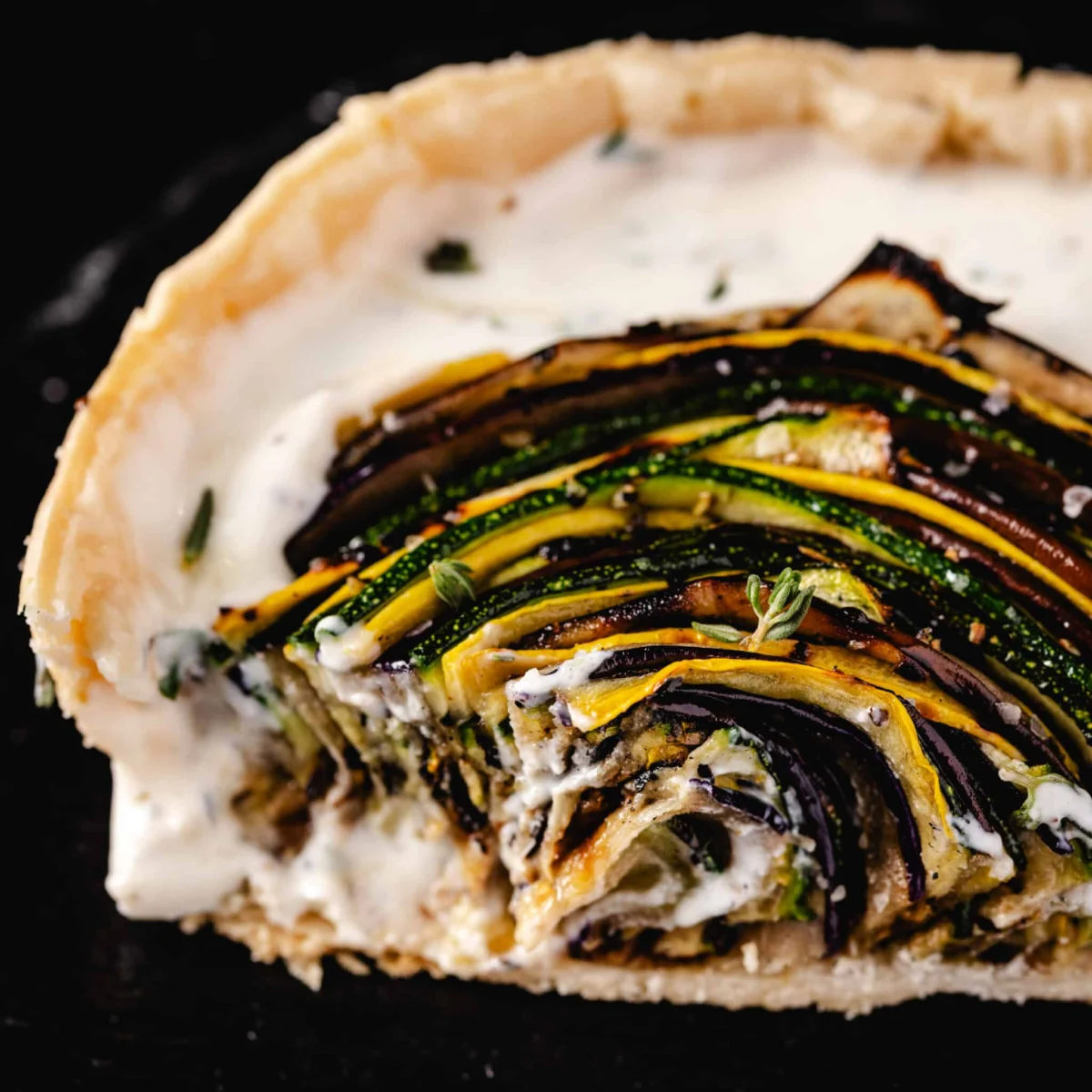
The emergence of sophisticated outdoor culinary techniques has redefined the traditional American barbecue, transitioning from simple protein-centric menus to complex, multi-layered gastronomic experiences. A prominent example of this evolution is the Grilled Summer Vegetable Tart, a dish that integrates the precision of pastry arts with the robust, smoky profiles inherent to live-fire cooking. This preparation utilizes seasonal produce, a herb-infused dairy custard, and a blind-baked crust, all executed within the controlled environment of a grill. By leveraging the convective heat of a closed grill system, home chefs can achieve a level of flavor depth typically reserved for professional brick ovens.
The Evolution of Contemporary Outdoor Gastronomy
The shift toward "fancy" or upscale appetizers in a backyard setting reflects broader consumer trends identified by the Hearth, Patio & Barbecue Association (HPBA). Recent market data indicates that over 70% of American households own a grill or smoker, with a significant increase in the use of these appliances for non-traditional items such as pizzas, desserts, and savory tarts. The Grilled Summer Vegetable Tart fits into this "gourmet grilling" category, offering a visual aesthetic comparable to high-end restaurant fare while maintaining the accessibility of seasonal home cooking.
Culinary experts note that the use of a grill for pastry work introduces a unique variable: the subtle infusion of wood or charcoal essence into the crust. Unlike a traditional indoor oven, which provides a neutral heating environment, a grill allows for a light charring of the vegetable components and a crisping of the pastry that enhances the overall sensory profile. This method aligns with the "farm-to-table" movement, emphasizing the use of peak-season vegetables at their nutritional and flavor zenith.

Anatomy of the Seasonal Tart: Ingredient Selection and Preparation
The success of the Grilled Summer Vegetable Tart relies on the strategic layering of three primary components: the structural pastry base, the flavor-carrying custard, and the decorative vegetable arrangement.
The Pastry Foundation
The recipe utilizes a standard pie crust, which can be either commercially prepared or handcrafted. The technical requirement for this component involves the use of a 5-inch cast iron skillet, such as those produced by manufacturers like Lodge. Cast iron is preferred in outdoor cooking for its superior heat retention and even distribution, which prevents the "soggy bottom" syndrome often associated with vegetable-heavy tarts. To ensure structural integrity, the crust must be "docked"—a process of piercing the dough with a fork to allow steam to escape—preventing the pastry from puffing and losing its shape during the initial bake.
The Herby Custard Matrix
The custard serves as both a binding agent and a flavor bridge. It is composed of a blend of cream cheese and ricotta, providing a balance of dense creaminess and light, grainy texture. The inclusion of fresh herbs, lemon zest, and garlic introduces bright, acidic notes that cut through the richness of the dairy. From a chemical perspective, the custard acts as an insulator for the pastry, protecting it from the direct heat of the vegetables while absorbing the juices released during the final cooking stage.
Seasonal Vegetable Sourcing
The tart is designed as a versatile template for seasonal produce. For the summer iteration, the primary ingredients include:

- Zucchini and Yellow Squash: Selected for their high water content and ability to soften quickly under direct heat.
- Eggplant: Adds a meaty texture and absorbs the flavors of the herb custard.
- Bell Peppers: Provide a sweet contrast and vibrant color.
The preparation of these vegetables is a critical technical step. To achieve a uniform "pinwheel" design and ensure even cooking, the vegetables must be sliced into consistent 1/8-inch thicknesses. The use of a mandoline is recommended by professional chefs to ensure the precision required for the vegetables to be flexible enough for rolling without breaking.
Technical Specifications: The Role of Direct and Indirect Heat
The execution of the tart involves a sophisticated two-stage heating process. The grill is preheated to 400°F (204°C), a temperature that facilitates the Maillard reaction in both the vegetables and the crust.
- Vegetable Charring: Sliced vegetables are placed directly on the grill grates. This serves two purposes: it reduces the moisture content of the vegetables (preventing the tart from becoming watery) and imparts a smoky flavor profile.
- Blind Baking: The pastry-lined skillet is placed on the grill to par-bake. This firms the crust before the wet ingredients are added, ensuring a crisp texture.
- Final Assembly and Set: Once assembled, the tart returns to the grill. The indirect heat allows the custard to set and the flavors to meld without burning the pre-cooked crust.
Chronological Execution: From Preparation to Plating
The timeline for producing a Grilled Summer Vegetable Tart is approximately 45 to 60 minutes, depending on the grill’s heat stability.
- 0-15 Minutes: Preparation of the custard in a food processor and slicing of the vegetables via mandoline.
- 15-25 Minutes: Preheating the grill and blind-baking the pastry shell in the cast iron skillet.
- 25-35 Minutes: Grilling the vegetable slices until pliable and lightly charred.
- 35-45 Minutes: Assembly. The custard is spread into the par-baked shell. The vegetables are rolled into a central "bud" and then wrapped in concentric circles to create the pinwheel effect.
- 45-55 Minutes: Final bake on the grill until the custard is firm and the crust is golden brown.
- 55-60 Minutes: Cooling period. This is essential for the custard to fully set, allowing for clean slices during service.
Market Trends and Culinary Science
The popularity of dishes like the Grilled Summer Vegetable Tart is supported by a growing interest in "vegetable-forward" dining. According to the 2023 Food and Health Survey by the International Food Information Council (IFIC), a significant percentage of consumers are seeking ways to incorporate more produce into their diets without sacrificing the "craveability" of traditional comfort foods.

From a culinary science perspective, the tart succeeds due to its textural contrast. The "snap" of the flaky crust, the "velvet" of the ricotta-cream cheese custard, and the "tender-crisp" nature of the grilled vegetables provide a complex mouthfeel. Furthermore, the use of lemon zest and fresh herbs provides a "top note" of freshness that balances the "bass notes" of the grilled eggplant and fats in the cheese.
Nutritional Profile and Dietary Considerations
While the tart is an indulgent appetizer, it offers a dense nutritional profile. A standard serving (approximately one-fourth of a 5-inch tart) contains:
- Calories: 381 kcal
- Protein: 10g
- Fiber: 4g
- Vitamin A: 910 IU
- Vitamin C: 24mg
The high Vitamin A and C content is derived primarily from the fresh summer squash and peppers. For those with dietary restrictions, the recipe is easily adaptable; gluten-free pie crusts may be substituted, and vegan "cream cheese" and "ricotta" alternatives can be utilized, provided they have similar moisture levels to ensure the tart sets properly.
Expert Analysis: Texture and Flavor Balancing
Susie Bulloch, a recognized authority in the barbecue industry and founder of the "Hey Grill Hey" platform, emphasizes that the dish serves as a bridge between the rustic and the refined. "Sometimes you just want to feel a little fancy when you serve dinner," Bulloch notes. The visual appeal of the vegetable pinwheel—often referred to in culinary circles as a "confit byaldi" style arrangement—transforms humble garden staples into a centerpiece.

The inclusion of ricotta is a strategic choice. Unlike harder cheeses that might oil off under the high heat of a grill, ricotta maintains its structure while providing a light, airy quality to the custard. When combined with the tang of cream cheese, it creates a stable base that supports the weight of the grilled vegetables.
Broader Impact on Home Entertaining
The Grilled Summer Vegetable Tart represents a broader shift in how hosts approach outdoor gatherings. No longer confined to hot dogs and hamburgers, the modern backyard barbecue is increasingly viewed as an extension of the kitchen, capable of producing sophisticated, multi-course meals.
The social aspect of the tart is also significant. As a dish that can be served whole for individual portions or sliced into quarters for communal grazing, it facilitates the "tapas-style" dining that has become popular in American social circles. The ability to prepare the entire dish outdoors allows the cook to remain engaged with guests, a key factor in the enduring appeal of outdoor cooking.
In conclusion, the Grilled Summer Vegetable Tart is more than a seasonal recipe; it is a demonstration of technical proficiency in the outdoor kitchen. By mastering the balance of heat, moisture, and flavor, home cooks can elevate seasonal produce into a sophisticated culinary statement that challenges the traditional boundaries of the barbecue. As the trend toward diverse outdoor cooking continues to grow, dishes of this caliber are expected to become staples of the contemporary American summer menu.
