

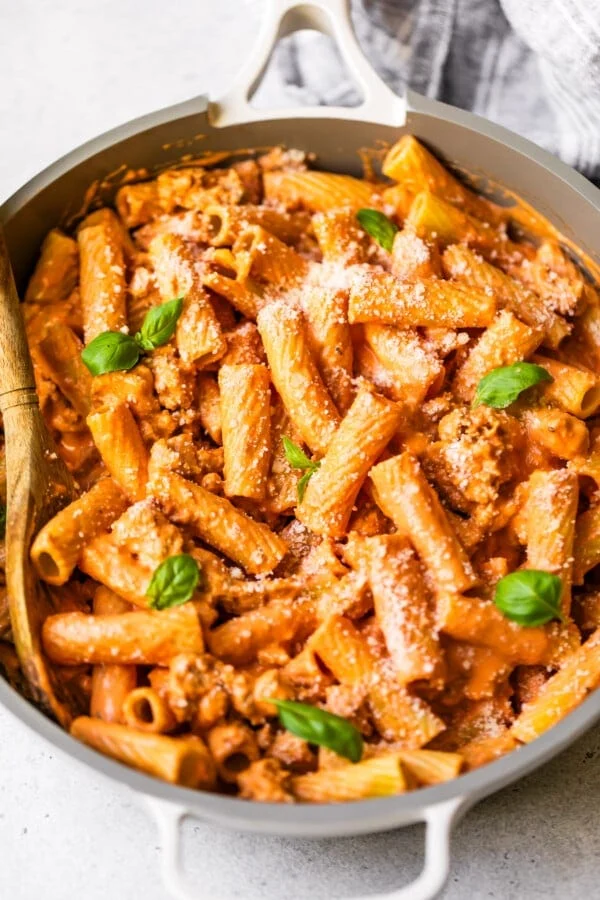
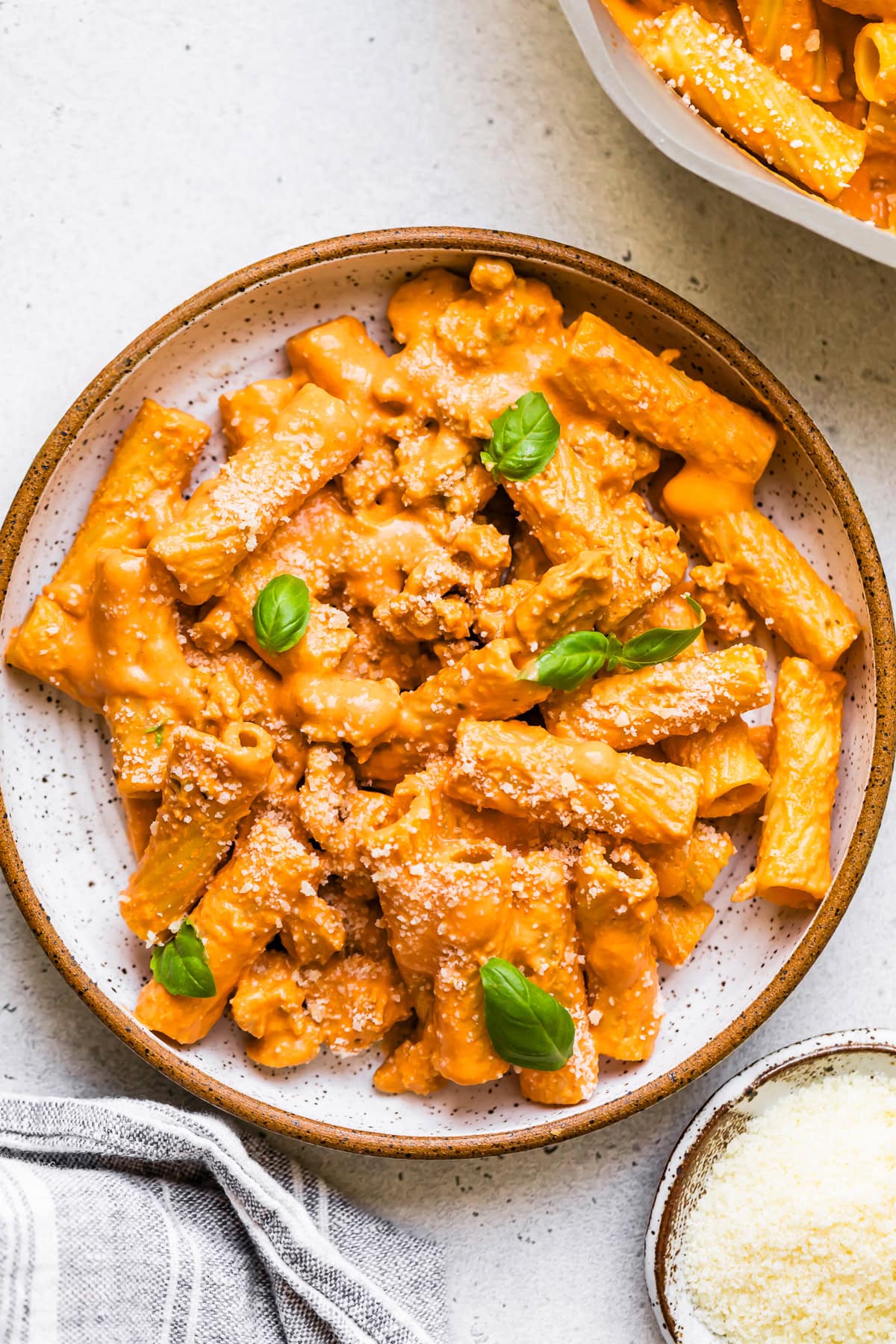
The culinary landscape is witnessing a significant shift towards healthier, more nutrient-dense adaptations of beloved comfort foods, and a recent development highlights this trend with remarkable clarity: the emergence of High-Protein Cottage Cheese Pasta. This innovative dish, drawing comparisons to a classic creamy vodka sauce, achieves its rich, velvety texture not through heavy cream or alcohol, but through the surprising versatility of blended cottage cheese. This substitution offers a compelling alternative for individuals seeking to elevate their protein intake and reduce saturated fat, without compromising on flavor or mouthfeel.
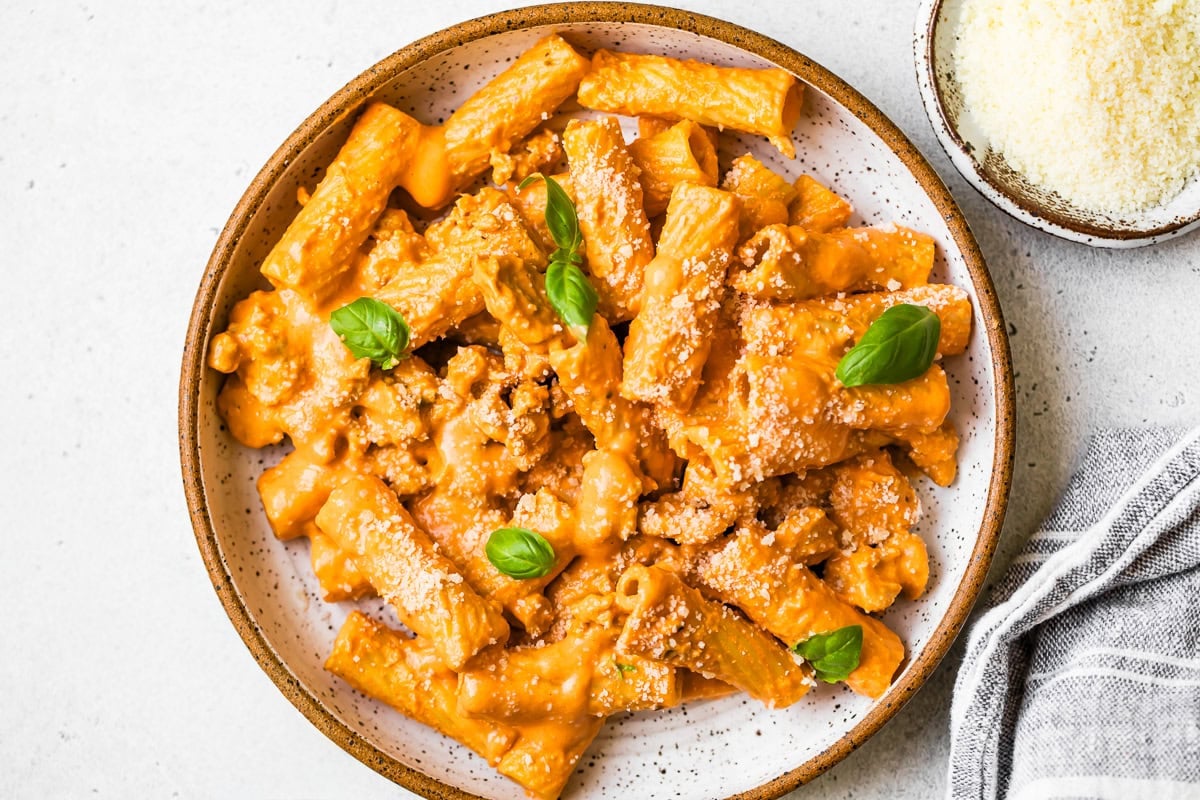
The Genesis of a Healthier Classic
The concept of replacing traditional high-fat dairy products with lighter, protein-rich alternatives is not entirely new, but the specific application of blended cottage cheese to mimic a sophisticated pasta sauce marks a notable evolution. Historically, creamy pasta sauces, such as the renowned Penne alla Vodka, rely on a generous emulsification of heavy cream, often combined with tomato, aromatics, and a touch of alcohol to enhance flavor and texture. While undeniably delicious, these preparations typically carry a substantial caloric and fat load, making them less suitable for regular consumption within a health-conscious diet.
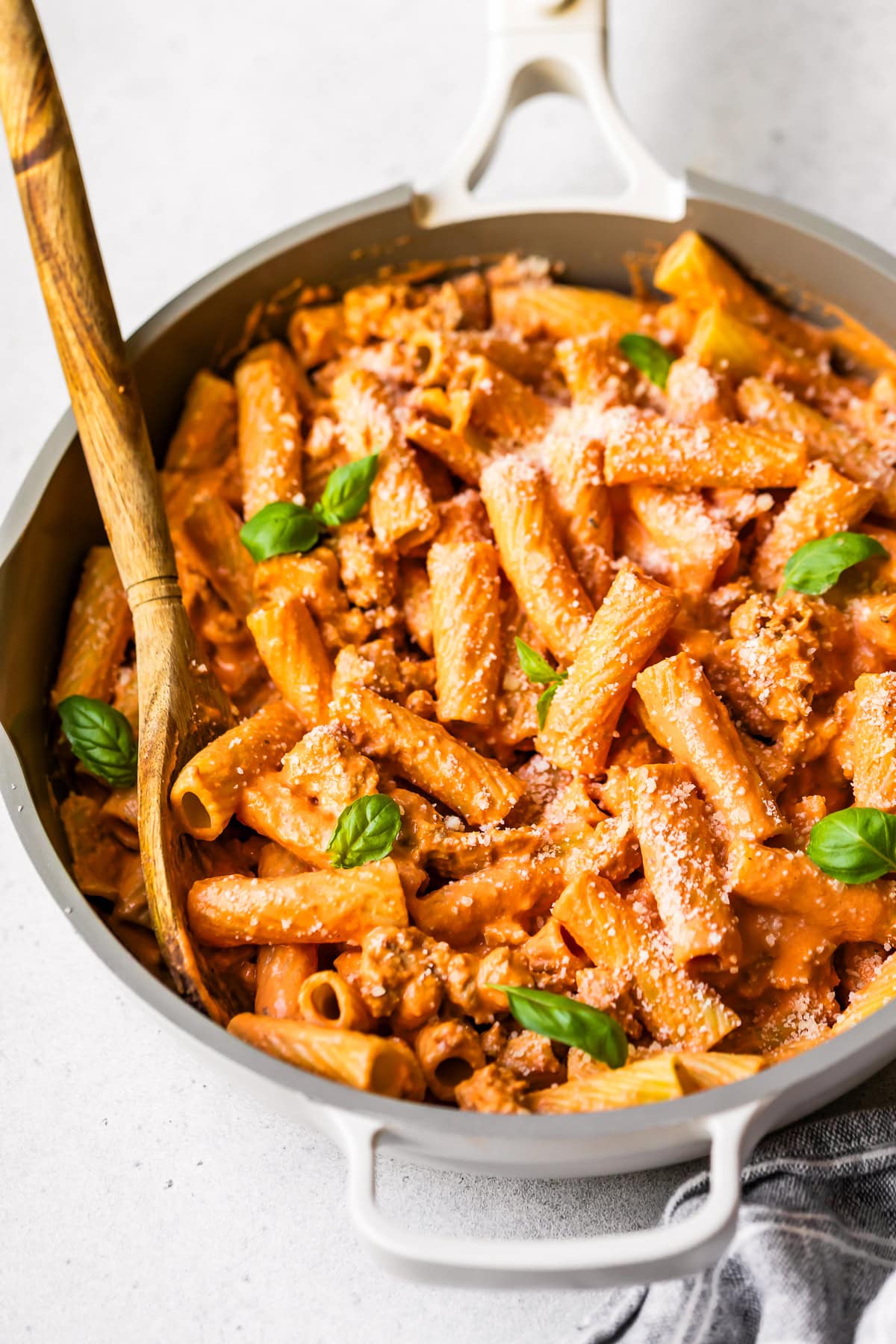
The High-Protein Cottage Cheese Pasta directly addresses this challenge. By blending cottage cheese until it achieves a smooth, homogenous consistency, it replicates the luxurious mouthfeel of cream. The inherent mildness of cottage cheese allows it to seamlessly integrate into the flavor profile of a tomato-based sauce, absorbing and enhancing the notes of caramelized onions, garlic, and tomato paste, while delivering a substantial protein boost. The absence of alcohol further broadens its appeal, making it accessible to a wider demographic, including those who prefer or require non-alcoholic options.
Nutritional Profile: A Comparative Analysis

One of the most compelling aspects of this culinary innovation lies in its superior nutritional profile compared to its traditional counterparts. Let’s delve into a comparative analysis:
- Cottage Cheese vs. Heavy Cream:
- Protein: Cottage cheese is a powerhouse of protein. A typical half-cup serving can contain 12-14 grams of protein, making it an excellent source for satiety and muscle maintenance. Heavy cream, in contrast, offers negligible protein content, primarily consisting of fat.
- Fat Content: Heavy cream is, by definition, high in fat, particularly saturated fat. A quarter-cup serving can contain upwards of 11 grams of fat, with about 7 grams being saturated. Cottage cheese, especially its low-fat or non-fat varieties, drastically reduces this. A half-cup of low-fat cottage cheese might have only 1-2 grams of fat, with minimal saturated fat. This significant reduction in saturated fat aligns with dietary guidelines aimed at promoting cardiovascular health.
- Calories: The caloric difference is also substantial. Heavy cream is calorie-dense due to its fat content, while cottage cheese provides a more favorable calorie-to-nutrient ratio, offering substantial protein for fewer calories.
- Other Nutrients: Cottage cheese provides essential minerals like calcium and phosphorus, vital for bone health, and B vitamins. While heavy cream offers some fat-soluble vitamins, its overall micronutrient density is lower than cottage cheese in the context of a protein-rich diet.
The High-Protein Cottage Cheese Pasta, yielding approximately 497 kcal per 2-cup serving, delivers an impressive 34.5 grams of protein, alongside 13 grams of fat (only 4 grams saturated). This contrasts sharply with a traditional vodka sauce pasta, which could easily exceed 700-800 calories and contain 30-40+ grams of fat, with a significantly lower protein count, depending on the recipe and portion size. This makes the cottage cheese variant an attractive option for athletes, individuals managing weight, or anyone looking to enhance their daily protein intake.

The Art of Achieving a Velvety Texture
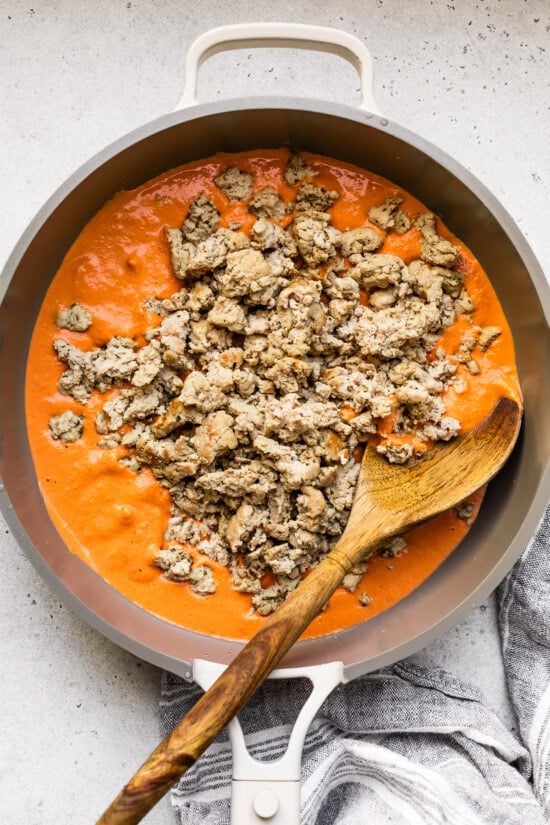
The transformation of lumpy cottage cheese into a smooth, creamy sauce is central to this recipe’s success. This involves a simple yet critical step: blending. Modern high-speed blenders are instrumental in breaking down the curds of cottage cheese, resulting in a homogeneous liquid that emulsifies beautifully with the tomato base. The process mirrors the technique used in many plant-based creamy sauces, where nuts or legumes are blended to achieve a similar texture.
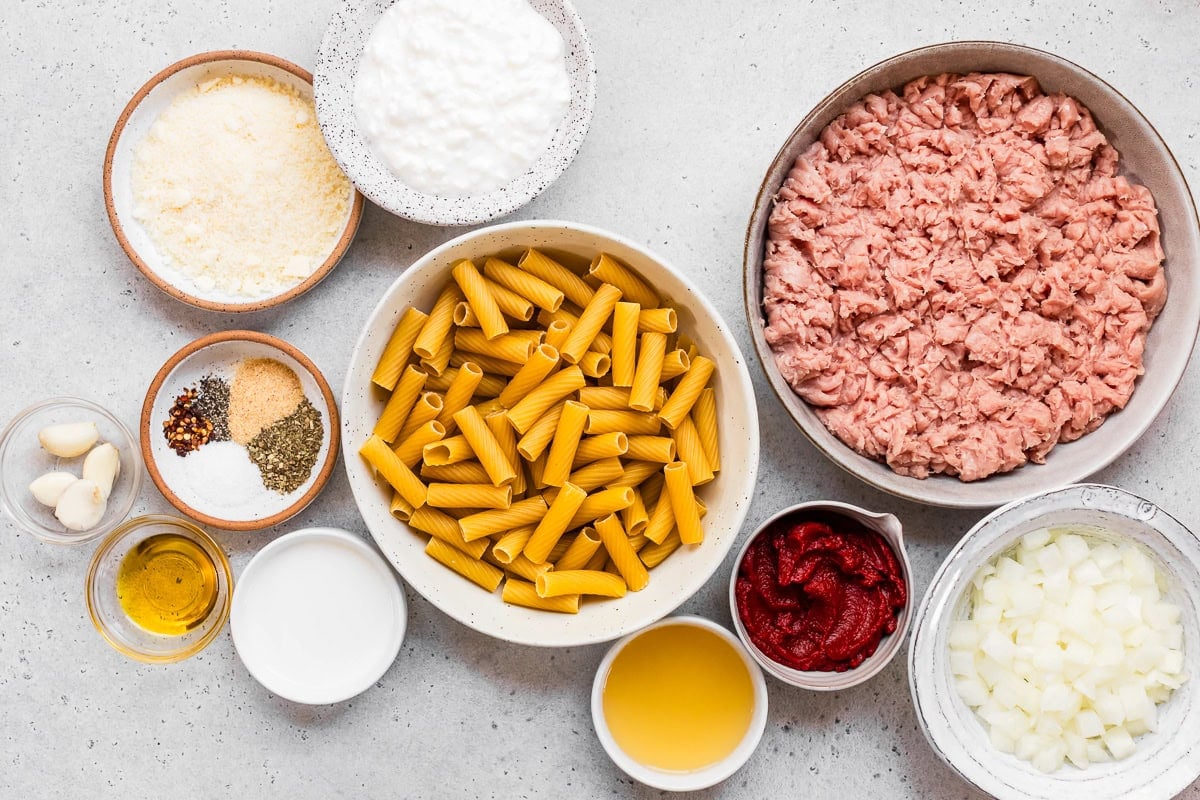
The sauce’s depth of flavor is built upon traditional Italian foundations:
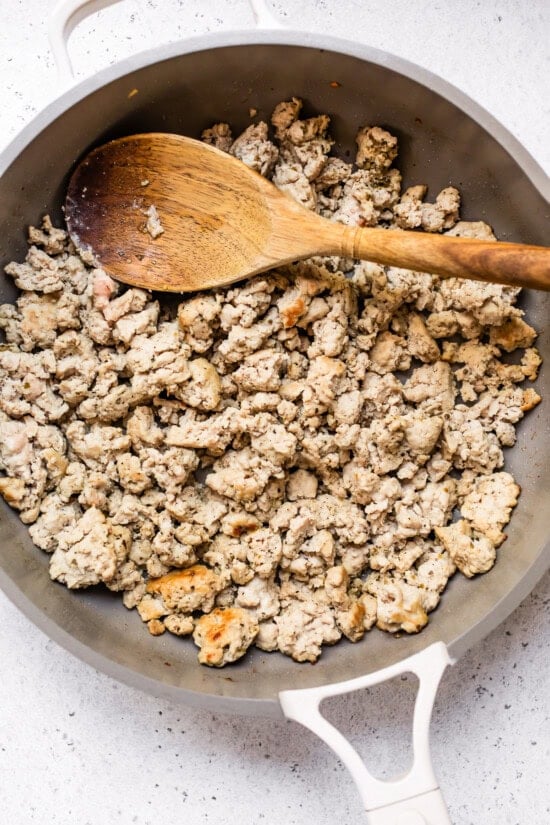
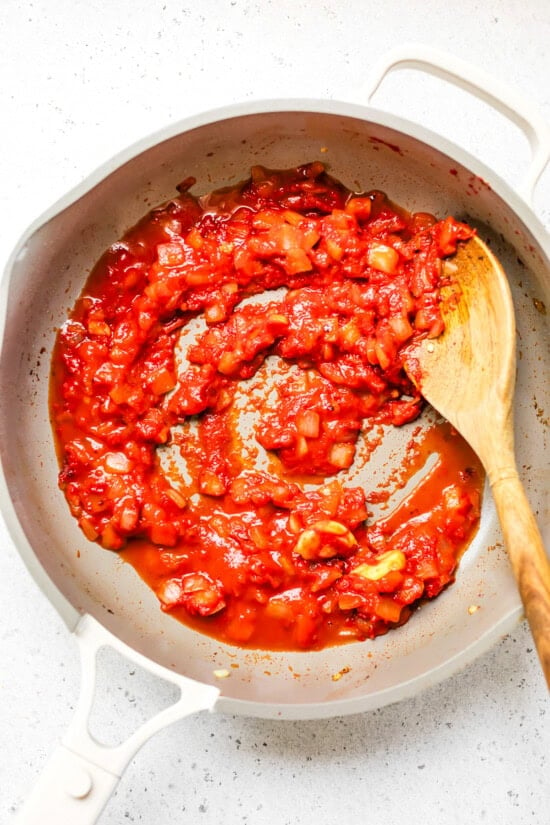
- Caramelized Onions: The slow cooking of onions brings out their natural sugars, adding a fundamental layer of sweetness and umami. This Maillard reaction is crucial for developing a rich flavor base.
- Tomato Paste: Concentrated tomato paste provides an intense umami boost and contributes to the characteristic orange hue often associated with vodka sauce. Its inherent acidity also balances the richness of the cottage cheese.
- Garlic and Red Pepper Flakes: These aromatics introduce pungent and spicy notes, adding complexity and warmth to the sauce.
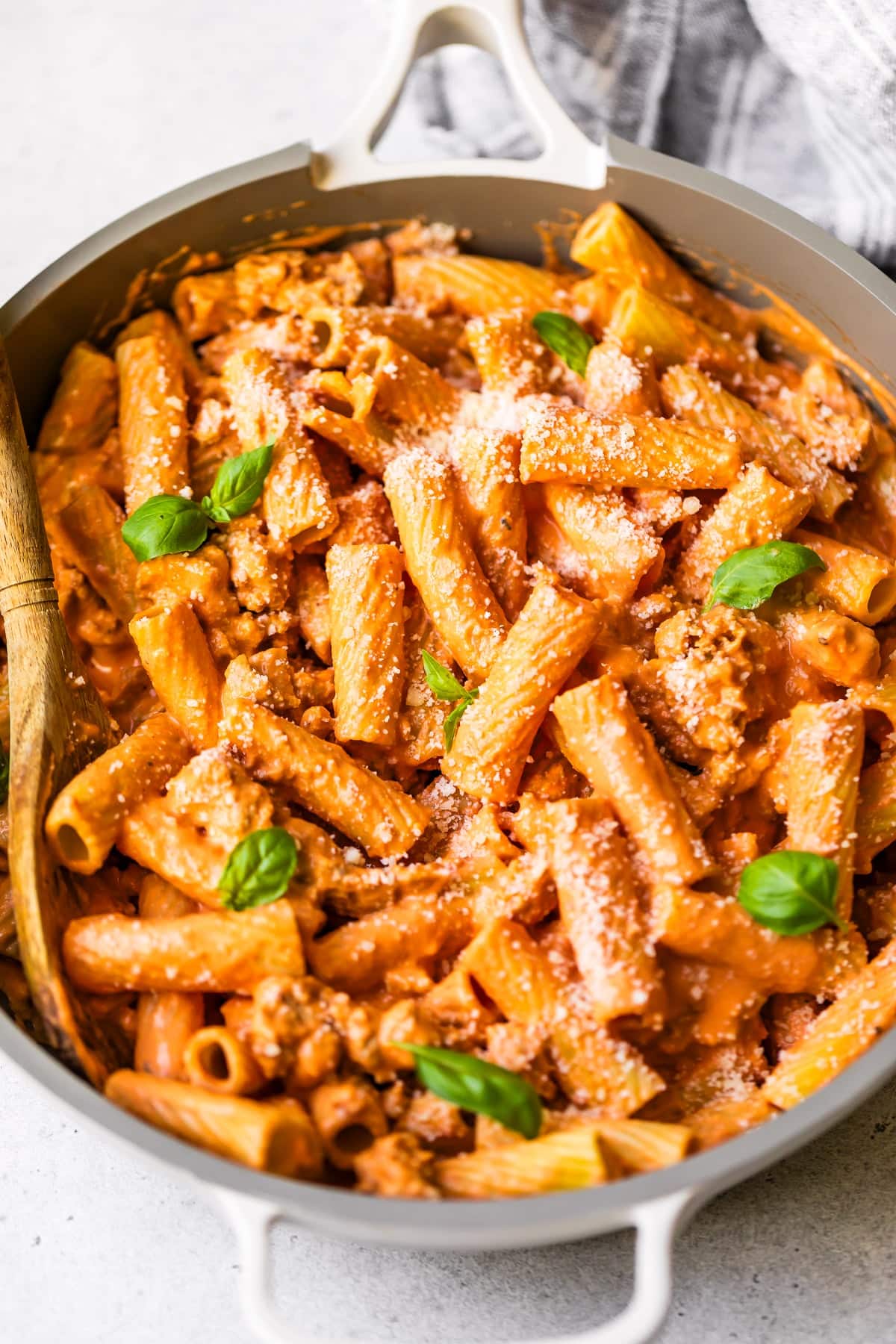
- Parmesan and Fresh Basil: These are added at the end, providing a salty, nutty finish from the cheese and a fresh, herbaceous brightness from the basil, elevating the overall taste profile.
The combination of these ingredients, when blended with the smooth cottage cheese, creates a sauce that not only rivals the texture but also the nuanced flavor profile of its heavier counterpart.
A Broader Trend: Healthification of Comfort Foods
This recipe is not an isolated phenomenon but rather a prominent example of a wider culinary movement: the "healthification" of comfort foods. Consumers today are increasingly seeking dishes that offer both indulgence and nutritional benefits. This trend is driven by several factors:
- Growing Health Awareness: A heightened understanding of nutrition and its impact on long-term health.
- Demand for Functional Foods: Foods that provide health benefits beyond basic nutrition, such as high protein for muscle growth or fiber for digestive health.
- Rise of Dietary Restrictions and Preferences: More people are adopting flexitarian, vegetarian, or specific macro-focused diets, leading to a demand for adaptable recipes.
- Social Media Influence: Platforms like TikTok and Instagram have become incubators for viral food trends, often featuring innovative ingredient swaps and healthier hacks for popular dishes. The visual appeal of creamy pasta, combined with the "secret ingredient" reveal, makes this type of recipe highly shareable and engaging.
The journey to healthier comfort food options has seen several milestones. From cauliflower crust pizzas to zucchini noodle "pasta" and chickpea-based desserts, innovators have consistently sought ways to reduce calories, increase nutrients, and enhance the functional properties of everyday meals. The cottage cheese pasta fits perfectly into this chronology, leveraging a readily available and often underestimated ingredient to solve a common dietary dilemma.
Expert Commentary and Consumer Reception

Nutrition experts have largely lauded such innovative approaches. Dr. Elena Petrova, a nutritionist specializing in dietary protein, commented, "This recipe perfectly aligns with current recommendations to increase lean protein intake while simultaneously managing saturated fat consumption. It demonstrates how simple ingredient swaps can significantly improve the nutritional density of a meal without sacrificing palatability."
Culinary innovators also note the significance. Chef Marcus Thorne, known for his work in healthy gourmet cuisine, stated, "The brilliance of using blended cottage cheese lies in its neutral flavor profile and remarkable emulsifying properties. It provides that coveted ‘creamy’ mouthfeel that consumers adore, while opening doors for further experimentation with other high-protein dairy or plant-based alternatives."
Consumer reception, as evidenced by the widespread sharing and positive feedback online, indicates a strong demand for such recipes. The anecdote from the original recipe developer, Gina, about her husband consuming an entire bowl before realizing the "secret ingredient," underscores the effectiveness of the cottage cheese substitution. This "stealth health" approach, where healthier ingredients are incorporated without a noticeable taste difference, is a powerful driver of adoption. It appeals to those who might be skeptical of "diet food" but are open to delicious meals that happen to be good for them.
Practicality and Accessibility: A Recipe for Everyone
Beyond its nutritional merits, the High-Protein Cottage Cheese Pasta scores high on practicality and accessibility. Cottage cheese is a relatively inexpensive dairy product, widely available in most grocery stores. The other ingredients – pasta, onions, garlic, tomato paste, Parmesan, and basil – are common pantry staples. This makes the recipe an affordable and convenient option for home cooks across various income brackets.
- Ease of Preparation: The method is straightforward, involving sautéing aromatics, blending the sauce ingredients, and combining with cooked pasta. This simplicity makes it approachable for novice cooks while still appealing to experienced home chefs looking for quick, healthy meals.
- Versatility in Variations: The base sauce is incredibly adaptable.
- Protein Additions: While delicious on its own, it pairs wonderfully with lean proteins like grilled chicken, shrimp, ground turkey, or even white beans for a vegetarian boost.
- Vegetable Inclusions: Incorporating sautéed spinach, mushrooms, bell peppers, or zucchini can further enhance nutrient content and texture.
- Spice Adjustments: The red pepper flakes can be adjusted to personal preference, from a mild hint to a fiery kick.
- Herb Customization: While basil is classic, fresh parsley or oregano could also be used.
- Meal Prep Potential: The sauce can be prepared in advance and stored. It freezes well for up to three months, offering a convenient solution for meal prepping. Thawing and reheating are simple, requiring only a splash of water to restore consistency. This aspect is particularly valuable for busy individuals and families seeking efficient ways to maintain a healthy diet.
Broader Implications and Future Outlook
The success of dishes like High-Protein Cottage Cheese Pasta has significant implications for the food industry and dietary trends:
- Innovation in Dairy Products: It may spur dairy producers to innovate further, perhaps developing smoother, more neutrally flavored cottage cheese products specifically marketed for savory cooking applications.
- Expansion of "Stealth Health" Ingredients: This could lead to more widespread adoption of other unassuming ingredients that can transform unhealthy recipes into nutritious ones without compromising taste.
- Shifting Consumer Perceptions: It challenges long-held perceptions about certain ingredients. Cottage cheese, once primarily seen as a diet food or breakfast staple, is now gaining recognition as a versatile culinary workhorse.
- Impact on Restaurant Menus: As home cooking trends evolve, so too do restaurant menus. It’s plausible that similar high-protein, "lighter" versions of classic dishes could begin appearing in casual dining establishments, catering to the growing health-conscious demographic.
- Sustainability Considerations: While not explicitly addressed in the original recipe, the choice of ingredients and their impact on sustainability is an increasing concern for consumers. Cottage cheese, as a dairy product, has its own environmental footprint, but its efficiency in delivering protein compared to some other sources could be a factor for some.
In conclusion, the High-Protein Cottage Cheese Pasta represents more than just a recipe; it embodies a broader culinary philosophy that prioritizes nutrition, flavor, and practicality. By cleverly leveraging the unique properties of cottage cheese, it offers a delectable and guilt-free way to enjoy a creamy pasta dish, aligning perfectly with the evolving demands of modern health-conscious consumers and setting a precedent for future innovations in healthy comfort food. Its ease of preparation, versatility, and impressive nutritional profile position it as a staple in the repertoire of those seeking to nourish their bodies without sacrificing the joy of eating.
