

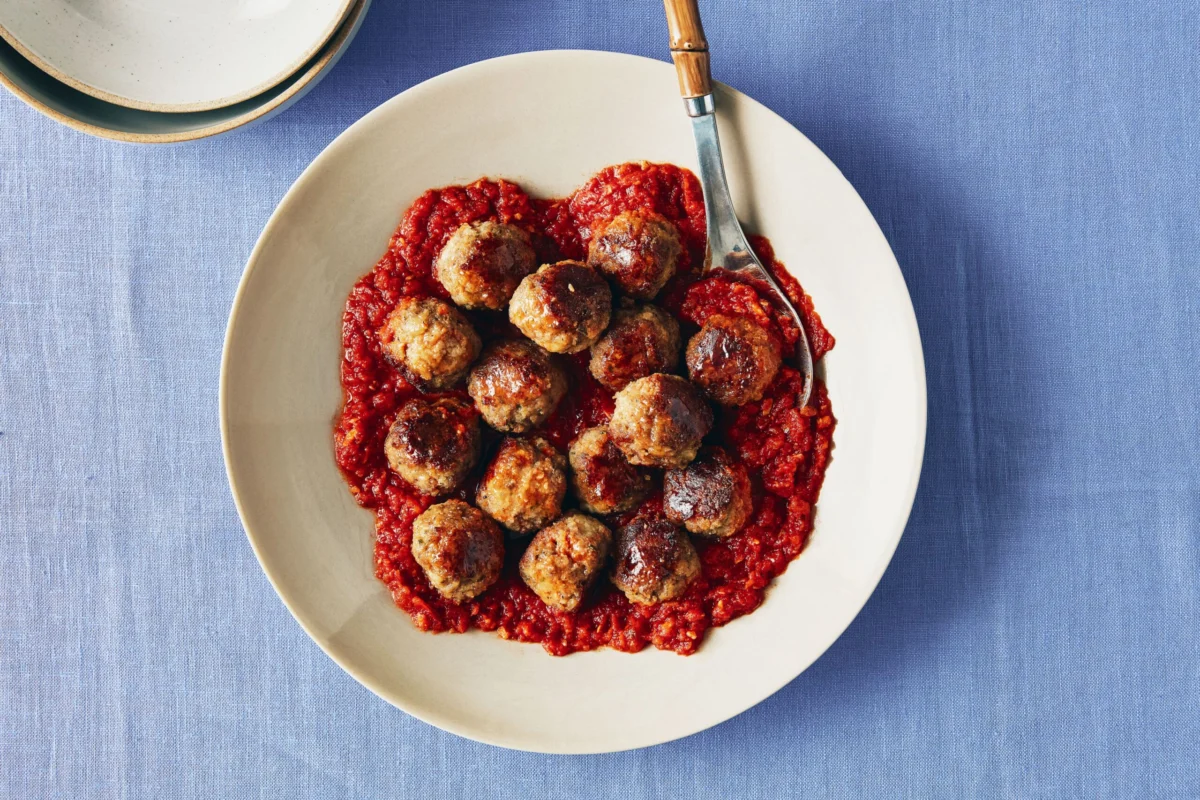
A burgeoning culinary trend is redefining the humble meatball, an iconic dish enjoyed across cultures and continents, through the surprising integration of cottage cheese. What might initially appear to be a mere attempt to boost protein content in a recipe is, in fact, a sophisticated technique yielding far more profound gastronomic and practical benefits. The addition of cottage cheese to ground meat mixtures triggers a transformative process during baking, wherein the curds seemingly vanish, imparting an unparalleled juiciness and a subtle yet distinct savory-salty depth to the finished product. Beyond its textural and flavor enhancements, this method offers a significant advantage in culinary efficiency: it effectively stretches the recipe, allowing home cooks and professional kitchens alike to produce nearly double the quantity of meatballs from a single pound of ground beef, representing a notable economic and practical gain.
The Unconventional Ingredient: Cottage Cheese in Meatballs
For generations, meatballs have been a staple, celebrated for their versatility and comforting appeal. From Italian-American spaghetti and meatballs to Swedish köttbullar and Turkish köfte, the basic premise involves ground meat combined with binders and seasonings, then shaped and cooked. Traditional binders typically include breadcrumbs, eggs, milk, or a combination thereof, all serving to hold the meat together and sometimes contribute moisture. However, the introduction of cottage cheese, a fresh cheese product characterized by its soft, granular curds and mild, tangy flavor, represents a significant departure from these established norms. Its adoption as a meatball additive is not merely a passing fad but a testament to its multifaceted contributions to the dish.
The initial skepticism surrounding dairy in a savory meat dish often dissipates upon tasting the results. The ‘disappearing act’ of the cottage cheese curds during the baking process is a key element of its success. Unlike firmer cheeses that melt into distinct pockets or contribute a dominant cheesy flavor, cottage cheese integrates seamlessly into the meat matrix. Its subtle flavor profile enhances the natural savoriness of the meat without overpowering it, providing a delicate umami boost. This makes the technique adaptable to a wide array of meatball recipes, from those destined for rich tomato sauces to those seasoned for Asian-inspired broths.
A Culinary Game-Changer: Enhanced Juiciness and Flavor
The primary culinary advantage of incorporating cottage cheese lies in its exceptional ability to maintain moisture within the meatballs. Ground meats, particularly leaner varieties, are prone to drying out during cooking, resulting in a dense, sometimes crumbly texture. Cottage cheese, with its high water content encapsulated within its protein curds, acts as an internal basting agent. As the meatballs bake, the curds gradually release their moisture, permeating the surrounding meat fibers. This process ensures that the meatballs remain incredibly tender and moist from the inside out, even when cooked through.
Food scientists explain that the casein proteins in cottage cheese play a crucial role in this moisture retention. Casein has excellent water-binding capabilities, which are maintained even under heat. This contrasts with traditional binders like dry breadcrumbs, which primarily absorb existing moisture from the meat mixture, and can sometimes lead to a denser texture if not adequately hydrated. Eggs, while providing binding and some moisture, do not offer the same sustained internal hydration throughout the cooking process. The delicate savory-salty notes contributed by the cottage cheese further elevate the overall flavor profile, adding complexity without requiring excessive additional seasoning. This subtle enhancement allows the core flavors of the meat and other herbs and spices to shine, while providing a richer, more satisfying taste experience.
The Science Behind the ‘Disappearing Act’
The phenomenon of cottage cheese seemingly vanishing within the meatball is rooted in its unique composition and the thermal processes it undergoes during baking. Cottage cheese consists of soft, unpressed curds made from pasteurized cow’s milk. These curds are primarily composed of casein proteins, fat, and a significant amount of water. When subjected to the heat of an oven, several changes occur:
- Protein Denaturation: The casein proteins in the curds begin to denature, losing their tightly coiled structure. This process allows them to release trapped water molecules.
- Moisture Release and Absorption: As water is released, it is readily absorbed by the surrounding meat proteins and fat, distributing moisture evenly throughout the meatball. This internal steaming effect contributes directly to the juiciness.
- Fat Integration: The small amount of fat present in cottage cheese also melts and integrates with the meat’s fat, contributing to a smoother mouthfeel.
- Curd Disintegration: The curds themselves, being soft and loosely structured, break down and disperse into the meat matrix. They don’t melt into a liquid like rennet-coagulated cheeses (e.g., mozzarella) but rather dissolve and integrate, leaving behind a creamy texture and imparting their subtle flavor and moisture without any discernible cheesy pockets.
This scientific interplay ensures that the cottage cheese doesn’t just add a new ingredient but fundamentally alters the texture and moisture dynamics of the meatball, resulting in a product that is both tender and flavorful.
Maximizing Yield: Economic and Practical Benefits
Perhaps one of the most compelling practical benefits of this technique is its ability to significantly increase the yield of meatballs from a given quantity of ground meat. Reports indicate that incorporating cottage cheese can nearly double the number of meatballs produced from a single pound of ground beef. This is not achieved by simply adding inert filler, but by integrating a component that adds volume and structure while enhancing quality.
The curds of cottage cheese, despite their soft nature, contribute tangible mass and volume to the meat mixture. When mixed thoroughly, they expand the overall volume of the mixture. Unlike adding water, which can dilute flavor and compromise texture, cottage cheese adds protein and flavor while binding effectively. This increased yield translates directly into economic savings for both households and commercial kitchens. For families, it means more servings from less meat, making a pound of ground beef go further for multiple meals or larger gatherings. For restaurants, caterers, or institutions, this efficiency can lead to substantial cost reductions on ingredients, impacting profit margins and operational budgets positively.
This efficiency aligns perfectly with modern culinary trends emphasizing sustainability and cost-effectiveness without compromising on quality. In an era where food prices are a growing concern, methods that allow for stretching ingredients while improving the end product are invaluable.
From Kitchen Experiment to Mainstream Trend: A Brief Chronology
While the precise origins of adding cottage cheese to meatballs are difficult to pinpoint, the technique’s popularization appears to have accelerated in recent years, driven by a confluence of factors including culinary experimentation, the rise of food blogging, and a renewed interest in nutrient-dense, cost-effective home cooking.
- Early 2010s: Anecdotal evidence suggests that some home cooks and niche food bloggers began experimenting with cottage cheese as a binder in meatloaf and meatballs, initially driven by a desire to add protein or moisture. These early attempts often circulated within smaller online communities.
- Mid-2010s: The concept gained more traction as food publications and larger culinary websites started to feature recipes incorporating cottage cheese into various savory dishes. The focus during this period was often on its protein content and its ability to create "lighter" versions of traditional comfort foods.
- Late 2010s – Early 2020s: The "disappearing act" and the juiciness benefits began to be more widely recognized and emphasized. Major food media outlets, including prominent culinary magazines and online platforms, published articles and recipes specifically highlighting these unique qualities. This period marked a shift from cottage cheese being merely a protein booster to a recognized ingredient for improving texture and yield.
- Present Day: The technique is now considered a legitimate culinary hack, widely shared across social media platforms like TikTok and Instagram, further cementing its place in mainstream home cooking. Chefs and food technologists have also begun to acknowledge its scientific basis and practical applications. This organic dissemination, fueled by positive user experiences, has rapidly moved the technique from an obscure trick to a widely accepted and recommended method.
Expert Endorsements and Nutritional Insights
The culinary community has largely embraced this innovative approach. Chef Isabella Rossi, a celebrated Italian-American restaurateur known for her classic yet refined dishes, commented on the technique: "For years, we’ve sought that perfect tender, juicy meatball. Traditional methods often require careful monitoring to prevent dryness. The addition of cottage cheese is a revelation; it’s a built-in safeguard against overcooking and ensures a consistently moist product. It’s a subtle change with a dramatic impact on quality."
Dr. Emily Carter, a food scientist specializing in dairy applications, elaborated on the nutritional aspect: "Beyond the textural benefits, cottage cheese contributes high-quality protein, calcium, and essential amino acids. Using low-fat cottage cheese can also help reduce the overall fat content of the meatballs without sacrificing flavor or moisture, offering a healthier profile compared to some traditional recipes. It’s an excellent way to incorporate dairy into savory meals for those who might otherwise overlook it."
The nutritional profile of cottage cheese further underscores its value. A typical half-cup serving of low-fat cottage cheese provides approximately 12-14 grams of protein, minimal fat, and a good source of calcium and B vitamins. When incorporated into meatballs, it not only adds to the protein content of the meal but can also contribute to a more balanced nutritional intake, particularly when paired with lean ground meats. This makes the technique appealing to health-conscious consumers and those seeking to maximize the nutritional density of their meals.
Broader Implications for Home Cooks and the Food Industry
The implications of this cottage cheese technique extend beyond individual recipes. For home cooks, it simplifies meal preparation, making it easier to achieve restaurant-quality results consistently. The freezer-friendly nature of these meatballs further enhances their appeal, fitting perfectly into the growing trend of meal prepping. Batch cooking a large quantity of these juicy meatballs means quick and easy dinners throughout the week, whether tossed with pasta, nestled in a sandwich, or served as an appetizer.
In the commercial food industry, the technique holds significant promise. Restaurants, catering services, and institutional food providers (schools, hospitals) can leverage the increased yield to manage costs more effectively without compromising on taste or quality. The enhanced juiciness also means a more forgiving product, which can be critical in high-volume settings where precision cooking times are challenging to maintain for every single item. Furthermore, the ability to offer a product that is both delicious and potentially more nutritionally sound (due to added protein and reduced reliance on higher-fat meat) aligns with evolving consumer demands for healthier, more transparent food options.
Versatility and Future Applications: Beyond the Meatball
The beauty of this technique lies in its inherent versatility. The resultant meatballs serve as a culinary blank canvas, ready to be adapted to any cuisine or dish. They can be enjoyed simply baked, dropped into simmering marinara sauce, or tucked into a hearty sub sandwich. Their robust structure and enhanced moisture retention also make them ideal for dishes requiring reheating, such as casseroles or stews, where other meatballs might become dry.
Looking ahead, the success of cottage cheese in meatballs prompts exploration into its potential applications in other ground meat preparations. Could similar benefits be realized in meatloaf, burgers, or even savory tarts? The principles of moisture retention, subtle flavor enhancement, and yield maximization are transferable. Food innovators are likely to experiment with incorporating cottage cheese into various savory baked goods or protein-rich snacks, further expanding its role beyond its traditional breakfast or snack utility. This ongoing experimentation underscores a broader trend in modern gastronomy: a willingness to challenge conventional ingredient pairings to discover novel textures, flavors, and efficiencies, ultimately enriching the culinary landscape for everyone. The humble meatball, enhanced by an unexpected dairy ally, stands as a testament to this spirit of innovation.
