

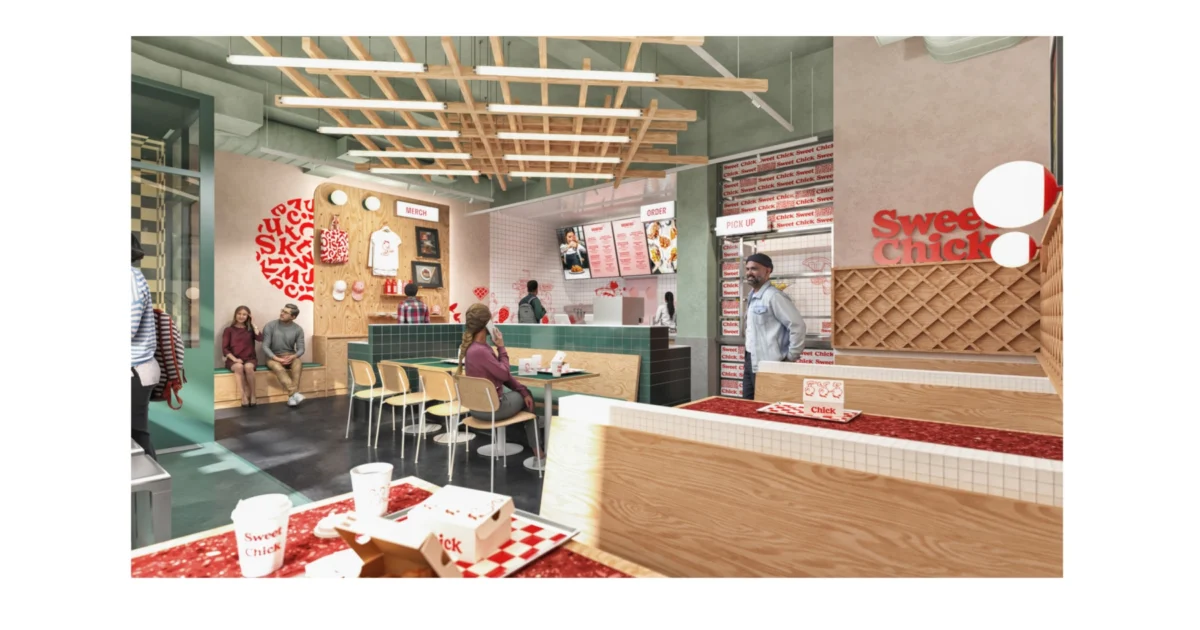
The fast-casual dining landscape has witnessed another significant contraction with the abrupt closure of all Sweet Chick locations. The New York City-based chain, known for its elevated take on comfort food, particularly its signature chicken and waffles, announced the cessation of its operations on Thursday via a poignant Instagram post. This decision marks the end of a 14-year journey for the brand, which had been a fixture in the city’s vibrant culinary scene and had aspirations for further expansion.
The announcement, shared across the brand’s social media channels, expressed deep gratitude to its patrons, staff, and stakeholders. "After 14 years in business, we’ve made the difficult decision to close all Sweet Chick locations," the post stated. "We’ve made countless memories with our guests, staff, friends, and family. Building Sweet Chick in New York City has been a labor of love. Thank you for being part of it. We hope to serve you again one day." The tone of the message conveyed a sense of closure tinged with nostalgia, reflecting on the brand’s journey and the community it cultivated.
While the exact number of impacted units was not immediately specified, the company’s website previously listed five restaurants, all situated within New York City. The brand had also ventured beyond its home turf, opening a location in Los Angeles in 2017. However, evidence suggests this West Coast outpost had ceased operations earlier in 2024, indicating a potential slowdown in growth prior to the widespread shutdown. Sweet Chick did not immediately respond to further requests for detailed information regarding the reasons behind the closures or the specifics of its financial situation.
A Culinary Journey: From Full-Service to Fast-Casual
Sweet Chick was founded in 2013 by John Seymour, with an initial vision of a full-service restaurant that specialized in chicken and waffles. The concept quickly gained traction, becoming a popular destination for brunch enthusiasts and those seeking late-night bites. Beyond its flagship dish, the menu featured a variety of breakfast items, chicken sandwiches, and Southern-inspired comfort food, complemented by a selection of cocktails. This initial positioning tapped into a growing demand for unique and craveable comfort food experiences in urban centers.
A significant turning point in Sweet Chick’s trajectory occurred during the COVID-19 pandemic. Like many restaurants globally, Sweet Chick adapted to the changing dining landscape by transitioning to a fast-casual format. This strategic shift aimed to streamline operations, enhance takeout and delivery capabilities, and cater to evolving consumer preferences for speed and convenience. This pivot was intended to position the brand for resilience and future growth in a post-pandemic market.
Investment and Expansion Ambitions
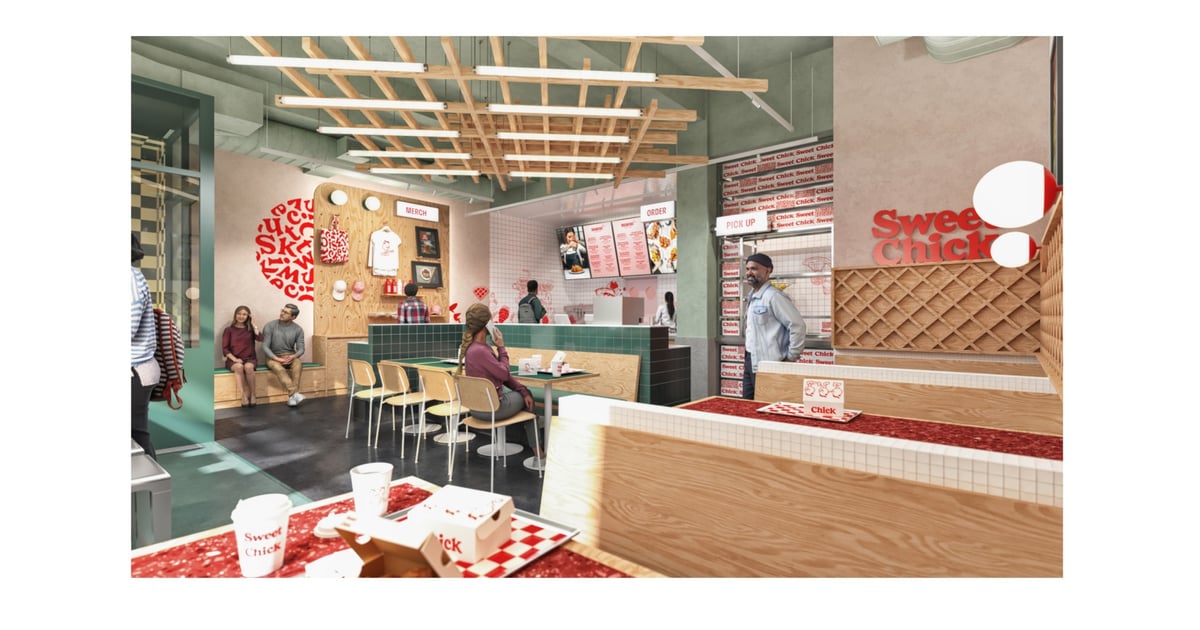
In 2022, Sweet Chick received a substantial financial boost, securing a $5 million investment from Founders Table, a restaurant group spearheaded by Nick Marsh. Founders Table’s portfolio includes several well-known brands such as Chopt, Dos Toros, Hopdoddy Burger Bar, and Protein Bar. This investment was seen as a strong indicator of confidence in Sweet Chick’s business model and its potential for expansion. At the time of the investment, renderings of future Sweet Chick locations were circulating, suggesting ambitious plans for scaling the brand, potentially into new markets. The funding was earmarked for growth initiatives, likely including new store openings and enhancements to existing operations.
The brand also benefited from the backing of notable figures, including the Grammy-winning rapper Nas, who was an early supporter. His involvement lent a cultural cachet to Sweet Chick, aligning it with contemporary urban trends and appealing to a broad demographic. The rapper’s association with the brand underscored its appeal beyond its culinary offerings, tapping into celebrity endorsements and cultural influence.
Financial Performance and Market Dynamics
According to data from industry analytics firm Technomic, Sweet Chick concluded 2025 with $12.4 million in sales. This represented a modest 3% increase from the previous year, and the company operated five locations at that time. While this indicates some level of revenue generation and growth, it may not have been sufficient to sustain the operational costs and investment required for continued expansion in a highly competitive market.
The fast-casual chicken segment, in particular, has become increasingly saturated and fiercely competitive in recent years. Prominent players like Raising Cane’s, Wingstop, and Dave’s Hot Chicken have experienced rapid expansion, capturing significant market share. These established brands often benefit from economies of scale, extensive marketing budgets, and well-entrenched supply chains, creating a challenging environment for smaller or newer entrants.
The intensified competition within the chicken sector is evident in broader industry trends. For instance, the Nashville, Tennessee-based hot chicken chain Party Fowl reportedly closed two of its units earlier in the same month as Sweet Chick’s announcement, underscoring the pressures faced by even established regional players. Furthermore, a major KFC franchisee, Tasty Chick’n, filed for Chapter 11 bankruptcy this week, signaling a potential court-supervised sale of its restaurants. These concurrent events highlight a period of significant disruption and consolidation within the chicken-centric segment of the restaurant industry.
Analysis of Factors Contributing to Closure
The closure of Sweet Chick can likely be attributed to a confluence of factors. The highly competitive nature of the fast-casual chicken market undoubtedly played a significant role. While Sweet Chick offered a distinct culinary experience, it faced intense pressure from larger, more established brands with greater resources for expansion and marketing. The economic realities of operating restaurants in major urban centers like New York City, with high labor and real estate costs, also present ongoing challenges.
The transition from a full-service model to fast-casual, while a strategic adaptation, may have also presented operational hurdles or failed to fully offset the financial pressures. The $5 million investment in 2022, while substantial, may not have been enough to overcome underlying financial vulnerabilities or to fuel the ambitious growth plans that were envisioned. The brand’s reliance on specific market segments, such as brunch and late-night dining, may have also been impacted by shifting consumer habits and the lingering effects of the pandemic on urban foot traffic and nightlife.
The lack of immediate detailed comment from Sweet Chick suggests that the decision was likely a difficult and perhaps sudden one, potentially driven by unforeseen financial circumstances or an inability to secure further funding necessary for sustained operations and growth. The industry continues to navigate a complex economic climate characterized by inflation, labor shortages, and evolving consumer spending patterns. For many independent and smaller chain restaurants, maintaining profitability and achieving scalability in such an environment requires exceptional operational efficiency, a strong brand identity, and robust financial management. The closure of Sweet Chick serves as a somber reminder of the precariousness of the restaurant business, even for brands that have garnered investment and a loyal following. The hope expressed in their closing statement, "We hope to serve you again one day," reflects the enduring passion for hospitality that often drives entrepreneurs in this challenging but rewarding industry.
