

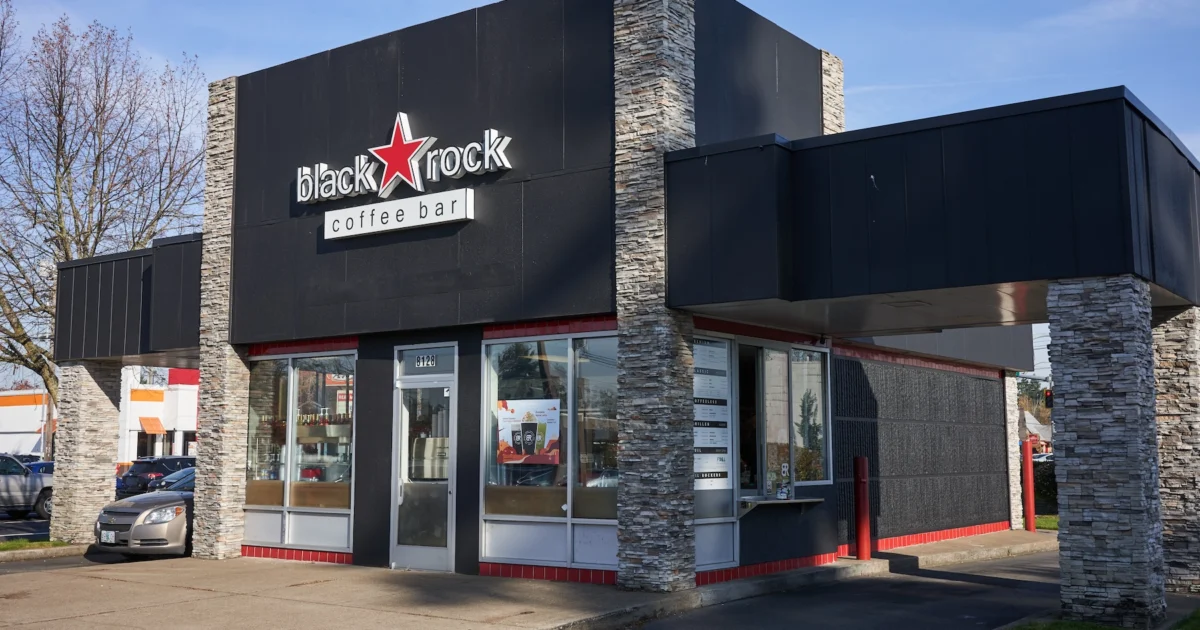
Black Rock Coffee Bar, a rapidly expanding coffee chain headquartered in Scottsdale, Arizona, has reported a strong performance in its most recent fiscal quarter, with same-store sales experiencing a notable increase of 5.8%. This growth is attributed in large part to a strategic decision to extend operating hours across a significant portion of its locations, coupled with a successful diversification of its food offerings. The company announced that transactions within these stores also saw a healthy uptick of 2.4%, contributing to a substantial 29.7% rise in overall revenues. This financial surge has translated into a more than doubling of net income, reaching $2.7 million for the quarter.
The success of the extended hours initiative is a key takeaway from the company’s latest financial disclosure. Black Rock Coffee Bar implemented a strategy to keep approximately 70% of its stores open later into the evenings, often until 8 or 9 p.m. This adjustment appears to have resonated particularly well with a younger demographic, a key target market for the brand. Alongside the extended hours, the introduction of new food items, such as cake pops and grilled cheese sandwiches, has played a crucial role in drawing in more customers and encouraging longer stays and additional purchases.
Strategic Shift Towards Evening and Food Offerings
CEO Mark Davis highlighted the strategic importance of these changes during a recent analyst call, as reported by financial services platform AlphaSense. "It’s certainly a younger demographic," Davis stated, referring to the customer base drawn in by the extended hours. He elaborated on the profitability of this strategy, noting, "When we made the decision to make them permanent, they are definitely profitable. They are contributing to the same-store sales, and they’re contributing to the transactions." This indicates a successful pivot towards capturing a larger share of the afternoon and evening market, a segment that has seen considerable growth within the coffee shop industry.
The decision to extend hours was informed by an analysis of competitor success in similar markets. Brands like Dutch Bros, another Arizona-based coffee chain, and 7 Brew have demonstrated considerable growth, largely by effectively catering to customers seeking services beyond traditional morning hours. Black Rock Coffee Bar appears to be leveraging this market trend, aiming to capture a similar share of the afternoon and evening coffee consumer.
Davis further emphasized the company’s competitive advantages, pointing to its more robust food menu and the presence of comfortable dining areas. "We see that as an opportunity," Davis remarked. "We see through our engagement, through our dining rooms, and certainly through the food offerings we provide, including food, that it’ll continue to grow and be more successful." This dual focus on enhancing the in-store experience through food and ambiance, combined with extended accessibility, positions Black Rock as a more comprehensive destination for consumers.
Market Context and Competitive Landscape
The quick-service restaurant sector, particularly the coffee segment, has experienced dynamic shifts in recent years. Consumers are increasingly seeking alternatives to traditional fast-food offerings, with a growing preference for specialized coffee beverages and a more relaxed café experience. This trend has fueled the rapid expansion of brands like Black Rock Coffee Bar, which offer a differentiated product and service. The company operates within a high-growth sector, benefiting from consumers who are choosing to forgo some traditional fast-food visits in favor of an afternoon pick-me-up or a casual meeting spot.
The competitive landscape is characterized by aggressive expansion and innovation. Companies are vying for market share by optimizing their store footprints, expanding their menus, and adapting to evolving consumer preferences. The success of extended hours and food integration at Black Rock aligns with broader industry trends that emphasize convenience, experience, and a wider range of product offerings beyond just beverages.
Expansion Strategy and Real Estate Acumen
Black Rock Coffee Bar is not only focusing on optimizing existing store performance but is also aggressively pursuing new location openings. The company opened 11 new shops in the quarter and projects the opening of 40 new locations for the full fiscal year, an increase from the previously anticipated 38. This expansion is being strategically deployed in markets showing high demand, with California highlighted as a particularly successful region, where the chain has recently achieved record weekly sales.
A significant factor in the company’s expansion success is its ability to leverage the current real estate market. Black Rock has demonstrated an aptitude for securing "second-generation sites," which are pre-existing commercial spaces that can be adapted for restaurant use. This approach often reduces build-out costs and time, allowing for quicker store openings. The company’s flexibility in adapting its store formats to various locations further enhances its real estate strategy.
Davis pointed to the company’s relatively smaller size as a strategic advantage in lease negotiations. "As a smaller company, we’re a bit more nimble," he explained. "When you think of yourself as a landlord, they want somebody that can come go through the permitting quickly, that can adapt and get that open and get it going. It allows them to charge rent faster. That’s a big advantage for us." This agility in securing and developing new locations contributes to their ambitious expansion targets and allows them to capitalize on opportunities in a competitive market.
Investor Sentiment and Future Outlook
Despite the positive operational results and strategic initiatives, investor reaction to Black Rock Coffee Bar’s recent performance has been mixed. The company’s stock experienced a decline of 4% in after-hours trading following the announcement, and has seen a significant decrease of more than half its value over the course of the year. This divergence between operational success and stock performance suggests that investors may be scrutinizing the company’s long-term profitability, valuation, or facing broader market pressures that affect publicly traded companies in the restaurant sector.
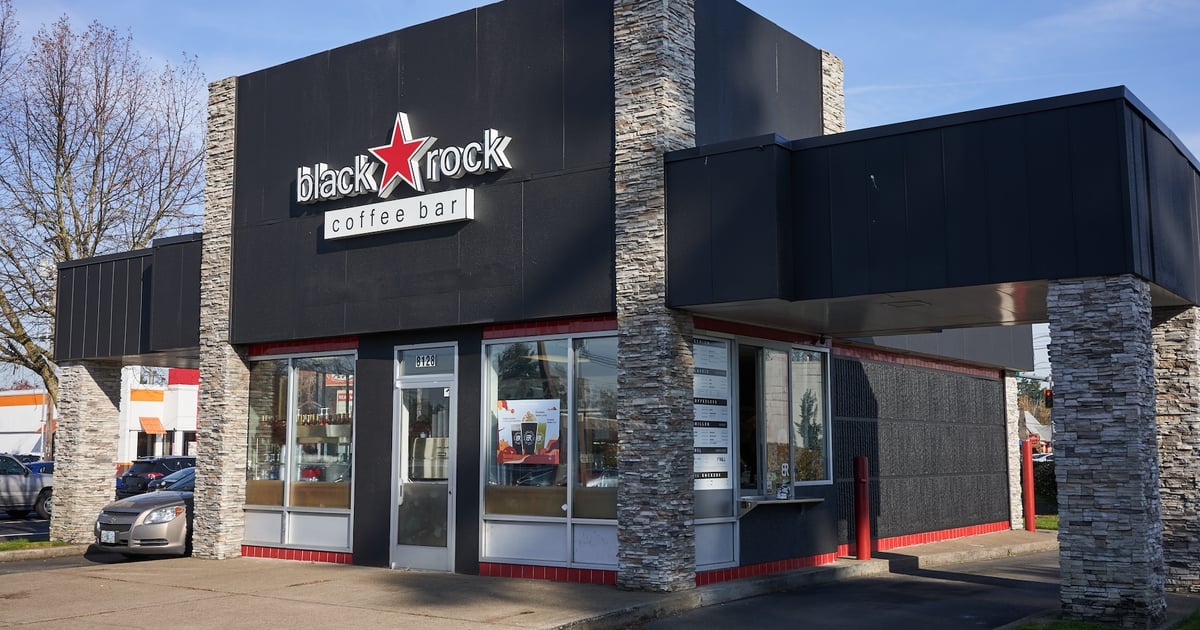
The company’s sustained investment in store openings, coupled with the operational adjustments like extended hours and menu diversification, indicates a forward-looking strategy aimed at solidifying its market position and driving long-term revenue growth. The success of these initiatives will be closely watched as Black Rock continues its aggressive expansion and navigates the complexities of the public markets. The ability to translate operational gains into sustained shareholder value will be a key determinant of its future success.
Historical Performance and Growth Trajectory
The current quarter’s results represent a continuation of a growth trajectory that Black Rock Coffee Bar has been pursuing over the past few years. Founded in 2004, the company has steadily expanded its footprint, initially focusing on establishing a strong presence in its home state of Arizona before venturing into broader regional and national markets. The strategic decision to enhance evening service and food offerings is not an isolated event but rather an evolution of its business model, designed to meet the changing demands of the modern coffee consumer.
Prior to this quarter, Black Rock had been investing heavily in expanding its store count, a strategy that requires significant capital outlay. The recent emphasis on profitability per store, as evidenced by the success of extended hours and improved sales per location, suggests a maturing phase where operational efficiency and revenue maximization are becoming increasingly critical. The company’s ability to attract and retain customers throughout the day, rather than solely relying on the morning rush, is a testament to its adaptability.
Analysis of Growth Drivers
Extended Hours: The 5.8% same-store sales growth is a clear indicator that the extension of operating hours has been a successful strategy. This taps into a market segment that often seeks out coffee shops for after-work gatherings, study sessions, or late-afternoon pick-me-ups. By catering to this demand, Black Rock is maximizing the revenue-generating potential of its existing real estate and staff. The implication is that the incremental costs associated with extended hours are being outweighed by the increased revenue and customer traffic.
Food Menu Expansion: The introduction of items like cake pops and grilled cheese sandwiches addresses a common consumer desire for more substantial food options at coffee shops. This not only increases the average transaction value but also positions Black Rock as a more versatile destination, capable of serving customers throughout the day, from breakfast to a light lunch or snack. This diversification helps to reduce reliance on beverage sales alone and can attract a broader customer base.
Younger Demographic Appeal: The focus on attracting a younger demographic is a forward-thinking approach. This segment of the population is often more open to new brands and experiences, and their preferences can shape future industry trends. By offering a welcoming atmosphere, appealing menu items, and convenient hours, Black Rock is building brand loyalty with a key consumer group.
Real Estate Strategy: The company’s adeptness at securing and adapting second-generation sites is a significant operational advantage. This reduces capital expenditure and speeds up the time-to-market for new locations, allowing for more aggressive expansion. The ability to be nimble in real estate negotiations further strengthens their competitive position.
Challenges and Opportunities Ahead
While the company’s recent performance is encouraging, several challenges and opportunities lie ahead. The competitive intensity in the coffee sector remains high, with both established players and emerging brands vying for market share. Black Rock will need to continue innovating and differentiating itself to maintain its growth trajectory.
Furthermore, the disconnect between operational success and stock performance warrants attention. Understanding the underlying reasons for investor caution – whether it be concerns about valuation, debt levels, or future growth potential – will be crucial for the company’s leadership. Addressing these concerns transparently and demonstrating a clear path to sustained profitability and shareholder returns will be paramount.
The company’s ongoing expansion, particularly in high-potential markets like California, presents significant opportunities. The success of its new stores, which are also being opened with extended hours, will be a key indicator of its ability to replicate its successful strategies across different geographies. The continued integration of food offerings and a focus on customer experience will likely remain central to its growth strategy.
In conclusion, Black Rock Coffee Bar’s recent financial report highlights a company that is strategically adapting to market demands, with a particular emphasis on extending its service hours and broadening its food menu. These initiatives have clearly resonated with consumers, driving significant growth in same-store sales and revenue. While investor sentiment may currently present a challenge, the company’s proactive approach to expansion and operational optimization positions it for continued development within the dynamic coffee shop industry.
