

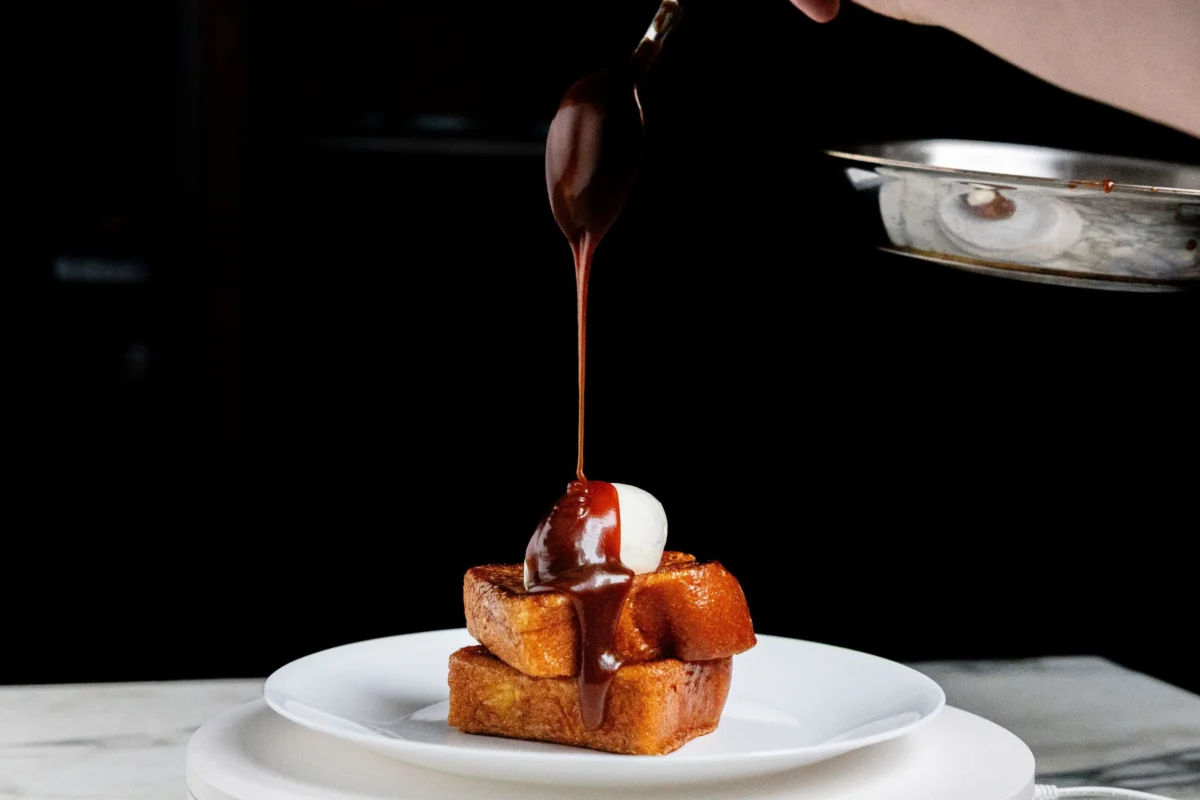
Pain perdu, literally translating to "lost bread" in French, stands as a quintessential testament to culinary ingenuity born from necessity, serving as the venerable ancestor of what is now globally recognized as French toast. This iconic dish, celebrated for its transformative power, breathes new life into day-old bread, turning what might otherwise be discarded into a rich, comforting delicacy. At its heart, the preparation involves immersing thick slices of stale bread, traditionally brioche, into a lavish vanilla custard comprising eggs, milk, and cream. Following this saturation, the bread is pan-fried in butter until its exterior achieves a delectable crispness and a deep golden hue, while its interior remains remarkably tender and custardy. This technique not only minimizes food waste but also elevates yesterday’s loaf into one of France’s most cherished breakfast items, a staple in countless homes and bistros across the nation.
Historical Roots and Culinary Evolution
The concept of soaking stale bread in a liquid and then cooking it is far from a modern invention; its origins can be traced back to antiquity, predating even the formalization of French cuisine. The earliest known recipe for a dish akin to pain perdu appears in Apicius de re coquinaria, a Roman cookbook from the 4th or 5th century CE, under the title "aliter dulcia" (another sweet dish). This ancient precursor involved soaking bread in milk and then frying it, serving it with honey. This early iteration underscores the universal appeal and practical wisdom behind maximizing available food resources.
Throughout the Middle Ages in Europe, bread was a primary dietary staple, and waste was an unthinkable luxury. Consequently, methods for reviving stale bread became integral to culinary practices. Various cultures developed their versions of "lost bread": in Germany, it was known as Arme Ritter ("poor knights"), and in England, as Poor Knights of Windsor. These names often reflect the dish’s humble origins and its association with making a hearty meal from modest ingredients. The French term "pain perdu" itself perfectly encapsulates this narrative—bread that would otherwise be "lost" is found again, transformed and reborn through a simple yet profound culinary process.
The evolution of pain perdu in France saw it gradually transition from a mere survival strategy to a beloved comfort food, particularly with the advent of richer breads like brioche. Brioche, with its high butter and egg content, offers a distinct advantage for pain perdu due to its robust structure and exceptional ability to absorb the custard without disintegrating. This quality allows for a truly custardy interior that remains intact during cooking, providing a superior textural experience compared to simpler bread varieties. The dish’s popularity solidified over centuries, becoming a symbol of French culinary ingenuity and a staple in both rural households and sophisticated urban settings.
The Science of Sensation: Why Day-Old Bread Reigns Supreme
The choice of day-old bread is not merely a tradition but a fundamental element backed by culinary science. Fresh bread, with its higher moisture content and softer crumb, tends to absorb too much liquid too quickly, leading to a soggy texture that can fall apart during cooking. Day-old bread, having lost some of its moisture, develops a firmer structure and slightly drier cells, enabling it to absorb the custard more evenly and thoroughly without becoming oversaturated. This controlled absorption is critical for achieving the desired contrast: a crisp, caramelized exterior and a tender, creamy interior.
Brioche remains the traditional and often preferred choice due to its enriched nature. Its buttery crumb and slightly sweet profile complement the vanilla custard beautifully. Other sturdy, enriched loaves like challah, a braided bread traditionally made with eggs, also perform exceptionally well for the same reasons. The density and structure of these breads allow them to soak up ample custard, yielding a rich, indulgent final product. For those working with fresh bread, a simple solution exists: arranging slices on a wire rack set in a rimmed baking sheet and baking them at 300°F (approximately 150°C) for 10-12 minutes can dry them sufficiently, mimicking the properties of day-old bread. This pre-drying step ensures optimal custard absorption and prevents sogginess.
The custard itself is a delicate balance of fat and protein. Eggs provide structure and richness, while milk and cream contribute to the custardy texture and moisture. A generous hint of vanilla extract or a scraped vanilla bean pod infuses the mixture with an aromatic depth that is characteristic of classic pain perdu. The pan-frying process in butter is equally crucial. Butter not only imparts a rich flavor but also aids in achieving the beautiful golden-brown crust through the Maillard reaction, a complex chemical process responsible for the browning and flavor development in many cooked foods. The high heat of the pan caramelizes the sugars in the bread and custard, creating a delightful textural contrast with the soft interior.
Chef Alexia Duchêne’s Modern Interpretation at Le Chêne
In the vibrant culinary landscape of New York City, Chef Alexia Duchêne, at her acclaimed restaurant Le Chêne, has taken this venerable French classic and imbued it with a refined, contemporary sensibility while honoring its foundational principles. Duchêne’s rendition of pain perdu exemplifies a sophisticated evolution, transforming a humble dish into an experience of approachable elegance suitable for diverse dining occasions, from a festive holiday brunch to an unexpected yet delightful dinner party dessert.
Chef Duchêne’s enhancements are thoughtfully chosen to elevate the dish without overshadowing its inherent charm. Her version is distinguished by three key components: a homemade salted caramel sauce, a cloud-like whipped mascarpone cream, and a final delicate sprinkle of salt. The salted caramel sauce introduces a layer of complex sweetness, balanced by a subtle savory note that cuts through the richness of the bread and custard. This homemade touch ensures depth of flavor and a perfect consistency that coats each bite beautifully. The whipped mascarpone cream, with its Italian origins, adds an ethereal lightness and a creamy counterpoint, providing a delicate richness that complements the hearty pain perdu without overwhelming it. Mascarpone, a soft, triple-cream cheese, offers a higher fat content than traditional whipped cream, contributing to a more luxurious mouthfeel. Finally, the strategic sprinkle of salt acts as a flavor amplifier, brightening all the components and preventing the dish from becoming overly sweet.
These additions are not mere garnishes but integral parts of Duchêne’s culinary philosophy, which appears to blend respect for tradition with a desire for nuanced flavor profiles and sophisticated textures. Her approach demonstrates how classic dishes can be reinterpreted to appeal to modern palates while retaining their authentic spirit. The "approachable elegance" she achieves makes her pain perdu versatile, equally at home on a celebratory table as it is in a more casual, yet refined, setting. This adaptability underscores the enduring appeal of pain perdu and its capacity to transcend conventional meal categories.
Pain Perdu Versus American French Toast: A Nuanced Distinction
While pain perdu is unequivocally the classic French toast, the subtle differences that have emerged between the two terms, particularly in American culinary parlance, are worth noting. Fundamentally, both dishes share the same core technique: bread soaked in an egg-and-dairy custard and then cooked until golden and crisp outside while remaining tender within. However, the traditional French emphasis on pain perdu revolves around the imperative of giving stale bread a second life—a practical, economical, and sustainable culinary practice.
In contrast, modern American French toast recipes, while often delicious, sometimes deviate from this core principle. It is not uncommon for American versions to utilize thinner slices of bread, which may sometimes be fresh and even artificially dried in the oven to achieve a similar, though perhaps less profound, textural effect. This subtle shift reflects a broader cultural divergence where convenience and speed sometimes take precedence over the deep-seated culinary traditions of waste reduction. Chef Duchêne’s commitment to using day-old brioche and her meticulous finishing touches underscore her adherence to the authentic French roots of the dish, ensuring that her creation embodies the true spirit of pain perdu.
The evolution of French toast in America also saw a greater emphasis on sweeter toppings, often involving copious amounts of maple syrup, fruit, or powdered sugar, sometimes overshadowing the inherent flavor of the bread and custard. While pain perdu can certainly be served with sweet accompaniments, the traditional French approach often favors a more balanced presentation, allowing the quality of the bread and the richness of the custard to shine. Duchêne’s choice of salted caramel and mascarpone aligns with a more refined approach to sweetness and texture, characteristic of French patisserie and dessert traditions.
Optimizing Preparation: Tips for the Home Cook
For those aspiring to recreate the perfection of pain perdu at home, several practical considerations can elevate the experience. As established, day-old brioche or a similar sturdy, enriched loaf like challah remains the ideal choice. If only fresh bread is available, the pre-drying technique (baking at 300°F for 10-12 minutes until dry to the touch) is highly recommended. This crucial step prevents the bread from becoming soggy and ensures optimal custard absorption, leading to that coveted crisp exterior and custardy interior.
Regarding preparation timelines, certain components of pain perdu lend themselves well to advance preparation, offering convenience without compromising quality. The homemade salted caramel sauce, for instance, can be prepared up to a week in advance and stored in the refrigerator, ready to be gently reheated before serving. Similarly, the whipped mascarpone cream can be made up to a day ahead and refrigerated, retaining its texture and freshness. However, for the pain perdu itself, the consensus among culinary experts is clear: the bread should be soaked and cooked just before serving. This immediacy is paramount for preserving the delicate balance of textures—the crispness of the pan-fried exterior and the soft, warm custardy center. Soaking the bread too far in advance can lead to over-saturation, while reheating cooked pain perdu can compromise its texture, resulting in a less satisfying experience.
Broader Impact and Culinary Significance
Pain perdu, in its historical context and modern interpretations, embodies several significant culinary and cultural narratives. Firstly, it stands as a powerful example of sustainable cooking practices. In an era increasingly conscious of food waste and resource management, the dish serves as a timeless reminder of how simple ingenuity can transform overlooked ingredients into something extraordinary. This ethos resonates deeply with contemporary movements advocating for zero-waste kitchens and mindful consumption.
Secondly, pain perdu represents the enduring appeal of comfort food, elevated. Its ability to evoke nostalgia and provide profound satisfaction makes it a perennial favorite. Chef Duchêne’s rendition, in particular, showcases how traditional comfort dishes can be refined and presented in a fine-dining context without losing their soul. This trend of "elevated comfort food" is a significant force in modern gastronomy, bridging the gap between sophisticated techniques and universally beloved flavors.
Furthermore, the global proliferation of "French toast" speaks to the pervasive influence of French cuisine on the world stage. While adapted and localized in countless ways, the core concept of pain perdu has transcended cultural boundaries, becoming a breakfast and brunch staple from bustling urban cafes to quiet suburban homes. This cultural exchange highlights the power of food as a universal language, connecting people across diverse backgrounds through shared culinary experiences.
The continued celebration of pain perdu by chefs like Alexia Duchêne reaffirms its status not just as a recipe, but as a culinary philosophy—a dedication to maximizing flavor, respecting ingredients, and transforming the ordinary into the exceptional. It is a dish that tells a story of survival, ingenuity, and ultimately, pure indulgence, securing its place as an indelible part of the global culinary heritage. As diners increasingly seek both authenticity and innovation, pain perdu, whether in its simplest form or adorned with sophisticated accompaniments, continues to captivate and delight, proving that sometimes, the most profound culinary experiences are born from the simplest of origins.
