

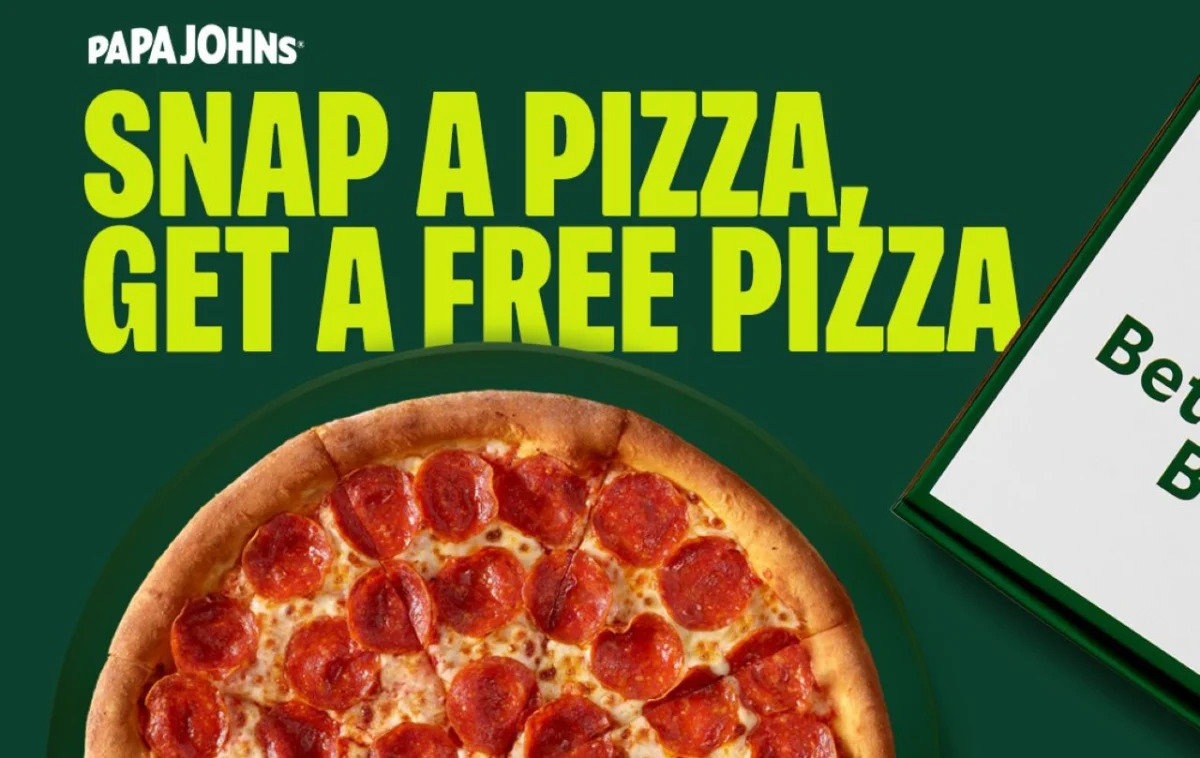
Papa Johns is actively engaging its customer base, inviting them to share their direct feedback on the pizza-making process as a cornerstone of its recently unveiled "Unbox Better" strategic plan. This initiative, launched concurrently with the company’s third-quarter financial report, marks a significant pivot towards customer-centric improvements aimed at reversing a protracted sales slump. For a two-week period, digital customers are encouraged to upload photographic evidence of their Papa Johns orders directly through their Papa Rewards accounts, providing detailed commentary on crucial elements such as the bake quality, crust consistency, and overall dining experience. This direct line to consumer perception is intended to furnish actionable insights that will guide product and operational enhancements.
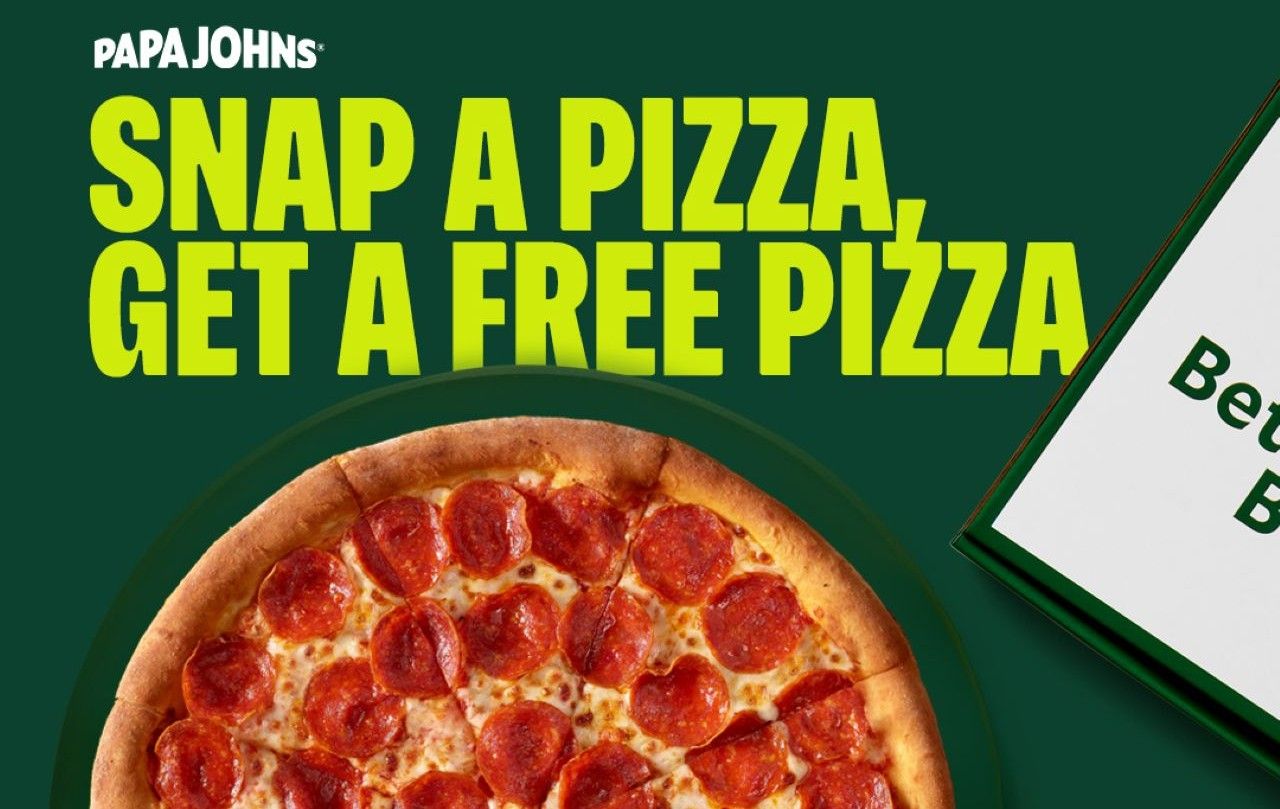
The program offers a tangible incentive: upon successful validation of a submitted photo, customers will receive a complimentary large, one-topping pizza in their Papa Rewards offers. This reward is contingent upon a minimum $5 purchase with their subsequent order. For those opting for the "Snap a Pizza, Get a Free Pizza" promotion, a minimum purchase of $15 is required. This strategy underscores Papa Johns’ commitment to not only gather data but also to demonstrably reward customer participation, fostering a sense of partnership in the brand’s revitalization efforts.
Strategic Shift Towards Data-Driven Improvement
The "Unbox Better" plan signifies a deliberate shift in Papa Johns’ operational philosophy, emphasizing the critical role of direct consumer feedback in shaping future strategies. CEO Todd Penegor articulated this vision in a recent interview, highlighting the company’s intention to leverage an advanced AI algorithm. This technology is designed to meticulously scan submitted pizza images, extracting granular feedback on various attributes. The goal is to pinpoint specific areas requiring attention, whether it involves enhancing the flavor profile of cheese, optimizing dough formulation, or addressing other potential shortcomings.
"We want feedback from customers because we know they have a lot of choices and we need to earn it," Penegor stated, underscoring the competitive landscape of the quick-service restaurant (QSR) industry. He further elaborated on the long-term implications of this customer-centric approach, stating, "You’ll see us coming back to [consumer feedback] during 2027 on several occasions to really earn trust and truly own quality. That’s the journey we’re on." This forward-looking statement suggests that customer feedback will not be a one-off event but an ongoing, integrated component of Papa Johns’ quality assurance and brand development processes through 2027.
Context of Sales Performance and Market Challenges
The "Unbox Better" initiative arrives at a critical juncture for Papa Johns, which has been grappling with persistent sales declines. The third-quarter earnings report revealed a sobering 8.3% decrease in same-store sales in North America. This downturn is part of a larger trend, with the company experiencing quarterly sales declines in nine out of the last ten periods, excluding the second quarter of 2025. These figures highlight the urgent need for a robust turnaround strategy, and the "Unbox Better" plan is positioned as the primary vehicle for achieving this. The company’s leadership views customer feedback as the essential "fuel" required to ignite sales growth and restore market momentum.
Industry Precedents for Customer Feedback Integration
Papa Johns is not venturing into uncharted territory with its incentivized feedback model. The QSR industry has witnessed several successful instances of brands leveraging customer input to drive improvements and foster loyalty. Domino’s, a key competitor, employed a similar strategy in August, undertaking a significant overhaul of its website and mobile application. To encourage user engagement and gather feedback on the redesigned digital platforms, Domino’s offered a $5 discount on digital orders. This approach not only facilitated the collection of valuable user experience data but also drove digital transactions during the transition period.
Furthermore, Domino’s engaged customers in a unique brand perception campaign titled "Is the Domino Worthy?" In August, this initiative invited consumers to compare their new individual-sized pizza against iconic fast-food offerings like the Whopper and the Big Mac. Customers who purchased one of these identified iconic items and uploaded their receipt to a dedicated microsite received a code for a complimentary Domino pizza. This campaign cleverly blended product promotion with consumer opinion gathering, creating buzz and encouraging direct engagement with the brand’s new offering.
Burger King has also implemented a direct customer engagement strategy. Earlier this year, Burger King President Tom Curtis personally engaged with thousands of customers by taking their calls and soliciting feedback on how to enhance the business. This hands-on approach, which reportedly continues, aligns with a broader effort to improve the brand’s performance. Notably, Burger King’s same-store sales have significantly outpaced those of its QSR peers throughout the current year, suggesting that direct customer interaction can indeed yield positive financial outcomes. These examples provide a strong precedent for Papa Johns’ current strategy, demonstrating the potential efficacy of customer-centric feedback loops in the competitive fast-food market.
Analyzing the Implications of "Unbox Better"
The "Unbox Better" plan, with its emphasis on direct customer feedback and AI-driven analysis, carries several significant implications for Papa Johns and the broader QSR industry.
Enhanced Product Quality and Innovation:
By directly soliciting feedback on bake, crust, and overall experience, Papa Johns is positioning itself to make highly targeted improvements to its core product. The AI component is particularly noteworthy, as it promises a data-driven, objective assessment of pizza quality that can identify subtle but impactful areas for enhancement. This could lead to more consistent product delivery across all locations and a tangible improvement in customer satisfaction with the food itself. Future menu innovation could also be informed by this direct consumer insight, ensuring new offerings are aligned with actual customer preferences.
Strengthened Customer Loyalty and Brand Perception:
The act of actively seeking and acting upon customer feedback can significantly foster a sense of loyalty and goodwill. When customers feel heard and see their suggestions implemented, their connection to the brand deepens. The incentive program further reinforces this positive relationship by rewarding participation. For a brand like Papa Johns, which has faced sales challenges, rebuilding trust and improving its perception as a high-quality pizza provider is paramount. The "Unbox Better" initiative is a strategic move to reposition the brand as one that values and responds to its customers’ needs.
Competitive Differentiation in a Crowded Market:
The QSR landscape is intensely competitive, with brands constantly vying for consumer attention and spending. While many competitors offer loyalty programs and gather some form of feedback, Papa Johns’ approach, particularly the integration of AI for granular analysis, could offer a distinct competitive edge. If successful, this deep dive into product specifics based on real-time customer input could differentiate Papa Johns from rivals that rely on more generalized market research or less direct feedback mechanisms.
Operational Efficiency and Cost Management:
While the immediate focus is on sales growth, the insights gained from customer feedback could also lead to operational efficiencies. Identifying consistent issues with product preparation or ingredient sourcing could allow for targeted training or supply chain adjustments, potentially reducing waste and improving consistency. The AI analysis of images, for example, could help standardize baking processes across different franchise locations, leading to a more uniform and higher-quality product, which in turn can reduce customer complaints and associated costs.
Data Analytics and Future Strategy Development:
The data collected through the "Unbox Better" program will provide Papa Johns with a rich dataset for ongoing strategic planning. This information can inform decisions about marketing campaigns, product development pipelines, operational training, and even franchise support. The commitment to revisiting consumer feedback throughout 2027 suggests a long-term vision for integrating data analytics into the very fabric of the company’s decision-making processes, moving beyond reactive problem-solving to proactive brand evolution.
Conclusion
Papa Johns’ "Unbox Better" initiative represents a bold and necessary step in its ongoing efforts to revitalize sales and enhance its market position. By prioritizing direct customer feedback, leveraging advanced technology for analysis, and offering tangible incentives, the company is demonstrating a clear commitment to understanding and addressing consumer expectations. The success of this strategy will hinge on its ability to translate feedback into meaningful improvements and to consistently communicate these positive changes back to its customer base. As the QSR industry continues to evolve, driven by consumer preferences and technological advancements, Papa Johns’ embrace of a data-informed, customer-centric approach could serve as a blueprint for future turnaround efforts, not only for itself but for other brands facing similar market pressures. The coming months and years will reveal the true impact of this ambitious plan, but the initial steps suggest a company determined to "unbox" a better future by listening closely to those who matter most: its customers.
