

Hurricane Lala Unleashes Devastation on Hawaii Island’s Coffee Regions, Prompting Urgent Relief Efforts and Long-Term Recovery Outlook
Southern Hawaii Island’s vital coffee-growing regions are grappling with extensive damage in the aftermath of Hurricane Lala, a powerful storm that unleashed torrential rains and damaging winds across crucial agricultural landscapes earlier this month. The full scope of destruction to coffee crops, trees, and essential farm infrastructure is still being assessed, but early reports from farmers and agricultural organizations paint a grim picture of significant losses. Federal, state, and local relief initiatives are now in motion, aiming to mitigate the immediate crisis and provide a pathway toward recovery for growers whose livelihoods have been severely impacted, particularly those just beginning their annual harvest.
The Fury of Lala: Impact on Kaʻū and Beyond
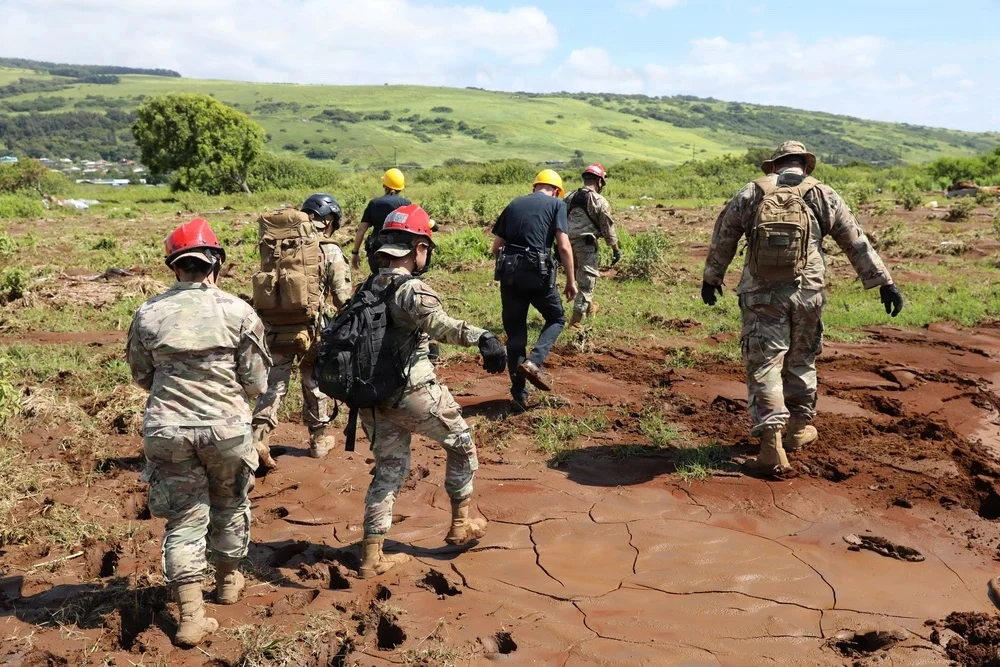
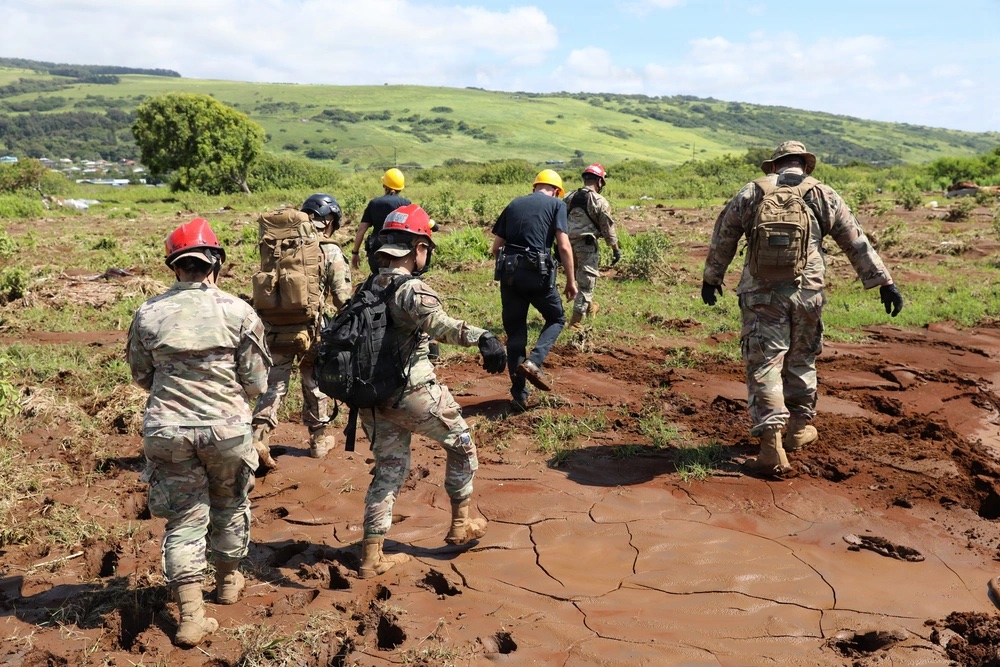
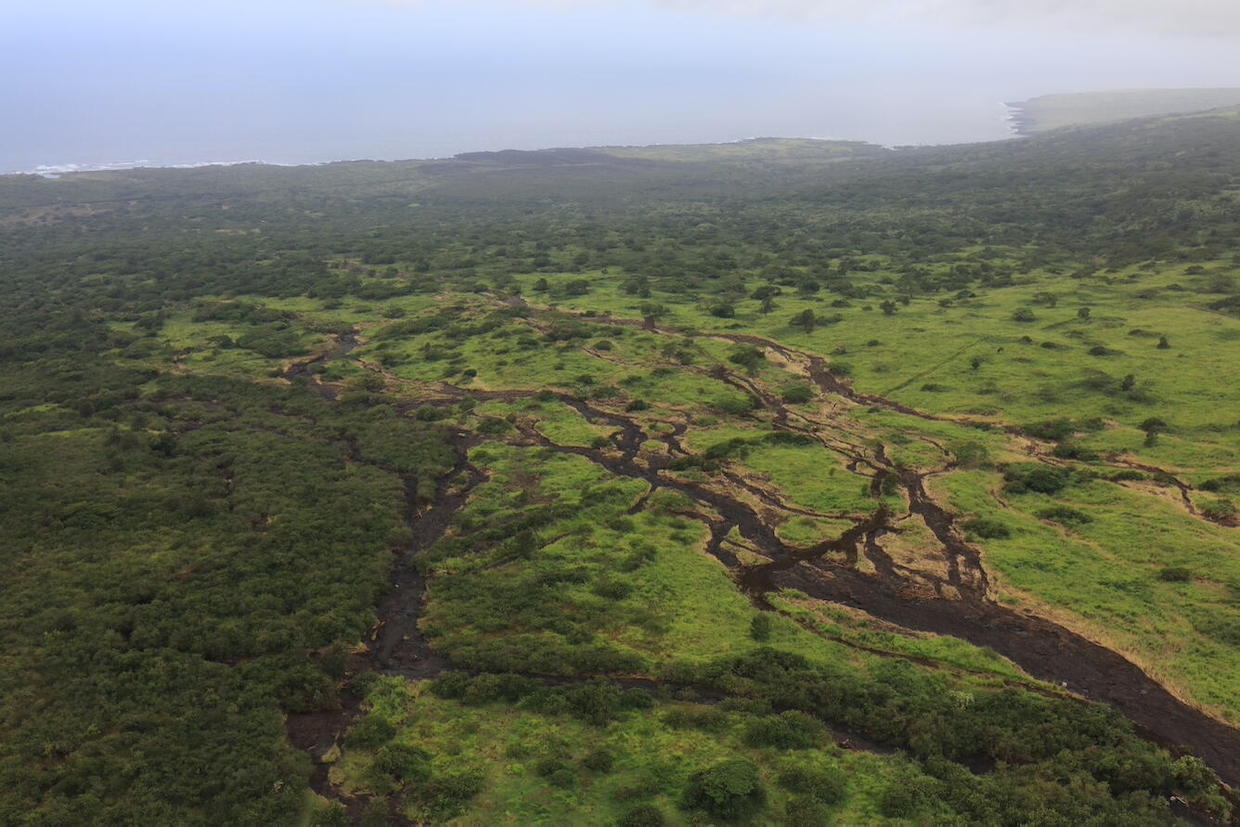
Hurricane Lala, which skirted the southern edge of Hawaii Island on August 15th, brought an onslaught of extreme rainfall and subsequent flooding to the island’s southern districts, areas renowned for their distinctive coffee production. The Kaʻū district, a heartland for Hawaiian coffee, bore the brunt of the storm’s fury. Reports indicate that flash-flood emergencies were declared as waterways swelled, leading to washed-out roads and bridges, compromised water systems, and the temporary isolation of several communities. This catastrophic deluge struck at a particularly vulnerable moment for many coffee farms, coinciding precisely with the commencement of the 2026 harvest season – a period of critical economic importance for individual growers.
Shawn Steiman, a Hawaii-based coffee consultant, scientist, and owner of Grok Coffee, highlighted the immediate physical impacts on coffee plants. "The removal force for a ripe cherry is much lower than for a green cherry," Steiman explained to Daily Coffee News. "I think the biggest damage is seedlings being uprooted or washed out, or cherries being ripped off and, of course, not having access to get to your farm, even just by foot." This loss of ripe cherries represents not only lost immediate income but also a significant disruption to the planned harvest and processing schedules.
As of August 24th, preliminary damage reports submitted through the Hawaii Agriculture Disaster Response dashboard indicated that nearly 70 farmers and ranchers statewide had self-reported losses exceeding $3.2 million across approximately 320 acres. Of this staggering figure, nearly $2 million in damages were concentrated on Hawaii Island, according to Hawaii Public Radio. These numbers are anticipated to rise as access to more remote or heavily impacted farms is re-established and damage assessments are completed.
Quantifying the Catastrophe: Coffee Sector Under Siege
The Hawaii Coffee Association has confirmed that growers in the Kaʻū, Wood Valley, and Miloliʻi areas were among the hardest hit. Reports from farmers farther north, in areas like Holualoa, indicate that some growers have lost 20% or more of their coffee trees, often due to larger, more established trees falling and crushing younger coffee plantings. The association is actively working to compile a comprehensive assessment of the overall impact on the state’s coffee sector, a crucial component of Hawaii’s agricultural economy.
Specific accounts from farms underscore the severity of the situation. At Miranda’s Farms in Kaʻū, co-owner Maria Miranda reported the loss of hundreds of coffee trees across their approximately 80 acres. Some trees were uprooted or crushed by debris, while others were stripped of their limbs and precious coffee cherries. Alla Kostenko, co-owner of A Coffee Farm in Pahala, shared with SFGATE that thousands of trees were downed or swept away across their properties, with one site losing approximately half of its trees, predominantly younger, more vulnerable plantings. Similarly, Rusty’s Hawaiian, a Kaʻū producer and roaster, was forced to temporarily suspend roasting and shipping operations due to widespread power outages and the destruction of critical transportation infrastructure.
Official Response and Pathways to Assistance
In recognition of the widespread devastation, President Donald Trump approved Hawaii’s request for a federal emergency declaration on August 25th, covering Hawaii County, Maui County, and the City and County of Honolulu. This declaration authorizes the deployment of resources and support from the Federal Emergency Management Agency (FEMA), providing a crucial layer of governmental assistance.
Beyond the broad federal emergency declaration, individual coffee growers can also access more targeted support through various U.S. Department of Agriculture (USDA) programs. These programs are designed to provide direct assistance for losses incurred to perennial crop trees, crops, land, and farm infrastructure.
Navigating the Recovery: Resources for Growers
The University of Hawaii College of Tropical Agriculture and Human Resources (UH-CTAHR) has taken a proactive role in supporting affected farmers. They have developed a comprehensive Post-Hurricane Lala resource guide specifically for Hawaii County growers, which includes detailed, coffee-specific instructions and vital contact information for USDA Farm Service Agency (FSA) programs.
A cornerstone of the UH-CTAHR guide is the emphasis on meticulous documentation. Growers are strongly advised to meticulously photograph all forms of damage, including:
- Infrastructure: Damaged roads, bridges, farm buildings, processing equipment, irrigation systems, and water storage facilities.
- Land: Evidence of erosion, landslides, and significant land alteration due to flooding.
- Crops: Uprooted, broken, or missing coffee trees; fallen or unharvested coffee cherries; and any damage to stored parchment or green coffee.
Furthermore, growers are encouraged to document all cleanup labor, meticulously save all receipts for repairs and supplies, and maintain historical production records. This comprehensive data will be essential for accurately estimating losses over the next three to five years, a period critical for the recovery and rebuilding of coffee farms.
Among the most directly applicable federal programs is the USDA Tree Assistance Program (TAP). TAP is designed to assist eligible commercial growers in rehabilitating or replacing perennial crop trees that have been lost or damaged due to natural disasters. Applications for TAP typically must be submitted within 90 days of the disaster event or when the extent of the loss becomes apparent.
Another vital program is the USDA’s Emergency Conservation Program (ECP). ECP provides financial assistance to farmers for restoring farmland damaged by natural disasters such as floods and hurricanes. Eligible conservation practices include debris removal, grading and reshaping land to its pre-disaster contour, repairing permanent fencing, and restoring water-conservation structures. Applications for ECP related to Hurricane Lala are slated to open on September 1st, with the program generally covering up to 75% of approved costs, contingent upon available funding.
The USDA is strongly urging all affected growers to contact their local Farm Service Agency (FSA) office as soon as possible. This initial contact is crucial for reporting losses and understanding which specific disaster recovery programs might be applicable to their individual situations. Coffee growers who hold federal crop insurance policies are also advised to promptly report any damage to their respective insurance agents.
Long-Term Repercussions: Beyond the Immediate Harvest
The devastating impact of Hurricane Lala extends far beyond the immediate loss of the current harvest. Coffee consultant Shawn Steiman emphasized the significant long-term implications for many growers. "If you’ve lost 10% of the trees you planted, then that reverberates to the future in a significant way," Steiman stated. "Not just yields, but the cost of replacing."
The loss of mature trees not only reduces immediate yield but also impacts the productive capacity of the farm for years to come. Furthermore, significant defoliation of surviving trees, even if they remain standing, can severely compromise their ability to photosynthesize. This reduction in photosynthetic activity can limit the trees’ capacity to produce new fruit, flowers, and leaves in subsequent growing seasons, leading to diminished yields and potentially impacting bean quality.
Steiman also highlighted the role that the broader coffee community can play in supporting the recovery effort. He suggested that green coffee buyers can contribute significantly by simply expressing interest in and inquiring about the availability of green coffee. "If there’s a little coffee lying around, people need and want to sell it. People need money. They need to recuperate," he explained, underscoring the immediate financial needs of the farmers.
However, given the catastrophic timing of Hurricane Lala at the precipice of the harvest season, Steiman stressed that long-term support will be equally crucial. "If we’ve lost coffee, we’ve lost trade," he concluded. "People should be aware that helping means helping across time, not just in a moment, and that’s true of any coffee area, any natural disaster." The resilience of Hawaii’s coffee industry will depend not only on immediate relief but also on sustained support and strategic planning for rebuilding and future mitigation efforts. The path to full recovery for these cherished coffee farms will undoubtedly be a marathon, requiring patience, significant investment, and the unwavering support of the global coffee community.
