

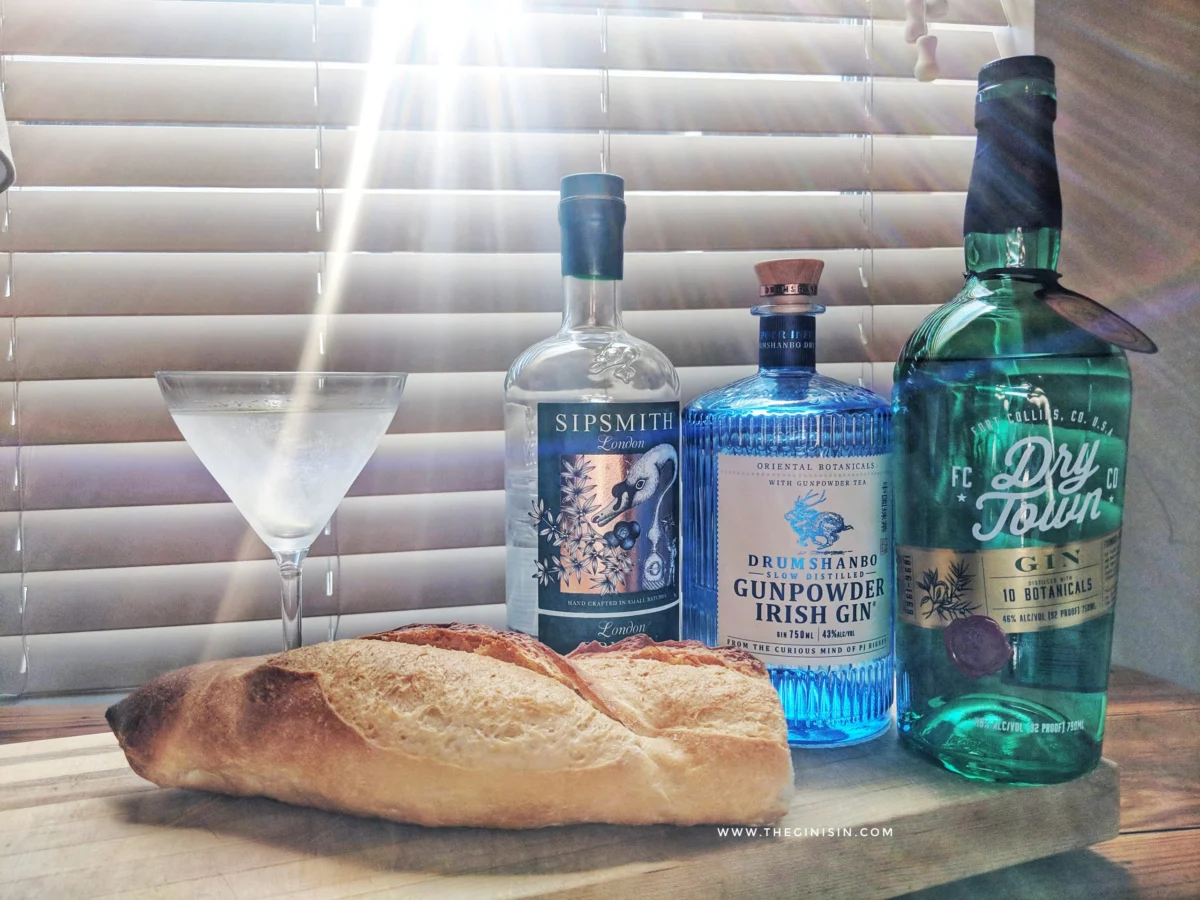
The question of whether gin is safe for individuals with celiac disease or gluten sensitivity has long been a subject of debate within the health and spirits communities. Despite the fact that many gins are distilled from gluten-containing grains such as wheat, barley, and rye, the scientific consensus remains absolute: pure, distilled gin is gluten-free. This conclusion is supported by major health organizations, including the Celiac Disease Foundation and the National Health Service (NHS), which affirm that the distillation process effectively removes gluten proteins from the final spirit. Understanding the intersection of chemistry, regulatory labeling, and digestive health is essential for consumers navigating the complexities of a gluten-free lifestyle.
The Science of Distillation and Protein Separation
To understand why gin is gluten-free, one must examine the molecular mechanics of the distillation process. Gluten is a composite of storage proteins—specifically gliadin and glutenin—found in cereal grains. These proteins are heavy, complex molecules with high molecular weights. During the production of gin, a fermented "wash" containing grain sugars and proteins is heated in a still.
The principle of distillation relies on the differing boiling points of substances. Ethanol, the primary alcohol in spirits, has a boiling point of approximately 173.1°F (78.37°C), while water boils at 212°F (100°C). Gluten proteins, however, are not volatile; they do not evaporate. When the heat is applied to the still, the ethanol and volatile aromatic compounds transition into a gaseous state (steam), leaving the heavy proteins, sugars, and non-volatile particulates behind in the boiling vessel.
This steam travels through a condenser, where it is chilled and reverted into a liquid state. Because the gluten peptides were never converted into gas, they cannot transition into the final distillate. Scientific research indicates that the gluten peptide is simply too large to be carried over in the steam during a properly executed distillation. Consequently, even if a gin is labeled as being "made from 100% Red Winter Wheat," the resulting clear spirit is chemically devoid of gluten.
Regulatory Framework and Labeling Evolution
The legal landscape regarding gluten-free claims on alcohol has evolved significantly over the last decade. In the United States, the Alcohol and Tobacco Tax and Trade Bureau (TTB) oversees the labeling of distilled spirits, following guidance that aligns with Food and Drug Administration (FDA) standards.
In 2020, the TTB issued Ruling 2020-2, which updated the requirements for gluten-free labeling on distilled spirits. Previously, spirits made from gluten-containing grains could not be labeled "gluten-free" and were instead required to use phrases like "processed to remove gluten." However, after reviewing the scientific evidence regarding distillation, the TTB revised its stance. The current ruling allows spirits distilled from gluten-containing grains to be labeled as "gluten-free" provided the manufacturer ensures no gluten is added back into the product after distillation through flavorings or other additives.
This regulatory shift was a landmark moment for the industry, providing clarity for consumers who had previously been confused by ambiguous labeling. It also brought U.S. standards in line with international protocols, such as those in the European Union and the United Kingdom, where distilled spirits have long been recognized as safe for celiac patients regardless of their base ingredients.
Chronology of Gluten Awareness in the Spirits Industry
The journey toward the current scientific and regulatory consensus has spanned several decades, marked by shifts in medical understanding and consumer demand.
- Early 2000s: As celiac disease diagnoses began to rise, health advocates initially cautioned against any product derived from wheat, barley, or rye, including distilled spirits. This "abundance of caution" approach created a lasting myth that gin and whiskey were unsafe.
- 2012: The Celiac Disease Foundation and other international bodies began publishing clarified guidelines, explicitly stating that distillation removes gluten. Despite this, consumer skepticism remained high due to anecdotal reports of illness.
- 2014: The FDA finalized its "Gluten-Free" labeling rule for fermented foods, but spirits remained under the jurisdiction of the TTB, leading to a period of regulatory discrepancy.
- 2020: The TTB Ruling 2020-2 officially authorized the use of "gluten-free" claims for distilled spirits made from grains, provided no cross-contamination occurs post-distillation.
- 2021-Present: The craft gin movement has embraced these findings, with many brands now explicitly marketing their gluten-free status to appeal to health-conscious demographics.
Identifying Potential Risks: Additives and Cross-Contamination
While the distillation process itself guarantees a gluten-free result, the final product’s safety can be compromised by post-distillation processes. This is where consumers must exercise vigilance.
Most traditional London Dry gins are safe because their flavors are derived entirely from botanicals (such as juniper, coriander, and citrus peel) that are re-distilled with the neutral spirit. However, modern "compound" gins or flavored gins may introduce gluten through additives.
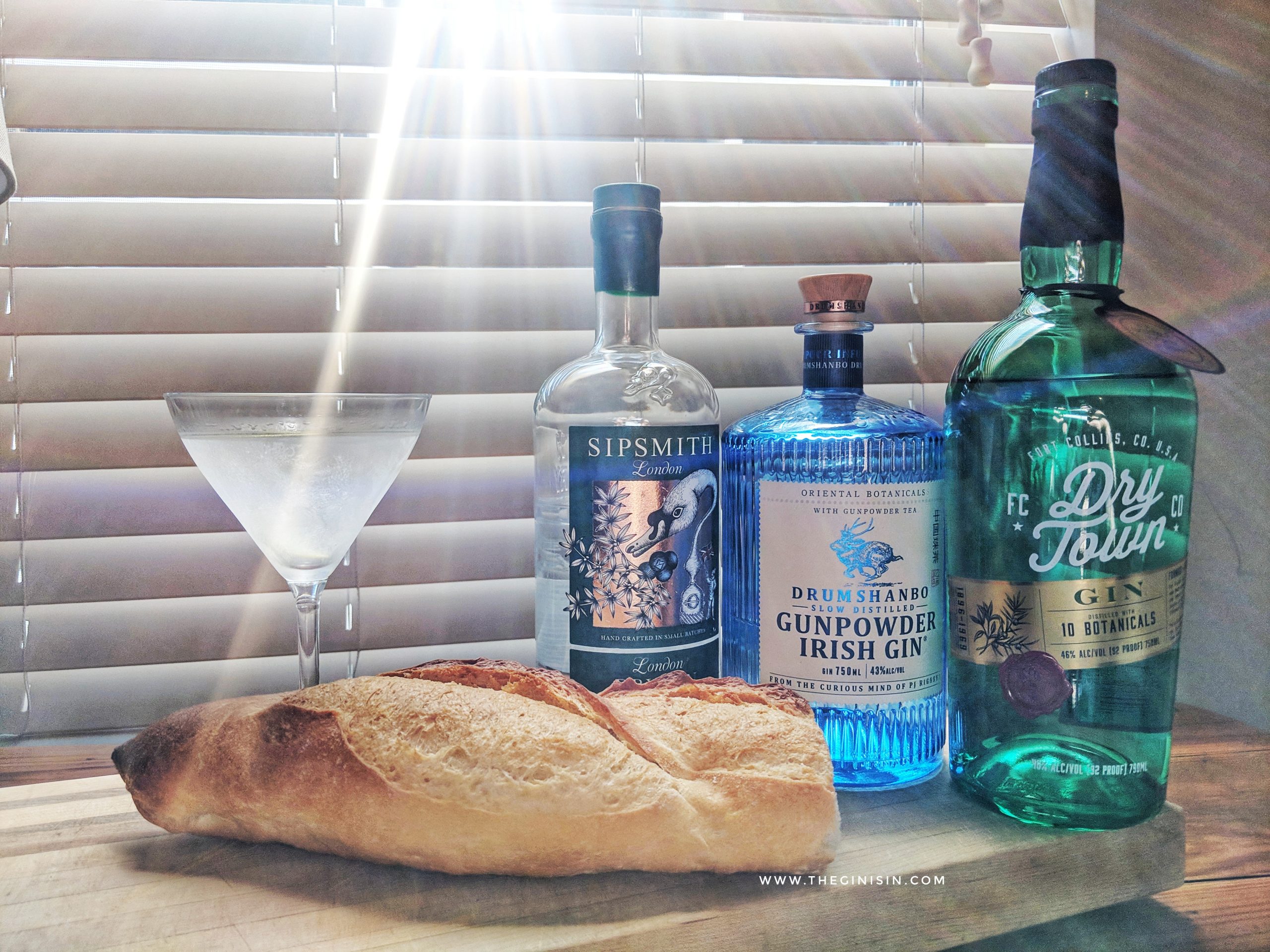
Potential sources of gluten in the gin supply chain include:
- Post-distillation flavorings: Some cheaper flavored gins may use syrups or coloring agents that contain barley malt or other gluten-derived stabilizers.
- Cross-contamination: In facilities that produce both distilled spirits and malt beverages (like beer), there is a theoretical risk of cross-contact if equipment is not properly sanitized.
- Sealing pastes: Historically, some distilleries used a flour-based paste to seal stills, though this practice is virtually non-existent in modern commercial gin production.
For those with extreme sensitivity, experts recommend looking for "London Dry" designations or contacting the distiller directly to confirm that no gluten-containing ingredients were added after the final distillation.
Analyzing the "Grain Taste" and Digestive Sensitivities
A common point of confusion among consumers is the ability to "taste the grain" in certain gins. If the gluten is gone, why does a wheat-based gin taste different from a potato-based or grape-based gin?
The answer lies in aromatic molecules and congeners. While proteins like gluten are too heavy to evaporate, smaller volatile compounds—esters, aldehydes, and phenols—do carry over during distillation. These molecules provide the subtle "mouthfeel" and flavor profile of the base grain. Tasting the essence of wheat is not an indication of the presence of gluten; it is simply the presence of the grain’s volatile flavor oils.
Furthermore, some individuals report feeling "glutened" after consuming gin, experiencing symptoms such as bloating, abdominal pain, or brain fog. Medical professionals point to two likely explanations that do not involve gluten:
- Alcohol as an Irritant: Ethanol is a known gastrointestinal irritant. It can increase gut permeability and cause inflammation in the stomach lining, mimicking the symptoms of a gluten reaction.
- FODMAPs and Sensitivities: While the distillation process removes gluten, some individuals are sensitive to other components of the grains or the botanicals used in gin (such as juniper or certain spices).
Market Impact and the Future of Gluten-Free Spirits
The "gluten-free" designation has become a powerful marketing tool in the global spirits market, which is projected to continue its steady growth through the 2020s. According to industry reports, the demand for gluten-free products has expanded beyond those with medical necessities to include "lifestyle" consumers who perceive gluten-free options as generally healthier.
Distillers have responded by diversifying their base ingredients. While wheat and barley remain the industry standards for neutral spirits, there has been a surge in gins distilled from:
- Potatoes: Often resulting in a creamier mouthfeel.
- Grapes: Popular in French and Australian gins, offering a floral, vinous quality.
- Corn: A common base for American craft gins, known for a slight sweetness.
- Apples and Honey: Emerging niche bases that are naturally gluten-free even before distillation.
The transparency provided by the 2020 TTB ruling has allowed these producers to compete more effectively on labels. As consumer education catches up with the science of distillation, the stigma surrounding grain-based spirits in the gluten-free community is expected to diminish.
Expert Perspectives on Consumer Safety
Leading health organizations maintain a firm stance on the safety of distilled spirits. The Academy of Nutrition and Dietetics and the Celiac Disease Foundation both include gin on their lists of allowed alcoholic beverages for those with celiac disease.
"The process of distillation, by definition, separates the alcohol from the mash," states the Celiac Disease Foundation. "This process results in a product that is gluten-free, regardless of the starting material."
In conclusion, the chemical reality of gin production ensures a gluten-free product. While the base grains—wheat, barley, or rye—contain gluten, the physical act of evaporation and condensation leaves these proteins behind. For the millions of people worldwide living with celiac disease or non-celiac gluten sensitivity, gin remains a safe and scientifically verified option, provided it is consumed in its pure, distilled form without gluten-containing additives. As the industry continues to prioritize transparency and rigorous production standards, the clarity regarding gin’s gluten-free status serves as a benchmark for science-based consumer education.
