

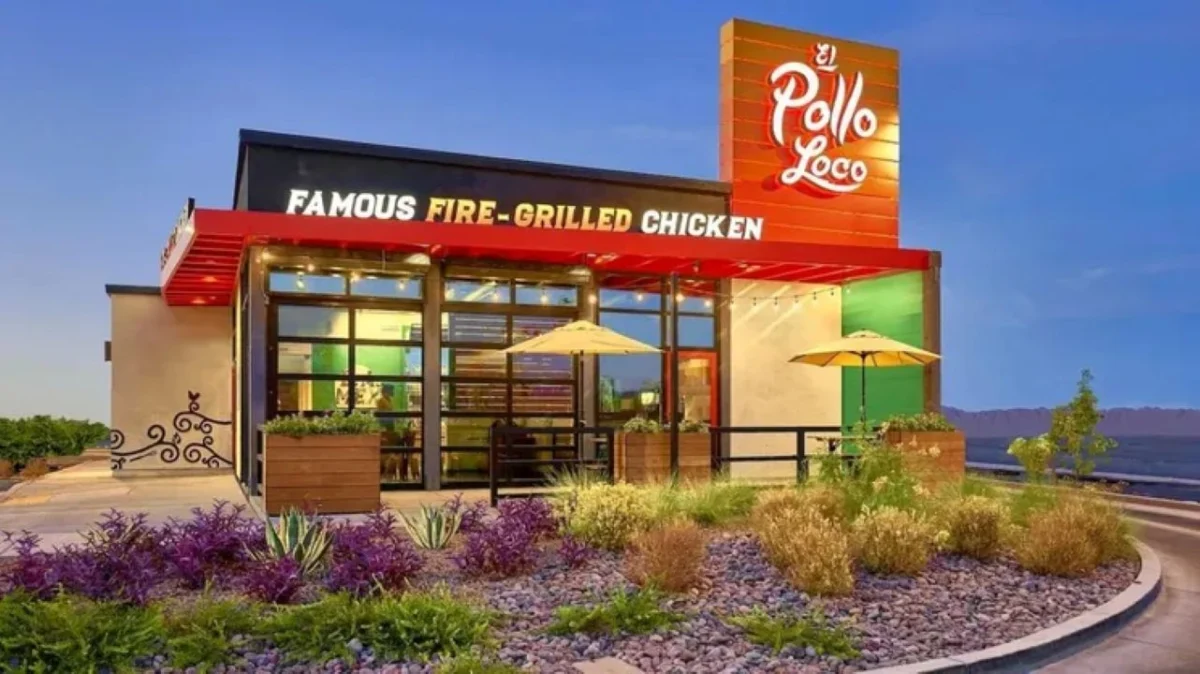
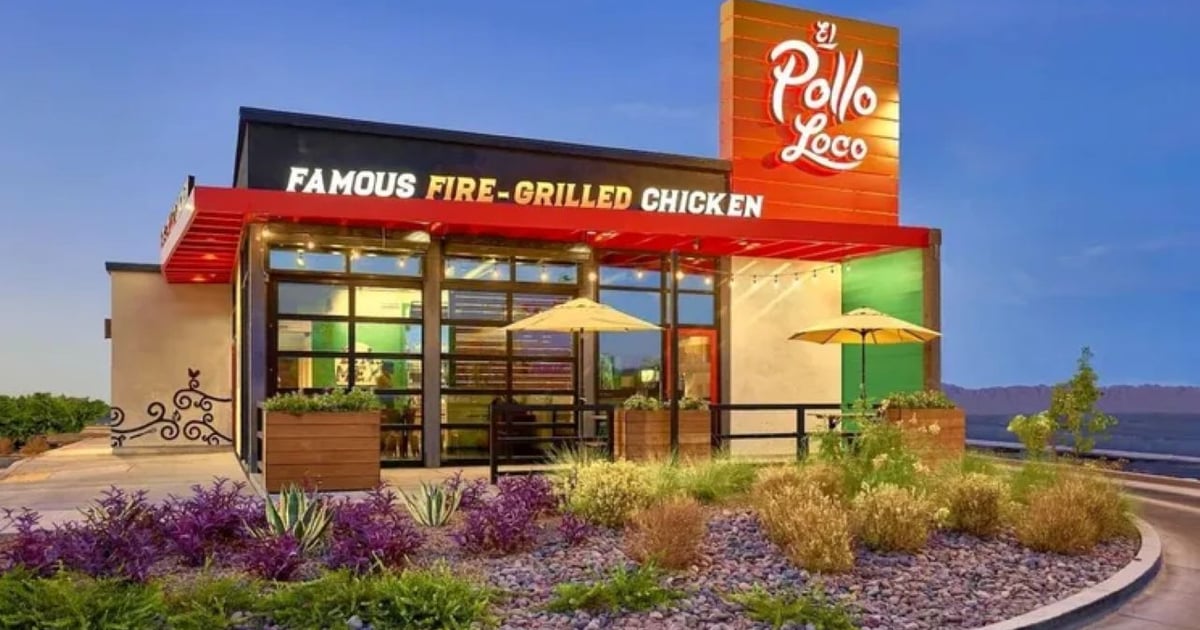
El Pollo Loco, the renowned quick-service restaurant chain specializing in authentic Latin-inspired chicken, has announced a robust third-quarter performance, underscoring its transition into a "durable growth phase." The company reported a notable 5% increase in same-store sales, marking its fourth consecutive quarterly gain. This positive momentum is further bolstered by a slight uptick in traffic, registering at 0.7%, and an impressive rise in restaurant contribution margins to 18.4%.
During a recent earnings call, CEO Liz Williams attributed this sustained growth to a dual strategy: the successful expansion of sales layers and the implementation of significant operational improvements that have been a core focus for the past two years. The third quarter, in particular, benefited from the strategic introduction of the highly popular Loaded Quesadilla, alongside a refreshing lineup of new beverages. Looking ahead, El Pollo Loco has ambitious expansion plans, projecting the opening of 18 to 20 new restaurants this year. This growth trajectory is set to accelerate significantly, with the company aiming to launch between 25 and 30 new locations by 2027. A key element of this expansion strategy is geographic diversification, with approximately two-thirds of these new restaurants slated for locations outside of the chain’s home state of California, signaling a strategic push into new markets.
This period of growth for El Pollo Loco occurs within a broader context of dynamic shifts in the quick-service and fast-casual dining sectors. As consumer preferences evolve and competitive pressures intensify, chains are increasingly focused on menu innovation, operational efficiency, and strategic market expansion to secure market share and foster long-term profitability. The company’s emphasis on both sales-driving initiatives and foundational operational enhancements suggests a comprehensive approach to sustainable growth, aiming to build resilience against economic fluctuations and changing consumer behaviors.
KFC International Renews Beverage Partnership with Pepsi, Amidst U.S. Switch to Coca-Cola
In a significant development that highlights the complex beverage strategies within large restaurant conglomerates, KFC International has announced the renewal of its long-standing partnership with Pepsi. This agreement comes less than a month after its sister brand, KFC U.S., made a notable shift, switching its beverage supplier to Coca-Cola after a four-decade alliance. The renewed collaboration between KFC International and Pepsi is designed to foster innovation in beverage and menu offerings, with a specific focus on creating offerings tailored to the unique tastes and preferences of local markets worldwide. The overarching goal of this partnership is to drive increased customer traffic and expand the occasions for dining at KFC.
Pepsi will play a crucial role in supporting KFC’s ongoing global beverage expansion, a strategic move aimed at meeting the escalating demand, particularly from the Gen Z demographic, a key consumer segment known for its evolving preferences and digital engagement. This focus on Gen Z suggests an understanding of the demographic’s influence on beverage trends and a desire to cultivate brand loyalty from an early age. The decision by KFC International to continue its partnership with Pepsi, while KFC U.S. has aligned with Coca-Cola, underscores the decentralized nature of beverage contracts within global franchise systems, often dictated by regional market dynamics, existing relationships, and specific promotional opportunities.
This strategic beverage alignment is not an isolated event within the Yum! Brands portfolio. Just two weeks prior to KFC International’s announcement, its sibling brand, Taco Bell, also confirmed an extension of its partnership with PepsiCo, securing the collaboration through 2036. This broad commitment from multiple Yum! Brands entities to PepsiCo indicates a strong and ongoing strategic relationship, likely built on shared business objectives, supply chain efficiencies, and marketing synergies. The contrasting beverage choices between KFC’s international and U.S. operations, however, offer a compelling case study in how global brands navigate complex supplier relationships and cater to diverse market demands.
Sweetgreen Targets Dinner Daypart with Expanded ‘Plates’ Menu Featuring Rotisserie-Style Chicken
Sweetgreen, the fast-casual salad and bowl chain, is making a concerted effort to bolster its presence during the dinner daypart by enhancing its menu offerings. The company unveiled its expanded "Plates" category, a menu innovation first introduced in 2023. The recent enhancement includes the addition of a new rotisserie-style marinated chicken. This premium protein option features larger servings of roasted boneless, skinless chicken thighs, presented in two new Plate configurations, complemented by warm vegetables and flavorful sauces.

The rotisserie chicken is also making its debut in a new wrap sandwich, offering a convenient and versatile option for consumers. These additions are positioned as more premium offerings, a strategic move that CEO Jonathan Neman believes will attract new customer segments, particularly during the dinner hours. Currently, the dinner daypart accounts for approximately one-third of Sweetgreen’s total sales. By introducing more substantial and appealing dinner options, Sweetgreen aims to capture a larger share of the evening dining occasions, which often represent a significant opportunity for revenue growth in the restaurant industry.
The strategic introduction of rotisserie-style chicken taps into a popular and widely appreciated protein source, offering a comforting and familiar flavor profile that can appeal to a broader audience beyond the core salad-centric consumer. This move signifies a potential broadening of Sweetgreen’s appeal and a recognition of the need to diversify its menu to cater to a wider range of palates and dining occasions, especially during a daypart that has historically been a challenge for fast-casual concepts focused on lighter fare.
Broader Industry Trends and Implications
The reported successes and strategic moves by El Pollo Loco, KFC International, and Sweetgreen highlight several prevailing trends shaping the restaurant industry:
- Durable Growth Strategies: El Pollo Loco’s focus on both sales-driving initiatives and operational efficiencies demonstrates a commitment to building a sustainable growth model, moving beyond short-term gains. This approach is crucial for long-term success in a competitive market.
- Strategic Beverage Partnerships: The contrasting beverage strategies within Yum! Brands—KFC International with Pepsi and KFC U.S. with Coca-Cola—illustrate the complexities of managing global supply chains and local market demands. These partnerships are not just about supplying drinks; they are increasingly about co-creating menu items and marketing campaigns to drive customer engagement. The extended partnership with PepsiCo by both KFC International and Taco Bell signals a strong emphasis on leveraging these relationships for mutual benefit, particularly in engaging younger demographics.
- Menu Diversification and Daypart Expansion: Sweetgreen’s strategic push into the dinner daypart with more substantial offerings like rotisserie chicken indicates a broader industry trend of restaurants seeking to maximize their revenue potential by optimizing performance across all dayparts. This involves understanding consumer needs at different times of the day and adapting menus accordingly.
- Geographic Expansion and Market Penetration: El Pollo Loco’s ambitious plans to expand beyond California underscore the drive for national and international growth. This often involves careful market research and adaptation of offerings to suit local tastes while maintaining brand identity.
- Consumer Engagement and Innovation: The emphasis on tailored offerings for local markets and the focus on engaging Gen Z consumers by KFC International and Pepsi reflect a growing understanding of the need for personalized experiences and relevant product development.
These developments, occurring concurrently, paint a picture of a restaurant landscape that is highly dynamic, with companies actively seeking innovative ways to drive sales, enhance customer loyalty, and secure their market positions for the future. The ability to adapt to changing consumer preferences, optimize operational models, and forge strategic alliances will be key differentiators for success in the years to come. The ongoing "Restaurant Daily" podcast likely delves deeper into these and other critical industry narratives, providing timely analysis and insights for stakeholders.
