

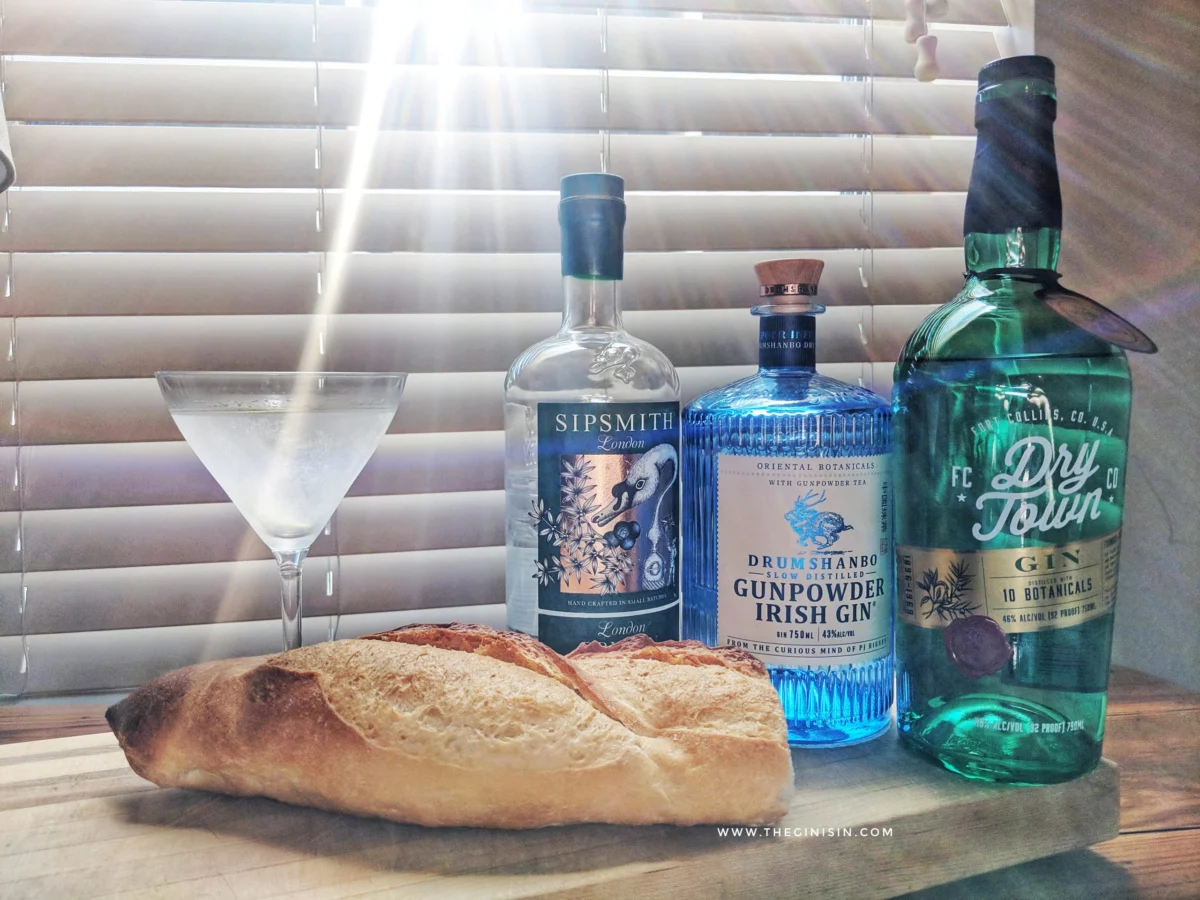
The scientific consensus regarding distilled spirits and gluten sensitivity remains clear: pure, distilled gin is gluten-free, regardless of whether it is produced from wheat, barley, or rye. While the base ingredients of many premium gins are gluten-containing grains, the distillation process serves as a molecular barrier that prevents the transfer of gluten proteins into the final product. This conclusion is supported by major health organizations, including the Celiac Disease Foundation and the National Institutes of Health (NIH), which affirm that the distillation process effectively removes gluten peptides, rendering the resulting liquid safe for individuals with celiac disease and non-celiac gluten sensitivity.
The Scientific Mechanism of Distillation
To understand why gin is gluten-free, one must examine the physical and chemical principles of distillation. Distillation is a separation process based on the varying boiling points of substances within a mixture. In the production of gin, a fermented "wash" containing alcohol, water, and grain solids is heated in a still.
Ethanol, the primary alcohol in spirits, has a boiling point of approximately 173.1 degrees Fahrenheit (78.37 degrees Celsius). Water boils at 212 degrees Fahrenheit (100 degrees Celsius). During the heating process, these volatile components convert into vapor. This vapor travels through the neck of the still and into a condenser, where it is cooled back into a liquid state.
Gluten, conversely, is a complex protein composite found in wheat, barley, and rye. Proteins are large, heavy, non-volatile molecules. Unlike ethanol and water, gluten does not vaporize at the temperatures used during the distillation of spirits. Instead, the gluten proteins remain in the boiling vessel (the pot) along with other non-volatile solids and minerals. Because the vapor that eventually becomes gin never contains the gluten protein, the condensed liquid is chemically distinct from the grain-heavy wash from which it originated.
Regulatory Standards and Labeling Evolution
The landscape of gluten-free labeling for distilled spirits has undergone significant shifts over the last decade. Historically, regulatory bodies were hesitant to allow "gluten-free" claims on products derived from gluten-containing grains, fearing consumer confusion or potential health risks.
In the United States, the Alcohol and Tobacco Tax and Trade Bureau (TTB) oversees the labeling of most distilled spirits. For years, the TTB maintained a strict policy that only spirits made from naturally gluten-free ingredients (such as grapes, potatoes, or corn) could carry a "gluten-free" label. However, following advancements in analytical testing and a deeper understanding of the distillation process, the TTB updated its guidelines in 2020.
Under Ruling 2020-1, the TTB now allows spirits distilled from gluten-containing grains to be labeled as "gluten-free," provided that the distillation process followed standard practices to ensure the removal of protein. This ruling aligns the TTB with the Food and Drug Administration (FDA) standards for fermented and distilled products. This regulatory shift marked a pivotal moment for the spirits industry, acknowledging that the process of distillation is a transformative chemical event that fundamentally alters the protein profile of the base material.
Chronology of Production: From Grain to Bottle
The journey of gin production involves several distinct phases, each contributing to the final gluten-free status of the spirit.
- Mashing and Fermentation: Distillers begin by creating a mash of grains—commonly wheat, barley, rye, or corn. This mash is combined with water and yeast. The yeast consumes the sugars in the grain, producing ethanol and carbon dioxide as byproducts. At this stage, the mixture contains high levels of gluten.
- Primary Distillation: The fermented liquid is heated in a still. As the temperature rises, the alcohol and water vaporize, leaving behind the "spent grain." This spent grain, which contains the bulk of the original gluten and protein, is often repurposed as high-protein livestock feed for farms.
- Botanical Infusion: Gin is defined by its flavoring, primarily juniper berries. Distillers introduce a variety of botanicals—including coriander, angelica root, citrus peel, and orris root—either by steeping them in the spirit or by placing them in a "gin basket" where the vapor passes through them. None of these traditional botanicals contain gluten.
- Redistillation: Most high-quality gins undergo a second or even third distillation to refine the flavor profile and integrate the botanical oils. This further ensures that any residual impurities are removed.
- Dilution and Bottling: The high-proof spirit is diluted with pure water to reach the desired bottling strength, typically between 40% and 50% alcohol by volume (ABV).
Official Responses from Health Organizations
Leading health authorities have been consistent in their messaging regarding distilled spirits. The Celiac Disease Foundation explicitly states that distilled products do not contain any harmful gluten peptides. The organization notes that "research indicates that the gluten peptide is too large to carry over in the distillation process, leaving the resulting liquid gluten-free."
Beyond Celiac, another prominent advocacy group, echoes this sentiment, advising patients that "gin and other distilled spirits are gluten-free." They do, however, offer a cautionary note regarding "hidden gluten" that may be introduced after the distillation process. While traditional London Dry gins are almost never subject to post-distillation additives, some modern "flavored" gins or gin-based liqueurs may contain flavorings, syrups, or colorings added after the spirit leaves the still. In these rare cases, the additives themselves could theoretically contain gluten, though this is uncommon in the gin category.
Medical Considerations and the "Sick" Feeling
Despite the scientific evidence that gin is gluten-free, some consumers report adverse reactions after consumption. Medical professionals suggest that these reactions are often misattributed to gluten. Alcohol is a known gastrointestinal irritant; it can increase stomach acid production and delay gastric emptying, leading to symptoms such as bloating, nausea, and abdominal discomfort.
Furthermore, some individuals may have sensitivities to specific botanicals used in gin production, such as juniper or citrus, or may react to "congeners"—minor chemical constituents produced during fermentation that can contribute to the severity of a hangover. Histamine reactions are also a possibility for some drinkers. Because the symptoms of alcohol-induced gastric irritation can mimic the symptoms of gluten ingestion, consumers may mistakenly conclude that the spirit contained gluten.
Broader Impact on the Spirits Market
The confirmation of gin’s gluten-free status has had a significant impact on market trends. As the global gluten-free market continues to expand—projected to reach billions of dollars in the coming years—spirits producers have leaned into transparency.
The rise of artisanal and craft gin has further emphasized the purity of ingredients and the precision of the distillation process. Many distilleries now explicitly highlight their distillation methods to reassure health-conscious consumers. This has allowed gin to maintain its position as a preferred spirit for individuals on restricted diets, competing effectively with spirits naturally derived from gluten-free bases, such as potato-based vodka or agave-based tequila.
Fact-Based Analysis of Implications
The implications of the "gluten-free gin" consensus extend beyond simple dietary choices; they touch upon the intersection of chemistry, regulation, and consumer education. The fact that a product derived from wheat can be safely consumed by someone with a severe wheat allergy or celiac disease highlights the power of industrial processing to alter the safety profile of raw materials.
For the consumer, the primary takeaway is the importance of distinguishing between fermented beverages and distilled beverages. While beer (which is fermented but not distilled) retains the gluten from its grain source, gin (which is distilled) does not. This distinction is critical for the safety and social inclusion of individuals with celiac disease.
In conclusion, the chemical reality of distillation provides a definitive answer to the question of gluten in gin. Through the application of heat and the separation of volatile compounds, the gluten proteins found in the base grains are effectively and entirely removed. Provided that no gluten-containing flavorings are added post-distillation, gin remains a safe and chemically gluten-free option for all consumers, supported by both rigorous scientific principles and the endorsement of global health authorities.
