

The Finnish Long Drink, known colloquially in its home country as "lonkero," represents a unique intersection of national heritage, logistical innovation, and evolving consumer tastes in the global spirits market. Originally conceived as a temporary solution for a high-traffic international event, this gin-based, grapefruit-flavored beverage has transitioned from a localized staple to a burgeoning international export. Characterized by its refreshing profile and historically significant origin, the Finnish Long Drink is currently undergoing a period of rapid expansion across Europe, Asia, and North America, fueled by a global surge in the popularity of ready-to-drink (RTD) alcoholic beverages.
Historical Origins: The 1952 Helsinki Summer Olympics
The genesis of the Finnish Long Drink is inextricably linked to the 1952 Summer Olympics held in Helsinki. During the early 1950s, Finland was still navigating the complexities of post-war recovery and a strictly regulated alcohol market managed by the state monopoly, Alko. As the country prepared to host the world, officials recognized a significant logistical challenge: the hospitality sector was not equipped to serve large volumes of individual cocktails to the influx of international tourists and spectators.
To address the need for efficiency without sacrificing quality, the Finnish government commissioned the beverage company Hartwall to develop a pre-mixed drink that could be served quickly. The result was the "Original Long Drink," a blend of gin and grapefruit soda. This innovation allowed bartenders to serve a refreshing, high-quality cocktail as fast as a bottle of beer.
While the 1952 Olympics are historically noted for being the first games since 1912 to exclude art competitions—a move that prevented Finnish literary figures like Aale Tynni from defending previous accolades—the introduction of the lonkero provided a different kind of cultural legacy. Although intended to be discontinued after the closing ceremonies, the beverage proved so popular among the Finnish citizenry that production was extended and eventually became a permanent fixture of the national palate.
Chronology of Production and Market Resilience
The trajectory of the Finnish Long Drink has not been without its fluctuations. Following its post-Olympic success, the beverage remained a staple of Finnish liquor stores and restaurants for decades. However, shifts in market regulation and production focus led to the temporary discontinuation of the original gin-based formula in the 1970s. During this period, fermented versions—which utilized a yeast-based alcohol source rather than distilled gin—became more common due to tax incentives and distribution laws.
The resurgence of the authentic gin-based version was eventually driven by a combination of consumer nostalgia and a demand for higher-quality ingredients. Hartwall reintroduced the original 1952 recipe, reclaiming its position as the industry standard. This revival coincided with a broader global trend toward craft spirits and traditional recipes, setting the stage for the drink’s eventual leap into international markets.
Product Composition and Sensory Profile
The standard Finnish Long Drink typically maintains an alcohol by volume (ABV) of between 5% and 8%. The core of the beverage is a London Dry-style gin, characterized by prominent juniper notes, which is then blended with a carbonated grapefruit soda.
A technical analysis of the leading brands reveals distinct approaches to this formula:
-
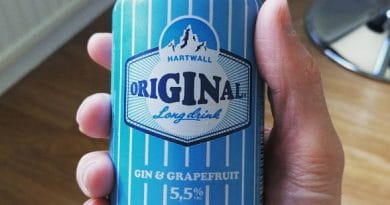
Hartwall Original Long Drink: Regarded as the benchmark, this version offers a bouquet of white grapefruit flesh. On the palate, it is noted for being less saccharine than contemporary soda-based mixers. It features acidic grapefruit at the fore, followed by strong gin notes mid-palate, and finishes with a crisp, dry juniper depth. The lack of lingering bitterness makes it an accessible alternative to a traditional Gin and Tonic.
-
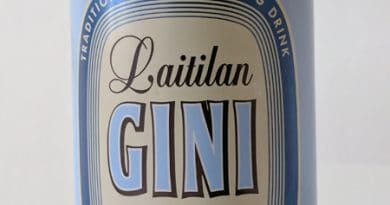
Laitilan Gini Long Drink: A prominent competitor, Laitilan’s version leans more heavily into the citrus profile. Tasters often note hints of Ruby Red grapefruit alongside the traditional white grapefruit juice. However, some industry critics suggest that the juniper presence in this iteration is more muted, allowing the fruit flavors to dominate the spirit.
In recent years, the market has seen the introduction of diverse variations, including those using cranberry, lime, or "strong" versions with higher ABV, though the grapefruit-and-gin combination remains the definitive "long drink."
International Expansion and Market Data
For over half a century, the Finnish Long Drink remained a localized phenomenon, largely unknown outside of the Nordic region. This isolation began to change in the mid-2010s as Hartwall and other Finnish producers identified opportunities in the expanding global RTD sector.
In 2015, Hartwall initiated a strategic expansion into Western Europe, signing distribution agreements to place the product on shelves in the Netherlands, Sweden, and Belgium. This was followed in 2016 by a significant push into Asian markets, most notably Japan, where there is a high consumer appreciation for canned, high-quality cocktails.
The expansion has been met with a "cult-like" reception in several territories. In the United Kingdom, specifically in metropolitan hubs like Brighton, specialized bars have begun featuring the Finnish Long Drink as a "quirky" or "premium" alternative to domestic offerings.
In North America, the entry of the Finnish Long Drink has been bolstered by a separate wave of entrepreneurs who have established brands specifically for the American market, often citing the 1952 Olympic history as a key branding element. The rise of these brands reflects a broader shift in the U.S. beverage industry, where the "Hard Seltzer" boom has paved the way for more sophisticated, spirit-based canned cocktails.
Domestic Adaptation and the Science of Flavor Replication
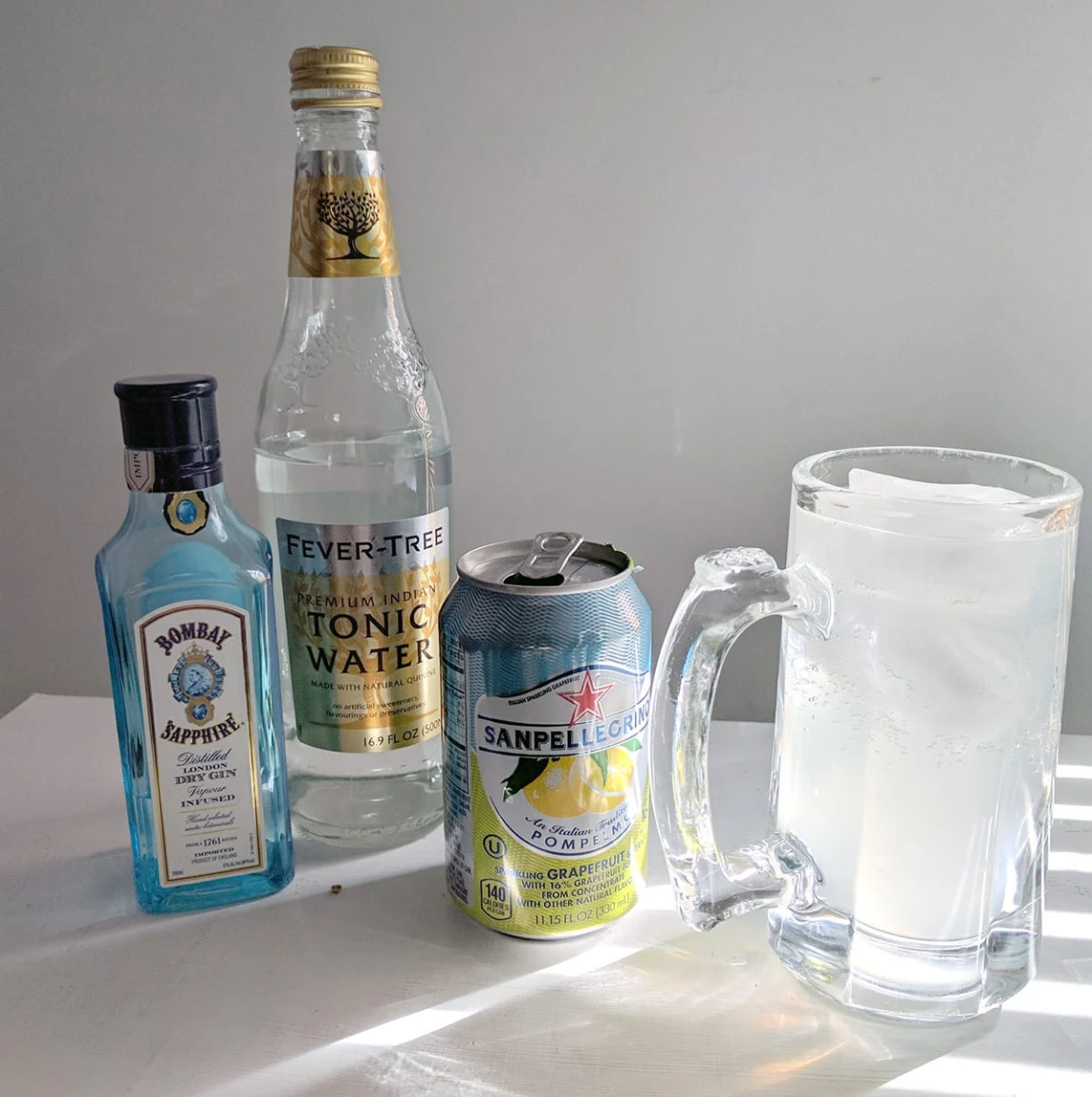
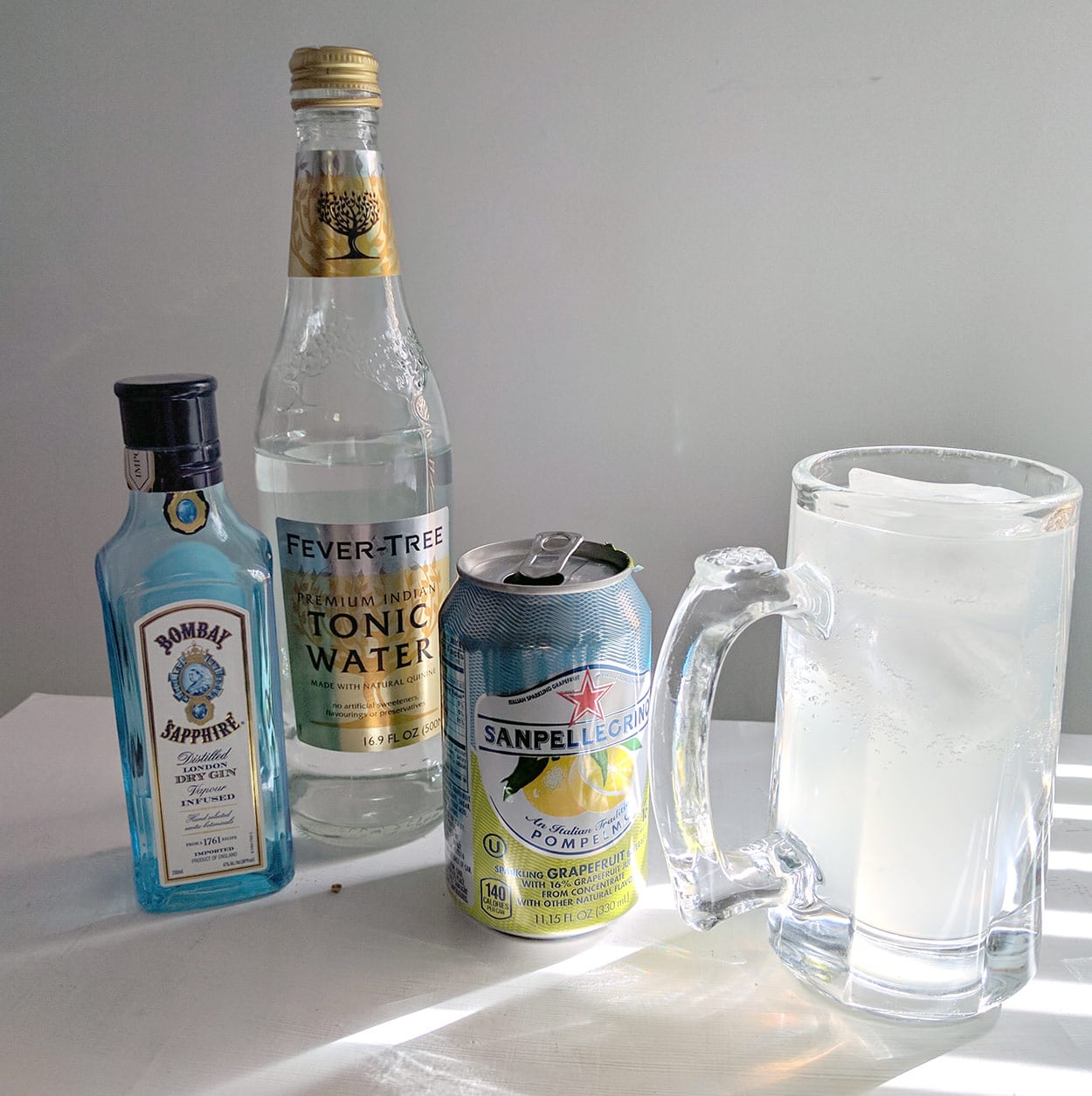
The difficulty of obtaining authentic Finnish lonkero in certain international markets has led to a rise in "DIY" mixology. However, replicating the specific profile of the Finnish Long Drink at home presents unique challenges due to the specific carbonation and acidity levels of Finnish grapefruit soda.
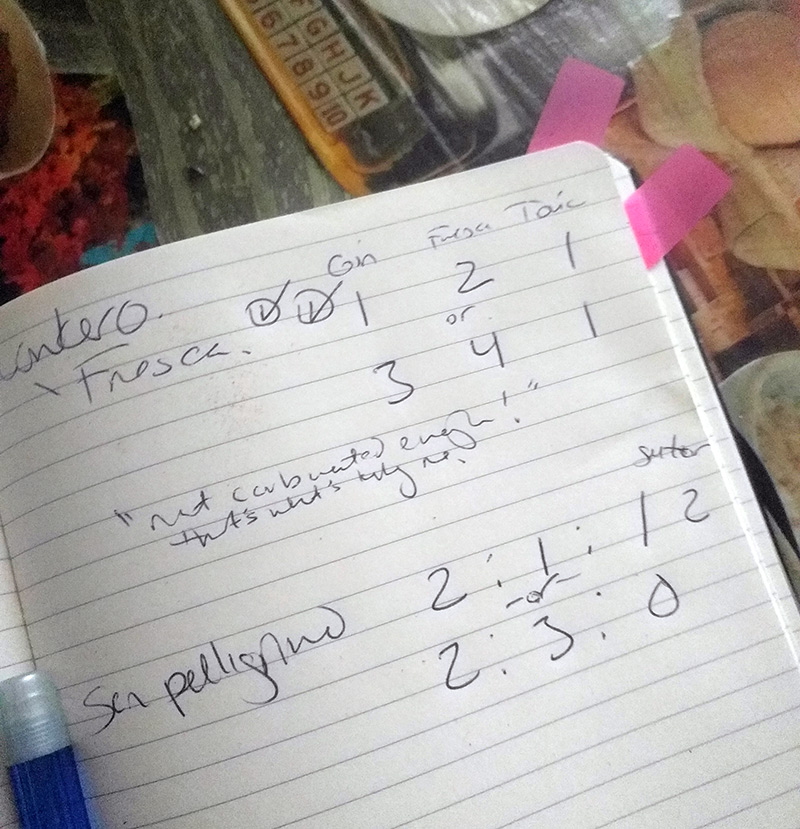
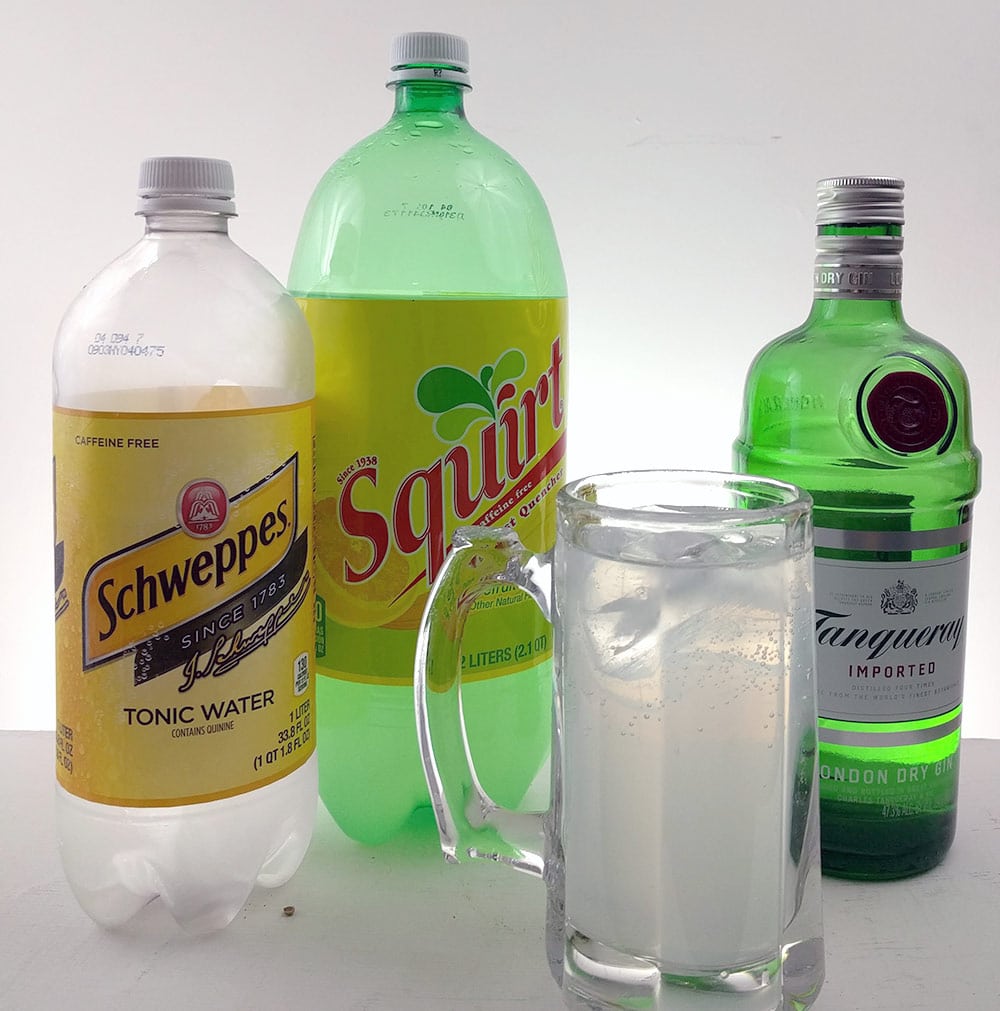
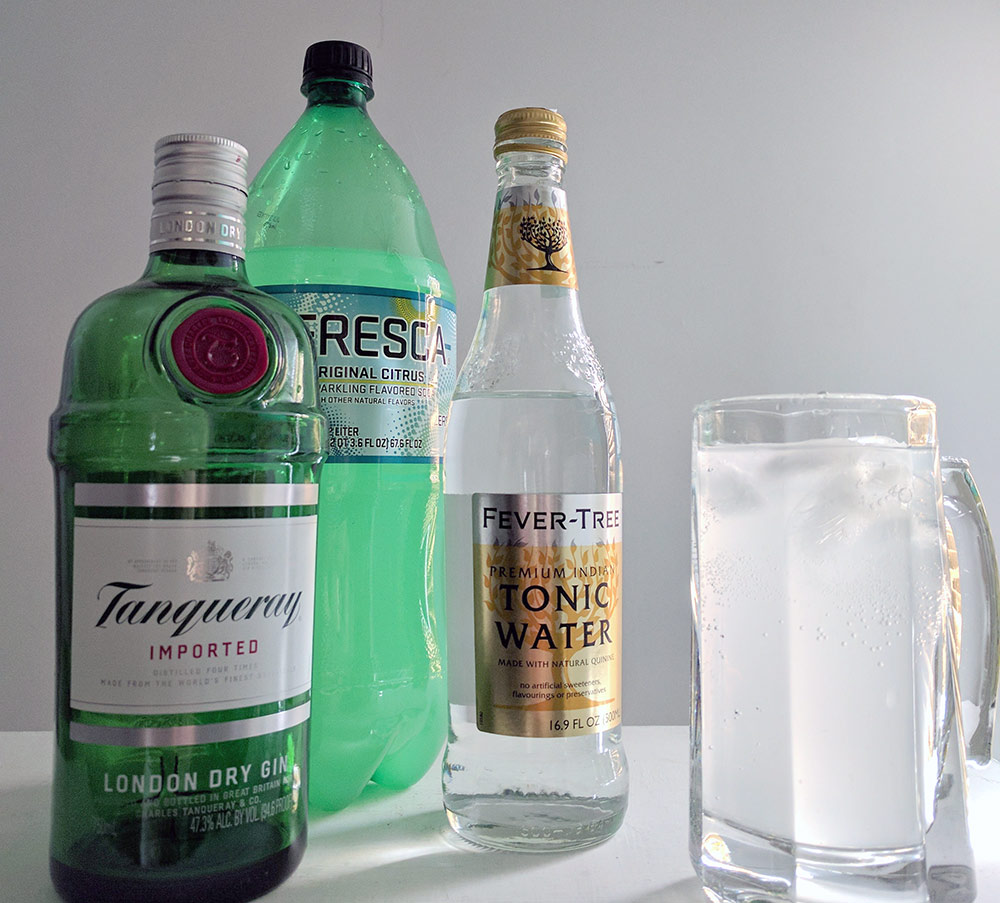
Experimental data from enthusiasts and professional bartenders suggests that standard American grapefruit sodas often fail to capture the essence of the original. For example, PepsiCo’s Squirt is frequently cited as being too sweet, lacking the necessary acidic bite to balance the gin. Coca-Cola’s Fresca is often considered a closer approximation due to its higher acidity and lack of sugar, which better mimics the dry finish of the Hartwall original.
The most successful home-brewed versions typically utilize a ratio of:
- 3 parts London Dry Gin (such as Tanqueray)
- 4 parts sugar-free grapefruit soda
- 1 part tonic water (to introduce a hint of quinine-driven bitterness)
Despite these efforts, industry experts maintain that the commercial "long drink" possesses a specific mouthfeel and "cloudy" appearance—derived from the interaction between the gin oils and the soda—that is difficult to achieve without professional carbonation and blending equipment.
Economic and Cultural Implications
The globalization of the Finnish Long Drink serves as a case study in "gastro-diplomacy" and brand nationalism. For Finland, the lonkero is more than a beverage; it is a symbol of the country’s ability to innovate under pressure. The export of the drink contributes to the "Finnish Brand," associating the nation with qualities of purity, minimalism, and heritage.
Economically, the expansion of lonkero provides a significant boost to Finnish beverage exports. As the RTD category is projected to continue its growth—estimated to reach a global market value of over $40 billion by 2030—Finland’s early entry with a historically grounded product provides a competitive advantage over "synthetic" modern brands.
Broader Industry Impact
The success of the Finnish Long Drink has also influenced the broader spirits industry, encouraging other regions to look toward their own traditional "long" serves for export potential. It has validated the concept that a pre-mixed cocktail can be perceived as a premium product rather than a low-quality convenience item.
Furthermore, the drink’s reliance on gin has contributed to the ongoing "Gin Renaissance." By providing a more palatable, fruit-forward entry point for consumers who may find a traditional Gin and Tonic too bitter, the lonkero has expanded the demographic reach of juniper-based spirits.
Conclusion
The Finnish Long Drink has traveled a remarkable path from the stadiums of the 1952 Helsinki Olympics to the bars of Tokyo and the grocery stores of Western Europe. Its endurance is a testament to the timeless appeal of a well-balanced, refreshing cocktail. As distribution networks continue to mature and global consumers increasingly seek out beverages with authentic histories, the "lonkero" is positioned to move from a Finnish secret to a permanent fixture of the international spirits landscape. Whether enjoyed from a can on a Finnish sauna deck or as a craft cocktail in a high-end urban bar, the Finnish Long Drink remains a definitive example of how a temporary solution can become an enduring cultural icon.
