

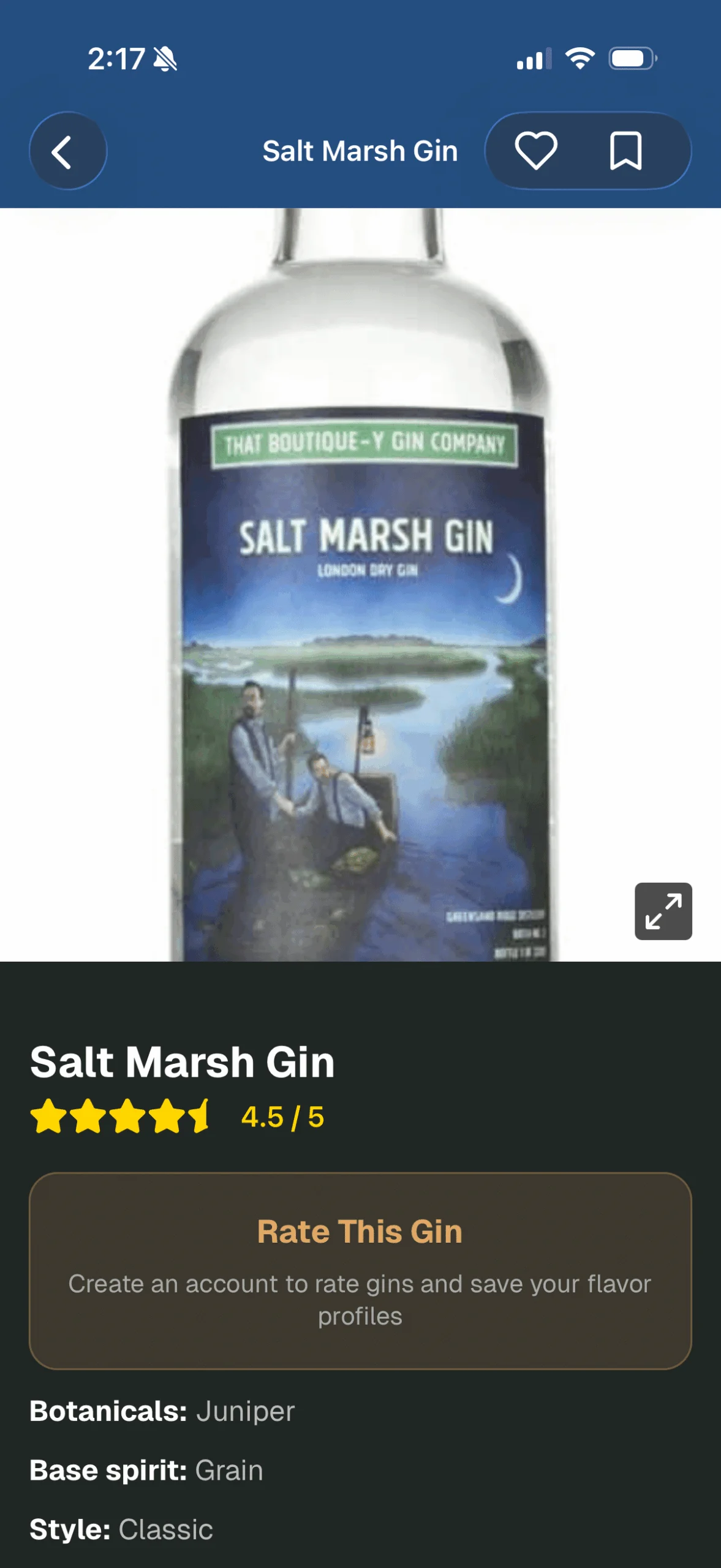
The GIN is IN, a prominent digital authority on gin evaluation and botanical profiles, has officially announced the release of its dedicated mobile application on the Apple App Store. This launch marks a significant transition for the platform, moving from a web-centric review archive to a portable, interactive tool designed for both casual consumers and spirits professionals. The application, which is currently available for free download on iOS devices, introduces a suite of features aimed at demystifying the complex flavor profiles of modern gins. While the initial release is exclusive to the Apple ecosystem, the developer has confirmed that an Android version is currently in development, reflecting a phased rollout strategy common in independent software production.
The development of the application represents a personal milestone for the platform’s founder, who managed the entirety of the coding and design process. This solo-development approach underscores a growing trend in the spirits industry where niche experts are leveraging technology to provide highly specialized, data-driven resources for enthusiasts. By transitioning the extensive archive of The GIN is IN into a mobile format, the developer aims to provide users with a real-time reference tool that can be utilized at the point of purchase or during tasting sessions.
The Seven-Dimension Flavor Search Methodology
Central to the application’s utility is its robust search engine, which categorizes gins across seven distinct flavor dimensions. This methodology deviates from traditional categorical sorting—such as London Dry, Old Tom, or Plymouth—and instead focuses on the actual sensory experience of the spirit. The seven dimensions include Juniper, Citrus, Floral, Heat/Spice, Herbal, Earthy, and the newly integrated "Fruited" category.
The addition of the "Fruited" dimension in 2024 is a strategic response to shifting market trends. Over the last five years, the spirits industry has seen a proliferation of contemporary gins that lean heavily into fruit-forward profiles, often moving away from the traditional juniper-heavy palate. By including this as a core search pillar, the application allows users to filter through hundreds of reviews to find spirits that align with this specific modern preference. This granular level of categorization is intended to assist consumers in navigating an increasingly crowded marketplace, where labels do not always clearly communicate the dominant flavor notes of the liquid inside.
Personalization and the "Flavor Journey" Feature
Beyond acting as a static database, the application introduces interactive elements that allow users to document their own sensory experiences. A primary feature of the new interface is the ability for users to save scores and create personal flavor diagrams. These diagrams are visual representations of a gin’s botanical makeup, allowing users to plot the intensity of various flavor notes.
This "Flavor Journey" functionality serves two primary purposes. First, it enables users to build a personalized archive of gins they have sampled, creating a digital cellar of sorts. Second, it encourages a more analytical approach to consumption. By allowing users to track what they taste—and comparing those findings against the official reviews—the app fosters a deeper educational engagement with the spirit. The developer noted that this feature was designed to inspire users to try new products while maintaining a rigorous record of their evolving preferences.
Chronology of Development and Digital Expansion
The launch of the iOS app is the culmination of over a decade of work in the digital spirits space. The timeline of The GIN is IN reflects the broader evolution of the "Gin-aissance" that has taken place globally.
- 2009–2015: The GIN is IN established itself as a web-based review platform, focusing on the burgeoning craft gin movement in the United States and the United Kingdom.
- 2016–2020: The platform expanded its database to include international spirits, developing the proprietary "Flavor Star" visualization tool that would later become the foundation for the app’s diagrams.
- 2021–2023: As mobile traffic began to outpace desktop usage, the need for a dedicated application became apparent. The developer began the solo-coding process, prioritizing a user interface that could handle high-resolution imagery and complex search queries.
- 2024 (Q1-Q2): The "Fruited" category was formally added to the review lexicon to account for the rise of flavored and contemporary gins.
- Late 2024: The official launch on the Apple App Store, with the Android version entering the final stages of development.
This timeline illustrates a steady progression from a hobbyist blog to a sophisticated data tool, mirroring the professionalization of the craft spirits industry itself.
Market Context: The Growth of the Global Gin Industry
The release of the application arrives at a time when the global gin market continues to show resilience and diversification. According to industry data from organizations such as the IWSR (International Wine and Spirits Record), the gin category has seen a compound annual growth rate (CAGR) of approximately 5% over the last several years, with premium and super-premium segments driving much of the value.
The "premiumization" trend has led to a more discerning consumer base. Modern drinkers are increasingly interested in provenance, botanical sourcing, and the technical aspects of distillation. Consequently, there is a heightened demand for third-party verification and educational tools. The GIN is IN application enters a market where digital solutions—such as Vivino for wine or Untappd for beer—have already proven that consumers value the ability to scan, rate, and research products instantaneously.
Furthermore, the rise of "New Western Dry" gins, which de-emphasize juniper in favor of local botanicals, has created confusion for traditionalists. The app’s seven-flavor search provides a bridge between these styles, allowing users to understand exactly where a bottle falls on the spectrum between a pine-forward London Dry and a lavender-heavy contemporary gin.
Technical Analysis of Solo-Development and Accessibility
The decision to launch exclusively on iOS initially highlights the technical and economic hurdles faced by independent developers in the spirits space. Coding for two different operating systems (iOS and Android) requires distinct programming languages and testing environments. By focusing on Apple’s ecosystem first, the developer was able to ensure a stable launch and gather user feedback before expanding to the broader Android market.
The app’s architecture is designed for accessibility. Users are not required to create an account to access the search functionality, a move that reduces friction for first-time users. However, for those looking to utilize the "Flavor Journey" features, an email-based sign-up allows for cloud-based saving of personal data. This hybrid approach caters to both the casual browser and the dedicated collector.
The application is currently available in all international markets where alcohol-related content is permitted by local law. This global availability is crucial, as the gin market is increasingly international, with significant growth seen in regions such as South Africa, Australia, and Spain.
Implications for Craft Distilleries and the Retail Sector
The introduction of specialized spirit apps like The GIN is IN has broader implications for craft distilleries. For small-scale producers who lack the marketing budgets of global conglomerates, being featured in a searchable, data-driven database provides a level of visibility that is otherwise difficult to achieve.
In a retail environment, such an app can function as a "digital sommelier." Consumers standing in a liquor store aisle often face "choice paralysis" due to the sheer volume of available brands. By using the seven-flavor search, a consumer can find a gin that matches a specific preference—such as "high citrus" or "low heat"—leading to a more confident purchasing decision. This data-centric approach benefits the industry by reducing the likelihood of "buyer’s remorse" and encouraging repeat purchases within specific flavor profiles.
Future Projections and Community Integration
Looking ahead, the developer has expressed interest in expanding the application’s capabilities beyond personal tracking. Potential future updates may include:
- Community Reviews: Transitioning from a single-expert model to a crowdsourced rating system, allowing for a broader range of opinions.
- Flavor Sharing: Enabling users to share their custom flavor diagrams on social media or within the app’s community.
- Distillery Maps: Integrating geolocation services to help users find distilleries and tasting rooms near their current location.
- E-commerce Integration: Providing links to purchase gins directly through licensed third-party retailers.
The successful rollout of these features will depend on the initial adoption rates of the iOS version and the subsequent launch on Android. As the platform grows, it has the potential to become a central hub for the global gin community, consolidating data that was previously fragmented across various websites and social media platforms.
In conclusion, the launch of The GIN is IN application represents a significant step forward in the digitalization of spirit appreciation. By combining a decade of expertise with a modern, user-friendly interface, the app provides a sophisticated solution for navigating the complex world of gin. Its emphasis on flavor dimensions over traditional categories reflects a modern understanding of the spirit, offering a valuable resource for anyone looking to deepen their knowledge of botanicals and distillation. As the Android version nears completion and the user base expands, the application is poised to become an essential tool in the arsenal of the modern spirits enthusiast.
