

This classic gluten-free baked macaroni and cheese recipe offers a comforting and satisfying meal, perfect for busy families or when pantry staples are running low. Prepared in a casserole style, it delivers creamy, crusty perfection, with the optional addition of crispy pancetta or bacon for an extra layer of savory flavor. This dish has become a go-to for many, celebrated for its ease of preparation and its ability to bring everyone to the table.

The Enduring Appeal of Baked Mac and Cheese
Baked macaroni and cheese, often referred to as "mac and cheese casserole," holds a special place in the culinary landscape. Its warm, inviting aroma and rich, cheesy flavor evoke feelings of home and comfort, making it a perennial favorite across generations. The casserole format lends itself to convenient meal preparation, allowing for assembly in advance and a straightforward baking process when it’s time to serve. This adaptability makes it an ideal candidate for weeknight dinners or casual gatherings.
For a complete and balanced meal, this gluten-free baked macaroni and cheese pairs exceptionally well with a crisp house-style salad. Alternatively, for those seeking to incorporate more vegetables, lightly blanched broccoli can be folded directly into the mixture before baking, adding both nutritional value and a pleasant textural contrast.

A key aspect of this recipe’s practicality lies in its ingredient requirements. The primary cooking involved is the rendering and crisping of pancetta or bacon, if chosen. This step not only infuses the dish with a deep, smoky flavor but also provides a small amount of flavorful fat to coat the pasta. Crucially, this savory element is entirely optional, ensuring the dish remains accessible and enjoyable for those who prefer a purely vegetarian option. Furthermore, the recipe relies on pantry staples such as shredded cheese and eggs, with canned milk offering a long shelf life, making it a reliable choice even when grocery supplies are limited.
Key Ingredients and Their Roles
The success of this gluten-free baked macaroni and cheese hinges on the careful selection and preparation of its core ingredients. Each component plays a vital role in achieving the desired creamy texture and savory flavor profile.

- Gluten-Free Elbow Macaroni: The foundation of the dish, gluten-free elbow macaroni provides the familiar shape and texture that diners expect from mac and cheese. It’s essential to select a high-quality gluten-free pasta that holds its shape well during boiling and baking.
- Pancetta or Bacon (Optional): Diced and rendered until crisp, pancetta or bacon adds a significant depth of flavor and a satisfying salty crunch. The rendered fat is utilized to coat the pasta, enhancing its taste and mouthfeel.
- Butter: Unsalted butter contributes richness and helps to bind the cheese sauce, ensuring a smooth and creamy consistency.
- Evaporated Milk: This shelf-stable ingredient provides the creamy base for the sauce. Its concentrated nature adds richness without making the dish overly liquid.
- Eggs: Eggs act as a binder, helping the sauce to set and creating the characteristic custard-like texture of baked mac and cheese. They contribute to the dish’s overall structure and prevent it from becoming too loose.
- Shredded Cheese: A blend of cheeses is often preferred for complex flavor. Cheddar is a classic choice, providing a sharp, tangy note. Other cheeses like Gruyère, Monterey Jack, or a mild Colby can also be incorporated to enhance creaminess and taste. It is recommended to shred cheese from a block for optimal melting.
- Salt: Essential for enhancing the flavors of all the other ingredients, salt balances the richness of the cheese and the savoriness of the optional pork.
- Fresh Parsley (for garnish): A sprinkle of fresh parsley adds a touch of color and a hint of fresh, herbaceous flavor, cutting through the richness of the dish.
A Step-by-Step Guide to Culinary Comfort
The preparation of this gluten-free baked macaroni and cheese is a methodical process designed to yield a perfectly cooked and delightfully cheesy result.
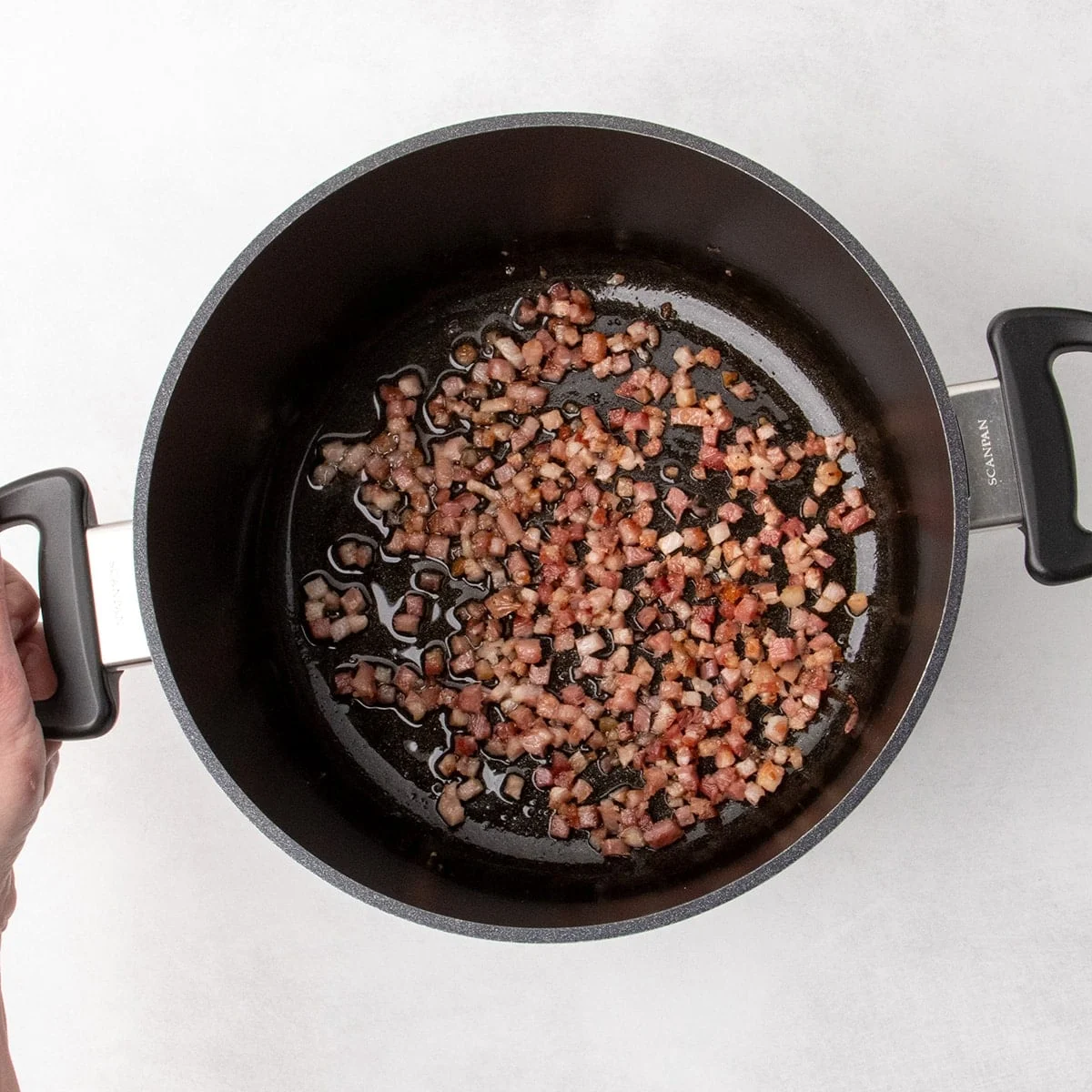
- Sauté the Pork: If using pancetta or bacon, begin by sautéing the diced pork in a large pot over medium heat. Cook until it is golden brown and crispy, and the fat has rendered. Remove the cooked pork with a slotted spoon and set aside, leaving a small amount of the rendered fat in the pot (approximately 1-2 tablespoons) to be used later. This step is crucial for developing the savory base flavor.
- Prepare the Egg and Milk Mixture: In a separate bowl or large measuring cup, whisk together the evaporated milk, eggs, and salt. Ensure the mixture is thoroughly combined to prevent pockets of uncooked egg in the final dish. The salt helps to evenly distribute flavor throughout the custard base.
- Boil the Pasta: Bring a large pot of salted water to a rolling boil. Add the gluten-free elbow macaroni and cook according to package directions, subtracting approximately one minute from the recommended cooking time. Gluten-free pasta can be more fragile than traditional pasta, so slightly undercooking it prevents it from becoming mushy during the subsequent mixing and baking stages. Avoid rinsing the pasta; the residual heat will help melt the butter.
- Combine Pasta, Butter, and Pork: Drain the cooked pasta and return it to the warm pot. Add the butter and any reserved rendered pork fat. Stir gently until the butter is completely melted and coats the pasta. Then, add the reserved cooked pancetta or bacon (if using) and stir again, being careful not to break the delicate gluten-free pasta.
- Incorporate the Egg Mixture: To temper the eggs and prevent them from scrambling, gradually add a ladleful of the warm pasta mixture to the whisked egg and milk mixture, stirring constantly. Once tempered, pour the warmed egg mixture into the pot with the pasta. Gently fold to combine, ensuring the eggs are evenly distributed without overmixing.
- Fold in the Cheese: Add most of the shredded cheese to the pasta mixture. Gently fold it in until it is almost evenly incorporated. The residual heat from the pasta will begin to melt the cheese, creating a luscious, cheesy coating. Again, handle the pasta with care to maintain its structure.
- Assemble the Casserole: Preheat your oven to the specified temperature (typically around 375°F or 190°C). Lightly grease a casserole dish. Pour the macaroni and cheese mixture into the prepared dish, spreading it evenly with a spoon or spatula.
- Top with Remaining Cheese: Sprinkle the remaining shredded cheese evenly over the top of the macaroni and cheese. This will form a delicious, golden-brown crust during baking.
- Bake to Perfection: Cover the casserole dish tightly with greased or non-stick aluminum foil. This initial covering allows the custard to set gently and the cheese to melt without the top browning too quickly. Bake for the initial period specified in the recipe (e.g., 20-25 minutes).
- Brown the Crust: Remove the foil and continue baking for an additional period (e.g., 10-15 minutes), or until the top is bubbly and golden brown to your preference. Some prefer a softer crust, while others enjoy a more deeply browned and crispy topping.
- Rest and Garnish: Once baked, let the macaroni and cheese rest for a few minutes before serving. This allows the flavors to meld and the casserole to firm up slightly. Garnish with freshly chopped parsley for a vibrant finish.
Expert Insights for Optimal Results
Achieving culinary excellence with gluten-free baked macaroni and cheese often involves a few key techniques and considerations.

Shred Your Own Cheese
For the creamiest and most cohesive cheese sauce, it is highly recommended to shred your own cheese from a block. Pre-shredded cheeses often contain anti-caking agents, such as cellulose, which can interfere with the melting process. These agents can lead to a drier final product and prevent the cheese from achieving its full, smooth, melt-in-your-mouth potential. If you must use pre-shredded cheese, consider adding an extra splash of evaporated milk (approximately 2 fluid ounces) to compensate for the potential dryness introduced by the anti-caking agents. This simple adjustment can help maintain the desired moisture content and creamy texture.
Avoid Overcooking the Pasta
Gluten-free pasta has seen significant improvements in texture and stability over the years. However, it remains a delicate ingredient, especially when cooked al dente for a baked dish. Elbow macaroni, in particular, cooks quickly and can easily become overcooked. If the pasta is even slightly overdone before it’s combined with the other ingredients, it may disintegrate during the mixing and baking process, regardless of how gently it is handled. This can result in a less appealing texture and a less visually appealing final dish. Therefore, adhere strictly to the recommended cooking times, and consider reducing the cooking time by an additional minute for brands known to be particularly fragile, such as Barilla.

The Art of "Prep Ahead"
This gluten-free baked macaroni and cheese is an excellent candidate for meal preparation, offering significant convenience for busy households. The dish can be fully assembled through the stage before baking (up to step 10 in the instructions) and then refrigerated or frozen. For refrigeration, cover the dish tightly with plastic wrap and store for up to two days. For longer storage, the unbaked casserole can be frozen for up to two months. When ready to bake, allow the dish to sit at room temperature while the oven preheats. This gradual warming helps ensure even cooking and prevents potential cracking or uneven baking. If baking from a chilled state, a slightly extended baking time may be necessary before uncovering the dish.
Adaptations and Substitutions
This versatile recipe can be adapted to suit various dietary needs and preferences, ensuring that delicious gluten-free mac and cheese is accessible to a wider audience.

Dairy-Free Modifications
For individuals seeking a dairy-free version of this comforting classic, several key substitutions can be made. Replace the butter with a high-quality block-style vegan butter alternative. For the evaporated milk, opt for evaporated coconut milk, which offers a rich and creamy texture without an overpowering coconut flavor. While evaporated oat milk can be used, it may introduce a slightly sweeter taste and a different textural profile. For specific dairy-free cheese recommendations, consult specialized gluten-free and dairy-free recipe resources, which often feature lists of meltable and flavorful dairy-free cheese alternatives.
Egg-Free Considerations
If an egg-free preparation is required, it is generally advisable to opt for a different recipe entirely. Attempting to substitute eggs in this baked mac and cheese recipe can significantly alter the texture and setting properties of the dish, potentially leading to less desirable results. A stovetop gluten-free mac and cheese recipe, which typically relies on a cheese sauce created through a roux and milk-based béchamel, is often a more successful and reliable alternative for those avoiding eggs.

Vegetarian Adaptation
Creating a vegetarian version of this dish is straightforward and requires minimal adjustments. To make the dish vegetarian, simply omit the pancetta or bacon. In this case, you will need to use the full amount of butter (6 tablespoons) to ensure adequate richness and flavor. The absence of cured pork does not diminish the dish’s inherent comfort and cheesy goodness, making it a delightful option for vegetarians.
Storage and Reheating
The deliciousness of this gluten-free baked macaroni and cheese extends beyond its initial serving. Proper storage and reheating methods ensure that leftovers can be enjoyed with the same satisfying quality.

Refrigerator Storage
The entire dish can be prepared in advance, up to the point of baking. Once assembled, cover it tightly with plastic wrap and refrigerate for up to two days, provided all perishable ingredients are fresh. Before baking, allow the dish to come to room temperature while the oven preheats. If the dish is still cold, you may need to increase the initial covered baking time to ensure it heats through evenly.
The baked and cooled macaroni and cheese can be stored in an airtight container in the refrigerator for up to five days. To reheat, lightly sprinkle the leftovers with a small amount of lukewarm water. This helps to restore moisture and prevent the dish from drying out. Reheat in the microwave or in a 300°F (150°C) oven until warmed through.

Freezer Storage
For longer-term storage, the unbaked or baked macaroni and cheese can be frozen for up to two months. Ensure the dish is tightly covered to prevent freezer burn. For the best results, thaw the frozen dish overnight in the refrigerator before baking as directed. If reheating frozen baked mac and cheese, allow for an extended reheating time.
The ability to prepare this dish ahead of time, its adaptability for various dietary needs, and its comforting flavor profile solidify its status as a beloved and practical meal option for any occasion. Its simple yet effective recipe, enriched with expert tips and substitution options, ensures that delicious, homemade gluten-free baked macaroni and cheese is always within reach.
