

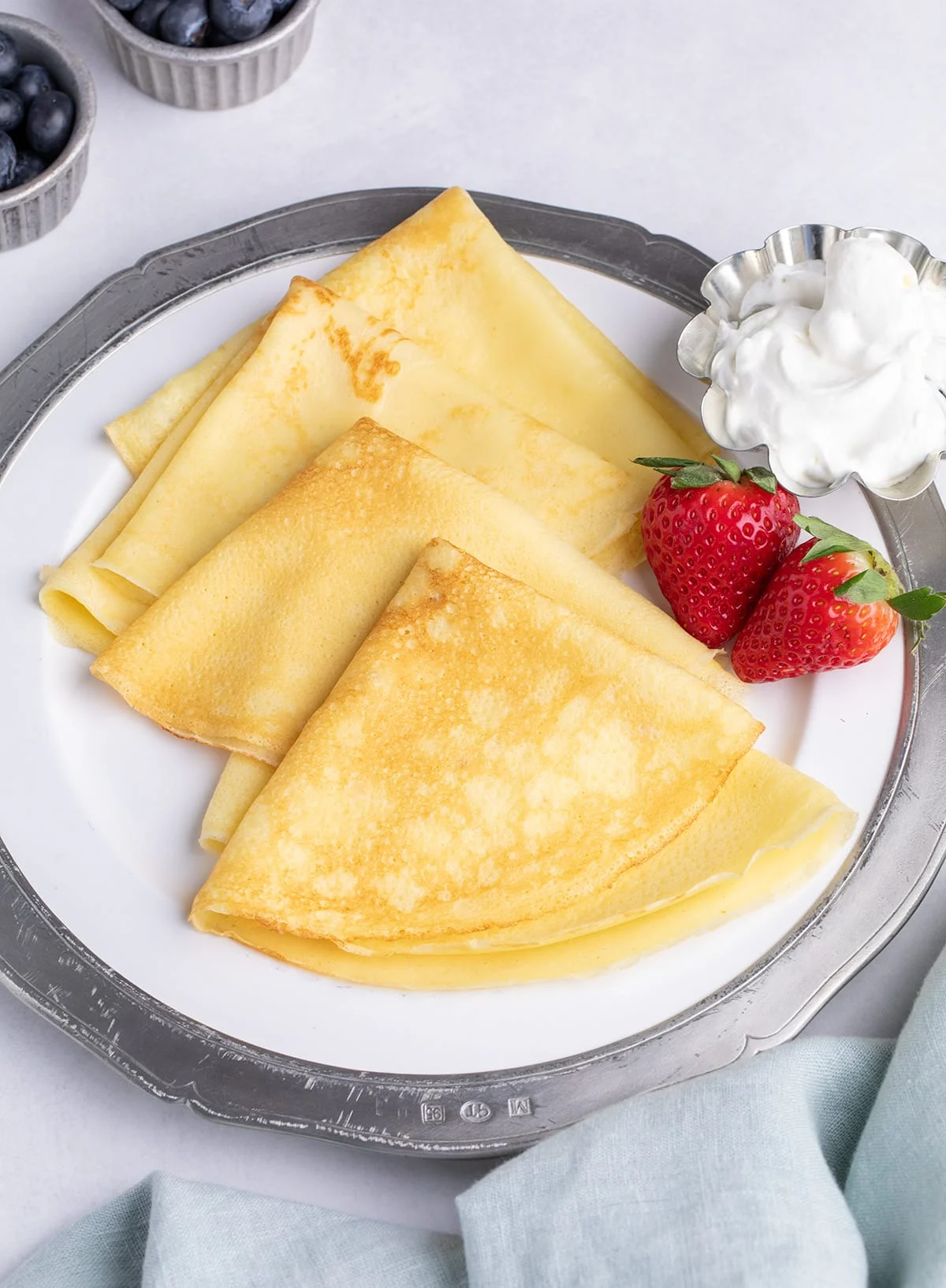
Gluten-free crêpes are simple, French-style pancakes. Light, airy, and delicate, yet never fragile, these pancakes can be served sweet or savory, transforming any meal into something extraordinary. Made with just five core ingredients, this recipe is remarkably easy, yielding tender, flexible crêpes that bend and roll without breaking—even surpassing their conventional counterparts.
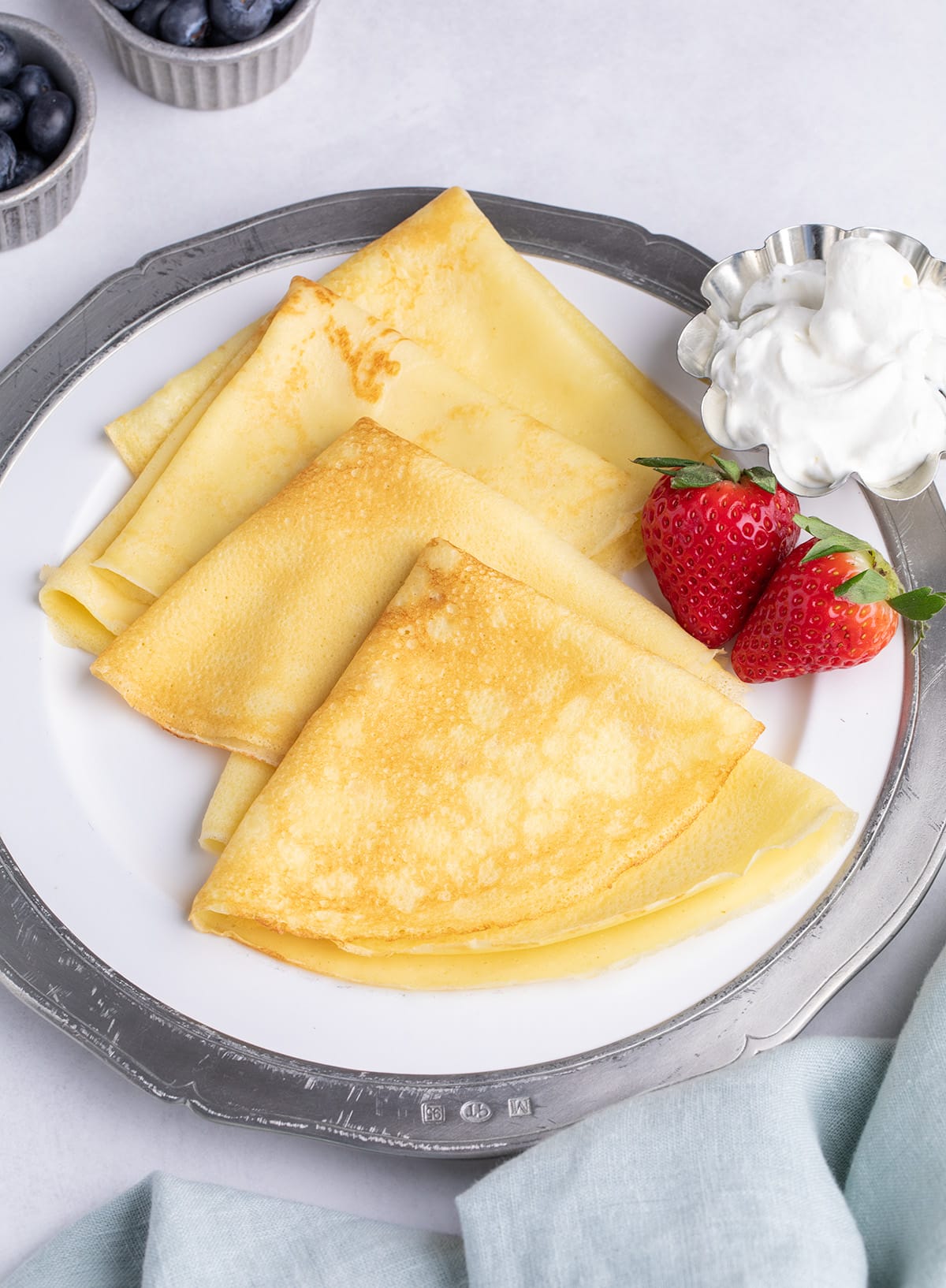
The Science Behind Perfect Gluten-Free Crêpes
The seemingly simple nature of crêpes often belies their potential for frustration, especially for those navigating gluten-free baking. The key to this recipe’s success lies in its clarity, conciseness, and specificity regarding both method and ingredients. Unlike traditional crêpes, where gluten provides structure and elasticity, its absence in gluten-free versions can actually contribute to a more tender result when the right approach is taken. The goal is a batter with a consistency akin to half-and-half—thicker than whole milk but thinner than heavy cream. This delicate balance allows the batter to spread thinly and evenly in a hot pan, a technique that, once mastered, becomes second nature.
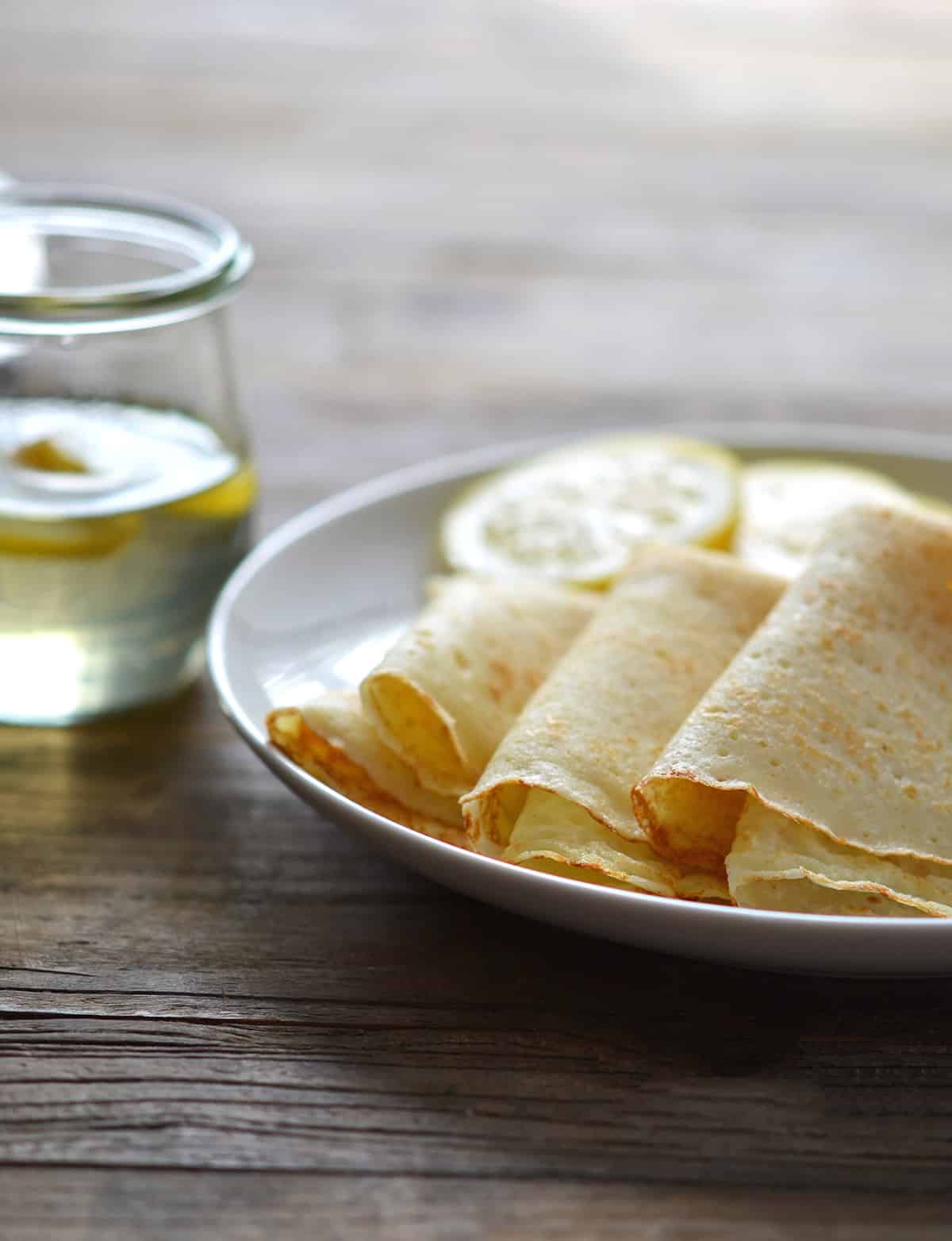
A Culinary Journey: The Evolution of Crêpes
Crêpes have a rich history, originating in Brittany, France, likely in the 12th century. Their simplicity and versatility allowed them to become a staple, adapting to local ingredients and preferences. Initially, they were a humble food, made from buckwheat flour and served as a filling meal. Over time, as wheat flour became more accessible, lighter, sweeter versions emerged, solidifying their place in both everyday meals and celebratory occasions. The advent of gluten-free baking presented a new challenge: replicating the characteristic lightness and pliability of traditional crêpes without the gluten structure. This recipe represents a significant step forward in achieving that goal, making the classic French delicacy accessible to a wider audience.
Essential Ingredients for Gluten-Free Crêpe Mastery
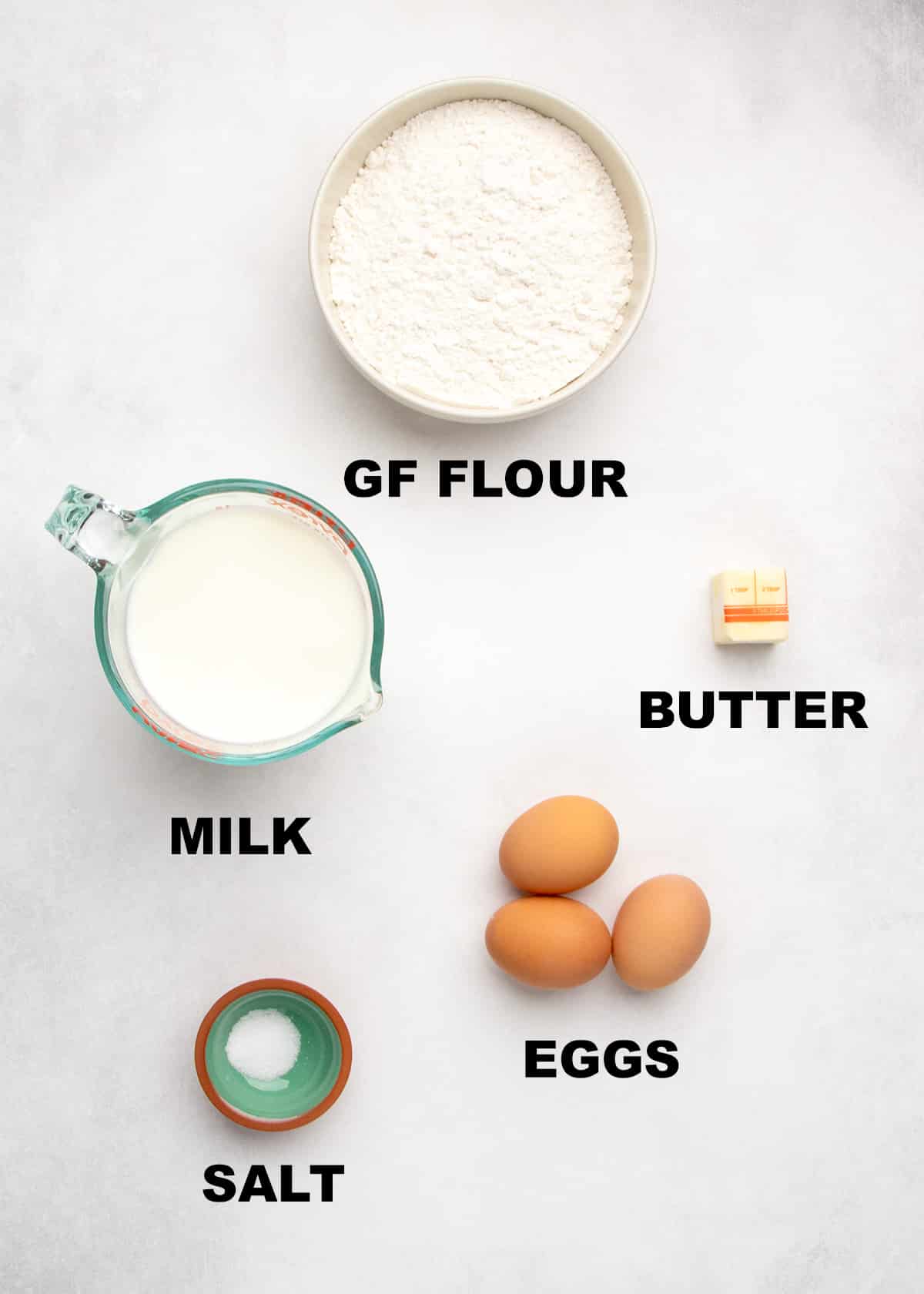
The foundation of these exceptional gluten-free crêpes rests on a few key components, each playing a crucial role in achieving the desired texture and flavor.
- Gluten-Free Flour Blend: This is arguably the most critical ingredient. For optimal results, a gum-free blend based on rice flour is recommended. The absence of xanthan gum or other binders is essential to prevent a rubbery texture. Superfine white rice flour, potato starch, and tapioca starch, in specific ratios, create a balanced flour that mimics the desired texture. (A common blend for 245 grams includes 162 grams superfine white rice flour, 54 grams potato starch, and 29 grams tapioca starch/flour. Alternatively, a pre-made blend like Nicole’s Best, formulated without gums, can be used.)
- Milk: The type of milk used influences the richness and overall consistency of the batter. Whole milk provides a good balance, but dairy-free alternatives like unsweetened coconut milk (from a carton) or soy milk can be excellent substitutes, provided they have a similar fat content.
- Eggs: Eggs are vital for binding, richness, and a smooth texture. The recipe calls for a generous amount to ensure proper emulsification and structure.
- Butter: Melted butter adds flavor, tenderness, and helps prevent sticking. For dairy-free options, block-style vegan butter alternatives are recommended.
- Salt: A pinch of salt enhances the overall flavor profile, balancing the sweetness of potential fillings and adding depth.
The Art of Preparation: A Step-by-Step Guide
Creating these gluten-free crêpes is a straightforward process, best executed with a blender for optimal smoothness.
-
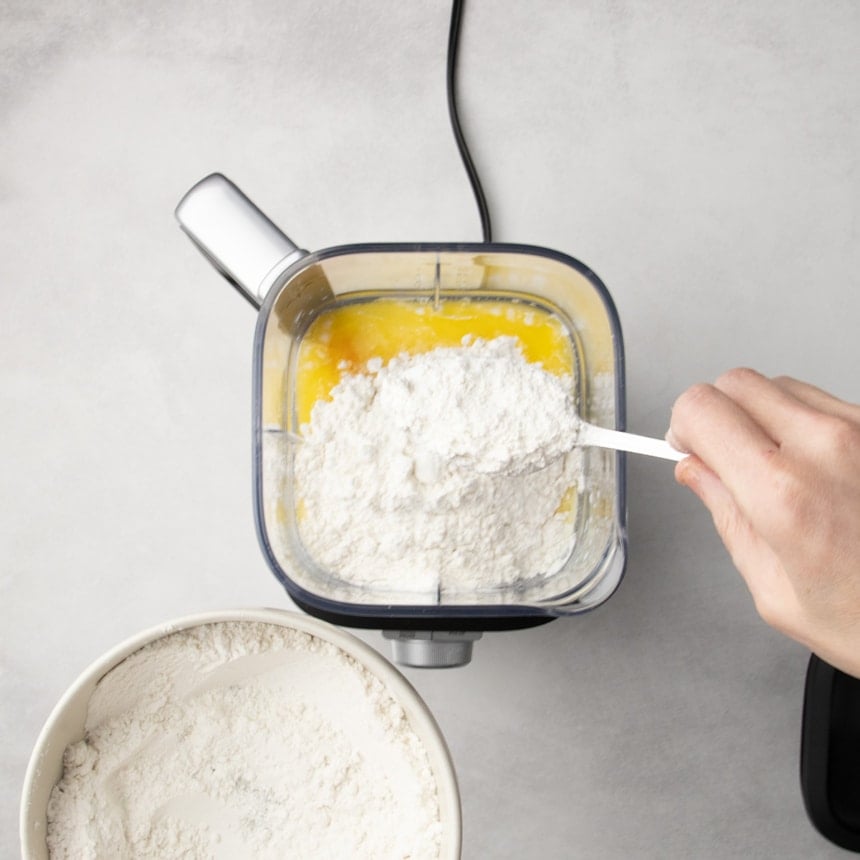
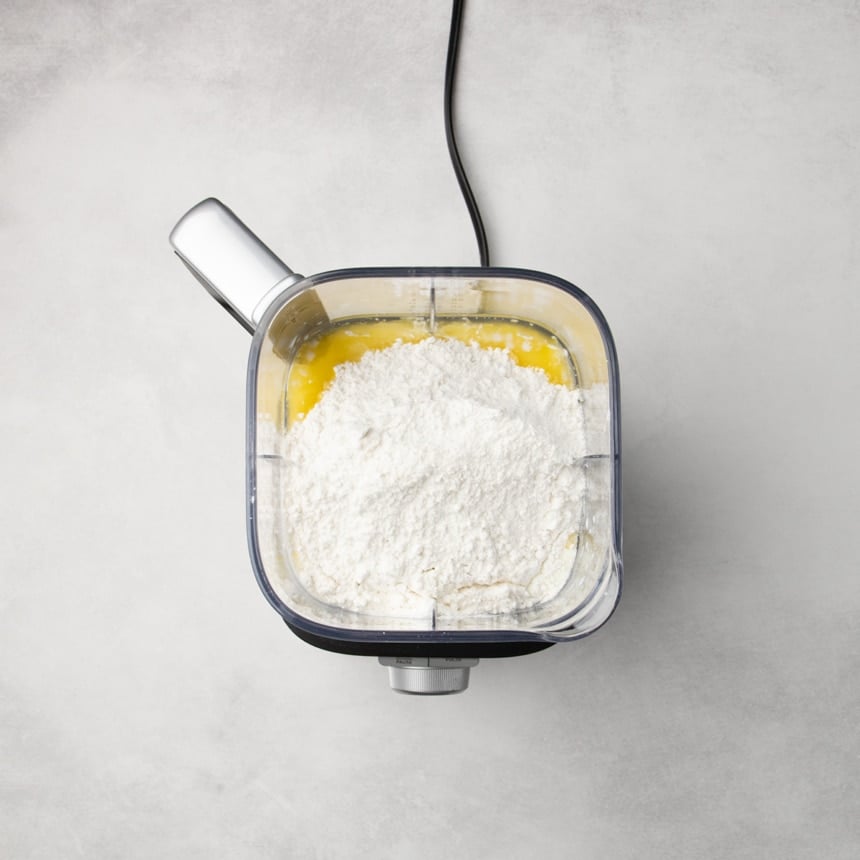
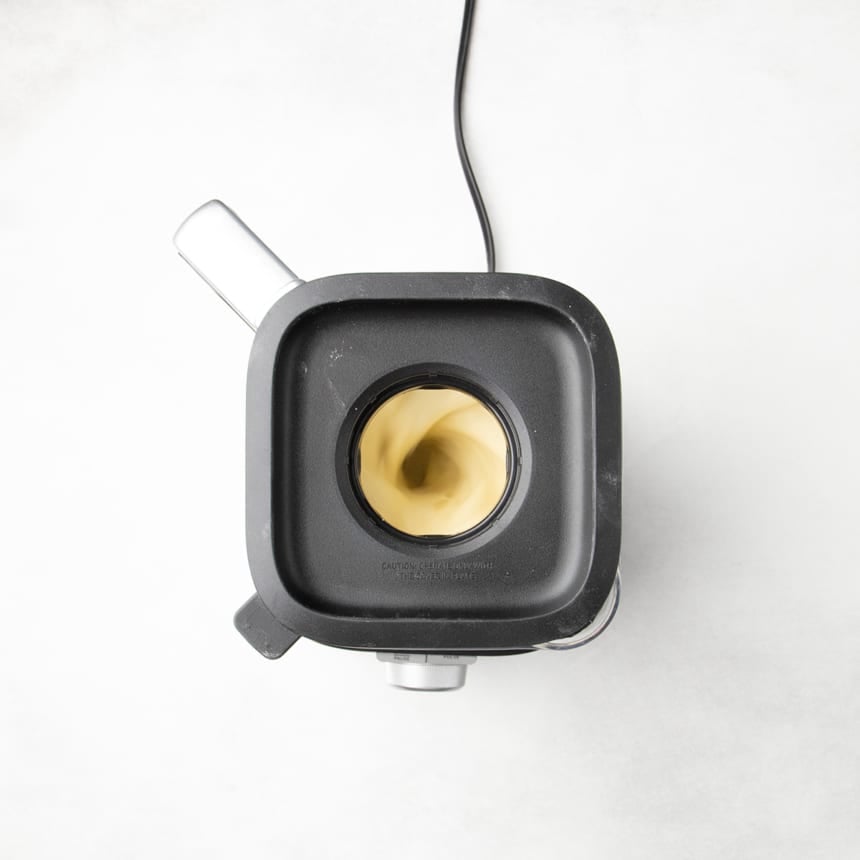
Combine Wet and Dry Ingredients: In a blender, combine the milk, eggs, melted butter, and salt. Top this with the gluten-free flour blend, ensuring the dry ingredients are layered over the wet. This arrangement helps prevent the flour from sticking to the blender blades. If using a blender with the blade in the lid, reverse the order of ingredients.
-
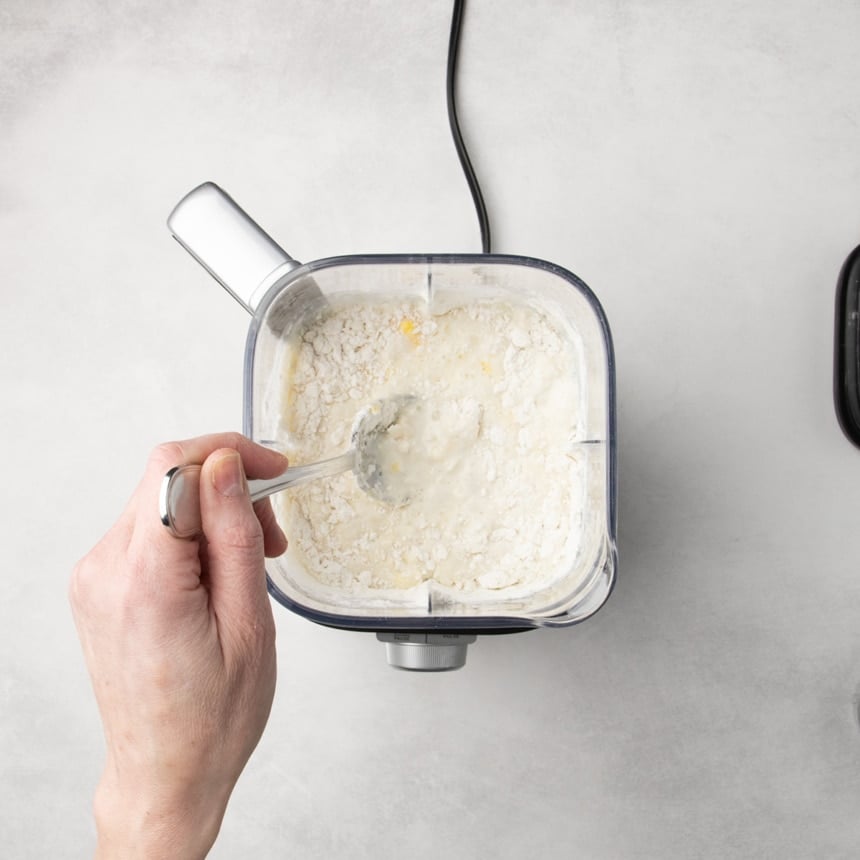
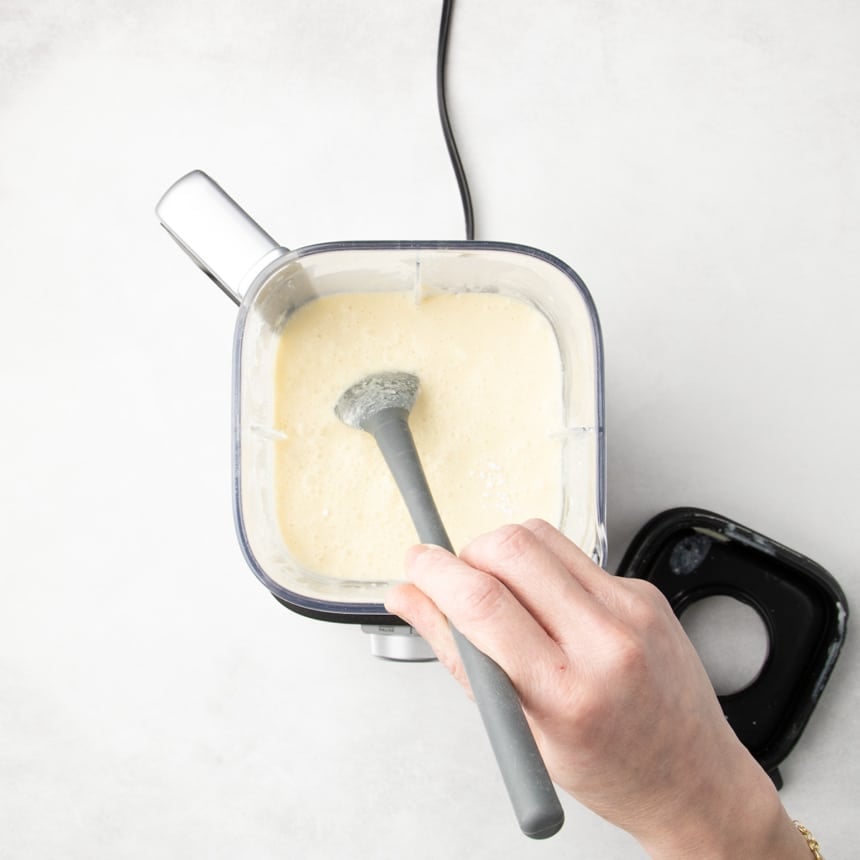
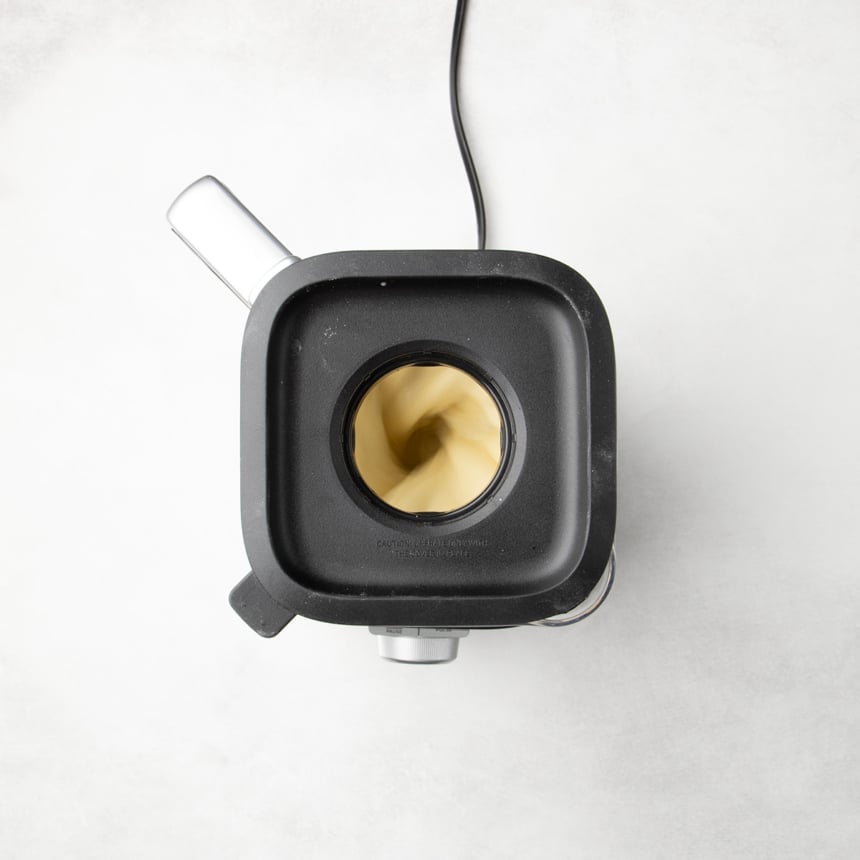
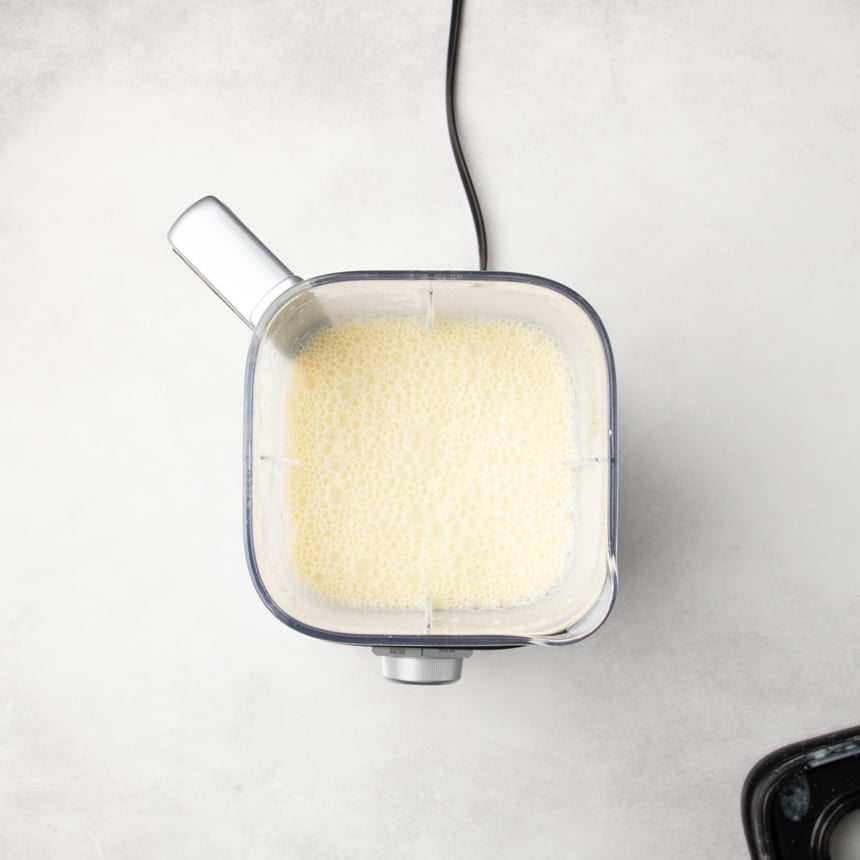
Blend to Perfection: Secure the blender lid and begin blending at a medium speed. Continue for 2 to 3 minutes, or until the batter is exceptionally smooth and all the flour is thoroughly incorporated. Midway through blending, pause to scrape down the sides of the blender with a spatula, ensuring even mixing. The resulting batter should be a pale yellow, indicating fully emulsified eggs and milk.
-
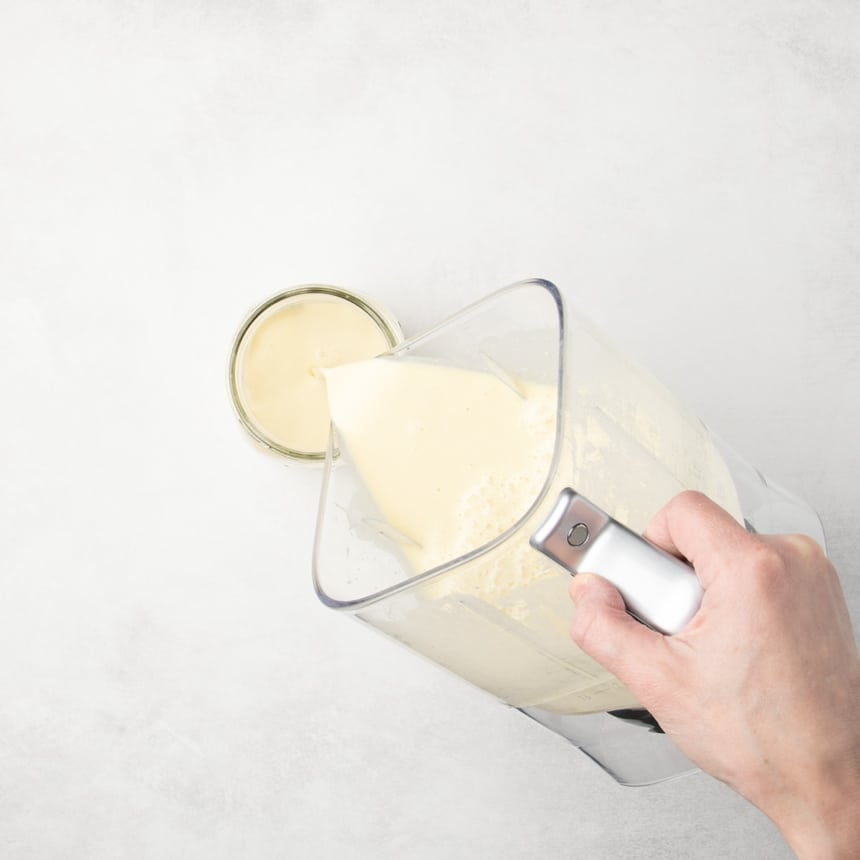
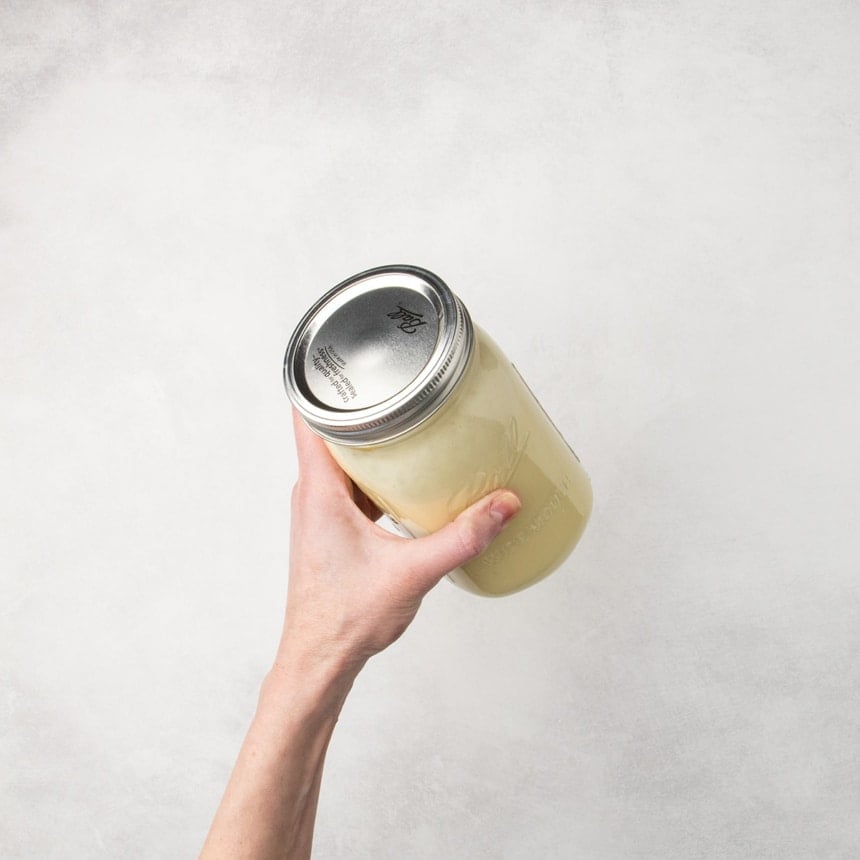
The Crucial Rest Period: Transfer the smooth batter to an airtight container, such as a 32-ounce or 1-liter mason jar. Refrigerate the batter for at least 12 hours, and up to 3 days. This resting period is critical for allowing the flours to fully hydrate, leading to a more stable batter and tear-resistant crêpes. While traditional recipes use this step to relax gluten, here it serves to achieve optimal hydration.
-
Rejuvenating the Batter: Before cooking, allow the chilled batter to come to room temperature, which typically takes about 45 minutes. As some flour may settle, re-incorporate it by using an immersion blender or a tall whisk directly in the jar until the batter is once again smooth and well-combined. The ideal consistency should be like half-and-half.
-
Preparing the Cooking Surface: Heat a 9 or 10-inch nonstick skillet over medium heat for approximately one minute, or until it feels almost too hot to comfortably hold your hand above. Lightly grease the pan evenly with a cooking oil that has a high smoke point, such as canola, vegetable, grapeseed, avocado, or peanut oil.
-
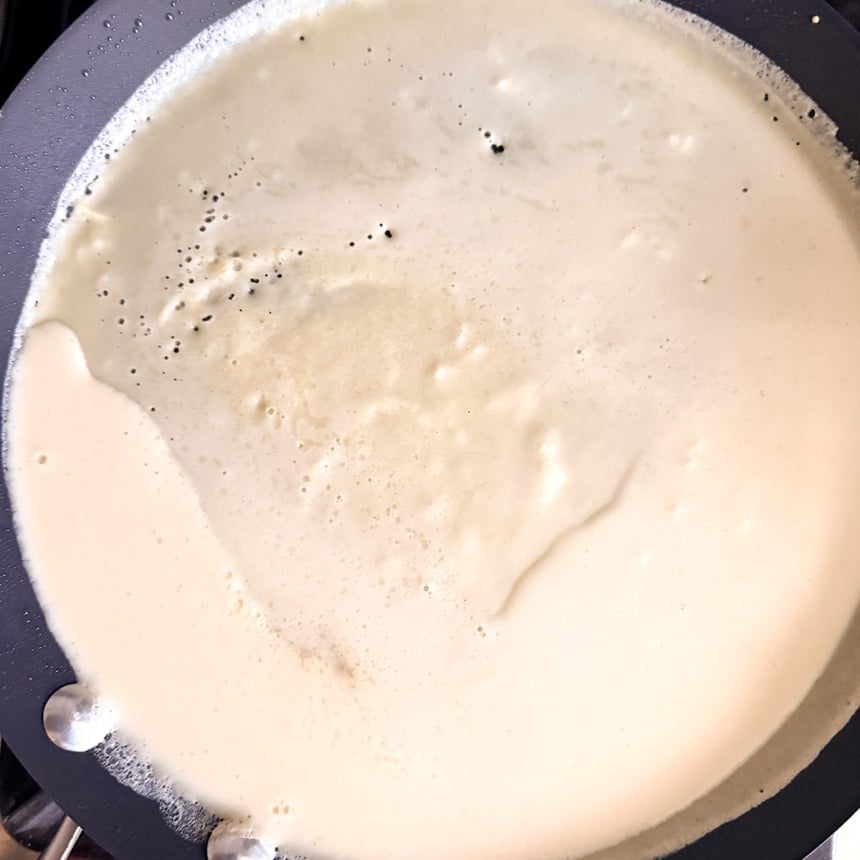
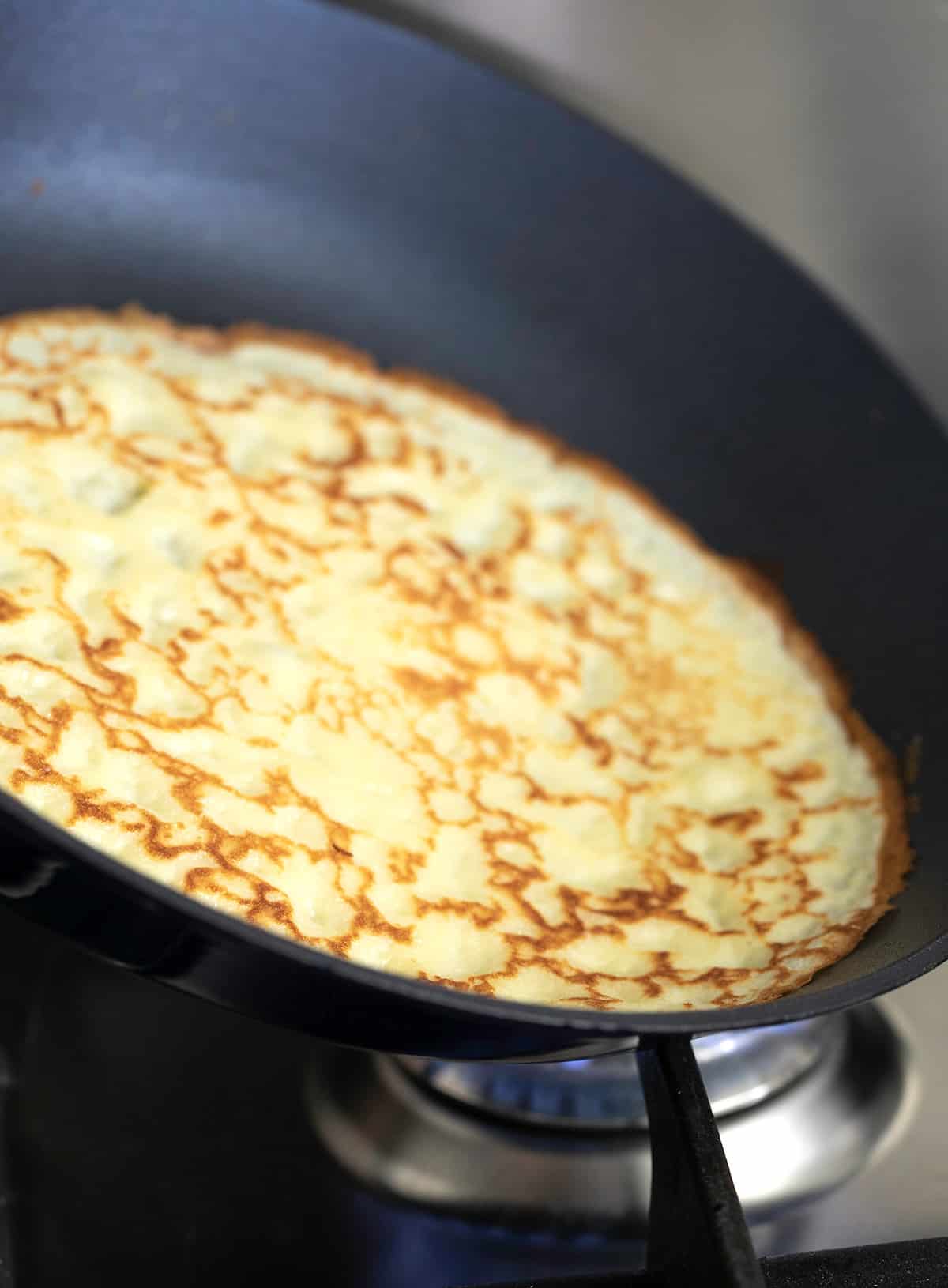
The Art of the Swirl: Pour approximately 5 tablespoons (75 ml) of batter into the center of the hot pan. Immediately tilt the pan at a 45-degree angle, with the handle pointing upwards, and swiftly move your wrist in a circular motion. This technique ensures the batter spreads thinly and evenly across the entire surface of the pan, creating delicate edges. As you swirl, a thin layer of batter will form around the edges, contributing to a slightly lacy and crispy texture.
-
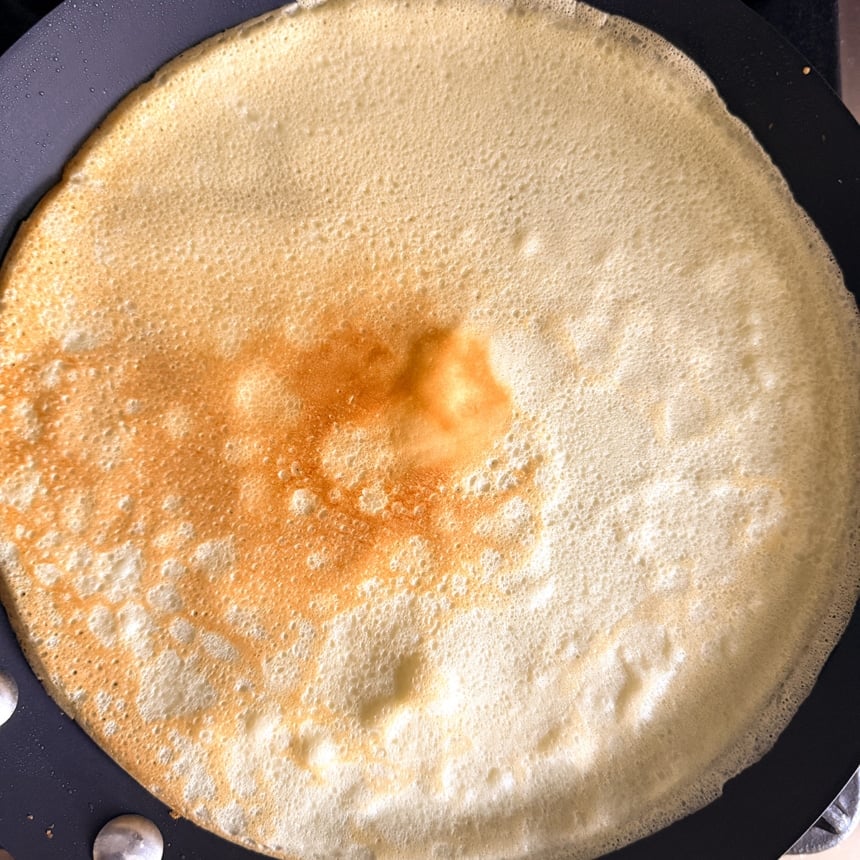
Cooking the First Side: Allow the crêpe to cook for about 90 seconds. The edges should begin to lift slightly, and the underside should turn a light golden brown. You can gently lift an edge with a spatula to check for browning.
-
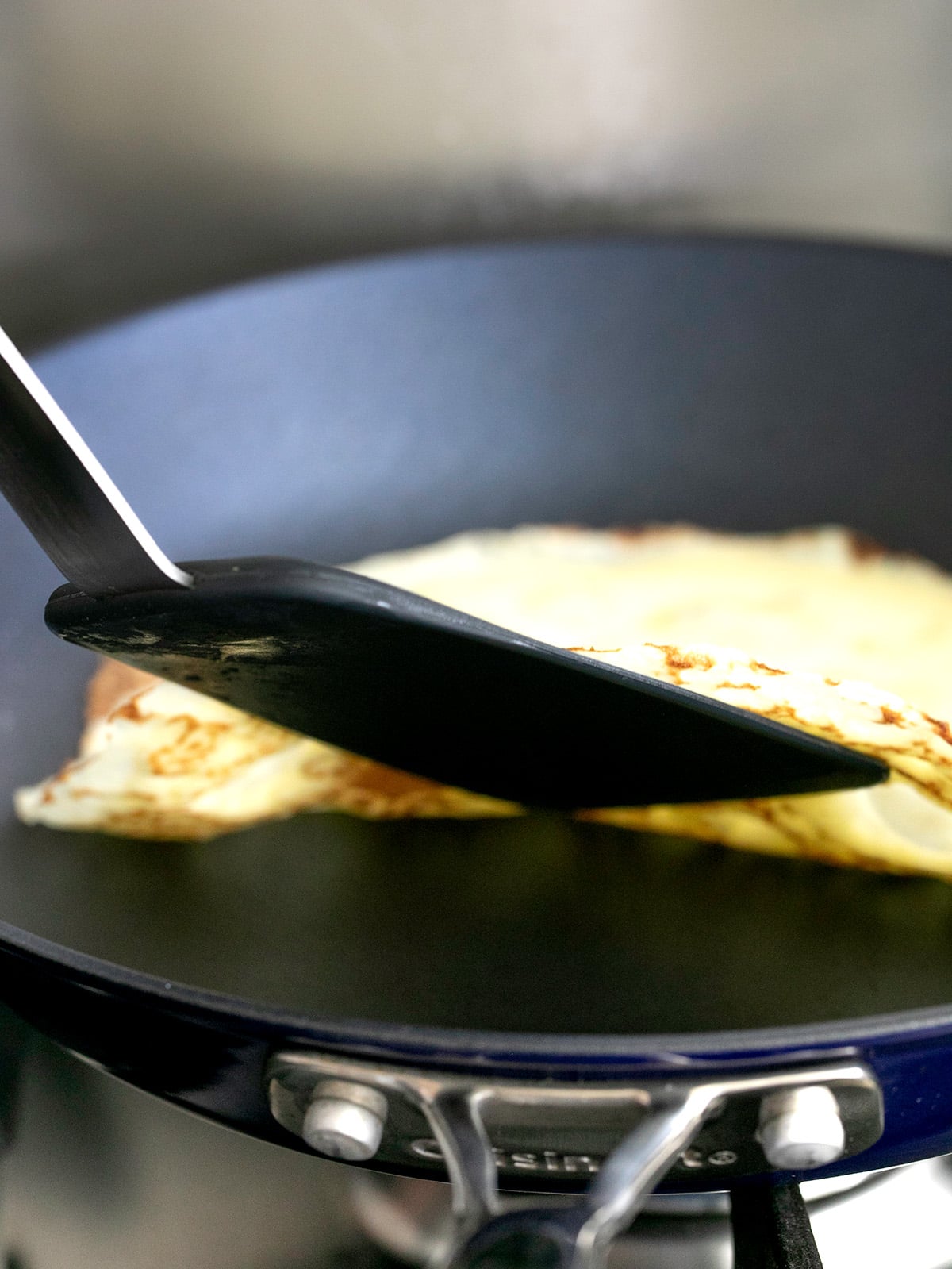
The Flip: Using a large spatula or even your fingers (if you’re careful!), carefully flip the crêpe over. Gently press it down onto the pan for an additional 30 seconds to ensure the second side is also lightly browned. If desired, flip it again to achieve more color on the first side.
-
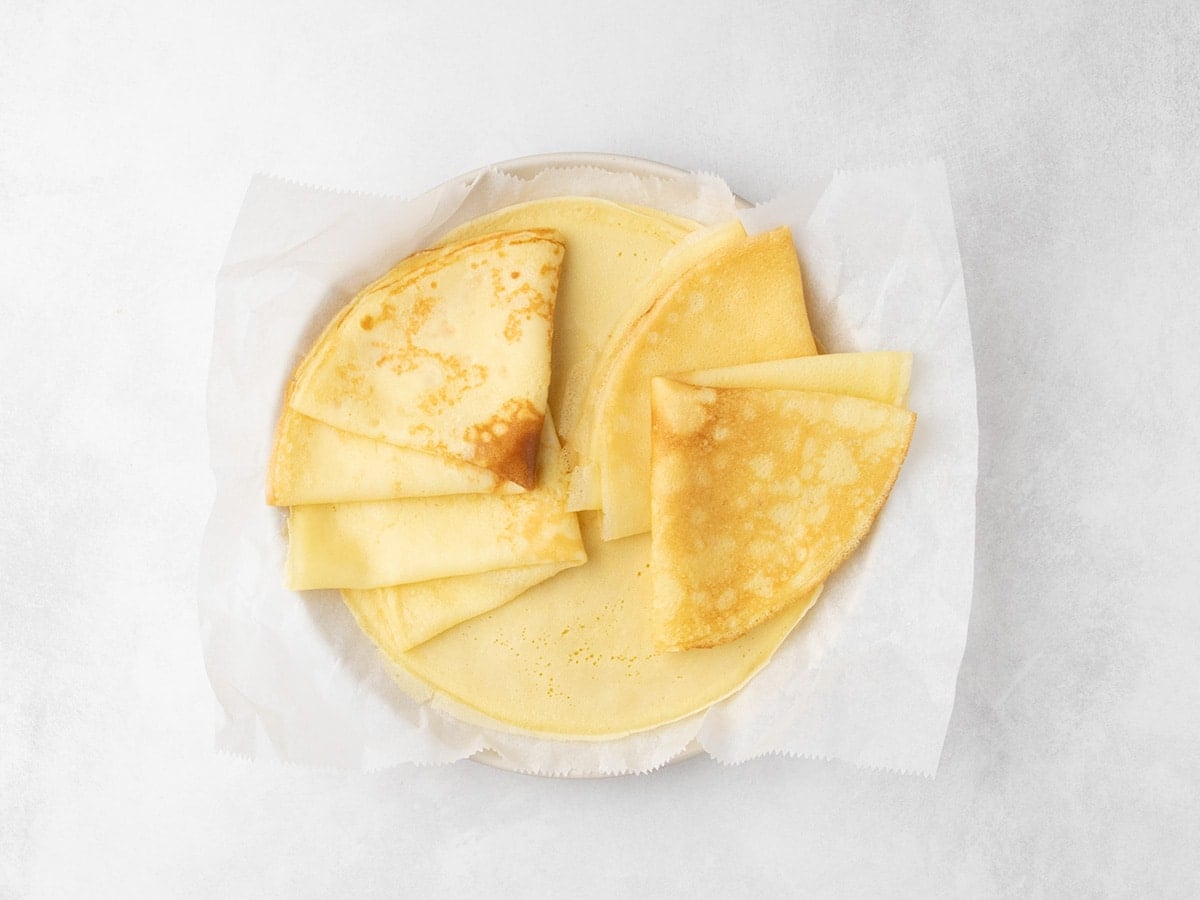
Building the Stack: Repeat the process with the remaining batter. As each crêpe is cooked, stack them directly on top of one another on a plate lined with parchment paper. This prevents them from sticking to the plate and keeps them warm and pliable.
Expert Insights for Flawless Crêpes
To ensure consistent, delightful results every time, consider these expert tips:
- Flour Blend Precision: As highlighted, the correct gluten-free flour blend is paramount. Opt for gum-free blends and measure your flour by weight for the most accurate results.
- The Importance of Rest: Do not skip the refrigeration and resting period for the batter. This step is non-negotiable for achieving the ideal texture and flexibility.
- Pan Choice Matters: A quality nonstick skillet is ideal. A dedicated crêpe pan with low sides can be advantageous, but a well-seasoned cast iron skillet also works effectively. Electric crepe makers can be used, but be mindful that the batter may begin to set too quickly on excessively hot surfaces.
- Preheating for Evenness: Proper preheating of the pan is crucial for even browning and consistent cooking. The first crêpe often serves as a test for temperature accuracy.
- Maintain Lubrication: Even with nonstick pans, a light and consistent greasing is essential. This ensures the batter glides smoothly before it begins to set, preventing adhesion.
Navigating Ingredient Substitutions
- Dairy-Free Adaptations: For a dairy-free version, unsweetened coconut milk or soy milk can replace cow’s milk. Similarly, block-style vegan butter alternatives are suitable replacements for dairy butter.
- Egg-Free Considerations: Replacing the eggs in this recipe is more challenging due to their significant role in structure and binding. While common egg substitutes like chia or flax eggs may not yield the desired results, commercial egg replacers like JustEgg are a potential alternative.
Storage and Revitalization
Freshly made crêpes can be kept at room temperature for a few hours by simply covering the stack. For longer storage, refrigerate them in an airtight zip-top bag on a flat surface for up to 3 days. They can also be frozen for up to 3 months using the same method. To refresh chilled or frozen crêpes, warm them gently in a hot, dry skillet or briefly in the microwave (about 10 seconds).
Serving Suggestions: A World of Flavor
The versatility of these gluten-free crêpes extends to both sweet and savory applications.
Sweet Crêpe Creations:
- Classic Fruit and Cream: A timeless combination of fresh berries, whipped cream, or crème fraîche.
- Chocolate Lover’s Dream: Drizzled with chocolate sauce, filled with chocolate chips, or paired with a rich chocolate ganache.
- Lemon and Sugar: A simple yet elegant pairing of powdered sugar and fresh lemon zest.
- Caramelized Apples or Bananas: Warm, sweet fruits create a comforting and decadent filling.
- Nut Butter Indulgence: Peanut butter, almond butter, or a chocolate-hazelnut spread offer a satisfying richness.
Savory Crêpe Adventures:
- Crispy Chicken Tenders: A delightful pairing with gluten-free chicken tenders for a satisfying meal.
- Mushroom and Spinach Filling: Sautéed mushrooms and wilted spinach, often enhanced with a creamy sauce or cheese.
- Ham and Cheese: A classic combination that is both simple and delicious.
- Smoked Salmon and Cream Cheese: A sophisticated option, often with dill and capers.
- Pulled Pork or Chicken: Hearty and flavorful, these shredded meats make for a substantial filling.
Frequently Asked Questions
- Why is my batter lumpy? Lumps typically arise from insufficient blending or from using cold ingredients, particularly butter, which can cause clumping. Ensure all ingredients are at room temperature before blending, and blend thoroughly.
- When should I flip my crêpe? Flip the crêpe when the edges begin to turn lightly golden brown and lift easily from the pan, usually after about 90 seconds on the first side.
- Why did my crêpes turn out rubbery? Rubbery crêpes are most often a result of using a gluten-free flour blend containing xanthan gum, which can make them too elastic. Alternatively, pouring too much batter into the pan can result in overly thick, chewy crêpes.
These gluten-free crêpes offer a remarkable solution for anyone seeking to enjoy this beloved French delicacy without gluten. Their flexibility, tender texture, and simple preparation make them a versatile addition to any culinary repertoire.
