

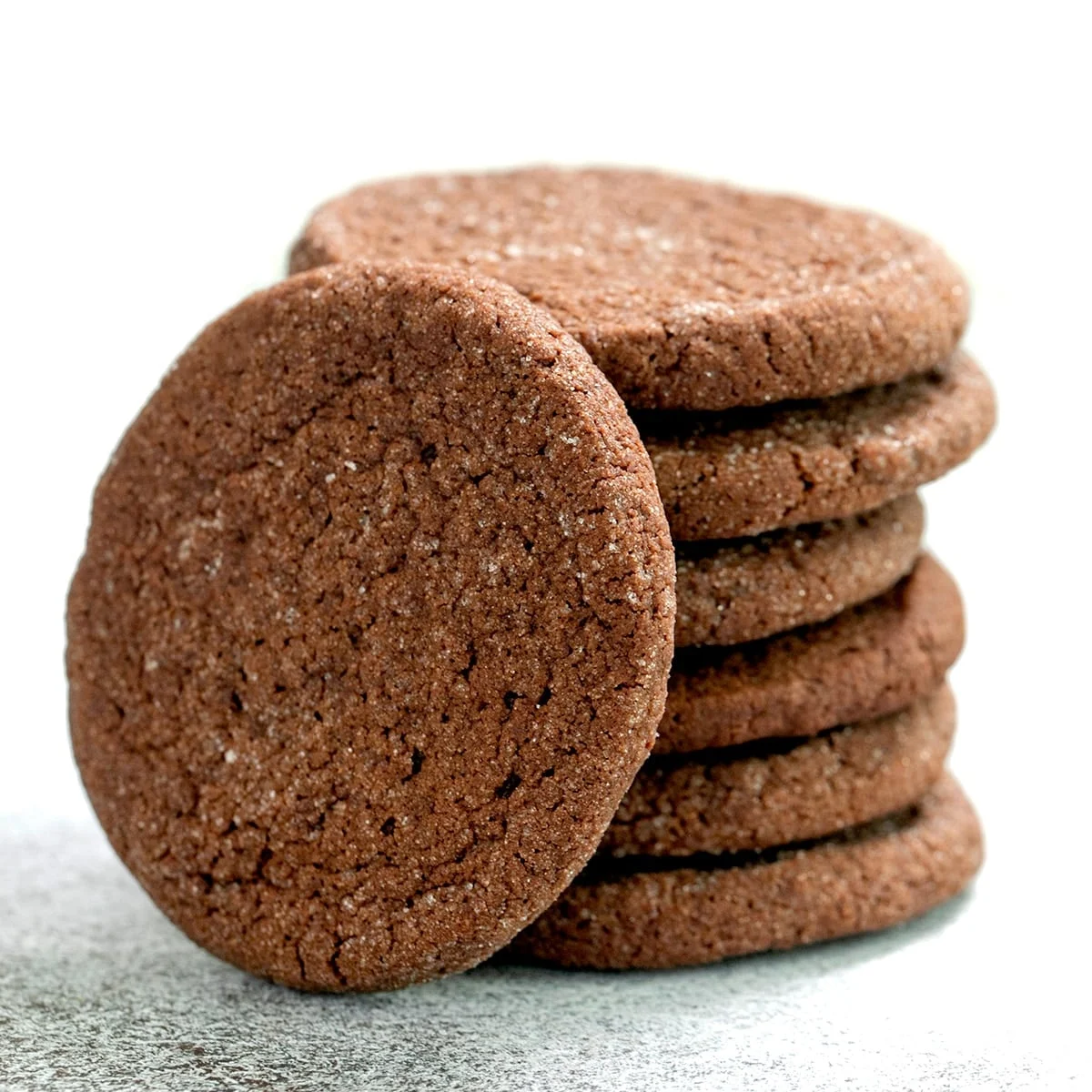
The quest for a truly satisfying gluten-free treat often leads bakers down a path of compromise, but a new recipe promises to redefine expectations for chocolate lovers. These soft, chewy gluten-free chocolate cookies, developed by Nicole Hunn of Gluten Free on a Shoestring, are designed to deliver the decadent, fudgy intensity of a brownie in a convenient cookie form. This innovative approach utilizes a dual chocolate strategy, incorporating both cocoa powder and melted chocolate to achieve a profound depth of flavor and a delightfully tender crumb.
The recipe’s success hinges on its thoughtful ingredient selection and technique. The inclusion of molasses, alongside cocoa powder and melted chocolate, is key to both the cookies’ rich flavor profile and their signature chewy texture. This combination creates a cookie that transcends the typical gluten-free baked good, offering an experience akin to a high-end bakery indulgence. Unlike other gluten-free chocolate cookies, which might focus on chocolate chips, these are crafted for the purist seeking an unadulterated chocolate experience.
The Science Behind the Decadence
The foundation of these exceptional cookies lies in the synergistic interaction of their core ingredients. Cocoa powder provides a foundational chocolate flavor, while melted chocolate contributes richness and a luxurious mouthfeel. The addition of molasses is a critical element, not only enhancing the chocolate notes but also contributing to the cookie’s moistness and chewiness. This ingredient is often overlooked in simpler cookie recipes but is vital for replicating the dense, satisfying texture characteristic of brownies.
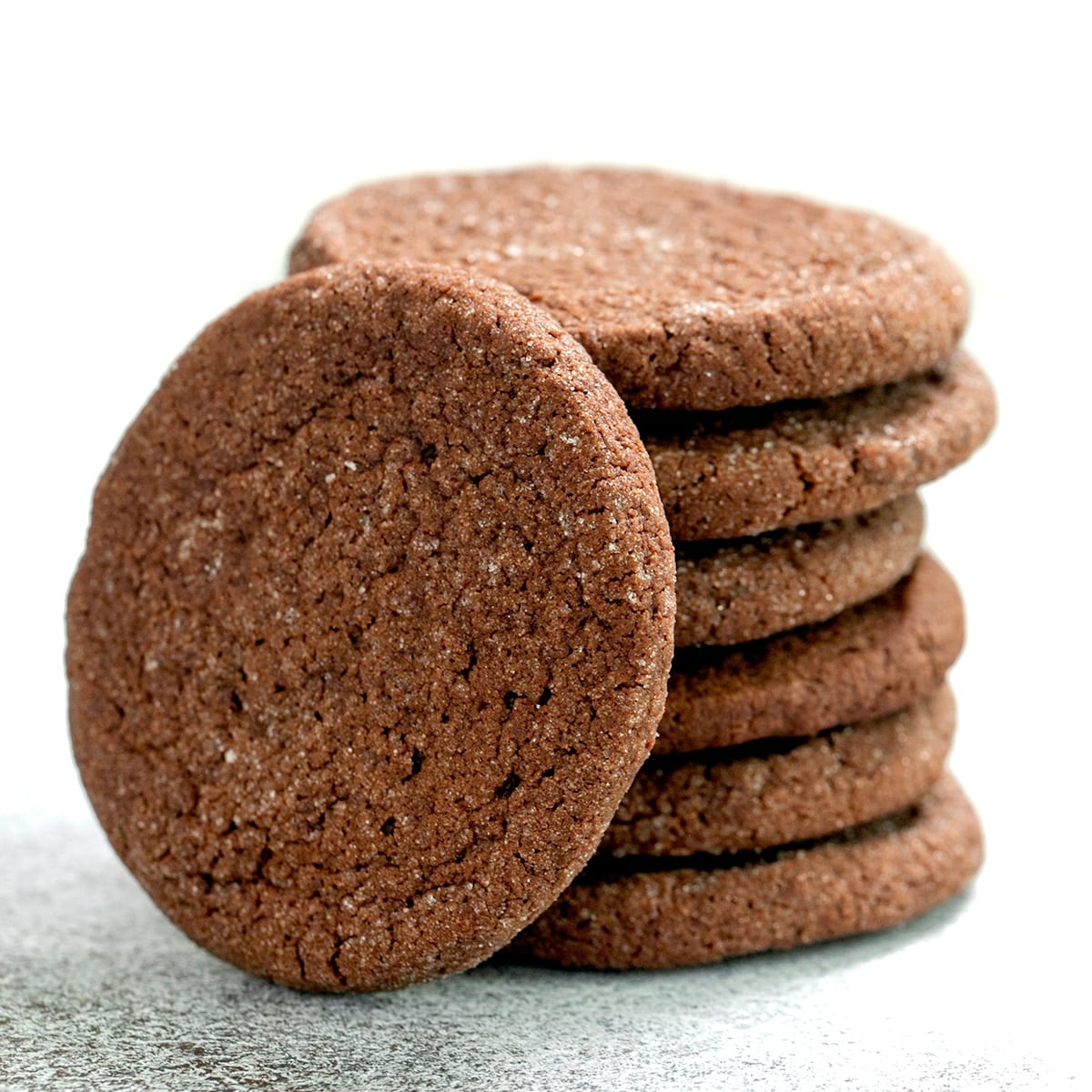
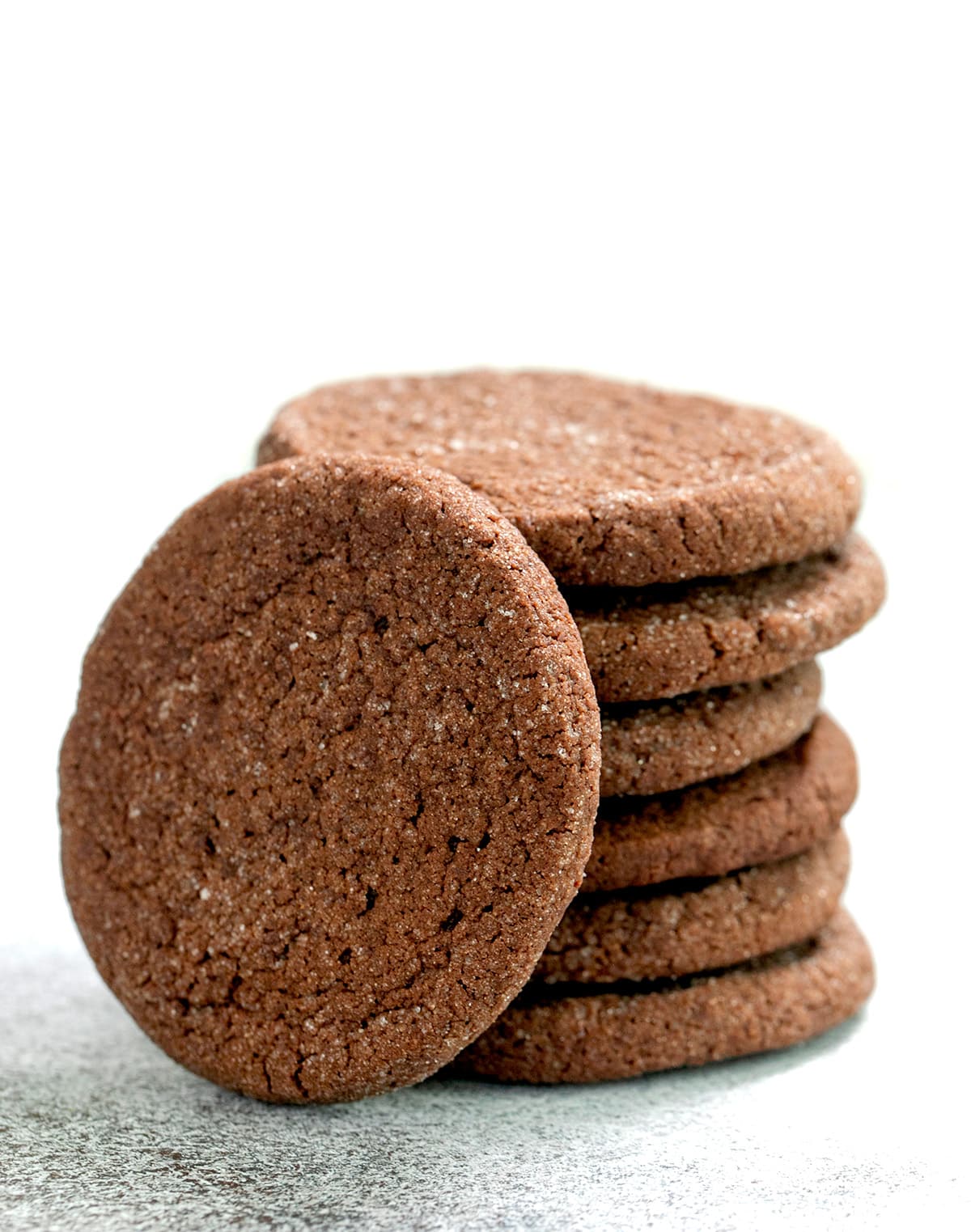
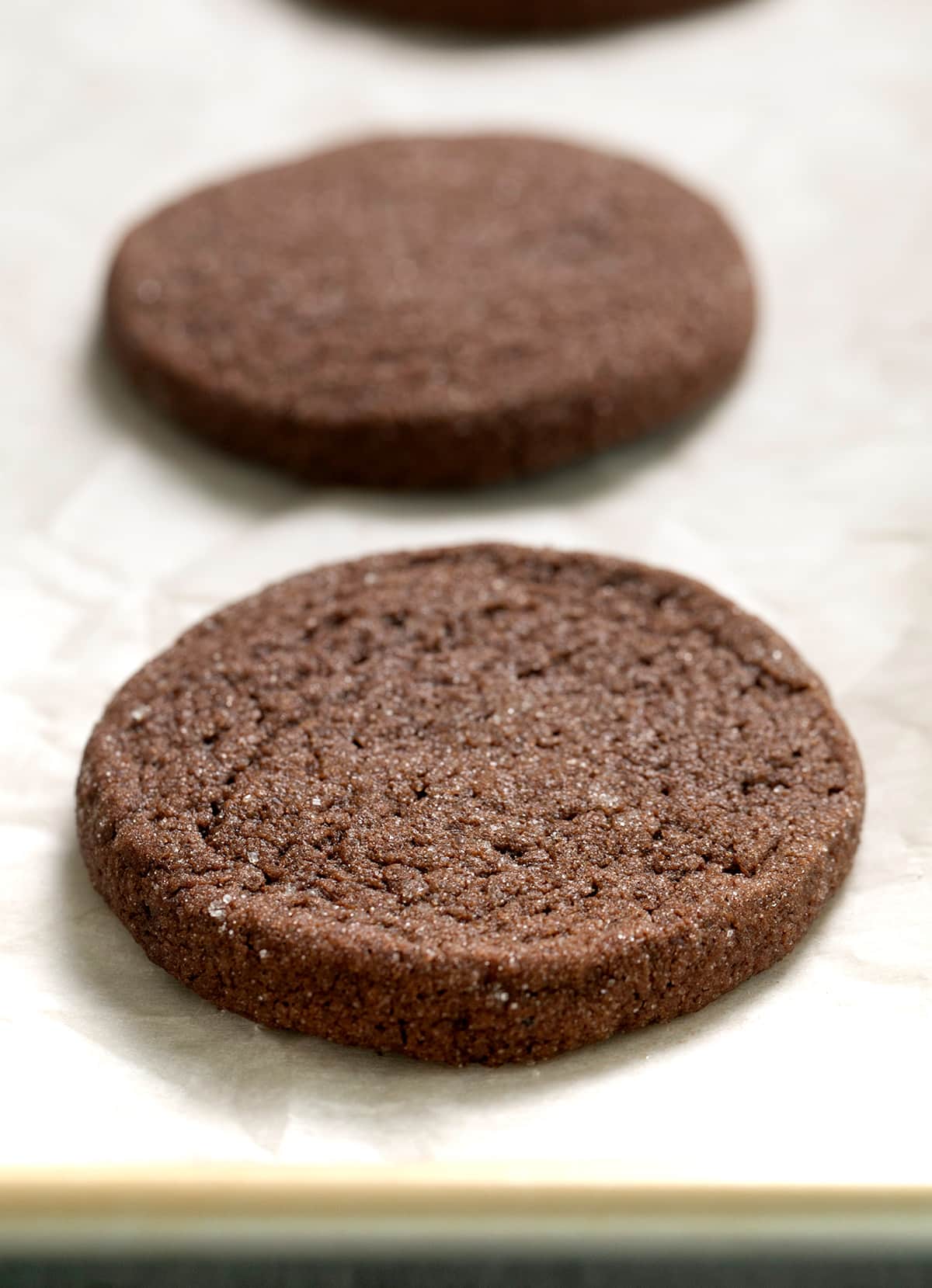
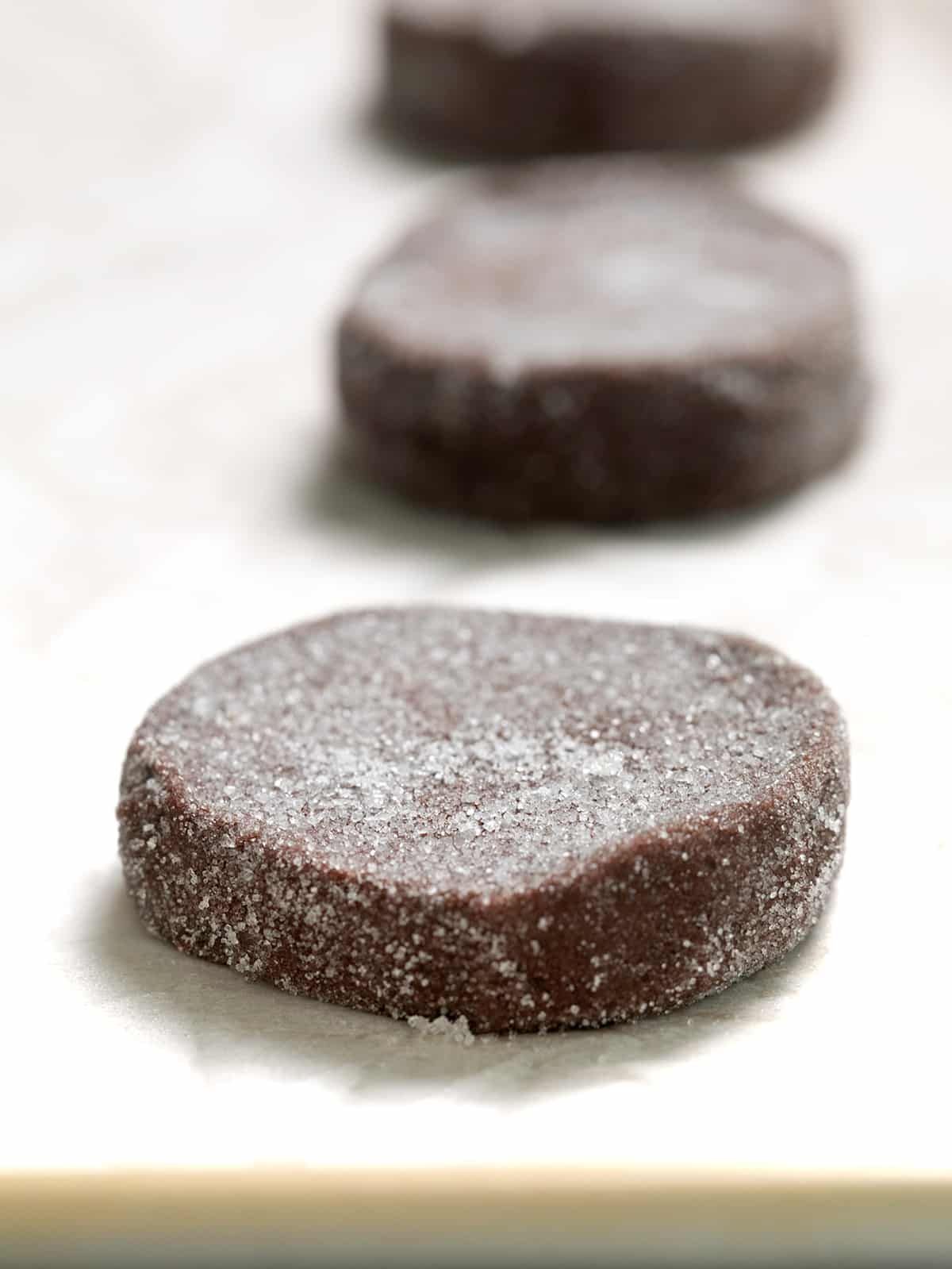
Furthermore, a seemingly simple step—dipping the shaped cookie dough in granulated sugar before baking—adds another layer of complexity. This coating provides a subtle, pleasant crunch on the exterior, contrasting beautifully with the soft, yielding interior. While it doesn’t create the dramatic sparkle of coarse sugar, it enhances the overall textural experience and adds a touch more sweetness, making each bite a carefully balanced delight. This attention to detail in texture and flavor sets these cookies apart from their gluten-free counterparts, which may sometimes lack the nuanced complexity found in traditional baking.
Crafting the Perfect Gluten-Free Chocolate Cookie
The process of creating these brownie-like cookies is designed for accessibility, employing a slice-and-bake method that simplifies preparation. The recipe’s visual guide, available through step-by-step photographs, demystifies each stage, making it achievable for bakers of all skill levels.
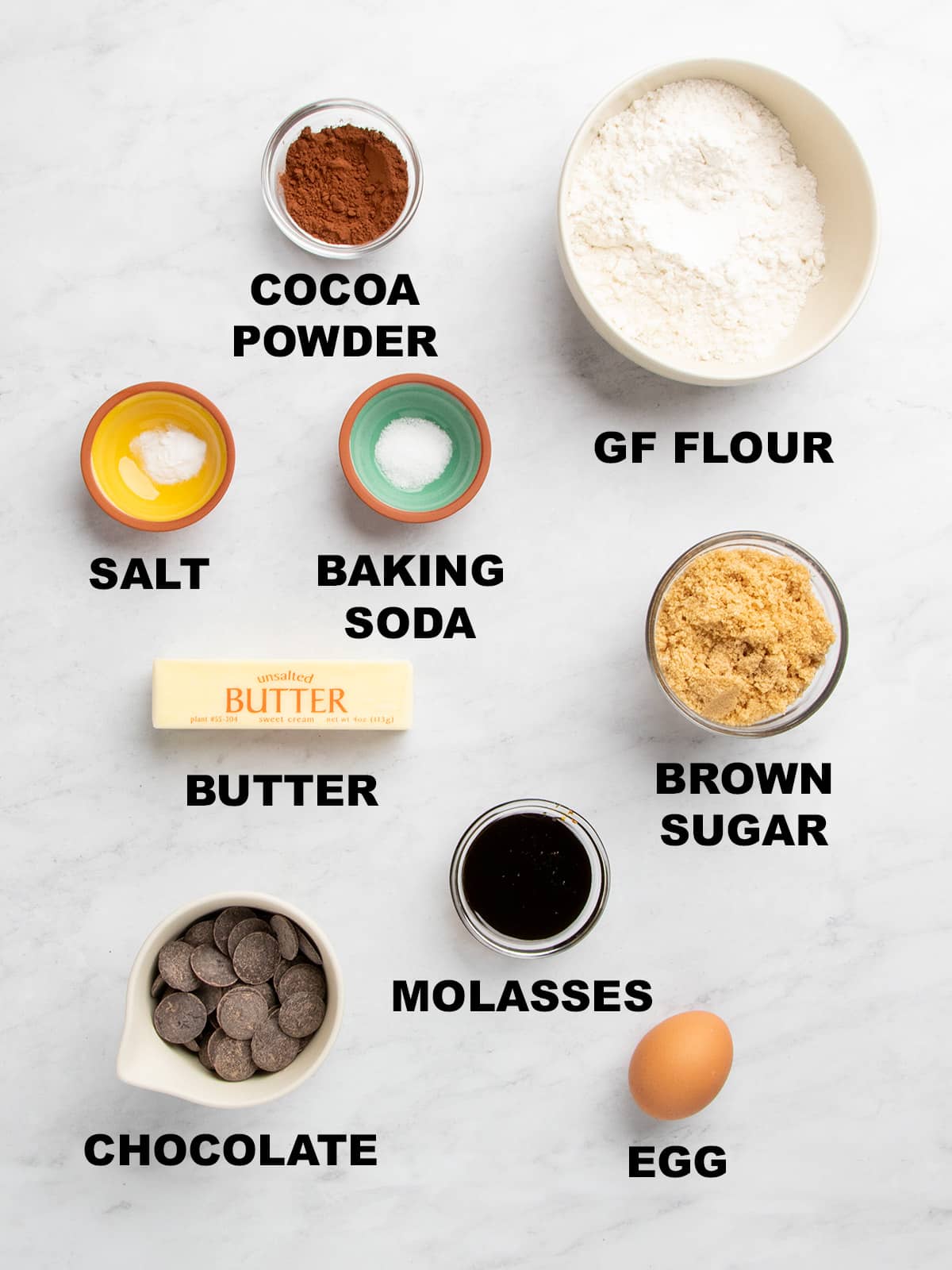
The initial step involves gently melting butter and dark chocolate together. This is crucial to avoid overheating the chocolate, which can lead to a broken emulsion or a burnt flavor. The melted chocolate and butter mixture is then combined with molasses, brown sugar, and an egg. It is essential to ensure this wet ingredient base is smooth and glossy, indicating that the sugar has fully dissolved and the egg is well incorporated. This creates a stable foundation for the cookie dough.
Concurrently, the dry ingredients are whisked together. This includes a gluten-free flour blend, cocoa powder, salt, and baking soda. Thoroughly whisking the cocoa powder with the dry ingredients is vital, as cocoa can be prone to clumping and uneven distribution, potentially affecting the leavening and overall flavor of the cookies.
The wet and dry ingredients are then combined, forming a very soft dough due to the warmth of the melted chocolate mixture. This soft dough is then shaped into a log, approximately two inches in diameter and eight inches long, on a sheet of parchment paper. Gently rolling and shaping the dough ensures a uniform cylinder, which will yield consistent cookie slices.
Chilling the dough log is a critical step, allowing it to firm up sufficiently for slicing. The recommended chilling time is about one hour, ensuring the dough is firm enough to slice cleanly but not so hard that it becomes brittle. Once chilled, the log is sliced into ½-inch thick rounds.
Before baking, each slice is gently reshaped by hand to ensure a smooth, rounded form and to eliminate any potential gaps in the center. The top, bottom, and sides of each cookie are then rolled in granulated sugar, adhering easily to the slightly softened dough.
Baking takes place at a moderate 325°F (163°C) for approximately 12 minutes. The cookies are ready when they have spread to about an inch on all sides and the center no longer appears wet. A key technique for achieving perfectly round cookies involves "scooting" them immediately after they emerge from the oven. While still hot, a cookie cutter can be used to gently tuck in any uneven edges, creating a uniformly circular shape. The cookies are then left to cool on the baking sheet, which helps them maintain their structure before they are fully stable.
Expert Insights and Adaptations
For those seeking to perfect this recipe, several expert tips can enhance the outcome. Over-chilling the dough log can make it difficult to slice without splintering. In such cases, allowing the dough to rest at room temperature until pliable is recommended. The dual shaping technique—once before baking and once immediately after—is crucial for achieving the desired round form, ensuring visual appeal and structural integrity.
The recipe also offers flexibility through ingredient substitutions, catering to various dietary needs. For a dairy-free version, block-style vegan butter and dairy-free dark chocolate are suggested. When selecting chocolate, opting for darker varieties increases the likelihood of them being dairy-free, though checking labels is always advised.
For egg-free baking, several alternatives are provided, including chia eggs, commercially available liquid egg replacers like JustEgg, or Bob’s Red Mill egg replacer. Even a flax egg, despite its potential color and flavor impact, is deemed suitable due to the dominant chocolate flavor of the cookies.
In instances where molasses is unavailable, honey or Lyle’s Golden Syrup can be used as substitutes. To compensate for the flavor profile lost from omitting molasses, it is recommended to use dark brown sugar instead of light brown sugar.
Storage and Enjoyment
Once cooled, these rich chocolate cookies can be stored in an airtight glass container at room temperature for up to five days. They are designed to retain their delightful texture throughout this period. For longer-term storage, the cookies can be frozen in freezer-safe zip-top bags. Removing as much air as possible before sealing will prevent freezer burn. Frozen cookies can be enjoyed directly from the freezer or thawed at room temperature, offering a convenient indulgence whenever the craving strikes.
The development of such recipes reflects a growing demand for high-quality, gluten-free alternatives that do not compromise on taste or texture. As culinary science advances and bakers become more innovative, the boundaries of what is possible in gluten-free baking continue to expand, offering delicious possibilities for all.
