

This post may contain affiliate links. Please read our disclosure policy.
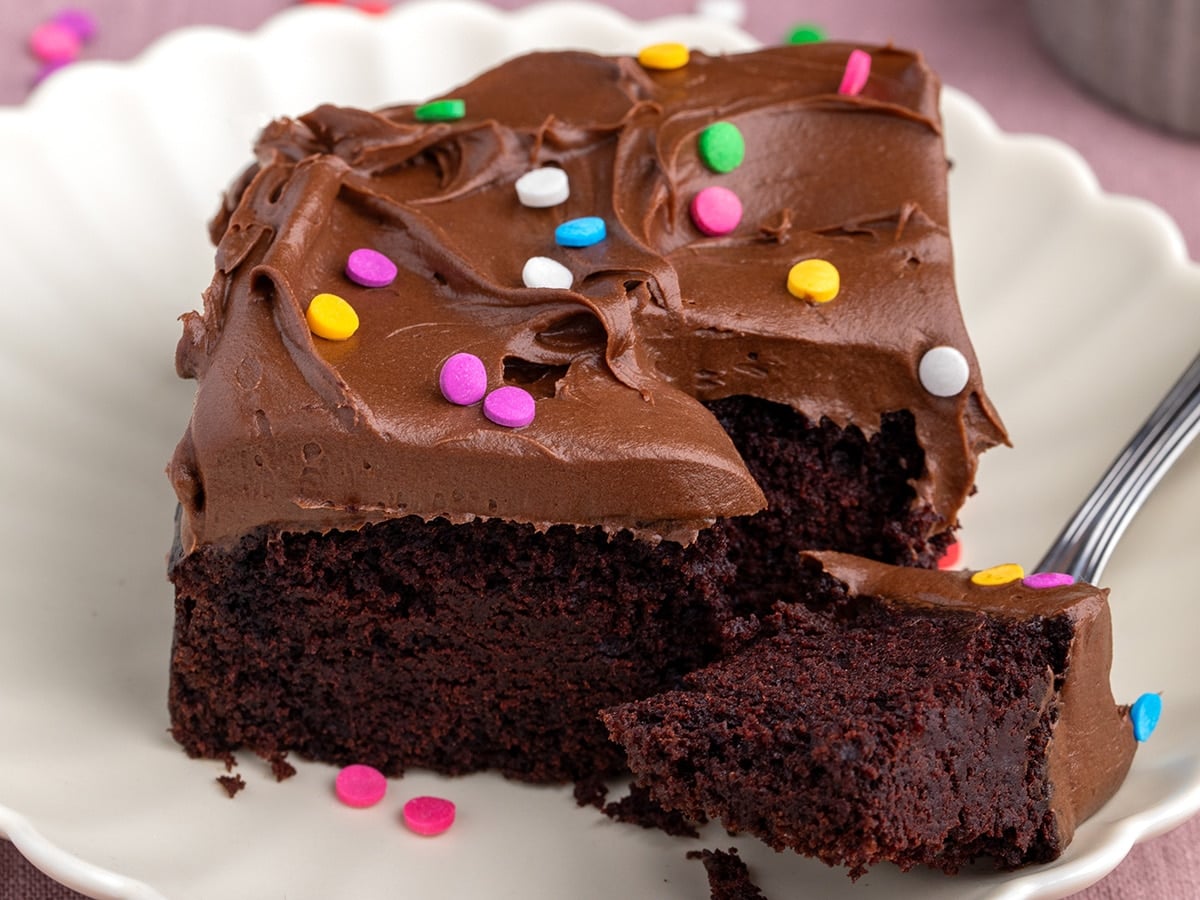
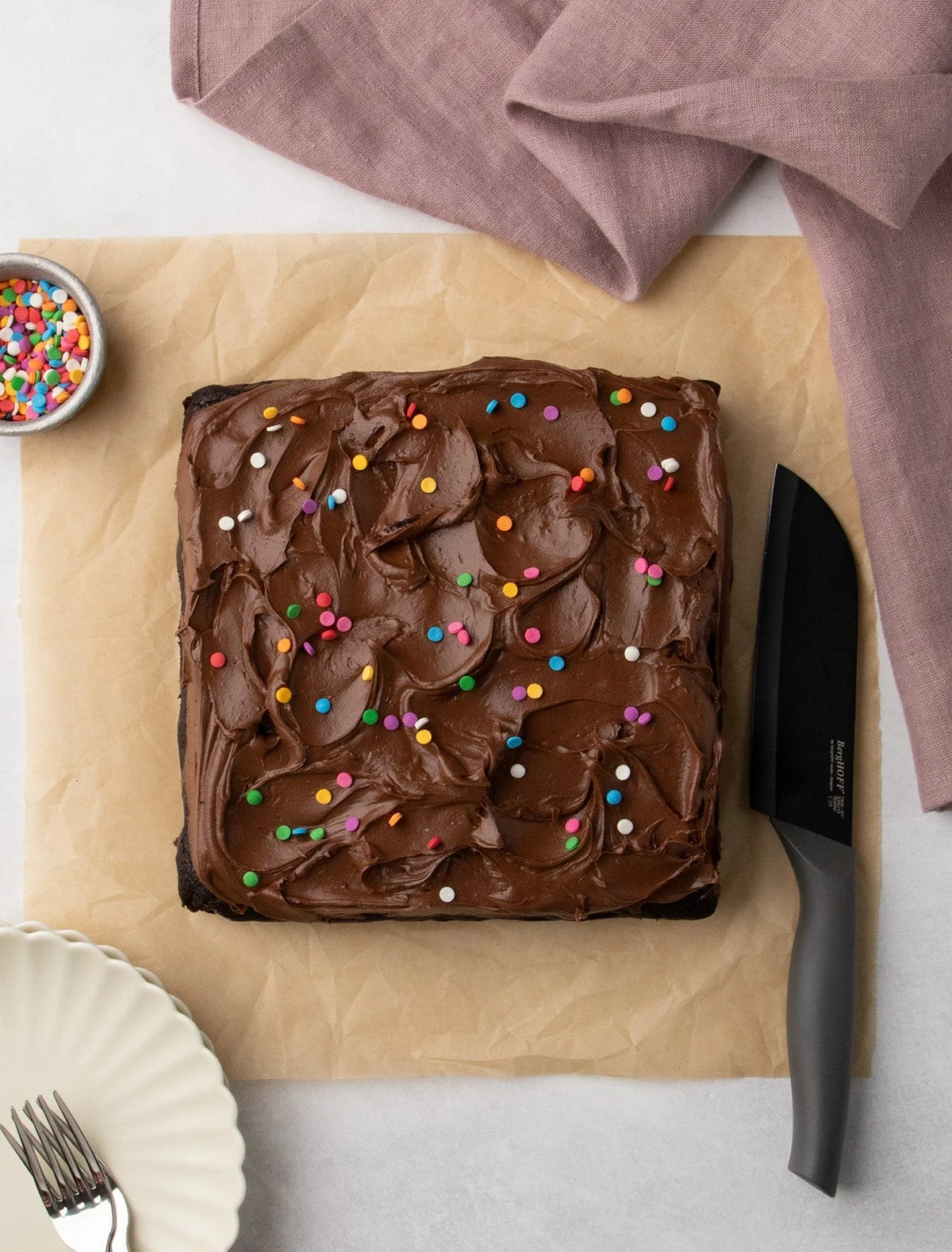
A groundbreaking recipe for a gluten-free and dairy-free chocolate cake is poised to revolutionize baking for those with dietary restrictions. Developed with a unique approach that eschews common dairy-free substitutes, this cake promises a rich, intensely chocolatey flavor while maintaining remarkable freshness and a tender crumb, even when chilled. The innovation lies in its ability to achieve these desirable qualities without relying on dairy-free butter or milk alternatives, which can sometimes introduce unwanted artificial flavors.
The Science Behind the Decadence: A Dairy-Free Masterpiece
The culinary world has long grappled with creating baked goods that are both free from common allergens and exceptional in taste and texture. This new gluten-free, dairy-free chocolate cake addresses a significant challenge: the often-artificial taste of vegan butter and the limitations of milk substitutes. Instead of these ingredients, the recipe ingeniously leverages the properties of mayonnaise, a staple that is naturally dairy-free, to achieve a moist and tender crumb.
Originally, the concept for this cake was inspired by recipes that utilized mayonnaise as a direct substitute for a combination of eggs and oil. This foundational idea has been refined to create a cake that is not only dairy-free but also remarkably robust in its chocolate flavor. The use of mayonnaise as an emulsifier contributes to a stable batter, ensuring even moisture distribution and a rich, deep cocoa profile. This approach bypasses the need for specialized, potentially expensive, and sometimes flavor-altering dairy-free butter substitutes, making the recipe more accessible to home bakers.
Key Ingredients: The Pillars of Flavor and Texture
The success of this gluten-free, dairy-free chocolate cake hinges on a careful selection of ingredients, each playing a crucial role in the final outcome.
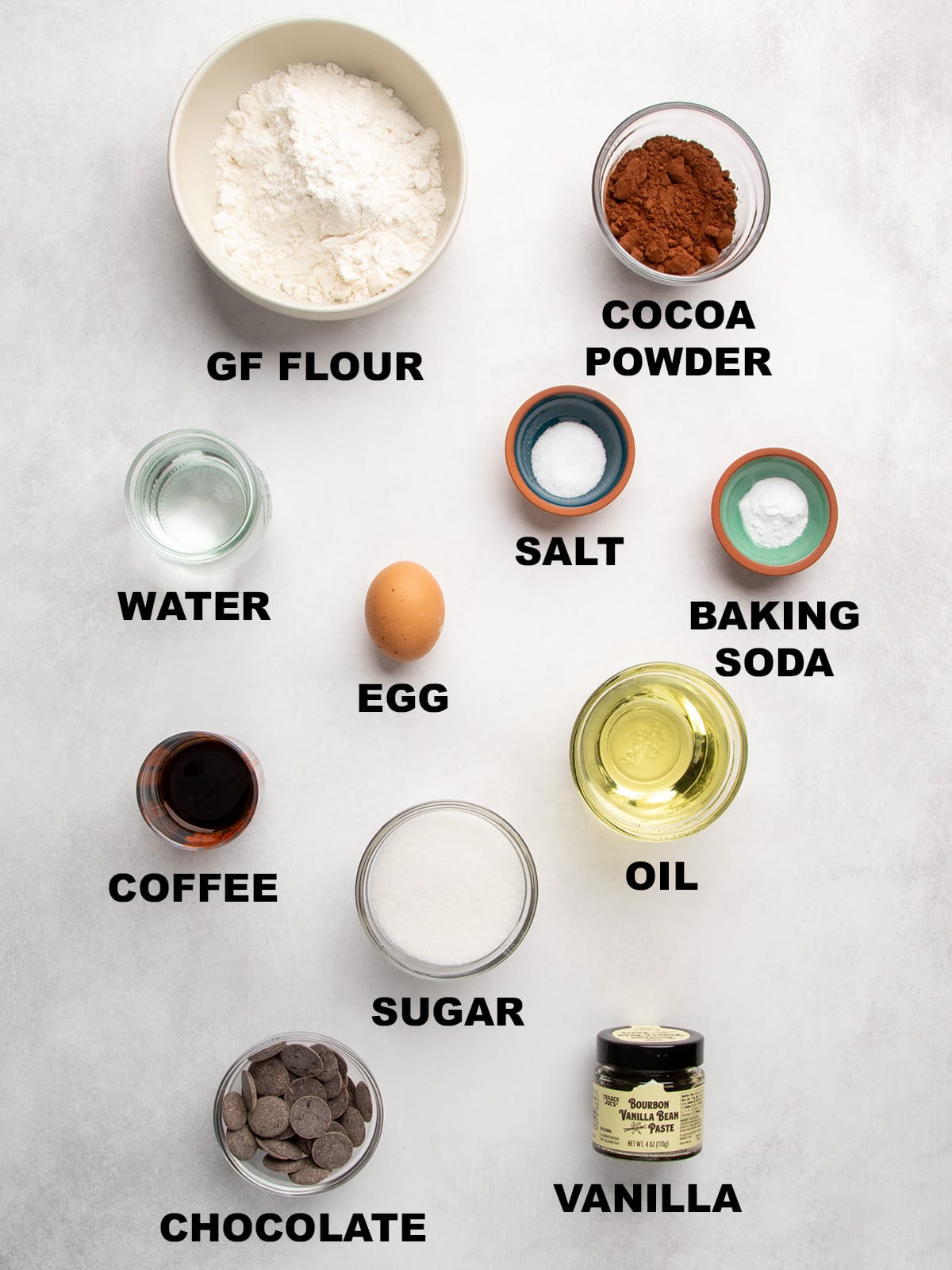
- Gluten-Free Flour Blend: The choice of gluten-free flour is paramount. The recipe specifically recommends blends like Better Batter’s Original All Purpose, Bob’s Red Mill 1-to-1 (with an additional 1/8 teaspoon of xanthan gum), or Vitacost’s Multi-Blend Gluten Free Flour with added xanthan gum. These blends are formulated to mimic the behavior of traditional wheat flour, providing the necessary structure without gluten. It is crucial to note that some blends, such as Nicole’s Best, are not suitable due to the presence of dairy. For those who prefer to create their own blend, a comprehensive guide is available.
- Cocoa Powder: High-quality cocoa powder is the foundation of the cake’s deep chocolate flavor. Its interaction with hot liquids allows it to "bloom," releasing its full aromatic potential.
- Brewed Coffee: A surprising yet essential ingredient, brewed coffee acts as a flavor enhancer for the chocolate. It deepens the chocolate notes without imparting a noticeable coffee taste, a common technique in chocolate baking to intensify richness. Decaffeinated coffee is an acceptable substitute, and the coffee can even be replaced entirely with boiling water for those who prefer to omit it.
- Oil: A neutral-flavored oil, such as canola, vegetable, grapeseed, avocado, or peanut oil, is used to contribute moisture and tenderness to the cake. Olive oil is specifically cautioned against due to its distinct flavor profile, which can compete with the chocolate.
- Mayonnaise: As a key component, mayonnaise serves as an emulsifier and provides moisture. Full-fat mayonnaise is recommended, and specific brands like Hellmann’s are often cited for their reliable performance. The original recipe development explored using mayonnaise to replace both eggs and oil, but the refined version uses a combination of oil and egg for a more tender, less fragile crumb. However, for those seeking an egg-free option, a significant amount of mayonnaise can be used to replace both the egg and oil.
- Egg: In the refined recipe, a single egg contributes to the cake’s structure and richness. For egg-free variations, alternative binders are discussed.
- Sugar: Granulated sugar provides sweetness and contributes to the cake’s moist texture.
- Dairy-Free Chocolate: The inclusion of chopped dairy-free chocolate melts into the batter, adding an extra layer of chocolate intensity and a luscious mouthfeel.
A Step-by-Step Guide to Baking Perfection
The creation of this exceptional chocolate cake is a straightforward process, designed to be achievable for bakers of all skill levels.
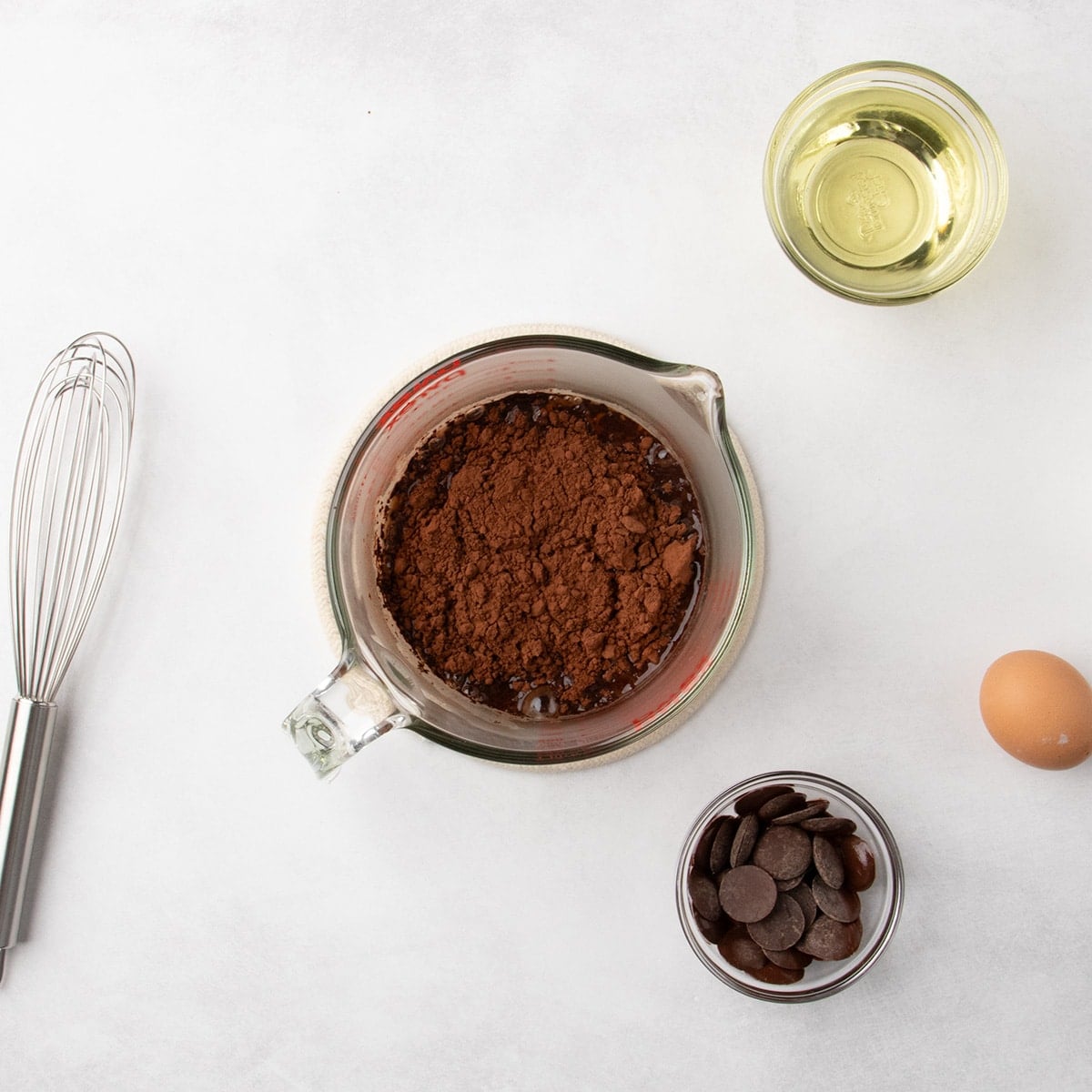
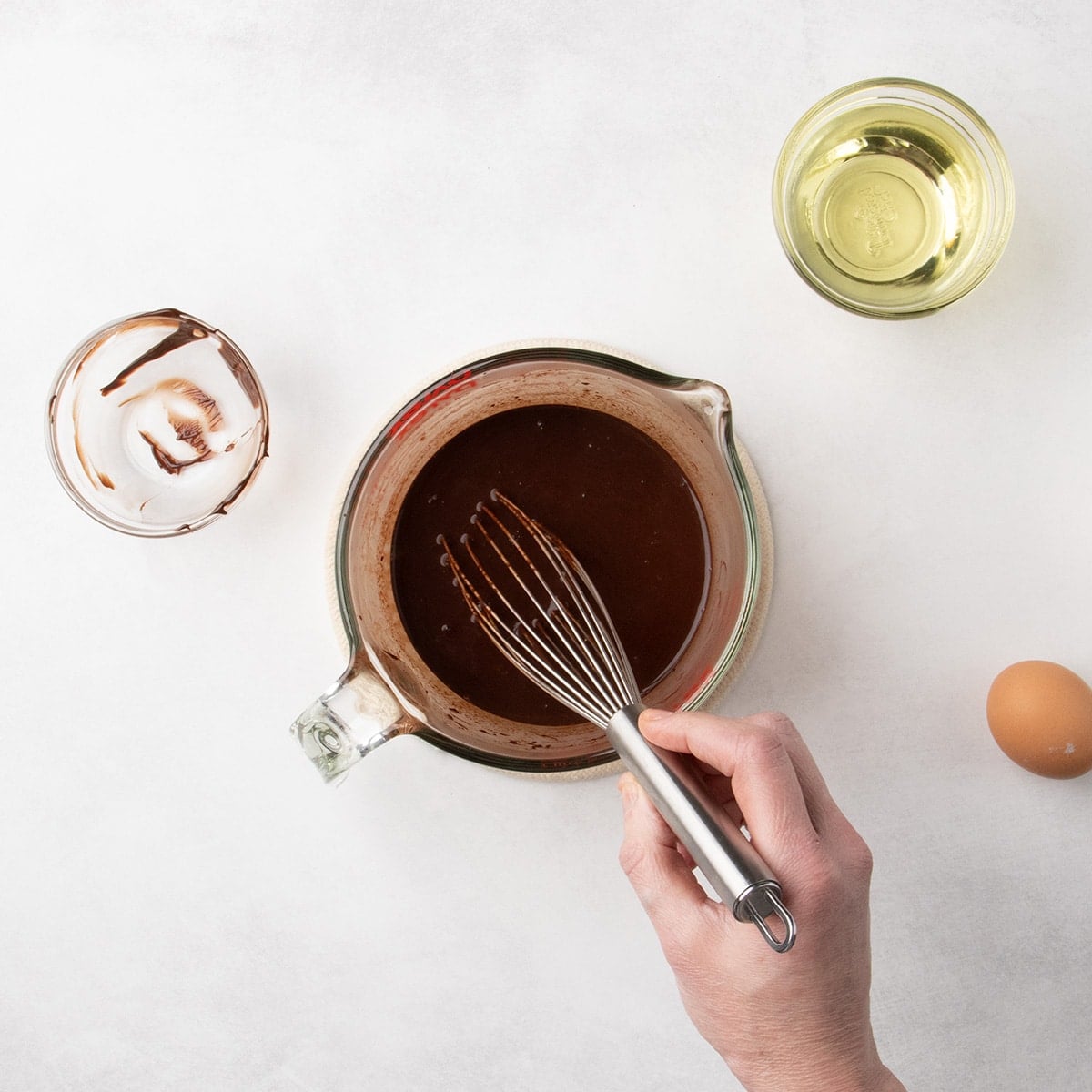
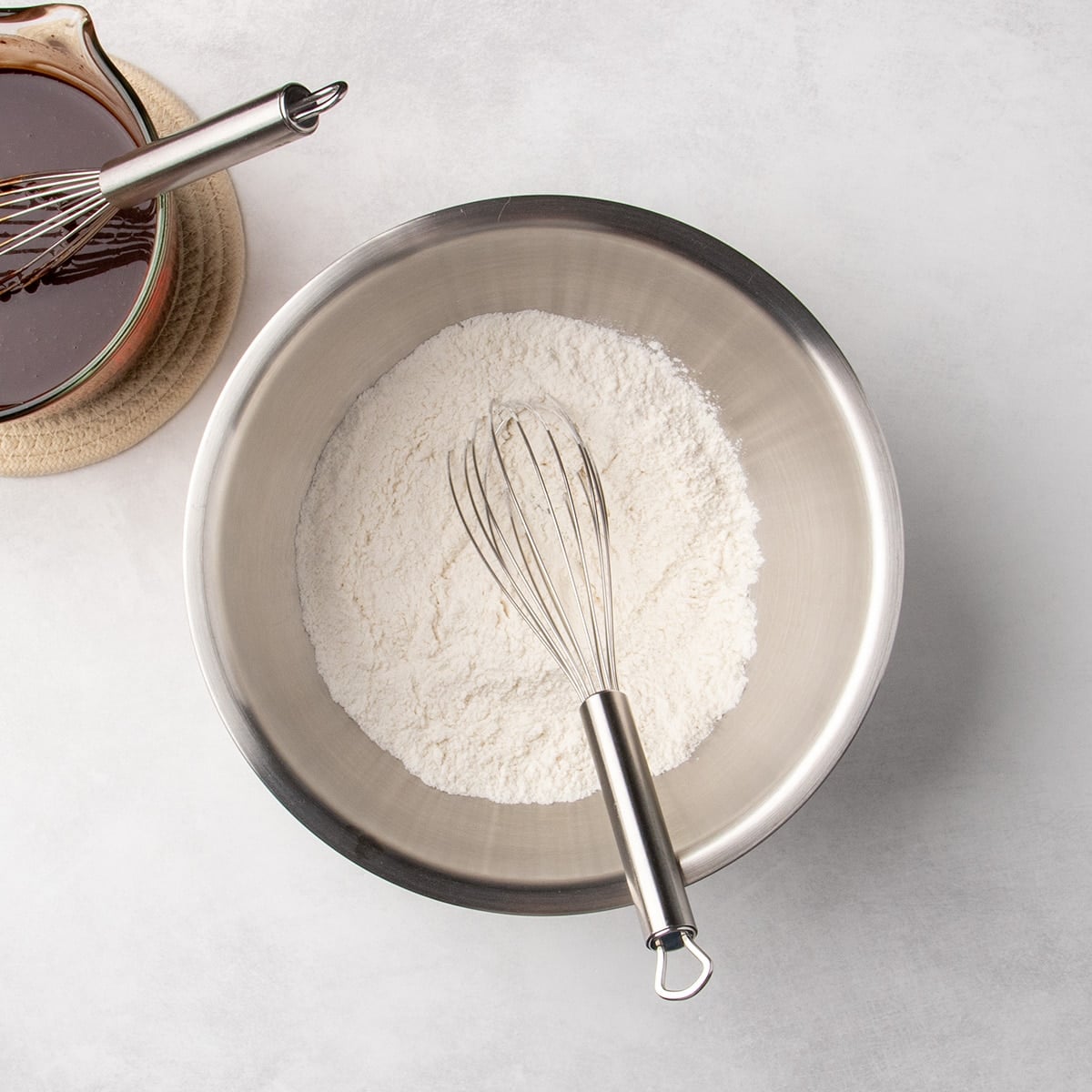
- The Hot Chocolate Mixture: The process begins by combining boiling water, hot brewed coffee, and cocoa powder in a heat-safe container. This mixture is whisked vigorously until smooth. Chopped dairy-free chocolate is then added and stirred until melted. The mixture is allowed to sit for five minutes to enable the cocoa powder to bloom, thereby enhancing its flavor.
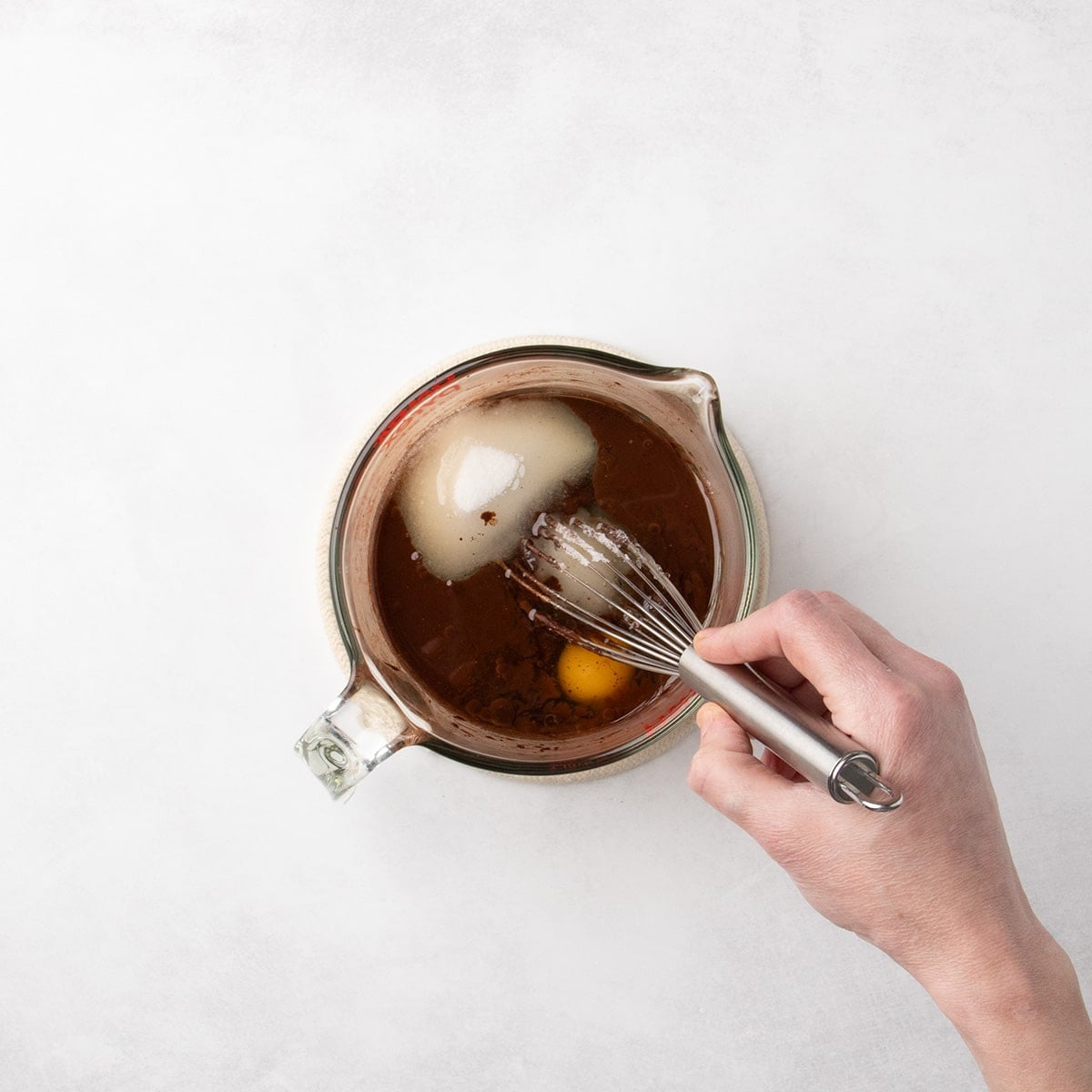
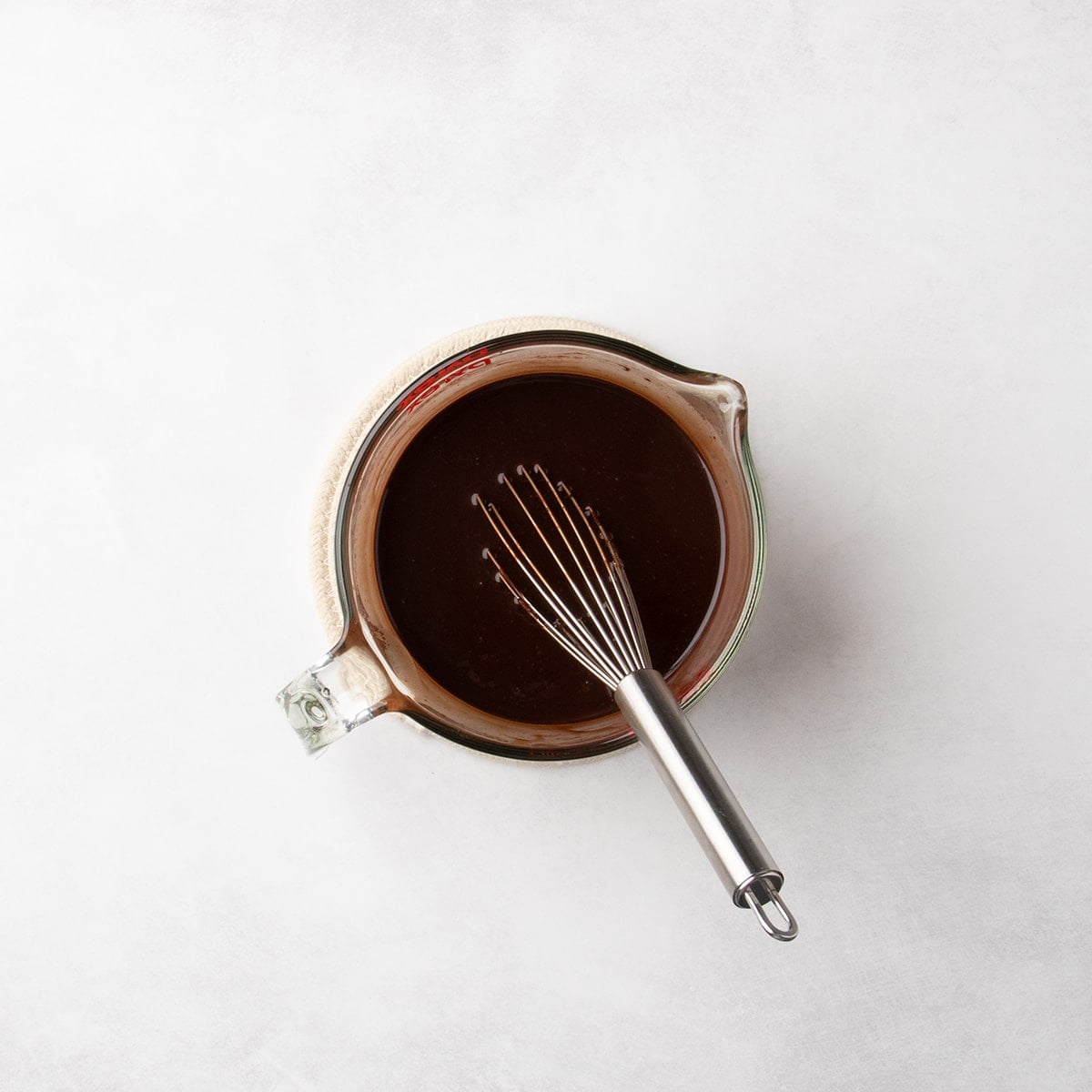
- Incorporating Wet Ingredients: Once the chocolate mixture has cooled slightly, an egg, oil, sugar, and vanilla are added. Vigorous whisking is crucial at this stage to emulsify the egg, oil, and water, creating a stable, glossy mixture that will ensure even moisture distribution and prevent greasiness.
- Combining Dry Ingredients: In a separate large bowl, the gluten-free flour blend, xanthan gum, salt, and baking soda are whisked together. This ensures that the leavening agents are evenly distributed, preventing pockets of bitterness or uneven rising.
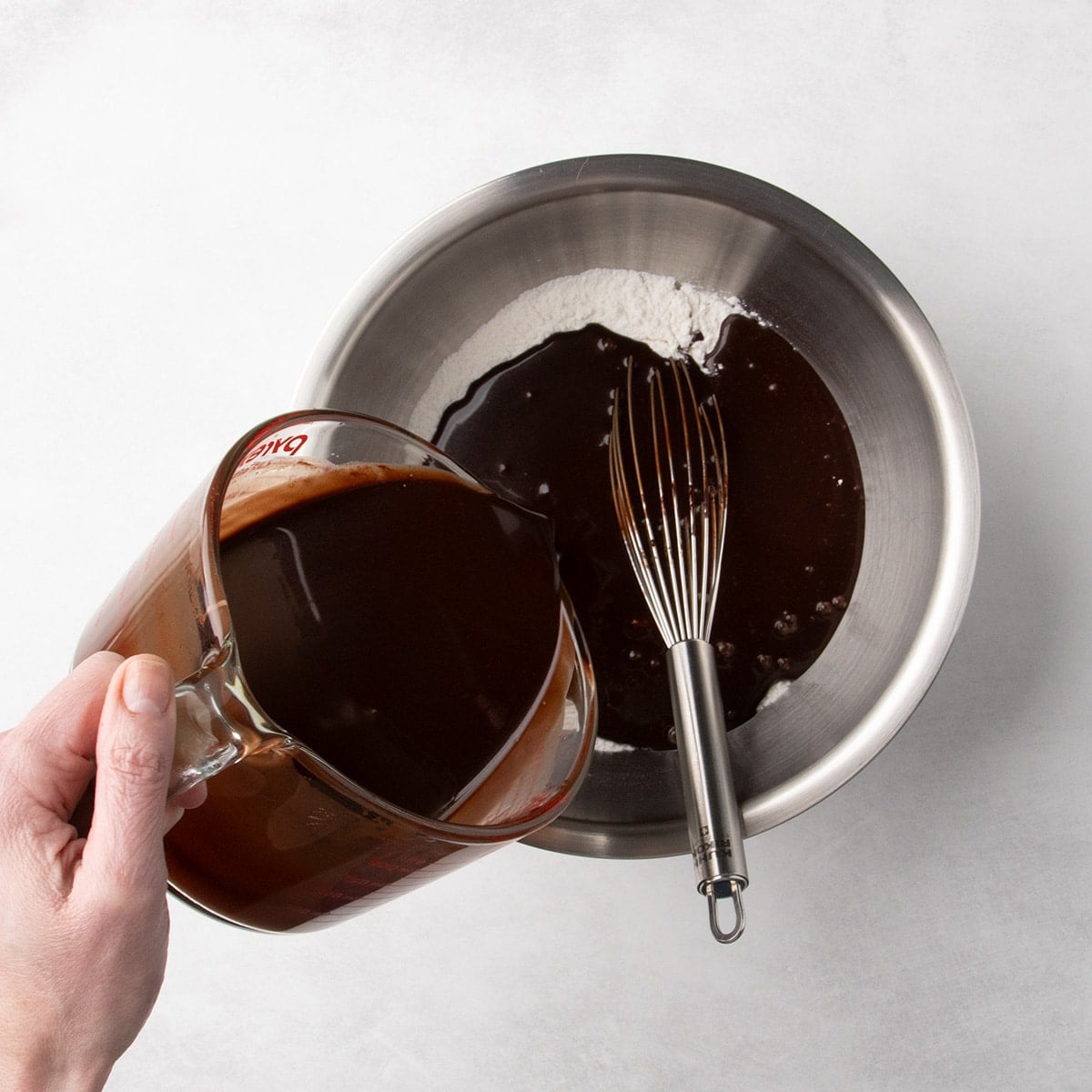
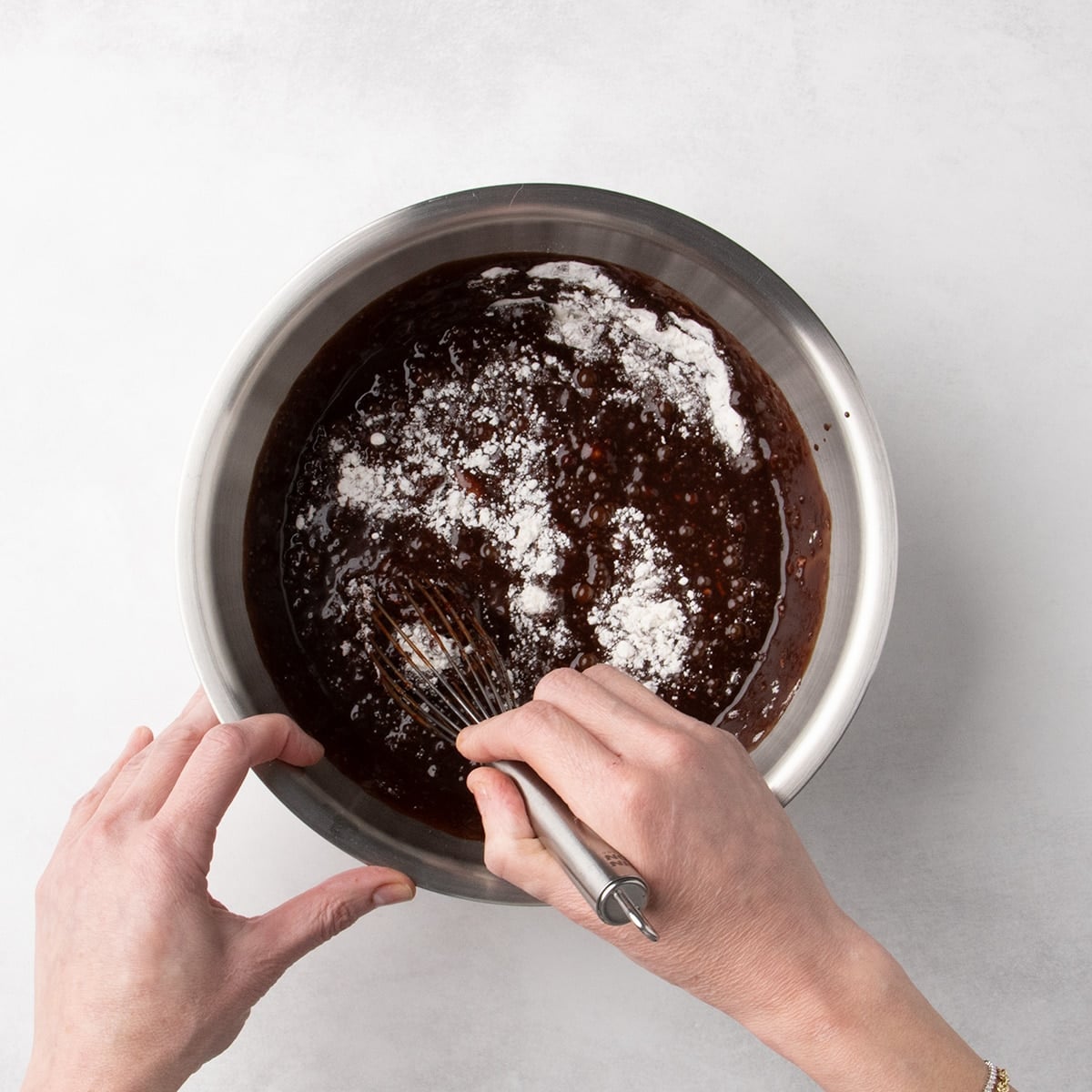
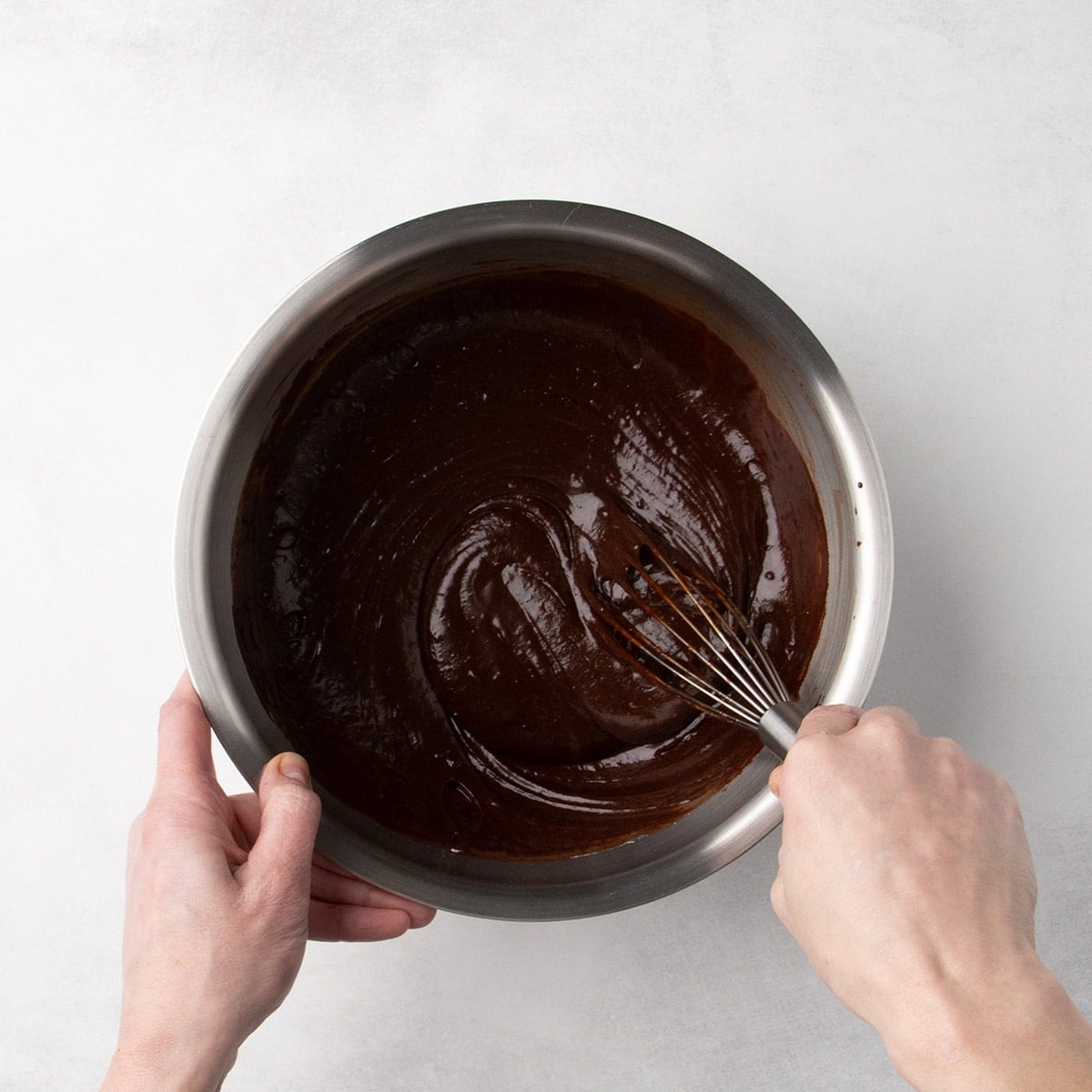
- Creating the Batter: A well is made in the center of the dry ingredients, and the wet ingredient mixture is poured in. The ingredients are then whisked together until a smooth and glossy batter forms. It is important to scrape the bottom and sides of the bowl to incorporate any dry patches. For an even richer chocolate experience, up to four ounces of dairy-free chocolate chips can be mixed into the batter at this stage, or sprinkled on top after the batter is transferred to the pan.
- Baking the Cake: The batter is poured into a prepared baking pan and smoothed into an even layer. The cake is baked at 350°F (175°C) until the edges are rounded and a tester inserted into the center comes out with moist crumbs attached. If the tester appears wet, the oven temperature can be reduced to prevent overbaking.
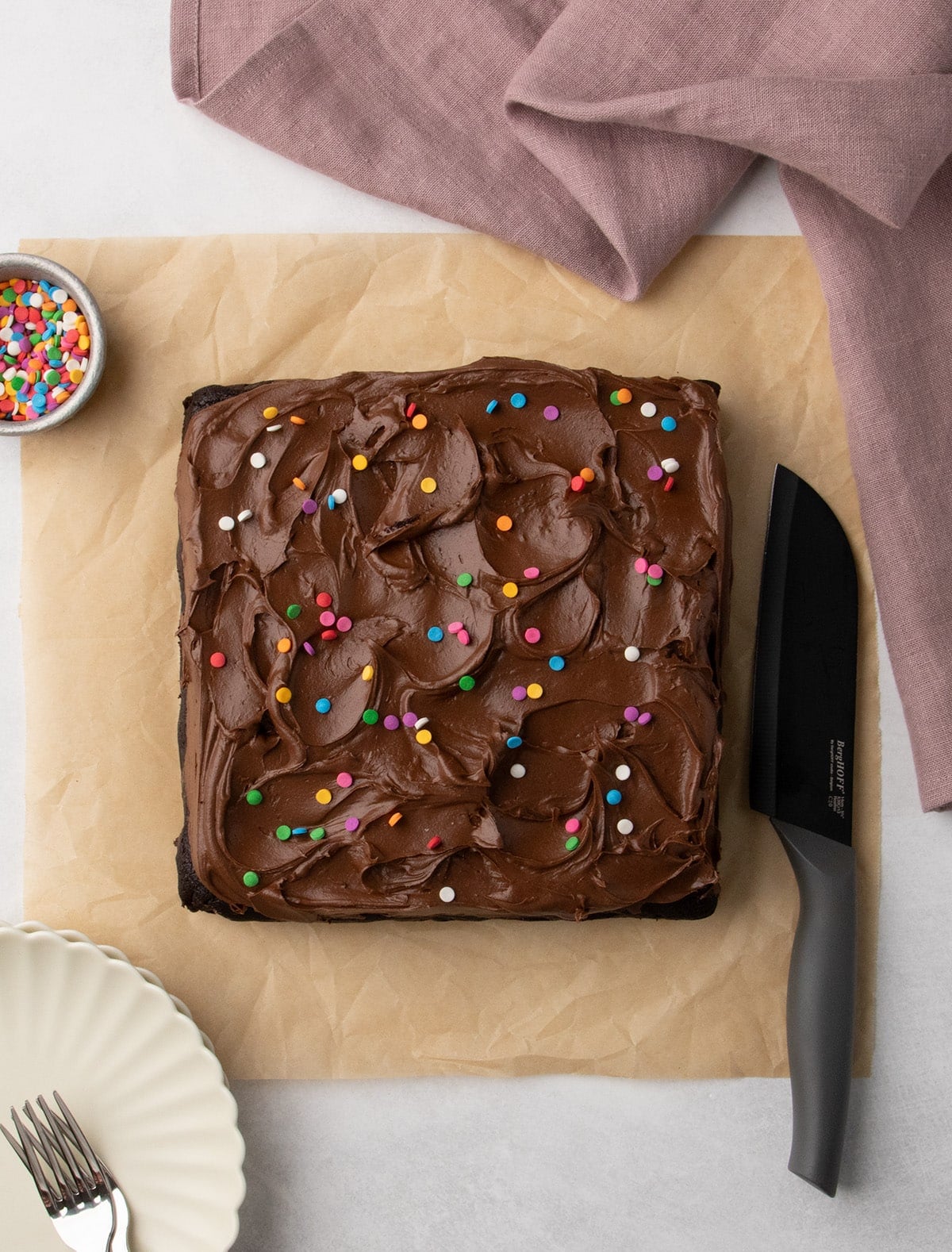
- Cooling and Serving: The cake is allowed to cool completely in the pan on a wire rack. This step is critical, as the cake’s inherent moisture can cause it to stick to the rack if removed too soon. Once cooled, the cake can be frosted, though it is best served the same day after frosting due to its high moisture content.
Expert Insights and Adaptations
The development of this recipe involved meticulous attention to detail, leading to several expert tips and adaptable substitutions.
Optimizing Flavor and Texture
- Avoiding Unwanted Flavors: As mentioned, olive oil is strongly discouraged due to its potent flavor. The use of neutral oils ensures that the pure chocolate flavor shines through.
- Enhancing Store-Bought Frosting: For convenience, canned dairy-free frostings are a viable option. Brands like Miss Jones, Pillsbury, and Duncan Hines often offer gluten-free and dairy-free varieties, but careful label reading is essential. A simple trick to achieve a more homemade consistency is to beat the frosting with a handheld mixer before applying it.
- The Coffee Factor: The recommendation to include brewed coffee is firm. Its ability to amplify chocolate notes is significant, and its flavor is undetectable in the final product. Experimentation with doubling the coffee or using espresso granules dissolved in hot water can further enhance the chocolate intensity.
Ingredient Substitutions for Dietary Needs
- Egg-Free Options: For those requiring an egg-free cake, several alternatives are suggested. A 150-gram portion of vegan mayonnaise can replace both the egg and oil. Alternatively, commercially available egg replacers like Bob’s Red Mill Egg Replacer, chia or flax eggs, or liquid egg replacers such as JustEgg can be utilized.
- Mayonnaise as a Full Substitute: For bakers who wish to avoid oil as a separate ingredient, the original concept of using mayonnaise as a complete substitute for both egg and oil (approximately 2/3 cup or 150 grams of full-fat, room-temperature mayonnaise) is viable. However, this may result in a slightly less tender and more fragile cake crumb.
- Coffee Alternatives: If coffee is to be avoided, it can be replaced with additional boiling water. Decaffeinated coffee is also a suitable option.
- Chocolate Variations: While cocoa powder and chocolate are fundamental to this recipe, it’s important to note that omitting them entirely would transform the cake into a vanilla flavor profile. For a dedicated gluten-free, dairy-free vanilla cake, an alternative recipe is available.
Storage and Longevity
A remarkable characteristic of this cake is its extended freshness. When properly stored, it can remain moist and delicious at room temperature for several days.
- Room Temperature Storage: An unfrosted, cooled cake should be wrapped tightly in plastic wrap and can be stored at room temperature for 3 to 5 days. Once frosted, the cake is best enjoyed on the same day.
- Freezer Storage: For longer preservation, the cake can be frozen, either frosted or unfrosted, by wrapping it securely in freezer-safe materials like Glad Press ‘n Seal. Storing the uncut, unfrosted cake is generally easiest. For pre-frosted cakes, individual slices can be wrapped tightly and frozen. Defrosting can be done at room temperature or in the refrigerator.
Addressing Common Queries
The development process has also clarified common questions surrounding this unique recipe.
- Mayonnaise and Dairy-Free Status: A frequent point of confusion is whether mayonnaise is dairy-free. Despite its creamy appearance, mayonnaise is an emulsion of egg and oil and does not contain dairy.
- Cupcake Adaptations: While not explicitly tested, the batter is believed to be suitable for making cupcakes. Baking times would likely need adjustment, with a recommended check for doneness around 20 minutes.
This gluten-free, dairy-free chocolate cake represents a significant advancement in allergy-friendly baking, offering a delicious and accessible option for everyone to enjoy. Its innovative approach and exceptional results are set to become a staple in kitchens worldwide.
Nutritional Information (Approximate per serving):
- Calories: 586 kcal
- Carbohydrates: 55g
- Protein: 6g
- Fat: 40g
- Saturated Fat: 17g
- Polyunsaturated Fat: 5g
- Monounsaturated Fat: 15g
- Trans Fat: 0.1g
- Cholesterol: 19mg
- Sodium: 412mg
- Potassium: 374mg
- Fiber: 7g
- Sugar: 27g
- Vitamin A: 39 IU
- Vitamin C: 1mg
- Calcium: 43mg
- Iron: 5mg
Note: Nutrition information is automatically calculated and should be considered an approximation.
