

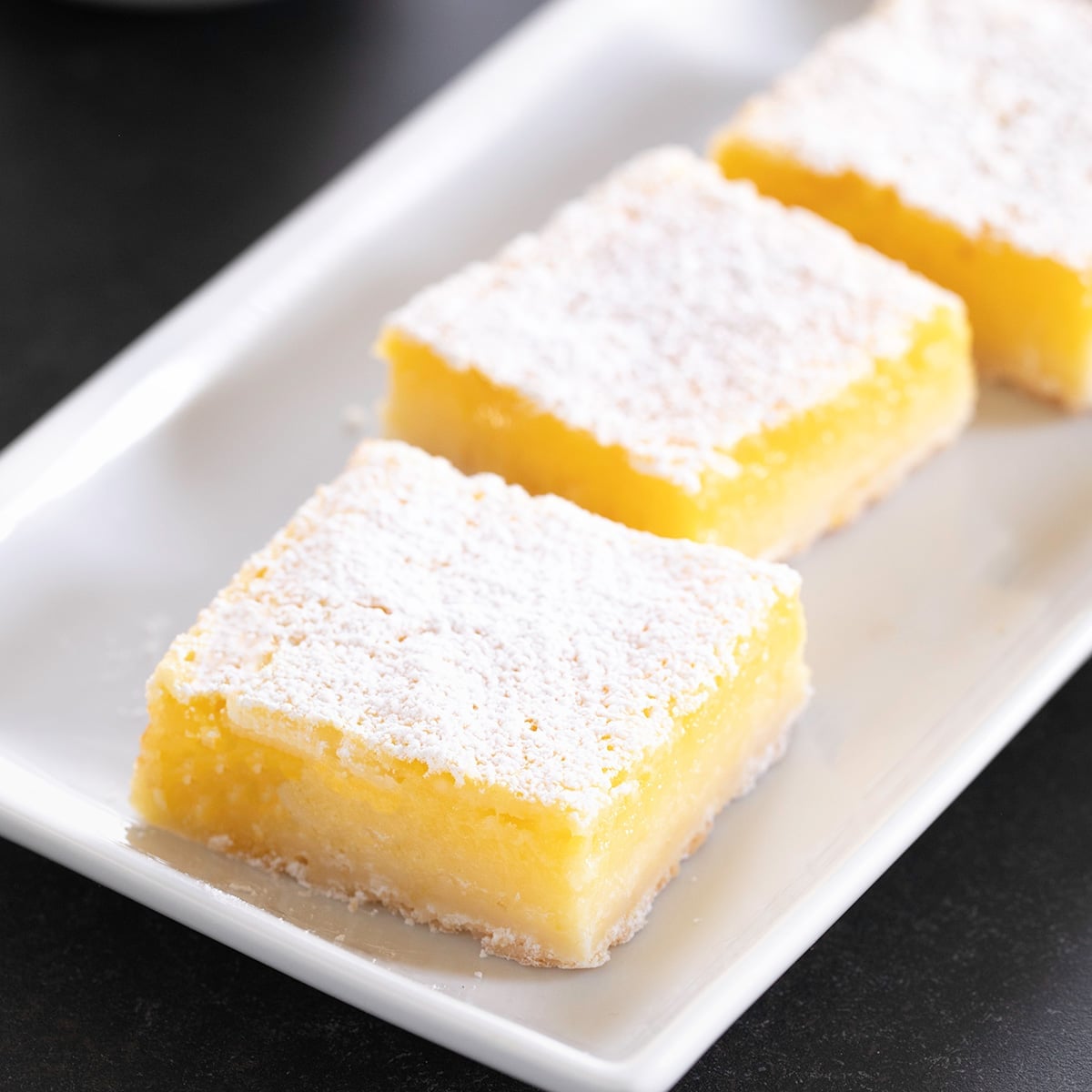
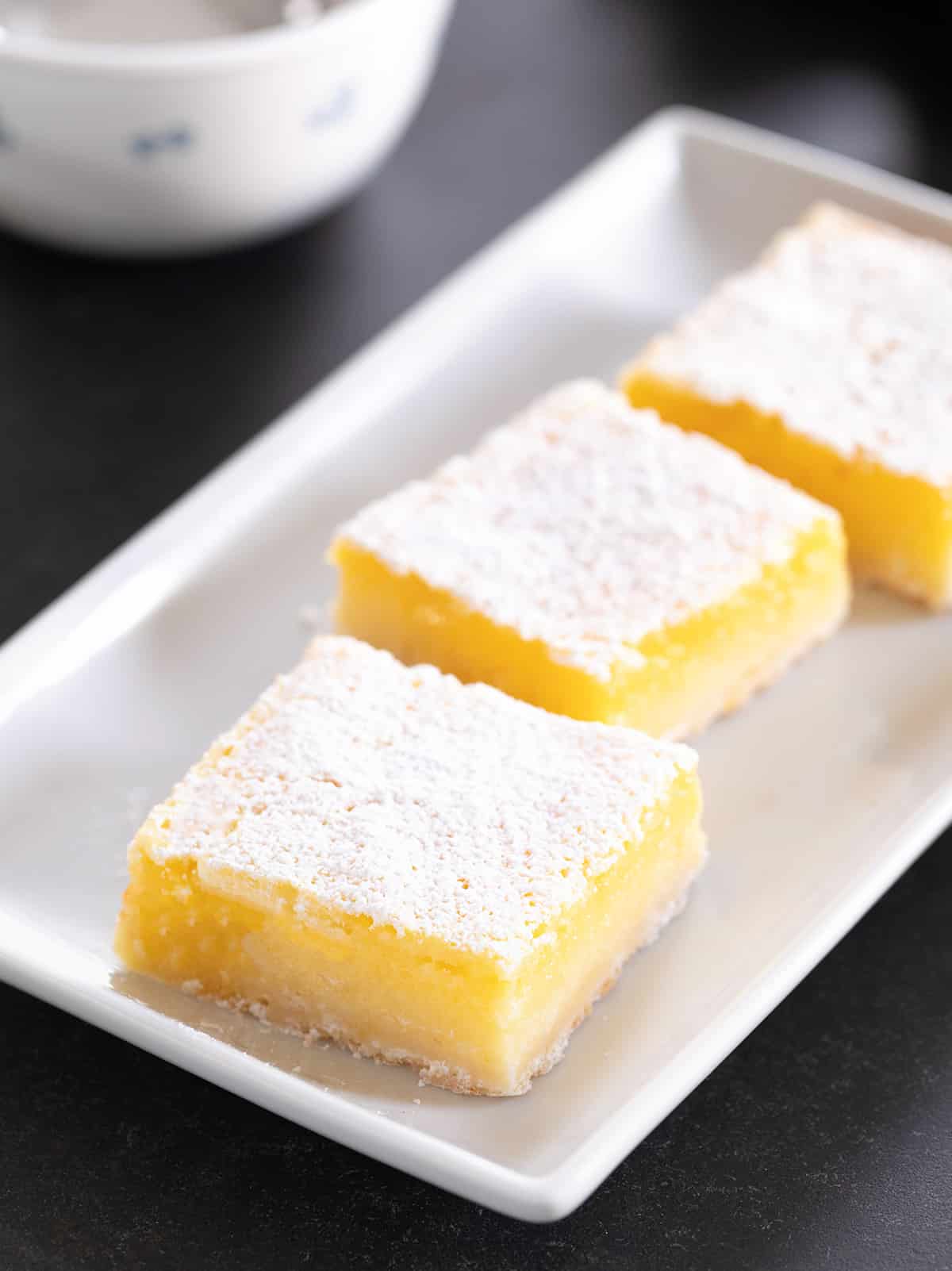
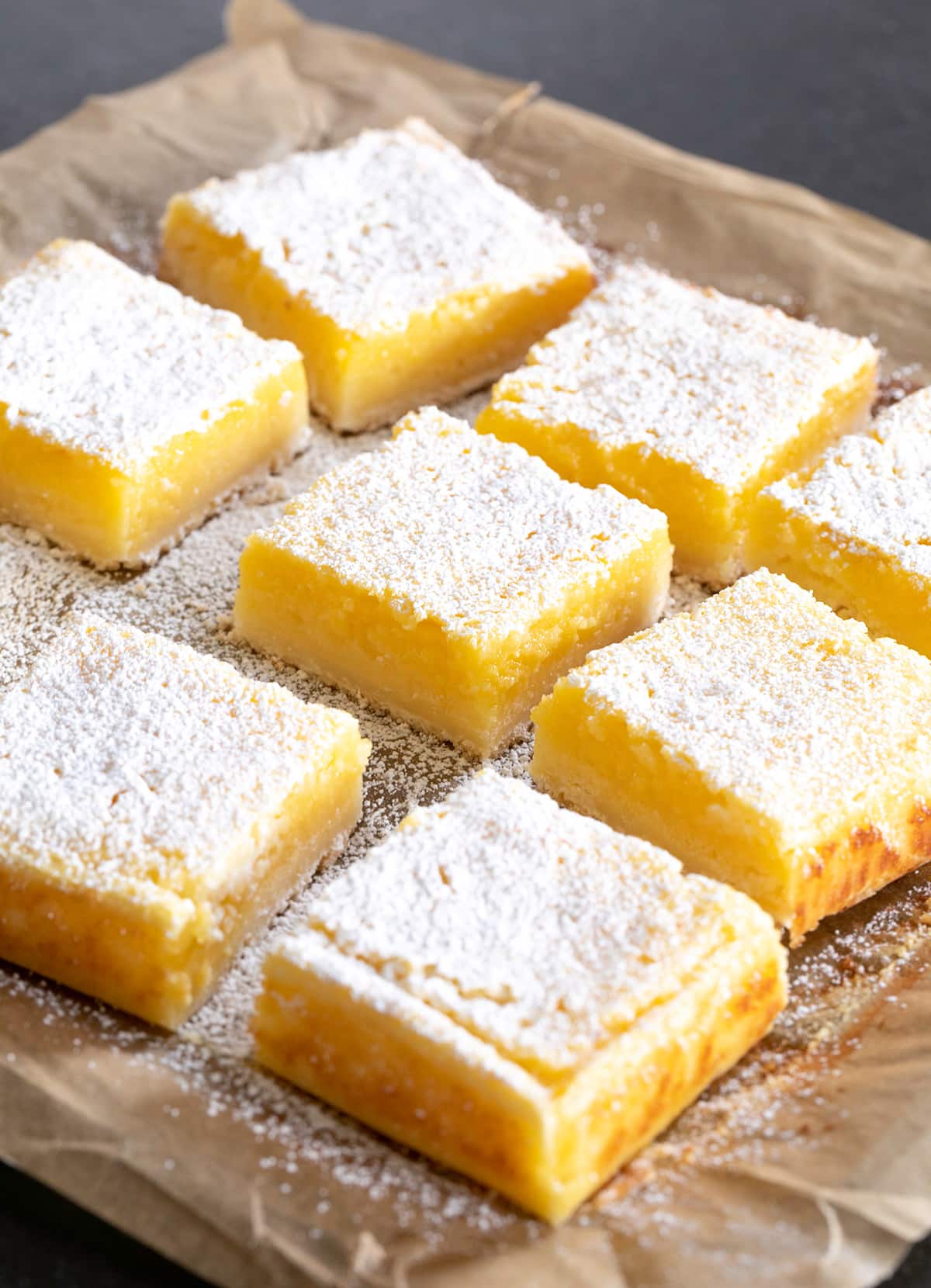
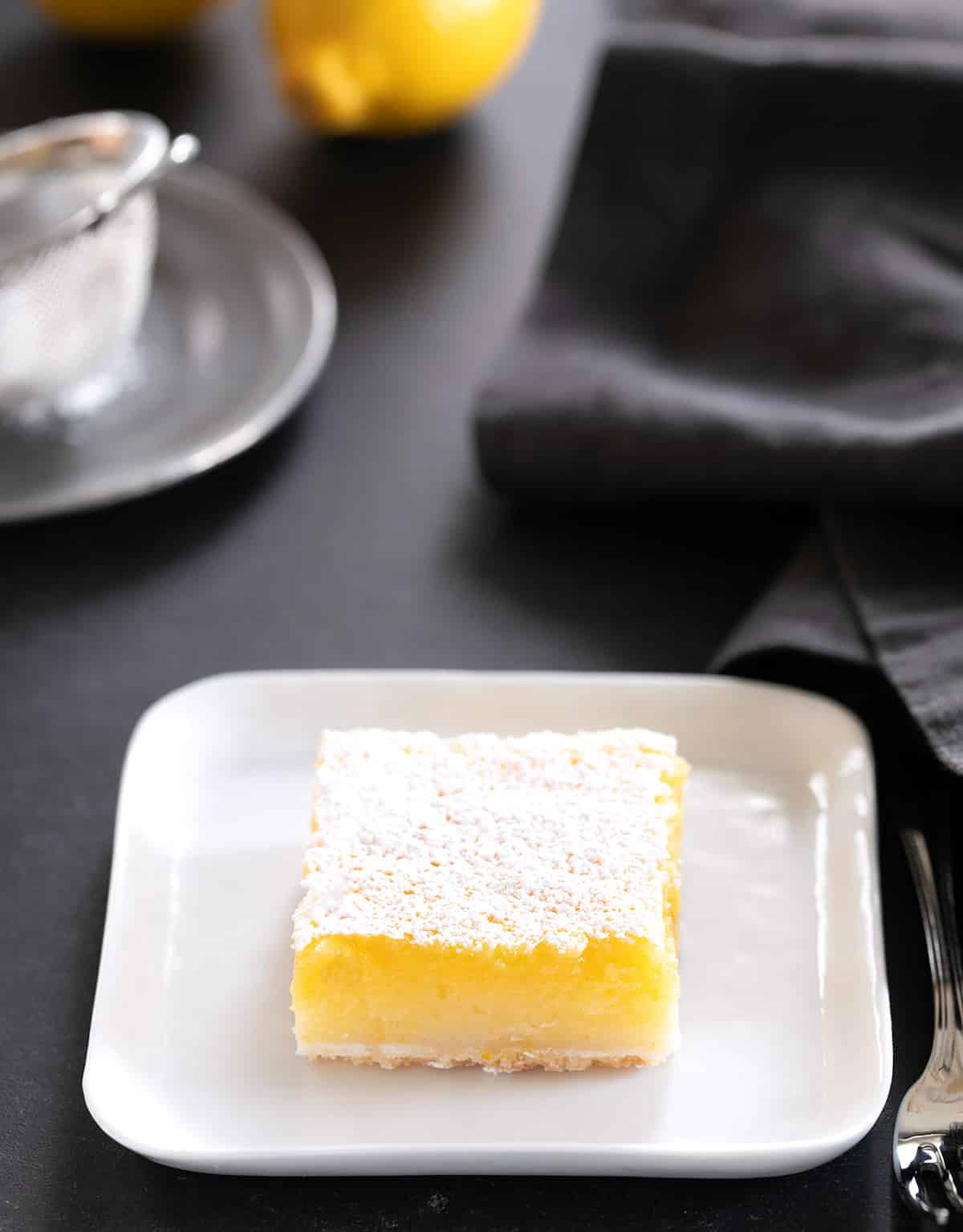
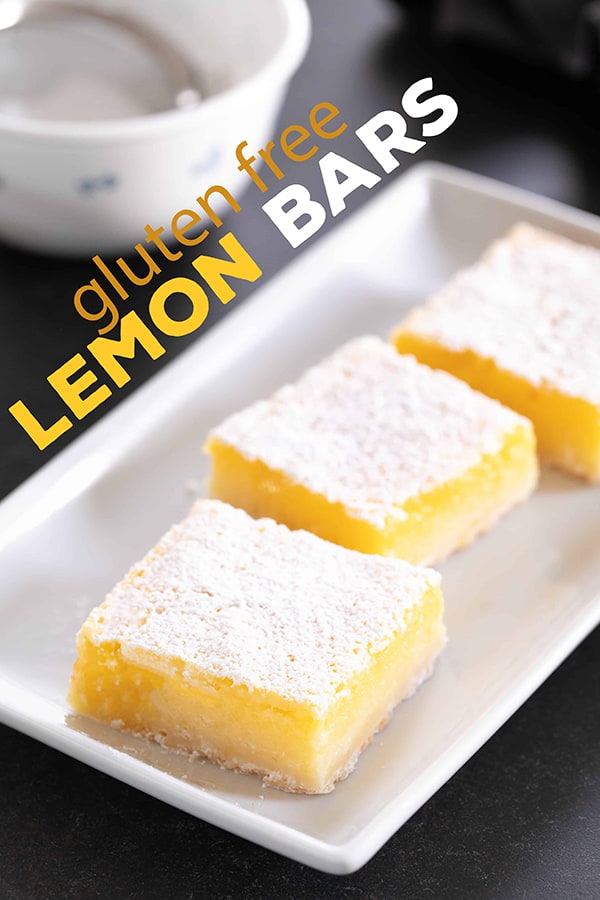
These gluten-free lemon bars represent a triumph in dairy-free and gluten-free baking, offering a classic dessert experience without compromise. The recipe meticulously balances a crisp, buttery shortbread crust with a smooth, bright lemon custard filling that sets to perfection every time. This culinary creation is not only simple to prepare but also yields neatly sliced bars, delivering the quintessential sweet-tart flavor profile that lemon bars are celebrated for, all without the guesswork often associated with gluten-free baking.
The Science Behind the Perfect Gluten-Free Lemon Bar
The success of these gluten-free lemon bars lies in a nuanced understanding of ingredient interactions and baking techniques. Unlike traditional recipes that rely on gluten for structure and texture, this adaptation employs a carefully selected gluten-free flour blend that provides tenderness and a slight chew, ensuring the crust remains sturdy enough to support the luscious filling without becoming soggy or greasy. This textural integrity is paramount for a satisfying bite.
The lemon custard filling is a testament to the power of fresh ingredients. The vibrant tang comes from freshly squeezed lemon juice, enhanced by lemon zest, which infuses both the crust and the filling with an aromatic citrus punch. This dual application of lemon flavor ensures a complex and well-rounded taste, preventing the dessert from leaning too heavily on sweetness. A critical element of the recipe’s reliability is its approach to doneness cues. Recognizing that oven temperatures can vary significantly, the instructions provide multiple indicators to help bakers identify the precise moment the filling has set, thus avoiding the common pitfalls of underbaked, liquid centers or overbaked, rubbery textures. This attention to detail is a hallmark of successful gluten-free recipe development.
Key Ingredients for Exceptional Flavor and Texture
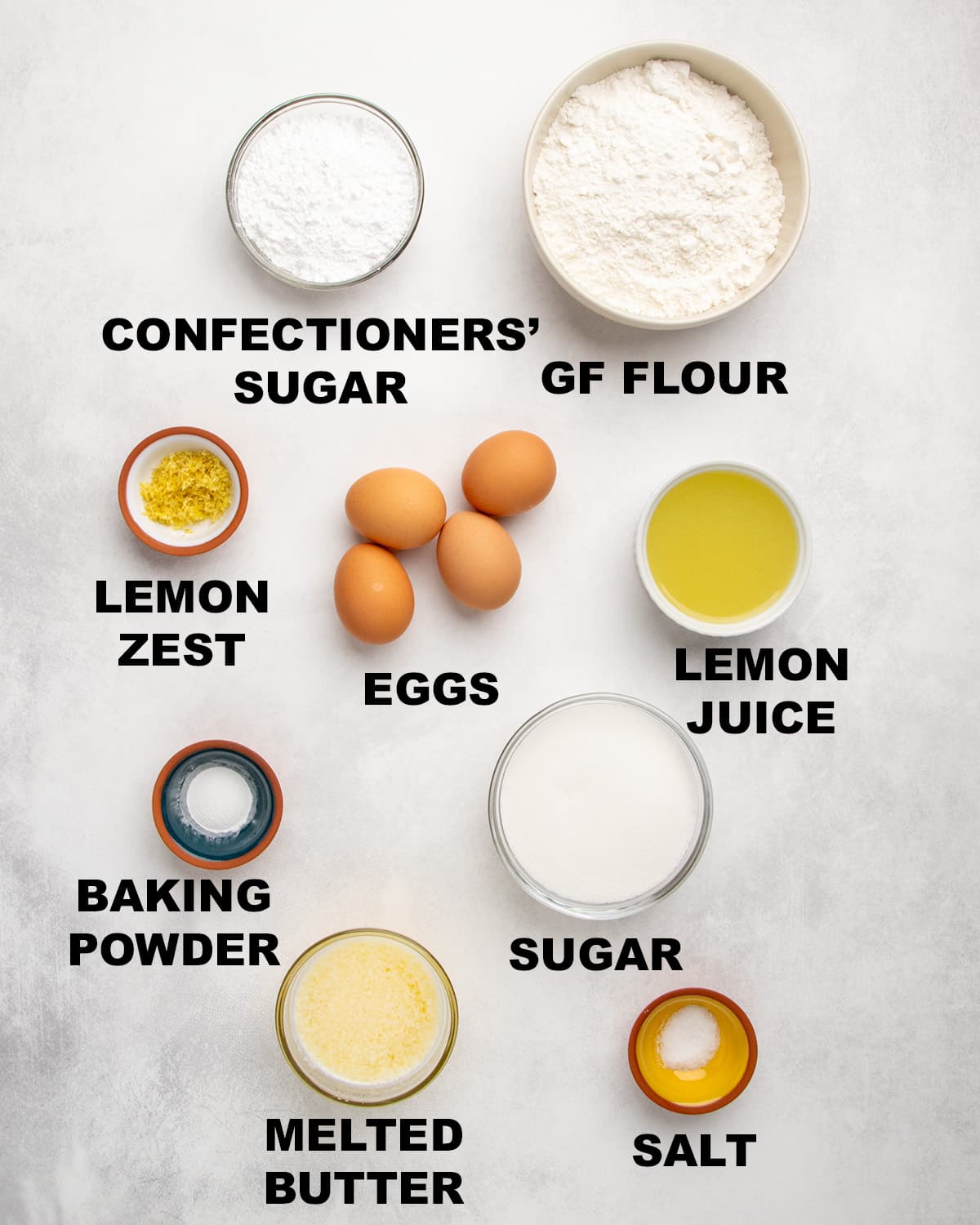
The foundation of these delightful lemon bars is built upon a selection of high-quality ingredients, each playing a crucial role in the final outcome.
- Gluten-Free Flour Blend: The choice of flour blend is critical. A combination of superfine white rice flour, potato starch, and tapioca starch/flour creates a balanced texture that mimics the properties of wheat flour. This blend ensures a tender yet sturdy crust. For those seeking convenience, a pre-made gluten-free all-purpose flour blend that contains xanthan gum can also be utilized, though adjustments to liquid content may be necessary.
- Unsalted Butter: High-quality unsalted butter is essential for the rich, buttery flavor and crisp texture of the shortbread crust. When melted, it binds the dry ingredients together, creating those desirable clumpy textures that bake into a delightful base.
- Granulated Sugar and Confectioners’ Sugar: Granulated sugar is used in the filling to provide sweetness and contribute to the custard’s smooth texture, while confectioners’ sugar is primarily used in the crust for a tender crumb and a subtle sweetness. It also serves as a classic dusting for the finished bars.
- Fresh Lemon Juice and Zest: The soul of the lemon bar lies in the fresh citrus. Zest from organic lemons provides an intense, fragrant lemon oil that permeates the crust, while freshly squeezed lemon juice forms the tangy heart of the custard. The recipe emphasizes using fresh lemons to avoid the potentially bitter and less vibrant flavor of bottled juice.
- Eggs: Eggs are indispensable for the custard filling. They act as a binder, providing the structure that allows the filling to set into a smooth, creamy consistency. The yolks contribute richness and a velvety texture, while the whites help to create a stable emulsion.
- Baking Powder: A small amount of baking powder is included in the filling to aid in achieving a slightly puffed and evenly set custard.
A Step-by-Step Guide to Gluten-Free Lemon Bar Perfection
The creation of these gluten-free lemon bars involves a two-stage baking process, ensuring both the crust and filling reach their optimal texture and flavor.
Stage 1: Crafting the Buttery Shortbread Crust
- Combine Dry Ingredients: Begin by whisking together the gluten-free flour blend, confectioners’ sugar, salt, and lemon zest in a mixing bowl. The lemon zest, due to its oils, may initially clump. Continuous whisking is necessary to ensure thorough incorporation and an even distribution of flavor throughout the dry mixture.
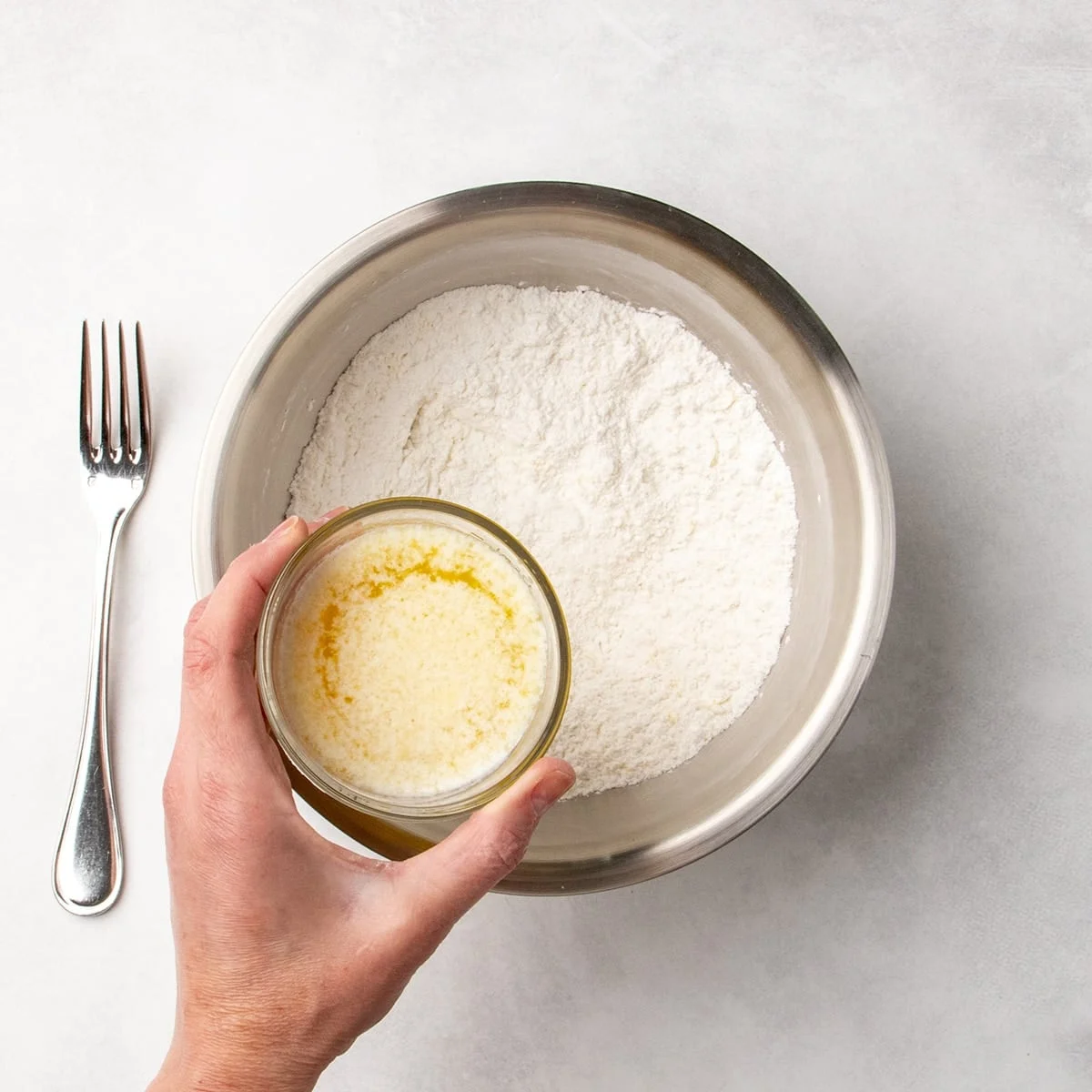
- Incorporate Melted Butter: Gently stir in the melted unsalted butter. The goal is to create a mixture with large, cohesive clumps of dough. This is best achieved by using a fork, which helps to distribute the butter evenly without overmixing.
- Prepare the Baking Pan: Line a baking pan (typically an 8×8 or 9×9 inch pan) with parchment paper, ensuring it overhangs the sides. This overhang serves as convenient handles for lifting the baked bars out of the pan. Securing the parchment paper with binder clips can prevent it from shifting during baking.
- Form the Crust: Evenly scatter the buttery clumps into the prepared pan. Using a small offset spatula or the back of a spoon, gently press the clumps together to form a smooth, even layer across the bottom of the pan. Avoid pressing too firmly, as this can lead to a dense crust that doesn’t bake as evenly.
- Parbake the Crust: Bake the crust in a preheated oven at 325°F (160°C) for approximately 15 minutes. The crust will initially appear shiny as the butter melts, then it will lose its sheen and develop a pale, matte appearance. This parbaking step is crucial for creating a barrier that prevents the custard from soaking into the crust, ensuring a crisp base. Allow the crust to cool slightly while preparing the filling.
Stage 2: Creating the Tangy Lemon Custard and Final Bake
- Prepare the Filling Base: In a separate bowl, whisk together the remaining gluten-free flour blend and granulated sugar. This ensures the leavening agent is evenly distributed, preventing pockets of unincorporated baking powder that can affect taste and texture.
- Incorporate Wet Ingredients: Add the freshly squeezed and strained lemon juice and the eggs to the flour and sugar mixture. Whisk until the mixture is smooth and fully combined. It is important to whisk thoroughly to ensure the eggs are well-beaten but to avoid introducing excessive air bubbles, which can lead to an unevenly textured filling.
- Combine Crust and Filling: Pour the thin lemon filling mixture over the partially baked crust. The consistency of the filling will allow it to spread evenly. Gently tap the bottom of the pan on the counter a few times to release any trapped air bubbles.
- Final Bake: Return the pan to the oven and bake for an additional 25 to 30 minutes, or until the filling is set. The filling will appear set when it has pulled away slightly from the sides of the pan, looks uniformly risen, and jiggles only slightly in the center when the pan is gently shaken. This stage is critical for achieving the characteristic creamy, custardy texture.
- Cooling and Setting: Remove the bars from the oven and let them cool in the pan on a wire rack for at least 20 minutes. This initial cooling period allows residual heat to dissipate, preventing steam from condensing and making the bars soggy.
- Chill for Slicing: Once slightly cooled, transfer the pan to the refrigerator and chill for at least 2 hours. This extended chilling time is essential for the egg-based custard to fully set, allowing for clean, precise slices.
Expert Tips for Lemon Bar Excellence
Achieving consistently delicious gluten-free lemon bars involves a few key considerations:
- Prioritize Fresh Lemon Juice: The quality of your lemon juice directly impacts the final flavor. Bottled lemon juice can introduce a bitter undertone that is amplified during baking. Opt for freshly squeezed juice from ripe, juicy lemons. Straining the juice ensures a smooth filling free of pulp and seeds.
- Mindful Whisking of the Filling: While thorough whisking is necessary for the filling, excessive vigorousness can incorporate too much air. This can lead to bubbles breaking through the surface during baking, creating an undesirable texture. If bubbles do appear, allow the filling to rest for a short period before baking, and gently tap the pan to release some of them.
- Patience During Setting: The chilling process is non-negotiable for achieving perfectly sliced lemon bars. The custard needs adequate time in the refrigerator to firm up. Rushing this step will result in a soft, difficult-to-cut filling.
Ingredient Adaptations for Dietary Needs
While this recipe is designed for gluten-free and dairy-free diets, potential substitutions can be made with careful consideration:
- Dairy-Free: To replace the butter in the crust, a combination of half Spectrum brand non-hydrogenated vegetable shortening and half a block-style vegan butter (such as Melt or Miyoko’s) is recommended. This blend aims to replicate the flavor profile and moisture content of dairy butter.
- Egg-Free: Unfortunately, replacing all four eggs in this recipe with an egg substitute is unlikely to yield the desired smooth, creamy, and custardy texture characteristic of these lemon bars. The eggs are fundamental to the setting and richness of the filling.
- Citrus Alternatives: For a variation in flavor, fresh lime juice and zest, or orange juice and zest, can be used in place of lemon. This will result in a different, yet equally delightful, citrus bar.
Storage and Longevity
These gluten-free lemon bars maintain their optimal quality when stored properly.
- Refrigeration: Keep the bars in an airtight container in the refrigerator for up to 3 to 5 days. If dusted with confectioners’ sugar before storing, the sugar may absorb into the bars, requiring a re-dusting before serving.
- Freezing: For longer storage, freeze the bars by first placing them uncovered in the freezer until firm (approximately 1 hour). Once firm, wrap each bar individually with plastic wrap. They can be stored in the freezer for up to 3 months. They will not freeze solid and will defrost relatively quickly, even in the refrigerator. A final dusting of confectioners’ sugar before serving will refresh their appearance.
Frequently Asked Questions
How much juice can be obtained from a single lemon?
An average-sized fresh lemon typically yields about 3 tablespoons of juice. Given that this recipe requires 2/3 cup (approximately 10.6 tablespoons) of lemon juice, it is advisable to have about 4-5 lemons on hand to ensure sufficient quantity.
Is it acceptable to use bottled lemon juice?
While fresh lemon juice is strongly recommended for its superior flavor, some individuals have found success with certain brands of bottled lemon juice that are known to closely mimic the taste of fresh. If you have a preferred brand of bottled lemon juice that you enjoy, it may be suitable for this recipe. However, be aware that the intensity of flavor can vary.
These gluten-free lemon bars offer a delightful and accessible way to enjoy a beloved classic dessert. With careful attention to ingredients and technique, anyone can achieve a perfectly balanced, tangy, and buttery treat that satisfies even the most discerning palates.
