

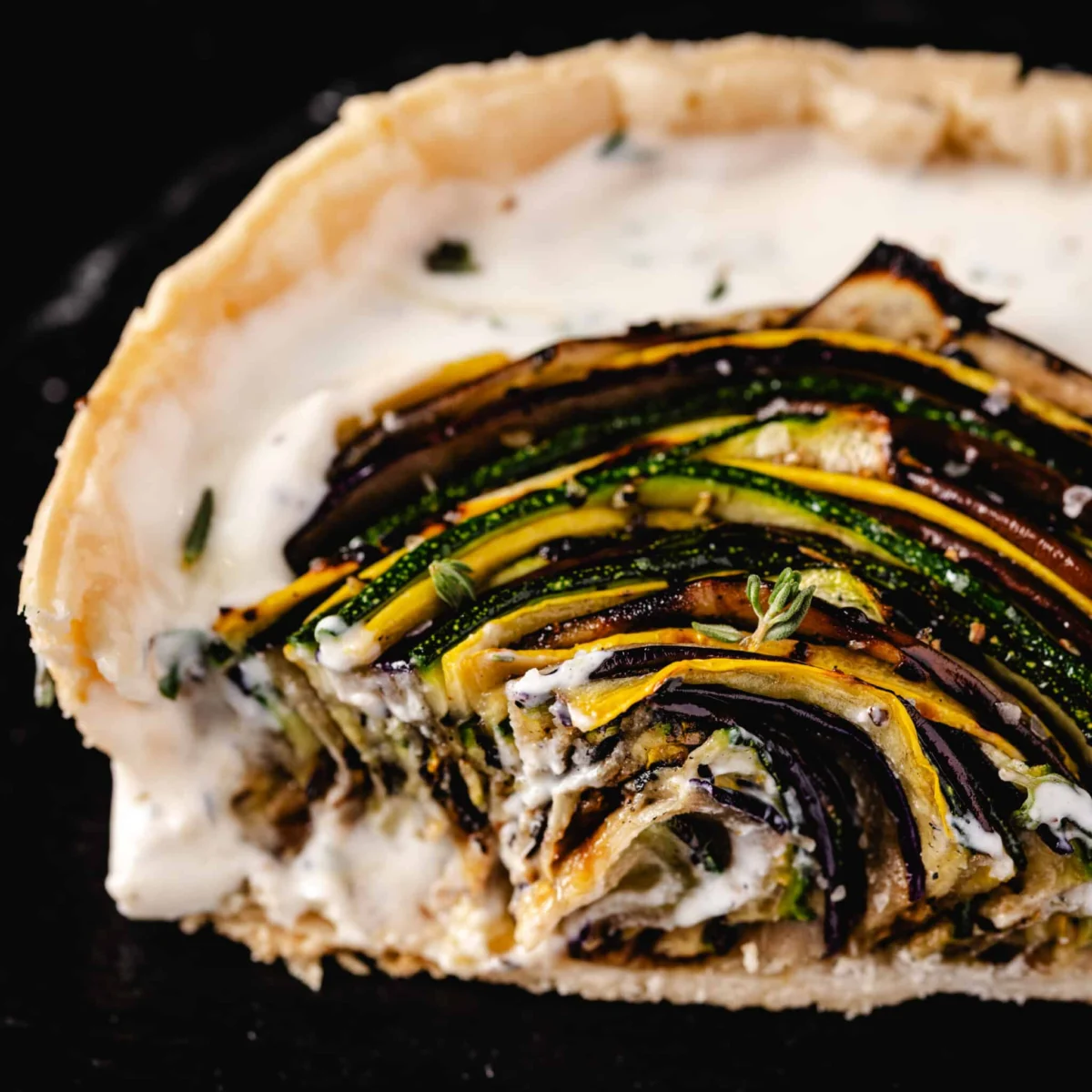
The landscape of outdoor culinary arts is undergoing a significant transformation as enthusiasts move beyond traditional protein-centric menus toward sophisticated, vegetable-forward compositions. A prominent example of this shift is the Grilled Summer Vegetable Tart, a dish that integrates seasonal horticulture with the technical rigors of open-flame cooking. This culinary development represents a convergence of classical pastry techniques and modern grilling methodology, designed to elevate the standard backyard barbecue to a high-end gastronomic experience. By utilizing a combination of high-heat searing for vegetables and indirect heat for pastry maturation, the recipe addresses the complexities of texture and flavor profile management in an outdoor environment.
The Evolution of the Vegetable-Forward Barbecue Trend
Historically, the American barbecue tradition has been defined by long-duration smoking of meats and high-heat searing of steaks and poultry. However, recent market data indicates a diversification in consumer preferences. According to industry analysts, the rise of "flexitarian" diets and a heightened focus on seasonal, locally sourced produce have influenced outdoor cooking trends. The Grilled Summer Vegetable Tart serves as a benchmark for this movement, offering a savory, herby custard and a structurally sound flaky crust, all synthesized within the confines of a grill.

This shift is not merely aesthetic; it is rooted in the technical advancement of outdoor cooking equipment. The use of cast iron, such as the 5-inch Lodge skillets recommended for this preparation, allows for consistent heat distribution that mimics a professional convection oven. This enables the "blind baking" of pastry—a process typically reserved for indoor kitchens—to be executed with precision on a grill grate.
Technical Composition and Ingredient Specifications
The structural integrity of the Grilled Summer Vegetable Tart relies on a three-tiered assembly process: the foundation crust, the custard binder, and the vegetable topping. Each component requires specific preparation to ensure the final product meets the standards of upscale restaurant appetizers.
The Pastry Foundation
The recipe utilizes a standard pie crust, which can be either artisanally prepared or sourced as a high-quality premade product. The technical requirement for the crust involves forming it into a small-diameter cast iron skillet. Crucial to the process is "docking"—the practice of piercing the dough with a fork to allow steam to escape. This prevents the crust from bubbling or warping during the initial baking phase, ensuring a flat surface for the subsequent layers.

The Herby Custard Matrix
The middle layer serves as both a flavor enhancer and a structural adhesive. Composed of cream cheese and ricotta, the custard provides a rich, fatty base that balances the acidity of the lemon zest and the freshness of the herbs. The inclusion of fresh herbs is not merely for garnish; the volatile oils within the herbs are activated by the heat of the grill, infusing the entire tart with aromatic complexity. The preparation involves a high-shear blending process, typically using a food processor or blender, to achieve a homogenous consistency speckled with botanical elements.
Seasonal Vegetable Selection and Preparation
The aesthetic and textural hallmark of the tart is the vegetable pinwheel. The recipe calls for seasonal staples such as eggplant, yellow squash, and zucchini. To achieve the necessary flexibility for the pinwheel arrangement, the vegetables must be sliced to a precise thickness of approximately 1/8-inch. Culinary experts recommend the use of a mandoline to ensure uniformity, which is critical for consistent cooking times and structural symmetry during the rolling process.
Chronology of Preparation: A Step-by-Step Methodology
The production of the Grilled Summer Vegetable Tart follows a strict chronological sequence to manage heat levels and ingredient transitions effectively.

- Initial Heat Management: The grill is preheated to a stable temperature of 400°F (204°C). This temperature is optimal for both the Maillard reaction in the vegetables and the gluten development in the pastry.
- Pastry Maturation: The crust is placed in the skillet and baked on the grill for approximately 10 to 12 minutes. This "blind bake" ensures the bottom of the tart remains crisp rather than becoming saturated by the moisture of the custard.
- Vegetable Searing: Simultaneously, the thin slices of eggplant, squash, and zucchini are placed directly on the grill grates. They are seared for 1 to 2 minutes per side until they become pliable and develop char marks, which introduce a smoky depth to the flavor profile.
- Custard Integration: Once the crust is par-baked, the herby custard is spread evenly across the base.
- The Assembly of the Pinwheel: The seared vegetables are rolled into a tight spiral, starting from the center and working outward, creating a "rose" or pinwheel effect.
- The Final Bake: The assembled tart is returned to the grill for a final 15 to 20 minutes. This stage allows the custard to set and the flavors to meld.
- Post-Cooking Stabilization: The tart requires a 10-minute rest period after removal from the heat. This allows the proteins in the cheese to firm up, facilitating clean slicing and service.
Nutritional Analysis and Dietary Implications
A factual analysis of the tart’s nutritional profile reveals a dish that, while indulgent, provides a significant array of vitamins and minerals derived from its vegetable components. According to the calculated data for a standard serving size (one-quarter of the tart):
- Caloric Content: 381 kcal
- Macronutrient Breakdown: 30g of Carbohydrates, 10g of Protein, and 25g of Total Fat.
- Lipid Profile: Saturated Fat accounts for 12g, while Monounsaturated Fat provides 9g.
- Sodium and Potassium: The dish contains 296mg of Sodium and 518mg of Potassium, contributing to electrolyte balance.
- Micronutrients: The tart is particularly rich in Vitamin A (910 IU) and Vitamin C (24mg), primarily sourced from the fresh summer squash and zucchini. It also provides 131mg of Calcium, aiding in bone health.
The high fiber content (4g) and relatively low sugar (5g) make this an attractive option for those seeking a sophisticated appetizer that avoids the high glycemic impact of traditional starch-heavy sides.
Scientific Principles of Grilled Horticulture
The success of the Grilled Summer Vegetable Tart is rooted in several scientific principles of cooking. The use of the grill introduces the Maillard reaction—a chemical reaction between amino acids and reducing sugars that gives browned food its distinctive flavor. When eggplant and zucchini are seared, their natural sugars caramelize, providing a sweetness that contrasts with the savory custard.

Furthermore, the moisture management of the vegetables is a critical factor. High-water-content vegetables like zucchini can often become "mushy" when baked. However, the initial sear on the grill grates evaporates surface moisture and softens the cellulose structure of the vegetable walls, allowing them to be rolled without snapping while maintaining a "to the tooth" (al dente) texture in the final bake.
Market Impact and Culinary Reactions
Industry professionals have noted that recipes of this caliber are redefining the "Backyard BBQ Hero" archetype. Susie, the founder of Hey Grill Hey and a recognized figure in the BBQ community—having appeared on the Food Network and contributed to Guinness World Records—emphasizes that the goal is to make "upscale restaurant" quality accessible to the home cook.
"Sometimes you just want to feel a little fancy when you serve dinner," Susie stated regarding the release of the recipe. The reaction from the culinary community has been largely positive, with food critics noting that the tart addresses a gap in the market for sophisticated, meatless grilling options. The ability to produce a flaky, delicate pastry in an outdoor setting is viewed as a "heroic" feat of temperature control and technique.

Broader Implications for Outdoor Entertaining
The introduction of the Grilled Summer Vegetable Tart has broader implications for social dining and event catering. As gatherings move outdoors, there is an increasing demand for "showstopper" dishes that serve as visual centerpieces. The geometric precision of the vegetable pinwheel provides a high level of aesthetic appeal that is often lacking in traditional grilled fare.
Moreover, the versatility of the recipe—allowing for the substitution of various seasonal produce—suggests a sustainable model for year-round outdoor cooking. As consumers continue to invest in high-quality outdoor kitchens and cast iron cookware, the boundary between the indoor gourmet kitchen and the outdoor grill station continues to blur. The Grilled Summer Vegetable Tart is not merely a seasonal recipe; it is a testament to the evolving sophistication of global barbecue culture.
