

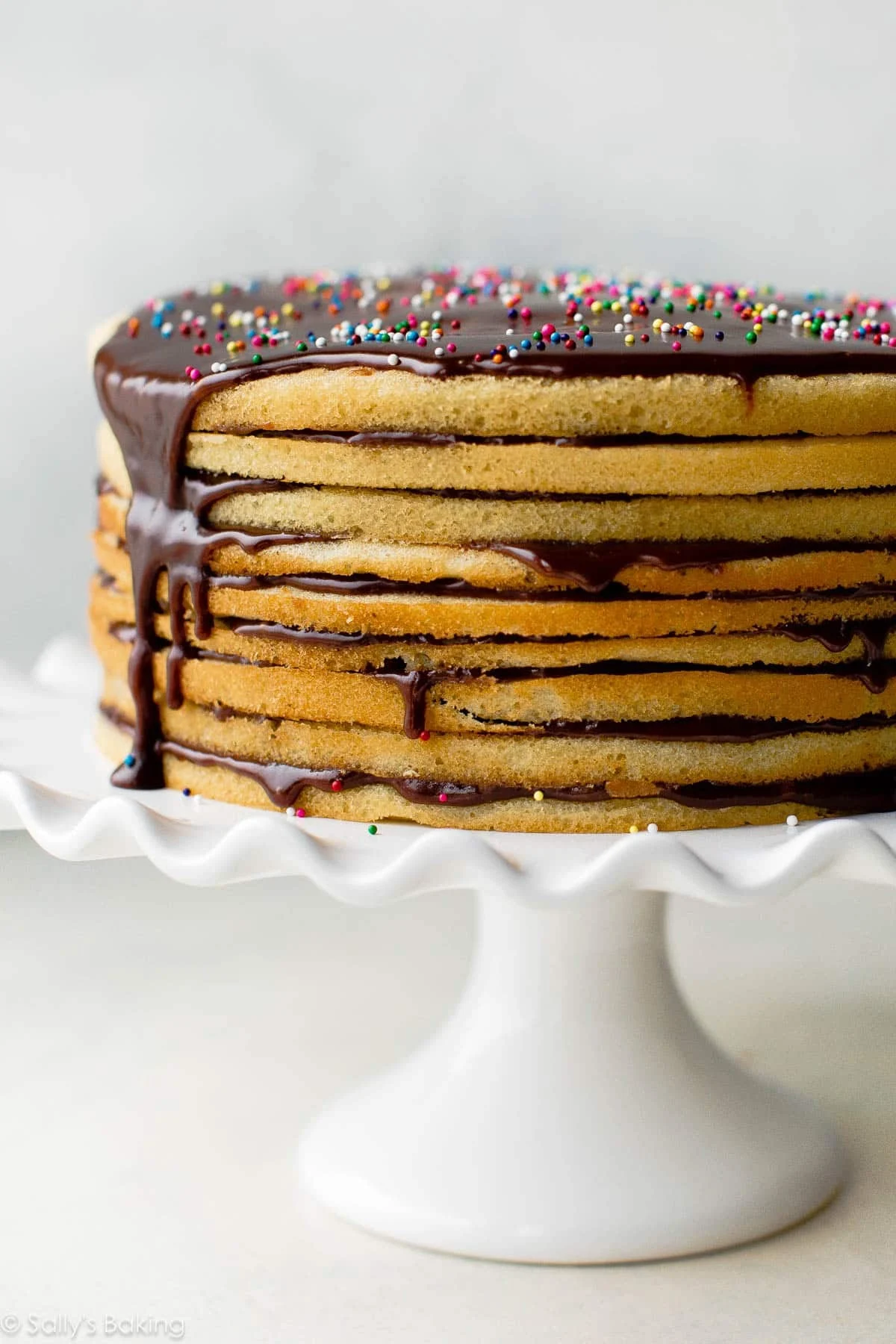
The iconic Smith Island Cake, a distinctive confection featuring nine or more impossibly thin layers of moist yellow cake enveloped in a rich, fudgy chocolate icing, remains a celebrated emblem of Maryland’s culinary landscape. Officially designated as the state dessert in 2008, this visually striking and historically significant cake has garnered widespread recognition, not just for its impressive appearance but also for its profound connection to the isolated island community from which it originates. Its preparation, while seemingly intricate due to the numerous layers, is surprisingly accessible, particularly the individual baking of thin cake layers and the straightforward application of its signature poured fudge icing.
The dessert’s enduring appeal extends beyond its unique structure and decadent flavor. It embodies a rich narrative rooted in the challenging conditions and enduring traditions of Smith Island, a remote community nestled in the Chesapeake Bay. This culinary masterpiece serves as a tangible link to the island’s past, particularly its watermen culture, for whom the cake was once a practical and cherished staple during long oyster harvests.
Origins and Historical Significance of Smith Island Cake
Smith Island, Maryland, is a cluster of low-lying islands in the Chesapeake Bay, renowned for its isolation and a way of life deeply intertwined with the water. The island is accessible only by boat, fostering a unique cultural identity that has largely been preserved through generations. It is within this distinctive context that the Smith Island Cake evolved. Traditionally, the cake was prepared by island women for their husbands, the watermen, who would spend weeks away from home during the autumn oyster dredging season. The cooked fudge icing, a defining characteristic of the cake, was not merely a matter of taste; it was a practical necessity. Unlike more perishable buttercreams, this sturdy, pourable fudge icing possessed superior keeping qualities, allowing the cake to remain fresh and delicious for an extended period, providing a comforting taste of home during arduous voyages.
The exact genesis of the Smith Island Cake is somewhat shrouded in local lore, but its distinctive multi-layered structure is believed to have developed over time, perhaps as a way to stretch ingredients or simply to create a more impressive dessert for special occasions. What began as a practical provision for working men gradually transformed into a symbol of island hospitality and culinary artistry, passed down through generations of home bakers. The tradition emphasizes patience and precision, skills honed by islanders accustomed to the rhythms of the bay.
The Path to State Dessert Status: A Timeline
The journey of the Smith Island Cake from a local delicacy to Maryland’s official state dessert is a testament to its cultural resonance and growing popularity. The push for official recognition began in the early 2000s, driven by local enthusiasts and culinary historians who recognized the cake’s unique heritage and its role in representing Maryland’s diverse food traditions.
- Early 2000s: Informal campaigns and discussions emerge among culinary groups and state legislators to acknowledge the Smith Island Cake.
- 2006: A bill is introduced in the Maryland General Assembly to designate the Smith Island Cake as the official state dessert. This initiative gains bipartisan support, highlighting the cake’s broad appeal.
- 2007: The bill undergoes legislative review, with proponents emphasizing the cake’s historical ties to Smith Island and its representation of Maryland’s cultural identity. Public hearings gather testimonies from island residents, culinary experts, and tourism officials.
- April 25, 2008: Maryland Governor Martin O’Malley signs House Bill 438 into law, officially designating the Smith Island Cake as the State Dessert of Maryland. This legislative act cemented the cake’s status, elevating it to a symbol alongside other state emblems like the Oriole (state bird) and the Blue Crab (state crustacean).
This official recognition brought a new wave of attention to Smith Island and its signature dessert, sparking increased tourism interest and culinary exploration across the state and beyond.
Culinary Craftsmanship: The Art of the Nine Layers
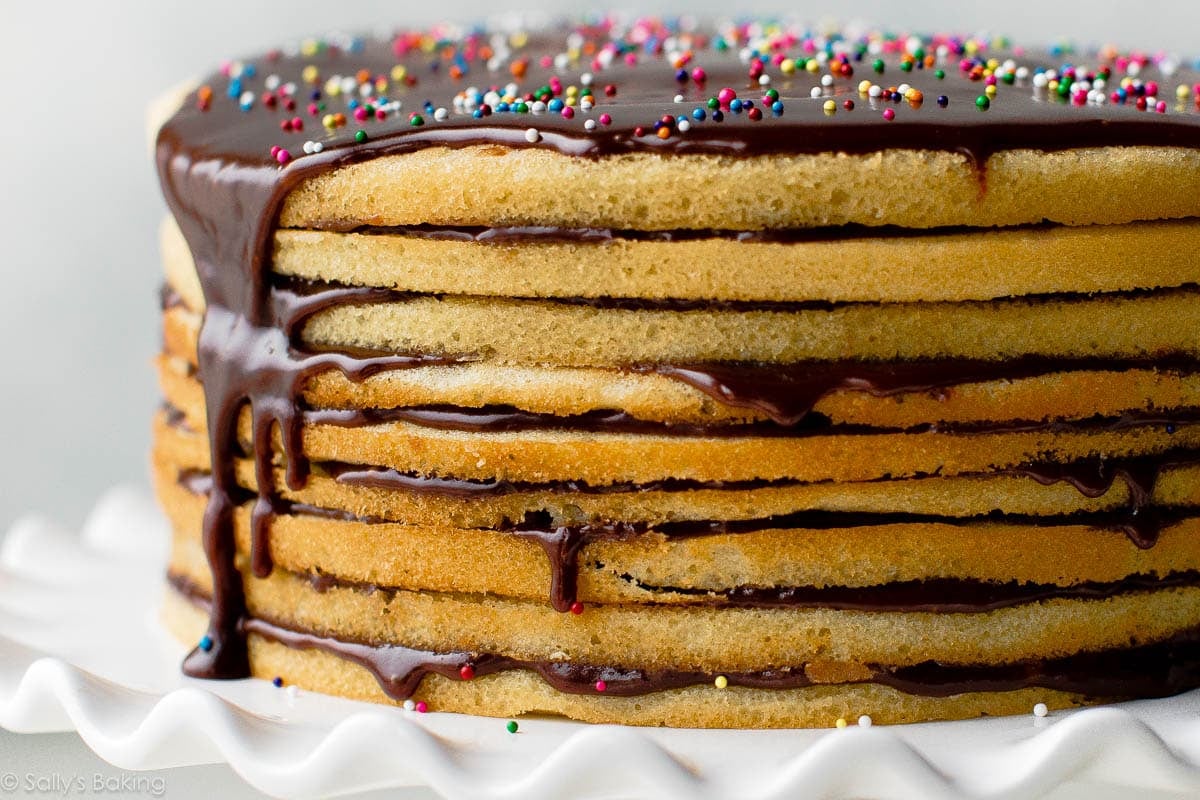
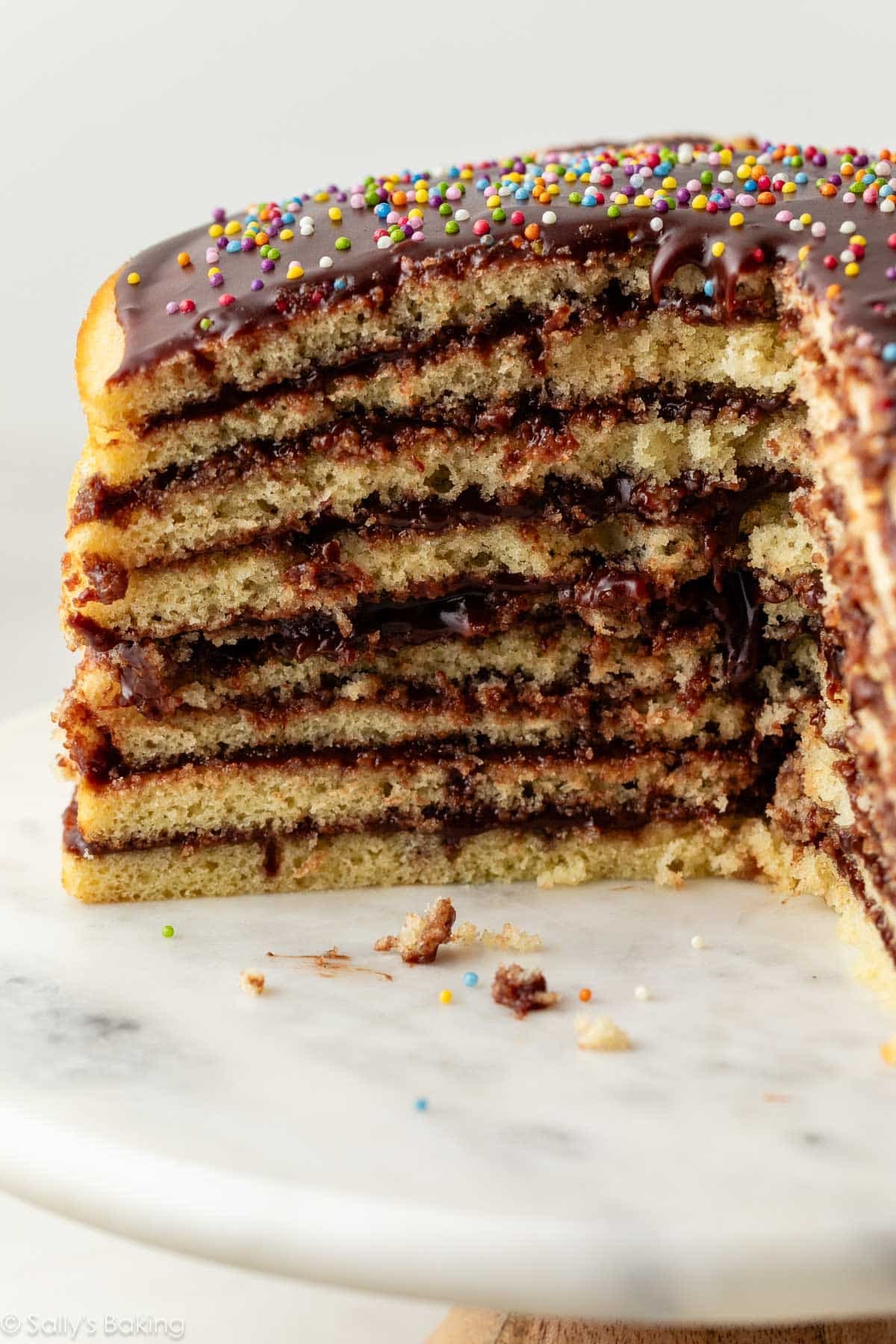
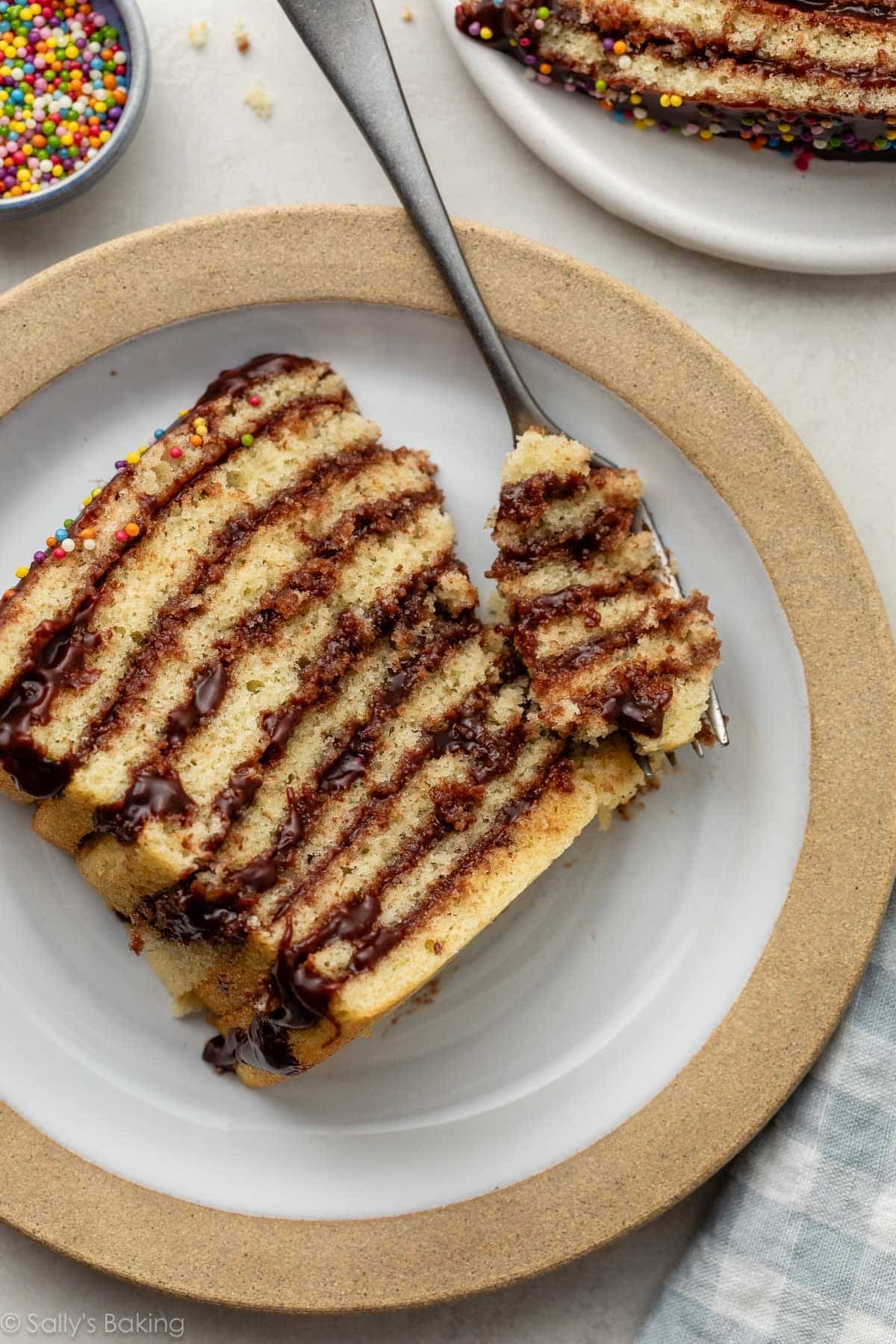
The defining characteristic of the Smith Island Cake is its structure: typically nine, but sometimes even more, ultra-thin layers of moist yellow cake, separated by equally thin applications of rich chocolate fudge icing. This architecture is not merely for aesthetics; it plays a crucial role in the cake’s texture and flavor profile. The thinness of the layers allows the fudgy icing to permeate the cake more thoroughly, ensuring that nearly every bite offers a perfect blend of soft cake and decadent chocolate.
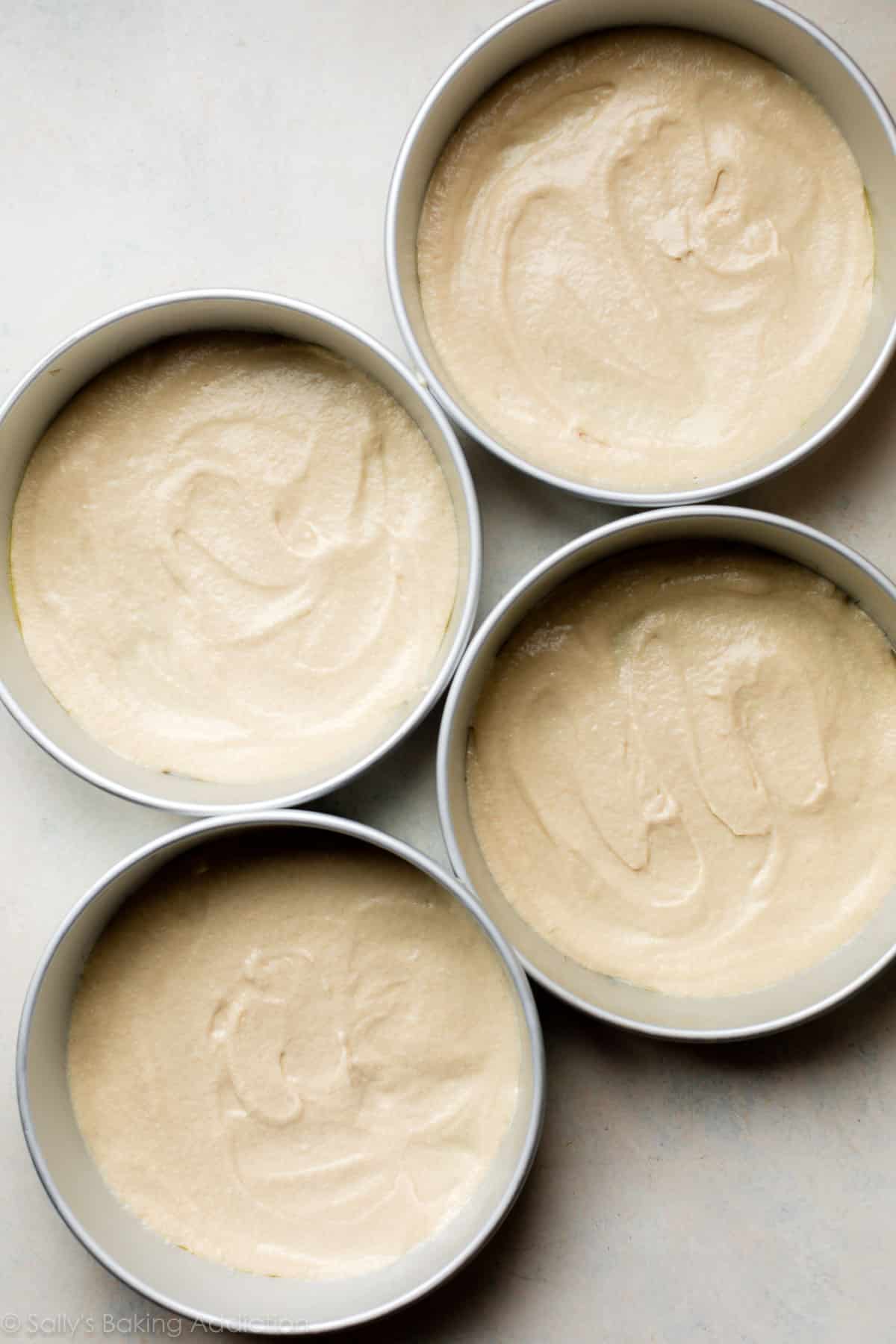
The baking process for these delicate layers differs significantly from traditional layer cakes. Instead of baking a few thick cakes and then attempting to slice them horizontally (a notoriously difficult task for home bakers), each thin layer is baked individually. A standard recipe often yields approximately seven cups of batter, which is then meticulously divided among multiple 9-inch cake pans, with each pan receiving just under a cup of batter (around 200-210 grams). This method ensures uniform thickness and even baking, with each layer requiring a mere 11-12 minutes in the oven. The use of greased parchment paper rounds is critical for preventing the fragile cakes from sticking and tearing upon removal.
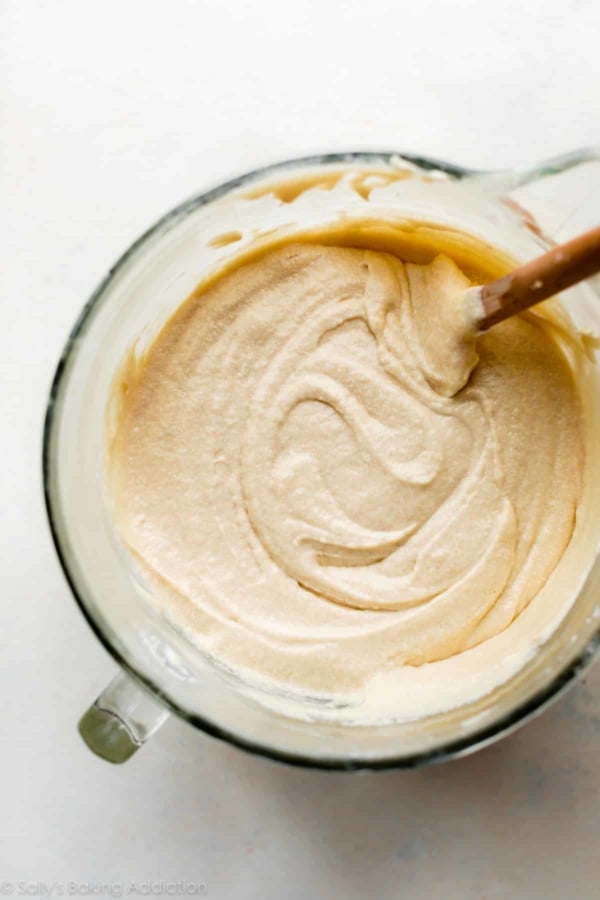
The yellow cake batter itself is a classic blend of all-purpose flour, creamed butter and sugar, eggs, and buttermilk. Recent recipe updates, such as those by popular baking resources, often incorporate a slightly increased amount of baking powder to provide a subtle lift to the thin layers without making them excessively puffy. The emphasis on room-temperature ingredients is paramount for achieving a smooth, evenly combined batter, contributing to the cake’s signature moist crumb.
The Signature Cooked Fudge Icing
While the tender yellow cake layers form the foundation, the cooked chocolate fudge icing is unequivocally the star that elevates the Smith Island Cake to its iconic status. This unique icing is prepared on the stovetop, a method that distinguishes it from conventional buttercreams. Its composition typically includes butter, chopped chocolate (often bittersweet to balance the overall sweetness), sugar, heavy cream, and sometimes corn syrup, finished with vanilla extract and a pinch of salt.
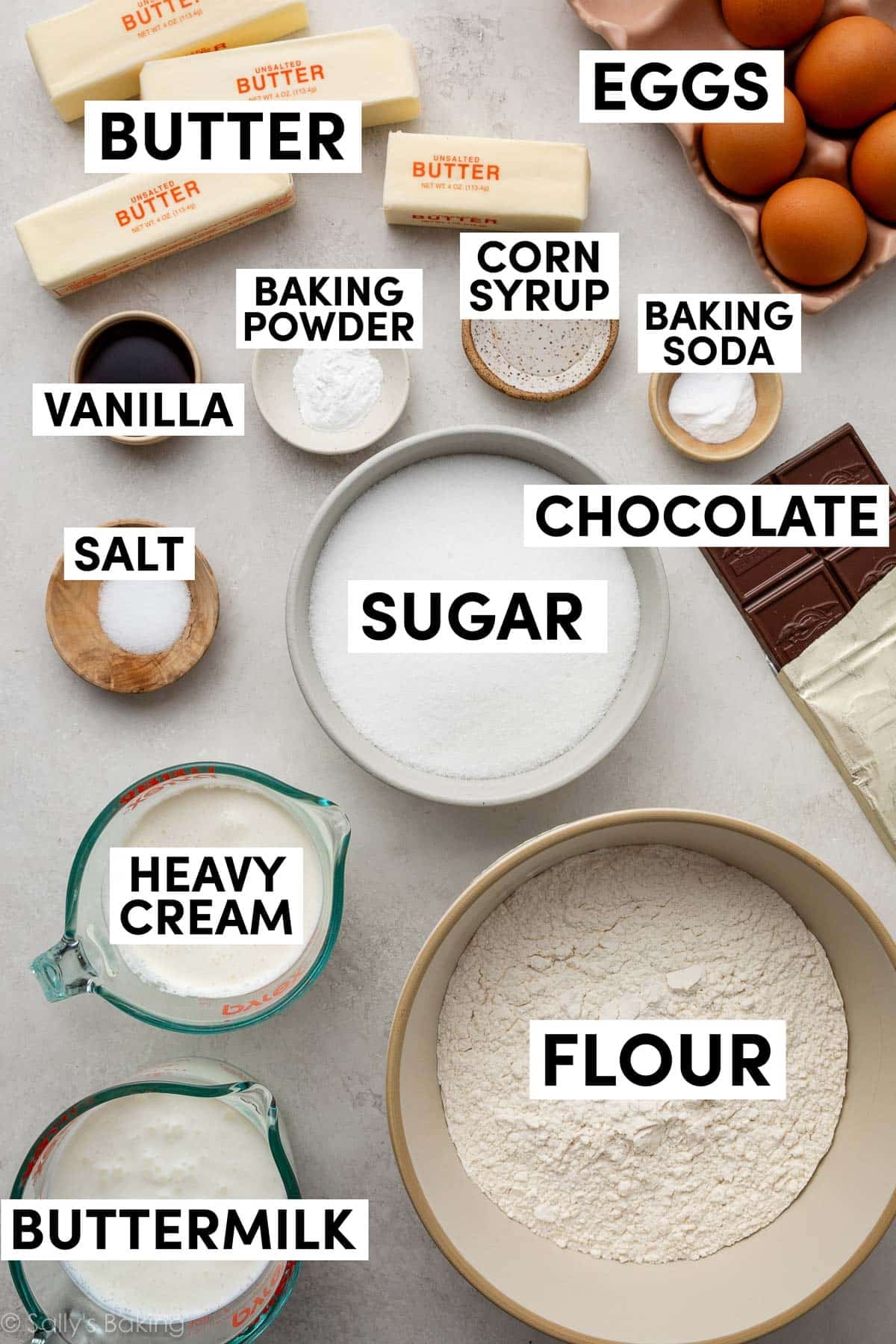
The process involves bringing these ingredients to a boil for a precise duration, usually around two minutes, or until it reaches a specific temperature, often around 220°F (104°C). Upon removal from the heat, the icing is initially quite thin, resembling a warm hot fudge sauce or a pourable ganache. This thin consistency is deliberate, as it allows the icing to be easily spread across the numerous layers. As the icing cools, it gradually thickens to a spreadable consistency, then sets further once applied to the cake, creating a firm yet yielding chocolate coating that is both rich and intensely flavorful. Recent recipe improvements have focused on increasing the chocolate content, for example, from four ounces to six ounces, to enhance the depth of flavor and ensure a thicker, more satisfying fudge.
The practicality of this cooked icing, as noted earlier, was vital for the watermen’s provisions. Its ability to withstand ambient temperatures better than other frostings made the cake a reliable source of sustenance and comfort. Today, this characteristic ensures the cake maintains its structural integrity and deliciousness, even when transported or displayed.
Assembly and Aesthetic Charm
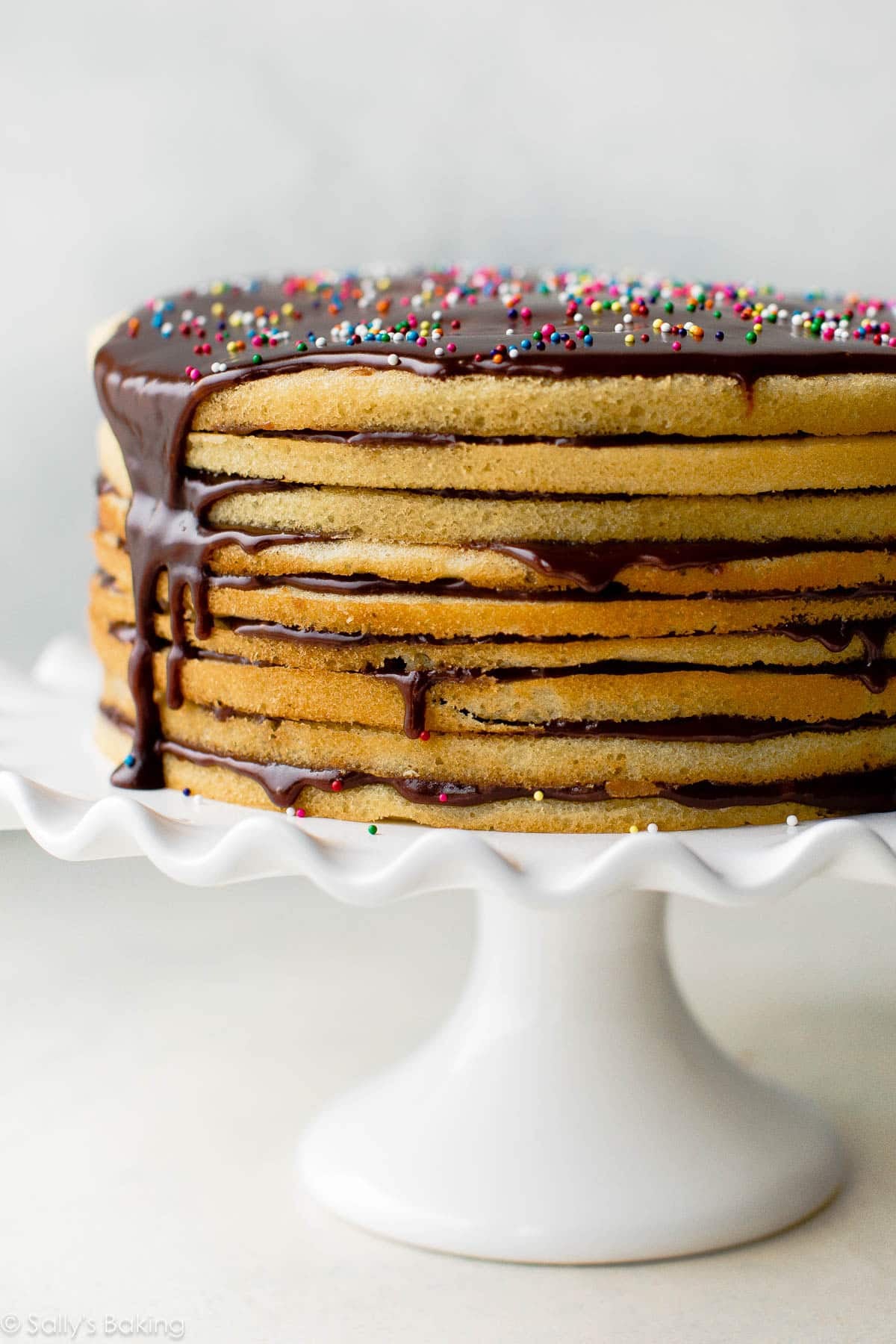
Assembling a nine-layer Smith Island Cake, despite its imposing height, is remarkably straightforward once the individual cake layers have cooled and the fudge icing has achieved its ideal spreadable consistency. The process involves alternating thin cake layers with generous spoons of the chocolate icing, spreading each layer evenly. The inherent nature of the pourable icing means that some will inevitably drip down the sides, contributing to the cake’s rustic charm rather than detracting from it. Unlike cakes requiring perfectly smooth, architectural frosting, the Smith Island Cake embraces a more organic, home-style aesthetic.
When sliced, the cake reveals its true splendor: a striking cross-section of alternating yellow cake and dark chocolate fudge, each layer distinct yet harmoniously integrated. This unique layering ensures that every single bite delivers a balanced taste and texture, a testament to the cake’s thoughtful design. Optional garnishes, such as sprinkles, are often added for a touch of celebratory flair.
Economic and Cultural Implications

The Smith Island Cake’s official designation and enduring popularity have had tangible impacts on Maryland’s economy and cultural preservation efforts. For Smith Island itself, the cake serves as a vital cultural ambassador, drawing visitors and attention to a community facing challenges from rising sea levels and dwindling populations. Local bakeries on the island and across Maryland have embraced the cake, offering authentic versions that support local businesses and preserve traditional baking techniques.
"The Smith Island Cake is more than just a dessert; it’s a piece of Maryland history you can taste," remarked Sarah Jenkins, a spokesperson for the Maryland Department of Tourism. "Its unique story and delicious flavor make it a significant draw for culinary tourists and a source of immense pride for our state. We actively promote it as a must-try experience for anyone visiting Maryland, helping to support the economic vitality of Smith Island and other local enterprises."
Culinary historians often cite the Smith Island Cake as an excellent example of how regional food traditions can evolve from practical necessity into celebrated cultural icons. Its preservation through generations of island families, and its subsequent elevation to state symbol, underscores the importance of food in defining identity and fostering community.
Modern Adaptations and Enduring Appeal
While the classic yellow cake with chocolate fudge icing remains the quintessential Smith Island Cake, its popularity has led to various adaptations. Bakers now experiment with different cake and icing flavors, including lemon, coconut, carrot cake, and strawberry versions, catering to diverse palates while maintaining the signature multi-layered structure. These variations demonstrate the cake’s versatility and its capacity to inspire culinary creativity without losing its fundamental identity.
The Smith Island Cake stands as a magnificent testament to a rich cultural heritage, a symbol of resilience, and a triumph of home baking ingenuity. Its nine delicate layers, bound by luscious fudge, offer an unforgettable culinary experience, ensuring its place as an enduring icon of Maryland’s distinctive charm and gastronomic excellence. It is, unequivocally, a cake that tells a story in every delectable bite.
