

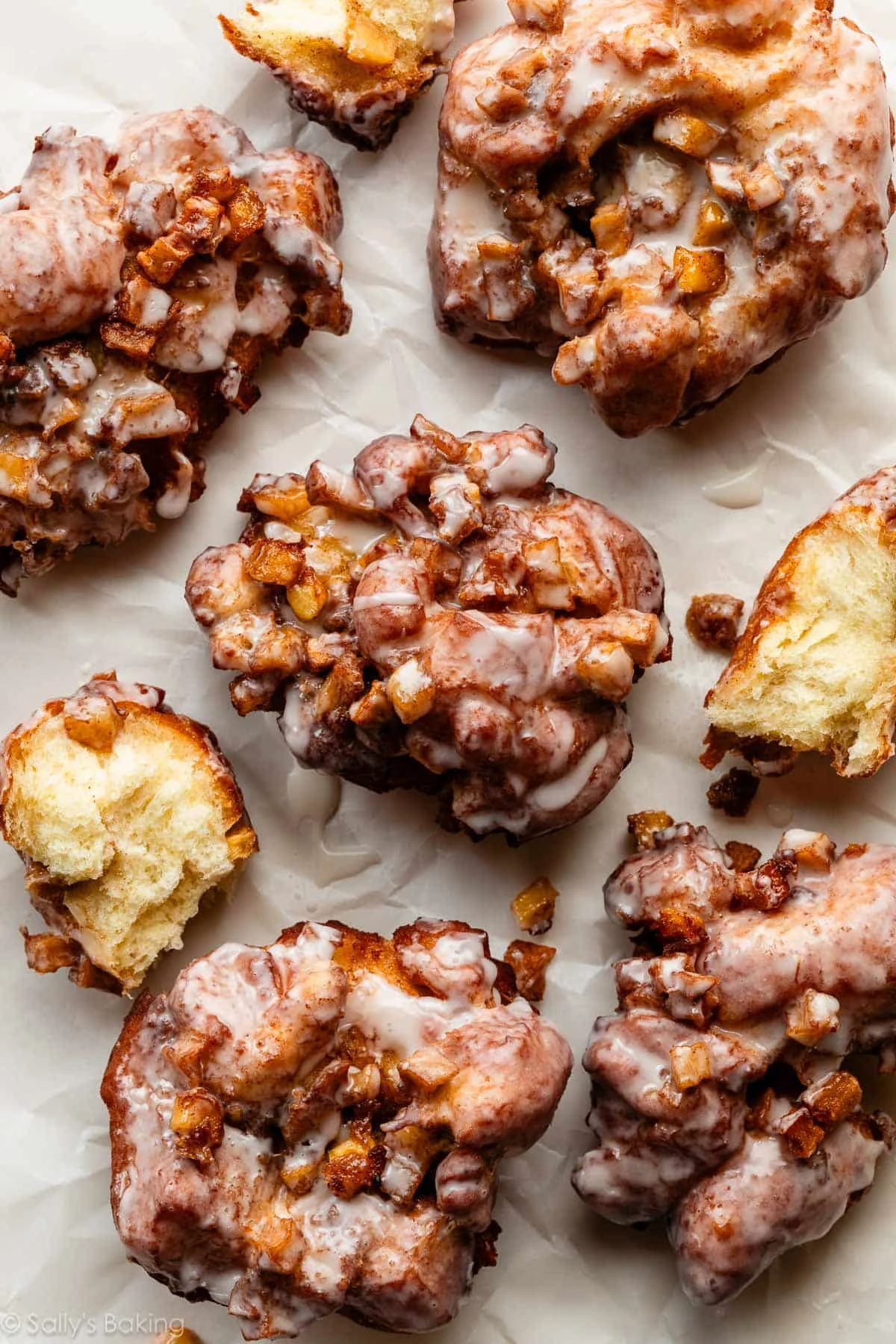
Homemade apple fritters, characterized by their crisp, golden exterior, tender interior, and generous incorporation of fresh apple pieces, represent a significant culinary endeavor often undertaken as a "labor of love." This traditional sweet, typically finished with a sweet vanilla glaze, offers a complex interplay of textures and flavors, combining the soft, fluffy qualities of yeast-raised dough with the aromatic warmth of cinnamon-spiced apples. The preparation process, which necessitates frying in hot oil, requires adherence to specific instructions and safety guidelines to achieve optimal results.
A Historical Perspective on Fritters
The concept of frying dough, often with added ingredients, dates back centuries, appearing in various forms across diverse cultures. Fritters, broadly defined as portions of batter or dough fried in oil or fat, have roots in ancient culinary practices. Early versions can be traced to Roman times, with dishes like scriblita, a type of fried pastry. Throughout the Middle Ages and Renaissance in Europe, fried dough preparations, frequently incorporating fruits or vegetables, became increasingly common, serving as both celebratory treats and practical ways to preserve food or extend ingredients.
The specific lineage of the apple fritter, as known today, likely evolved from these European traditions, particularly as apples became a staple fruit. Settlers brought these culinary customs to the Americas, where apples flourished, cementing the fritter’s place in early American cuisine. These early iterations were often simpler, reflecting available ingredients and less refined cooking techniques. Over time, with advancements in baking science and increased access to diverse spices and leavening agents like yeast, the apple fritter transformed into the more sophisticated, light, and airy confection recognized in modern bakeries and homes. Its enduring popularity is often linked to its autumnal association, coinciding with apple harvest season, and its status as a comforting, substantial treat.
Defining the Apple Fritter: A Culinary Hybrid
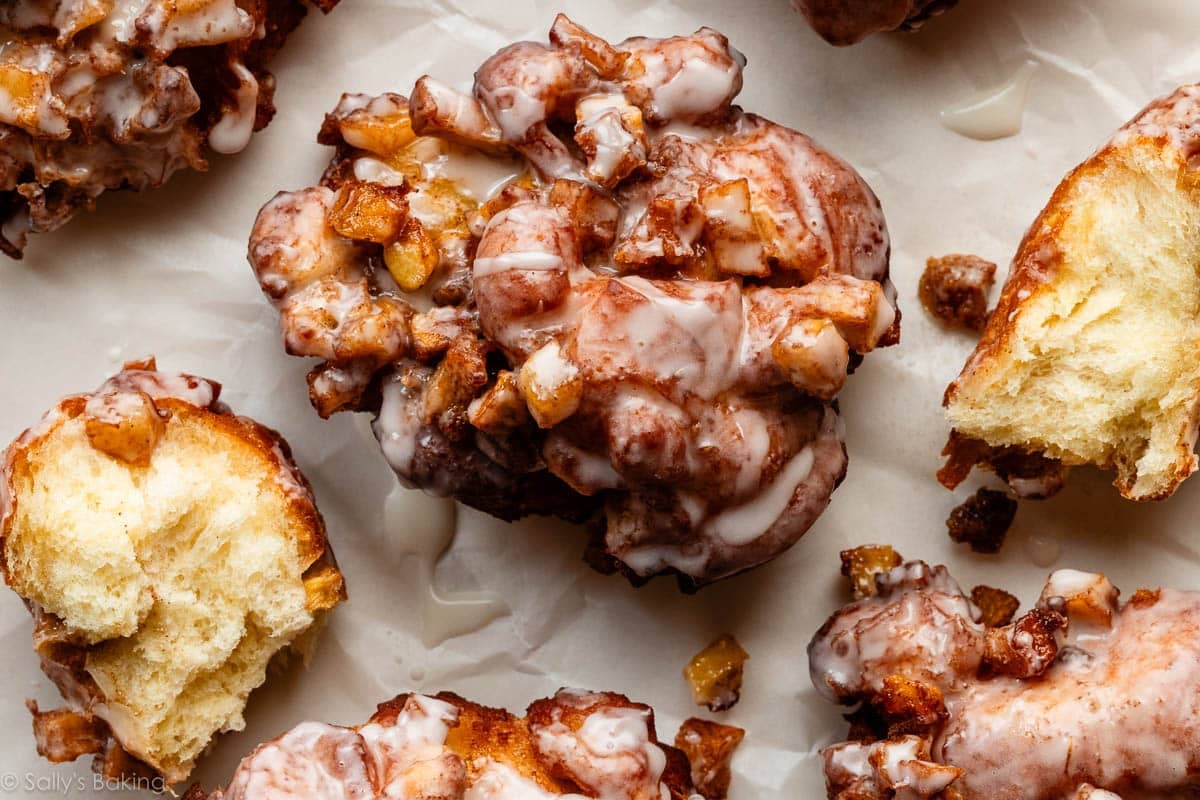
Apple fritters occupy a unique position in the pantheon of fried sweets, bridging the gap between a classic yeast-raised doughnut and a moist apple cake. The distinct characteristic of a fritter lies in its irregular, often lumpy shape, which maximizes the surface area for crisp caramelization during frying, while simultaneously allowing for a soft, tender, and apple-laden interior. Unlike a uniform doughnut, the fritter’s rustic appearance is an integral part of its charm and textural appeal. Culinary experts often highlight this textural dichotomy—the contrast between the exterior crunch and interior tenderness—as a key element in its sensory experience, setting it apart from its more structured counterparts.
The frying process is central to achieving this texture. While deep fryers offer convenience, a sturdy pot or Dutch oven paired with an oil or candy thermometer is sufficient, making the preparation accessible to home cooks without specialized equipment. The precise control of oil temperature is paramount; an oil that is too hot will prematurely brown the exterior, leaving the interior undercooked, whereas oil that is too cool will result in a greasy product as the dough absorbs excess fat.
Essential Components and Their Roles
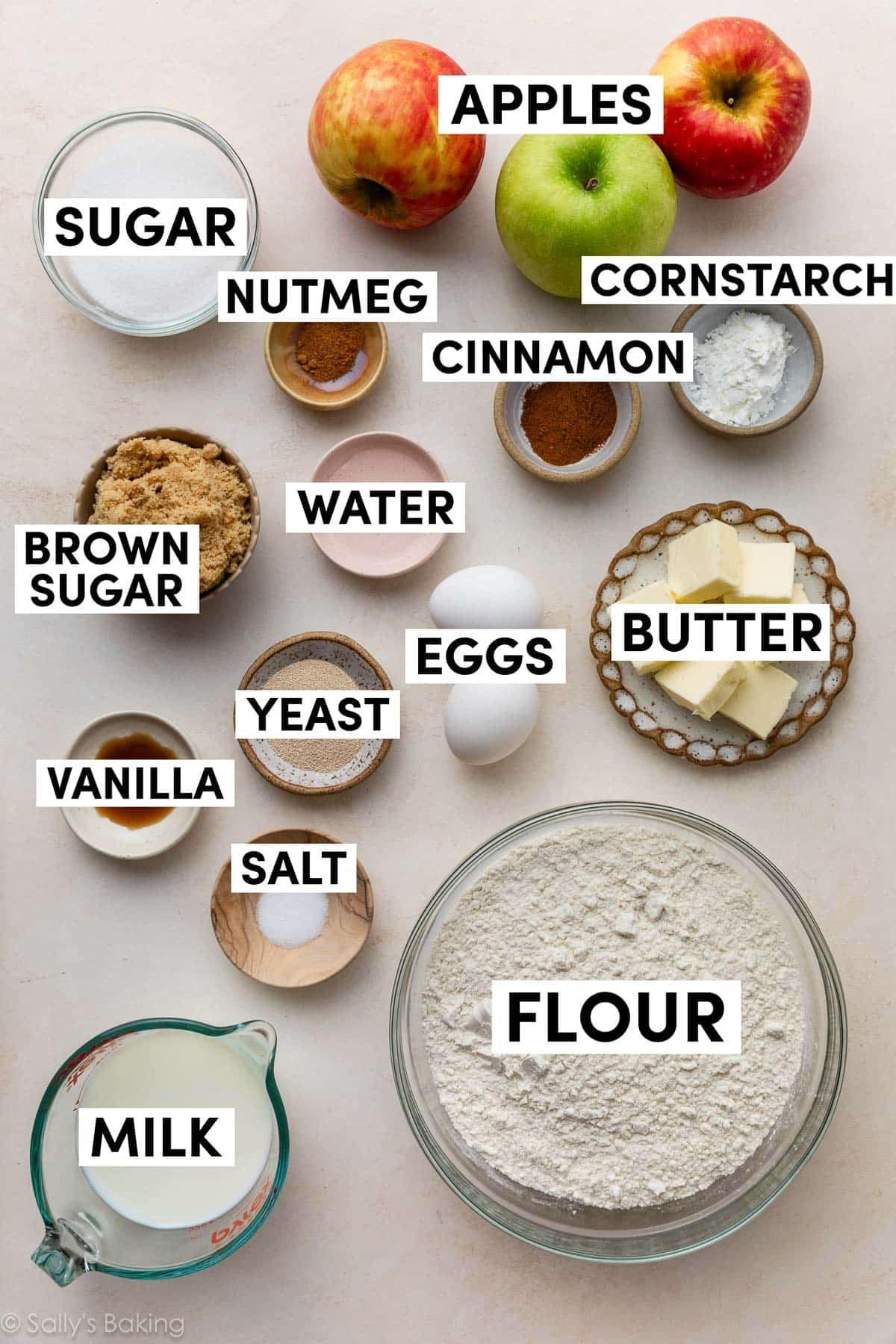
The construction of a homemade apple fritter relies on a carefully balanced set of ingredients for both the dough and the apple filling, each playing a critical role in the final product’s flavor and texture.
Dough Composition:
The dough typically comprises all-purpose flour for structure, active dry yeast as the leavening agent responsible for its fluffy texture, granulated sugar for sweetness and to aid yeast activation, and salt to balance flavors. Whole milk provides moisture and richness, while eggs contribute to structure, richness, and a tender crumb. Unsalted butter adds flavor and tenderness, and vanilla extract enhances the overall aroma. The use of yeast is crucial, imparting a distinctive "doughnut-like" chew and allowing for the airy pockets within the fritter. Without proper yeast activation and proofing, the fritters would be dense and heavy.
Apple Filling and Glaze:
The filling is where the "apple" in apple fritter truly shines. Key ingredients include fresh apples, typically firm, crisp varieties that retain their shape during cooking, such as Granny Smith (favored for its tartness which balances the fritter’s sweetness), Honeycrisp, or Pink Lady. Brown sugar provides a deeper, caramel-like sweetness, while ground cinnamon and nutmeg impart warm, aromatic spices. A cornstarch slurry (cornstarch dissolved in water and vanilla extract) is used as a thickening agent, ensuring the apple filling achieves a saucy, cohesive consistency without becoming watery, which could compromise the fritter’s structure during frying. The vanilla glaze, a simple mixture of confectioners’ sugar, milk, and vanilla extract, serves as the finishing touch. Its primary function is to provide a thin, sweet coating that enhances the fritter’s bakery-style appearance and adds an additional layer of sweetness without overshadowing the apple and spice flavors.
The Method of Production: A Step-by-Step Culinary Process
The creation of apple fritters is a multi-stage process that requires patience and attention to detail, beginning with dough preparation and culminating in the frying and glazing.
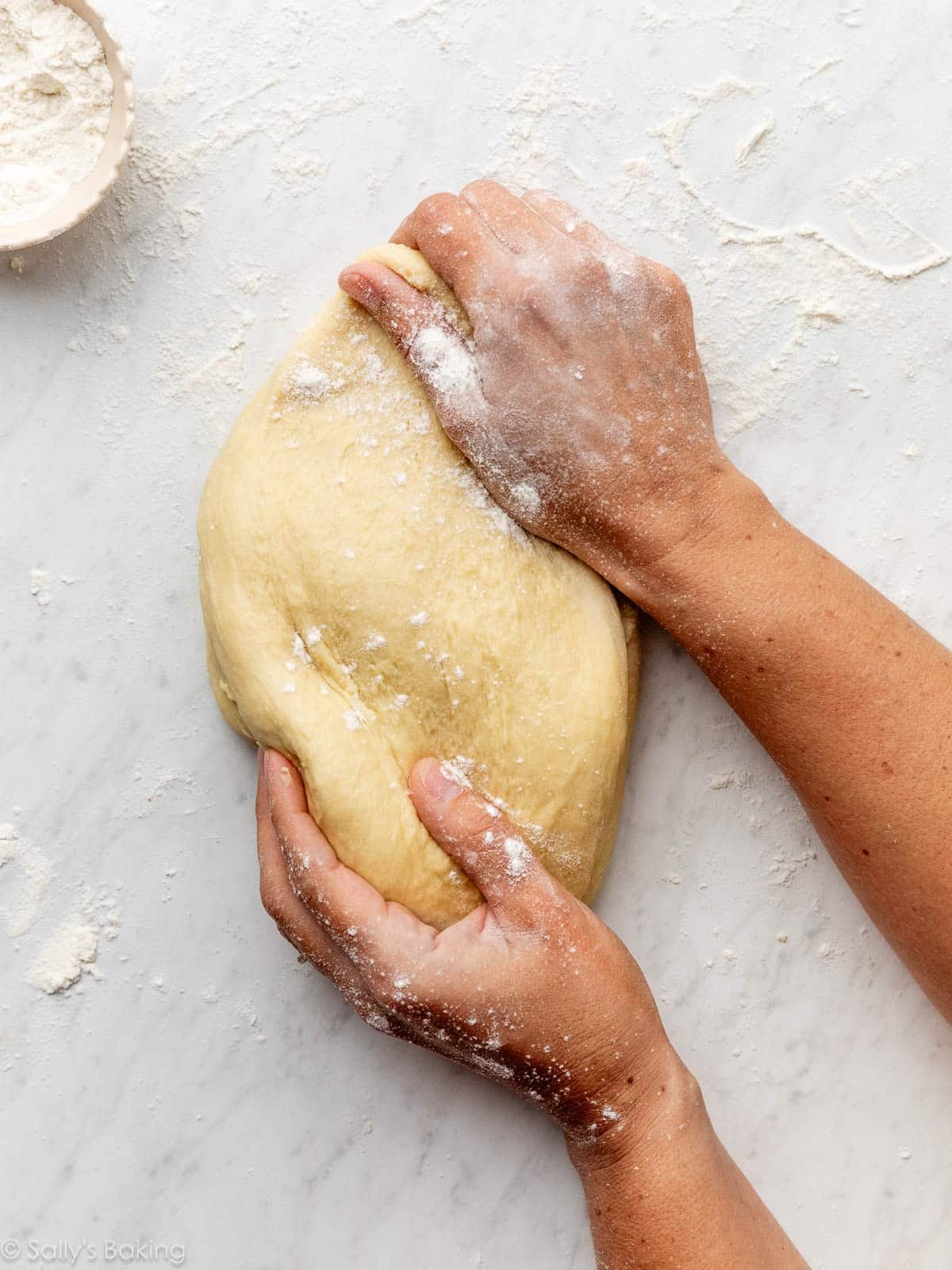
1. Dough Preparation and Proofing: The initial stage involves combining and kneading the dough. While a stand mixer with a dough hook can expedite this, manual kneading is also viable, albeit more physically demanding. Proper kneading develops the gluten, crucial for the dough’s elasticity and final texture. Following kneading, the dough undergoes its first rise, typically lasting 1-2 hours, during which the yeast ferments, producing carbon dioxide that causes the dough to expand and lighten. This proofing period is critical for achieving the desired fluffy internal structure.
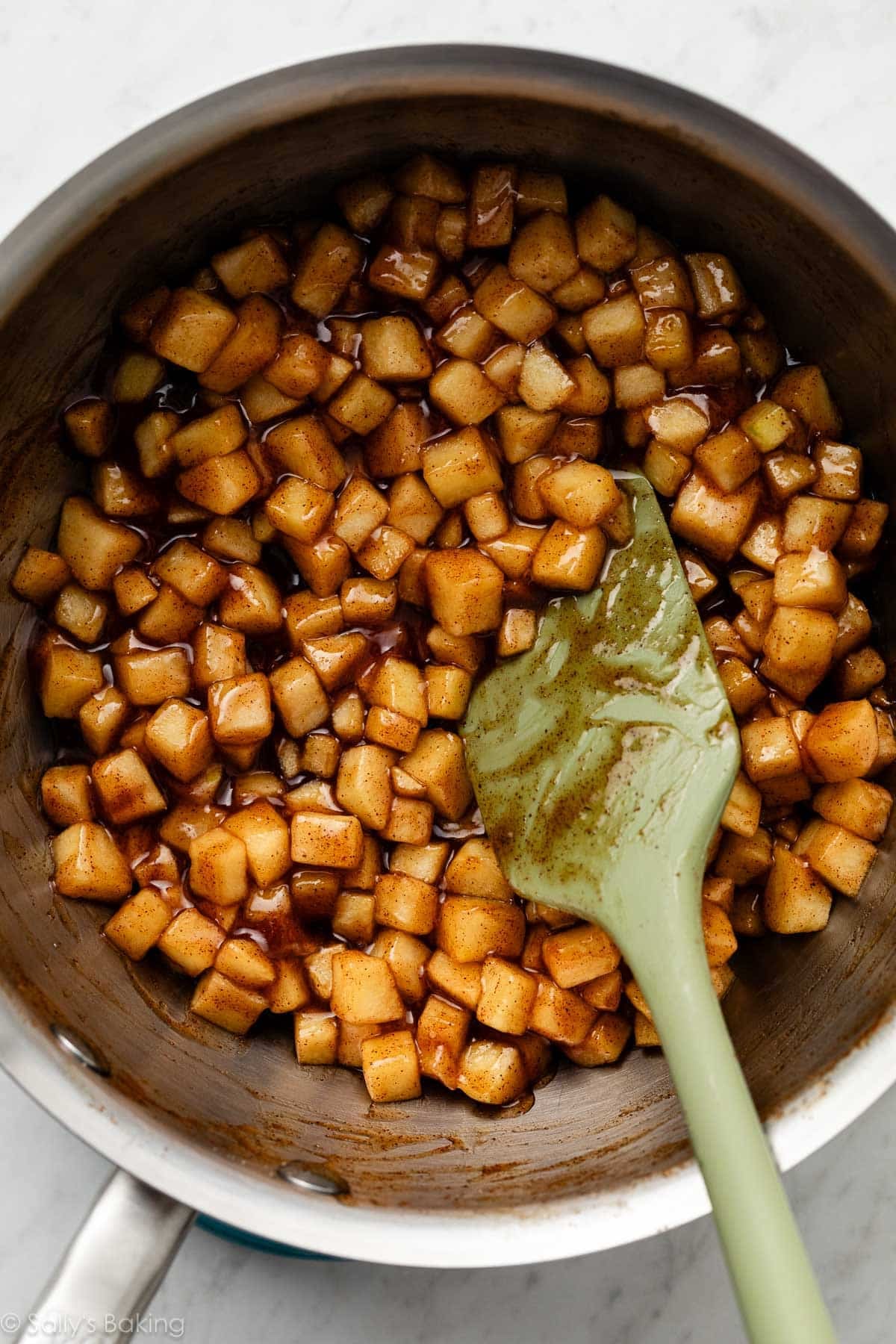
2. Apple Filling Development: Concurrently with the dough’s first rise, the apple filling is prepared. Chopped apples are cooked with brown sugar and spices in a saucepan, allowing the apples to soften slightly and their flavors to meld. The addition of a cornstarch slurry thickens the mixture as it cooks, creating a rich, saucy consistency. This filling must be allowed to cool completely before incorporation into the dough, as a warm filling could prematurely activate the yeast or alter the dough’s temperature, impacting its subsequent handling and frying.
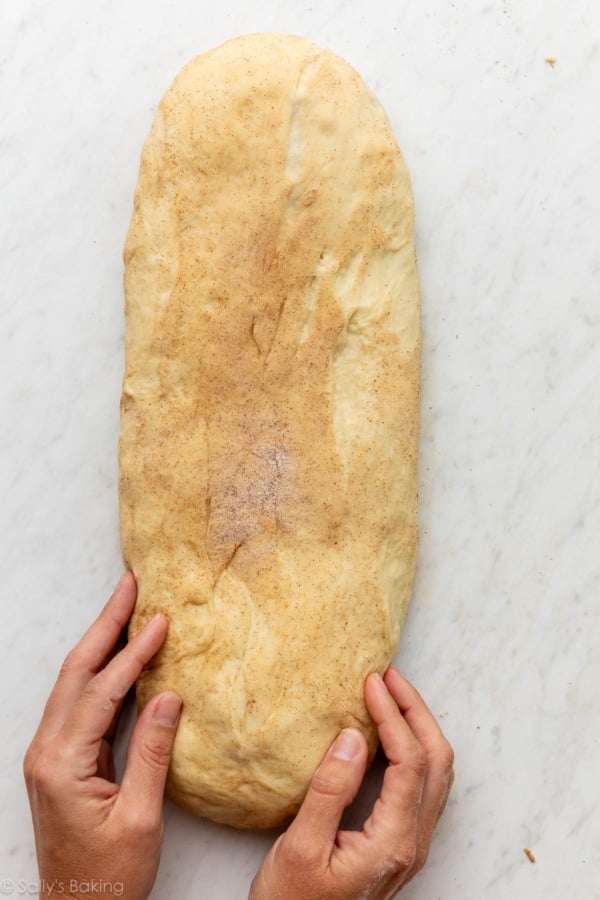
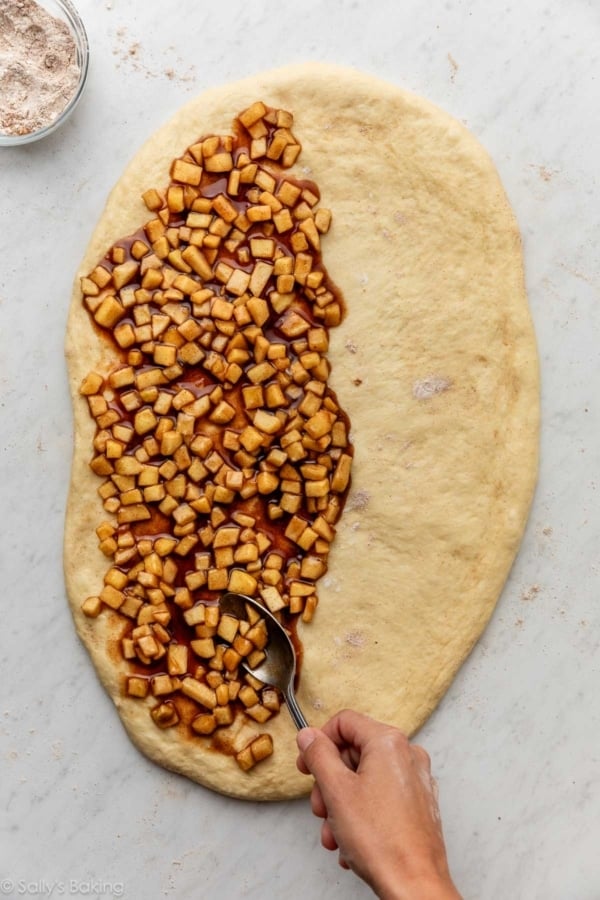
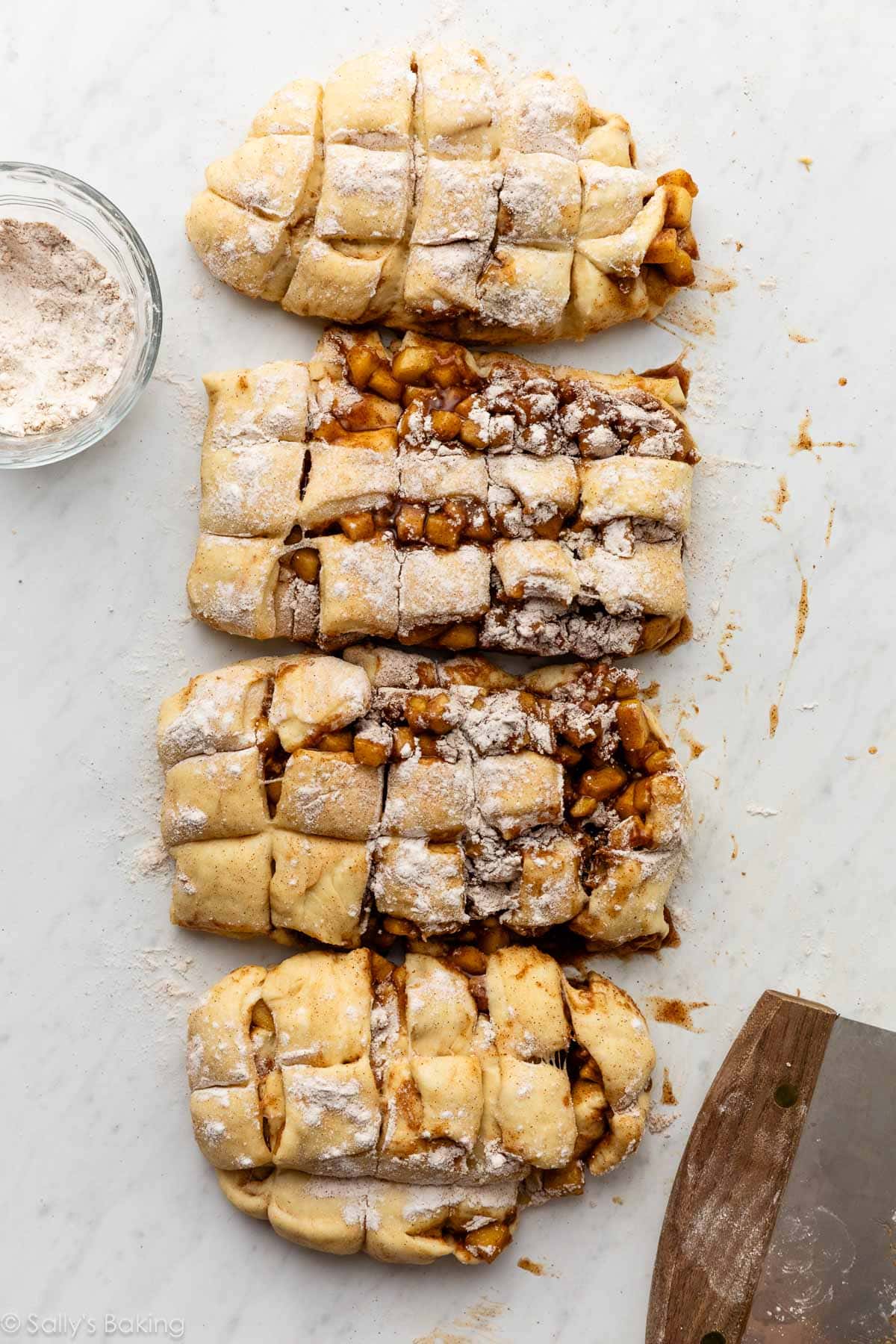
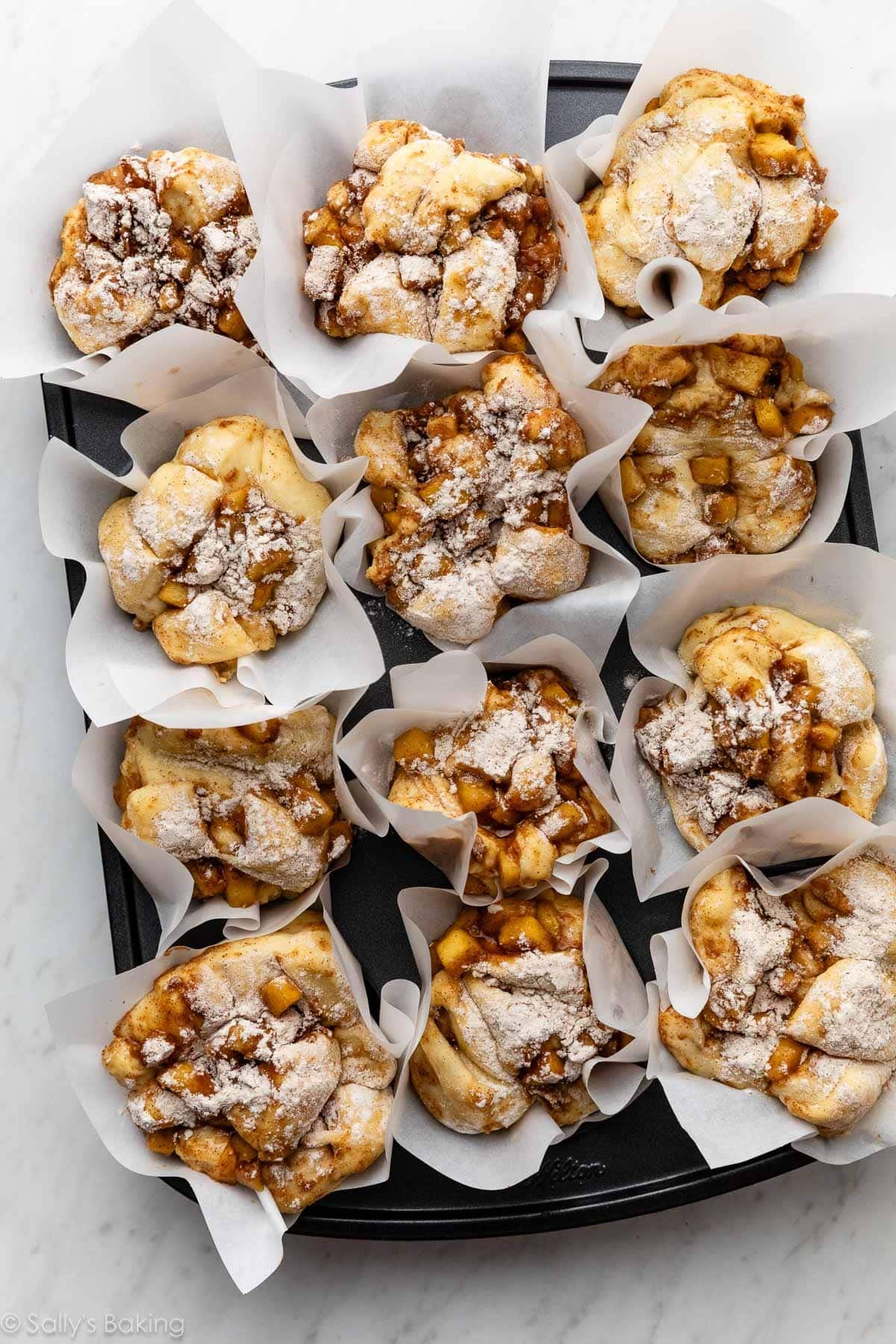
3. Shaping the Fritters: Embracing Irregularity: The shaping phase is often described as the most "messy" but creatively rewarding part of the process. After the dough has risen and been punched down, it is rolled or pressed into an oval shape. The cooled apple filling is spread over half of the dough, often with an additional sprinkle of spiced flour to absorb excess moisture and enhance flavor. The dough is then folded over the filling and sealed, resembling a large calzone. This filled dough is then lightly cut and divided into portions. The goal is not perfect symmetry but rather an artful disarray that ensures pockets of apple and varied textures in each bite. A key technique involves placing each shaped fritter onto individual squares of parchment paper and resting them in a muffin pan. This method helps maintain their shape and prevents spreading before they are introduced to the hot oil.
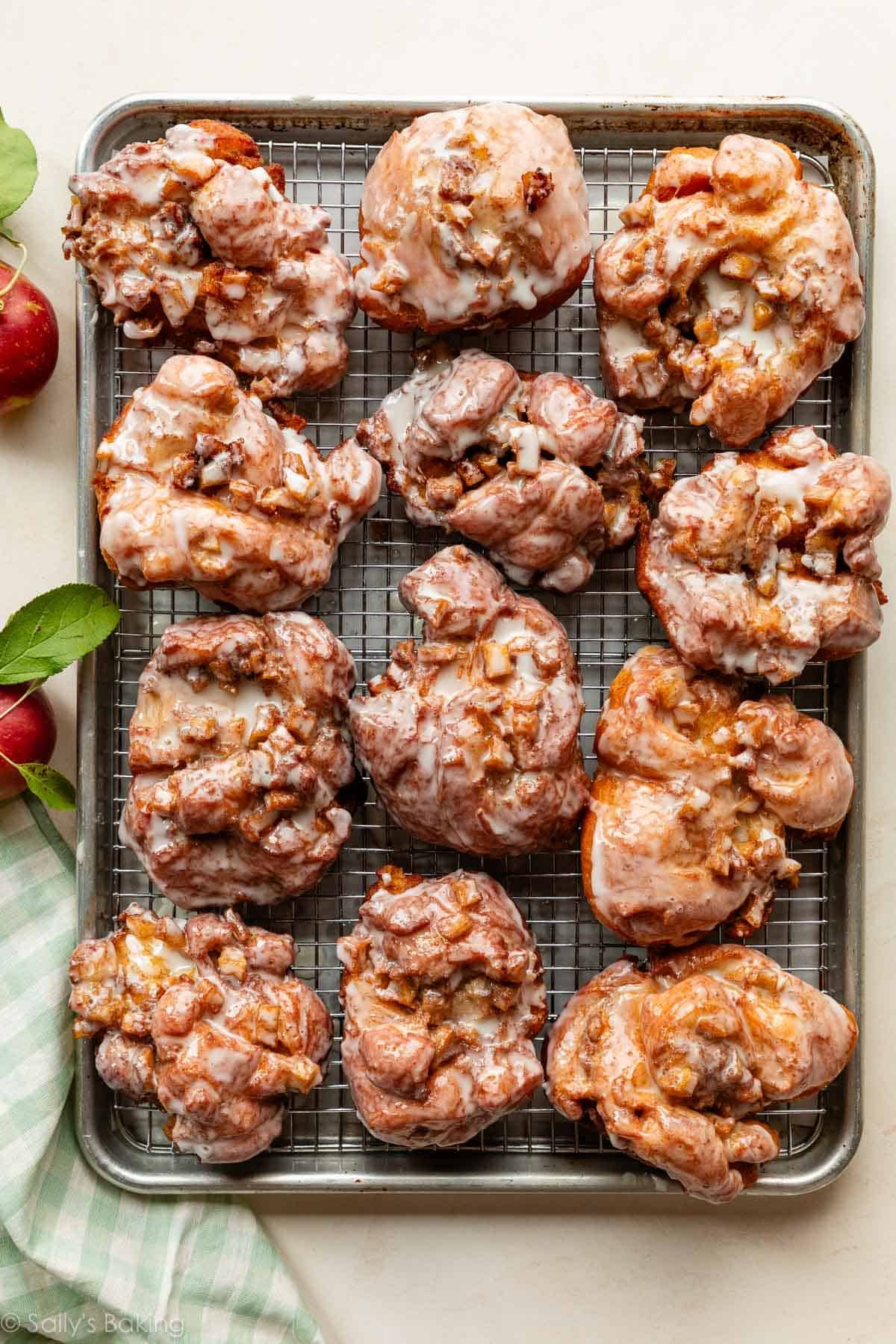
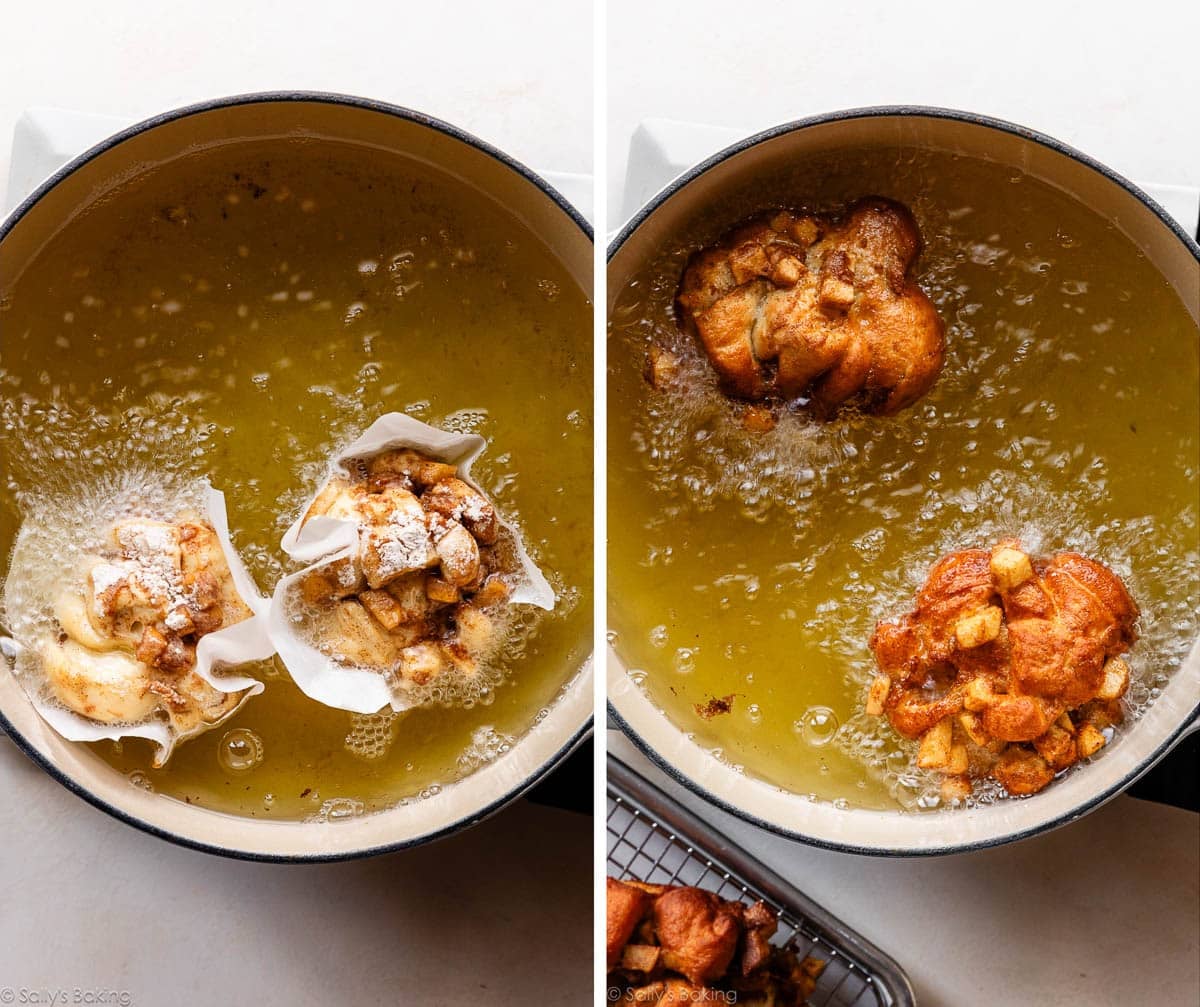
4. Frying and Glazing: Frying is a critical step that demands precision. A neutral-flavored oil with a high smoke point, such as vegetable, canola, or peanut oil, is recommended. The oil temperature must be carefully monitored, ideally maintained between 350-360°F (177-182°C). This temperature range is crucial for achieving a deeply golden exterior and a fully cooked interior without excessive oil absorption or burning. Fritters are gently lowered into the hot oil, often with their parchment paper, which is then removed after a minute or two as the fritter begins to firm. Frying typically takes approximately 2 minutes per side until the fritters are uniformly golden brown. Upon removal, they are placed on a cooling rack to drain excess oil. The vanilla glaze is applied while the fritters are still warm, allowing it to set into a glossy, enticing finish.
Broader Implications and Market Trends
The resurgence in popularity of homemade items like apple fritters reflects several contemporary trends. There is a growing consumer interest in artisanal and comfort foods, driven by a desire for authenticity and nostalgic flavors. The act of home baking, particularly intricate recipes involving yeast and frying, has seen an increase, partly fueled by social media trends and a renewed appreciation for culinary craftsmanship. Industry data suggests a sustained demand for baking ingredients, especially during seasonal periods such as autumn, when apple-centric recipes are particularly sought after.
Economically, this translates into consistent sales for apple growers, spice manufacturers, and flour producers. Small independent bakeries that offer homemade-style apple fritters often experience heightened demand, capitalizing on the perception of quality and traditional preparation. Food analysts indicate that consumers are increasingly valuing experiences and sensory satisfaction over mere convenience, positioning labor-intensive treats like apple fritters as a premium indulgence.
Furthermore, the emphasis on responsible cooking practices, such as proper oil disposal, aligns with broader environmental consciousness. After cooling, used frying oil should be sealed in containers and disposed of with household waste or recycled at designated facilities, never poured down drains to prevent plumbing and environmental issues. The potential for reusing clean frying oil also reflects a move towards more sustainable kitchen practices.
Conclusion
Homemade apple fritters stand as a testament to the enduring appeal of traditional baking. They embody a rich culinary history, combine fundamental baking science with skilled technique, and offer a sensory experience that resonates deeply with consumers. While demanding in their preparation, the resulting combination of crispness, tenderness, juicy apple, and sweet glaze justifies the effort, affirming their status as a beloved seasonal delicacy and a symbol of culinary dedication. The continued embrace of such recipes underscores a broader cultural appreciation for handcrafted food and the comforting traditions they represent.
