

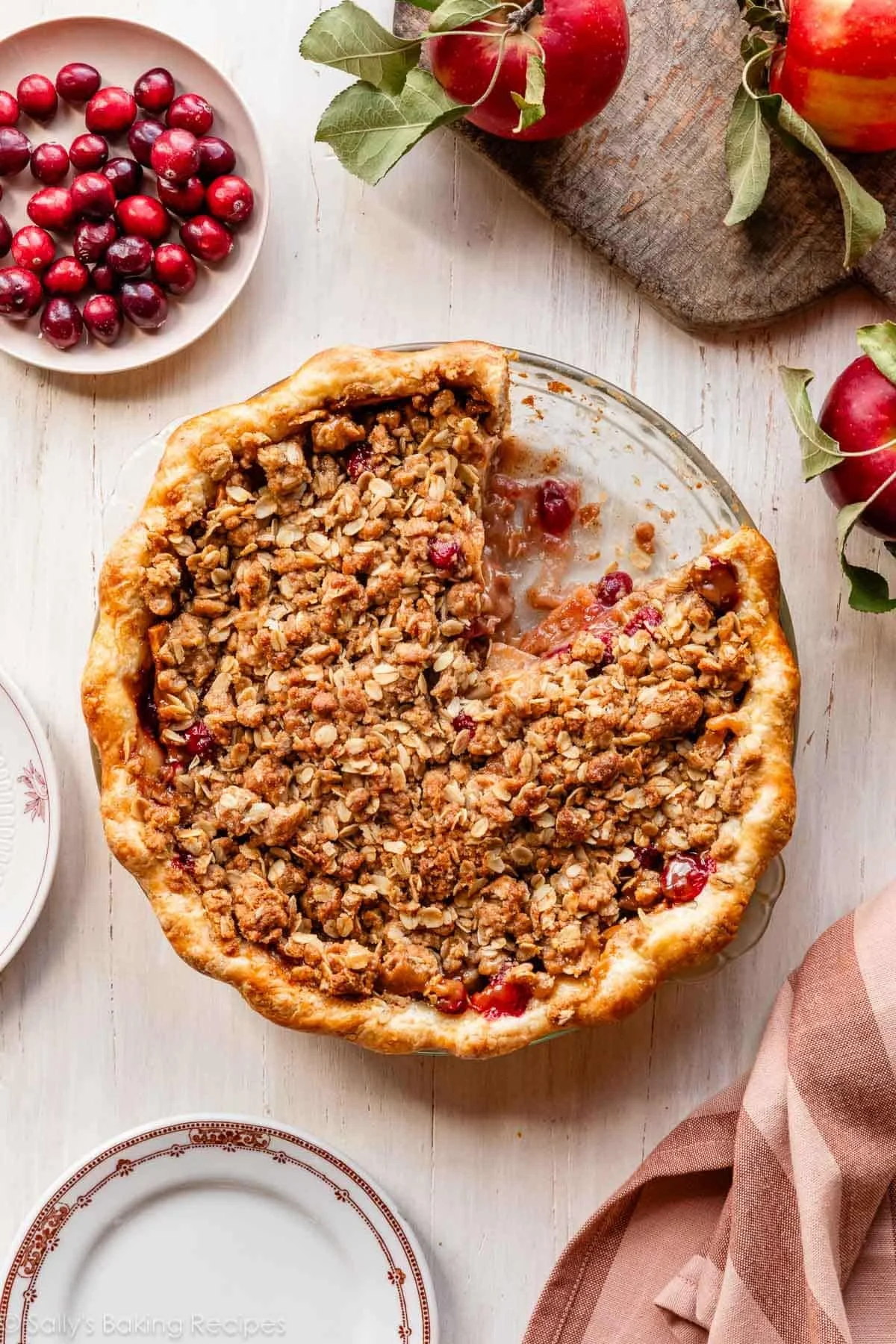
Apples stand as a perennial favorite in kitchens worldwide, their versatility extending across a vast spectrum of culinary applications, from comforting desserts to savory accompaniments. Their year-round availability and diverse flavor profiles make them an indispensable ingredient for both home bakers and professional chefs. Whether crafting a classic apple pie, a rustic crumble, a delicate cake, or even a savory stuffing, the choice of apple variety profoundly impacts the final product’s texture, flavor, and overall appeal. Understanding the nuanced characteristics of different apples is paramount to achieving consistent and exceptional baking results. This guide delves into the essential considerations for selecting the best apples for baking, providing insights into why certain varieties excel and how to harness their unique attributes.

The Fundamental Role of Texture: Preventing Culinary Collapse
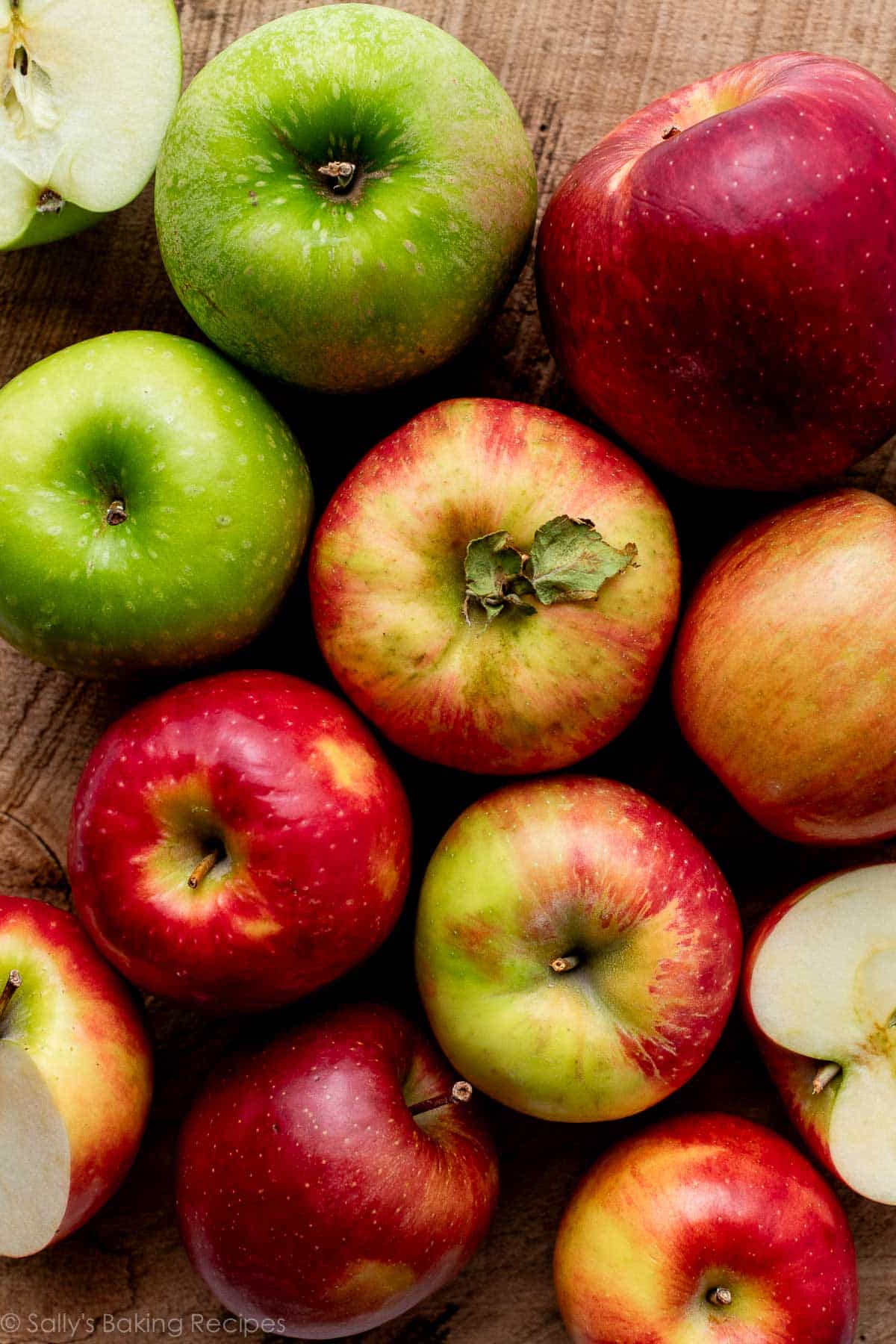
The primary determinant of an apple’s suitability for baking is its texture and how it withstands heat. An ideal baking apple retains its structural integrity, offering distinct pieces of fruit within the finished dish rather than dissolving into an amorphous purée. This characteristic is largely governed by the apple’s cellular structure and pectin content. Pectin, a complex carbohydrate found in plant cell walls, acts as a natural gelling agent. Apples with a higher concentration of heat-stable pectin tend to maintain their shape better during prolonged cooking.
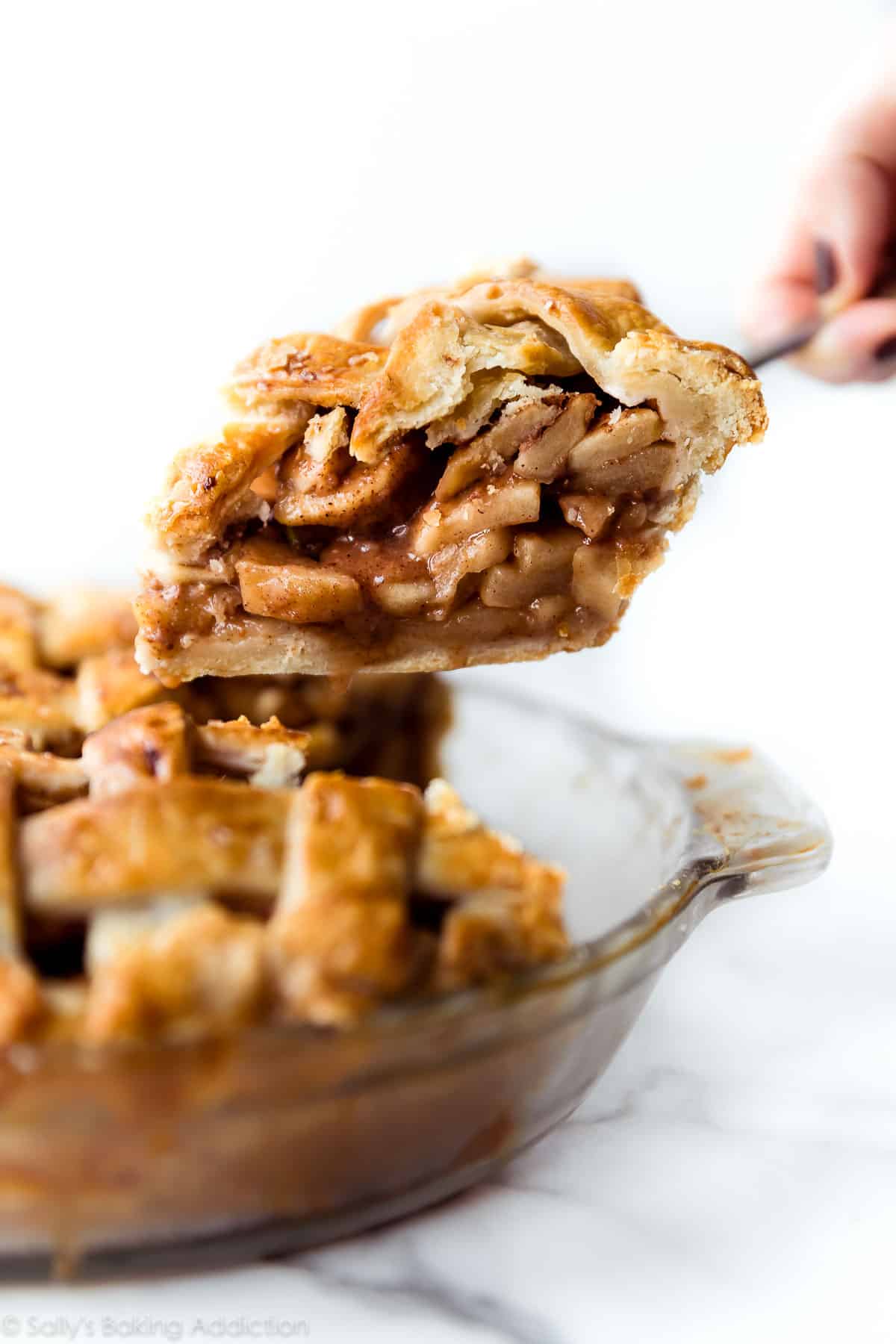
Bakers should prioritize apple varieties known for their crisp, firm flesh. These apples possess robust cell walls that resist breaking down too quickly under the high temperatures of an oven. When sliced or diced, they soften gracefully, becoming tender without becoming mushy. Conversely, apples with softer, mealier, or creamy flesh, such as Red Delicious, Gala, and McIntosh, contain pectin that degrades rapidly with heat. While excellent for fresh eating or making applesauce and apple butter where a smooth consistency is desired, these varieties will liquefy in baked goods, leading to a watery filling and a disappointing texture.
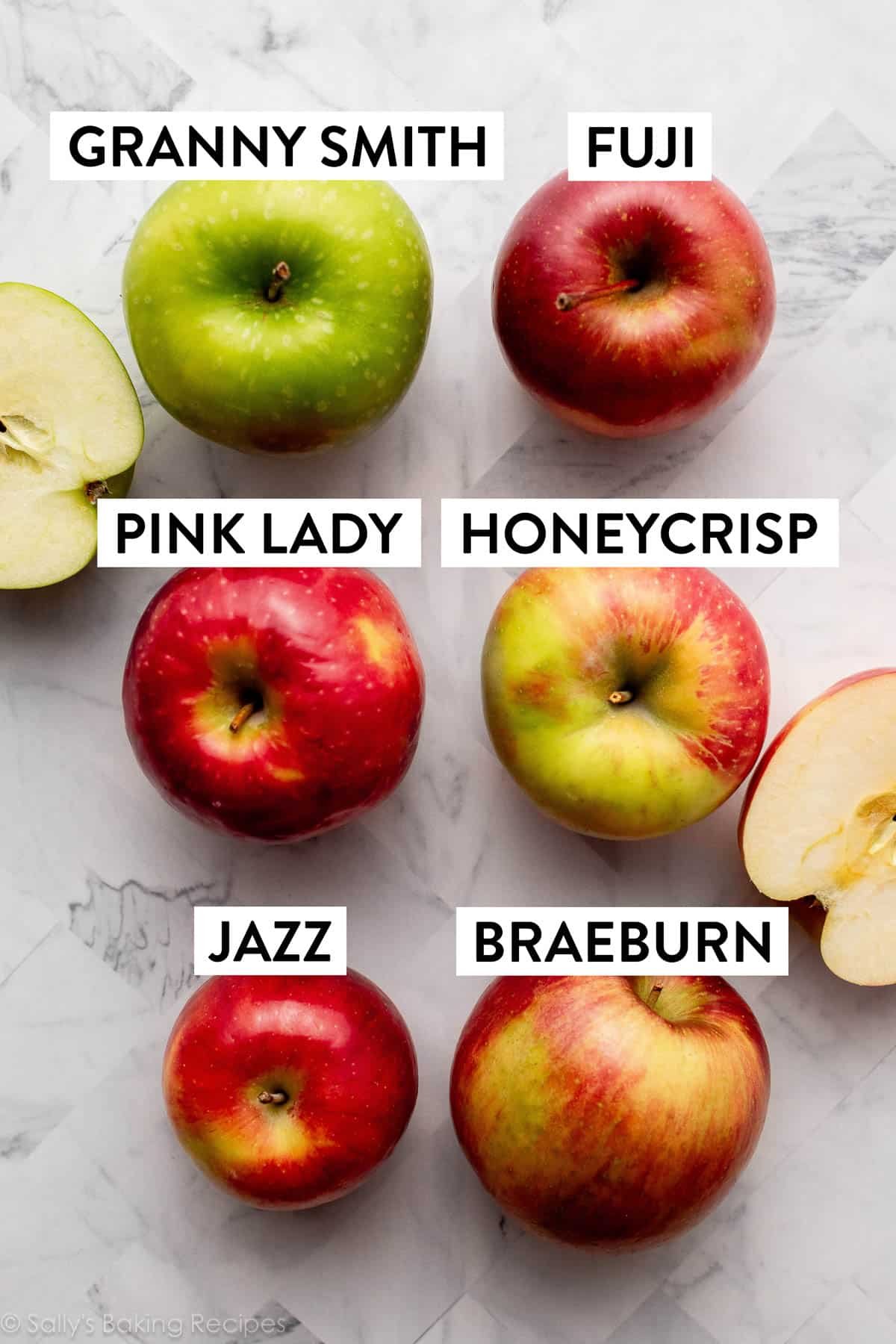
Key apple varieties renowned for their exceptional textural stability in baking include:
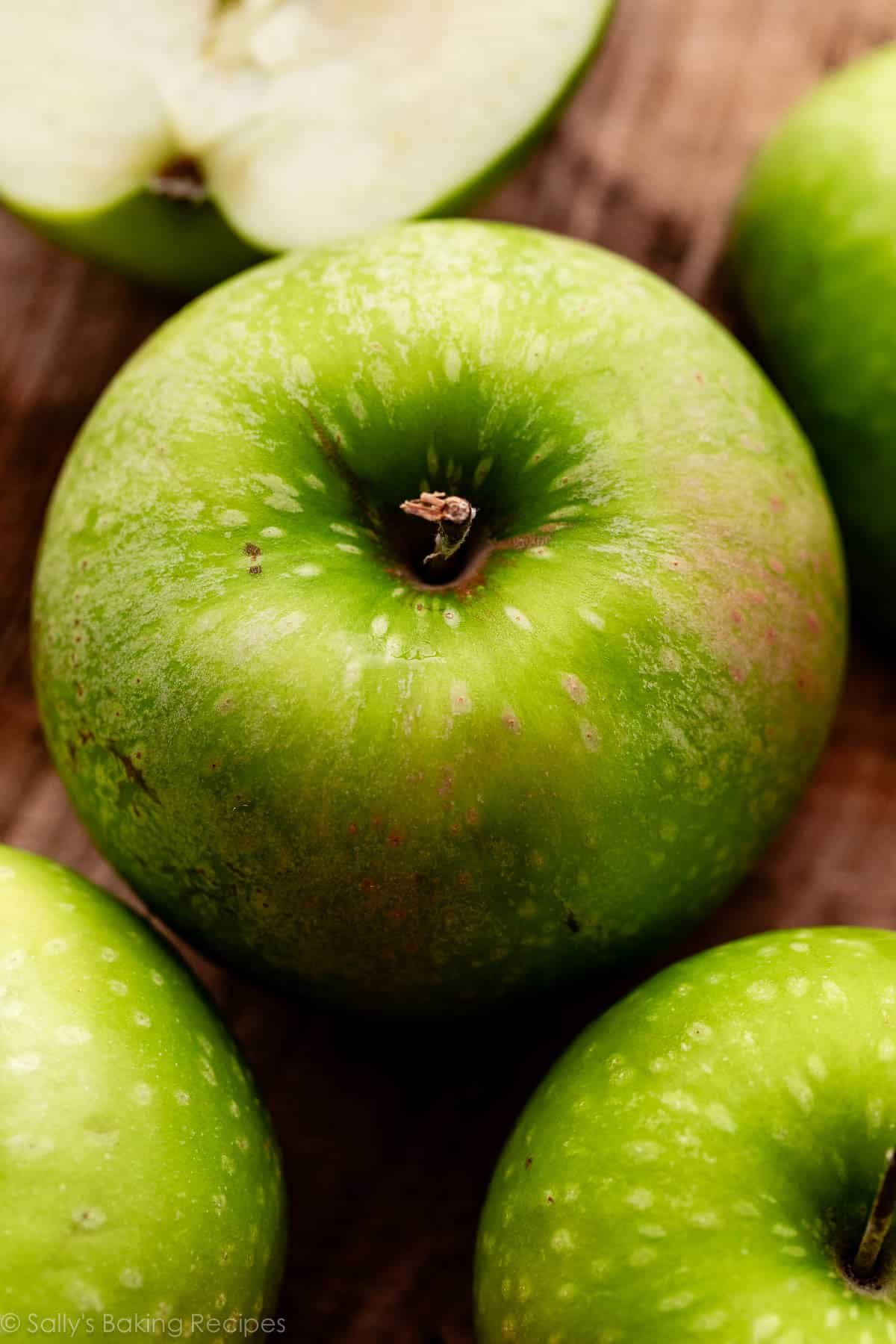
- Granny Smith: A classic choice, celebrated for its robust firmness.
- Honeycrisp: Known for its explosive crunch and ability to hold shape.
- Fuji: Offers a crisp texture that endures baking well.
- Braeburn: Maintains a firm consistency even after cooking.
- Pink Lady (Cripps Pink): Exceptionally firm and resistant to mushing.
- Jazz: A modern hybrid with a notably firm bite.
- Rome Beauty: Often referred to as "the baker’s apple" due to its excellent structural retention.
- Northern Spy: A heritage variety highly prized for its firm texture in pies.
- Golden Delicious: While sweeter, it holds its shape reasonably well.
- Mutsu (Crispin): A large, firm apple that performs well in baking.
These varieties ensure that each bite of an apple pie, crumble, or tart delivers a satisfying textural contrast to the surrounding crust or topping.
Achieving Flavor Harmony: The Art of Tart and Sweet Combinations
Beyond texture, the flavor profile of an apple is equally critical. Baking often involves the addition of sugars, spices, and other ingredients, all of which interact with the apple’s inherent sweetness and acidity. For a truly captivating baked good, culinary experts consistently recommend utilizing a blend of both tart and sweet apples. This strategic combination introduces a desirable depth of flavor, preventing the dish from tasting one-dimensional or overly saccharine. The tartness provides a bright counterpoint to the richness of added sugars and fats, while the sweetness complements warming spices like cinnamon, nutmeg, and cloves.

-
Essential Tart Varieties for Baking: These apples typically have a higher malic acid content, which provides a zesty, sometimes almost citrusy, tang. They are excellent for cutting through the sweetness of a dessert and adding complexity.

- Granny Smith: Unrivaled for its sharp, tangy flavor.
- Braeburn: Possesses a pleasant tartness with underlying spice notes.
- Northern Spy: Offers a good balance of tartness and aromatic qualities.
- Cortland: Mildly tart with a tender, juicy flesh that resists browning.
-
Premium Sweet Varieties for Baking: These apples contribute natural sugars, reducing the need for excessive added sweeteners and enriching the overall fruit flavor.
- Honeycrisp: Delivers a distinctly honey-sweet flavor.
- Fuji: Known for its crisp texture and intense sweetness.
- Pink Lady (Cripps Pink): A balanced sweet-tart profile with a hint of berry.
- Jazz: Sweet with a mild tang, offering a complex taste.
- Golden Delicious: Milder sweetness, often used to complement tarter apples.
- Gala: While softer, its inherent sweetness can be desirable in blends for specific recipes where some breakdown is acceptable.
- Jonagold: A cross between Jonathan and Golden Delicious, offering a sweet-tart balance.
- Cameo: Sweet with a firm, crisp texture and slightly tangy notes.
A common practice among seasoned bakers is to combine apples in a 1:1 ratio—for instance, two tart Granny Smiths with two sweet Honeycrisps for a pie requiring four apples. This ensures a multifaceted flavor experience that excites the palate. If a baker must choose only one variety, Granny Smith often emerges as the top recommendation due to its consistent tartness and unparalleled ability to hold its shape, making it a reliable foundation for most apple-based desserts. Its tartness is particularly beneficial in recipes that are already rich in sugar, preventing the final product from becoming cloyingly sweet.
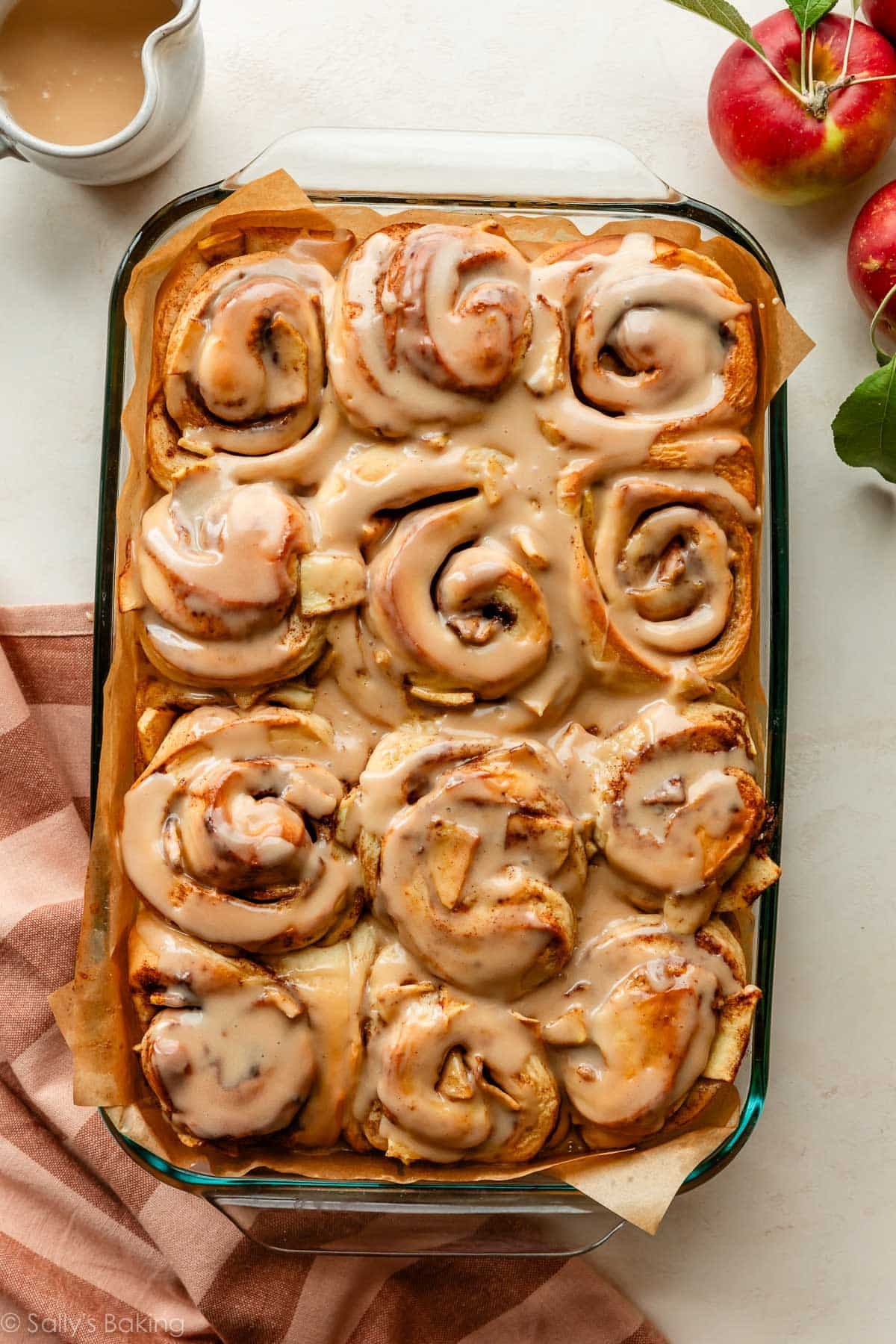
Spotlight on Top Baking Apples: Profiles and Applications

Delving deeper into specific varieties provides a clearer picture of their individual contributions to baked goods.
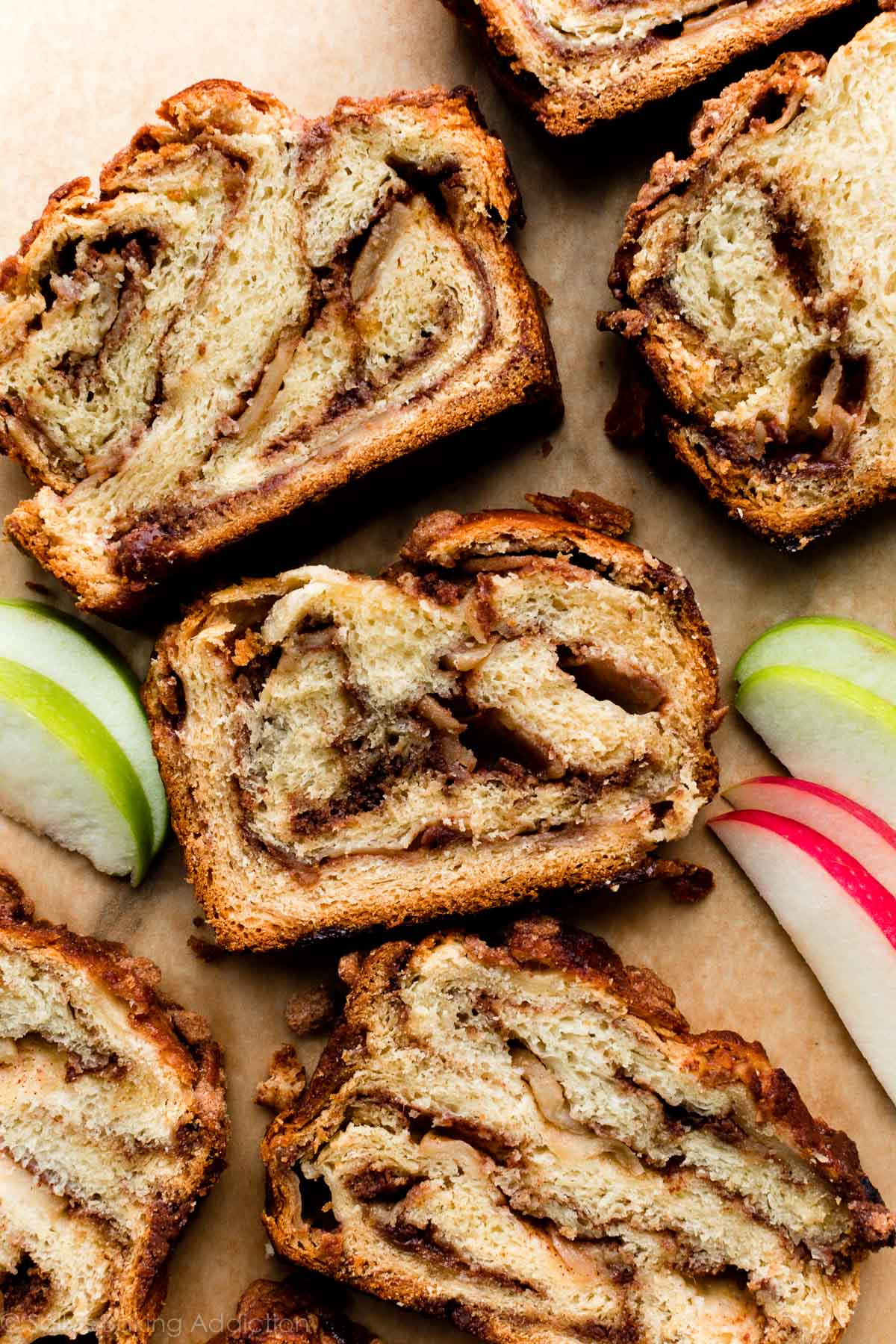
-
Granny Smith: The Quintessential Tart Apple
Originating in Australia, the Granny Smith apple is arguably the most recognizable green apple, celebrated for its bright, almost fluorescent green skin and distinctively tart, citrusy flavor. Its firm flesh is remarkably resistant to breaking down during cooking, ensuring perfectly structured apple slices in pies and tarts. This tartness makes it an ideal counterbalance to the copious amounts of sugar often present in dessert recipes, creating a beautifully balanced flavor profile. Beyond pies, Granny Smiths are excellent for caramel apples, baked apples, and even savory dishes.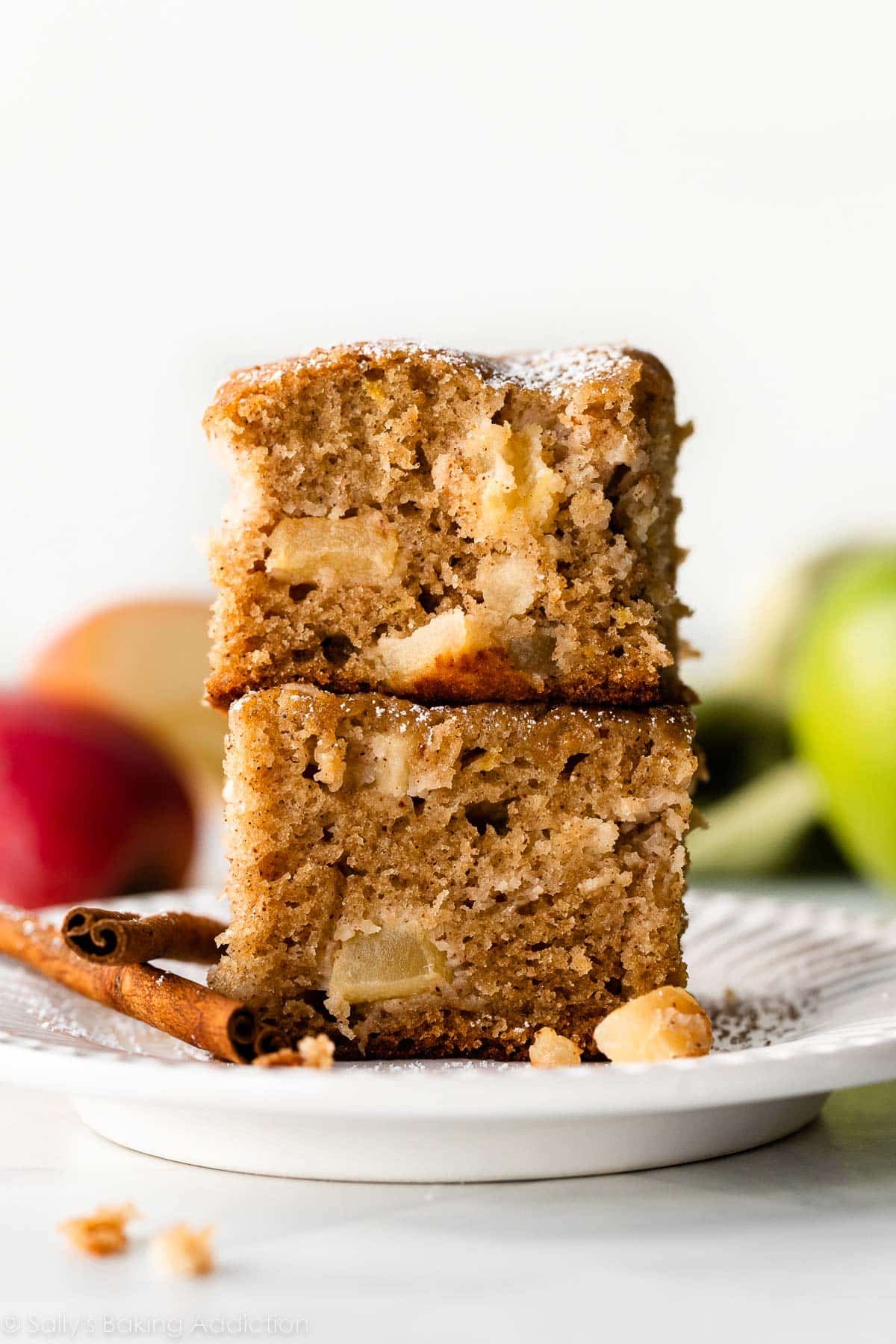
-
Honeycrisp: Sweetness with a Satisfying Snap
Developed at the University of Minnesota, the Honeycrisp apple has rapidly gained popularity for its exceptionally crisp texture and sweet, juicy flesh, often described as having notes of honey. While premium-priced due to its growing requirements, its ability to maintain a satisfying crunch even after baking is highly valued. It imparts a delightful natural sweetness and retains its vibrant flavor, making it a star in apple crisps, muffins, and even refreshing beverages like sangria.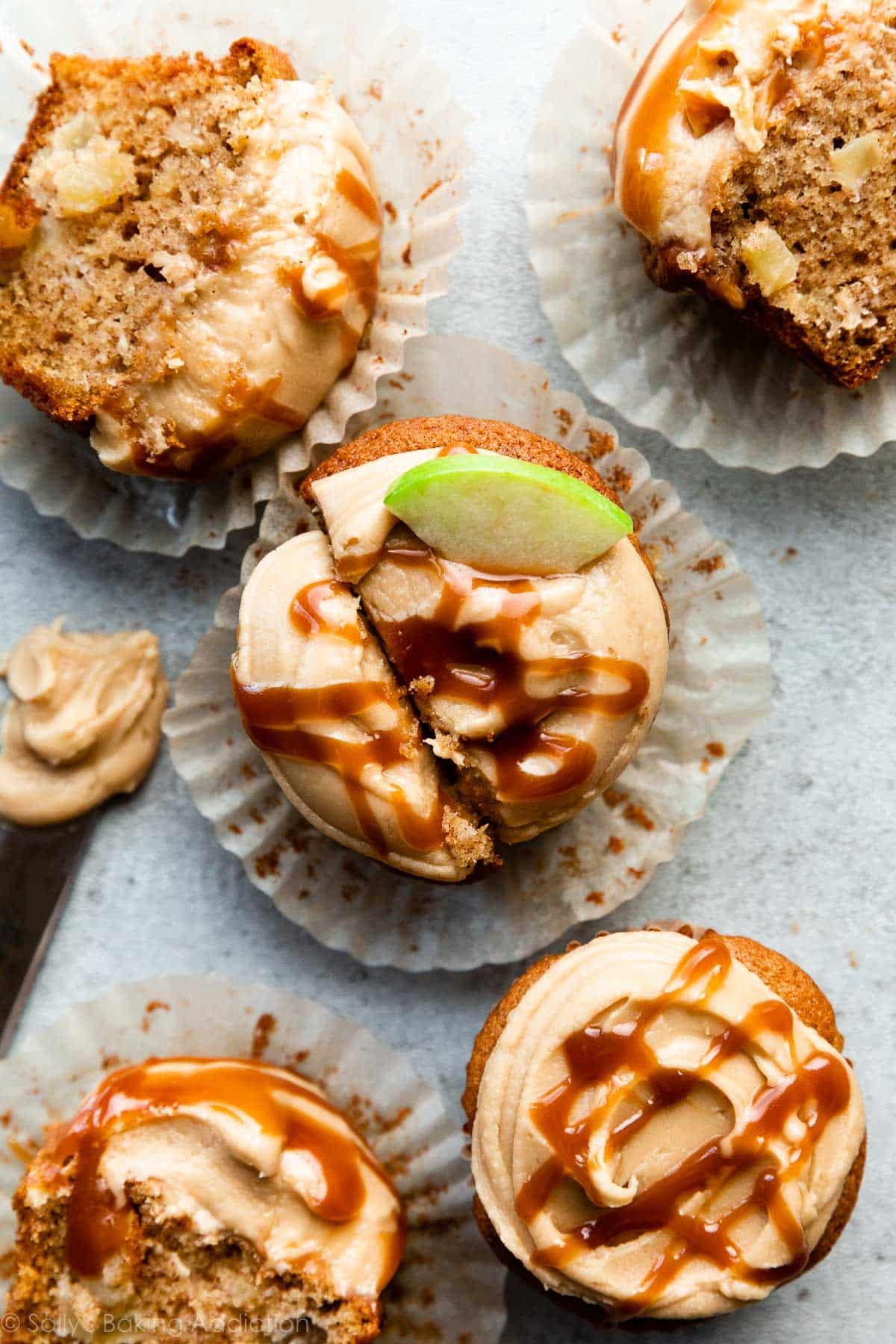
-
Pink Lady (Cripps Pink): Balanced Sweet-Tartness and Firmness
Hailing from Australia, the Pink Lady apple, also known as Cripps Pink, is a visually appealing apple with a distinctive pink blush over a yellow-green background. Its flavor is a harmonious blend of sweet and tart, accompanied by a remarkably crisp and firm texture. These attributes make it an outstanding choice for baking, particularly in recipes where maintaining distinct apple pieces is crucial, such as baked apples or elegant tarts. Its natural acidity also helps prevent browning once cut.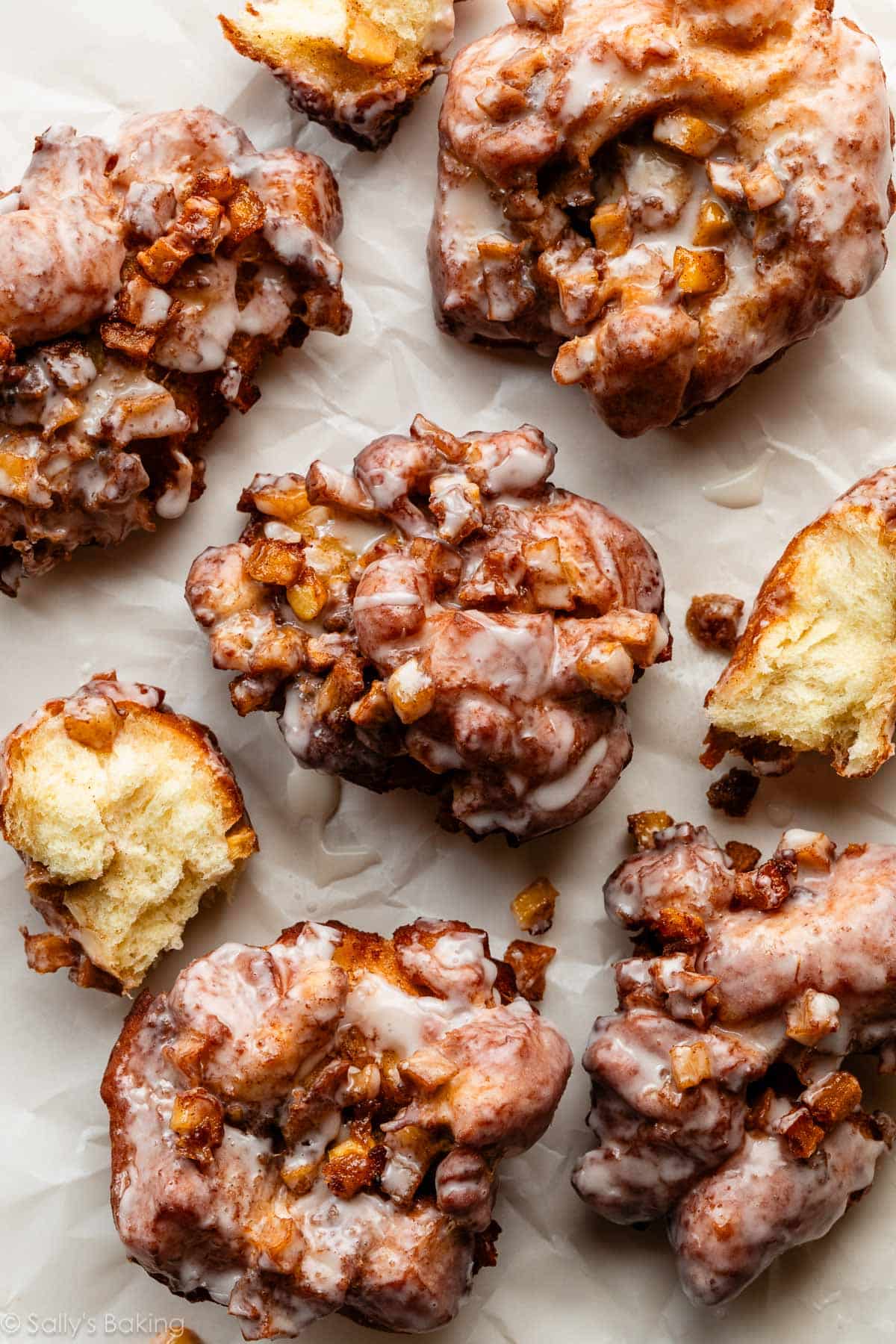
-
Jazz: A Modern Sweet-Tangy Favorite
A relatively newer variety from New Zealand, Jazz apples are a cross between Gala and Braeburn. They offer a wonderfully crisp and firm texture, combined with a flavor profile that balances sweetness with a pleasant, mild tang. This makes them highly versatile for baking, often used in conjunction with tarter apples like Granny Smiths to create a complex and inviting filling for pies and crumbles.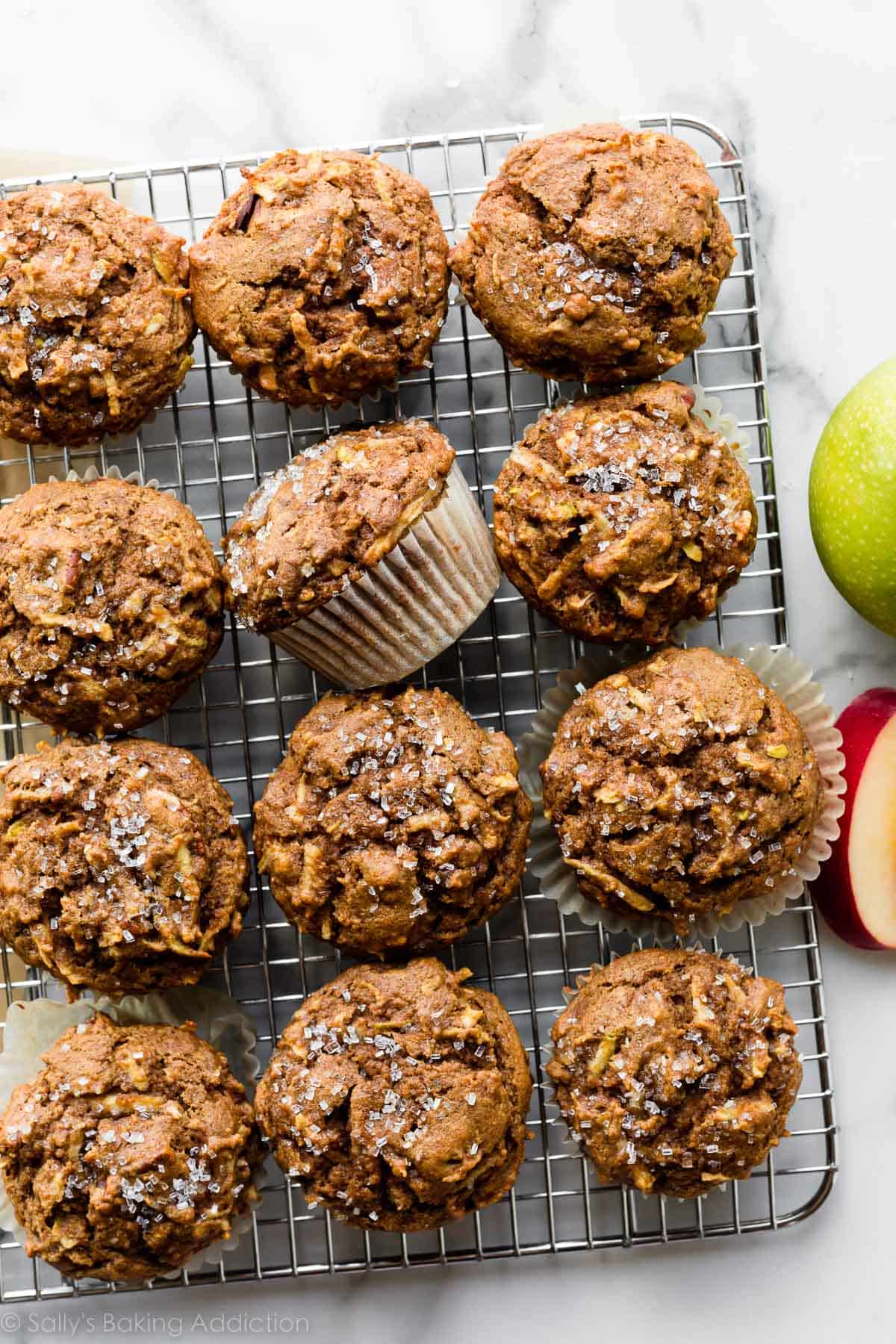
-
Braeburn: Robust Flavor and Structure
Another New Zealand native, Braeburn apples are known for their firm, juicy flesh and a classic, sharp apple flavor that leans slightly tart but offers a hint of sweetness. They hold their shape exceptionally well when cooked, making them a reliable choice for any baked application where texture is key. Their balanced flavor also allows them to shine without being overwhelmed by other ingredients.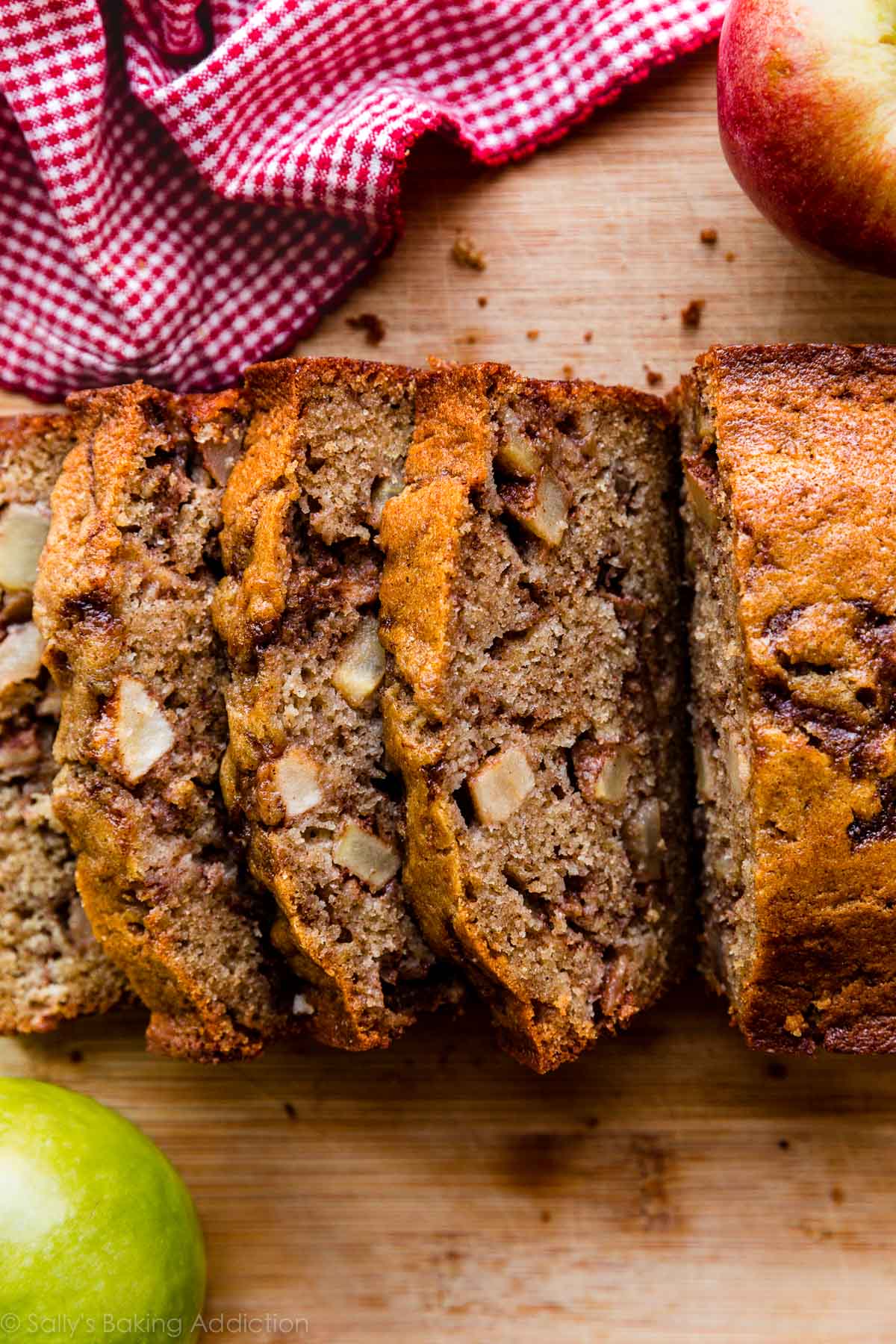
-
Other Notable Contenders:
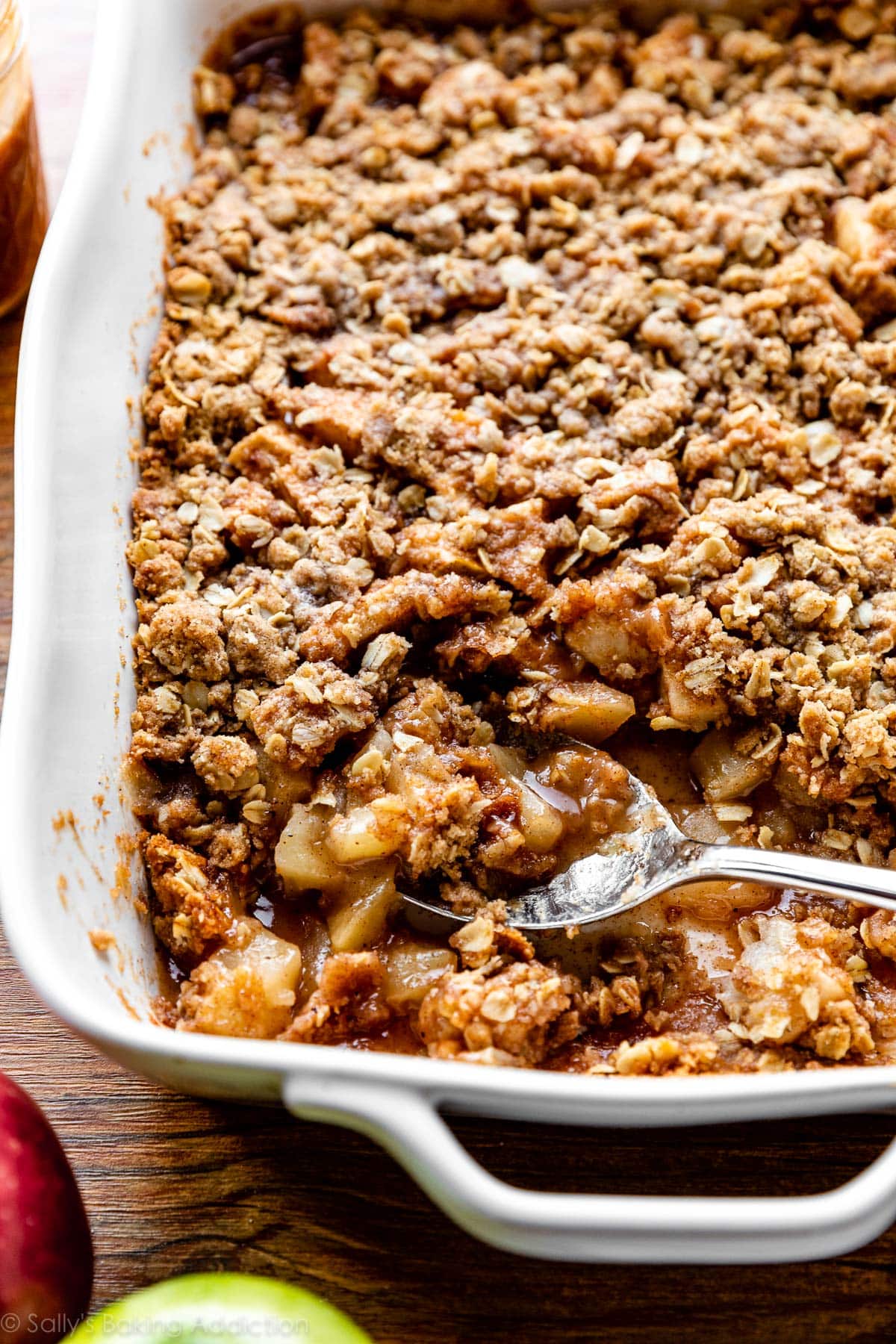
- Fuji: A Japanese hybrid known for its intense sweetness and crisp texture, making it a good sweet component in baking blends.
- Rome Beauty: Often referred to as a "baking apple," this variety has a mildly sweet flavor and an unparalleled ability to hold its shape, often used whole for baked apples.
- Golden Delicious: While not as firm as some, its mild sweetness and softer texture can contribute moisture and a gentle apple flavor, particularly when mixed with tarter, firmer varieties.
- Jonagold: A large, attractive apple that offers a good sweet-tart balance and holds up well in baking.
Optimal Apple Preparation: Techniques for Consistent Results
Proper preparation of apples is as crucial as their selection. The method of peeling, coring, and cutting can significantly influence the final texture and appearance of a baked dish.
-
Peeling: Most baking recipes for pies, cobblers, and cakes recommend peeling apples to ensure a smooth, uniform texture in the cooked filling, as apple peels can become tough or chewy. Specialized apple peelers, such as crank-operated spiral peelers or simple swivel peelers, can expedite this process. For recipes like muffins or quick breads where a rustic charm and added fiber are desired, leaving the peel on is sometimes acceptable, especially with thin-skinned varieties.

-
Coring: An apple corer efficiently removes the central seed-containing core, which is essential for uniform cooking and ease of eating.

-
Slicing vs. Chopping: The cut of the apple pieces directly impacts their cooking time and how they integrate into the dish.
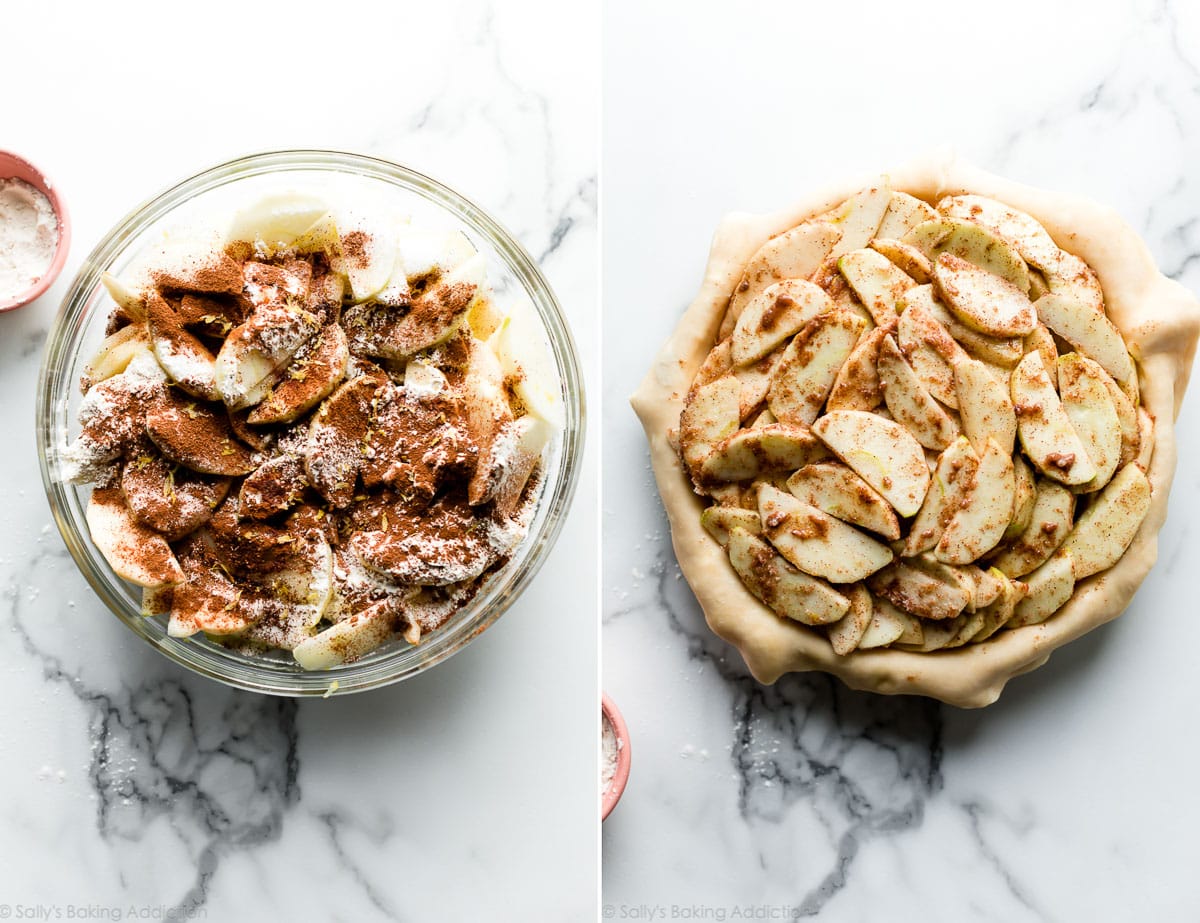
- Slices: For traditional apple pies, tarts, and cobblers, uniform slices, typically about 1/4 inch thick, are preferred. This ensures even cooking and allows the apple pieces to stack neatly, creating a visually appealing and structurally sound filling. Achieving uniform slices is critical; inconsistent sizes will result in some pieces being mushy while others remain too firm.
- Chunks/Diced: For crisps, crumbles, muffins, and quick breads, apple chunks or a coarse dice are often more suitable. These smaller pieces integrate better into batters and crumble toppings and are easier to manage with a spoon.
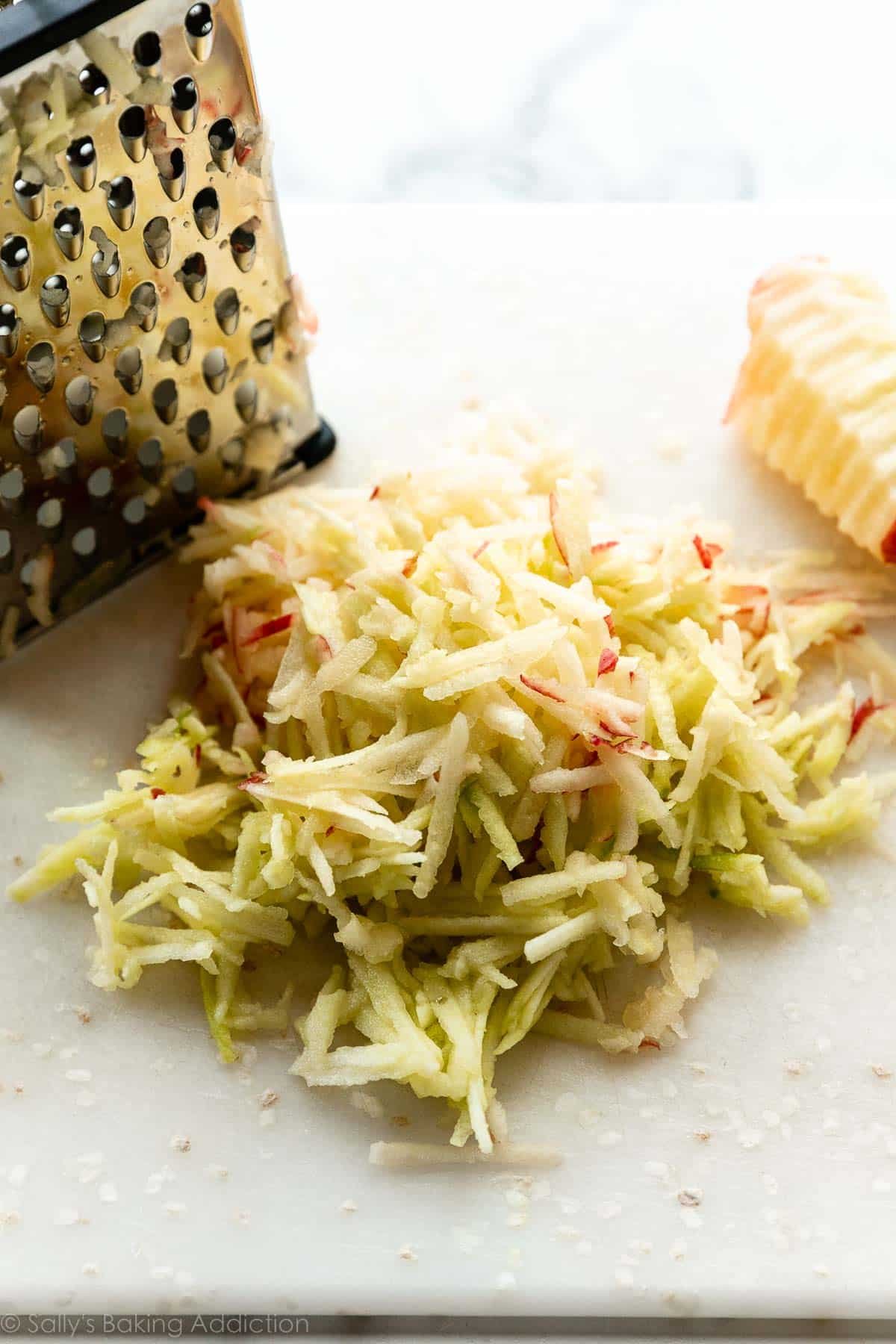
- Shredded: Certain recipes, like morning glory muffins or some apple breads, call for shredded apples. A box grater is the ideal tool for this, yielding fine strands that melt into the batter, imparting moisture and flavor without distinct pieces.
-
Preventing Oxidation: Once cut, apples quickly begin to brown due to enzymatic oxidation. While this doesn’t affect flavor, it can be unappealing. To mitigate this, immerse cut apples in a bowl of cold water mixed with a tablespoon of lemon juice or a pinch of salt. This acidic or saline solution temporarily inhibits the enzymatic reaction, keeping the apples fresh-looking until ready for use.

Beyond the Pie: Matching Apples to Diverse Recipes
The specific characteristics of apples make them uniquely suited to different types of baked goods.
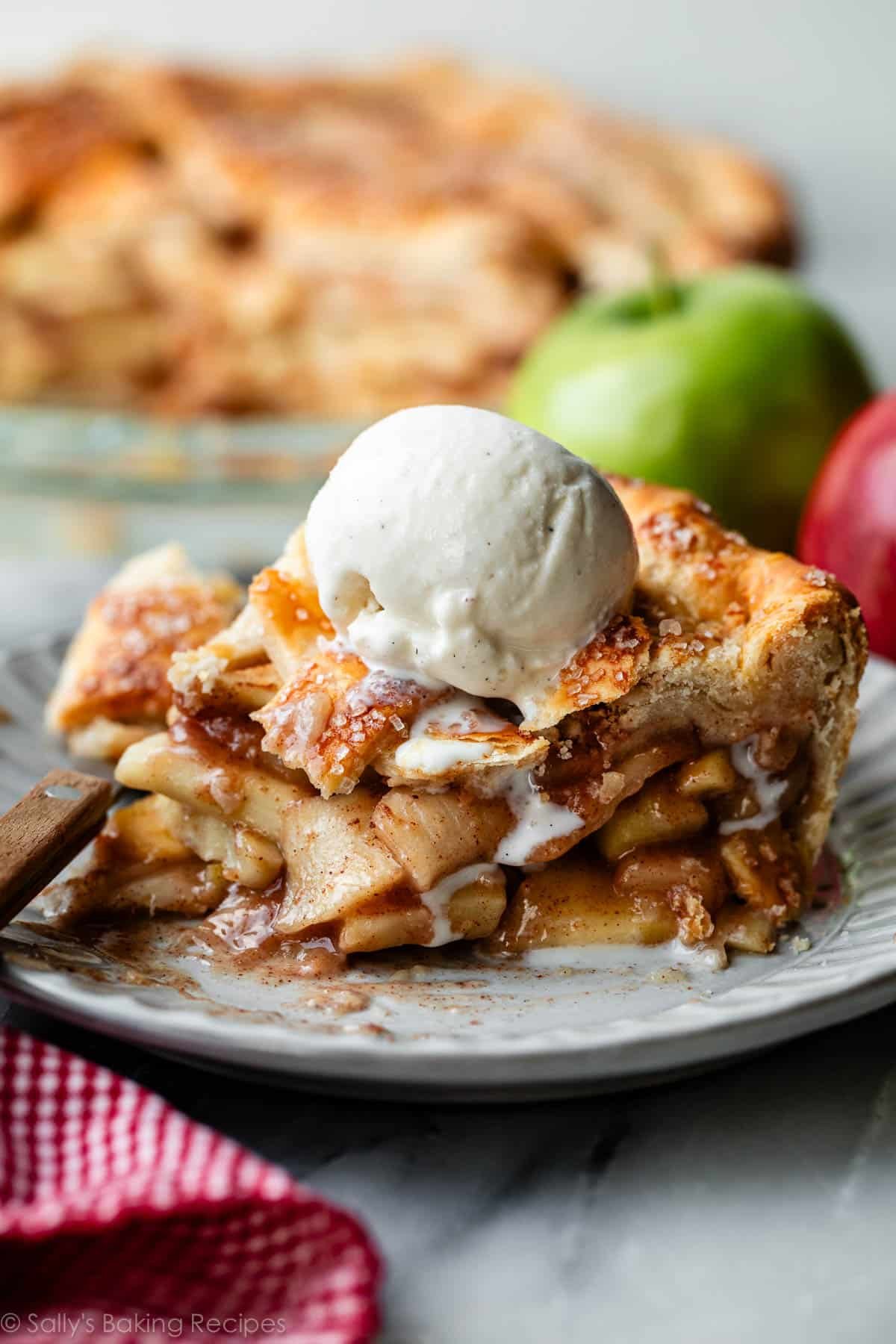
- Pies and Cobblers: These dishes demand apples that can withstand extended baking times without losing their structure. Varieties like Granny Smith, Rome Beauty, Honeycrisp, and Pink Lady are ideal. Their firmness ensures a substantial, appealing filling. Combining tart and sweet varieties is especially crucial here to create a complex flavor that stands up to rich pastry and spice.
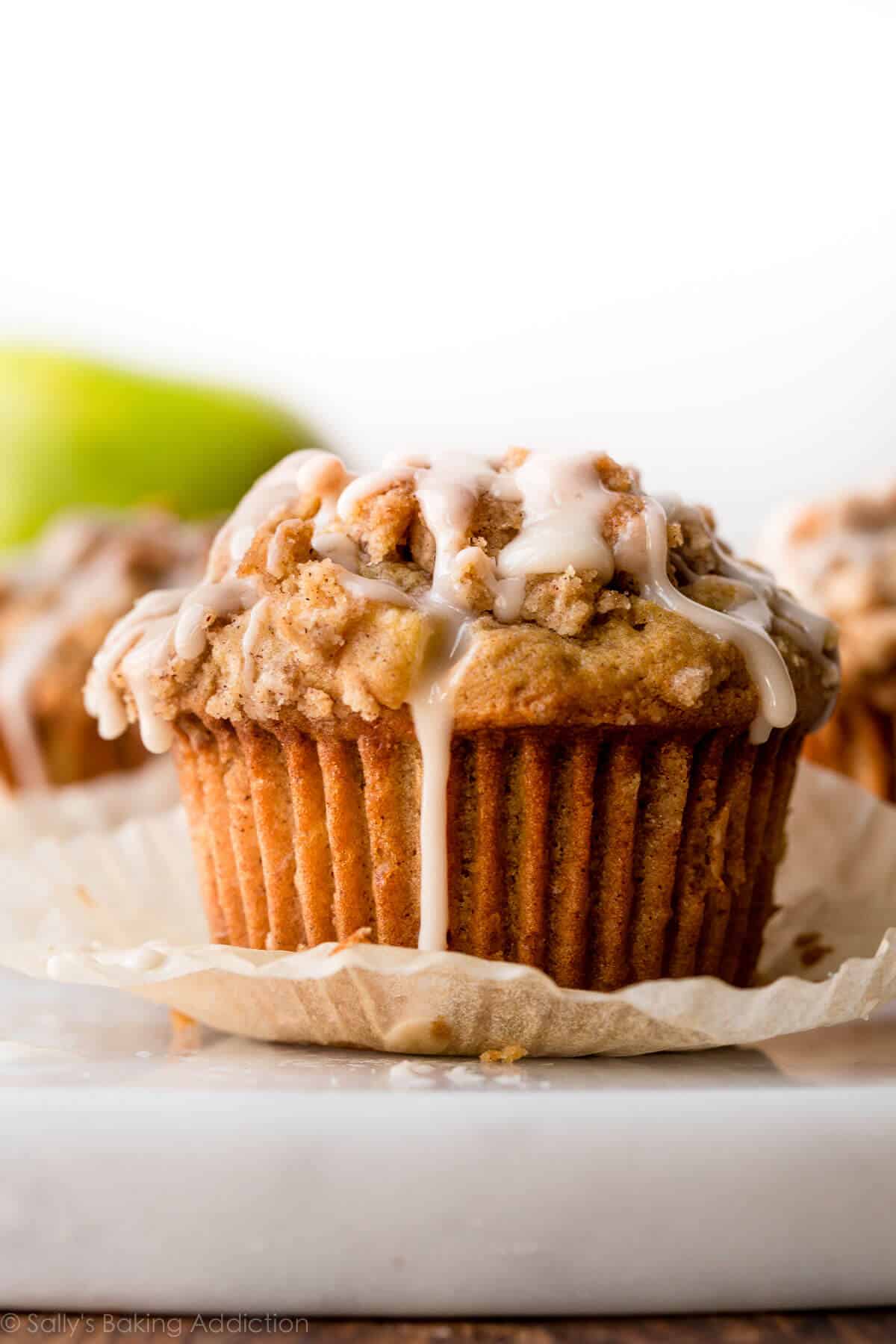
- Muffins and Breads: For items like apple cinnamon muffins or quick breads, a slightly softer apple that breaks down more readily can be beneficial, contributing moisture and dispersed apple flavor throughout the crumb. While firm apples still work, a variety like Golden Delicious in a blend can add a softer texture element. Shredded apples are also excellent here for even distribution and moisture.
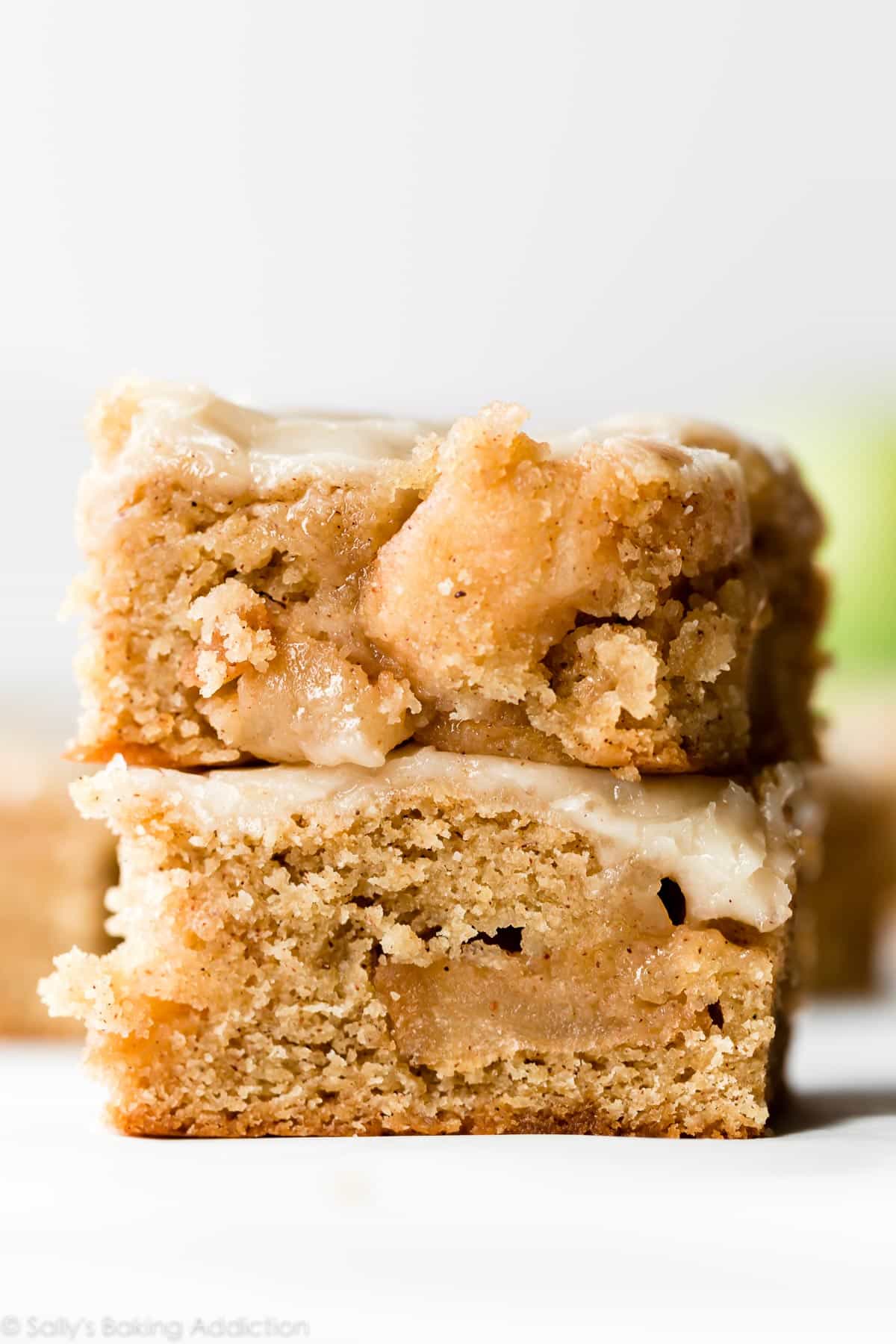
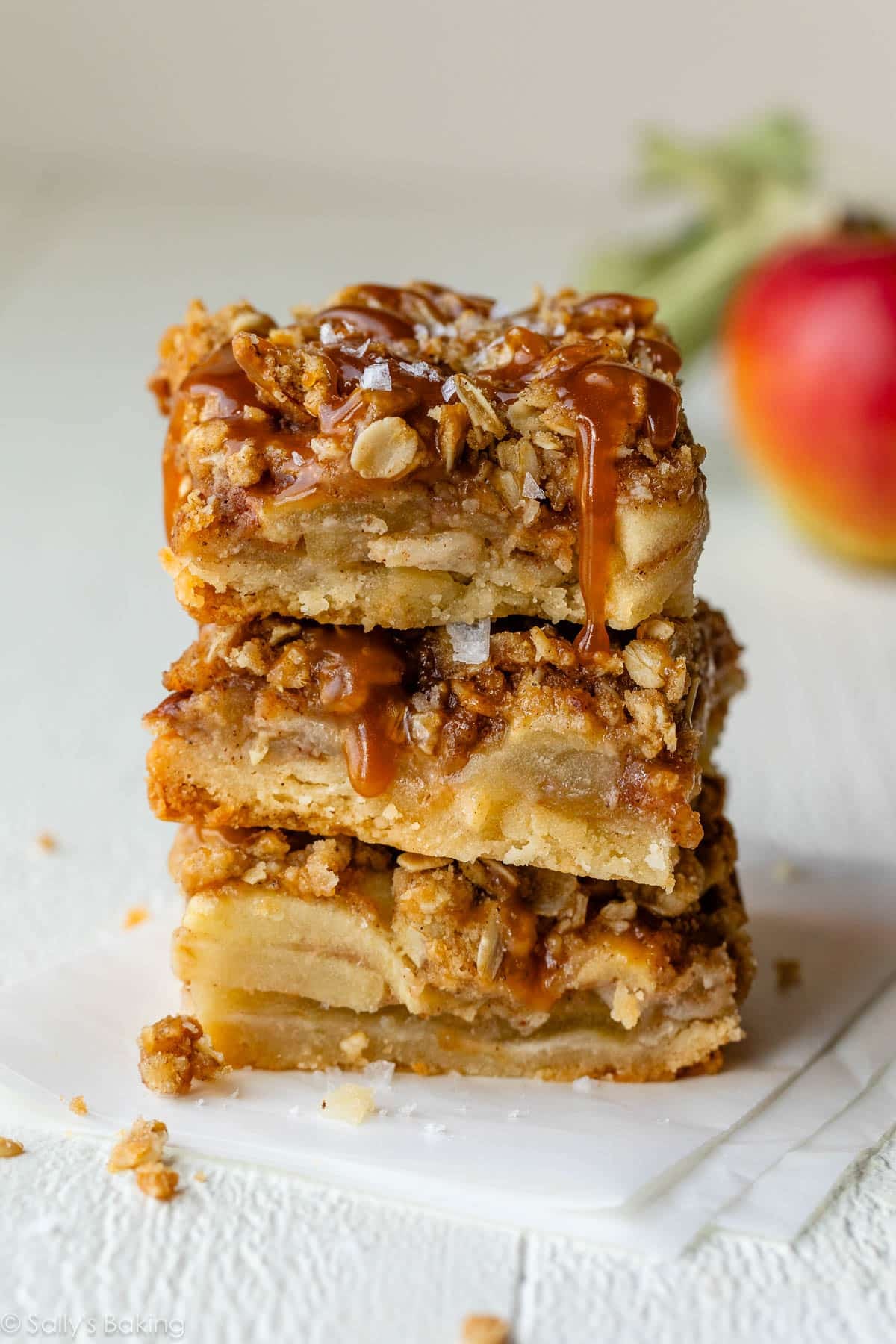
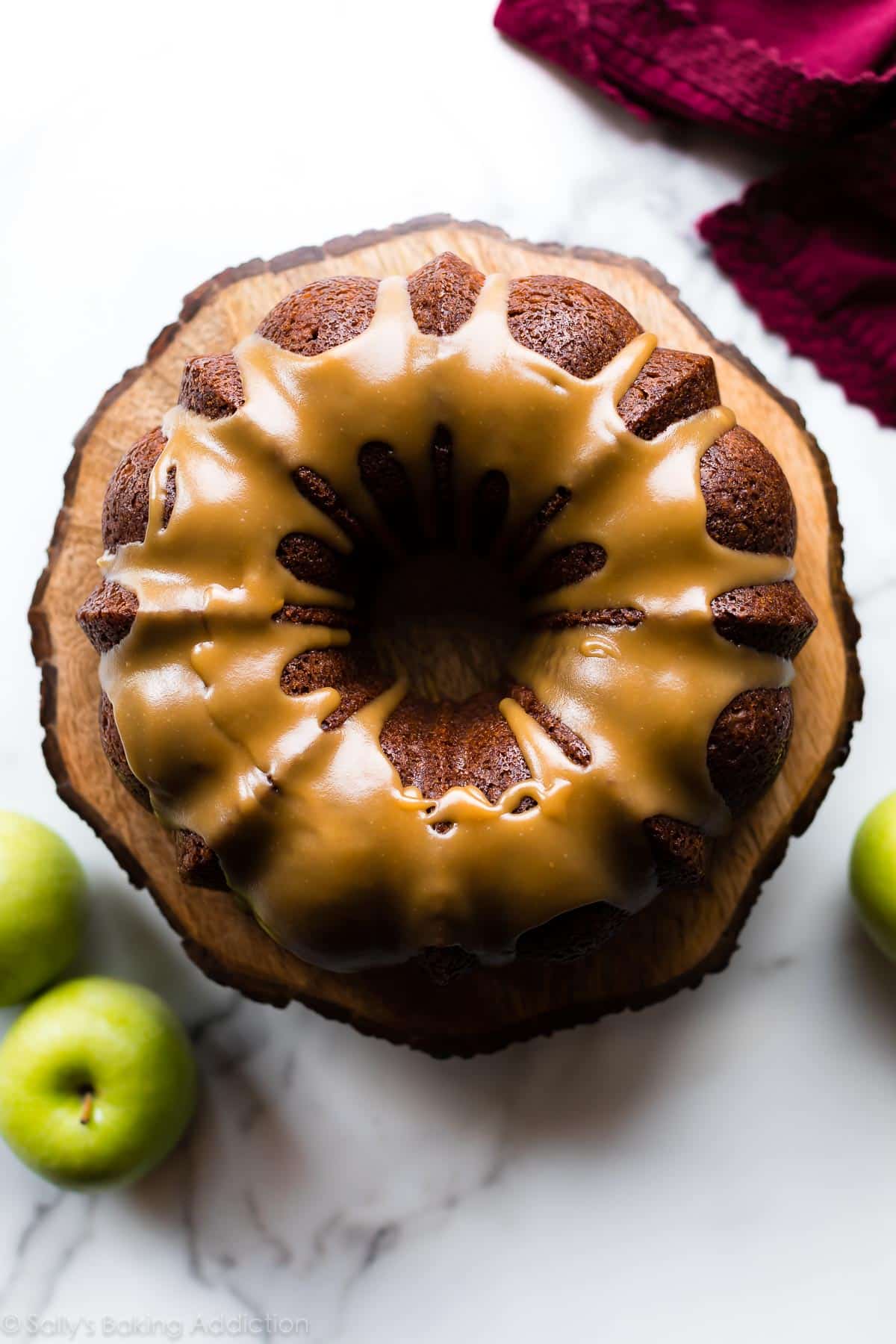
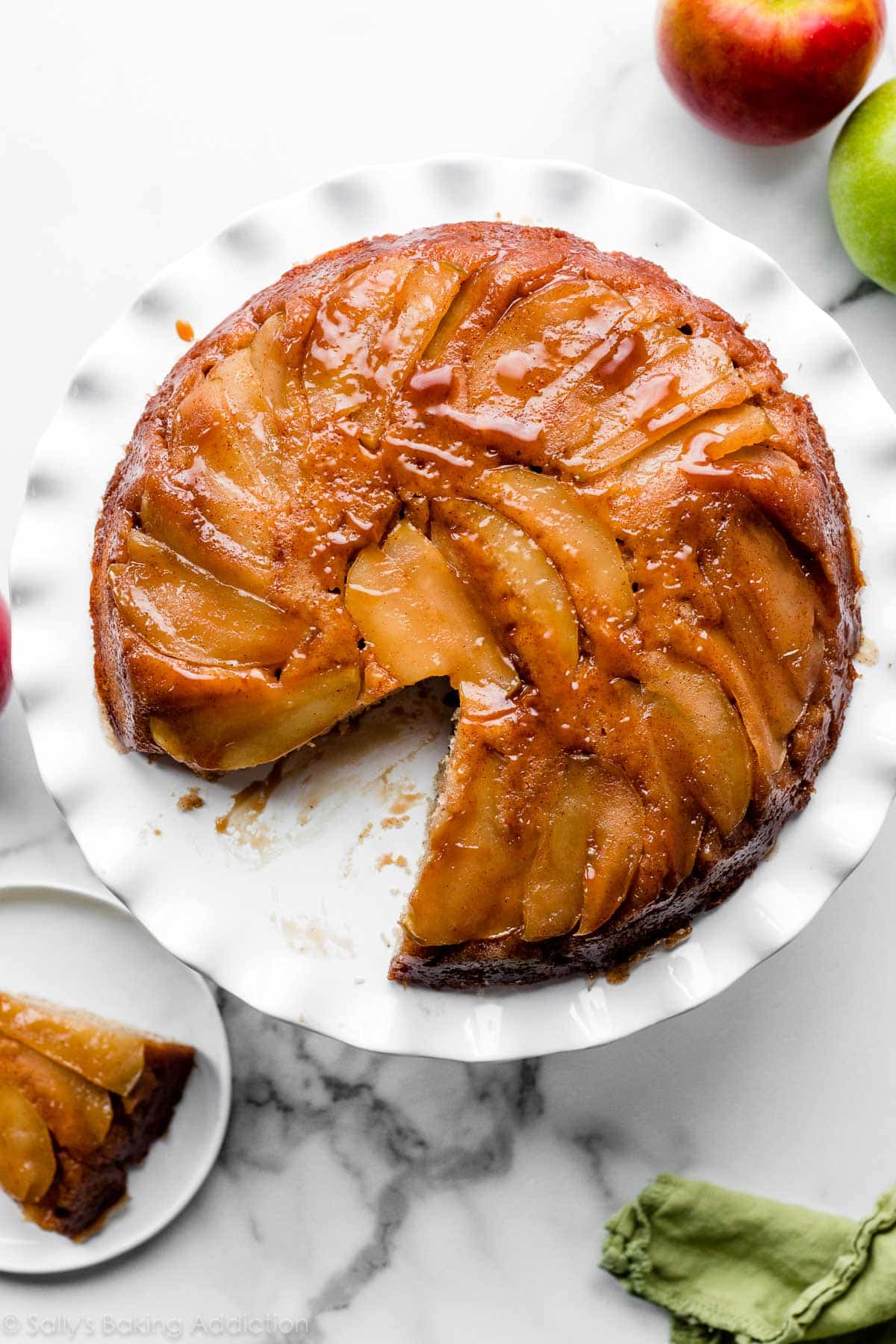
- Cakes and Crumbles: Apple cakes and crumbles benefit from apples that offer both textural integrity and a good flavor balance. Slices or chunks of Honeycrisp, Fuji, or Braeburn work well, providing tender yet discernible apple pieces. The combination of tart and sweet apples prevents the dessert from becoming overly sweet, especially with the addition of streusel or glaze.
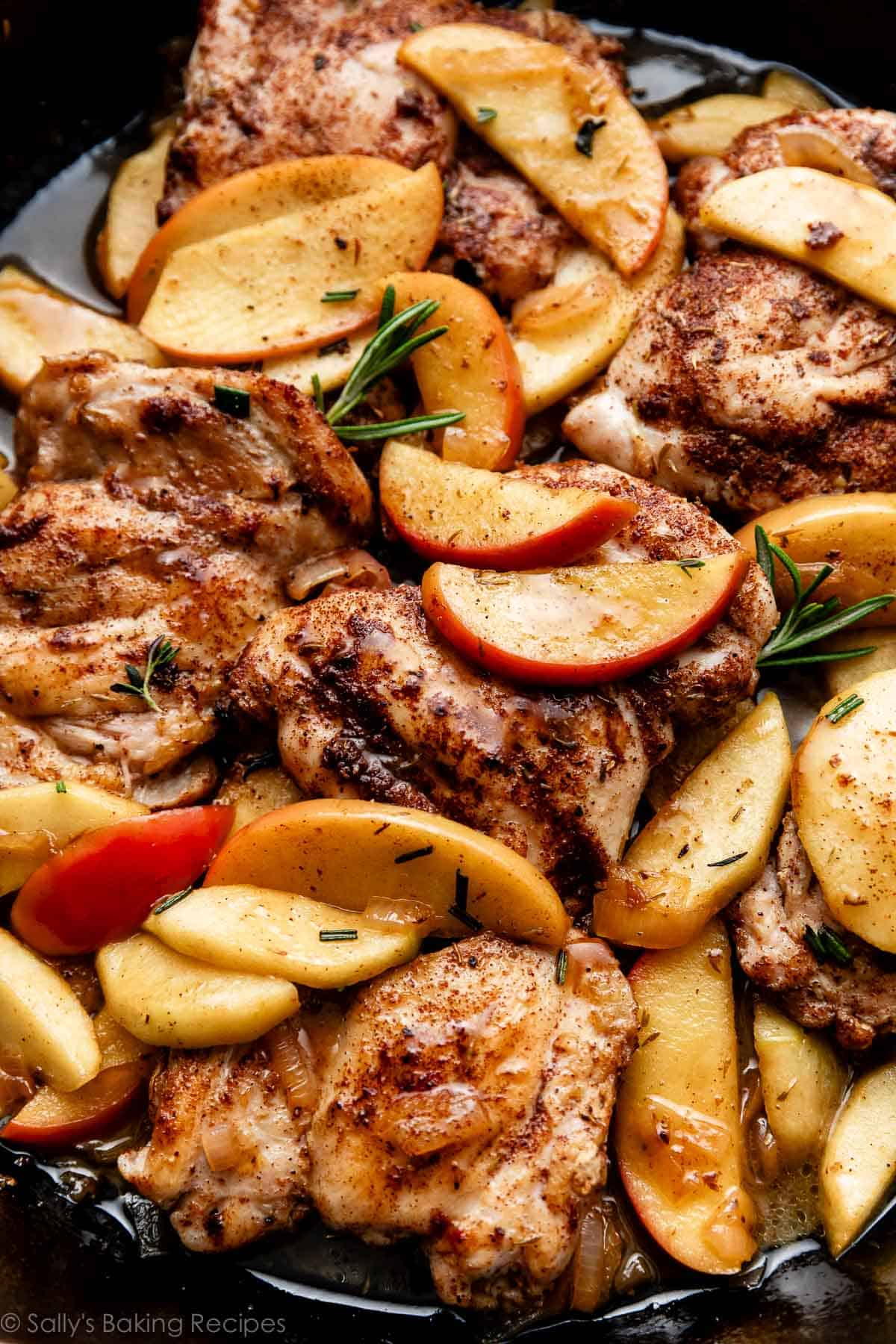
- Savory Applications: Apples also shine in savory contexts, such as sausage and herb stuffing or skillet apple cider chicken. Here, a firm apple like Granny Smith or Braeburn is preferred, as its tartness can cut through the richness of meats and its texture adds a pleasant counterpoint to softer ingredients.
Conclusion: Elevating Apple Baking Through Informed Choices
The world of apples offers a rich tapestry of flavors and textures, each with its unique culinary potential. For bakers, understanding these distinctions is not merely a matter of preference but a strategic decision that elevates a dish from good to exceptional. By thoughtfully considering an apple’s ability to hold its shape, its inherent sweetness, and its acidity, bakers can confidently select the perfect varieties or, even better, a harmonious blend. This informed approach ensures that every apple-infused creation, whether a classic pie or a contemporary crumble, is a testament to the fruit’s enduring appeal and the baker’s discerning skill. The right apple choice is the first, and perhaps most crucial, ingredient in the recipe for baking success.
