

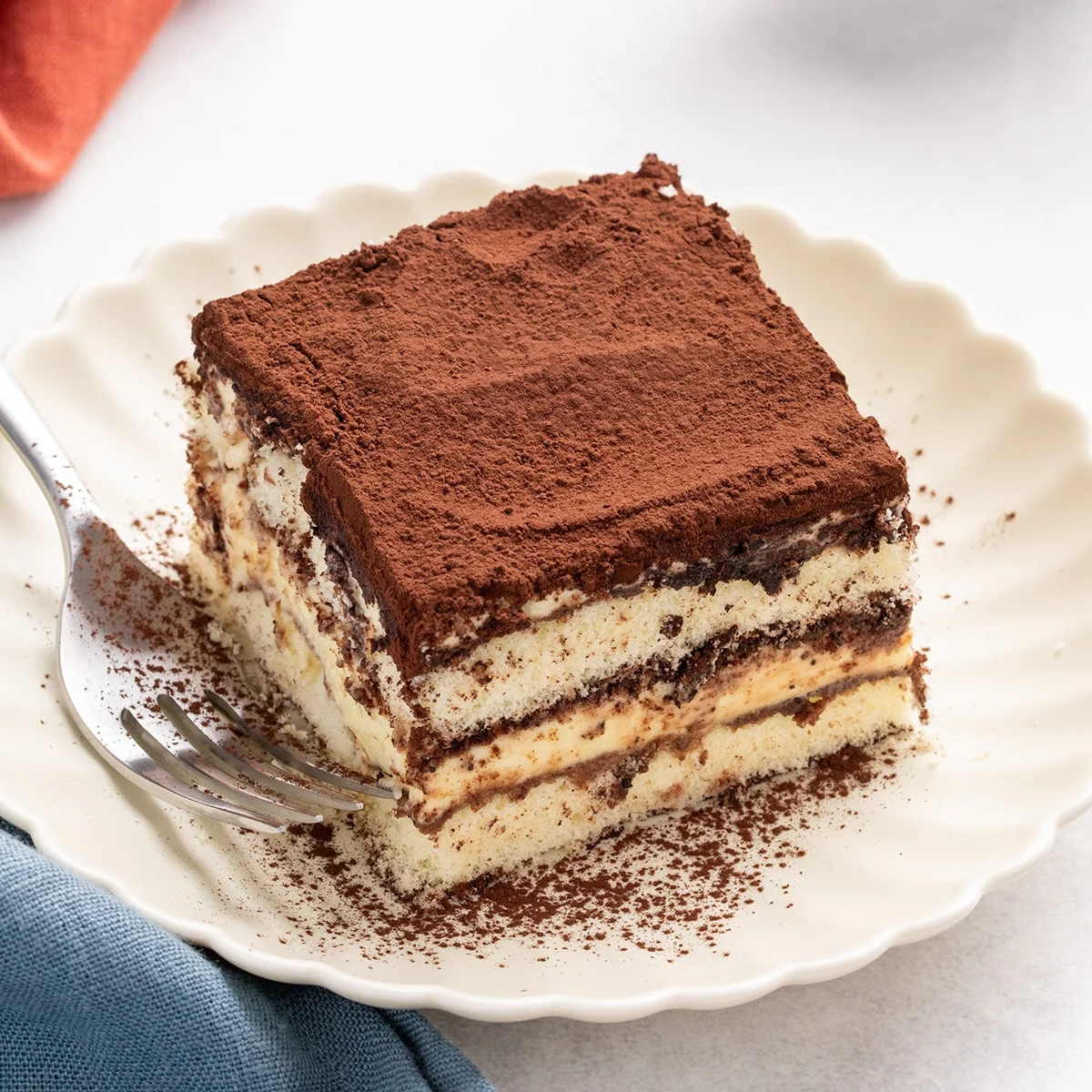
The classic Italian dessert, tiramisu, a symphony of coffee-soaked ladyfingers and creamy mascarpone, has long been a beloved indulgence. However, for individuals navigating gluten sensitivities or celiac disease, this decadent treat has often been an unattainable pleasure. Now, a culinary innovation promises to bridge this gap, offering a gluten-free rendition that meticulously recreates the authentic flavors and textures of the original. This reimagined tiramisu, developed with precision and an understanding of gluten-free baking challenges, delivers the rich mascarpone filling, robust coffee notes, and delicate layered structure that define this iconic dessert, all while utilizing specially crafted gluten-free ladyfingers.
This particular gluten-free tiramisu stands out for its ability to achieve a rich yet surprisingly light profile. It is a no-bake marvel, with the majority of the effort concentrated in the artful layering of its components. Once assembled, the refrigerator takes center stage, allowing the flavors to meld and the dessert to set into a perfectly sliceable, elegant presentation. The ingenuity of this recipe lies in its thoughtful approach to overcoming the inherent fragility of gluten-free ladyfingers, a common stumbling block in creating successful gluten-free versions of delicate baked goods.
The Science Behind the Success: Why This Gluten-Free Tiramisu Excels
The success of this gluten-free tiramisu can be attributed to several key culinary techniques that address the unique properties of gluten-free ingredients. The filling achieves its luxurious richness without being heavy, a testament to the careful preparation of the egg yolk base. By cooking the egg yolks with sugar over indirect heat, the recipe ensures structural integrity for the mascarpone mixture. This process, often referred to as creating a sabayon or a zabaglione base, not only cooks the yolks to a safe temperature, mitigating any concerns about raw egg consumption, but also thickens them, contributing to a filling that sets firmly and allows for clean slicing.
The adaptation for gluten-free ladyfingers is particularly noteworthy. Conventional ladyfingers possess a sturdier structure that can withstand brief dips into liquid. Gluten-free counterparts, however, are notoriously more delicate and prone to disintegration. Recognizing this, the recipe employs a more nuanced method of infusing them with the essential coffee flavor. Instead of a direct dip, the ladyfingers are gently brushed with a coffee and rum mixture. This controlled application delivers the desired flavor penetration without compromising their structural integrity before they are layered. This meticulous attention to detail ensures that each bite offers the authentic taste experience without the textural pitfalls often associated with gluten-free adaptations.
The extended chilling period is another critical element that elevates this gluten-free tiramisu from merely a substitute to a genuine culinary triumph. During this crucial resting phase, the ladyfingers soften and absorb the rich coffee essence, allowing the flavors to permeate the entire dessert. Simultaneously, the mascarpone filling firms up, transforming into a silken texture that perfectly complements the softened cookie layers. This prolonged maturation process is what ultimately unifies the components, creating a cohesive dessert that is both visually appealing and exquisitely flavorful, truly honoring the spirit of the classic Italian original.

A Symphony of Ingredients: Crafting the Gluten-Free Tiramisu
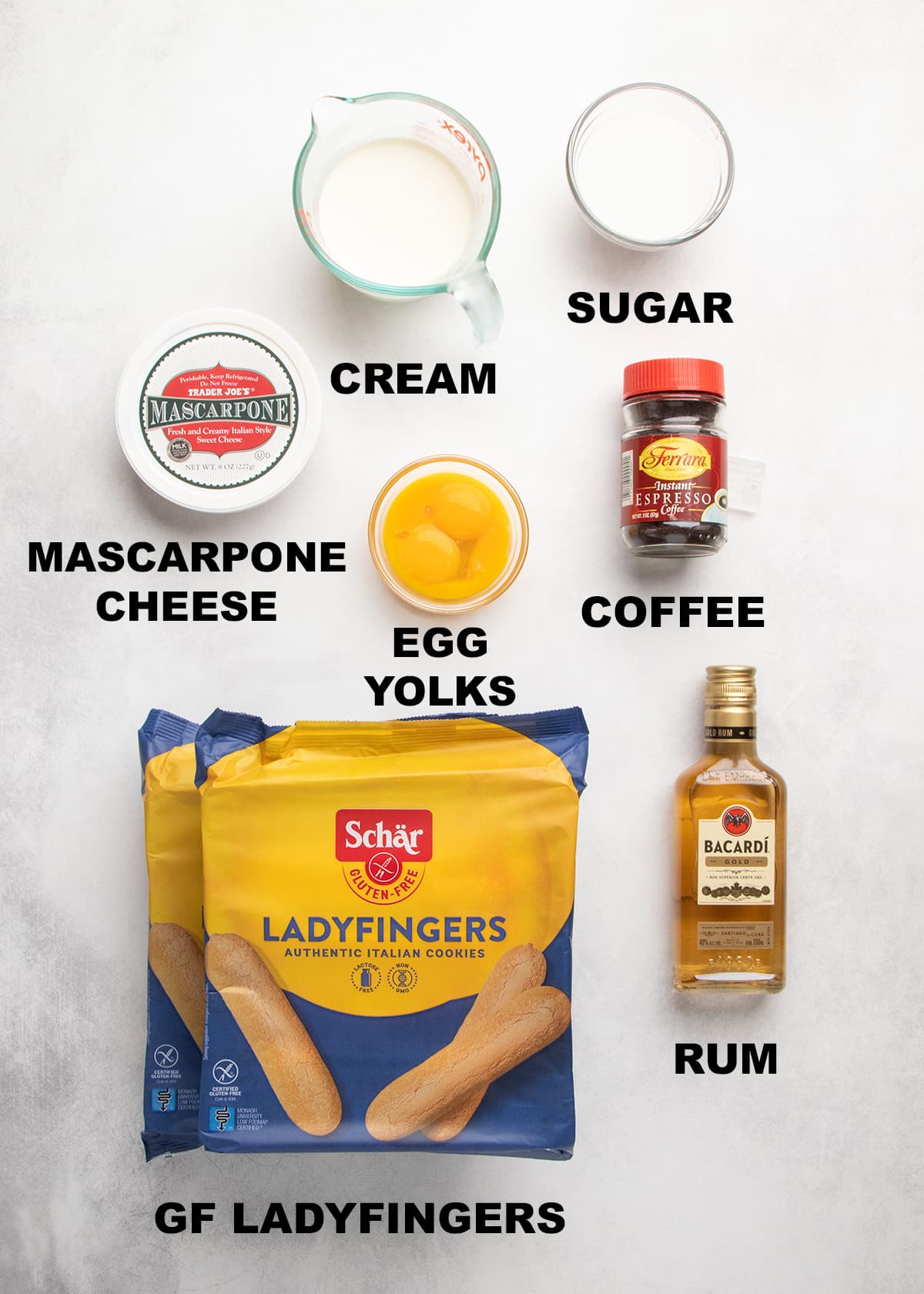
The creation of this elegant dessert relies on a curated selection of high-quality ingredients, each playing a vital role in achieving the desired taste and texture. While the precise quantities are detailed in the accompanying recipe card, a brief overview highlights the simplicity and efficacy of the chosen components.
For the luscious filling, the recipe calls for premium mascarpone cheese, renowned for its velvety smoothness and rich, slightly sweet flavor. This is complemented by heavy whipping cream, which, when whipped to perfection, provides an airy lightness that balances the density of the mascarpone. The egg yolks, as mentioned, are crucial for structure and richness, and are tempered with sugar. The subtle warmth and depth of flavor are further enhanced by a touch of rum, though this can be omitted for an alcohol-free version.
The foundation of the tiramisu is built upon specially selected gluten-free ladyfingers. These are the cornerstone of the dessert’s gluten-free status, and their delicate nature necessitates the careful brushing technique described. The coffee element, typically espresso or strong brewed coffee, is essential for imparting the signature bold flavor that defines tiramisu. Finally, a dusting of unsweetened cocoa powder provides the classic finishing touch, offering a slight bitterness that contrasts beautifully with the sweetness of the filling.
The Art of Assembly: A Step-by-Step Culinary Journey
The process of creating this gluten-free tiramisu is an engaging culinary endeavor, with each step contributing to the final masterpiece. The detailed instructions are designed to guide even novice bakers through the creation of this sophisticated dessert.
1. Preparing the Egg Yolk Base: The initial step involves gently cooking the egg yolks with sugar. This is typically achieved using a double boiler or a heat-safe bowl set over simmering water. Constant whisking is crucial to prevent the yolks from scrambling, aiming for a pale yellow, ribbon-like consistency. The temperature target is around 170°F (77°C), ensuring the eggs are safely cooked while achieving the desired thickening. This cooked base provides the necessary stability for the mascarpone filling.
2. Whipping the Cream: While the egg yolk mixture cools, the heavy whipping cream is whipped to stiff peaks. A slow, steady whipping process is recommended to create a stable foam that will hold its shape without becoming grainy. This airy component is essential for the light texture of the final filling.
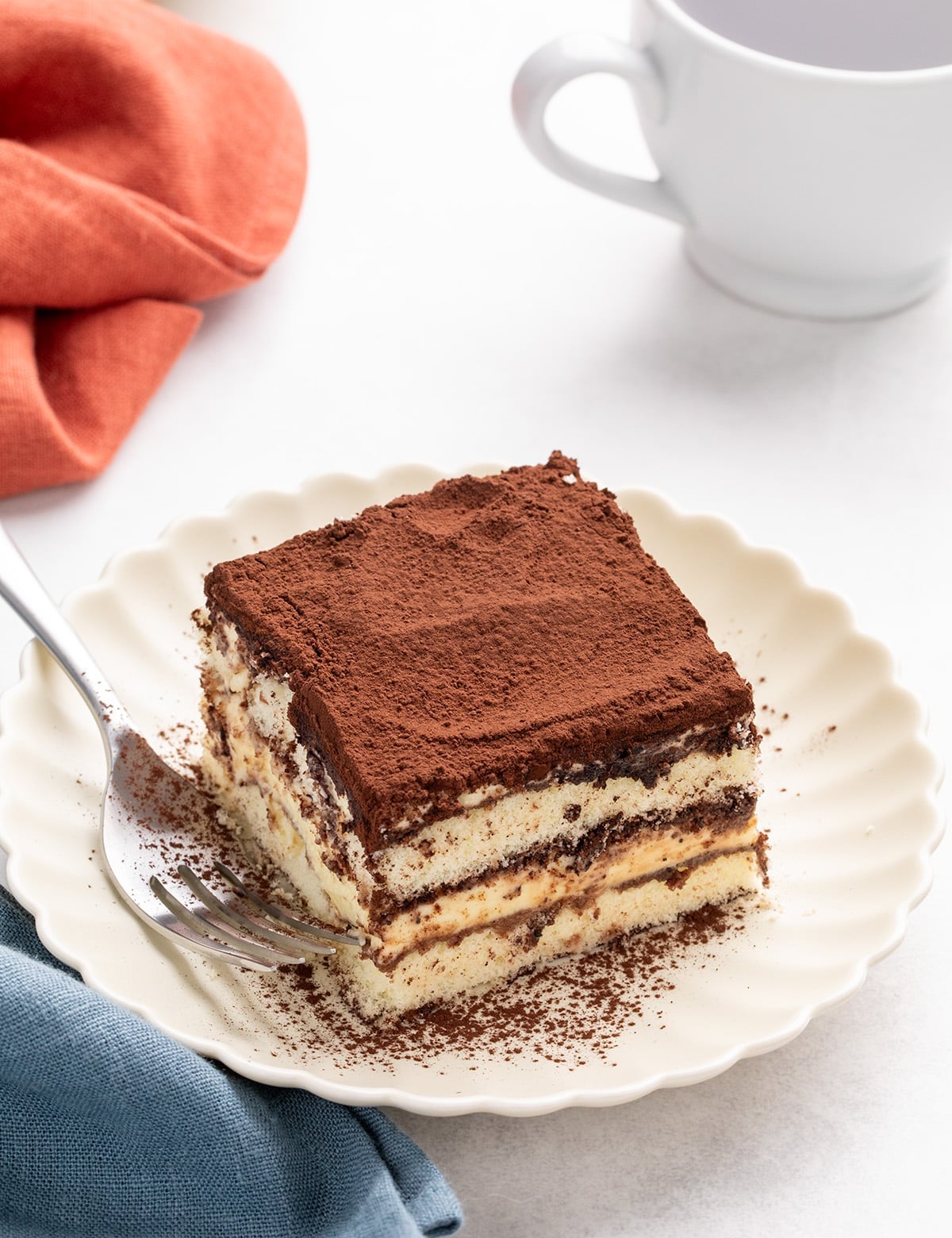
3. Incorporating the Mascarpone: The cooled egg yolk mixture is then combined with the mascarpone cheese and, if using, the rum. This is beaten until the mixture is pale and fluffy, indicating the incorporation of air. This step creates a smooth, rich base that will form the bulk of the tiramisu filling.
4. Folding in the Whipped Cream: The whipped cream is then gently folded into the mascarpone-egg yolk mixture in two stages. This careful folding technique preserves the airiness of the whipped cream, ensuring a light and delicate filling. The goal is a uniform color and texture, free from streaks of mascarpone or egg yolk.
5. Moistening the Ladyfingers: This is where the adaptation for gluten-free ladyfingers truly shines. Instead of dipping, a pastry brush is used to evenly coat the gluten-free ladyfingers with the coffee and rum mixture. This controlled application ensures that the cookies absorb sufficient moisture for softness without becoming overly saturated and fragile. Careful placement of the ladyfingers, minimizing gaps, forms the crucial base layer.
6. Layering the Tiramisu: The assembly begins with a generous layer of the mascarpone filling spread over the moistened ladyfingers. This is followed by a second layer of brushed ladyfingers, which are then topped with the remaining filling, spread evenly. The strategic placement of the filling around the ladyfingers helps to secure them.
7. The Essential Chill: The assembled tiramisu is then covered tightly and refrigerated for a minimum of six hours, and ideally overnight. This prolonged chilling period is indispensable. It allows the ladyfingers to soften completely, the coffee flavor to fully permeate the layers, and the mascarpone filling to set into a firm, sliceable consistency. Rushing this step can result in a dry or unset dessert.
8. The Finishing Touch: Just before serving, the tiramisu is dusted with unsweetened cocoa powder using a fine-mesh sieve. This classic topping adds a touch of bitterness and visual appeal. For added flavor and texture, a scattering of chocolate shavings can also be incorporated.
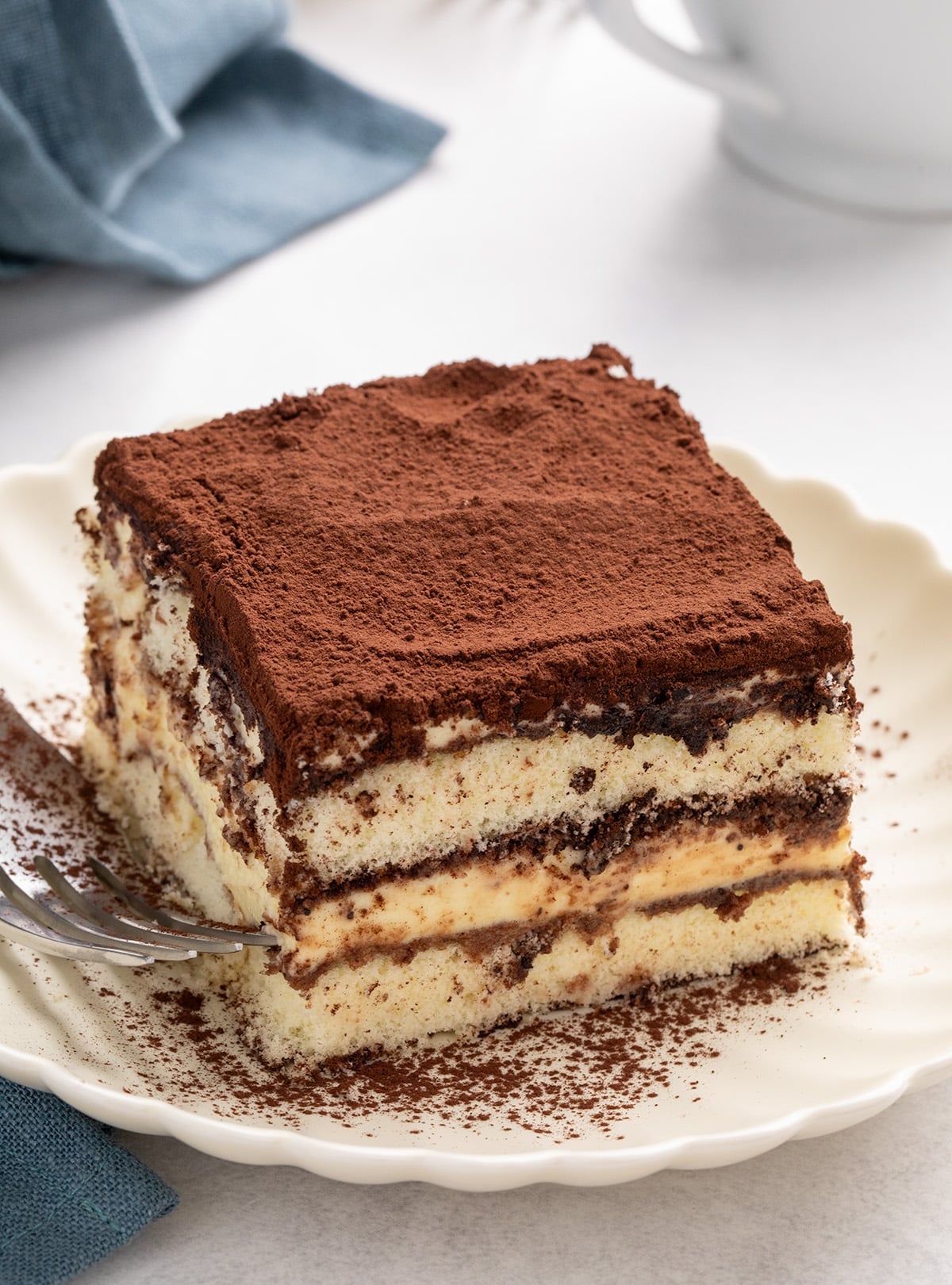
9. Slicing and Serving: A large, sharp knife or a bench scraper is recommended for cutting the tiramisu into neat portions. The first slice can be challenging, but subsequent servings are typically cleaner as the dessert has settled.
Expert Insights: Tips for Gluten-Free Tiramisu Perfection
1. The Brush, Not the Dip: As emphasized, the key to successfully incorporating the coffee flavor into gluten-free ladyfingers is the brushing method. Dipping, even briefly, is highly likely to cause these delicate cookies to disintegrate. This technique ensures an even flavor distribution without compromising the structural integrity of the ladyfingers.
2. The Importance of Cooked and Cooled Yolks: Cooking the egg yolks to the recommended temperature not only ensures food safety but also contributes to the filling’s ability to set properly. Allowing the cooked yolks to cool before incorporating them into the mascarpone and whipped cream prevents the fats from melting, which could result in a runny filling that never firms up.
Navigating Ingredient Alternatives: Dairy-Free, Egg-Free, and Ladyfinger Substitutions
For individuals with additional dietary restrictions or ingredient availability challenges, thoughtful substitutions can be explored.
Dairy-Free Adaptations: For a dairy-free tiramisu, dairy-free cream cheese can be used as a substitute for mascarpone, though it’s important to note that the flavor and texture may vary. Dairy-free whipping creams, such as those made from soy or coconut, can be used in place of traditional heavy whipping cream.
Egg-Free Considerations: Replacing the egg yolks precisely is challenging. However, a custard powder, such as Baird’s, can be prepared according to package directions and then beaten with mascarpone and folded with whipped cream. For an egg-free ladyfinger alternative, gluten-free graham crackers are a viable option. These are generally sturdier and can be dipped in the coffee mixture without disintegrating.
Ladyfinger Alternatives: If gluten-free ladyfingers are unavailable, gluten-free graham crackers offer a suitable substitute. Their robust nature allows for a more traditional dipping method, and they provide a pleasing texture when softened by the coffee mixture.
Storage and Longevity: Preserving the Gluten-Free Delight
Proper storage is essential to maintain the quality of this gluten-free tiramisu. When wrapped tightly and refrigerated, it can be stored for up to three days. It is advisable to add the cocoa powder dusting closer to serving time, as it can absorb moisture and become soggy if applied too far in advance. Freezing is generally not recommended, as the texture of the filling can separate, and the soaked ladyfingers may develop an icy quality.
The development of this gluten-free tiramisu represents a significant advancement in inclusive patisserie. It demonstrates that dietary restrictions do not necessitate a compromise on taste or quality, allowing a wider audience to savor the exquisite pleasure of this classic Italian dessert. The meticulous attention to detail, from ingredient selection to assembly technique, ensures a truly authentic and delicious gluten-free experience.
