

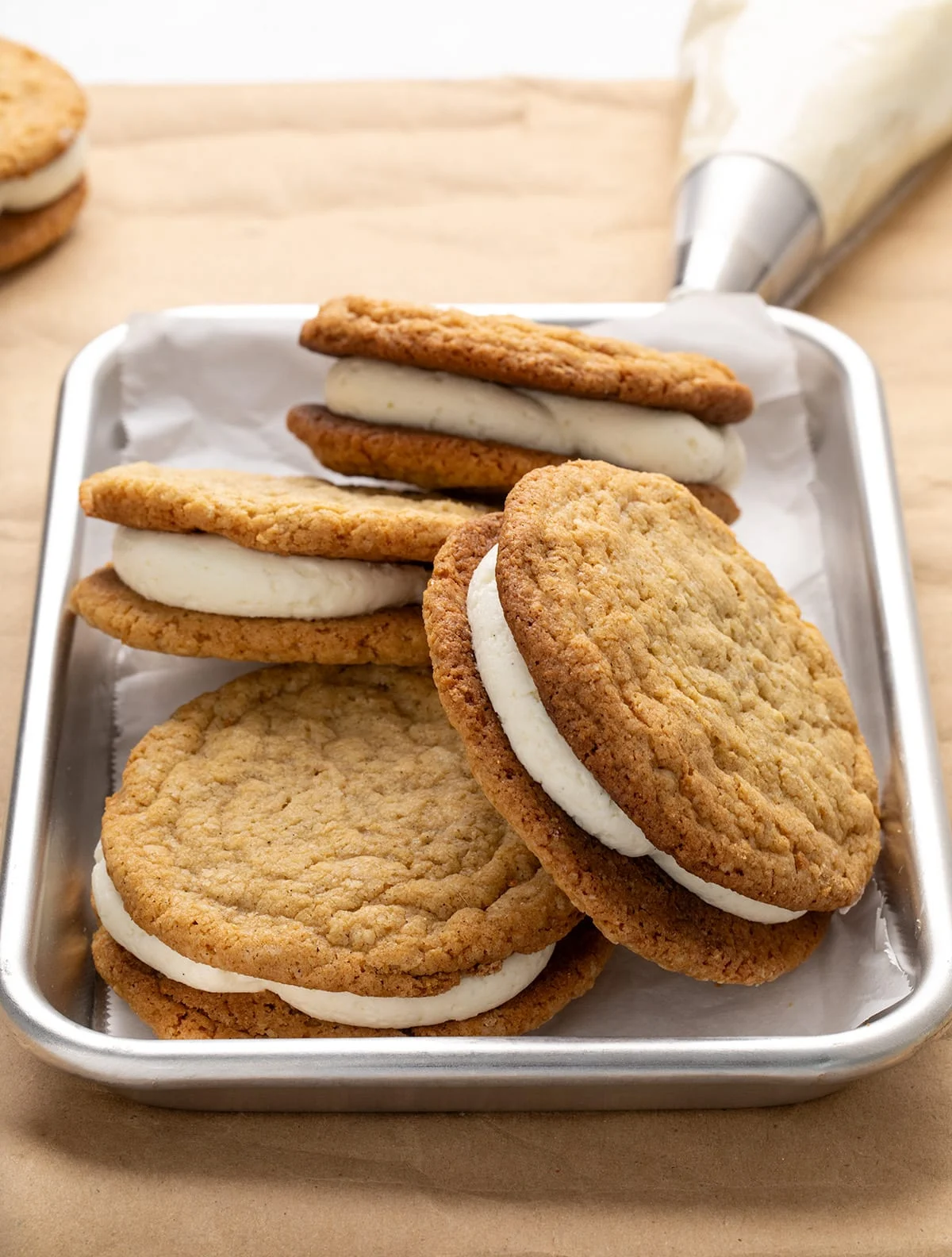
The quest for beloved childhood treats in a gluten-free format often leads bakers on a journey of experimentation and adaptation. For many, the iconic Little Debbie Oatmeal Cream Pie holds a special place in their culinary memories. Now, a meticulously crafted recipe offers a faithful, from-scratch gluten-free rendition, promising the same thin, chewy oatmeal cookies and luscious vanilla cream filling that made the original a snack-time staple. This in-depth exploration delves into the intricacies of this recipe, providing not just instructions but a comprehensive understanding of the science and technique behind achieving a truly satisfying gluten-free version of this classic treat.
The Art of the Gluten-Free Oatmeal Cookie
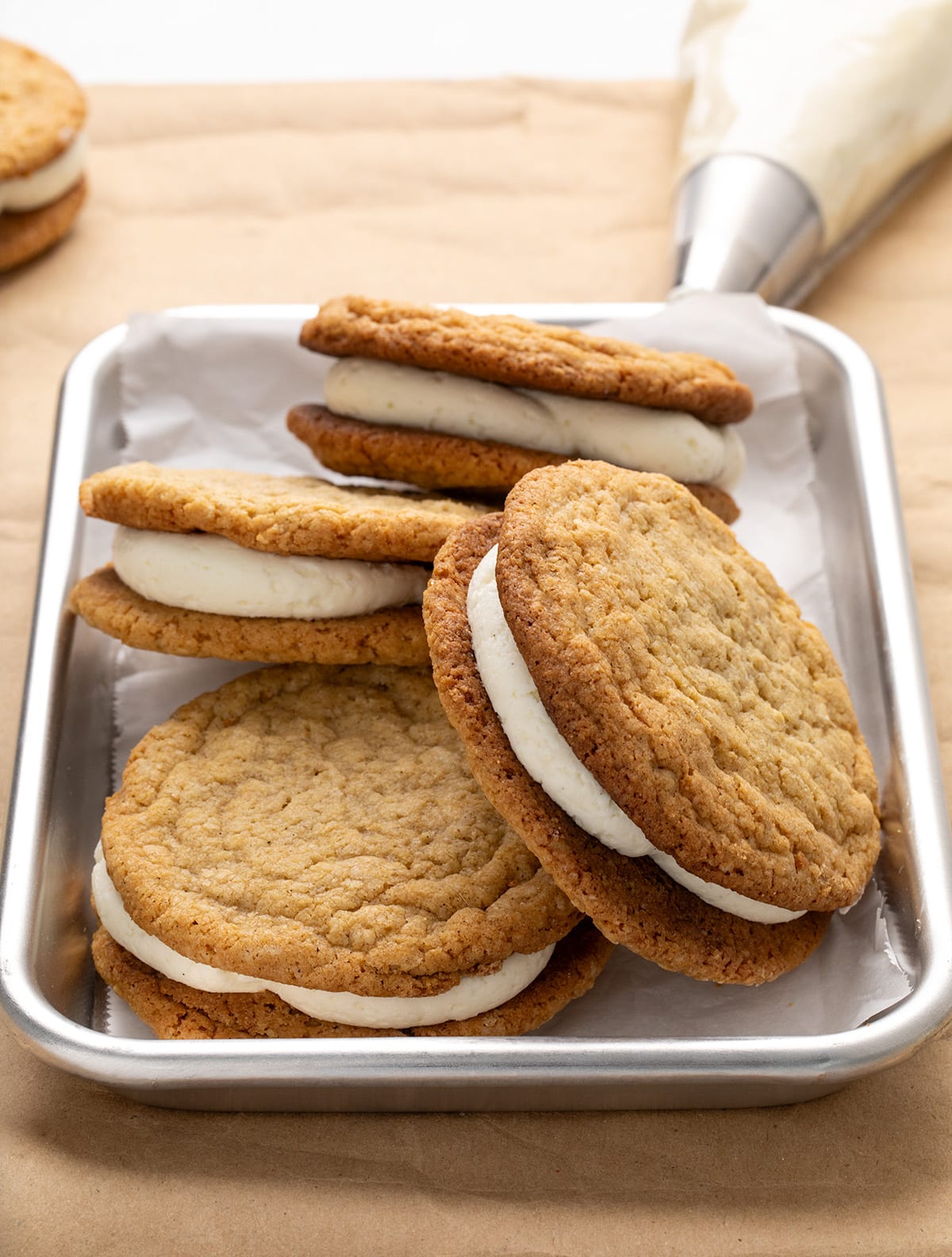
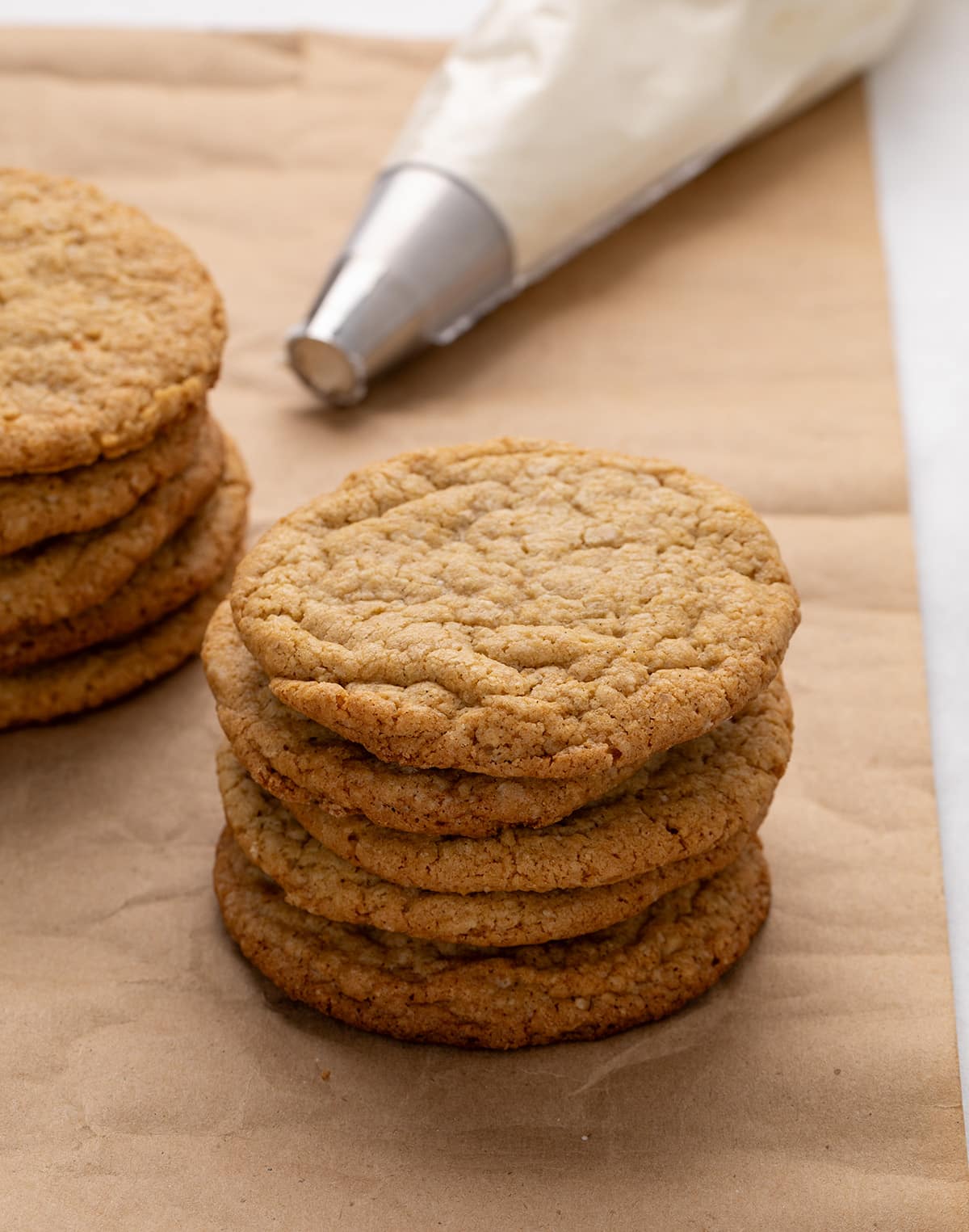
Many gluten-free oatmeal cookie recipes tend to veer towards a thicker, cake-like texture, a far cry from the delicate chewiness of their traditional counterparts. This particular recipe, however, is engineered to replicate the signature characteristics of the original: thin, yielding cookies with a subtly crinkled surface and a soft, pliable texture. The key to achieving this lies in the preparation of the oats.
"The oats are processed just enough to break them down without turning them into a smooth flour," explains the recipe’s creator. This precise milling ensures that the cookies retain a genuine oatmeal flavor and a tender, cohesive structure, while avoiding the overly hearty and chewy texture that can sometimes overwhelm gluten-free oat-based baked goods. The goal is to achieve a delicate balance that honors the original’s mouthfeel, a feat often challenging in gluten-free baking.
The Stabilizing Secret of the Cream Filling
The creamy, sweet filling is another critical component of the classic oatmeal cream pie. This gluten-free version employs a rich vanilla buttercream, enhanced with a touch of meringue powder. This seemingly small addition plays a crucial role in the dessert’s overall success.
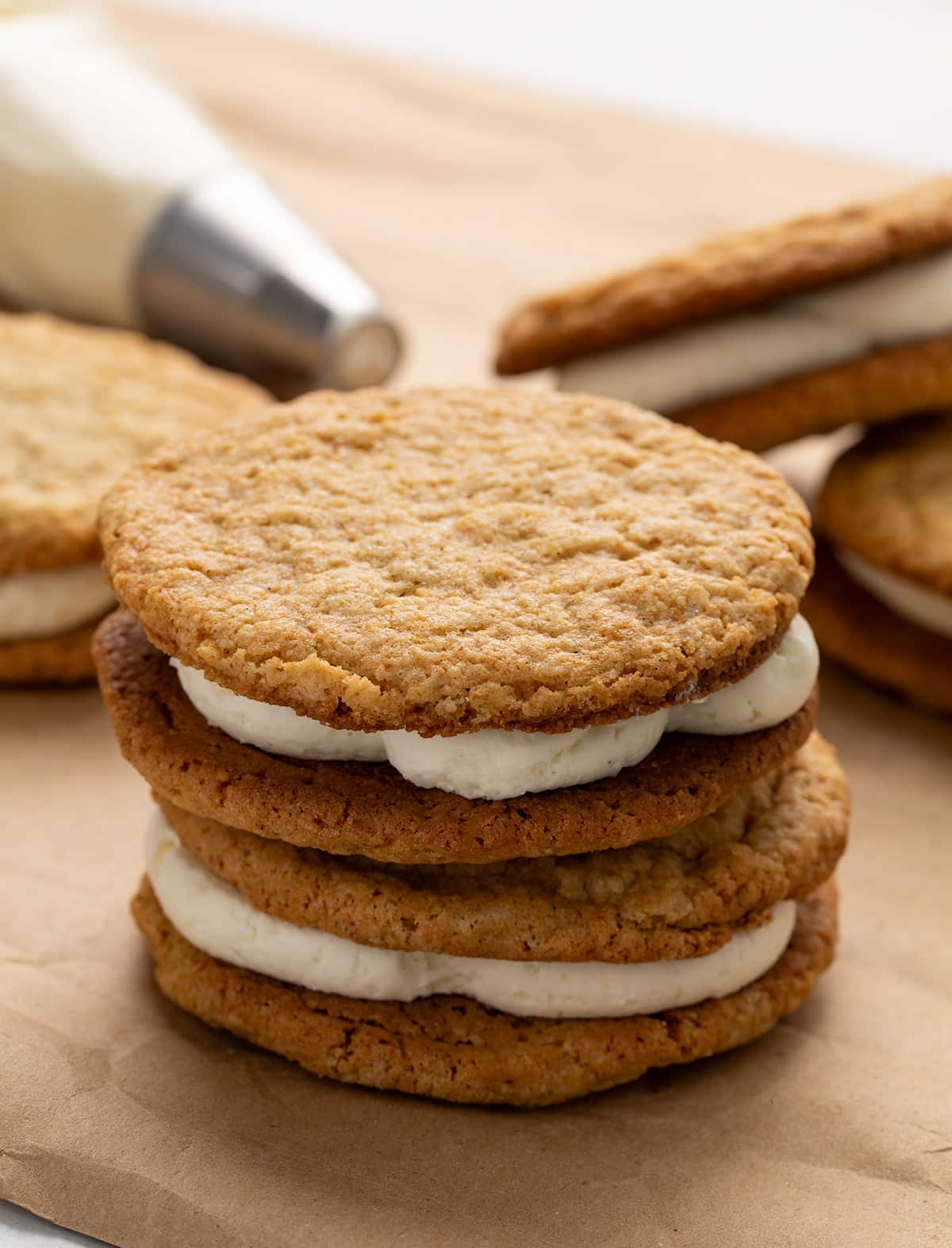
"That way, it stays fluffy and structured at room temperature, instead of softening or separating after a few hours," the recipe notes. This stability is paramount for a snack cake designed for portability and extended enjoyment. The meringue powder acts as a stabilizer, preventing the filling from becoming overly soft or greasy, ensuring that each bite delivers the intended creamy indulgence without compromise. This attention to detail in the filling’s composition elevates the gluten-free offering from a mere imitation to a truly comparable treat.
Key Ingredients and Their Roles
A successful gluten-free recipe hinges on the thoughtful selection and combination of its ingredients. This recipe for gluten-free oatmeal cream pies is no exception, with each component contributing to the final texture, flavor, and structure.
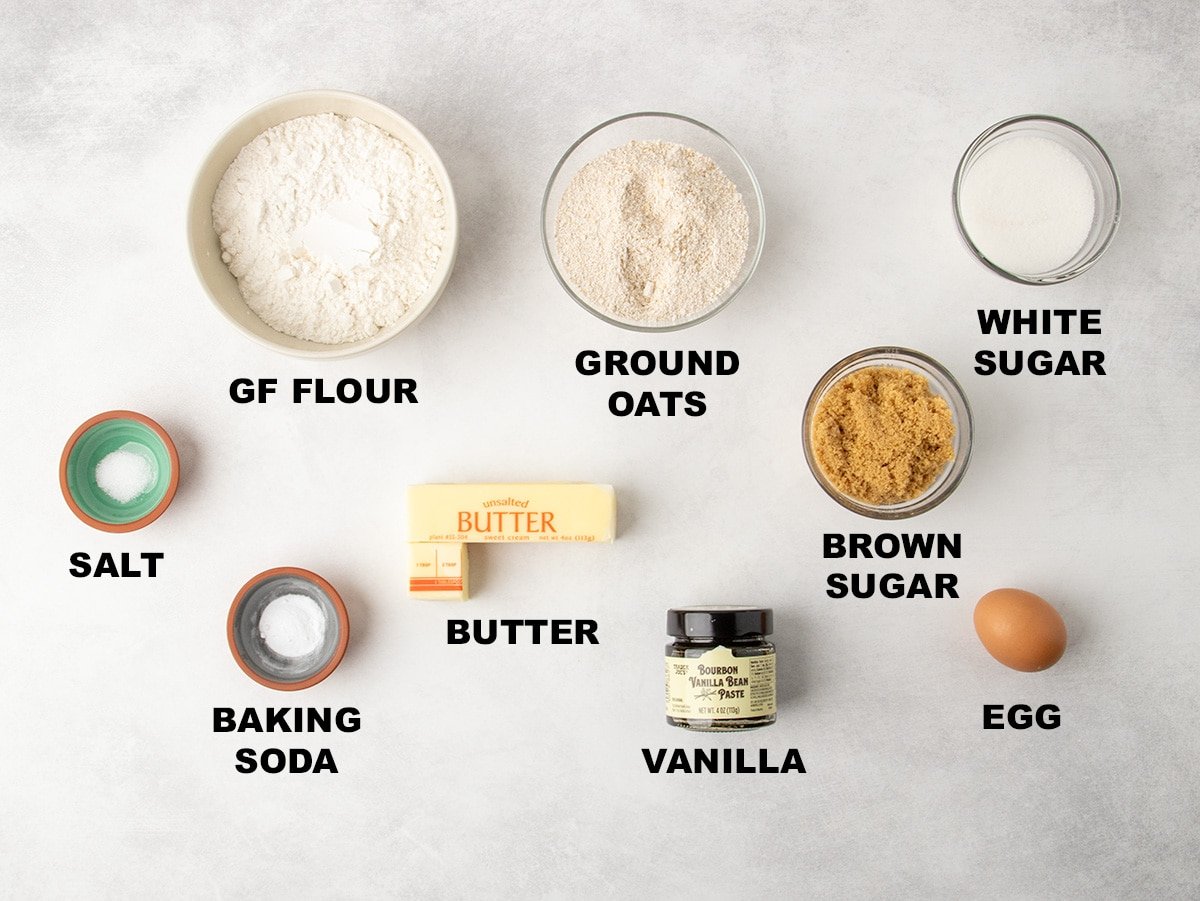
- Gluten-Free Flour Blend: The foundation of the cookie, a high-quality all-purpose gluten-free flour blend is essential. The recipe specifically recommends blends like Better Batter’s original (without added xanthan gum) or Nicole’s Best multipurpose plus xanthan gum. For those preferring a DIY approach, a blend mimicking Better Batter or the original Cup4Cup is suggested. The inclusion of xanthan gum is vital for providing structure and binding in gluten-free baking, mimicking the elasticity that gluten provides. The recipe notes that for some blends, like Bob’s Red Mill 1-to-1 gluten-free (in the blue bag), an additional 1/8 teaspoon of xanthan gum may be necessary to prevent crumbling.
- Ground Oats: As mentioned, the careful processing of oats is central to the cookie’s texture. Grinding them to a medium consistency, rather than a fine flour, ensures a pleasant chew and authentic oatmeal flavor without overwhelming the cookie with a dense texture.
- Sugars (Granulated and Light Brown): The combination of granulated and light brown sugar contributes to both the sweetness and the texture of the cookies. Brown sugar, with its molasses content, adds moisture, chewiness, and a deeper flavor profile.
- Baking Soda: This leavening agent reacts with acidic ingredients to produce carbon dioxide gas, which causes the cookies to spread and achieve their characteristic thinness.
- Salt: Salt enhances the overall flavor of the cookies, balancing the sweetness and bringing out the nuances of the other ingredients.
- Butter: Unsalted butter provides richness, flavor, and contributes to the cookie’s tender crumb. Using room temperature butter is crucial for proper incorporation into the dry ingredients.
- Egg: The egg acts as a binder, helping to hold the cookie dough together, and contributes to its richness and structure.
- Vanilla Extract: Pure vanilla extract enhances the overall flavor profile, adding warmth and depth to both the cookies and the filling.
For the filling, the primary ingredients are:
- Butter: Creamed butter forms the base of the rich, smooth filling.
- Milk: Milk is used to achieve the desired consistency for the buttercream.
- Confectioners’ Sugar: This fine sugar creates a smooth, sweet frosting.
- Meringue Powder: As highlighted, this is the secret ingredient for a stable, pipeable filling that holds its shape.
Crafting the Gluten-Free Oatmeal Cream Pies: A Step-by-Step Guide
The process of creating these gluten-free oatmeal cream pies is divided into distinct stages, ensuring clarity and ease of execution.
Making the Cookies
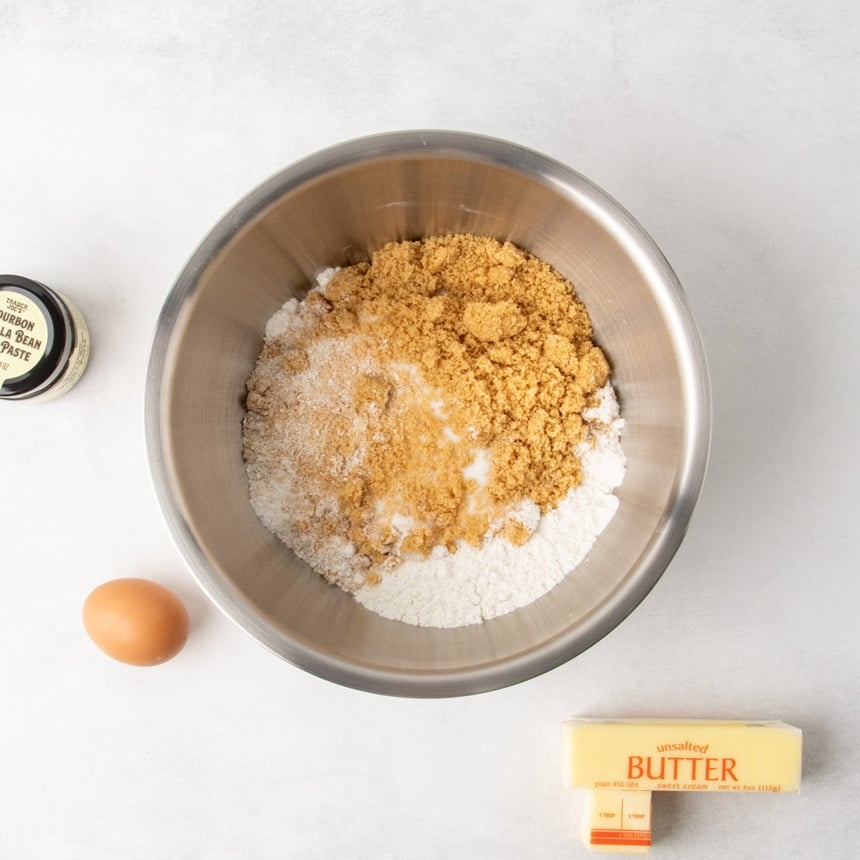
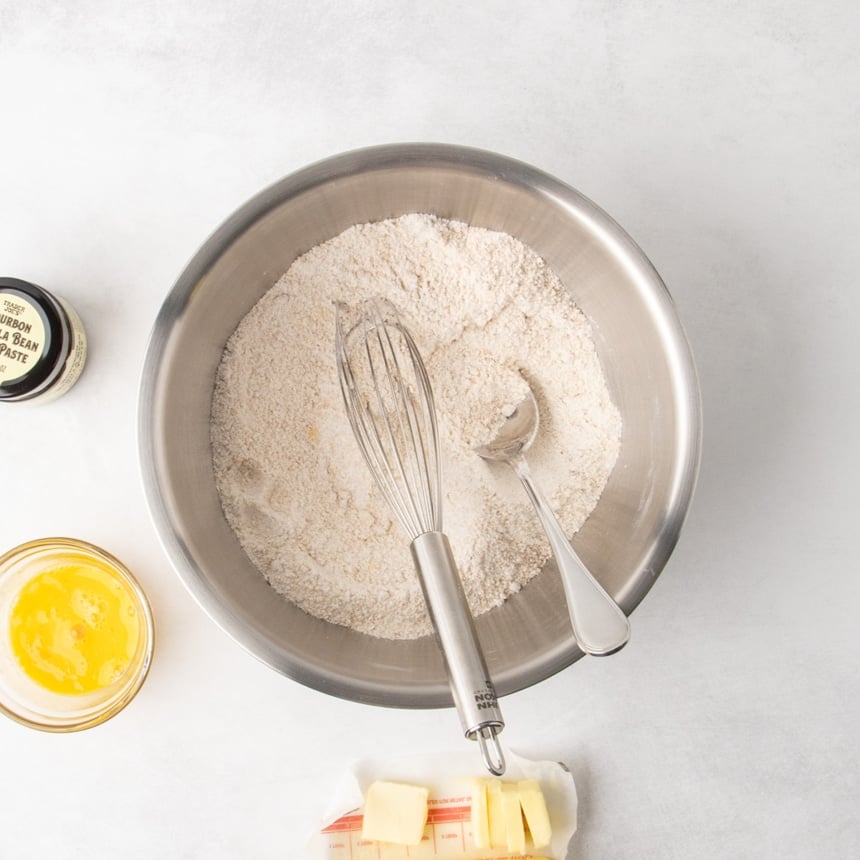
- Combine Dry Ingredients: In a large mixing bowl, thoroughly whisk together the gluten-free flour blend, xanthan gum (if not already in your blend), ground oats, granulated sugar, light brown sugar, baking soda, and salt. This initial step ensures that all dry ingredients are evenly distributed, preventing pockets of unmixed components.
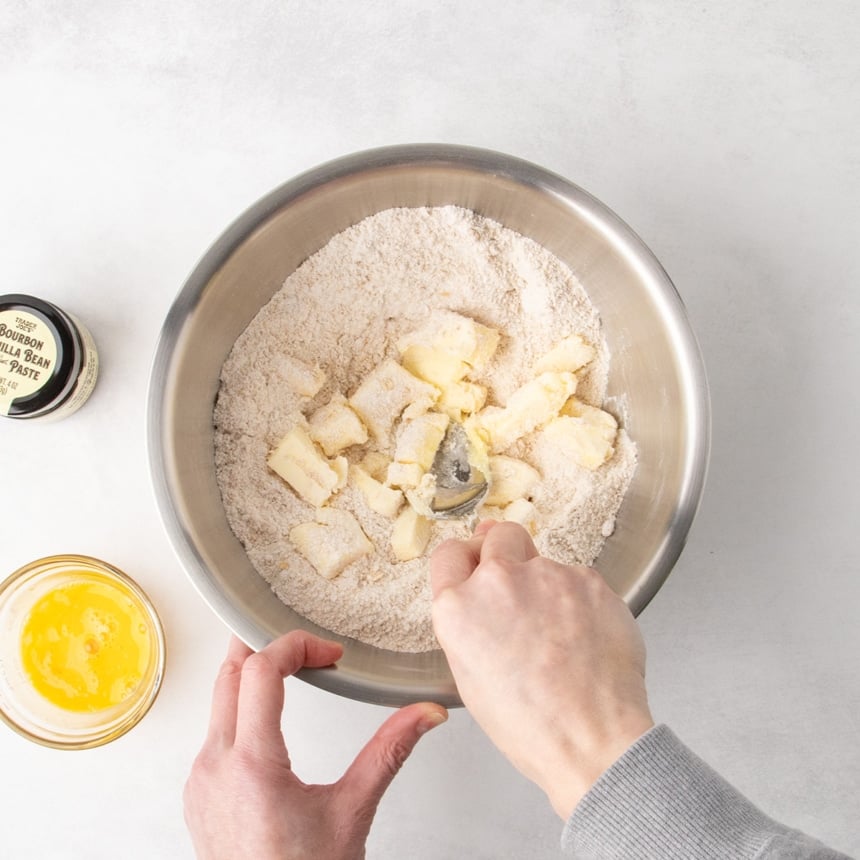
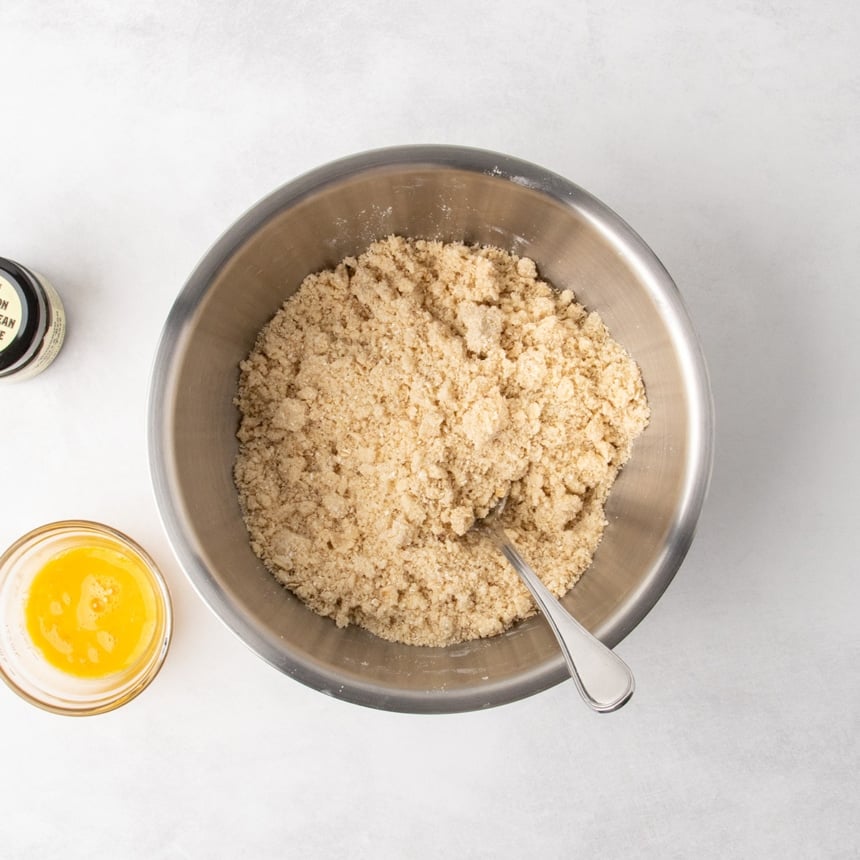
- Incorporate Butter: Add chunks of room-temperature butter to the dry ingredients. Using the underside of a mixing spoon, press firmly to work the butter into the mixture until it resembles coarse, moistened crumbs. This technique ensures thorough integration of the butter, which helps control the cookies’ spread by coating the flour particles.
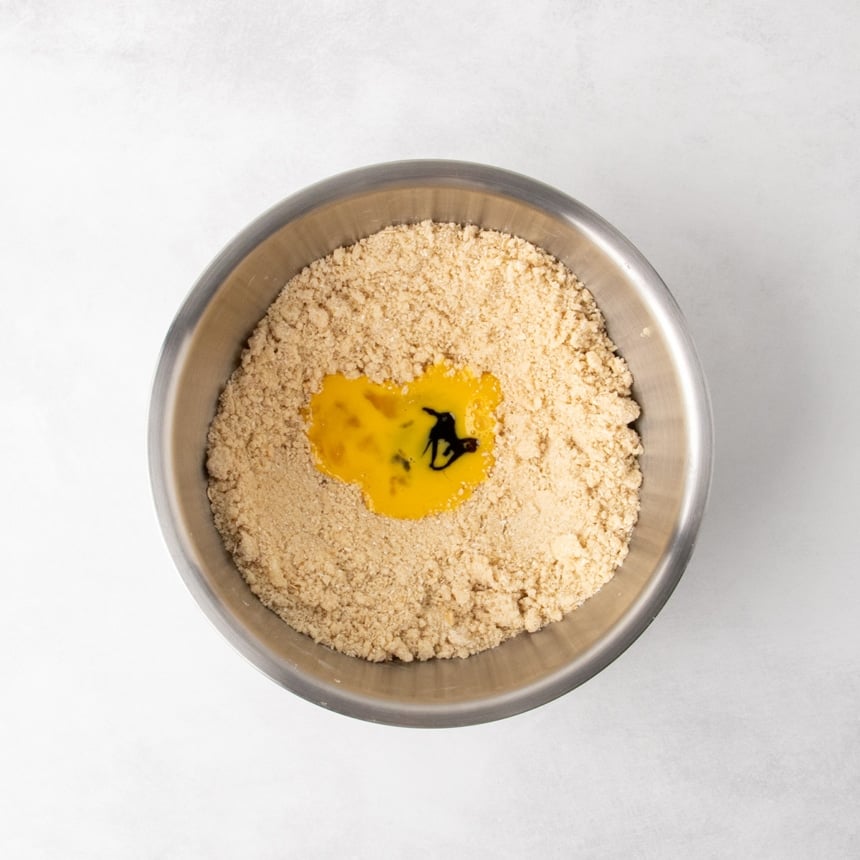
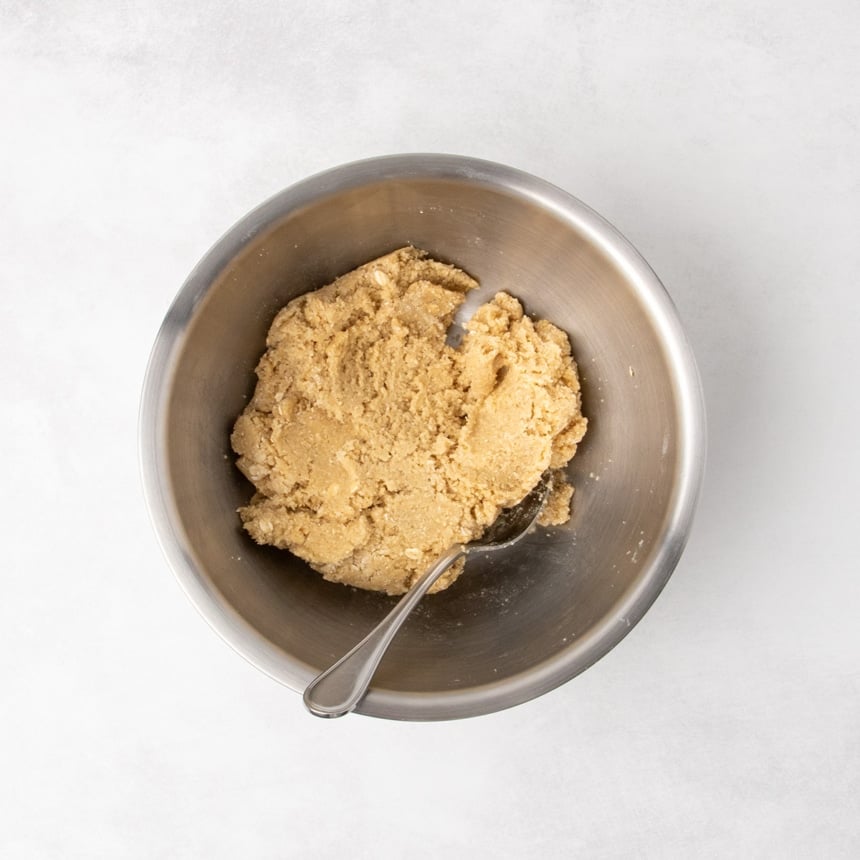
- Add Wet Ingredients: Create a well in the center of the bowl and add the beaten egg and vanilla extract. Mix until a smooth, cohesive, light brown cookie dough forms. The dough should be thick and somewhat stiff, but not dry.
- Portion the Dough: Using a medium ice cream scoop (approximately a #40 scoop, or an OXO medium scoop), portion the dough. Each portion should weigh about 2 ounces. It is important not to chill the dough before baking, as this can negatively impact the desired spread and chewiness.
- Bake the Cookies: Place the dough portions at least two inches apart on parchment-lined baking sheets to allow ample space for spreading. Bake until the cookies are lightly golden brown all over and have spread to approximately 4 inches in diameter.
- Cool the Cookies: The cookies will be fragile immediately after baking. Allow them to cool on the baking sheet for about 10 minutes before carefully transferring them to a wire rack to cool completely.
Making the Filling
- Cream Butter and Liquids: In a separate bowl, cream together softened butter, milk, and vanilla extract using an electric mixer (a handheld mixer is sufficient) until the mixture is creamy.
- Add Confectioners’ Sugar: Gradually add confectioners’ sugar until the filling reaches a spreadable consistency that holds its shape but is still soft enough to pipe.
- Incorporate Meringue Powder: Add the meringue powder and mix until well combined. This step is crucial for stabilizing the filling, as noted in the recipe’s rationale.
Assembling the Pies
- Prepare Piping Bag: Spoon the prepared filling into a piping bag fitted with a large open piping tip. Alternatively, a zip-top bag with a corner snipped off can be used.
- Pipe the Filling: Pipe a generous layer of filling onto the underside of half of the cooled cookies. For an authentic appearance, aim to create a three-leaf clover shape with the filling.
- Sandwich the Cookies: Gently press the remaining plain cookies onto the piped filling to create the sandwich cookies.
Addressing Common Allergens: Substitutions and Considerations
For individuals managing specific dietary restrictions, this recipe offers adaptable solutions without compromising the beloved taste and texture of oatmeal cream pies.
Dairy-Free Adaptations
- Butter Substitution: For a dairy-free version, opt for block-style vegan butter alternatives such as Melt, Miyoko’s, or Trader Joe’s brand. The recipe suggests that cookies made with vegan butter might spread slightly more. To compensate, an additional 10 grams of the gluten-free flour blend can be incorporated. The filling is less susceptible to melting issues, but the meringue powder remains essential for achieving the correct firmness.
- Milk Substitution: Any unsweetened dairy-free milk alternative can be used in the filling, such as almond, soy, or oat milk.
Egg-Free Alternatives
- Egg Replacement in Cookies: For an egg-free cookie base, several options are available. A chia egg or a flax egg (though the latter may impart a slightly bitter flavor, which is usually masked in this recipe) can be used. Another approach involves increasing the gluten-free flour blend by 10 grams and adding 25 grams of plain Greek-style yogurt.
- Filling Adjustments: When omitting eggs from the cookies, it is recommended to also leave out the meringue powder from the filling. To ensure the filling remains sufficiently firm, slightly reduce the amount of milk used.
Storage and Shelf Life
Proper storage is key to maintaining the freshness and texture of homemade gluten-free oatmeal cream pies.
- Room Temperature Storage: Once assembled, the filled snack cakes can be stored in an airtight glass container at room temperature for approximately 5 days. They tend to retain their desirable texture throughout this period.
- Freezer Storage: For longer preservation, unfilled cookies can be tightly wrapped in freezer-safe wrap or placed in a freezer bag and frozen for up to 2 months. Upon thawing at room temperature, they can then be filled as directed. Alternatively, assembled pies can be individually wrapped in freezer-safe material and frozen. Defrost them at room temperature before serving.
The Broader Context: Nostalgia and Culinary Innovation
The creation of this gluten-free oatmeal cream pie recipe speaks to a larger trend in the culinary world: the desire to recreate classic comfort foods in ways that are inclusive and accessible to those with dietary restrictions. It represents not just a recipe, but a solution for individuals who may have grown up cherishing these treats and now wish to share them with their own families or simply revisit those cherished flavors. The meticulous approach to ingredient selection and technique underscores the dedication required to achieve authentic results in gluten-free baking, transforming what could be a compromise into a genuine delight. The success of such recipes highlights the ongoing innovation within the gluten-free community, proving that beloved flavors and textures are achievable without gluten.
